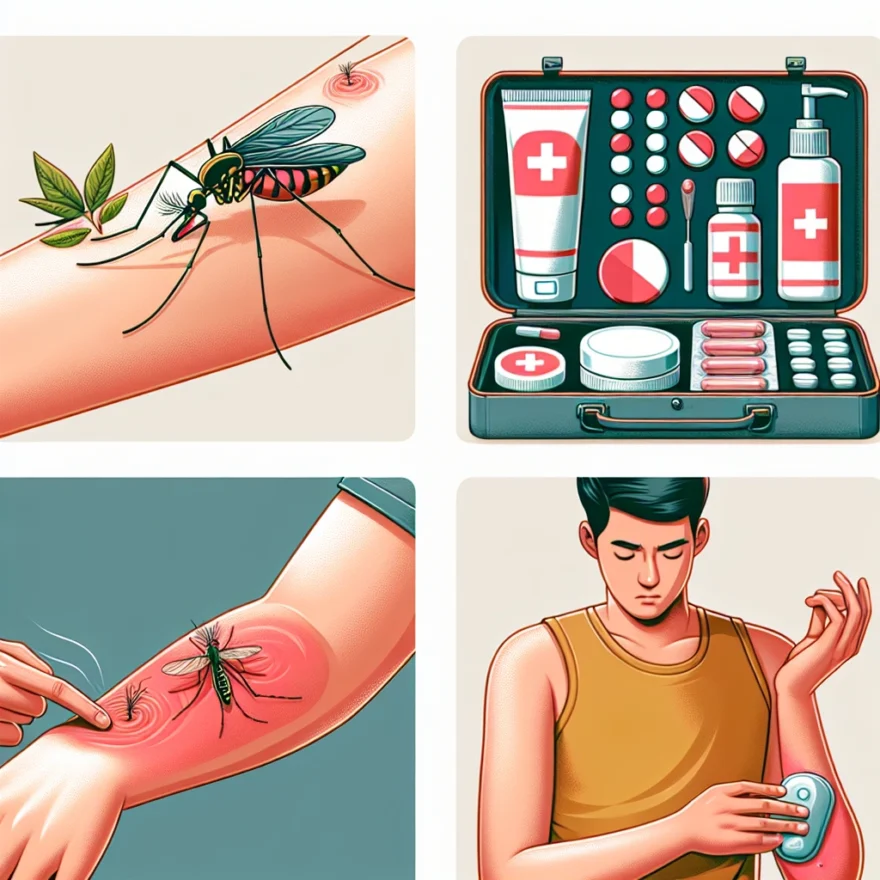
Introduction to Mosquito Bite Allergies
Mosquito bites are a common occurrence for people all around the world, particularly during the warmer months. While most people experience mild itching and redness after being bitten by a mosquito, some individuals may develop an allergic reaction to mosquito bites. These allergic reactions can range from mild to severe and can cause a variety of symptoms, some of which may require medical attention.
Allergic reactions to mosquito bites occur when the immune system overreacts to the proteins found in mosquito saliva, which is injected into the skin during a bite. This overreaction can cause the release of histamines and other inflammatory substances, leading to the symptoms associated with an allergic reaction. Understanding the symptoms, treatment options, and prevention methods for mosquito bite allergies can help individuals better manage their reactions and avoid serious complications.
This article will explore the various aspects of allergic reactions to mosquito bites, including common symptoms, severity levels, diagnosis, treatment options, and prevention strategies. Additionally, we will discuss mosquito repellents, when to seek medical attention, mosquito-borne diseases, and the impact of climate change on mosquito populations and allergic reactions. By understanding the complexities of mosquito bite allergies, individuals can take the necessary steps to protect themselves and their families from the discomfort and potential dangers associated with these reactions.
Table of contents
- Introduction to Mosquito Bite Allergies
- Common Symptoms of Allergic Reactions to Mosquito Bites
- Severity Levels of Mosquito Bite Allergies
- Diagnosing Allergic Reactions to Mosquito Bites
- Treatment Options for Mosquito Bite Allergies
- Home Remedies for Allergic Reactions to Mosquito Bites
- Preventing Mosquito Bites and Allergic Reactions
- Mosquito Repellents: Types and Effectiveness
- When to Seek Medical Attention for Mosquito Bite Allergies
- Understanding Skeeter Syndrome
- Allergic Reactions to Mosquito Bites in Children
- Mosquito Bite Allergy Complications and Long-Term Effects
- Natural Mosquito Bite Prevention Methods
- Mosquito-Borne Diseases and Their Impact on Allergic Reactions
- Frequently Asked Questions About Mosquito Bite Allergies
- Managing Mosquito Bite Allergies During Travel
- Immunotherapy for Mosquito Bite Allergies
- Understanding the Role of Histamine in Allergic Reactions to Mosquito Bites
- How Climate Change Affects Mosquito Populations and Allergic Reactions
- Conclusion: Living with Mosquito Bite Allergies
Common Symptoms of Allergic Reactions to Mosquito Bites
For most people, a mosquito bite results in a small, itchy bump that subsides within a few hours to a couple of days. However, some individuals may experience an allergic reaction to mosquito bites, exhibiting a range of symptoms that can vary in severity. It is essential to recognize these symptoms to address the allergic reaction appropriately and seek medical attention if necessary.
The most common symptoms of an allergic reaction to mosquito bites include:
- Large area of redness and swelling: A mosquito bite may cause a more extensive area of redness and swelling in those with an allergy, often exceeding the size of a dime.
- Intense itching: While mosquito bites are generally itchy, an allergic reaction can lead to more severe itching that may persist for several days.
- Blisters or hives: In some cases, an allergic reaction to a mosquito bite can cause fluid-filled blisters or hives to form around the bite site or elsewhere on the body.
- Pain or warmth at the bite site: An allergic reaction may result in pain or warmth around the mosquito bite, indicating inflammation.
- Fever: A low-grade fever may accompany an allergic reaction to a mosquito bite, particularly in children.
- Swollen lymph nodes: Some individuals may experience swollen lymph nodes near the bite site, indicating an immune response to the allergen.
It is important to note that these symptoms can vary between individuals and may not always be present in every case. Additionally, the severity of the allergic reaction can depend on factors such as the individual’s sensitivity to mosquito bites, the number of bites sustained, and any underlying medical conditions.
In rare cases, a severe allergic reaction called anaphylaxis may occur. Symptoms of anaphylaxis include difficulty breathing, rapid or weak pulse, dizziness or fainting, and swelling of the face, lips, or throat. Anaphylaxis is a medical emergency and requires immediate treatment.
If you suspect you or someone you know is experiencing an allergic reaction to a mosquito bite, it is crucial to monitor the symptoms and seek appropriate treatment. The following sections will discuss diagnosis, treatment options, and prevention strategies for mosquito bite allergies.
Severity Levels of Mosquito Bite Allergies
Mosquito bites are a common annoyance during warm weather months, but for some people, they can lead to more severe reactions. The severity of a mosquito bite allergy can vary widely depending on the individual and the circumstances surrounding the bite.
Most people experience mild to moderate symptoms after a mosquito bite, such as redness, itching, and swelling around the bite site. These symptoms typically go away on their own within a few days and do not require medical treatment.
However, some people may experience more severe reactions to mosquito bites. These reactions can be classified into three levels of severity:
- Mild: Mild reactions to mosquito bites typically involve localized swelling and redness around the bite site. The swelling may be slightly larger than the size of the bite and may last for a few days. Mild reactions may also include itching and discomfort.
- Moderate: Moderate reactions to mosquito bites may involve more pronounced swelling, redness, and itching around the bite site. The swelling may spread beyond the immediate area of the bite and may last for several days. Moderate reactions may also include the development of small blisters or hives around the bite site.
- Severe: Severe reactions to mosquito bites are rare but can be life-threatening. These reactions, known as anaphylaxis, can cause symptoms such as difficulty breathing, swelling of the face and throat, rapid heartbeat, and a drop in blood pressure. Anaphylaxis requires immediate medical attention and may require the use of an epinephrine auto-injector.
It is important to note that the severity of a mosquito bite allergy can change over time. Some people may experience mild reactions to mosquito bites for years before suddenly experiencing a severe reaction. It is also possible for the severity of a reaction to increase with repeated exposure to mosquito bites.
If you experience any symptoms beyond mild swelling and itching after a mosquito bite, it is important to seek medical attention. Your healthcare provider can help determine the severity of your reaction and recommend appropriate treatment options.
Diagnosing Allergic Reactions to Mosquito Bites
Allergic reactions to mosquito bites can be diagnosed by a medical professional through a physical examination and a review of the patient’s medical history. The doctor may ask the patient about their symptoms, including the severity and duration of the reaction, as well as any previous allergic reactions to mosquito bites or other substances.
In some cases, the doctor may perform a skin test or blood test to confirm the presence of an allergy. A skin test involves placing a small amount of mosquito saliva or extract on the skin and monitoring for a reaction. A blood test measures the levels of specific antibodies in the blood that are associated with an allergic reaction.
It is important to note that not all mosquito bites result in an allergic reaction, and not all allergic reactions to mosquito bites are severe. In some cases, a mild reaction may be mistaken for an allergy, or a severe reaction may be misdiagnosed as a less serious condition.
If you suspect that you or someone you know is experiencing an allergic reaction to a mosquito bite, it is important to seek medical attention. A medical professional can provide an accurate diagnosis and recommend appropriate treatment options.
Treatment Options for Mosquito Bite Allergies
Mosquito bites are a common nuisance, but for some people, they can cause an allergic reaction. If you’re experiencing symptoms of an allergic reaction to mosquito bites, there are several treatment options available.
If you have a mild reaction to a mosquito bite, you can often relieve the symptoms with over-the-counter antihistamines and topical creams. Antihistamines work by blocking the release of histamine, which is the chemical that causes the itching, swelling, and redness associated with an allergic reaction. Topical creams containing hydrocortisone can also help reduce itching and inflammation.
If you have a more severe reaction to a mosquito bite, your doctor may prescribe a stronger topical cream or an oral corticosteroid to reduce inflammation. In some cases, an injection of epinephrine may be necessary to treat a severe allergic reaction called anaphylaxis.
It’s important to note that while treatment can help relieve the symptoms of an allergic reaction to mosquito bites, it’s also important to take steps to prevent future bites. This includes using insect repellent, wearing protective clothing, and avoiding areas where mosquitoes are known to be active.
If you’re experiencing symptoms of an allergic reaction to mosquito bites, it’s important to seek medical attention if they persist or worsen. Your doctor can help determine the best course of treatment for your specific situation.
Home Remedies for Allergic Reactions to Mosquito Bites
If you are looking for natural remedies to relieve the discomfort and itching caused by mosquito bite allergies, there are several options you can try at home. Keep in mind that these remedies may not work for everyone, and if your symptoms are severe or persist, it is important to seek medical attention.
- Ice: Applying ice to the affected area can help reduce swelling, itching, and pain. Wrap a few ice cubes in a clean cloth and hold it against the bite for 10-15 minutes at a time, several times a day.
- Baking soda paste: Mix a small amount of baking soda with water to create a paste, then apply it to the bite. This can help reduce itching and inflammation.
- Oatmeal bath: Adding colloidal oatmeal to a lukewarm bath can help soothe itchy skin. Colloidal oatmeal is available at most drugstores and can be added to bathwater according to the package instructions.
- Tea tree oil: Diluted tea tree oil can be applied to mosquito bites to help reduce inflammation and itching. Mix a few drops of tea tree oil with a carrier oil, such as coconut or olive oil, before applying to the skin.
- Aloe vera: Aloe vera gel can be applied to mosquito bites to help reduce itching and inflammation. If you have an aloe vera plant, you can break off a leaf and apply the gel directly to the bite. If using store-bought aloe vera gel, make sure it is 100% pure.
- Honey: Honey has antibacterial and anti-inflammatory properties that can help reduce swelling and itching. Apply a small amount of honey to the bite and cover with a bandage.
- Apple cider vinegar: Dabbing a small amount of apple cider vinegar onto mosquito bites can help reduce itching and inflammation. Make sure to dilute the vinegar with water before applying to the skin.
- Essential oils: Some essential oils, such as lavender and peppermint oil, have anti-inflammatory and analgesic properties that can help relieve mosquito bite symptoms. Mix a few drops of essential oil with a carrier oil before applying to the skin.
Remember to always test a small area of skin before applying any new remedy, and discontinue use if you experience any adverse reactions. It is also important to avoid scratching mosquito bites, as this can lead to infection and further irritation.
Preventing Mosquito Bites and Allergic Reactions
Mosquito bites can be itchy and uncomfortable, but they can also cause allergic reactions in some people. To prevent mosquito bites and allergic reactions, consider taking the following measures:
- Use mosquito repellent: Apply mosquito repellent to exposed skin when spending time outdoors. Choose a repellent that contains DEET, picaridin, or oil of lemon eucalyptus for the best protection.
- Wear protective clothing: Wear long-sleeved shirts, pants, and socks to cover exposed skin. Mosquitoes are attracted to dark colors, so wear light-colored clothing.
- Avoid peak mosquito hours: Mosquitoes are most active at dawn and dusk, so try to stay indoors during these times if possible.
- Eliminate standing water: Mosquitoes lay their eggs in standing water, so eliminate any sources of standing water around your home. This includes emptying bird baths, flower pots, and other containers that hold water.
- Use mosquito netting: If you’re camping or sleeping outdoors, use mosquito netting to keep mosquitoes away from you while you sleep.
- Install screens: Install screens on windows and doors to keep mosquitoes out of your home.
- Use fans: Mosquitoes are weak fliers, so using fans can help keep them away from you. Consider using a fan on your patio or porch to create a mosquito-free zone.
- Consider mosquito-repelling plants: Certain plants, such as citronella, lavender, and basil, are said to repel mosquitoes. Consider planting these around your home or using essential oils made from these plants.
By taking these measures, you can reduce your risk of getting bitten by mosquitoes and experiencing an allergic reaction. However, if you do get bitten and experience symptoms of an allergic reaction, seek medical attention right away.
Mosquito Repellents: Types and Effectiveness
Mosquito repellents are an effective way to prevent mosquito bites and the allergic reactions that can come with them. There are several types of mosquito repellents available, each with their own level of effectiveness and duration of protection.
One of the most common types of mosquito repellents is DEET (N,N-diethyl-meta-toluamide). DEET is a powerful insect repellent that has been used for over 60 years. It is available in a variety of concentrations, with higher concentrations providing longer protection. DEET is effective against a wide range of insects, including mosquitoes, ticks, and fleas. However, it can be toxic if ingested or absorbed through the skin in large amounts, so it should be used with caution.
Another popular type of mosquito repellent is picaridin. Picaridin is a synthetic compound that is similar to the natural compound piperine, which is found in black pepper. It is effective against mosquitoes, ticks, and other biting insects, and is less likely to cause skin irritation than DEET. Picaridin is also odorless and non-greasy, making it a popular choice for outdoor activities.
Oil of lemon eucalyptus is a natural mosquito repellent that is derived from the leaves of the lemon eucalyptus tree. It is effective against mosquitoes and other biting insects, and has been shown to provide protection for up to six hours. However, it should not be used on children under three years of age, and should be used with caution on children under 12 years of age.
Other natural mosquito repellents include citronella, lavender, and peppermint oil. While these oils can be effective at repelling mosquitoes, their protection typically lasts for only a short period of time, and they may need to be reapplied frequently.
In addition to using mosquito repellents, it is important to take other measures to prevent mosquito bites and allergic reactions. These measures include wearing long sleeves and pants, using mosquito netting over beds and outdoor areas, and eliminating standing water where mosquitoes can breed.
When to Seek Medical Attention for Mosquito Bite Allergies
If you experience severe symptoms after a mosquito bite, you should seek medical attention immediately. Anaphylaxis is a rare but serious allergic reaction that can be life-threatening. Symptoms of anaphylaxis include:
- Difficulty breathing
- Swelling of the face, lips, tongue, or throat
- Rapid or weak pulse
- Dizziness or fainting
- Hives or rash
- Nausea or vomiting
If you or someone you know experiences these symptoms after a mosquito bite, call 911 or go to the emergency room right away.
It is also important to seek medical attention if you develop a fever or infection after a mosquito bite. Mosquitoes can transmit diseases such as West Nile virus, Zika virus, and malaria. Symptoms of these diseases can include:
- Fever
- Headache
- Muscle and joint pain
- Nausea and vomiting
- Rash
- Seizures
- Coma
If you have been bitten by a mosquito and develop any of these symptoms, contact your healthcare provider immediately.
If you have a history of severe allergic reactions or anaphylaxis, you should talk to your doctor about carrying an epinephrine auto-injector with you at all times. This can help you quickly treat an allergic reaction if it occurs.
Understanding Skeeter Syndrome
Mosquitoes are notorious for their bites, which can cause itching and discomfort. However, for some people, mosquito bites can trigger an allergic reaction known as Skeeter Syndrome.
Skeeter Syndrome is a type of mosquito bite allergy that is characterized by a large, red, and swollen area around the bite site. The symptoms are similar to those of other mosquito bite allergies, but they tend to be more severe and longer-lasting.
The exact cause of Skeeter Syndrome is not fully understood, but it is believed to be an immune system response to the mosquito’s saliva. Mosquito saliva contains proteins that can cause an allergic reaction in some people.
The symptoms of Skeeter Syndrome usually appear within a few hours of being bitten by a mosquito. They may include:
- Intense itching
- Swelling around the bite site
- Redness and warmth around the bite site
- Blisters or welts
- Fever
- Headache
- Nausea and vomiting
In some cases, the symptoms of Skeeter Syndrome can be severe enough to require medical attention. If you experience difficulty breathing, chest pain, or swelling of the face, lips, or tongue, seek medical attention immediately.
There is no cure for Skeeter Syndrome, but there are several treatment options that can help alleviate the symptoms. Over-the-counter antihistamines and topical corticosteroids can help reduce itching and swelling. Cold compresses and oatmeal baths can also provide relief.
Preventing mosquito bites is the best way to avoid Skeeter Syndrome. Use mosquito repellents, wear protective clothing, and avoid being outside during peak mosquito activity times. Keep windows and doors closed, and use screens to keep mosquitoes out of your home.
If you or someone you know has Skeeter Syndrome, it is important to take steps to manage the symptoms. With proper treatment and prevention, it is possible to live comfortably with this type of mosquito bite allergy.
Allergic Reactions to Mosquito Bites in Children
Children are more susceptible to mosquito bites and allergic reactions than adults. This is because children have a weaker immune system and their skin is more sensitive. Mosquito bites can cause severe itching and discomfort in children, which can lead to scratching and an increased risk of infection.
Common symptoms of mosquito bite allergies in children include redness, swelling, and itching around the bite area. In severe cases, children may experience hives, difficulty breathing, and anaphylaxis.
It is important for parents to monitor their children for signs of mosquito bite allergies and seek medical attention if necessary. Over-the-counter antihistamines and topical creams can help alleviate mild symptoms, but severe reactions may require prescription medication or emergency treatment.
Preventing mosquito bites in children is key to avoiding allergic reactions. Parents can use mosquito repellents that are safe for children, such as those containing DEET or picaridin. They can also dress their children in long sleeves and pants, use mosquito nets over cribs and strollers, and eliminate standing water around their homes.
In addition, parents should educate their children on the importance of avoiding mosquito bites and how to protect themselves. This includes teaching them to stay indoors during peak mosquito hours, using mosquito repellent when playing outside, and wearing protective clothing.
Overall, it is important for parents to take mosquito bite allergies in children seriously and take necessary precautions to prevent and treat them. By doing so, they can ensure their children are safe and comfortable during mosquito season.
Mosquito Bite Allergy Complications and Long-Term Effects
While most allergic reactions to mosquito bites are mild and resolve on their own, some people may experience complications or long-term effects. These can include:
- Anaphylaxis: In rare cases, a severe allergic reaction to a mosquito bite can cause anaphylaxis, a potentially life-threatening reaction that requires immediate medical attention. Symptoms of anaphylaxis include difficulty breathing, swelling of the face or throat, rapid pulse, and dizziness.
- Skeeter syndrome: This is a more severe allergic reaction to mosquito bites that can cause large, red, and painful welts to form on the skin. In addition to the typical symptoms of an allergic reaction, such as itching and swelling, people with skeeter syndrome may also experience fever, headache, and fatigue.
- Scarring: Repeated scratching of mosquito bites can lead to scarring, especially in people with sensitive skin or a history of eczema or other skin conditions.
- Psychological effects: For some people, the fear of being bitten by mosquitoes and experiencing an allergic reaction can cause significant anxiety or even phobias. This can impact their daily life and activities, especially during the summer months when mosquitoes are more prevalent.
- Increased risk of mosquito-borne diseases: People with severe allergic reactions to mosquito bites may be more susceptible to mosquito-borne illnesses, such as West Nile virus or Zika virus, due to the increased likelihood of being bitten by infected mosquitoes.
If you experience any of these complications or long-term effects, it is important to seek medical attention. Your doctor may recommend treatment options such as antihistamines, corticosteroids, or immunotherapy to help manage your symptoms and prevent future allergic reactions.
Natural Mosquito Bite Prevention Methods
Preventing mosquito bites is the best way to avoid allergic reactions caused by mosquito bites. There are various natural mosquito bite prevention methods that are effective and safe to use. Here are some of the best natural mosquito bite prevention methods:
- Citronella candles and oil: Citronella is a natural insect repellent that can be used in candles and oil diffusers. It has a pleasant smell and can help keep mosquitoes away.
- Lavender: Lavender is a natural mosquito repellent that can be used in essential oil form. It has a calming scent and can also help with relaxation and sleep.
- Lemon eucalyptus oil: Lemon eucalyptus oil is a natural mosquito repellent that has been found to be as effective as DEET. It can be used in sprays and lotions and has a pleasant scent.
- Cloves: Cloves are a natural mosquito repellent that can be used in oil form or by placing them in a bowl of water. They have a strong scent that mosquitoes dislike.
- Cedarwood oil: Cedarwood oil is a natural mosquito repellent that can be used in diffusers or sprays. It has a woodsy scent and can also help with relaxation.
- Garlic: Eating garlic can help repel mosquitoes. It releases a strong odor through the skin that mosquitoes dislike.
- Catnip: Catnip is a natural mosquito repellent that can be grown in your garden. It contains nepetalactone, which is a natural insect repellent.
- Peppermint: Peppermint is a natural mosquito repellent that can be used in essential oil form. It has a refreshing scent and can also help with headaches and nausea.
- Basil: Basil is a natural mosquito repellent that can be grown in your garden. It contains eugenol, which is a natural insect repellent.
- Mint: Mint is a natural mosquito repellent that can be used in essential oil form. It has a refreshing scent and can also help with digestion and respiratory issues.
Using natural mosquito bite prevention methods is a safe and effective way to avoid allergic reactions caused by mosquito bites. However, it is important to note that these methods may not be as effective as chemical repellents and should be used in combination with other preventative measures such as wearing protective clothing and using mosquito nets.
Mosquito-Borne Diseases and Their Impact on Allergic Reactions
Mosquito-borne diseases are a serious concern in many parts of the world. Mosquitoes are known to carry and transmit a variety of diseases, some of which can have a significant impact on human health. In addition to causing illnesses such as malaria, dengue fever, and Zika virus, mosquito bites can also trigger allergic reactions in some people.
Allergic reactions to mosquito bites are not caused by the diseases that mosquitoes carry, but rather by the body’s immune system reacting to the mosquito’s saliva. When a mosquito bites a person, it injects saliva into the skin in order to prevent blood clotting and facilitate feeding. This saliva contains proteins that can trigger an immune response in some people, leading to symptoms such as itching, swelling, and redness.
While most people experience only mild symptoms from mosquito bites, those with allergies to mosquito bites may experience more severe reactions. In some cases, mosquito bite allergies can lead to anaphylaxis, a life-threatening allergic reaction that requires immediate medical attention.
The presence of mosquito-borne diseases can complicate the treatment of mosquito bite allergies. In areas where diseases such as malaria and dengue fever are prevalent, it can be difficult to distinguish between symptoms caused by an allergic reaction and those caused by a disease. In addition, some of the medications used to treat mosquito bite allergies may interact with medications used to treat mosquito-borne diseases.
Preventing mosquito bites is the best way to reduce the risk of both mosquito-borne diseases and allergic reactions to mosquito bites. This can be accomplished by using insect repellents, wearing protective clothing, and avoiding areas where mosquitoes are known to be present. In addition, eliminating standing water around homes and other buildings can help to reduce mosquito populations.
Overall, it is important for individuals with mosquito bite allergies to be aware of the potential risks posed by mosquito-borne diseases. By taking steps to prevent mosquito bites and seeking medical attention when necessary, it is possible to manage the symptoms of mosquito bite allergies and reduce the risk of complications.
Frequently Asked Questions About Mosquito Bite Allergies
1. Can anyone develop an allergy to mosquito bites?
Yes, anyone can develop an allergy to mosquito bites. However, some people may be more prone to developing allergies than others. Individuals who have a history of allergies or asthma may be more likely to develop an allergy to mosquito bites.
2. What are the common symptoms of an allergic reaction to mosquito bites?
The common symptoms of an allergic reaction to mosquito bites include swelling, redness, itching, and pain around the bite area. In severe cases, individuals may also experience hives, blisters, and difficulty breathing.
3. How can I tell if I have an allergic reaction to a mosquito bite?
If you experience symptoms beyond the normal itchiness and redness associated with a mosquito bite, such as hives, blisters, or difficulty breathing, you may be experiencing an allergic reaction. It is important to seek medical attention if you are experiencing severe symptoms.
4. What are the treatment options for mosquito bite allergies?
Treatment options for mosquito bite allergies include over-the-counter antihistamines, topical creams and ointments, and prescription medications. In severe cases, individuals may require epinephrine injections or hospitalization.
5. What are some natural remedies for mosquito bite allergies?
Natural remedies for mosquito bite allergies include applying a cold compress, using aloe vera gel, and taking a warm oatmeal bath. Essential oils such as lavender and tea tree oil may also help alleviate symptoms.
6. How can I prevent mosquito bites and allergic reactions?
Preventative measures for mosquito bites and allergic reactions include wearing long-sleeved clothing, using mosquito repellent, and avoiding areas with high mosquito populations. It is also important to keep windows and doors screened to prevent mosquitoes from entering your home.
7. What are some common mosquito repellents?
Common mosquito repellents include DEET, picaridin, and oil of lemon eucalyptus. It is important to follow the instructions on the product label and to reapply as directed.
8. When should I seek medical attention for mosquito bite allergies?
If you are experiencing severe symptoms such as difficulty breathing, swelling of the face or throat, or a severe rash, seek medical attention immediately. It is also important to seek medical attention if symptoms do not improve with home remedies or over-the-counter medications.
9. What is Skeeter Syndrome?
Skeeter Syndrome is a severe allergic reaction to mosquito bites that is characterized by swelling, redness, and hives. It is more common in children and individuals with a history of allergies or asthma.
10. How can I manage mosquito bite allergies while traveling?
When traveling to areas with high mosquito populations, it is important to pack mosquito repellent and protective clothing. It may also be helpful to research the local mosquito-borne diseases and to seek medical attention if you experience severe symptoms.
Managing Mosquito Bite Allergies During Travel
Traveling to different parts of the world can expose you to different types of mosquitoes and increase your risk of mosquito bite allergies. It is important to take precautions to prevent mosquito bites and manage allergic reactions while traveling.
First and foremost, research the destination you are traveling to and the types of mosquitoes that are prevalent in that area. This will help you understand the potential risks and take necessary precautions. Some areas may have mosquitoes that carry diseases such as Zika virus or malaria, which may require additional measures to prevent bites.
When packing for your trip, be sure to include insect repellent that contains DEET or picaridin. These ingredients are effective in repelling mosquitoes and can provide long-lasting protection. It is also important to pack long-sleeved shirts and pants, as well as mosquito nets for sleeping if necessary.
If you are traveling to an area where mosquito-borne diseases are prevalent, consider getting vaccinated or taking medication to prevent infection. Consult with your doctor or a travel medicine specialist to determine the best course of action.
In the event that you do experience a mosquito bite allergy while traveling, be sure to have antihistamines and corticosteroid creams on hand. These can help alleviate symptoms such as itching and swelling. It is also important to seek medical attention if symptoms worsen or if you develop any other symptoms of illness.
Overall, taking precautions and being prepared can help prevent mosquito bite allergies and ensure a safe and enjoyable travel experience.
Immunotherapy for Mosquito Bite Allergies
Immunotherapy for mosquito bite allergies is a treatment option that involves exposing the patient to small amounts of mosquito saliva over a period of time to desensitize their immune system to the allergen. This treatment is also known as allergy shots or subcutaneous immunotherapy.
The process of immunotherapy for mosquito bite allergies usually involves a series of injections over several months or years. The injections contain small amounts of mosquito saliva, which gradually increase in dosage over time. The goal is to help the patient’s immune system build up a tolerance to the allergen, reducing the severity of their allergic reactions.
Immunotherapy for mosquito bite allergies is typically recommended for patients who experience severe allergic reactions to mosquito bites, or those who experience symptoms for an extended period of time. It is also recommended for patients who are unable to avoid mosquito bites due to their occupation or lifestyle.
While immunotherapy for mosquito bite allergies can be effective, it is not a quick fix. It can take several months or even years to see a significant improvement in symptoms. Additionally, the treatment can be expensive and may not be covered by insurance.
It is important to note that immunotherapy for mosquito bite allergies is not a cure for the condition. Patients may still experience allergic reactions to mosquito bites, but the severity of their symptoms should be reduced. It is also important for patients to continue taking other preventative measures, such as using mosquito repellent and wearing protective clothing.
Overall, immunotherapy for mosquito bite allergies can be a helpful treatment option for those who suffer from severe allergic reactions to mosquito bites. However, it is important to discuss the potential benefits and risks with a healthcare professional before starting this treatment.
Understanding the Role of Histamine in Allergic Reactions to Mosquito Bites
Mosquito bites are a common problem, especially during the summer months. While most people experience mild symptoms such as itching and redness, others may develop a more severe allergic reaction. This reaction is triggered by histamine, a chemical that is released by the body’s immune system in response to the mosquito’s saliva.
When a mosquito bites, it injects its saliva into the skin. This saliva contains proteins that can trigger an immune response in some people. The immune system responds by releasing histamine, which causes the blood vessels in the affected area to dilate. This leads to redness, swelling, and itching.
In people with mosquito bite allergies, the immune system overreacts to the mosquito’s saliva, causing a more severe reaction. This can lead to symptoms such as hives, blisters, and even anaphylaxis in rare cases.
Antihistamines are commonly used to treat the symptoms of mosquito bite allergies. These medications work by blocking the effects of histamine, reducing inflammation and itching. Topical corticosteroids and calamine lotion may also be used to relieve itching and redness.
It is important to note that while antihistamines can provide relief from the symptoms of mosquito bite allergies, they do not prevent the allergic reaction from occurring. The best way to prevent allergic reactions to mosquito bites is to avoid being bitten in the first place.
Wearing long-sleeved shirts and pants, using mosquito nets, and applying insect repellent can all help to reduce the risk of mosquito bites. It is also important to avoid areas where mosquitoes are known to be present, especially during peak activity times.
If you experience severe symptoms such as difficulty breathing or swelling of the face or throat, seek medical attention immediately. Anaphylaxis is a medical emergency and requires prompt treatment.
Overall, understanding the role of histamine in allergic reactions to mosquito bites can help individuals better manage their symptoms and prevent future allergic reactions. By taking the necessary precautions and seeking medical attention when needed, individuals with mosquito bite allergies can continue to enjoy the outdoors without fear of a severe reaction.
How Climate Change Affects Mosquito Populations and Allergic Reactions
Climate change has been identified as a significant factor in the proliferation of mosquito populations. As temperatures rise, the breeding and survival rates of mosquitoes increase, leading to larger populations and a higher risk of mosquito-borne illnesses. This increase in mosquito populations can also lead to an increase in allergic reactions to mosquito bites.
One of the ways climate change affects mosquito populations is by creating more favorable breeding conditions. Mosquitoes thrive in warm, humid environments, and as global temperatures rise, more areas become suitable for mosquito breeding. This can lead to a surge in mosquito populations in areas that were previously too cold for them to survive.
Another way climate change affects mosquitoes is by altering their distribution patterns. Mosquitoes are sensitive to changes in temperature and humidity, and as these conditions shift, mosquitoes may move to new areas where they can survive and reproduce. This can lead to the emergence of new mosquito-borne illnesses in areas that were previously unaffected.
Climate change can also impact the timing and intensity of mosquito seasons. In areas where mosquitoes are already present, warmer temperatures can cause them to emerge earlier in the year and remain active for longer periods of time. This can increase the overall number of mosquito bites and the risk of mosquito-borne illnesses.
For those with mosquito bite allergies, the increase in mosquito populations due to climate change can lead to a higher risk of allergic reactions. As more mosquitoes are present, the likelihood of being bitten increases, and with each bite, the risk of an allergic reaction increases. It is important for individuals with mosquito bite allergies to take extra precautions to avoid being bitten, such as using mosquito repellent and wearing protective clothing.
In addition to taking personal precautions, it is essential that we take action to address climate change and its impact on mosquito populations. By reducing our carbon emissions and working to mitigate the effects of climate change, we can help to prevent the spread of mosquito-borne illnesses and reduce the risk of allergic reactions to mosquito bites.
Conclusion: Living with Mosquito Bite Allergies
Living with mosquito bite allergies can be challenging, but it is possible to manage symptoms and prevent future allergic reactions. By understanding the common symptoms and severity levels of mosquito bite allergies, individuals can take appropriate measures to seek medical attention and treat their symptoms.
Diagnosing mosquito bite allergies is also important, as it can help individuals identify their triggers and take steps to avoid them. Treatment options for mosquito bite allergies range from over-the-counter medications to immunotherapy, and it is important to work with a healthcare provider to determine the best course of action.
Home remedies can also be effective in managing mosquito bite allergies, such as applying a cold compress or using natural repellents. However, it is important to note that natural remedies may not be as effective as medical treatments and should be used in conjunction with medical advice.
Preventing mosquito bites is key in avoiding allergic reactions, and individuals can use a variety of methods to protect themselves, such as wearing protective clothing, using mosquito repellents, and avoiding areas with high mosquito populations.
Climate change and mosquito-borne diseases can also impact allergic reactions to mosquito bites, highlighting the importance of staying informed and taking preventative measures.
Overall, living with mosquito bite allergies requires a proactive approach to managing symptoms and preventing future allergic reactions. By working with healthcare providers and taking appropriate precautions, individuals can minimize the impact of mosquito bite allergies on their daily lives.