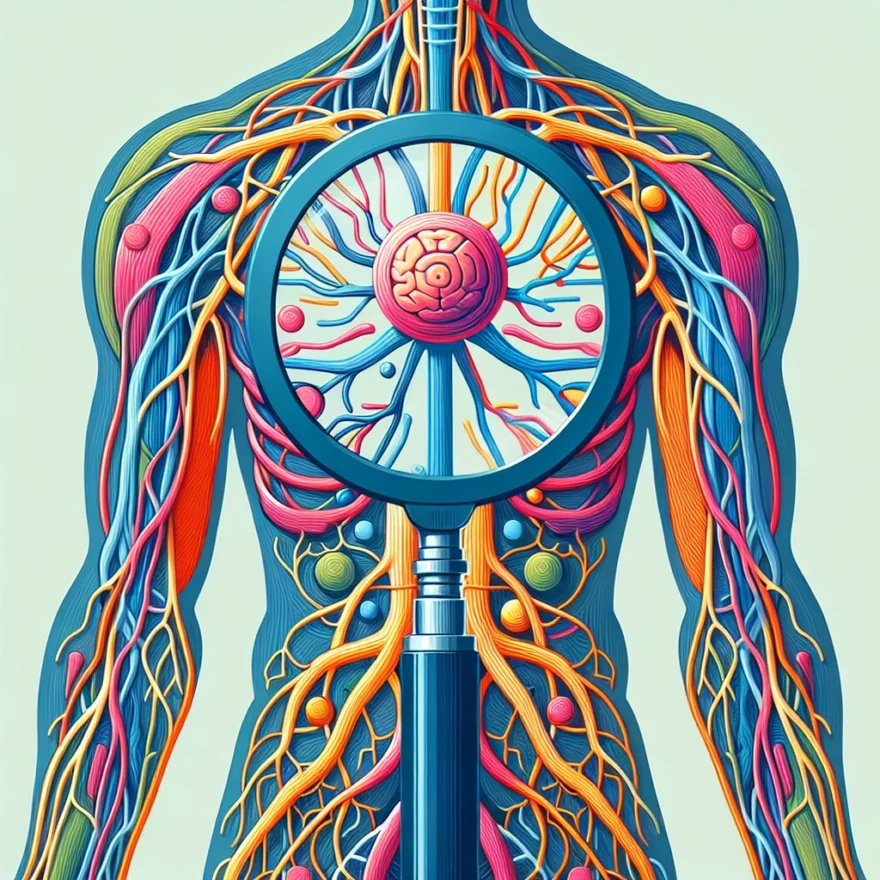
Introduction to Guillain-Barre Syndrome
Guillain-Barre Syndrome (GBS) is a rare neurological disorder where the body’s immune system mistakenly attacks part of its peripheral nerves. This syndrome is named after the two French doctors, Georges Guillain and Jean Alexandre Barre, who first described it in 1916. It’s a serious condition that can progress rapidly, often leading to muscle weakness and even paralysis. Although it can be a frightening experience, most people with Guillain-Barre Syndrome recover with medical treatment and physical therapy.
The exact number of Guillain-Barre Syndrome cases is unknown as it can go undiagnosed or be misdiagnosed, but it’s estimated that about one in 100,000 people are affected each year. It can strike at any age, but it’s more common in adults and older people. Both men and women are equally susceptible.
It’s important to note that Guillain-Barre Syndrome is not contagious. It doesn’t spread from person to person. It’s an autoimmune disorder, which means it’s caused by the body’s immune system attacking its own tissues. In the case of Guillain-Barre Syndrome, the immune system targets the nerves that control muscle movement.
The onset of Guillain-Barre Syndrome is usually sudden and unexpected. It often begins with weakness and tingling in the lower extremities and can progress to muscle weakness or paralysis. The severity of the symptoms can vary greatly from person to person. Some people experience mild weakness, while others have severe paralysis.
Despite its potential severity, recovery from Guillain-Barre Syndrome is possible. With proper medical treatment, most people recover fully, although some may continue to experience some degree of weakness. Understanding Guillain-Barre Syndrome, its symptoms, and treatment options can help individuals and their families manage this condition effectively.
Table of contents
- Introduction to Guillain-Barre Syndrome
- Understanding the Causes of Guillain-Barre Syndrome
- Guillain-Barre Syndrome Symptoms
- Diagnosing Guillain-Barre Syndrome
- Treatment Options for Guillain-Barre Syndrome
- Living with Guillain-Barre Syndrome
- Prognosis and Recovery from Guillain-Barre Syndrome
- Common Questions about Guillain-Barre Syndrome
Understanding the Causes of Guillain-Barre Syndrome
Guillain-Barre Syndrome (GBS) is a rare neurological disorder where the body’s immune system mistakenly attacks part of its peripheral nerves. Although the exact cause of this autoimmune response is still not fully understood, it is often preceded by an infectious illness such as a respiratory infection or a stomach flu.
Medical researchers believe that the infection triggers an abnormal immune response, leading to damage to the peripheral nerves. These nerves are responsible for transmitting signals between the brain and the rest of the body. When these nerves are damaged, it can lead to the various symptoms of Guillain-Barre Syndrome.
While GBS can affect people of all ages, it is more common in adults and older people than in children. It is also slightly more common in males than females. Although it is a serious medical condition, it is not contagious, meaning it cannot be passed from person to person.
Some common infections that have been linked to Guillain-Barre Syndrome include Campylobacter jejuni, a bacterium commonly found in undercooked poultry, and the viruses that cause influenza or mononucleosis. In rare cases, surgery or vaccinations have also been associated with the onset of GBS.
However, it’s important to note that most people exposed to these bacteria and viruses do not develop Guillain-Barre Syndrome. This suggests that other factors, possibly genetic or environmental, may also play a role in the development of this condition.
Despite these associations, in many cases, the cause of Guillain-Barre Syndrome remains unknown. This is one of the reasons why it is a challenging condition to predict and prevent. Further research is needed to better understand why the immune system reacts abnormally in people with GBS and how these reactions can be prevented or treated.
Guillain-Barre Syndrome Symptoms
Guillain-Barre Syndrome (GBS) is a rare neurological disorder that affects the peripheral nervous system. It is characterized by the sudden onset of weakness, numbness, and tingling in the extremities, which can progress to muscle weakness or paralysis.
The symptoms of Guillain-Barre Syndrome can vary from person to person, but they generally follow a similar pattern. The initial symptoms often include weakness or tingling sensations in the legs, which can then spread to the arms and upper body. This weakness may progress rapidly, leading to difficulty walking, climbing stairs, or even standing up.
In addition to muscle weakness, individuals with GBS may also experience sensory symptoms such as numbness, tingling, or pain. These sensations can be localized or may affect large areas of the body. Some individuals may also experience muscle pain or cramps.
Another common symptom of Guillain-Barre Syndrome is loss of reflexes. Reflexes are involuntary responses that occur when a specific area of the body is stimulated. In individuals with GBS, these reflexes may be diminished or absent. This can be tested by a healthcare professional using a reflex hammer.
As the condition progresses, individuals with GBS may develop more severe symptoms, including muscle weakness or paralysis. This can affect the muscles involved in breathing, leading to respiratory difficulties. In some cases, individuals may require mechanical ventilation to assist with breathing.
It is important to note that while the symptoms of Guillain-Barre Syndrome can be alarming, they typically reach their peak within a few weeks and then stabilize. The recovery process can be slow, but most individuals experience significant improvement over time.
If you or someone you know is experiencing any of these symptoms, it is important to seek medical attention immediately. Early diagnosis and treatment can help to manage the symptoms and potentially reduce the severity of the condition.
Diagnosing Guillain-Barre Syndrome
Diagnosing Guillain-Barre Syndrome can be a complex process that involves a combination of medical history, physical examinations, and various tests. Since the symptoms of Guillain-Barre Syndrome can mimic those of other neurological disorders, it is crucial to accurately diagnose the condition to ensure appropriate treatment.
When a patient presents with symptoms that suggest Guillain-Barre Syndrome, the first step in the diagnostic process is a thorough medical history evaluation. The healthcare provider will inquire about the onset and progression of symptoms, any recent infections or vaccinations, and any relevant family medical history.
Following the medical history assessment, a physical examination will be conducted to assess muscle strength, reflexes, and sensory function. The healthcare provider will also look for any signs of muscle weakness or paralysis, as well as any abnormalities in the cranial nerves.
While the medical history and physical examination provide valuable information, additional tests are necessary to confirm the diagnosis of Guillain-Barre Syndrome. These tests may include:
- Lumbar puncture (spinal tap): This procedure involves the insertion of a needle into the lower back to collect a sample of cerebrospinal fluid. The presence of elevated protein levels in the fluid, along with normal cell counts, can indicate Guillain-Barre Syndrome.
- Nerve conduction studies: These tests measure the speed and strength of electrical signals as they travel through the nerves. In Guillain-Barre Syndrome, nerve conduction studies often reveal a slowing or blockage of nerve impulses.
- Electromyography (EMG): EMG involves the insertion of small needles into the muscles to record their electrical activity. In Guillain-Barre Syndrome, abnormal electrical patterns can be observed.
- Blood tests: Blood tests may be conducted to check for the presence of specific antibodies or markers of inflammation.
- Imaging tests: In some cases, imaging tests such as magnetic resonance imaging (MRI) or computed tomography (CT) scans may be performed to rule out other conditions that may be causing similar symptoms.
It is important to note that diagnosing Guillain-Barre Syndrome can sometimes be challenging, as the symptoms may vary and evolve over time. In some cases, repeat testing may be necessary to confirm the diagnosis.
If Guillain-Barre Syndrome is suspected, it is crucial to seek immediate medical attention for proper evaluation and diagnosis. Early diagnosis allows for timely initiation of treatment, which can significantly improve outcomes and prevent complications.
Treatment Options for Guillain-Barre Syndrome
When it comes to the treatment of Guillain-Barre Syndrome (GBS), there are several options available that aim to manage the symptoms, promote recovery, and prevent complications. The treatment approach for GBS typically involves a combination of medical interventions and supportive care.
1. Hospitalization: Most individuals with GBS require hospitalization, especially during the initial stages of the illness when symptoms are severe. Hospitalization allows for close monitoring of vital signs, respiratory function, and overall neurological status. It also provides access to specialized medical care and interventions.
2. Plasmapheresis: Plasmapheresis, also known as plasma exchange, is a treatment method that involves removing the patient’s blood, separating the plasma from the other components, and then returning the red blood cells mixed with a replacement fluid. This procedure helps to remove harmful antibodies from the bloodstream that may be attacking the nerves. Plasmapheresis is typically performed daily for several days, and the exact number of sessions may vary depending on the individual’s condition.
3. Intravenous Immunoglobulin (IVIG) Therapy: IVIG therapy involves the administration of high-dose immunoglobulin through a vein. Immunoglobulin is a blood product that contains antibodies obtained from healthy donors. The exact mechanism of action of IVIG in GBS is not fully understood, but it is believed to help modulate the immune response and reduce inflammation. IVIG therapy is usually administered over a few days, and the duration and dosage may vary based on the severity of the illness.
4. Pain Management: Pain is a common symptom experienced by individuals with GBS. Medications such as nonsteroidal anti-inflammatory drugs (NSAIDs), opioids, and anticonvulsants may be prescribed to help manage pain. Additionally, physical therapy and alternative pain management techniques, such as acupuncture or transcutaneous electrical nerve stimulation (TENS), may also be beneficial.
5. Respiratory Support: In severe cases of GBS, respiratory muscles may become weakened, leading to difficulty in breathing. In such situations, mechanical ventilation or the use of a breathing machine may be necessary to assist with breathing until the muscles recover. Close monitoring of respiratory function is crucial, and respiratory therapy may be employed to aid in lung expansion and prevent complications like pneumonia.
6. Rehabilitation Therapy: Once the acute phase of GBS has passed, rehabilitation therapy plays a vital role in promoting recovery and restoring function. Physical therapy helps improve muscle strength, mobility, and balance, while occupational therapy focuses on regaining daily living skills. Speech therapy may be beneficial for individuals experiencing difficulty with swallowing or speech. The duration and intensity of rehabilitation therapy may vary depending on the individual’s needs.
7. Psychological Support: GBS can have a significant impact on an individual’s emotional well-being and mental health. Coping with the physical limitations, uncertainty, and potential long-term effects of the illness can be challenging. Therefore, psychological support, including counseling or therapy, may be beneficial in helping individuals navigate through the emotional challenges associated with GBS.
It is essential to note that treatment for GBS should be tailored to each individual’s specific needs and may vary depending on the severity and progression of the illness. A multidisciplinary approach involving neurologists, physiatrists, respiratory therapists, and other healthcare professionals is often necessary to provide comprehensive care for individuals with GBS.
Living with Guillain-Barre Syndrome
Living with Guillain-Barre Syndrome can be challenging, but with the right support and management strategies, individuals can lead fulfilling lives. Here are some important aspects to consider:
1. Rehabilitation and Physical Therapy
After the acute phase of Guillain-Barre Syndrome, rehabilitation and physical therapy play a crucial role in recovery. These therapies focus on improving muscle strength, coordination, and mobility. Physical therapists may recommend exercises and techniques tailored to the individual’s specific needs.
2. Assistive Devices
Depending on the severity of muscle weakness or paralysis, individuals with Guillain-Barre Syndrome may require assistive devices to aid in daily activities. This can include mobility aids such as wheelchairs, walkers, or canes, as well as adaptive equipment for tasks like eating, bathing, and dressing. Occupational therapists can provide guidance on selecting and using these devices effectively.
3. Emotional Support
Living with Guillain-Barre Syndrome can be emotionally challenging. It is important for individuals to have a strong support system, including family, friends, and healthcare professionals. Support groups and counseling can also provide a safe space to share experiences, seek advice, and cope with the emotional impact of the condition.
4. Managing Fatigue and Energy Conservation
Many individuals with Guillain-Barre Syndrome experience fatigue, which can affect daily functioning. Learning to manage energy levels and prioritize activities is essential. This may involve pacing oneself, taking regular breaks, and delegating tasks when possible. Occupational therapists can provide guidance on energy conservation techniques.
5. Nutritional Support
During the recovery phase, maintaining a balanced diet is important for overall health and wellbeing. Some individuals with Guillain-Barre Syndrome may require assistance with feeding or have difficulty swallowing. Nutritionists or dieticians can help develop meal plans that meet the individual’s specific nutritional needs.
6. Follow-Up Care and Monitoring
Regular follow-up appointments with healthcare providers are crucial to monitor progress, manage complications, and adjust treatment plans if necessary. These appointments may involve neurological examinations, laboratory tests, and discussions about ongoing symptoms and concerns.
It is important for individuals with Guillain-Barre Syndrome to communicate openly with their healthcare team, adhere to prescribed treatments, and seek medical attention promptly if new symptoms or complications arise.
Prognosis and Recovery from Guillain-Barre Syndrome
After receiving a diagnosis of Guillain-Barre Syndrome (GBS), many individuals naturally wonder about their prognosis and the potential for recovery. GBS is a complex neurological disorder that affects the peripheral nervous system, leading to muscle weakness and, in severe cases, paralysis. While the prognosis can vary from person to person, there is hope for recovery with appropriate medical intervention and support.
The recovery process for GBS can be lengthy and unpredictable. It typically begins with the acute phase, during which symptoms reach their peak intensity. This phase can last for a few weeks or several months. Following the acute phase, the recovery phase begins, during which the body gradually heals and regains strength.
During the recovery phase, physical therapy plays a crucial role in helping individuals regain muscle strength and improve mobility. Rehabilitation programs are tailored to each person’s specific needs and may include exercises to improve balance, coordination, and range of motion. Occupational therapy may also be recommended to assist with daily activities and regain independence.
It’s important to note that the recovery process can be slow and may require patience and perseverance. Some individuals may experience lingering symptoms or long-term complications, such as muscle weakness, fatigue, and sensory disturbances. However, with proper medical care and support, many people with GBS are able to regain their strength and resume their normal activities.
Supportive care is crucial during the recovery phase. This may involve respiratory support, such as assisted ventilation or breathing exercises, to ensure adequate oxygen supply to the body. Additionally, pain management techniques, such as medication and physical modalities like heat or cold therapy, can help alleviate discomfort during the recovery process.
It’s important for individuals with GBS to have a strong support system, including healthcare professionals, family, and friends. Emotional support and encouragement can make a significant difference in the recovery journey. Support groups and counseling services may also be beneficial for individuals and their loved ones to cope with the challenges associated with GBS.
While the prognosis for GBS varies, the majority of individuals experience significant recovery over time. According to the National Institute of Neurological Disorders and Stroke (NINDS), most people reach their peak recovery within six to 12 months after the onset of symptoms. However, it’s important to remember that every individual’s experience with GBS is unique, and the recovery timeline may differ.
It’s worth noting that some individuals may experience residual effects or long-term complications even after reaching their peak recovery. These effects may include muscle weakness, fatigue, difficulty with coordination, and sensory abnormalities. Rehabilitation and ongoing medical management can help address these issues and improve overall quality of life.
In conclusion, while Guillain-Barre Syndrome can be a challenging and potentially life-altering condition, many individuals are able to recover and regain their strength with appropriate treatment and support. The recovery process may be slow and require patience, but with the help of healthcare professionals, physical therapy, and a strong support system, individuals with GBS can achieve a significant improvement in their condition and lead fulfilling lives.
Common Questions about Guillain-Barre Syndrome
Common Questions about Guillain-Barre Syndrome
1. Can Guillain-Barre Syndrome be prevented?
Unfortunately, there is no known way to prevent Guillain-Barre Syndrome. It is believed to be an autoimmune response triggered by an infection, so the best way to reduce the risk is to practice good hygiene and avoid infections whenever possible.
2. How long does Guillain-Barre Syndrome last?
The duration of Guillain-Barre Syndrome varies from person to person. Some individuals may experience a rapid onset and recovery within a few weeks, while others may have a more prolonged course lasting several months or even years. It is important to note that with proper medical care and treatment, most people with Guillain-Barre Syndrome do recover.
3. Can Guillain-Barre Syndrome be fatal?
In severe cases, Guillain-Barre Syndrome can be life-threatening, particularly if it affects the respiratory muscles and leads to breathing difficulties. However, with early diagnosis and appropriate medical intervention, the mortality rate has significantly decreased. The majority of individuals with Guillain-Barre Syndrome survive and go on to make a full recovery.
4. Is Guillain-Barre Syndrome contagious?
No, Guillain-Barre Syndrome is not contagious. It is not passed from person to person like a viral or bacterial infection. It is an autoimmune disorder that occurs when the body’s immune system mistakenly attacks the peripheral nerves.
5. Can Guillain-Barre Syndrome recur?
While rare, recurrence of Guillain-Barre Syndrome can happen. However, it is important to note that most individuals who have had Guillain-Barre Syndrome do not experience a recurrence. Recurrence is more likely in individuals who have certain risk factors or underlying medical conditions.
6. Can children get Guillain-Barre Syndrome?
Yes, children can develop Guillain-Barre Syndrome. Although it is more commonly diagnosed in adults, it can affect individuals of any age, including children and adolescents. The symptoms and treatment options for children with Guillain-Barre Syndrome are generally similar to those for adults.
7. Are there any long-term complications associated with Guillain-Barre Syndrome?
Some individuals may experience long-term complications as a result of Guillain-Barre Syndrome. These can include muscle weakness, sensory disturbances, and fatigue. Rehabilitation and physical therapy are often recommended to help individuals regain strength and function.
8. Is there ongoing research on Guillain-Barre Syndrome?
Yes, there is ongoing research dedicated to understanding the causes, risk factors, and potential treatments for Guillain-Barre Syndrome. Scientists and medical professionals are continually working to improve diagnostic methods and develop new therapies to enhance recovery outcomes.
9. Can vaccines cause Guillain-Barre Syndrome?
While extremely rare, some vaccines have been associated with an increased risk of Guillain-Barre Syndrome. The most notable example is the swine flu vaccine used in the United States in 1976. However, it is important to note that the overall risk of developing Guillain-Barre Syndrome from vaccines is very low, and the benefits of vaccination in preventing serious illnesses far outweigh the potential risks.
10. Can stress trigger Guillain-Barre Syndrome?
There is no direct evidence to suggest that stress alone can trigger Guillain-Barre Syndrome. However, it is believed that stress may potentially exacerbate the symptoms or delay recovery in individuals who already have the condition. Managing stress levels and practicing self-care can be beneficial for overall well-being.