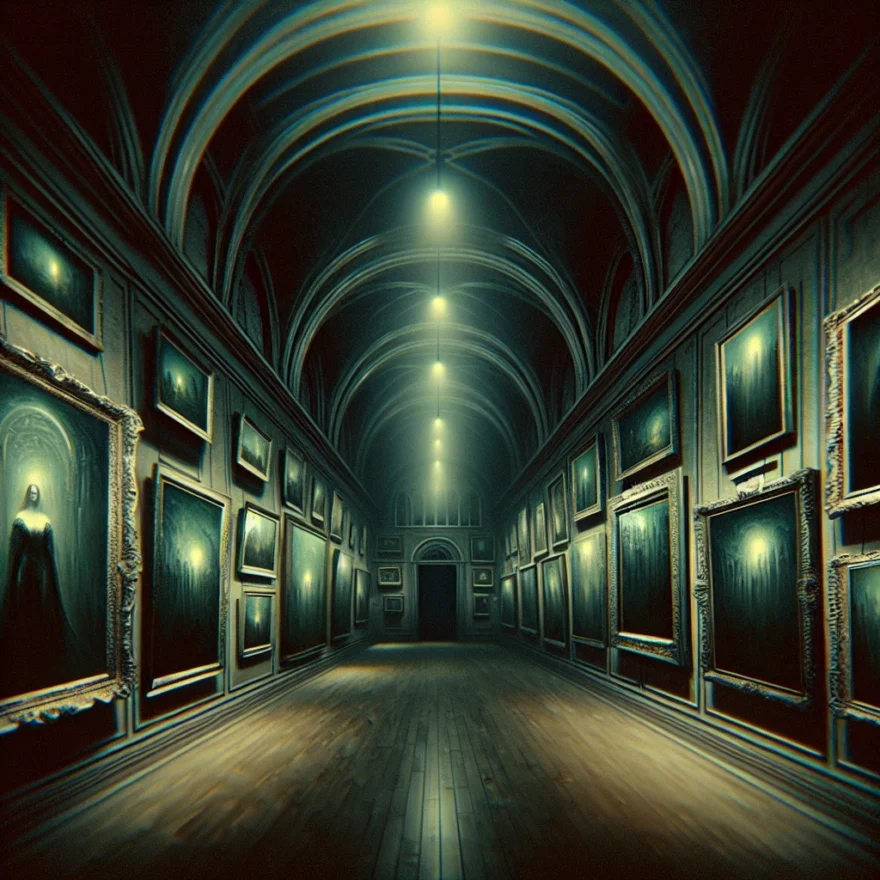
Introduction to Possessed Paintings
Art, in its many forms, has the power to evoke a myriad of emotions, from joy and awe to melancholy and fear. But what if a painting could do more than just stir emotions? What if it could cause physical harm, induce nightmares, or even possess those who dare to own it? This is the intriguing and eerie world of possessed paintings, artworks that are said to be imbued with a dark energy or spirit that affects those who come into contact with them.
The concept of possessed or haunted paintings is not new. It has been a part of folklore and urban legends across cultures for centuries. These tales often involve an artist who infuses a part of their soul or an outside entity into their work, either intentionally or unintentionally. The resulting piece of art then takes on a life of its own, affecting its environment and those who interact with it in strange and often unsettling ways.
The belief in possessed paintings is not limited to the superstitious or the gullible. Many serious art collectors and experts have reported unexplained phenomena associated with certain pieces of art. These range from sudden changes in temperature and unexplained noises to more sinister events like illnesses, accidents, and even deaths.
In this in-depth exploration, we will delve into the stories behind some of the most infamous possessed paintings known to the public. We will also attempt to shed light on the possible scientific explanations for these phenomena and answer some common questions people have about this fascinating topic. So, brace yourself for a journey into the darker side of art, where beauty and terror often go hand in hand.
Table of contents
- Introduction to Possessed Paintings
- The Infamous ‘The Hands Resist Him’
- The Cursed ‘The Crying Boy’
- The Haunting of ‘The Anguished Man’
- The Mysterious ‘Love Letters’
- Scientific Explanations for Haunted Art
- FAQs: Common Questions About Possessed Paintings
- Conclusion: The Intersection of Art and the Paranormal
The Infamous ‘The Hands Resist Him’
Art has a way of stirring emotions, but there are instances where it transcends the usual reactions of awe or admiration. One such instance is the case of the infamous painting, ‘The Hands Resist Him’. This piece of art, created by artist Bill Stoneham in 1972, has been associated with a series of unexplainable events, making it one of the most talked-about possessed paintings in history.
Stoneham’s eerie creation features a young boy and a creepy doll-like girl standing in front of a glass paneled door. Behind the door, numerous hands are pressed against the glass, lending an unsettling aura to the painting. According to Stoneham, the boy in the painting is a representation of himself as a child, the doll is a guide that will escort him through life, and the hands represent different lives or possibilities.
However, the painting gained notoriety not for its haunting imagery but for the strange occurrences reported by its owners. The first owners of the painting, actor John Marley, famous for his role in ‘The Godfather’, and a couple who bought the painting from an online auction, all reported experiencing a series of unexplainable and disturbing events.
Marley’s personal assistant reported feeling ill while in the presence of the painting, and the couple who bought it online claimed that the characters in the painting would move during the night, sometimes even exiting the painting itself. They also reported that their daughter said the children in the picture fought with each other. To add to the eeriness, some people who viewed the painting online also reported feeling a sense of unease and dread.
Stoneham was surprised by these reports as he never intended for the painting to have such an effect. He later created two sequels to ‘The Hands Resist Him’, each as haunting as the original. Despite the disturbing reports, ‘The Hands Resist Him’ remains a fascinating piece of art, a testament to the power of creativity and its ability to evoke strong emotions and reactions.
The Cursed ‘The Crying Boy’
One of the most infamous possessed paintings is known as ‘The Crying Boy’. This haunting piece of art gained notoriety in the 1980s when numerous reports of house fires emerged, all with one eerie similarity – a surviving copy of the painting found untouched amidst the ashes.
The painting itself depicts a young boy with tears streaming down his face. The artist, Giovanni Bragolin, claimed that the subject of the painting was a young orphan who had lost his family in a tragic fire. However, the mystery surrounding the painting goes beyond its tragic backstory.
Legend has it that anyone who possesses a copy of ‘The Crying Boy’ will experience a series of misfortunes and even house fires. Numerous stories have circulated of individuals who claimed that after acquiring the painting, they faced a string of bad luck, including accidents, financial troubles, and even personal tragedies.
While skeptics argue that these incidents are mere coincidences, believers in the paranormal suggest that the painting is cursed. Some theories propose that the artist used dark magic or infused negative energy into the artwork, causing it to carry a malevolent force.
Attempts to explain the curse of ‘The Crying Boy’ have led to various theories. Some speculate that the painting is imbued with the spirit of the young boy depicted, who seeks revenge for his tragic fate. Others believe that the painting acts as a vessel for negative energy, attracting misfortune to those who possess it.
Despite the controversy and superstition surrounding ‘The Crying Boy’, it continues to capture the fascination of both art enthusiasts and paranormal enthusiasts alike. The painting serves as a chilling reminder of the unknown forces that may lurk within seemingly innocent works of art.
The Haunting of ‘The Anguished Man’
One of the most chilling and mysterious possessed paintings is known as ‘The Anguished Man’. This haunting piece of art is said to be plagued by paranormal activity and a dark history.
The story behind ‘The Anguished Man’ begins with an anonymous artist who allegedly mixed his own blood with the paint while creating the artwork. It is believed that the artist was experiencing intense emotional turmoil and used his own blood as a way to infuse his pain and suffering into the painting.
According to the legend, shortly after completing the artwork, the artist died by suicide. It is said that his tortured soul became trapped within the painting, causing it to emit a malevolent energy.
Those who have come into possession of ‘The Anguished Man’ have reported a series of disturbing events. Many claim to have witnessed the painting moving on its own, with figures appearing and disappearing within the artwork. Some have even reported hearing anguished cries and whispers coming from the painting.
Notably, several owners of ‘The Anguished Man’ have experienced a string of misfortunes and tragedies after acquiring the painting. These incidents range from unexplained accidents and illnesses to financial ruin and relationship breakdowns.
One particularly chilling account is that of a family who claimed that their young son would often wake up screaming in terror, pointing towards the painting. They believed that the painting was tormenting the child and eventually decided to get rid of it.
Attempts to dispose of ‘The Anguished Man’ have proven to be difficult. Some owners have reported that the painting always finds its way back to them, no matter how far they try to distance themselves from it. This has led to the belief that the painting is cursed and possesses a malevolent force that cannot be escaped.
Paranormal investigators and skeptics alike have attempted to uncover the truth behind ‘The Anguished Man’. Some suggest that the reported phenomena could be attributed to psychological suggestion or the power of suggestion, as belief in the painting’s haunting could influence one’s perception of events.
Others, however, argue that the paranormal occurrences surrounding ‘The Anguished Man’ cannot be easily dismissed. They believe that the artist’s use of his own blood and the tragic circumstances surrounding his death have imbued the painting with a supernatural presence.
Despite the skepticism, the eerie reputation of ‘The Anguished Man’ continues to captivate and terrify those who encounter it. Whether it is a genuine haunted artifact or a product of psychological suggestion, the painting serves as a chilling reminder of the dark side of art and the unexplained mysteries that surround us.
The Mysterious ‘Love Letters’
One of the most enigmatic and haunting paintings in the world is known simply as ‘Love Letters.’ This mysterious artwork has captivated the imaginations of art enthusiasts and paranormal enthusiasts alike. The painting depicts a young woman sitting at a desk, surrounded by letters and a candle, with a melancholic expression on her face.
Legend has it that anyone who gazes into the eyes of the woman in the painting becomes overwhelmed with a sense of sadness and longing. Some even claim to have experienced strange occurrences after viewing the painting, such as hearing whispers or feeling a cold breeze in the room.
Despite its captivating allure, the origins of ‘Love Letters’ remain shrouded in mystery. The artist is unknown, and the painting seems to have appeared out of nowhere, with no record of its creation or previous owners. This lack of information only adds to the intrigue surrounding the artwork.
Over the years, ‘Love Letters’ has changed hands numerous times, each owner experiencing their own peculiar encounters. Some have reported seeing the woman in the painting move or change expressions, while others claim that the letters on the desk rearrange themselves overnight.
One particularly eerie incident involved a couple who owned the painting. They would often wake up to find their bedroom filled with the scent of roses, despite there being no flowers in the room. They also reported hearing the sound of a woman weeping, seemingly coming from the direction of the painting.
Attempts to uncover the truth behind the painting have been met with dead ends. Art historians and paranormal investigators have scoured archives and conducted extensive research, but no concrete evidence or explanations have been found.
Some skeptics argue that the phenomena surrounding ‘Love Letters’ are nothing more than elaborate hoaxes or the result of overactive imaginations. They believe that people’s experiences with the painting are simply a product of suggestion and a desire for the supernatural.
However, those who have encountered ‘Love Letters’ firsthand maintain that there is something undeniably unsettling about the painting. Whether it is truly possessed or simply a work of art that evokes strong emotions, ‘Love Letters’ continues to intrigue and unsettle all who come into contact with it.
Regardless of the truth behind the painting, ‘Love Letters’ serves as a reminder of the power that art can hold over our emotions and imaginations. It is a testament to the enduring fascination with the paranormal and the mysteries that still surround us in the world of art.
Scientific Explanations for Haunted Art
While the concept of possessed paintings may seem intriguing and mysterious, scientific explanations offer a more rational perspective on these alleged supernatural occurrences. Here are some scientific theories that attempt to explain the haunting phenomena associated with certain artworks:
The Power of Suggestion
One possible explanation for the perceived haunting of possessed paintings is the power of suggestion. When people are aware of the supposed dark history or paranormal associations of a particular artwork, their minds can play tricks on them. The power of suggestion can create an atmosphere of fear and anticipation, leading individuals to interpret ordinary occurrences as paranormal phenomena.
Pareidolia
Pareidolia, the tendency of the human brain to perceive meaningful patterns or images in random stimuli, could also contribute to the belief in possessed paintings. Our brains are wired to recognize faces and familiar shapes, even in abstract or ambiguous forms. This natural inclination can lead people to see sinister or haunting figures in paintings, even when they were not intentionally created by the artist.
Psychological Projection
Psychological projection is another psychological phenomenon that may explain the perception of possessed paintings. Sometimes, individuals project their own emotions, fears, or anxieties onto external objects, such as artworks. This projection can create a sense of unease or fear when viewing certain paintings, as the individual’s own emotions are being reflected back at them.
Chemical Reactions
In some cases, the materials used in creating paintings can undergo chemical reactions over time, leading to changes in appearance or the release of odors. These changes can be misinterpreted as supernatural or paranormal activity. For example, certain pigments may degrade or interact with each other, causing discoloration or strange patterns to emerge on the canvas.
Environmental Factors
The environment in which a painting is displayed can also contribute to the perception of haunting. Factors such as lighting, temperature, and humidity can affect the viewer’s mood and perception. A dimly lit room or a chilly atmosphere can create a spooky ambiance, making the painting appear more eerie or haunted.
While these scientific explanations provide rational interpretations for the alleged haunting of possessed paintings, they do not discount the personal experiences and beliefs of individuals who claim to have encountered paranormal phenomena. The intersection of art and the paranormal continues to be a captivating subject, inviting further exploration and discussion.
FAQs: Common Questions About Possessed Paintings
FAQs: Common Questions About Possessed Paintings
As the world of possessed paintings continues to captivate and intrigue, it’s natural to have questions about these enigmatic pieces of art. Here, we address some of the most common queries:
1. Are possessed paintings real?
The concept of possessed paintings is a subject of much debate. While some believe in the paranormal nature of these artworks, others attribute the eerie experiences to psychological factors or mere superstition. It ultimately depends on one’s personal beliefs and experiences.
2. Can a possessed painting harm you?
There have been numerous reports of people claiming to have experienced negative effects after coming into contact with possessed paintings. These effects range from feelings of unease and anxiety to more extreme cases of physical illness or accidents. However, it’s important to approach such claims with a critical mindset and consider alternative explanations.
3. How do possessed paintings become haunted?
The origins of a possessed painting’s haunting can vary. Some believe that the energy of the artist or previous owners can become attached to the artwork, while others speculate that the subject matter itself holds a certain power. Additionally, some haunted paintings are said to be cursed, with supernatural forces intentionally imbued into them.
4. Can possessed paintings be cleansed or rid of their haunting?
Various methods have been suggested for cleansing possessed paintings, such as performing rituals, prayers, or even using specific crystals or herbs. However, the effectiveness of these methods is highly subjective and dependent on one’s beliefs. It’s crucial to approach any attempts at cleansing with caution and respect for the artwork.
5. Are there any known cases of possessed paintings being destroyed?
While some individuals may choose to destroy possessed paintings due to the perceived negative energy they emanate, it’s important to note that destroying artwork is a subjective decision and can have ethical implications. Additionally, the destruction of a possessed painting may not necessarily eliminate the haunting, as the energy or curse associated with it may persist.
6. Can possessed paintings be sold?
Possessed paintings have been known to change hands through various means, including private sales, auctions, or even online platforms. However, it’s crucial for both buyers and sellers to exercise caution and disclose any information regarding the haunted or cursed nature of the artwork. Ethical considerations come into play when dealing with potentially haunted objects.
7. How can I protect myself from the effects of a possessed painting?
If you find yourself in possession of a painting that you believe to be haunted or cursed, it’s important to prioritize your well-being. Some individuals may choose to keep the artwork in a separate space, perform protective rituals, or seek guidance from spiritual practitioners. Ultimately, it’s essential to trust your instincts and take necessary precautions.
8. Are there any scientific explanations for possessed paintings?
While the paranormal nature of possessed paintings falls outside the realm of scientific explanation, there have been attempts to provide rational interpretations. Some theories suggest that electromagnetic fields, mold spores, or even psychological factors can contribute to the perceived haunting experiences. However, these explanations are highly debated and inconclusive.
Remember, the world of possessed paintings is a realm where fact and fiction often intertwine. It’s crucial to approach these phenomena with an open mind, respect for diverse beliefs, and a healthy dose of skepticism.
Conclusion: The Intersection of Art and the Paranormal
Throughout history, art has been a medium for expressing human emotions, experiences, and beliefs. From captivating landscapes to thought-provoking portraits, art has the power to evoke strong emotions and transport us to different worlds. However, there are some artworks that go beyond the realm of ordinary, seemingly harboring a dark and mysterious energy. These are the possessed paintings.
In this article, we have explored some of the most infamous possessed paintings, such as ‘The Hands Resist Him,’ ‘The Crying Boy,’ ‘The Anguished Man,’ and ‘Love Letters.’ These artworks have gained notoriety due to the strange and often eerie phenomena associated with them. From unexplained movements to inexplicable misfortunes befalling their owners, these paintings have captured the imagination of believers and skeptics alike.
While some may dismiss the paranormal claims surrounding possessed paintings as mere superstition or coincidence, others find themselves drawn into the enigmatic world of the unexplained. The allure of these artworks lies in the possibility that there may be more to them than meets the eye, that they may serve as a portal to the supernatural or hold a connection to the spiritual realm.
It is important to note that scientific explanations also exist for the phenomena associated with possessed paintings. Psychological factors, such as the power of suggestion or the human tendency to find patterns and meaning in random events, can play a significant role in shaping our perceptions and experiences. Additionally, environmental factors, such as fluctuations in temperature or humidity, can contribute to the deterioration or alteration of artworks, creating an atmosphere conducive to paranormal interpretations.
However, the allure of the paranormal continues to captivate our collective imagination. Possessed paintings challenge our understanding of the world and invite us to explore the boundaries between the known and the unknown. They remind us that there are still mysteries that elude scientific explanation, and that art, with its ability to transcend the physical realm, can serve as a conduit for the unexplained.
Whether you believe in the supernatural or not, possessed paintings remain a fascinating subject of exploration. They invite us to question our perceptions, challenge our beliefs, and delve into the depths of human imagination. As we continue to uncover the secrets of the universe, the intersection of art and the paranormal will always be a captivating and enigmatic realm waiting to be explored.