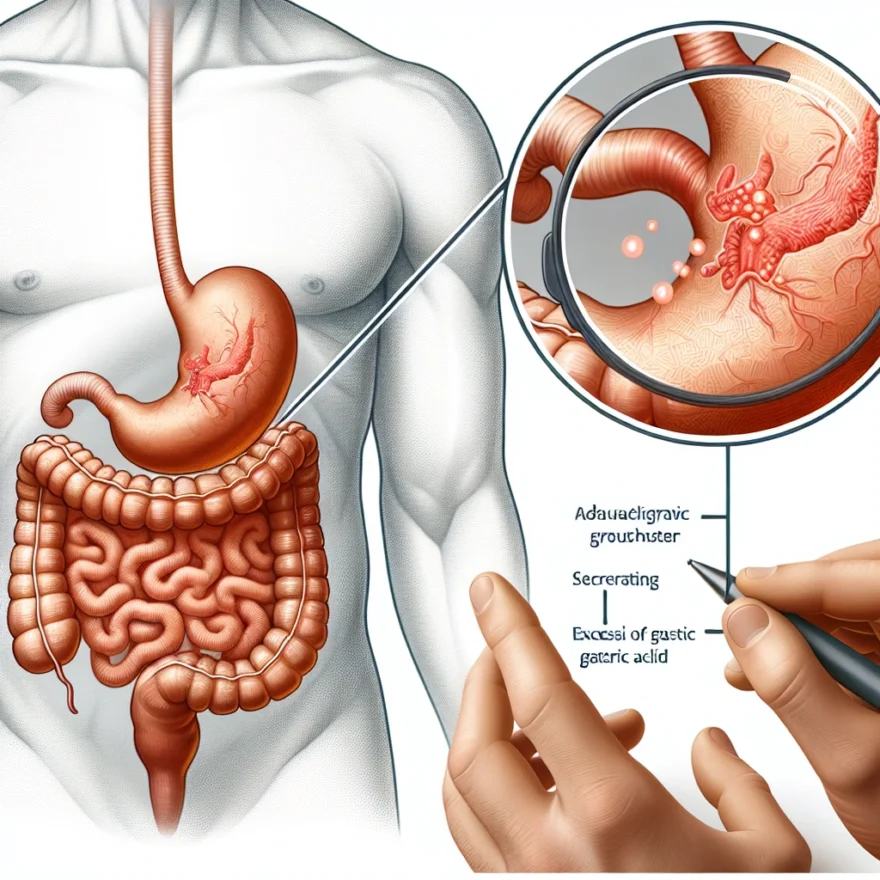
Introduction to Zollinger-Ellison Syndrome
Zollinger-Ellison Syndrome (ZES) is a rare and complex disorder that primarily affects the digestive system. Named after the physicians Robert Zollinger and Edwin Ellison who first described it in 1955, this syndrome is characterized by the overproduction of gastric acid, a condition known as gastrinoma. This excessive production of gastric acid can lead to a host of complications, including peptic ulcers, gastroesophageal reflux disease (GERD), and in severe cases, life-threatening conditions such as perforation of the stomach or small intestine.
The excessive gastric acid production in ZES is due to the presence of one or more gastrinomas, which are tumors that secrete an abnormal amount of gastrin. Gastrin is a hormone that stimulates the stomach to produce gastric acid. These tumors are usually found in the pancreas or the upper part of the small intestine (duodenum), but they can also occur in other areas of the digestive tract.
While most gastrinomas in ZES are benign, approximately 60-90% of them can become malignant and spread to other parts of the body, particularly the liver and lymph nodes. This can further complicate the management and prognosis of the syndrome.
ZES is a part of a group of disorders known as Multiple Endocrine Neoplasia type 1 (MEN1). Around 25-30% of people with ZES have MEN1, which is an inherited disorder that leads to hormone-secreting tumors in the parathyroid glands, pituitary gland, and pancreas.
Despite its severity, Zollinger-Ellison Syndrome is quite rare, with an estimated incidence of 1 in every 1 million individuals per year. It can occur at any age but is most commonly diagnosed in adults between 20 and 50 years old. Both men and women are equally affected by this condition.
The diagnosis and management of Zollinger-Ellison Syndrome can be challenging due to its rarity and the complexity of its symptoms. However, with appropriate treatment, most people with ZES can lead normal lives. The following sections will delve deeper into the mechanisms, symptoms, diagnosis, and treatment of this intriguing and complex disorder.
Table of contents
- Introduction to Zollinger-Ellison Syndrome
- The Role of Gastrin in Gastric Acid Production
- Causes and Risk Factors of Zollinger-Ellison Syndrome
- Clinical Manifestations of Zollinger-Ellison Syndrome
- Diagnostic Procedures for Zollinger-Ellison Syndrome
- Treatment Options for Zollinger-Ellison Syndrome
- Living with Zollinger-Ellison Syndrome
- The Impact of Zollinger-Ellison Syndrome on Quality of Life
- Preventing Complications from Zollinger-Ellison Syndrome
- The Connection between Zollinger-Ellison Syndrome and Peptic Ulcers
- Zollinger-Ellison Syndrome and Gastroenterology
- FAQs: Zollinger-Ellison Syndrome and Excessive Gastric Acid Production
The Role of Gastrin in Gastric Acid Production
Gastrin is a hormone produced primarily in the stomach’s antrum, a region located near the exit of the stomach. It plays a pivotal role in the regulation of gastric acid production, which is essential for the digestion of food. Upon ingestion of food, the G cells in the antrum are stimulated to secrete gastrin into the bloodstream.
Once in the bloodstream, gastrin targets the parietal cells in the stomach lining, signaling them to secrete hydrochloric acid. This acid is crucial for the breakdown of proteins in the stomach, aiding in their digestion and absorption in the small intestine. Additionally, gastrin stimulates the growth of the gastric mucosa and increases gastric motility, further promoting digestion.
In a healthy system, the release of gastrin and the subsequent production of gastric acid is a tightly regulated process. The presence of food in the stomach triggers the release of gastrin, while the increasing acidity of the stomach contents inhibits it. This feedback mechanism ensures that the right amount of acid is produced to digest the food effectively without damaging the stomach lining.
However, in Zollinger-Ellison Syndrome (ZES), this balance is disrupted. Tumors known as gastrinomas, typically located in the pancreas or upper part of the small intestine (duodenum), produce excessive amounts of gastrin. This overproduction leads to hypergastrinemia, an abnormally high level of gastrin in the bloodstream. Consequently, the parietal cells are continuously stimulated to produce gastric acid, leading to hyperchlorhydria, a condition characterized by excessive acid in the stomach.
The overproduction of gastric acid in ZES can have serious consequences. The excess acid can erode the protective lining of the stomach, duodenum, and other parts of the gastrointestinal tract, leading to peptic ulcers. These ulcers can cause a range of symptoms, from mild discomfort to severe pain, and can lead to complications like internal bleeding and perforation of the stomach or intestine. Furthermore, the persistent hypergastrinemia can cause thickening of the stomach lining, a condition known as gastric hypertrophy.
In summary, gastrin plays an essential role in gastric acid production, facilitating digestion and absorption of nutrients. However, in Zollinger-Ellison Syndrome, the overproduction of gastrin leads to excessive gastric acid production, which can result in peptic ulcers and other complications.
Causes and Risk Factors of Zollinger-Ellison Syndrome
Zollinger-Ellison Syndrome (ZES) is a rare condition characterized by excessive gastric acid production. The primary cause of ZES is the presence of gastrin-secreting tumors, known as gastrinomas, in the pancreas or duodenum. These tumors are usually benign, but in some cases, they can be malignant.
While the exact cause of gastrinomas is still unknown, research suggests that genetic mutations may play a role in their development. In some cases, ZES can be inherited as part of a genetic syndrome called multiple endocrine neoplasia type 1 (MEN1).
Other risk factors for ZES include:
- Age: ZES is more commonly diagnosed in individuals between the ages of 30 and 50.
- Gender: Men are slightly more likely to develop ZES compared to women.
- Family history: Having a family history of ZES or MEN1 increases the risk of developing the condition.
- Smoking: Smoking has been associated with an increased risk of ZES.
- Stress: Chronic stress may contribute to the development of ZES, although the exact mechanism is not fully understood.
- Other medical conditions: Individuals with certain conditions, such as neurofibromatosis type 1 or von Hippel-Lindau disease, may have an increased risk of developing ZES.
It’s important to note that while these risk factors may increase the likelihood of developing ZES, they do not guarantee the development of the condition. Additionally, ZES is a rare disorder, and most individuals with the risk factors mentioned above will not develop the syndrome.
Clinical Manifestations of Zollinger-Ellison Syndrome
Patients with Zollinger-Ellison Syndrome (ZES) often experience a range of clinical manifestations due to the excessive production of gastric acid. These symptoms can vary in severity and may significantly impact a person’s quality of life. Here are some common clinical manifestations associated with Zollinger-Ellison Syndrome:
- Abdominal Pain: One of the primary symptoms of ZES is chronic, severe abdominal pain. The pain is typically located in the upper abdomen and may be described as burning or gnawing in nature. It can persist for hours or even days and may be resistant to conventional pain medications.
- Heartburn: Excessive gastric acid production often leads to frequent episodes of heartburn, also known as acid reflux. Patients may experience a burning sensation in the chest, which worsens after meals or when lying down.
- Nausea and Vomiting: ZES can cause persistent nausea and recurrent episodes of vomiting. The high levels of gastric acid irritate the stomach lining, leading to these symptoms.
- Diarrhea: Chronic diarrhea is a common manifestation of Zollinger-Ellison Syndrome. The increased acidity in the digestive tract can disrupt normal bowel function, resulting in loose and frequent bowel movements.
- Weight Loss: Unintentional weight loss is often observed in individuals with ZES. The combination of abdominal pain, nausea, vomiting, and diarrhea can lead to a decreased appetite and difficulty in maintaining a healthy weight.
- Peptic Ulcers: Zollinger-Ellison Syndrome is strongly associated with the development of peptic ulcers. These ulcers can occur in the stomach, duodenum, or even in the small intestine. They are characterized by open sores in the lining of the digestive tract and can cause additional symptoms such as bleeding and black, tarry stools.
- Recurrent Infections: Excessive gastric acid production can also increase the risk of recurrent infections in the digestive system. The high acidity levels can disrupt the natural balance of bacteria in the gut, leading to conditions like gastritis or gastroenteritis.
It is important to note that the severity and frequency of these clinical manifestations can vary from person to person. Some individuals may experience mild symptoms, while others may have more severe and debilitating manifestations of Zollinger-Ellison Syndrome.
Diagnostic Procedures for Zollinger-Ellison Syndrome
Diagnosing Zollinger-Ellison Syndrome (ZES) can be challenging due to its rarity and the nonspecific nature of its symptoms. However, several diagnostic procedures can help healthcare professionals identify and confirm the presence of ZES. These procedures are crucial for accurate diagnosis and to differentiate ZES from other conditions that may cause similar symptoms.
Here are some of the diagnostic procedures commonly used for Zollinger-Ellison Syndrome:
- Gastrin Level Measurement: Since ZES is characterized by excessive production of gastrin, a hormone that stimulates gastric acid secretion, measuring the levels of gastrin in the blood can be a useful diagnostic tool. Elevated fasting gastrin levels are often indicative of ZES. However, other conditions like kidney disease and the use of certain medications can also cause elevated gastrin levels, so additional tests are necessary for confirmation.
- Secretin Stimulation Test: This test helps to differentiate ZES from other conditions that cause elevated gastrin levels. During the secretin stimulation test, a synthetic hormone called secretin is administered intravenously. In individuals without ZES, secretin causes a decrease in gastrin levels. However, in ZES patients, there is little or no change in gastrin levels after secretin administration.
- Gastric Acid Secretion Test: This test measures the amount of gastric acid produced by the stomach. It is typically performed using a nasogastric tube to collect gastric fluid samples over a certain period. Elevated levels of gastric acid production can indicate ZES.
- Endoscopy: An endoscopy procedure involves the insertion of a flexible tube with a camera (endoscope) into the esophagus, stomach, and duodenum. This allows the healthcare provider to visually examine the upper gastrointestinal tract for any abnormalities, such as tumors or ulcers. Tissue samples (biopsies) can also be taken during the procedure for further analysis.
- Imaging Studies: Imaging techniques like computed tomography (CT) scan, magnetic resonance imaging (MRI), and somatostatin receptor scintigraphy (SRS) can help identify the presence of tumors in the pancreas or duodenum, which may be responsible for the excessive gastrin production.
- Genetic Testing: In some cases, genetic testing may be performed to identify mutations in the genes associated with ZES, such as the MEN1 or the RET gene.
It is important to note that these diagnostic procedures may be used in combination to achieve a definitive diagnosis of Zollinger-Ellison Syndrome. Additionally, it is crucial for healthcare professionals to rule out other possible causes of elevated gastrin levels and gastric acid production before confirming a diagnosis of ZES.
Treatment Options for Zollinger-Ellison Syndrome
Individuals diagnosed with Zollinger-Ellison Syndrome (ZES) often face the challenge of managing excessive gastric acid production. The treatment approach for ZES aims to control acid secretion, alleviate symptoms, and prevent complications. The specific treatment options may vary depending on the severity of the condition and the presence of associated complications.
1. Medications:
One of the primary treatment strategies for ZES involves the use of medications to reduce gastric acid production. Proton pump inhibitors (PPIs) are commonly prescribed to inhibit the secretion of acid in the stomach. PPIs work by blocking the enzyme responsible for acid production, thereby providing relief from symptoms and promoting healing of ulcers.
In some cases, histamine H2-receptor antagonists (H2 blockers) may be used alongside or as an alternative to PPIs. These medications also help reduce the production of stomach acid, but they work through a different mechanism.
2. Surgery:
In certain situations, surgical intervention may be necessary to manage ZES. Surgical options include:
- Gastrinoma removal: If a single tumor (gastrinoma) is identified, surgical removal may be performed. This can help reduce the production of gastrin and subsequently decrease gastric acid secretion.
- Gastrectomy: In cases where multiple tumors are present or if the gastrinoma cannot be completely removed, a partial or total gastrectomy may be considered. This involves removing a portion or the entire stomach to control acid production.
- Liver resection: If the gastrinoma has spread to the liver, surgical removal of the affected liver tissue may be necessary.
3. Endoscopic Procedures:
In some cases, endoscopic procedures may be used to manage ZES. These minimally invasive procedures can help control acid production and alleviate symptoms. Endoscopic options include:
- Endoscopic ultrasound (EUS): EUS is used to locate gastrinomas and assess their size and spread. This information can help guide treatment decisions.
- Endoscopic resection: Small tumors located in the gastrointestinal tract can sometimes be removed using specialized tools during an endoscopic procedure.
- Radiofrequency ablation (RFA): RFA is a technique that uses heat energy to destroy tumor tissue. It may be used to treat small gastrinomas that cannot be surgically removed.
4. Supportive Care:
In addition to medical and surgical interventions, individuals with ZES may require supportive care to manage symptoms and improve their overall well-being. This can include:
- Dietary modifications: Following a low-acid diet and avoiding trigger foods can help reduce symptoms and minimize acid production.
- Regular monitoring: Regular check-ups, blood tests, and imaging studies may be necessary to monitor the progression of the disease and evaluate treatment effectiveness.
- Psychological support: Living with a chronic condition like ZES can be challenging. Seeking support from mental health professionals or joining support groups can provide emotional support and coping strategies.
It is important for individuals with ZES to work closely with their healthcare team to determine the most appropriate treatment plan. Treatment options may be tailored to the individual’s specific needs and may involve a combination of medications, surgery, endoscopic procedures, and supportive care.
Living with Zollinger-Ellison Syndrome
Living with Zollinger-Ellison Syndrome
Living with Zollinger-Ellison Syndrome can be challenging, but with proper management and support, individuals with the condition can lead fulfilling lives. Here are some key aspects to consider when navigating life with Zollinger-Ellison Syndrome:
1. Dietary Modifications: Managing your diet is crucial in controlling the symptoms of Zollinger-Ellison Syndrome. It is recommended to avoid foods that stimulate gastric acid production, such as spicy foods, caffeine, alcohol, and fatty or greasy foods. Opting for smaller, more frequent meals can also help alleviate symptoms.
2. Medication Adherence: Following your prescribed medication regimen is vital in managing Zollinger-Ellison Syndrome. Proton pump inhibitors (PPIs) are commonly prescribed to reduce gastric acid production. It is important to take these medications as directed by your healthcare provider to effectively control symptoms and prevent complications.
3. Regular Follow-ups: Regular check-ups with your healthcare team are essential to monitor your condition and adjust treatment if necessary. These visits allow for the evaluation of medication effectiveness, detection of any potential complications, and the opportunity to address any concerns or questions you may have.
4. Emotional Support: Living with a chronic condition like Zollinger-Ellison Syndrome can take a toll on your emotional well-being. It is important to seek emotional support from friends, family, or support groups who can provide understanding, encouragement, and a safe space to share your experiences.
5. Stress Management: Stress has been known to exacerbate symptoms of Zollinger-Ellison Syndrome. Finding healthy ways to manage stress, such as practicing relaxation techniques, engaging in regular physical activity, and pursuing hobbies or activities you enjoy, can help reduce symptom flare-ups.
6. Communication with Healthcare Providers: Open and effective communication with your healthcare team is crucial. Be sure to inform them of any changes in symptoms, medication side effects, or concerns you may have. They can provide guidance, address your questions, and make necessary adjustments to your treatment plan.
7. Travel Considerations: If you plan to travel, it is important to be prepared. Pack necessary medications, ensure you have access to appropriate medical care at your destination, and familiarize yourself with local medical facilities. It may also be helpful to carry a medical alert card or bracelet to inform healthcare professionals about your condition in case of emergencies.
8. Educate Yourself: Take the time to educate yourself about Zollinger-Ellison Syndrome. Understanding the condition, its causes, symptoms, and treatment options can empower you to make informed decisions about your health and actively participate in your care.
Remember, everyone’s experience with Zollinger-Ellison Syndrome is unique. It is important to work closely with your healthcare team to develop a personalized management plan that suits your specific needs. With proper care and support, individuals with Zollinger-Ellison Syndrome can lead fulfilling lives and effectively manage their condition.
The Impact of Zollinger-Ellison Syndrome on Quality of Life
Zollinger-Ellison Syndrome (ZES) is a chronic condition characterized by excessive gastric acid production due to the presence of gastrin-secreting tumors called gastrinomas. This overproduction of gastric acid can have a significant impact on the quality of life for individuals living with ZES.
One of the primary ways in which ZES affects quality of life is through the development of recurrent and severe peptic ulcers. The high levels of gastric acid can erode the lining of the stomach and duodenum, leading to painful ulcers that can cause symptoms such as abdominal pain, bloating, and nausea. These ulcers can be difficult to heal and often require long-term treatment and management.
Additionally, the chronic nature of ZES and the associated symptoms can have a profound impact on daily activities and overall well-being. Individuals with ZES may experience frequent episodes of abdominal pain and discomfort, which can limit their ability to participate in social activities, work, or engage in physical exercise. The unpredictable nature of these symptoms can also lead to feelings of anxiety and stress.
Dietary restrictions are another aspect of ZES that can affect quality of life. Due to the increased gastric acid production, individuals with ZES are often advised to avoid certain foods and beverages that can trigger acid reflux and worsen symptoms. This can include spicy foods, caffeine, alcohol, and fatty or fried foods. Adhering to these dietary restrictions can be challenging and may require significant adjustments to one’s eating habits and social interactions.
Furthermore, the management of ZES typically involves regular medical appointments, diagnostic procedures, and ongoing treatment. This can be time-consuming and may require individuals to make significant lifestyle changes to accommodate their healthcare needs. The financial burden associated with these medical expenses can also add additional stress and impact overall quality of life.
Psychological well-being is another important aspect to consider when assessing the impact of ZES on quality of life. Dealing with a chronic condition can lead to feelings of frustration, sadness, and isolation. The uncertainty surrounding the disease, the potential for complications, and the need for long-term management can all contribute to emotional distress.
Support from healthcare professionals, family, and friends is crucial in helping individuals with ZES cope with the impact on their quality of life. Education about the condition, access to appropriate medical care, and psychological support can all play a significant role in improving overall well-being and helping individuals navigate the challenges associated with ZES.
It is important for individuals with ZES to communicate openly with their healthcare team and seek appropriate support to address the physical, emotional, and social aspects of living with the condition. By actively managing the symptoms and seeking necessary treatment, individuals with ZES can work towards improving their quality of life and maintaining a sense of control over their health.
Preventing Complications from Zollinger-Ellison Syndrome
One of the key aspects of managing Zollinger-Ellison Syndrome (ZES) is to prevent complications that can arise from excessive gastric acid production. While ZES itself can be a challenging condition to live with, taking proactive steps to prevent complications can significantly improve the quality of life for individuals with this syndrome.
Dietary Modifications:
One of the primary ways to prevent complications from ZES is to make certain dietary modifications. Since excessive gastric acid production can lead to the development of peptic ulcers, it is important to avoid foods that may aggravate the condition. Spicy, acidic, and fatty foods should be limited or avoided altogether. Instead, opting for a diet rich in fruits, vegetables, whole grains, and lean proteins can be beneficial.
Medication Compliance:
Following the prescribed medication regimen is crucial in preventing complications from ZES. Medications such as proton pump inhibitors (PPIs) are commonly prescribed to reduce gastric acid production. It is important to take these medications as directed by the healthcare provider to effectively manage the condition and prevent complications.
Regular Medical Check-ups:
Regular follow-up visits with a healthcare provider are essential to monitor the progression of ZES and detect any potential complications early on. These check-ups may involve various diagnostic tests to assess the gastric acid levels and evaluate the effectiveness of the treatment plan. By staying proactive and attending regular medical appointments, individuals with ZES can prevent complications from worsening.
Stress Management:
Stress can exacerbate symptoms of ZES and increase gastric acid production. Engaging in stress-reducing activities such as yoga, meditation, or regular exercise can help manage stress levels and prevent complications. Additionally, seeking support from friends, family, or support groups can provide emotional support and help cope with the challenges of living with ZES.
Smoking Cessation:
Smoking has been linked to increased gastric acid production and can worsen the symptoms of ZES. Quitting smoking can significantly reduce the risk of complications and improve overall health. Healthcare providers can provide guidance and resources for individuals who want to quit smoking.
Monitoring for Complications:
Regular monitoring for complications is crucial in managing ZES. This may involve periodic endoscopies to check for the presence of ulcers or other gastrointestinal abnormalities. Additionally, monitoring for signs of gastrointestinal bleeding, such as black stools or vomiting blood, is important to detect and treat complications promptly.
By implementing these preventive measures, individuals with Zollinger-Ellison Syndrome can reduce the risk of complications and improve their overall well-being. It is important to work closely with healthcare providers to develop a personalized prevention plan based on individual needs and medical history.
The Connection between Zollinger-Ellison Syndrome and Peptic Ulcers
Zollinger-Ellison Syndrome (ZES) is a rare condition characterized by excessive production of gastric acid. This excess acid can have serious consequences on the digestive system, one of which is the development of peptic ulcers.
Peptic ulcers are open sores that form on the lining of the stomach, upper small intestine, or esophagus. They are typically caused by an imbalance between the protective factors of the stomach lining and the damaging effects of gastric acid.
In individuals with ZES, the overproduction of gastric acid due to the presence of gastrin-secreting tumors called gastrinomas can lead to the development of multiple and recurrent peptic ulcers. These ulcers are often more severe and resistant to treatment compared to ulcers caused by other factors.
The high levels of gastrin, a hormone responsible for stimulating gastric acid secretion, in ZES patients contribute to the increased production of acid in the stomach. This excess acid can erode the protective lining of the digestive tract, leading to the formation of ulcers.
It is important to note that not all peptic ulcers are caused by ZES. The majority of peptic ulcers are associated with infection by the bacteria Helicobacter pylori or the use of nonsteroidal anti-inflammatory drugs (NSAIDs). However, in cases where peptic ulcers are recurrent, resistant to treatment, or associated with other symptoms such as diarrhea and weight loss, ZES should be considered as a possible underlying cause.
Diagnosing the connection between ZES and peptic ulcers involves a series of tests including blood tests to measure gastrin levels, imaging studies to detect the presence of gastrinomas, and endoscopic examinations to visualize and biopsy ulcerated areas.
Treatment for ZES-related peptic ulcers focuses on reducing gastric acid production and healing the ulcers. This often involves the use of proton pump inhibitors (PPIs) to decrease acid secretion and medications to inhibit the action of gastrin. Surgical removal of gastrinomas may also be necessary in some cases.
Managing peptic ulcers in individuals with ZES requires long-term maintenance therapy to prevent ulcer recurrence. Regular follow-up visits with a gastroenterologist are essential to monitor the effectiveness of treatment and make any necessary adjustments.
It is important for individuals with ZES and peptic ulcers to adhere to a healthy lifestyle, including avoiding triggers that can worsen symptoms such as spicy foods, alcohol, and smoking. Additionally, stress management techniques and a balanced diet can help promote overall digestive health.
By understanding the connection between ZES and peptic ulcers, individuals with ZES can work closely with their healthcare providers to effectively manage their condition and reduce the risk of complications.
Zollinger-Ellison Syndrome and Gastroenterology
Gastroenterology is the branch of medicine that focuses on the diagnosis and treatment of disorders of the digestive system, including the stomach, intestines, liver, and pancreas. Zollinger-Ellison Syndrome (ZES) is a rare condition that falls within the realm of gastroenterology. It is characterized by excessive production of gastric acid, leading to various gastrointestinal symptoms and complications.
Gastroenterologists play a crucial role in the management of Zollinger-Ellison Syndrome. They are responsible for diagnosing the condition, determining the underlying cause, and formulating an appropriate treatment plan. These specialists have extensive knowledge and expertise in understanding the intricate workings of the digestive system, making them well-equipped to handle complex cases like ZES.
When a patient presents with symptoms suggestive of Zollinger-Ellison Syndrome, a gastroenterologist will conduct a thorough evaluation to confirm the diagnosis. This may involve performing specialized tests such as blood tests to measure gastrin levels, imaging studies like CT scans or MRIs to identify tumors in the pancreas or duodenum, and endoscopic procedures to examine the gastrointestinal tract.
Once ZES is diagnosed, gastroenterologists work closely with other healthcare professionals, such as endocrine surgeons and oncologists, to develop a comprehensive treatment plan. The primary goal of treatment is to control gastric acid production and manage the symptoms associated with ZES.
Gastroenterologists may prescribe medications known as proton pump inhibitors (PPIs) to reduce stomach acid production and alleviate symptoms. In severe cases, surgical intervention may be necessary to remove tumors or control acid secretion. Gastroenterologists also play a crucial role in monitoring the effectiveness of treatment and adjusting medications as needed to ensure optimal control of gastric acid production.
Furthermore, gastroenterologists provide ongoing care and support for individuals living with Zollinger-Ellison Syndrome. They help manage any complications that may arise, such as peptic ulcers or gastrointestinal bleeding, and offer guidance on dietary modifications and lifestyle changes that can improve the patient’s quality of life.
In conclusion, Zollinger-Ellison Syndrome is a complex disorder that requires specialized knowledge in gastroenterology for accurate diagnosis and effective management. Gastroenterologists play a vital role in the care of individuals with ZES, providing comprehensive treatment plans, monitoring progress, and offering ongoing support to improve patients’ overall well-being.
FAQs: Zollinger-Ellison Syndrome and Excessive Gastric Acid Production
What is Zollinger-Ellison Syndrome?
Zollinger-Ellison Syndrome (ZES) is a rare condition characterized by the excessive production of gastric acid in the stomach. It is caused by the presence of gastrin-secreting tumors, known as gastrinomas, which are typically found in the pancreas or duodenum. These tumors stimulate the production of gastrin, a hormone that triggers the release of stomach acid.
What are the symptoms of Zollinger-Ellison Syndrome?
The symptoms of Zollinger-Ellison Syndrome may vary from person to person, but the most common ones include severe and recurrent abdominal pain, chronic diarrhea, heartburn, nausea, vomiting, and unintended weight loss. These symptoms are a result of the excess gastric acid production and its impact on the digestive system.
How is Zollinger-Ellison Syndrome diagnosed?
Diagnosing Zollinger-Ellison Syndrome can be challenging due to its rarity and the similarity of symptoms to other gastrointestinal disorders. However, diagnostic procedures such as blood tests to measure gastrin levels, imaging tests like CT scans or MRIs to locate tumors, and endoscopic examinations can aid in the diagnosis.
What are the treatment options for Zollinger-Ellison Syndrome?
The primary goal of treating Zollinger-Ellison Syndrome is to control gastric acid production and manage the associated symptoms. This typically involves a combination of medications, such as proton pump inhibitors (PPIs) to reduce acid secretion, and surgical removal or management of gastrinomas. In some cases, chemotherapy may also be recommended.
Can Zollinger-Ellison Syndrome be cured?
While there is currently no cure for Zollinger-Ellison Syndrome, proper management can help control symptoms and improve the patient’s quality of life. With appropriate treatment, individuals with ZES can lead relatively normal lives and prevent complications associated with excessive gastric acid production.
Is Zollinger-Ellison Syndrome associated with peptic ulcers?
Yes, Zollinger-Ellison Syndrome is closely linked to the development of peptic ulcers. The excessive gastric acid production caused by the gastrinomas can erode the lining of the stomach and duodenum, leading to the formation of ulcers. These ulcers can cause additional symptoms such as abdominal pain, bleeding, and anemia.
Can lifestyle changes help manage Zollinger-Ellison Syndrome?
While lifestyle changes alone cannot cure Zollinger-Ellison Syndrome, they can complement medical treatment and help alleviate symptoms. It is recommended to avoid foods that trigger acid production, such as spicy and fatty foods, and to eat smaller, more frequent meals. Quitting smoking and reducing stress levels can also have a positive impact on symptom management.
Are there any long-term complications associated with Zollinger-Ellison Syndrome?
If left untreated or poorly managed, Zollinger-Ellison Syndrome can lead to several complications. These include severe ulcers that may cause bleeding or perforation, malabsorption of nutrients due to digestive system damage, and an increased risk of developing pancreatic cancer. Regular follow-up with healthcare professionals is crucial to monitor and prevent potential complications.
Can Zollinger-Ellison Syndrome be inherited?
While Zollinger-Ellison Syndrome is generally not inherited, there are rare cases where it can be passed down through families. These cases are associated with certain genetic conditions, such as multiple endocrine neoplasia type 1 (MEN1). Genetic counseling and testing may be recommended for individuals with a family history of ZES to assess their risk.
Is there ongoing research for Zollinger-Ellison Syndrome?
Yes, research on Zollinger-Ellison Syndrome is ongoing to improve understanding, diagnosis, and treatment of the condition. Scientists are exploring new therapeutic approaches, such as targeted drug therapies and immunotherapy, to better manage gastrinomas and reduce gastric acid production. Clinical trials are also conducted to evaluate the effectiveness of these emerging treatments.