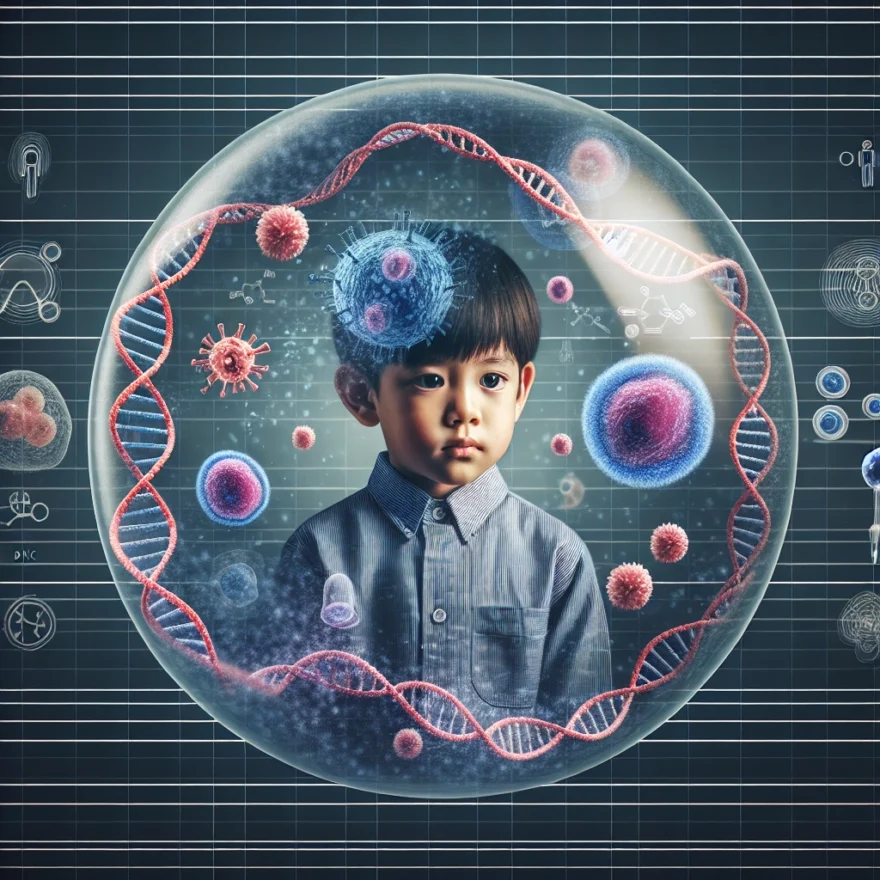
Introduction to Wiskott-Aldrich Syndrome
Wiskott-Aldrich Syndrome (WAS) is a rare genetic disorder that primarily affects males. It is characterized by a compromised immune system (immunodeficiency), a reduced ability to form blood clots, and a propensity for developing autoimmune disorders. Named after the two physicians who first described it, Dr. Alfred Wiskott, a German pediatrician, and Dr. Robert Aldrich, an American pediatrician, this syndrome has been the subject of extensive medical research since its initial identification in the mid-20th century.
WAS is classified as a primary immunodeficiency disorder, a group of conditions in which the immune system is inherently flawed due to genetic defects. These disorders make affected individuals more susceptible to infections and diseases that a healthy immune system could easily combat. The syndrome is also distinguished by microthrombocytopenia, a condition that results in unusually small and fewer platelets, the blood cells responsible for clotting. This can lead to easy bruising, prolonged bleeding, and an increased risk of hemorrhage, further complicating the health of individuals with WAS.
Though it is a rare condition, understanding WAS is crucial due to its potential severity and the insight it provides into the workings of the human immune system. This article aims to shed light on the intricacies of Wiskott-Aldrich Syndrome, its diagnosis, treatment options, and the latest research developments, with the hope of providing a comprehensive resource for those seeking to understand this complex disorder.
Table of contents
- Introduction to Wiskott-Aldrich Syndrome
- Understanding Immunodeficiency Disorders
- The Science Behind Wiskott-Aldrich Syndrome
- Recognizing the Symptoms of Wiskott-Aldrich Syndrome
- Diagnosing Wiskott-Aldrich Syndrome
- Treatment Options for Wiskott-Aldrich Syndrome
- Living with Wiskott-Aldrich Syndrome
- The Role of Family and Caregivers
- Recent Advances in Wiskott-Aldrich Syndrome Research
- Wiskott-Aldrich Syndrome: Common Questions and Answers
Understanding Immunodeficiency Disorders
Immunodeficiency disorders, as the name suggests, are conditions that weaken the immune system, making it harder for the body to fight off viruses, bacteria, and other harmful invaders. The immune system is a complex network of cells, tissues, and organs that work together to defend the body against attacks by ‘foreign’ invaders. These are primarily microbes – tiny organisms such as bacteria, parasites, and fungi that can cause infections. Viruses also cause infections, but are too primitive to be classified as living organisms. The human body provides an ideal environment for many microbes. It is the immune system’s job to keep them out or, failing that, to seek out and destroy them.
When the immune system is impaired, it can lead to an increased susceptibility to infections, as well as abnormal immune responses to normal tissues (autoimmunity), or to harmless substances like pollen, pet dander, or certain foods (allergy). Immunodeficiency disorders can be categorized as either primary or secondary. Primary immunodeficiencies are typically caused by genetic defects that affect the function of immune cells, and they can affect anyone at any age. Secondary immunodeficiencies, on the other hand, are acquired later in life and are often the result of another disease or condition, such as HIV/AIDS or malnutrition, or the use of certain medications that suppress the immune response.
There are more than 400 recognized primary immunodeficiency disorders, and Wiskott-Aldrich Syndrome (WAS) is one of them. These disorders all have some degree of dysfunction in the immune system, but the symptoms, severity, and treatment can vary widely. WAS, for example, is characterized by a triad of symptoms: eczema, a low platelet count leading to easy bruising and bleeding, and recurrent infections due to immune system dysfunction. It is a rare, X-linked disorder, which means it primarily affects males.
Understanding the underlying mechanisms of immunodeficiency disorders is crucial for developing effective treatments and improving the quality of life for people living with these conditions. Research in this area is ongoing and has already led to significant advances in our understanding of the immune system and how it can go awry.
The Science Behind Wiskott-Aldrich Syndrome
Wiskott-Aldrich Syndrome (WAS) is a rare primary immunodeficiency disorder that affects the immune system. To understand the science behind this condition, it is important to delve into the underlying mechanisms that contribute to its development.
At its core, Wiskott-Aldrich Syndrome is caused by mutations in the Wiskott-Aldrich Syndrome Protein (WASP) gene. This gene is responsible for producing a protein that plays a crucial role in the functioning of certain immune cells, particularly those involved in the body’s defense against infections.
The WASP protein is primarily found in cells of the immune system, including T cells, B cells, and natural killer (NK) cells. These cells are essential for mounting an effective immune response against pathogens. However, in individuals with Wiskott-Aldrich Syndrome, the mutations in the WASP gene lead to a dysfunctional or absent WASP protein.
The absence or dysfunction of the WASP protein disrupts the normal functioning of immune cells. It impairs their ability to respond to external threats and regulate immune responses effectively. This results in a weakened immune system, making individuals with Wiskott-Aldrich Syndrome more susceptible to infections, particularly bacterial and viral infections.
Furthermore, the lack of functional WASP protein also affects the cytoskeleton, a network of protein filaments that provide structure and support to cells. The cytoskeleton is crucial for cell movement, division, and signaling. In the absence of a functional WASP protein, the cytoskeleton is compromised, leading to abnormalities in cell shape and movement.
The compromised immune response and cytoskeletal abnormalities contribute to the characteristic features of Wiskott-Aldrich Syndrome. These features include recurrent infections, eczema, abnormal bleeding, and an increased risk of developing certain types of cancers, such as lymphomas and leukemias.
Understanding the underlying science of Wiskott-Aldrich Syndrome is crucial for accurate diagnosis and effective management of the condition. Genetic testing is often employed to identify mutations in the WASP gene, confirming the diagnosis of Wiskott-Aldrich Syndrome.
Ongoing research is focused on further unraveling the intricacies of the WASP gene and its protein product. Scientists are investigating potential therapeutic approaches, such as gene therapy and stem cell transplantation, to restore the normal functioning of immune cells and improve the quality of life for individuals with Wiskott-Aldrich Syndrome.
In conclusion, the science behind Wiskott-Aldrich Syndrome revolves around the mutations in the WASP gene and the resulting dysfunction of the WASP protein. This disruption affects immune cell function and the cytoskeleton, leading to a weakened immune system and characteristic symptoms of the disorder. Ongoing research aims to uncover new treatment options and improve the understanding of this rare primary immunodeficiency disorder.
Recognizing the Symptoms of Wiskott-Aldrich Syndrome
Wiskott-Aldrich Syndrome (WAS) is a rare primary immunodeficiency disorder that primarily affects males. It is characterized by a triad of symptoms, including eczema, thrombocytopenia (low platelet count), and recurrent infections.
Eczema, a common symptom of WAS, typically appears in infancy and is characterized by dry, itchy, and inflamed skin. The severity of eczema can vary from mild to severe, and it often affects the face, hands, and feet. Persistent eczema that does not respond to conventional treatments may be an indicator of Wiskott-Aldrich Syndrome.
Thrombocytopenia, or low platelet count, is another hallmark symptom of WAS. Platelets are responsible for blood clotting, and a decreased number of platelets can lead to easy bruising, nosebleeds, and prolonged bleeding after minor injuries or surgeries. Children with Wiskott-Aldrich Syndrome may also experience petechiae, which are small red or purple spots on the skin caused by bleeding under the surface.
Recurrent infections are a significant concern for individuals with Wiskott-Aldrich Syndrome due to the compromised immune system. These infections can include bacterial, viral, and fungal infections, and they may affect various parts of the body, such as the respiratory tract, skin, and gastrointestinal system. Children with WAS may experience frequent ear infections, sinusitis, pneumonia, and skin infections.
Aside from the triad of symptoms, there are other signs that may indicate the presence of Wiskott-Aldrich Syndrome. These can include bloody diarrhea, which may be a result of gastrointestinal bleeding, as well as autoimmune disorders, such as autoimmune hemolytic anemia or vasculitis.
It is important to note that the severity and combination of symptoms can vary among individuals with Wiskott-Aldrich Syndrome. Some may present with all three classic symptoms, while others may only exhibit one or two. Additionally, the age of onset and progression of symptoms can also differ.
If you suspect that you or your child may have Wiskott-Aldrich Syndrome based on the symptoms described, it is crucial to consult with a healthcare professional for a proper diagnosis and appropriate management.
Diagnosing Wiskott-Aldrich Syndrome
Diagnosing Wiskott-Aldrich Syndrome can be a complex process due to its rarity and the overlapping symptoms it shares with other immunodeficiency disorders. However, early and accurate diagnosis is crucial in order to provide appropriate treatment and support for individuals with this condition.
When a child presents with symptoms that may indicate Wiskott-Aldrich Syndrome, the first step is typically a thorough medical history and physical examination. The healthcare provider will inquire about the child’s symptoms, family history, and any previous infections or illnesses. They will also assess the child’s overall growth and development.
Following the initial evaluation, several diagnostic tests may be conducted to confirm the presence of Wiskott-Aldrich Syndrome. These tests include:
- Complete Blood Count (CBC): A CBC can reveal low platelet counts, small platelet size, and abnormal white blood cell counts, which are common indicators of Wiskott-Aldrich Syndrome.
- Immunological Testing: Immunological tests are performed to evaluate the functioning of the immune system. This may involve measuring the levels of immunoglobulins (antibodies) in the blood, assessing T-cell and B-cell counts, and evaluating the response to vaccines.
- Genetic Testing: Genetic testing is crucial for confirming a diagnosis of Wiskott-Aldrich Syndrome. It involves analyzing the genetic material (DNA) to identify mutations or alterations in the Wiskott-Aldrich Syndrome protein (WASp) gene.
- Bone Marrow Biopsy: A bone marrow biopsy may be performed to assess the health and functioning of the bone marrow, which is responsible for producing blood cells. In individuals with Wiskott-Aldrich Syndrome, the bone marrow may show abnormalities.
In addition to these tests, other diagnostic procedures such as flow cytometry, lymph node biopsy, and specific antibody testing may be utilized to further evaluate the immune system and identify any associated complications.
It is important to note that the diagnosis of Wiskott-Aldrich Syndrome may require input from various medical specialists, including immunologists, hematologists, and geneticists. Collaborative efforts are often necessary to ensure a comprehensive and accurate diagnosis.
Furthermore, genetic counseling may be recommended for families of individuals diagnosed with Wiskott-Aldrich Syndrome. This can help them understand the inheritance pattern of the condition and make informed decisions regarding family planning.
Overall, the diagnostic process for Wiskott-Aldrich Syndrome involves a combination of medical history assessment, physical examination, and specialized laboratory tests. By identifying the specific genetic mutation and evaluating the immune system’s functioning, healthcare professionals can provide an accurate diagnosis and develop an appropriate treatment plan for individuals with this rare primary immunodeficiency disorder.
Treatment Options for Wiskott-Aldrich Syndrome
When it comes to treating Wiskott-Aldrich Syndrome, a rare primary immunodeficiency disorder, a multidisciplinary approach is often necessary. The treatment plan will depend on the severity of the symptoms and the individual needs of the patient. Here are some of the treatment options commonly used for Wiskott-Aldrich Syndrome:
1. Supportive Care: Supportive care plays a crucial role in managing Wiskott-Aldrich Syndrome. This includes measures such as regular monitoring of blood counts, immunizations, and prompt treatment of infections. It is important to maintain good hygiene practices and avoid exposure to potential pathogens.
2. Immunoglobulin Replacement Therapy: Immunoglobulin replacement therapy, also known as intravenous immunoglobulin (IVIG) therapy, is often used to boost the immune system in individuals with Wiskott-Aldrich Syndrome. IVIG infusions provide the patient with antibodies to help fight off infections.
3. Stem Cell Transplantation: Stem cell transplantation, also known as a bone marrow transplant, is considered the only curative treatment for Wiskott-Aldrich Syndrome. This procedure involves replacing the patient’s faulty bone marrow cells with healthy donor cells. Stem cell transplantation can improve immune function and reduce the risk of infections and bleeding disorders associated with Wiskott-Aldrich Syndrome.
4. Medications: Medications may be prescribed to manage specific symptoms of Wiskott-Aldrich Syndrome. For example, corticosteroids may be used to reduce inflammation and control autoimmune symptoms. Platelet transfusions may be necessary to manage bleeding disorders.
5. Gene Therapy: Gene therapy is an emerging treatment option for Wiskott-Aldrich Syndrome. This experimental approach involves correcting the genetic mutation responsible for the disorder. While still in the early stages of development, gene therapy shows promise in potentially providing a long-term cure for Wiskott-Aldrich Syndrome.
6. Psychological and Emotional Support: Living with a rare disorder like Wiskott-Aldrich Syndrome can be challenging, both physically and emotionally. It is important for individuals with Wiskott-Aldrich Syndrome and their families to have access to psychological and emotional support. This may include counseling, support groups, and resources to help cope with the impact of the condition.
It is essential for individuals with Wiskott-Aldrich Syndrome to work closely with a team of healthcare professionals, including immunologists, hematologists, and geneticists, to determine the most appropriate treatment plan. The goal of treatment is to manage symptoms, prevent complications, and improve the overall quality of life for individuals with Wiskott-Aldrich Syndrome.
Living with Wiskott-Aldrich Syndrome
Living with Wiskott-Aldrich Syndrome can present unique challenges for both the affected individual and their family. This rare primary immunodeficiency disorder requires careful management and support to ensure the best possible quality of life. Here are some important aspects to consider:
1. Medical Care
Individuals with Wiskott-Aldrich Syndrome require regular medical care to monitor their condition and manage symptoms. This may involve frequent visits to immunologists, hematologists, and other specialists. It is crucial to follow the recommended treatment plan, including medication regimens and preventive measures, to minimize the risk of complications.
2. Infection Prevention
Due to the weakened immune system associated with Wiskott-Aldrich Syndrome, individuals are more susceptible to infections. It is essential to maintain a clean and hygienic environment, practice frequent handwashing, and avoid close contact with individuals who are sick. Vaccinations should be kept up to date, and it may be necessary to limit exposure to large crowds or certain environments to reduce the risk of infections.
3. Supportive Care
Living with Wiskott-Aldrich Syndrome often involves managing various symptoms and complications. This may include addressing skin issues, managing bleeding disorders, and providing support for any associated autoimmune conditions. It is important to work closely with healthcare providers to develop a comprehensive care plan that addresses the individual’s specific needs.
4. Emotional Support
Living with a chronic illness like Wiskott-Aldrich Syndrome can take an emotional toll on both the affected individual and their family. It is essential to seek emotional support from friends, family members, or support groups who understand the challenges associated with the condition. Mental health professionals can also provide valuable guidance and support to cope with the emotional impact of the disease.
5. Education and Advocacy
Education about Wiskott-Aldrich Syndrome is crucial in order to effectively manage the condition and advocate for the individual’s needs. It is important to stay informed about the latest research and treatment options. By becoming knowledgeable about the condition, individuals and their families can actively participate in decision-making processes and ensure that their voices are heard within the medical community.
Living with Wiskott-Aldrich Syndrome requires a multidimensional approach that encompasses medical care, infection prevention, supportive care, emotional support, and education. With proper management and support, individuals with Wiskott-Aldrich Syndrome can lead fulfilling lives and achieve their full potential despite the challenges posed by this rare primary immunodeficiency disorder.
The Role of Family and Caregivers
Family and caregivers play a crucial role in the lives of individuals with Wiskott-Aldrich Syndrome (WAS). As a rare primary immunodeficiency disorder, WAS requires ongoing support and care to ensure the best possible quality of life for those affected. Here are some key aspects of the role that family members and caregivers play in managing this condition:
1. Emotional Support:
Dealing with a rare medical condition like WAS can be emotionally challenging for both the affected individual and their family. Family members and caregivers need to provide a supportive and understanding environment, offering comfort, empathy, and reassurance. This emotional support can help the individual cope with the physical and psychological challenges associated with the syndrome.
2. Advocacy:
Family members and caregivers often become advocates for individuals with WAS, ensuring they receive appropriate medical care, education, and support. They may liaise with healthcare professionals, schools, and other institutions to ensure that the individual’s needs are met. Advocacy also involves raising awareness about WAS within the community and promoting understanding and acceptance.
3. Care Coordination:
Managing the complex medical needs of someone with WAS requires careful coordination and organization. Family members and caregivers play a vital role in scheduling and attending medical appointments, coordinating treatments, and managing medications. They may also assist with arranging home healthcare services, therapies, and specialized equipment as needed.
4. Education and Empowerment:
Understanding WAS and its implications is essential for family members and caregivers to provide effective support. They should stay informed about the latest research, treatment options, and management strategies. This knowledge empowers them to make informed decisions, ask relevant questions, and actively participate in the individual’s healthcare journey.
5. Practical Assistance:
Individuals with WAS may require assistance with various daily activities, especially during periods of illness or recovery. Family members and caregivers may provide practical help with tasks such as personal hygiene, mobility, meal preparation, and medication management. They may also offer transportation to medical appointments or support during hospital stays.
6. Financial Support:
The financial burden of managing a rare medical condition like WAS can be significant. Family members and caregivers may need to navigate insurance coverage, access financial assistance programs, and seek community resources to help alleviate some of the financial strain. They may also engage in fundraising activities to support research and advocacy efforts.
7. Promoting Independence:
While individuals with WAS may have unique challenges, it is important to encourage their independence and self-advocacy whenever possible. Family members and caregivers should provide opportunities for the individual to develop skills, make decisions, and take responsibility for their own healthcare management as they grow older.
In conclusion, the role of family members and caregivers in supporting individuals with Wiskott-Aldrich Syndrome is multifaceted. From emotional support to practical assistance, they play a crucial part in ensuring the well-being and quality of life of those affected by this rare primary immunodeficiency disorder. Their dedication, advocacy, and love are vital in helping individuals with WAS thrive despite the challenges they face.
Recent Advances in Wiskott-Aldrich Syndrome Research
Wiskott-Aldrich Syndrome (WAS) is a rare primary immunodeficiency disorder that affects the immune system, leading to increased susceptibility to infections, eczema, and abnormal bleeding. Over the years, significant progress has been made in understanding and treating this condition. Let’s explore some of the recent advances in Wiskott-Aldrich Syndrome research:
1. Genetic Studies: Recent advancements in genetic sequencing techniques have allowed researchers to identify specific genetic mutations responsible for Wiskott-Aldrich Syndrome. This has helped in improving diagnostic accuracy and genetic counseling for affected individuals and their families.
2. Stem Cell Transplantation: Stem cell transplantation, also known as hematopoietic stem cell transplantation (HSCT), is the primary curative treatment for Wiskott-Aldrich Syndrome. Recent studies have focused on optimizing the transplantation process, including the use of reduced-intensity conditioning regimens and alternative donor sources such as haploidentical and unrelated donors. These advancements have improved the success rates and outcomes of HSCT in individuals with Wiskott-Aldrich Syndrome.
3. Gene Therapy: Gene therapy holds great promise for individuals with Wiskott-Aldrich Syndrome. Recent research has explored the use of gene therapy to correct the genetic mutations causing this disorder. Preliminary studies using viral vectors to deliver the corrected gene have shown promising results, with improved immune function and reduced disease severity in animal models. Clinical trials are underway to evaluate the safety and efficacy of gene therapy in humans.
4. Targeted Therapies: Researchers are investigating targeted therapies that aim to modulate specific pathways involved in the development and progression of Wiskott-Aldrich Syndrome. These therapies can help improve immune function, reduce the frequency of infections, and alleviate symptoms associated with the condition. Some of the targeted therapies being studied include small molecule inhibitors and monoclonal antibodies.
5. Immunomodulatory Treatments: Immunomodulatory treatments, such as immunoglobulin replacement therapy and immune suppressive medications, have been used to manage the symptoms of Wiskott-Aldrich Syndrome. Ongoing research aims to optimize the dosing and timing of these treatments to achieve better outcomes and minimize side effects.
6. Long-Term Follow-Up: As the survival rates of individuals with Wiskott-Aldrich Syndrome improve, there is a growing need for long-term follow-up studies to assess the impact of different treatments on overall health and quality of life. Recent research has focused on evaluating the long-term outcomes of stem cell transplantation and gene therapy in individuals with Wiskott-Aldrich Syndrome.
These recent advances in Wiskott-Aldrich Syndrome research offer hope for improved diagnosis, treatment, and management of this rare primary immunodeficiency disorder. Continued research efforts are essential to further enhance our understanding of the condition and develop more effective therapies to improve the lives of individuals affected by Wiskott-Aldrich Syndrome.
Wiskott-Aldrich Syndrome: Common Questions and Answers
Wiskott-Aldrich Syndrome: Common Questions and Answers
Here are some common questions and answers about Wiskott-Aldrich Syndrome:
1. What is Wiskott-Aldrich Syndrome?
Wiskott-Aldrich Syndrome is a rare primary immunodeficiency disorder that affects the immune system. It is characterized by a triad of symptoms, including eczema, low platelet count, and recurrent infections.
2. How is Wiskott-Aldrich Syndrome inherited?
Wiskott-Aldrich Syndrome is an X-linked disorder, which means it is typically inherited from the mother who carries the mutated gene on her X chromosome. Males are more commonly affected by the syndrome, while females can be carriers.
3. What are the common symptoms of Wiskott-Aldrich Syndrome?
The common symptoms of Wiskott-Aldrich Syndrome include eczema (a skin condition characterized by itchy and inflamed patches), frequent nosebleeds, easy bruising, recurrent infections (such as ear infections and pneumonia), and an increased risk of autoimmune disorders.
4. How is Wiskott-Aldrich Syndrome diagnosed?
Diagnosing Wiskott-Aldrich Syndrome involves a combination of medical history evaluation, physical examination, blood tests (including platelet count and immunoglobulin levels), and genetic testing to confirm the presence of mutations in the responsible gene.
5. What are the treatment options for Wiskott-Aldrich Syndrome?
Treatment for Wiskott-Aldrich Syndrome typically involves managing the symptoms and complications associated with the disorder. This may include the use of medications to control eczema and prevent infections, immunoglobulin replacement therapy, and in some cases, a stem cell transplant.
6. Can individuals with Wiskott-Aldrich Syndrome live a normal life?
While Wiskott-Aldrich Syndrome can significantly impact an individual’s quality of life, with proper management and treatment, many individuals with the syndrome can lead fulfilling lives. However, it is important to note that the severity of the condition can vary from person to person.
7. What role do family and caregivers play in managing Wiskott-Aldrich Syndrome?
Family and caregivers play a crucial role in the management of Wiskott-Aldrich Syndrome. They provide support, ensure adherence to treatment plans, help with day-to-day care, and advocate for the individual’s needs within the healthcare system.
8. Are there any recent advances in Wiskott-Aldrich Syndrome research?
Yes, there have been significant advancements in Wiskott-Aldrich Syndrome research. Scientists are exploring gene therapy approaches, targeted drug therapies, and improved stem cell transplant techniques to better understand and treat the condition.
9. Is there a cure for Wiskott-Aldrich Syndrome?
Currently, there is no known cure for Wiskott-Aldrich Syndrome. However, with early diagnosis, appropriate medical care, and ongoing management, individuals with the syndrome can lead meaningful and productive lives.
10. Where can I find support and resources for Wiskott-Aldrich Syndrome?
There are several organizations and support groups dedicated to providing information, resources, and support to individuals and families affected by Wiskott-Aldrich Syndrome. Some notable organizations include the Wiskott-Aldrich Foundation and the Immune Deficiency Foundation.