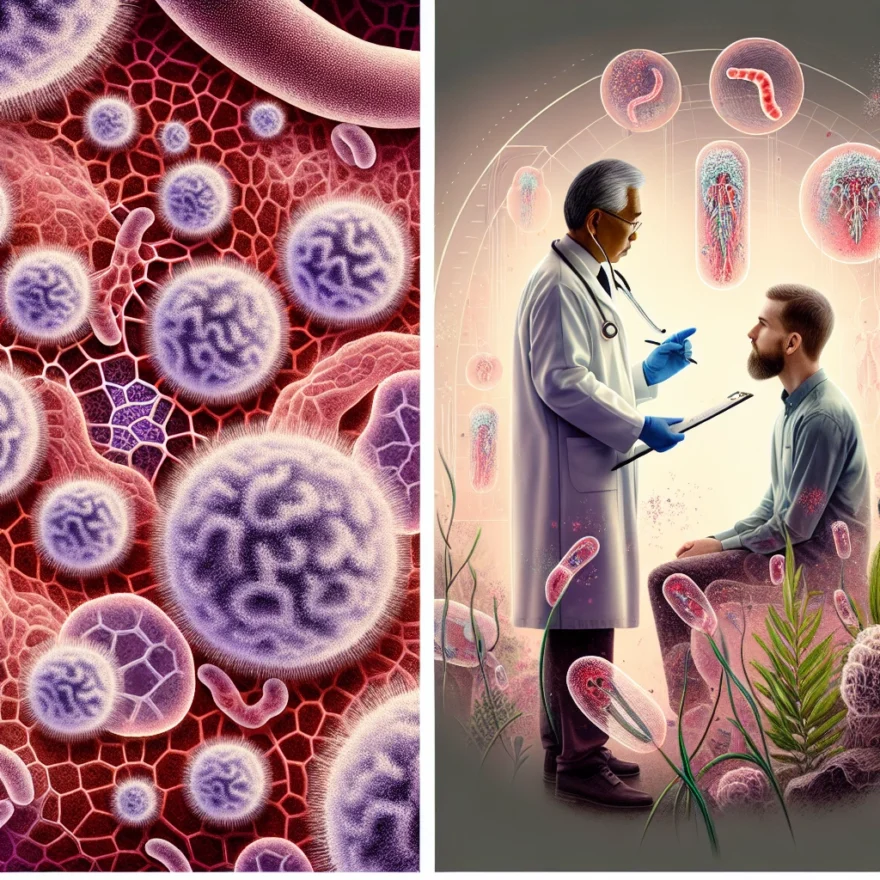
Introduction to Zygomycosis
Zygomycosis, also known as mucormycosis, is a severe and potentially fatal fungal infection that is relatively rare but carries serious consequences. The infection is caused by fungi in the Zygomycetes class, which includes the Mucorales and Entomophthorales orders. These fungi are typically found in the environment, particularly in soil, decaying organic matter, and certain foods.
While the fungi responsible for zygomycosis are common, the infection itself is not. It primarily affects individuals with weakened immune systems, such as those with uncontrolled diabetes, organ transplant recipients, and individuals undergoing treatment for certain types of cancer. However, in rare instances, even healthy individuals can contract the infection.
Zygomycosis can affect various parts of the body, including the sinuses, brain, lungs, skin, and gastrointestinal tract. The type of infection can vary depending on the area affected and the specific fungus involved. For instance, Rhizopus species are often responsible for infections in the sinuses and brain, while Mucor species are more commonly associated with lung infections.
The severity and rapid progression of zygomycosis make it a medical emergency. Despite advances in antifungal therapy, the mortality rate remains high, particularly for infections involving the brain. Early recognition, prompt treatment, and, in some cases, surgical intervention are crucial to improving outcomes.
This article aims to provide a comprehensive understanding of zygomycosis, its causes, symptoms, diagnosis, treatment, and prevention, as well as its impact on the immune system and its relationship with other health conditions. It also delves into the global prevalence and history of the infection, future research directions, and the role of healthcare professionals in managing the disease. Personal stories of individuals living with zygomycosis are shared to shed light on the human aspect of the disease, and the economic impact of zygomycosis is also discussed.
Table of contents
- Introduction to Zygomycosis
- Understanding the Fungi Behind Zygomycosis
- How Zygomycosis Infects the Human Body
- Symptoms of Zygomycosis
- Diagnosing Zygomycosis
- Treatment Options for Zygomycosis
- Preventing Zygomycosis
- The Impact of Zygomycosis on the Immune System
- Zygomycosis and Other Health Conditions
- Prognosis and Survival Rates for Zygomycosis
- The Global Prevalence of Zygomycosis
- The History of Zygomycosis
- Future Research on Zygomycosis
- Common Questions and Answers About Zygomycosis
- Personal Stories of People with Zygomycosis
- The Economic Impact of Zygomycosis
- Zygomycosis in Animals
- The Role of Healthcare Professionals in Managing Zygomycosis
- Living with Zygomycosis
- Conclusion: The Importance of Awareness and Research
Understanding the Fungi Behind Zygomycosis
Zygomycosis, also known as mucormycosis, is a serious fungal infection caused by a group of molds known as mucormycetes. These molds are part of the Zygomycota phylum, a diverse group of fungi that are found in soil and decaying organic matter, such as leaves, compost piles, and rotten wood. They are ubiquitous in nature and can be found in various environments around the world.
The fungi that cause zygomycosis are typically from the Mucorales and Entomophthorales orders. The most common species involved in human infections are Rhizopus, Mucor, and Rhizomucor. However, several other species can also cause disease, including Absidia, Apophysomyces, and Cunninghamella. These fungi are thermotolerant, meaning they can survive and grow at human body temperature, which is one of the factors that enable them to cause disease in humans.
These fungi reproduce by producing spores (also known as sporangiospores or conidia) that can be easily dispersed into the air. Humans can inhale these spores, which can then settle in the nasal passages or lungs, where they can start to grow and cause infection. The spores can also enter the body through a break in the skin, such as a cut, burn, or other types of skin injury.
It is important to note that while these fungi are common in the environment, they rarely cause disease in healthy individuals. Most cases of zygomycosis occur in people with weakened immune systems or other health conditions that make them more susceptible to infections. This includes people with uncontrolled diabetes, those undergoing cancer treatments, organ or stem cell transplant recipients, and people with HIV/AIDS.
Understanding the fungi behind zygomycosis is crucial for prevention and treatment. By knowing where these fungi are commonly found and how they can enter the body, healthcare professionals can provide advice on how to reduce exposure and risk of infection. Moreover, this knowledge can also help in developing effective antifungal treatments and strategies for managing this serious infection.
How Zygomycosis Infects the Human Body
Zygomycosis, also known as mucormycosis, is a rare but serious fungal infection that primarily affects individuals with weakened immune systems. The infection is caused by a group of fungi called Zygomycetes, which are commonly found in the environment, such as in soil and decaying organic matter.
When a person comes into contact with these fungi, the spores can enter the body through inhalation, ingestion, or through a break in the skin. However, it is important to note that not everyone who comes into contact with these fungi will develop an infection.
Once inside the body, the fungi can quickly invade and spread, particularly in individuals with compromised immune systems. This can occur in various ways depending on the site of infection:
- Pulmonary Zygomycosis: If the spores are inhaled, they can infect the lungs and cause pneumonia-like symptoms. The fungi can invade the blood vessels in the lungs, leading to tissue damage and potential spread to other organs.
- Rhino-Orbital-Cerebral Zygomycosis: When the spores enter through the sinuses or the eyes, they can cause a severe infection that affects the sinuses, the tissues around the eyes, and even the brain. This type of infection is more common in individuals with poorly controlled diabetes or those who have undergone an organ transplant.
- Cutaneous Zygomycosis: If the spores enter through a break in the skin, they can cause an infection in the surrounding tissues. This type of infection is more common in individuals who have suffered trauma or have undergone surgery.
- Disseminated Zygomycosis: In rare cases, the infection can spread from the initial site to other organs in the body, such as the gastrointestinal tract, kidneys, or heart. This can occur when the immune system is severely compromised, such as in individuals with uncontrolled HIV/AIDS or those receiving immunosuppressive therapy.
Once the fungi establish an infection, they can grow rapidly and invade the surrounding tissues. They do so by producing enzymes that break down the host’s tissues, allowing them to obtain nutrients and spread further. The fungi can also invade blood vessels, leading to tissue death and potential complications.
It is important to note that Zygomycosis is not a contagious infection and cannot be transmitted from person to person. The primary risk factors for developing Zygomycosis include diabetes, organ transplantation, hematological malignancies, long-term corticosteroid use, and other conditions that weaken the immune system.
Early diagnosis and prompt treatment are crucial for managing Zygomycosis effectively. In the next section, we will explore the various symptoms associated with this fungal infection and how it can be diagnosed.
Symptoms of Zygomycosis
Zygomycosis, also known as mucormycosis, is a rare fungal infection that can have serious consequences for those affected. The symptoms of Zygomycosis can vary depending on the type and location of the infection within the body.
One of the most common symptoms of Zygomycosis is pain and swelling at the site of infection. This can occur in various parts of the body, including the sinuses, lungs, skin, and gastrointestinal tract. The pain may be accompanied by redness, warmth, and tenderness in the affected area.
In cases where Zygomycosis affects the sinuses, symptoms may include facial pain, nasal congestion, and a black discharge from the nose. If the infection spreads to the eyes, it can cause blurry vision, eye redness, and even vision loss.
When Zygomycosis affects the lungs, it can lead to symptoms such as coughing, shortness of breath, chest pain, and fever. In severe cases, the infection can cause pneumonia and respiratory failure.
If the skin is affected by Zygomycosis, symptoms may include a rapidly spreading, red, and painful rash. The skin may become blackened and necrotic, indicating tissue death. This can lead to the formation of ulcers and open sores.
Zygomycosis can also affect the gastrointestinal tract, leading to symptoms such as abdominal pain, nausea, vomiting, and diarrhea. In some cases, the infection can cause gastrointestinal bleeding.
It is important to note that the symptoms of Zygomycosis can be nonspecific and may resemble other conditions or infections. Therefore, it is crucial to seek medical attention if any of these symptoms are present, especially in individuals with weakened immune systems or underlying health conditions.
Early diagnosis and treatment are essential in managing Zygomycosis and preventing further complications. If you experience any of the symptoms mentioned above, it is important to consult a healthcare professional for a proper evaluation and diagnosis.
Diagnosing Zygomycosis
Diagnosing Zygomycosis can be challenging due to its rarity and the similarity of its symptoms to other fungal infections. However, early and accurate diagnosis is crucial for effective treatment and improved outcomes.
When a patient presents with symptoms that are consistent with Zygomycosis, healthcare professionals will typically begin the diagnostic process by taking a detailed medical history and conducting a physical examination. They will inquire about the patient’s recent activities, travel history, and any underlying health conditions that may increase the risk of fungal infections.
Following the initial assessment, several diagnostic tests may be performed to confirm the presence of Zygomycosis:
1. Microscopic examination: A sample of infected tissue, such as a biopsy or a swab, is collected and examined under a microscope. Zygomycosis is characterized by the presence of large, ribbon-like hyphae with irregular branching patterns.
2. Fungal culture: The collected tissue sample may also be cultured in a laboratory to isolate and identify the specific species of Zygomycetes. This helps determine the appropriate antifungal treatment.
3. Molecular tests: Polymerase chain reaction (PCR) tests can be used to detect the genetic material of the Zygomycetes fungi. These tests are highly sensitive and can provide rapid results.
4. Imaging studies: X-rays, computed tomography (CT) scans, or magnetic resonance imaging (MRI) may be performed to visualize the affected areas of the body. These imaging techniques can help identify the extent of the infection and its impact on surrounding tissues.
5. Serological tests: Blood tests may be conducted to detect specific antibodies or antigens associated with Zygomycosis. These tests can aid in confirming the diagnosis and monitoring the response to treatment.
It is important to note that diagnosing Zygomycosis may require a multidisciplinary approach involving infectious disease specialists, microbiologists, radiologists, and pathologists. The expertise of these healthcare professionals is crucial in accurately identifying the infection and guiding appropriate treatment strategies.
Additionally, it is important to differentiate Zygomycosis from other fungal infections, such as Aspergillosis or Candidiasis, as the treatment approaches may vary. Proper diagnosis helps ensure that patients receive the most effective and targeted treatment options.
In conclusion, diagnosing Zygomycosis involves a combination of clinical evaluation, laboratory tests, and imaging studies. Early and accurate diagnosis is essential for timely intervention and improved outcomes in patients with this rare fungal infection.
Treatment Options for Zygomycosis
When it comes to treating Zygomycosis, prompt and aggressive intervention is crucial due to the serious consequences associated with this rare fungal infection. The treatment approach for Zygomycosis typically involves a combination of antifungal medications, surgical intervention, and supportive care.
Antifungal Medications: The primary class of antifungal medications used to treat Zygomycosis is called polyenes. These drugs, such as amphotericin B, work by targeting the cell walls of the fungi, causing them to rupture and die. Amphotericin B is usually administered intravenously and may be combined with other antifungal agents, such as posaconazole or isavuconazole, to enhance effectiveness. The duration of antifungal treatment varies depending on the severity of the infection and the response to therapy.
Surgical Intervention: In cases where Zygomycosis has caused tissue necrosis or has spread to vital organs, surgical intervention may be necessary. The goal of surgery is to remove the infected tissue and reduce the fungal burden. This may involve debridement (removal of dead or infected tissue), amputation of affected limbs, or even organ transplantation in severe cases. Surgical intervention is often combined with antifungal therapy to achieve optimal outcomes.
Supportive Care: Zygomycosis can have systemic effects on the body, leading to complications such as organ failure and sepsis. Therefore, supportive care is essential in managing the infection. This may include intravenous fluids, electrolyte management, pain management, and treatment of any associated complications. Close monitoring of vital signs, laboratory values, and overall clinical status is crucial to ensure timely intervention and appropriate adjustments to the treatment plan.
It is important to note that the management of Zygomycosis requires a multidisciplinary approach involving infectious disease specialists, surgeons, pharmacists, and other healthcare professionals. The treatment plan is tailored to the individual patient’s condition, taking into consideration factors such as the extent of infection, the patient’s overall health, and any underlying medical conditions.
Additionally, it is essential to address any underlying factors that may have contributed to the development of Zygomycosis. This may involve managing diabetes, controlling blood sugar levels, or discontinuing immunosuppressive medications, if applicable.
In some cases, despite aggressive treatment, Zygomycosis can be challenging to eradicate completely. This is particularly true in individuals with compromised immune systems or those with extensive tissue involvement. In such cases, long-term antifungal therapy may be necessary to prevent relapse or recurrence of the infection.
It is important for individuals diagnosed with Zygomycosis to closely follow their healthcare provider’s instructions and attend regular follow-up appointments. Adherence to the prescribed treatment plan and close monitoring are crucial for optimizing outcomes and preventing complications.
Preventing Zygomycosis
Zygomycosis is a rare fungal infection that can have serious consequences for those affected. While treatment options are available, prevention is always better than cure. Here are some measures you can take to reduce your risk of contracting Zygomycosis:
- Maintain good hygiene: Practicing good hygiene is crucial in preventing any infection, including Zygomycosis. Wash your hands thoroughly with soap and water regularly, especially before handling food or touching your face.
- Avoid contaminated environments: Zygomycosis is often associated with environments that have a high concentration of fungi. Avoid spending time in areas with excessive mold growth, such as damp basements or buildings damaged by water.
- Keep your living spaces clean and dry: Regularly clean and dry your living spaces, paying special attention to areas prone to moisture, such as bathrooms and kitchens. Use dehumidifiers to control humidity levels and prevent the growth of fungi.
- Protect yourself during outdoor activities: If you are engaging in outdoor activities such as gardening or farming, wear gloves, long sleeves, and masks to minimize exposure to fungal spores present in the soil or decaying organic matter.
- Avoid contaminated materials: Be cautious when handling materials that may be contaminated with fungi, such as spoiled food, decaying wood, or compost. Use protective gear and dispose of these materials properly.
- Manage underlying health conditions: Certain health conditions, such as diabetes or immunosuppression, can increase the risk of Zygomycosis. It is important to manage these conditions effectively and follow your healthcare provider’s recommendations.
- Stay informed: Stay updated on the latest information about Zygomycosis and its prevention. Consult reputable sources such as healthcare professionals, government health agencies, and scientific research.
While these preventive measures can reduce the risk of Zygomycosis, it is important to remember that the infection can still occur, especially in individuals with compromised immune systems or other underlying health conditions. If you suspect you may have Zygomycosis or experience any concerning symptoms, seek medical attention promptly.
The Impact of Zygomycosis on the Immune System
Zygomycosis, a rare fungal infection, can have a significant impact on the immune system. The immune system plays a crucial role in defending the body against infections, including fungal infections. When a person is infected with Zygomycosis, the immune system is put under immense stress as it tries to combat the invading fungi.
The fungi responsible for Zygomycosis, known as Zygomycetes, have the ability to invade blood vessels, causing tissue damage and inflammation. This can lead to a compromised immune response, making it difficult for the body to effectively fight off the infection. As a result, individuals with weakened immune systems are particularly susceptible to Zygomycosis.
Patients with conditions such as diabetes, HIV/AIDS, organ transplantation, or those undergoing cancer treatment are at a higher risk of developing Zygomycosis. These underlying health conditions weaken the immune system, making it harder for the body to mount an effective defense against the fungus.
Furthermore, the invasive nature of Zygomycetes can lead to the release of harmful toxins, which can further suppress the immune system. These toxins can cause tissue necrosis, leading to the death of surrounding cells and impairing the immune system’s ability to control the infection.
The impact of Zygomycosis on the immune system can result in a range of complications. In severe cases, the infection can spread to other organs, such as the lungs, brain, or gastrointestinal tract, causing systemic illness. This can lead to a further decline in immune function and increase the risk of secondary infections.
It is essential for healthcare professionals to closely monitor the immune status of individuals with Zygomycosis and provide appropriate treatment to support the immune system. This may involve the use of antifungal medications, surgical intervention to remove infected tissue, and supportive care to manage complications.
Research is ongoing to better understand the interaction between Zygomycosis and the immune system. By gaining a deeper understanding of the immune response to Zygomycetes, researchers hope to develop more effective treatments and preventive strategies for this rare fungal infection.
Zygomycosis and Other Health Conditions
While Zygomycosis is a rare fungal infection, it can have serious consequences, especially for individuals with certain health conditions. The infection primarily affects individuals with weakened immune systems, such as those with uncontrolled diabetes, cancer, organ transplant recipients, or individuals undergoing chemotherapy.
Patients with uncontrolled diabetes are particularly susceptible to Zygomycosis due to the high levels of sugar in their blood, which provide an ideal environment for the fungus to grow. Additionally, individuals with cancer or those undergoing chemotherapy often experience a weakened immune system, making them more vulnerable to infections, including Zygomycosis.
Organ transplant recipients are at an increased risk of Zygomycosis because they require immunosuppressive medications to prevent organ rejection. These medications, while necessary, can weaken the immune system and make it more difficult for the body to fight off fungal infections.
Individuals who have undergone surgery, especially those involving the gastrointestinal tract, are also at a higher risk of developing Zygomycosis. The disruption of normal tissue barriers during surgery can provide an entry point for the fungus to invade the body.
It is important for individuals with these health conditions to be aware of the risks associated with Zygomycosis and take necessary precautions to minimize their chances of infection. This includes maintaining good hygiene, keeping blood sugar levels under control, and seeking immediate medical attention if any symptoms of Zygomycosis are observed.
Furthermore, healthcare professionals should be vigilant in monitoring patients with these health conditions for any signs of Zygomycosis. Early detection and prompt treatment can significantly improve the prognosis and outcomes for individuals affected by this rare fungal infection.
Prognosis and Survival Rates for Zygomycosis
Prognosis and survival rates for Zygomycosis, also known as mucormycosis, can vary depending on various factors such as the site of infection, the underlying health condition of the patient, and the promptness of diagnosis and treatment.
It is important to note that Zygomycosis is a serious fungal infection that can lead to significant morbidity and mortality if left untreated or if treatment is delayed. The infection can rapidly progress and spread to vital organs, leading to life-threatening complications.
The prognosis for Zygomycosis is generally poor, especially in cases where the infection has spread extensively or affects vital organs such as the lungs, brain, or heart. The mortality rate for invasive Zygomycosis is high, ranging from 30% to 90%.
Early diagnosis and aggressive treatment are crucial in improving the prognosis for Zygomycosis. Prompt initiation of antifungal therapy, along with surgical intervention to remove infected tissue, can help control the infection and improve outcomes.
However, even with timely and appropriate treatment, the survival rates for Zygomycosis remain relatively low compared to other fungal infections. This is partly due to the aggressive nature of the infection and the challenges in effectively treating it.
Survival rates can also be influenced by the underlying health condition of the patient. Individuals with compromised immune systems, such as those with uncontrolled diabetes, organ transplant recipients, or patients undergoing chemotherapy, are at a higher risk of developing severe Zygomycosis and experiencing poorer outcomes.
Additionally, factors such as the availability of healthcare resources, access to specialized medical care, and the overall health status of the patient can also impact prognosis and survival rates.
It is important for healthcare professionals to closely monitor patients with Zygomycosis and provide appropriate supportive care to manage complications and improve outcomes. This may include close monitoring of vital signs, nutritional support, management of organ dysfunction, and prevention and treatment of secondary infections.
Research efforts are ongoing to better understand the pathogenesis of Zygomycosis, develop more effective antifungal therapies, and improve patient outcomes. Increased awareness, early detection, and timely intervention are key factors in improving the prognosis and survival rates for Zygomycosis.
The Global Prevalence of Zygomycosis
Zygomycosis, also known as mucormycosis, is a rare fungal infection that can have serious consequences for those affected. While it is considered a rare infection, its global prevalence is not well-documented due to underreporting and limited surveillance systems in many regions.
However, studies and case reports from various parts of the world indicate that zygomycosis occurs worldwide, with varying rates depending on geographic location and population characteristics. It is more commonly reported in tropical and subtropical regions, although cases have been documented in temperate climates as well.
In certain regions with a high burden of immunocompromised individuals, such as those undergoing organ transplantation or receiving chemotherapy, the prevalence of zygomycosis may be higher. Additionally, populations with conditions like uncontrolled diabetes, hematological malignancies, and HIV/AIDS are also at an increased risk for developing zygomycosis.
India, one of the most populous countries in the world, has been reported to have a relatively high incidence of zygomycosis cases. This is attributed to factors such as a large diabetic population, widespread use of immunosuppressive drugs, and environmental factors such as high temperatures and humidity.
Other countries in Southeast Asia, including Pakistan and Bangladesh, have also reported a significant number of zygomycosis cases. In these regions, factors such as low socioeconomic status, crowded living conditions, and limited access to healthcare may contribute to the higher prevalence.
Furthermore, zygomycosis has been reported in various countries in Europe, North America, and South America. In these regions, the infection is often associated with specific risk factors, such as solid organ transplantation, hematological malignancies, or prolonged corticosteroid use.
It is important to note that the true global prevalence of zygomycosis is likely higher than reported due to underdiagnosis and misdiagnosis. The symptoms of zygomycosis can mimic those of other infections, and specialized laboratory tests are required for accurate diagnosis.
Efforts are being made to improve surveillance systems and increase awareness among healthcare professionals to enhance the detection and reporting of zygomycosis cases globally. By better understanding the global prevalence of zygomycosis, researchers and healthcare providers can work towards developing effective prevention strategies and improving patient outcomes.
The History of Zygomycosis
Zygomycosis, also known as mucormycosis, is a rare fungal infection that has been documented throughout history. The first recorded case of Zygomycosis dates back to ancient Egypt, where it was described in the Ebers Papyrus, one of the oldest medical texts in existence.
Throughout the centuries, cases of Zygomycosis have been sporadically reported, often in the context of war injuries or other traumatic events. However, it wasn’t until the late 19th century that the connection between the disease and fungal infection was established.
In 1885, the French physician Paul Marie Edouard Sabouraud identified the specific fungal species responsible for Zygomycosis and named it “Mucor.” This marked a significant milestone in understanding the disease and paved the way for further research.
Over the years, advancements in medical technology and diagnostic techniques have allowed for a better understanding of Zygomycosis. In the mid-20th century, the advent of antifungal medications, such as amphotericin B, revolutionized the treatment of the infection.
Despite these advancements, Zygomycosis remains a challenging and potentially life-threatening condition. It primarily affects individuals with weakened immune systems, such as those with uncontrolled diabetes, organ transplant recipients, or individuals undergoing chemotherapy.
In recent decades, there has been a rise in the number of reported cases of Zygomycosis, particularly among immunocompromised patients. This increase has been attributed to factors such as the growing population of individuals with underlying health conditions and the widespread use of immunosuppressive medications.
Research on Zygomycosis continues to evolve, with scientists and healthcare professionals striving to improve diagnostic methods, treatment options, and prevention strategies. The goal is to reduce the morbidity and mortality associated with this rare fungal infection.
By understanding the history of Zygomycosis and the progress made in its diagnosis and treatment, we can work towards raising awareness, improving patient outcomes, and ultimately preventing the devastating consequences of this infection.
Future Research on Zygomycosis
As our understanding of Zygomycosis continues to evolve, there is a growing need for further research to improve diagnosis, treatment, and prevention strategies. The following are some areas of future research that hold promise in advancing our knowledge of this rare fungal infection:
1. Improved Diagnostic Techniques: Developing more sensitive and specific diagnostic tests for Zygomycosis is crucial for early detection and timely treatment. Researchers are exploring the use of molecular techniques, such as polymerase chain reaction (PCR), to identify the presence of Zygomycetes DNA in patient samples.
2. Antifungal Drug Development: Currently, treatment options for Zygomycosis are limited and often rely on older antifungal medications with variable efficacy. There is a need for the development of new antifungal drugs that specifically target Zygomycetes and have fewer side effects. Researchers are investigating novel drug targets and exploring the potential of combination therapies to improve treatment outcomes.
3. Understanding Host-Pathogen Interactions: Investigating the complex interactions between Zygomycetes and the human immune system is crucial for developing targeted therapies. Researchers are studying the mechanisms by which Zygomycetes evade host immune responses and exploring immune-modulating strategies to enhance the body’s ability to fight off the infection.
4. Epidemiological Studies: Conducting large-scale epidemiological studies can help determine the true burden of Zygomycosis and identify risk factors associated with the infection. This information can aid in the development of preventive measures and public health interventions.
5. Animal Models: Developing reliable animal models of Zygomycosis is essential for studying the pathogenesis of the infection and testing new treatment approaches. Researchers are working on refining existing animal models and exploring the use of alternative model organisms to better understand the disease progression and evaluate therapeutic interventions.
6. Education and Awareness: Increasing awareness among healthcare professionals about Zygomycosis is crucial for early recognition and appropriate management of the infection. Further research is needed to develop educational programs and guidelines that can help improve the diagnosis and treatment of Zygomycosis.
By investing in these areas of research, we can hope to make significant advancements in our understanding of Zygomycosis and ultimately improve patient outcomes. Continued collaboration between scientists, healthcare professionals, and policymakers is vital to drive forward the research efforts and address the challenges posed by this rare fungal infection.
Common Questions and Answers About Zygomycosis
Common Questions and Answers About Zygomycosis
As a rare fungal infection with serious consequences, Zygomycosis can raise a lot of questions and concerns. Here are some common questions and their answers to help you better understand this condition:
1. What is Zygomycosis?
Zygomycosis, also known as mucormycosis, is a rare and potentially life-threatening fungal infection. It is caused by a group of fungi called Zygomycetes, which are commonly found in the environment, such as soil, decaying organic matter, and plants.
2. How does Zygomycosis infect the human body?
Zygomycosis typically enters the body through the inhalation of fungal spores or through direct contact with contaminated materials. Once inside the body, the fungi can invade blood vessels, causing tissue damage and potentially spreading to other organs.
3. What are the symptoms of Zygomycosis?
The symptoms of Zygomycosis can vary depending on the site of infection. Common symptoms include fever, headache, facial pain or swelling, nasal congestion, cough, chest pain, skin lesions, and black necrotic tissue. In severe cases, it can lead to organ failure and death.
4. How is Zygomycosis diagnosed?
Diagnosing Zygomycosis often involves a combination of clinical evaluation, imaging tests (such as CT scans), and laboratory analysis of tissue samples or body fluids. Microscopic examination and fungal culture can help identify the specific fungi causing the infection.
5. What are the treatment options for Zygomycosis?
Treating Zygomycosis usually involves a multidisciplinary approach, including antifungal medications, surgical intervention to remove infected tissue, and management of underlying health conditions. The choice of antifungal drugs and the duration of treatment depend on the severity and location of the infection.
6. Can Zygomycosis be prevented?
Preventing Zygomycosis involves minimizing exposure to the fungi. This can be done by practicing good hygiene, avoiding environments with high fungal contamination, and taking precautions if you have a weakened immune system or are at higher risk for infections.
7. How does Zygomycosis impact the immune system?
Zygomycosis can pose a significant threat to individuals with weakened immune systems, such as those with uncontrolled diabetes, cancer, organ transplantation, or HIV/AIDS. The fungi can take advantage of the compromised immune response, leading to more severe and difficult-to-treat infections.
8. Can Zygomycosis occur alongside other health conditions?
Yes, Zygomycosis can occur alongside other health conditions, especially those that weaken the immune system. It is important for healthcare professionals to consider the presence of Zygomycosis when evaluating patients with underlying health conditions and unexplained symptoms.
9. What is the prognosis and survival rate for Zygomycosis?
The prognosis for Zygomycosis varies depending on several factors, including the site and extent of infection, the patient’s overall health, and the promptness of treatment. Early diagnosis and aggressive management can improve the chances of survival, but severe cases still carry a high mortality rate.
10. How prevalent is Zygomycosis globally?
Zygomycosis is considered a rare infection, but its true prevalence is difficult to determine due to underreporting and limited surveillance systems. However, it is known to occur worldwide, with higher incidence rates reported in certain regions and among specific populations.
11. What is the history of Zygomycosis?
Zygomycosis has been recognized as a clinical entity for many years. The first documented cases date back to the late 19th century. Over time, advancements in medical knowledge and technology have improved our understanding of the disease and its management.
12. Is there ongoing research on Zygomycosis?
Yes, researchers continue to study Zygomycosis to gain further insights into its epidemiology, pathogenesis, and treatment options. Ongoing research aims to develop more effective antifungal drugs, improve diagnostic techniques, and enhance preventive strategies.
13. Are there any personal stories of people with Zygomycosis?
Yes, there are personal stories of individuals who have battled Zygomycosis. These stories often shed light on the challenges faced by patients, the importance of early detection, and the impact of the infection on their lives. Sharing these stories can help raise awareness and support for those affected by Zygomycosis.
14. What is the economic impact of Zygomycosis?
Zygomycosis can have a significant economic impact on both individuals and healthcare systems. The costs associated with diagnosis, treatment, hospitalization, and long-term care can be substantial. Additionally, the loss of productivity and quality of life for patients and their families should not be overlooked.
15. Can Zygomycosis affect animals?
Yes, Zygomycosis can also affect animals, including pets and livestock. It can manifest as respiratory, gastrointestinal, or skin infections, depending on the species and route of exposure. Prompt veterinary care is crucial to prevent severe complications or death in affected animals.
16. What is the role of healthcare professionals in managing Zygomycosis?
Healthcare professionals play a vital role in the management of Zygomycosis. They are responsible for timely diagnosis, appropriate treatment, and ongoing monitoring of patients. Collaboration among various specialties, such as infectious disease specialists, surgeons, and microbiologists, is often necessary to optimize patient outcomes.
17. How can individuals living with Zygomycosis cope with the condition?
Living with Zygomycosis can be challenging, both physically and emotionally. It is important for individuals to work closely with their healthcare team, adhere to prescribed treatments, and seek support from family, friends, or support groups. Maintaining a healthy lifestyle and following preventive measures can also help reduce the risk of recurrence.
In conclusion, Zygomycosis is a rare fungal infection that demands attention due to its serious consequences. By understanding the causes, symptoms, diagnosis, treatment options, and preventive measures associated with Zygomycosis, individuals can be better equipped to protect themselves and seek timely medical intervention when needed.
Personal Stories of People with Zygomycosis
Zygomycosis is a rare fungal infection that can have serious consequences for those affected. While the medical information and statistics surrounding this condition are important, it is equally crucial to understand the human side of the story. Personal stories of individuals who have battled with Zygomycosis provide a unique perspective on the impact this infection can have on their lives.
One such story is that of Sarah, a 32-year-old woman who was diagnosed with Zygomycosis after experiencing persistent sinus issues. Sarah initially dismissed her symptoms as common allergies, but they worsened over time. She developed a severe headache, facial pain, and noticed black lesions on the inside of her nose. Concerned, she sought medical attention.
After undergoing various tests, Sarah was shocked to learn that she had Zygomycosis. She was immediately admitted to the hospital for aggressive treatment. Sarah’s journey was challenging, as she had to undergo multiple surgeries to remove the infected tissue and was put on a rigorous antifungal medication regimen. It took months of intensive treatment and rehabilitation before she could regain her health.
Another survivor, John, had a different experience with Zygomycosis. John, a 56-year-old diabetic, developed a skin infection that rapidly spread across his leg. Despite receiving prompt medical care, the infection progressed, leading to tissue necrosis. John had to undergo a below-the-knee amputation to prevent the infection from spreading further. This life-altering event had a significant impact on John’s physical and emotional well-being.
These personal stories highlight the physical, emotional, and psychological toll that Zygomycosis can have on individuals and their families. The journey to recovery is often long and challenging, requiring a multidisciplinary approach involving infectious disease specialists, surgeons, and other healthcare professionals.
It is important to note that not all personal stories end in success. Some individuals, despite receiving timely and appropriate treatment, may succumb to the infection due to its aggressive nature. These stories serve as a reminder of the urgency in raising awareness about Zygomycosis and the need for continued research to improve diagnostic methods and treatment options.
Sharing personal stories also provides support and encouragement to those currently battling Zygomycosis. It lets them know that they are not alone in their struggles and that there is hope for a better future. Additionally, these stories can help educate the general public about the seriousness of Zygomycosis and the importance of seeking medical attention for persistent or worsening symptoms.
By amplifying the voices of those affected by Zygomycosis, we can foster a greater understanding of the impact of this rare fungal infection. Their stories serve as a powerful reminder of the importance of early detection, proper treatment, and ongoing research to improve outcomes for individuals facing this challenging condition.
The Economic Impact of Zygomycosis
One aspect of Zygomycosis that often goes overlooked is its significant economic impact. This rare fungal infection can lead to serious consequences not only for individuals but also for healthcare systems, industries, and economies as a whole.
The economic impact of Zygomycosis can be seen in various ways. Firstly, the cost of diagnosing and treating the infection can be substantial. Zygomycosis often requires extensive medical interventions, including surgeries, antifungal medications, and prolonged hospital stays. These treatments can be expensive, placing a financial burden on both patients and healthcare systems.
Additionally, Zygomycosis can lead to long-term complications and disabilities, further contributing to the economic impact. Survivors of Zygomycosis may require ongoing medical care, rehabilitation, and specialized treatments, which can result in significant healthcare costs over time.
Furthermore, Zygomycosis can have indirect economic consequences. For example, individuals who are affected by Zygomycosis may experience a loss of productivity due to their illness, leading to decreased work hours or even the inability to work altogether. This can result in financial strain for both the individuals and their families.
Moreover, the economic impact of Zygomycosis extends beyond the individual level. Outbreaks of Zygomycosis in healthcare settings can lead to increased healthcare-associated costs. Hospitals may need to implement infection control measures, such as enhanced cleaning protocols and isolation precautions, to prevent the spread of the infection. These measures can be costly and can strain the resources of healthcare facilities.
From an economic perspective, Zygomycosis can also impact industries that rely on agriculture and food production. Certain species of Zygomycetes can cause diseases in plants and crops, leading to decreased agricultural yields and economic losses for farmers. Additionally, Zygomycosis can affect livestock, resulting in reduced productivity and economic losses in the animal farming industry.
Overall, the economic impact of Zygomycosis is significant and multifaceted. It affects individuals, healthcare systems, industries, and economies at large. Recognizing and addressing the economic consequences of Zygomycosis is crucial for developing strategies to mitigate the impact, improve patient outcomes, and allocate resources effectively.
Zygomycosis in Animals
Zygomycosis, a rare fungal infection that primarily affects humans, can also occur in animals. While it is more commonly observed in humans, cases of zygomycosis have been reported in various animal species, including domesticated pets, livestock, and wildlife.
The fungi responsible for causing zygomycosis in animals are similar to those that affect humans. These fungi belong to the class Zygomycetes, which includes several genera such as Rhizopus, Mucor, and Absidia. Animals can become infected with zygomycosis through direct contact with the fungi or by inhaling fungal spores present in the environment.
The clinical presentation of zygomycosis in animals can vary depending on the species affected and the site of infection. Common sites of infection include the respiratory tract, gastrointestinal tract, skin, and central nervous system. In animals, zygomycosis often occurs as an opportunistic infection, particularly in individuals with compromised immune systems or underlying health conditions.
Symptoms of zygomycosis in animals may include respiratory distress, nasal discharge, coughing, ulceration of the skin, gastrointestinal disturbances, and neurological signs. The infection can progress rapidly and may lead to severe complications, including tissue necrosis and organ failure.
Diagnosing zygomycosis in animals can be challenging, as the symptoms can be nonspecific and resemble other infectious diseases. Veterinary professionals may perform various diagnostic tests, including fungal culture, histopathology, and molecular techniques, to identify the presence of Zygomycetes fungi and confirm the diagnosis.
Treatment options for zygomycosis in animals are similar to those in humans and often involve a combination of antifungal medications, surgical debridement of infected tissues, and supportive care. However, the prognosis for animals with zygomycosis can be guarded, especially in cases where the infection has already spread extensively or affected vital organs.
Preventing zygomycosis in animals involves implementing good hygiene practices, maintaining a clean and well-ventilated environment, and minimizing exposure to fungal spores. Additionally, it is crucial to identify and address any underlying health conditions or immunosuppressive factors that may increase the risk of infection.
While zygomycosis in animals is relatively rare compared to its occurrence in humans, it highlights the importance of recognizing and managing fungal infections in veterinary medicine. Further research is needed to better understand the epidemiology, pathogenesis, and optimal treatment strategies for zygomycosis in animals.
The Role of Healthcare Professionals in Managing Zygomycosis
Healthcare professionals play a crucial role in the management of Zygomycosis, a rare fungal infection with serious consequences. With their expertise and knowledge, they are instrumental in diagnosing, treating, and preventing this potentially life-threatening condition.
Diagnosing Zygomycosis requires a high level of clinical suspicion and expertise. Healthcare professionals, including primary care physicians, infectious disease specialists, and microbiologists, play a vital role in recognizing the signs and symptoms of Zygomycosis. They are trained to differentiate Zygomycosis from other fungal infections and can order the necessary diagnostic tests to confirm the presence of the fungus.
Once Zygomycosis is diagnosed, healthcare professionals collaborate to develop an appropriate treatment plan. This typically involves a multidisciplinary approach, with input from infectious disease specialists, surgeons, radiologists, and pharmacists. The treatment options for Zygomycosis may include antifungal medications, surgical debridement, and supportive care to manage complications.
Healthcare professionals also play a crucial role in monitoring the progress of Zygomycosis treatment. They regularly assess the patient’s response to antifungal therapy, monitor for any adverse effects, and make adjustments to the treatment plan as needed. Close monitoring is essential to ensure that the infection is effectively controlled and to prevent the development of complications.
In addition to diagnosing and treating Zygomycosis, healthcare professionals also play a pivotal role in preventing the infection. They educate patients and the general public about the risk factors for Zygomycosis and provide guidance on preventive measures. This may include promoting good hygiene practices, especially for individuals with weakened immune systems, and providing recommendations for environmental control measures to reduce exposure to the fungus.
Healthcare professionals also contribute to the research and advancement of knowledge on Zygomycosis. They participate in clinical trials, conduct studies, and publish research papers to enhance our understanding of the infection and improve treatment outcomes. Their expertise and insights are invaluable in shaping future treatment guidelines and strategies for managing Zygomycosis.
Furthermore, healthcare professionals provide support and guidance to individuals living with Zygomycosis. They offer counseling, address concerns, and help patients navigate the challenges associated with the infection. Their empathetic approach and comprehensive care contribute to the overall well-being of individuals affected by Zygomycosis.
In conclusion, healthcare professionals play a vital role in managing Zygomycosis. From diagnosing the infection to developing treatment plans, monitoring progress, and preventing the spread of the fungus, their expertise and dedication are essential. By staying at the forefront of research and providing holistic care, healthcare professionals contribute significantly to improving outcomes and raising awareness about this rare fungal infection.
Living with Zygomycosis
Living with Zygomycosis can be a challenging experience, as this rare fungal infection can have serious consequences on a person’s health and daily life. The impact of Zygomycosis can vary depending on the severity of the infection, the individual’s overall health, and the effectiveness of treatment. Here are some important aspects to consider when it comes to living with Zygomycosis:
Adapting to Lifestyle Changes
Zygomycosis can require significant lifestyle changes in order to manage the infection and prevent further complications. This may include strict adherence to medication regimens, dietary modifications, and avoiding environments that may increase the risk of fungal exposure. It is important for individuals with Zygomycosis to work closely with their healthcare team to develop a personalized plan for managing the infection.
Managing Symptoms
The symptoms of Zygomycosis can vary depending on the site of infection, but they often include pain, swelling, redness, and tissue necrosis. Managing these symptoms is crucial for improving quality of life and preventing further complications. This may involve the use of pain medications, wound care, and physical therapy to promote healing and restore function.
Emotional and Psychological Support
Living with Zygomycosis can take a toll on a person’s emotional and psychological well-being. Coping with the physical and emotional challenges of the infection, as well as potential disfigurement or disability, may require support from loved ones, mental health professionals, or support groups. Seeking emotional support can help individuals navigate the emotional impact of Zygomycosis and improve overall mental well-being.
Follow-Up Care and Monitoring
After initial treatment, individuals with Zygomycosis will require regular follow-up care and monitoring to ensure the infection is properly managed and to detect any potential relapses or complications. This may involve regular check-ups, imaging tests, and laboratory evaluations to assess the effectiveness of treatment and monitor for any signs of recurrence.
Education and Advocacy
Living with Zygomycosis often involves becoming an advocate for oneself and educating others about the infection. Raising awareness about Zygomycosis can help promote early detection, proper treatment, and support for affected individuals. It is important to stay informed about the latest research, treatment options, and support resources available.
Overall, living with Zygomycosis requires a multidisciplinary approach that includes medical management, lifestyle adjustments, emotional support, and ongoing monitoring. By taking an active role in managing the infection and seeking support, individuals with Zygomycosis can improve their quality of life and strive for better health outcomes.
Conclusion: The Importance of Awareness and Research
Throughout this article, we have delved into the world of Zygomycosis, a rare fungal infection with serious consequences. From understanding the fungi behind Zygomycosis to exploring its impact on the immune system, we have covered a wide range of topics related to this condition.
One of the key takeaways from our discussion is the importance of awareness and research when it comes to Zygomycosis. This condition may be rare, but its consequences can be devastating. By increasing awareness among the general public and healthcare professionals, we can ensure early detection and prompt treatment.
Research plays a vital role in advancing our understanding of Zygomycosis. As we continue to study this infection, we can uncover new insights into its causes, risk factors, and treatment options. This knowledge can help improve diagnostic techniques, develop more effective therapies, and ultimately enhance patient outcomes.
Furthermore, research can shed light on the global prevalence of Zygomycosis. By collecting data from different regions and populations, we can identify patterns and trends, allowing us to allocate resources and implement preventive measures where they are most needed.
Another crucial aspect highlighted in this article is the impact of Zygomycosis on individuals with pre-existing health conditions. Patients with compromised immune systems, such as those with diabetes or undergoing organ transplantation, are particularly vulnerable to this infection. By recognizing this association, healthcare professionals can take proactive measures to prevent and manage Zygomycosis in these high-risk groups.
Personal stories of individuals who have battled Zygomycosis provide valuable insights into the lived experiences of those affected by this condition. These stories serve as a reminder of the importance of early diagnosis, prompt treatment, and ongoing support for patients and their families.
Lastly, we must acknowledge the economic impact of Zygomycosis. The costs associated with diagnosis, treatment, and rehabilitation can be substantial, placing a burden on healthcare systems and individuals alike. By investing in research and prevention strategies, we can potentially reduce the economic burden of Zygomycosis and improve healthcare outcomes.
In conclusion, Zygomycosis is a rare fungal infection that demands our attention. Through increased awareness, continued research, and collaboration between healthcare professionals, we can strive towards better prevention, diagnosis, and treatment of this condition. By doing so, we can improve the lives of those affected by Zygomycosis and work towards a future where this infection no longer poses a serious threat.