Introduction: The Enigma of Vampire Encounters
From the shadowy corners of ancient folklore to the spotlight of modern pop culture, vampires have been a subject of fascination and fear for centuries. These mythical beings, said to sustain their immortality by feeding on the life essence of humans, have captured our collective imagination, sparking debates about their existence and inspiring countless works of fiction. But what lies behind these tales of blood-sucking creatures of the night? Are they simply the product of human imagination, a chilling metaphor for our own mortality, or could there be some kernel of truth to these stories?
The enigma of vampire encounters has fueled a multitude of theories and interpretations. Some view these tales as mere superstitions, remnants of a time when people sought to explain the unexplainable through myth and legend. Others, however, argue that there may be more to these stories than meets the eye, pointing to numerous accounts of alleged vampire encounters throughout history. These accounts, often dismissed as the product of mass hysteria or psychological delusions, nonetheless paint a compelling picture of encounters with beings that bear a striking resemblance to the vampires of lore.
As we delve into the mystery of vampire encounters, we will explore their origins in ancient mythology, their portrayal in literature and popular culture, and the scientific explanations that have been proposed to explain these phenomena. We will also examine real-life accounts of vampire encounters and the psychological factors that may contribute to these beliefs. As we journey through this exploration, we will seek to answer the question: Are vampire encounters a myth, a legend, or could they possibly be a reality?
Table of contents
- Introduction: The Enigma of Vampire Encounters
- The Origin of Vampire Legends
- Vampires in Literature and Popular Culture
- Scientific Explanations for Vampire Encounters
- Vampire Encounters: Real-life Accounts
- The Psychology Behind Vampire Beliefs
- Common Questions About Vampire Encounters
- Conclusion: Vampire Encounters – Myth, Legend, or Reality?
The Origin of Vampire Legends
Tracing the roots of vampire legends leads us back to ancient times, with different cultures around the world having their own versions of these blood-sucking creatures. The concept of a vampire, a being who sustains its life by feeding on the life essence of living creatures, especially humans, is not exclusive to one region or culture.
The ancient Greeks, for instance, told tales of the striges, a bird-like creature that fed on human blood. In India, tales of the vetala, a spirit that could inhabit and reanimate corpses, were passed down through generations. Meanwhile, in Eastern Europe, where most of the vampire folklore we know today originates, various entities such as the Slavic Upyr and the Romanian Strigoi formed part of their mythology.
The vampire as we know it today, however, is largely a product of the 18th century Eastern European folklore. This was a time when vampire hysteria was rampant, with numerous reports of vampire sightings and attacks. This led to several public exhumations of suspected vampires, and the staking and decapitation of corpses. These practices were driven by a fear of the dead and were a way for people to explain and cope with the unexplainable, such as sudden deaths and diseases.
Interestingly, vampire legends often contain elements that reflect societal fears and beliefs at the time. For instance, vampires were often associated with outsiders or those who defied societal norms, reflecting a fear of the unknown and the different. They were also often linked to diseases, reflecting a lack of understanding of medical conditions and how they spread.
Over time, these vampire legends evolved and spread, shaping the modern perception of vampires. Today, vampires are often depicted as immortal beings with an aristocratic air, a far cry from the monstrous creatures of old folklore. This evolution reflects changing societal beliefs and fears, showing how these ancient legends continue to adapt and survive in the modern world.
Vampires in Literature and Popular Culture
Throughout history, vampires have captivated the imaginations of people all over the world. One of the most influential mediums that has perpetuated the allure of vampires is literature. From classic novels to contemporary works, vampires have been a recurring theme, shaping the popular perception of these mythical creatures.
Bram Stoker’s iconic novel, “Dracula,” published in 1897, is often credited with popularizing the modern vampire archetype. The story follows Count Dracula, a Transylvanian nobleman who possesses supernatural powers and sustains himself by drinking the blood of the living. Stoker’s depiction of Dracula as a charismatic and seductive villain set the stage for future vampire literature.
Following the success of “Dracula,” vampire literature began to flourish. Anne Rice’s “Interview with the Vampire” (1976) introduced a new perspective by delving into the internal struggles and emotions of vampires. The novel was praised for its complex characters and philosophical themes, paving the way for a new era of vampire literature.
Contemporary vampire literature has also contributed to the ongoing fascination with these creatures. The “Twilight” series by Stephenie Meyer, although polarizing among critics, became a global phenomenon, captivating a new generation of readers. The series focused on the romantic relationship between a mortal girl and a vampire, blending elements of fantasy and romance.
In addition to literature, vampires have become a prominent presence in popular culture. The film industry has produced numerous vampire-themed movies, ranging from horror to romance. The 1931 film adaptation of “Dracula” starring Bela Lugosi solidified the image of the suave and aristocratic vampire in popular culture.
Television series have also embraced the vampire craze, with shows like “Buffy the Vampire Slayer” and “True Blood” gaining widespread popularity. These series explored the complexities of vampire-human relationships and delved into the moral dilemmas faced by vampires.
Vampires have also made their mark in the world of gaming, with the “Castlevania” series and the “Elder Scrolls V: Skyrim” featuring vampire characters and storylines. These games allow players to immerse themselves in vampire lore and experience the thrill of battling or even becoming vampires themselves.
Furthermore, vampires have become a staple in the realm of graphic novels and comic books. The “Blade” series, created by Marv Wolfman and Gene Colan, introduced a half-vampire, half-human superhero who fights against the undead. This comic book series has spawned movies and a television series, further cementing vampires as enduring figures in popular culture.
Overall, vampires have permeated every corner of literature and popular culture. From classic novels to contemporary works, from films to television series, and even in the realm of gaming and graphic novels, vampires continue to captivate audiences with their allure and mystique. Whether they are depicted as seductive villains or tormented souls, vampires have proven to be a timeless and fascinating subject that shows no signs of fading from our collective imagination.
Scientific Explanations for Vampire Encounters
The fascination with vampires has captivated human imagination for centuries, but are these mysterious creatures merely products of folklore and myth, or is there a scientific explanation behind the phenomenon of vampire encounters?
While the existence of vampires as supernatural beings is highly unlikely, there are several scientific explanations that can shed light on the origins of vampire legends and the experiences people have attributed to encounters with these creatures.
1. Porphyria: One scientific theory suggests that vampire legends may have originated from individuals suffering from a rare genetic disorder called porphyria. Porphyria can cause sensitivity to sunlight, leading to blistering and disfigurement of the skin. Additionally, the disorder can cause anemia, leading to a pale appearance. These symptoms, combined with the need for blood transfusions in severe cases, could have contributed to the vampire archetype.
2. Rabies: Rabies is a viral disease that affects the central nervous system and can be transmitted through the bite of an infected animal. In advanced stages, rabies can cause aggressive and violent behavior in infected individuals, leading to the belief in vampire-like characteristics. The aversion to sunlight often associated with vampires could be explained by the fact that rabies-infected individuals tend to avoid bright lights due to heightened sensitivity.
3. Sleep Paralysis: Sleep paralysis is a phenomenon in which a person temporarily experiences an inability to move or speak while falling asleep or waking up. This condition can be accompanied by hallucinations and a feeling of pressure on the chest, often described as a “vampire sitting on the chest.” These hallucinations, combined with the inability to move, may have contributed to the belief in nocturnal creatures such as vampires.
4. Psychological Factors: The human mind is capable of creating vivid and elaborate fantasies, which can sometimes be mistaken for reality. Belief in vampires may stem from a combination of cultural influences, suggestibility, and the desire for an explanation for unexplained events. The power of suggestion and the influence of popular culture can shape individuals’ perceptions and beliefs, leading them to interpret certain experiences as encounters with vampires.
While these scientific explanations provide plausible reasons for the existence of vampire legends and encounters, it is important to note that the belief in vampires is deeply rooted in cultural and historical contexts. Vampire folklore has been ingrained in various societies for centuries, serving as a source of entertainment, fear, and fascination.
Ultimately, whether vampire encounters are myth, legend, or reality remains a subjective question. While scientific explanations can help demystify the phenomenon, the allure and enduring popularity of vampires in literature, film, and popular culture continue to captivate our imaginations.
Vampire Encounters: Real-life Accounts
Throughout history, there have been numerous accounts of vampire encounters that have left people both fascinated and terrified. While many dismiss these encounters as mere folklore or the product of overactive imaginations, there are those who firmly believe in the existence of these blood-sucking creatures.
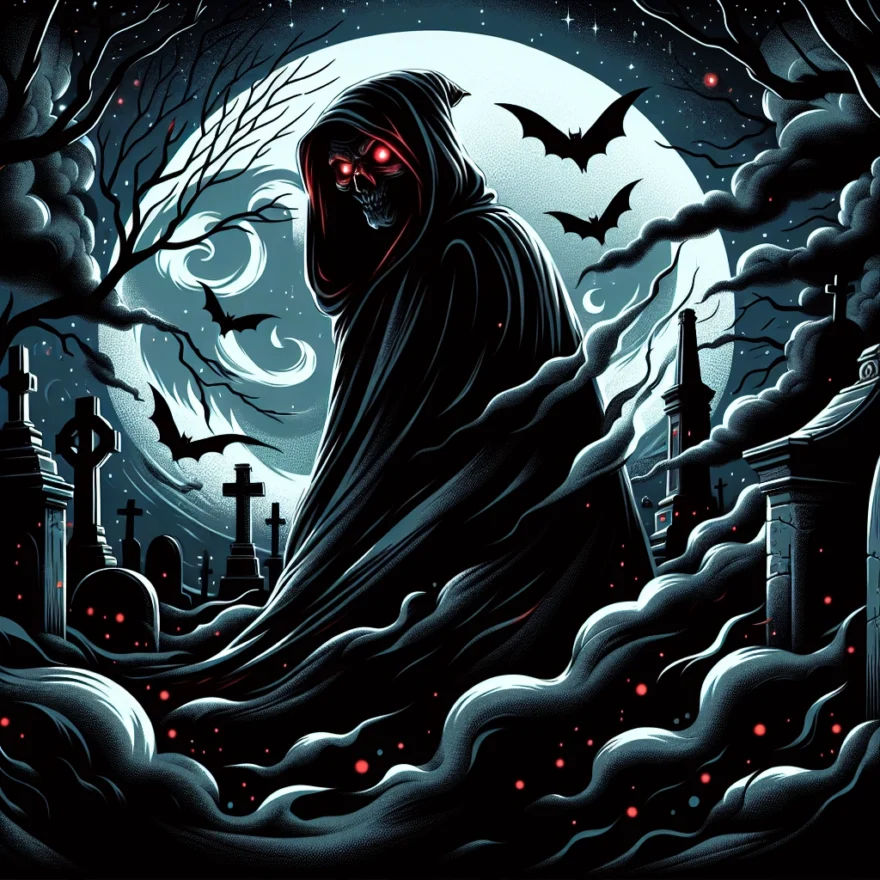
One of the most famous real-life accounts of vampire encounters comes from the town of Highgate in London. In the 1970s, reports of a vampire haunting the local cemetery began to surface. Witnesses claimed to have seen a tall, dark figure with glowing red eyes and sharp fangs lurking among the tombstones. Some even reported being attacked and drained of their blood by this mysterious creature.
Another chilling account comes from the small village of Kisilova in Serbia. In the early 18th century, several villagers fell victim to an unknown illness that left them pale, weak, and with bite marks on their necks. The locals believed that a vampire was responsible for the outbreak and took drastic measures to protect themselves. They exhumed the bodies of suspected vampires, staked their hearts, and burned them to ashes. The epidemic eventually subsided, leading many to believe that their actions had indeed rid the village of the vampire’s curse.
In more recent times, there have been reports of vampire-like creatures in various parts of the world. In 2002, a man named Jonathan Sharkey gained media attention when he declared himself a vampire and ran for political office in Minnesota. Sharkey claimed to be a descendant of Vlad the Impaler and openly admitted to drinking the blood of animals as part of his vampire lifestyle.
While these real-life accounts may seem far-fetched, they highlight the enduring fascination and belief in vampires. Whether these encounters are the result of psychological phenomena, hoaxes, or something more supernatural, they continue to captivate our imagination and fuel the ongoing debate about the existence of vampires.
The Psychology Behind Vampire Beliefs
Throughout history, vampire legends have captivated the human imagination, leading to a deep-rooted belief in these supernatural creatures. But what is it about vampires that continues to fascinate us? The answer lies in the psychology behind vampire beliefs.
One psychological explanation for the enduring belief in vampires is the concept of the “uncanny.” The uncanny refers to something that is both familiar and unfamiliar at the same time, creating a sense of unease and fascination. Vampires embody this concept perfectly, as they often possess human-like qualities but also possess supernatural abilities and a thirst for blood. This combination of the familiar and the unfamiliar triggers a deep psychological response, drawing us into the world of vampires.
Furthermore, the belief in vampires can be seen as a form of escapism. Life is filled with uncertainties and fears, and the idea of a powerful immortal being who can defy death and control others can be comforting in a way. Believing in vampires allows us to escape the limitations of our own mortality and imagine a world where supernatural powers exist.
Another psychological factor that contributes to the belief in vampires is the human fascination with the macabre and the unknown. Vampires are often associated with death, darkness, and taboo desires, tapping into our primal instincts and forbidden fantasies. The allure of danger and the forbidden can be incredibly enticing, leading us to embrace the idea of vampires as mysterious and seductive beings.
Additionally, the belief in vampires can be influenced by cultural and societal factors. Vampire legends have been passed down through generations, becoming deeply ingrained in our collective consciousness. These legends are often shaped by cultural fears and anxieties, reflecting the concerns of the time. For example, in Eastern European folklore, vampires were believed to be the reanimated corpses of those who had committed evil deeds in life, reflecting the fear of punishment for immoral behavior.
It’s important to note that the psychology behind vampire beliefs does not necessarily mean that vampires exist in reality. Instead, it sheds light on why these beliefs persist and continue to captivate us. The human mind is a complex and fascinating thing, and our beliefs and perceptions are shaped by a multitude of factors.
In conclusion, the psychology behind vampire beliefs reveals that our fascination with these creatures stems from a combination of the uncanny, escapism, the allure of the macabre, and cultural influences. While vampire encounters may remain firmly in the realm of myth and legend, the enduring belief in these supernatural beings speaks to the power of the human imagination and our innate desire to explore the unknown.
Common Questions About Vampire Encounters
As the enigmatic world of vampire encounters continues to captivate our imaginations, it’s only natural that we have a multitude of questions. Here, we delve into some of the most common inquiries surrounding these mythical creatures.
1. Are vampires real?
While vampire encounters have been reported throughout history, there is no scientific evidence to prove the existence of vampires as supernatural beings. However, it is important to note that vampire legends and folklore have permeated numerous cultures worldwide, suggesting that there may be some basis for these tales.
2. Where did the concept of vampires originate?
The origins of vampire legends can be traced back to ancient civilizations such as Mesopotamia and Greece, where stories of blood-drinking demons and undead creatures were prevalent. The most well-known vampire lore comes from Eastern European folklore, particularly from regions like Romania and Serbia.
3. How have vampires been portrayed in literature and popular culture?
Vampires have been depicted in various ways in literature and popular culture. From Bram Stoker’s iconic novel “Dracula” to the modern-day phenomenon of the “Twilight” series, vampires have been portrayed as seductive, immortal beings with a thirst for blood. These portrayals have influenced our perception of vampires and added to their enduring allure.
4. Can vampires be explained scientifically?
Scientifically, vampire encounters can be attributed to various factors. One explanation is the medical condition known as porphyria, which can cause sensitivity to sunlight and anemia, leading to a pale appearance. Another scientific explanation is the phenomenon of catalepsy, where individuals may appear dead but later revive, potentially giving rise to vampire legends.
5. Have there been any real-life accounts of vampire encounters?
While there are numerous accounts of vampire encounters throughout history, it is important to approach these stories with skepticism. Many of these accounts can be attributed to superstition, mass hysteria, or misinterpretation of natural phenomena. However, there have been instances where individuals claimed to have encountered vampires, but these claims remain unverified.
6. What is the psychology behind vampire beliefs?
Vampire beliefs can be attributed to various psychological factors. The allure of immortality, the fear of death, and the fascination with the supernatural all play a role in the enduring appeal of vampire legends. Additionally, the vampire archetype often symbolizes forbidden desires and the struggle between good and evil, making it a compelling figure in our collective psyche.
7. Are there any vampire-like creatures in nature?
While there are no known creatures that perfectly match the vampire archetype, there are some animals that share certain characteristics. For example, the vampire bat feeds on the blood of other animals, and the lamprey eel has a mouth full of sharp teeth used to latch onto its prey. These real-life creatures may have contributed to the development of vampire legends.
8. Can one become a vampire?
In reality, there is no scientific evidence to support the idea of becoming a vampire. The concept of vampirism as depicted in folklore and popular culture is purely fictional. However, some individuals may choose to identify as modern-day vampires, participating in subcultures that revolve around the vampire aesthetic or lifestyle.
While the existence of vampires remains a mystery, the enduring fascination with these mythical creatures continues to captivate our imaginations. Whether they are based on ancient folklore, literary creations, or psychological archetypes, vampire encounters remain a subject of intrigue and speculation.
Conclusion: Vampire Encounters – Myth, Legend, or Reality?
Throughout history, vampire encounters have captivated the human imagination, sparking debates about their existence and blurring the lines between myth, legend, and reality. While many dismiss these encounters as mere folklore, others passionately believe in the existence of these blood-sucking creatures of the night.
As we have explored in this article, the origins of vampire legends can be traced back to ancient civilizations, where the fear of the undead and the belief in supernatural creatures were deeply ingrained in society. Over time, these legends have evolved and been immortalized in literature and popular culture, further fueling our fascination with vampires.
However, when it comes to the question of whether vampire encounters are real or not, science provides us with a different perspective. Scientific explanations for vampire encounters often point to medical and psychological conditions that may have contributed to the belief in vampires. Conditions such as porphyria, catalepsy, and even psychological disorders like Renfield’s Syndrome have been suggested as possible explanations.
Despite the scientific explanations, there are those who claim to have had real-life encounters with vampires. These accounts, while often met with skepticism, cannot be easily dismissed. From alleged vampire attacks in history to modern-day individuals who claim to be vampires, there is a wealth of anecdotal evidence that suggests the possibility of their existence.
Yet, it is important to consider the psychological factors at play when examining vampire encounters. The power of belief and the influence of popular culture cannot be underestimated. The human mind is capable of creating elaborate fantasies and delusions, which may explain why some individuals genuinely believe they have encountered vampires.
So, are vampire encounters myth, legend, or reality? The answer is not a straightforward one. While the scientific evidence leans towards explaining these encounters as products of folklore and psychological phenomena, the existence of real-life accounts and the enduring popularity of vampire legends leave room for doubt.
Ultimately, the truth behind vampire encounters may forever remain a mystery. Whether they are purely the stuff of myth and legend or if there is a grain of truth hidden within the shadows, the allure of vampires will continue to captivate and intrigue us, keeping the enigma alive for generations to come.