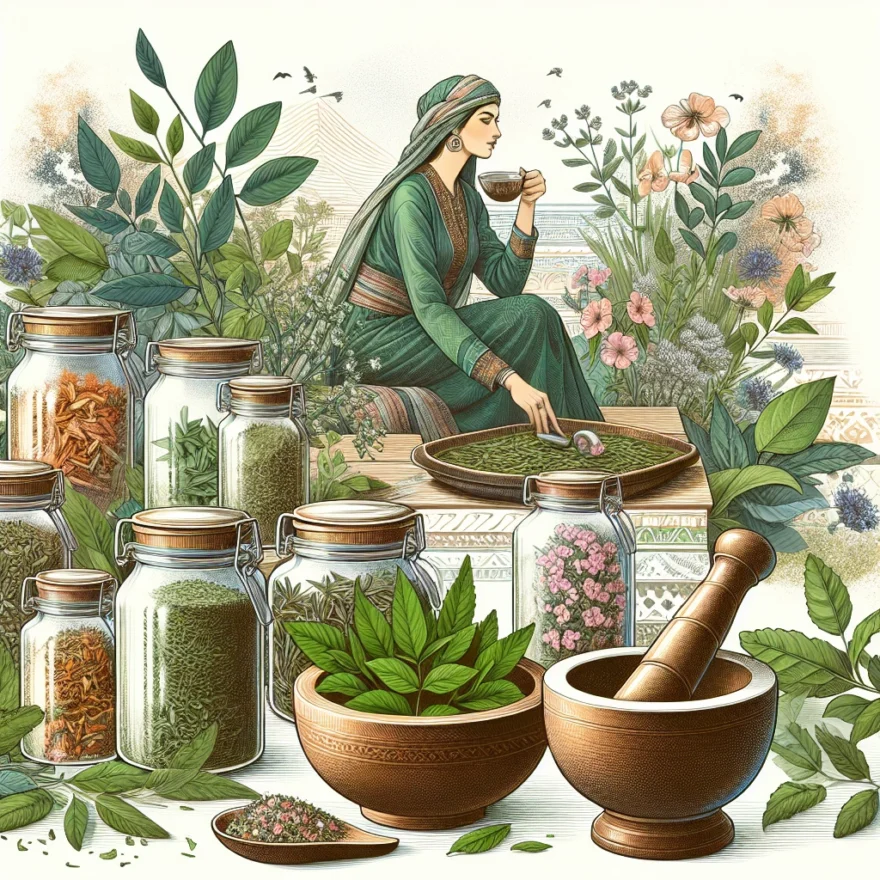
Introduction to Herbal Medicine
Herbal medicine, also known as phytotherapy or botanical medicine, is a healthcare approach based on the use of plants and plant extracts that are believed to provide healing effects. This practice has been a cornerstone of our health care system for thousands of years, with evidence of its use dating back to the time of the earliest civilizations. Today, it remains a widely used form of treatment, with approximately 80% of the world’s population relying on herbs for some part of their primary healthcare needs.
Herbal medicine is deeply rooted in various cultures around the world, with a rich history and tradition that spans continents and generations. It’s not just about the plants themselves, but also about the wisdom and knowledge passed down from generation to generation. This wisdom includes understanding the properties of various herbs, how to prepare and use them, and the role they can play in maintaining health and treating illness.
The use of herbal medicine is not limited to treating illness. It also plays a significant role in preventive care and health maintenance. Many herbs are rich in vitamins, minerals, and antioxidants, which can help to support the immune system, improve digestion, enhance energy levels, and promote overall well-being.
Despite its long history and widespread use, herbal medicine is often misunderstood or underappreciated in modern society. This is largely due to a lack of scientific research and understanding of how these plants work. However, as more research is conducted, we are beginning to uncover the science behind the healing properties of these plants, validating what herbal practitioners have known for centuries.
As we delve deeper into this fascinating world of herbal medicine, we will explore some of the most common herbs used in this practice, the science behind their healing properties, how they are prepared and used, and the safety precautions that should be considered. We will also address some of the most common questions people have about herbal medicine.
Table of contents
- Introduction to Herbal Medicine
- The Healing Power of Herbal Medicine
- Common Herbs and Their Medicinal Uses
- The Science Behind Herbal Medicine
- Preparation and Use of Herbal Medicine
- Safety and Precautions in Using Herbal Medicine
- The Role of Herbal Medicine in Modern Healthcare
- Common Questions about Herbal Medicine
The Healing Power of Herbal Medicine
Plants have been the basis for medical treatments since time immemorial, and the wide array of phytochemical substances they produce have significant biological effects. Herbal medicine, also known as phytotherapy, utilizes these plant extracts for their healing properties. The power of herbal medicine lies in their synergistic interaction of compounds, which can have potent therapeutic effects.
Unlike conventional medicine, which often isolates single compounds, herbal medicine embraces the complex mixture of plant compounds, believing in the concept that the total effectiveness of the plant is greater than its individual parts. This synergistic action can enhance the therapeutic effects and reduce the potential for side effects. For example, some herbs contain substances that can enhance absorption and effectiveness of other components of the plant.
The healing power of herbal medicine is also attributed to its holistic approach. Herbal medicine practitioners believe that illness is not just the result of physical disorders but also linked to emotional, environmental, and social aspects of a person’s life. Therefore, herbal treatments aim to restore the balance of the body, mind, and spirit, promoting overall well-being.
Herbal medicine also offers a wide range of therapeutic benefits. It can boost the immune system, alleviate pain, improve digestion, reduce inflammation, and promote sleep, among others. For instance, Echinacea is known for its immune-boosting properties, while St. John’s Wort is often used for its antidepressant effects. Turmeric, on the other hand, has been widely researched for its anti-inflammatory and antioxidant properties.
Moreover, herbal medicine can be used in various forms such as teas, tinctures, powders, capsules, and topical applications like creams and oils. This allows for a variety of administration routes depending on the condition being treated and the individual’s preference.
It’s worth noting that while herbal medicine has been used for centuries and many of its benefits are backed by scientific studies, it’s not a cure-all solution. It should be used as part of a comprehensive health plan and under the guidance of a healthcare professional knowledgeable in herbal medicine. As we delve deeper into this topic, we will discuss the common herbs used in herbal medicine, the science behind it, its preparation and use, and safety precautions to consider.
Common Herbs and Their Medicinal Uses
Herbal medicine has been used for centuries to treat various ailments and promote overall health and well-being. Many common herbs have powerful medicinal properties that can be harnessed to support the body’s natural healing processes. Let’s explore some of these herbs and their medicinal uses:
Lavender
Lavender is well-known for its calming and soothing properties. It can be used to relieve stress, anxiety, and insomnia. Lavender oil can also be applied topically to alleviate minor skin irritations and promote wound healing.
Echinacea
Echinacea is often used to boost the immune system and fight off infections, particularly the common cold. It is believed to stimulate the body’s natural defense mechanisms and reduce the severity and duration of cold symptoms.
Ginger
Ginger has long been used to alleviate digestive issues such as nausea, indigestion, and bloating. It can also help reduce inflammation and relieve pain associated with conditions like arthritis.
Chamomile
Chamomile is known for its calming and sedative effects, making it a popular choice for promoting relaxation and improving sleep quality. It can also be used topically to soothe skin irritations and reduce inflammation.
Turmeric
Turmeric contains a powerful compound called curcumin, which has potent anti-inflammatory and antioxidant properties. It is commonly used to reduce inflammation, relieve pain, and support joint health.
Peppermint
Peppermint is often used to relieve digestive discomfort, including bloating, gas, and stomach cramps. It can also help alleviate headaches and promote mental clarity and focus.
St. John’s Wort
St. John’s Wort is commonly used to treat mild to moderate depression and anxiety. It is believed to work by increasing the levels of certain neurotransmitters in the brain that regulate mood.
Ginkgo Biloba
Ginkgo Biloba is known for its ability to improve cognitive function and memory. It is often used to enhance mental clarity, focus, and overall brain health.
Valerian
Valerian is a popular herb used to promote relaxation and improve sleep quality. It can help reduce anxiety, restlessness, and insomnia, making it a natural alternative to sleep aids.
Garlic
Garlic has powerful antimicrobial properties and is commonly used to boost the immune system and fight off infections. It may also help lower blood pressure and cholesterol levels.
These are just a few examples of common herbs and their medicinal uses. It’s important to note that while herbal medicine can be beneficial, it is always advisable to consult with a healthcare professional before using any herbal remedies, especially if you have underlying health conditions or are taking medications.
The Science Behind Herbal Medicine
Herbal medicine has been used for centuries to treat various ailments and promote overall well-being. While many people may view herbal medicine as purely traditional or folk remedies, there is actually a scientific basis behind its effectiveness.
The science behind herbal medicine lies in the active compounds found in plants known as phytochemicals. These phytochemicals can have a wide range of biological effects on the human body, including antioxidant, anti-inflammatory, antimicrobial, and immune-stimulating properties.
Research has shown that many herbs contain specific compounds that can target and interact with various physiological processes in the body. For example, the herb Echinacea has been found to boost the immune system by increasing the production of white blood cells. Another herb, St. John’s Wort, contains compounds that can help alleviate symptoms of depression by affecting neurotransmitter levels in the brain.
Modern scientific techniques, such as chromatography and spectroscopy, have allowed researchers to identify and isolate these active compounds from different herbs. By understanding the chemical composition of herbs, scientists are able to determine their potential therapeutic effects and develop standardized herbal preparations.
Furthermore, studies have demonstrated the synergistic effects of combining different herbs. This means that certain herbs may enhance the effectiveness of others when used in combination, creating a more potent and targeted therapeutic effect.
It is important to note that while herbal medicine has shown promising results in scientific studies, more research is still needed to fully understand the mechanisms of action and potential side effects of different herbs. Additionally, the quality and potency of herbal products can vary, emphasizing the importance of sourcing herbs from reputable suppliers.
Overall, the science behind herbal medicine provides a solid foundation for its use in promoting health and treating various conditions. By harnessing the healing properties of plants and understanding their active compounds, herbal medicine offers a natural and holistic approach to healthcare.
Preparation and Use of Herbal Medicine
Herbal medicine has been used for centuries to treat various ailments and promote overall well-being. The preparation and use of herbal medicine require careful attention to ensure maximum effectiveness and safety. Here are some important considerations when it comes to preparing and using herbal medicine:
- Choosing the right herbs: The first step in preparing herbal medicine is selecting the appropriate herbs for the desired effect. Different herbs have different medicinal properties, so it is crucial to research and understand the specific benefits and potential side effects of each herb.
- Harvesting and drying: For those who prefer to use fresh herbs, it is important to harvest them at the right time to ensure maximum potency. Herbs are typically harvested in the morning after the dew has dried but before the sun is at its peak. Once harvested, herbs can be air-dried or dried using a dehydrator to preserve their medicinal properties.
- Preparing herbal infusions: Herbal infusions, also known as herbal teas, are a popular way to consume herbal medicine. To prepare an herbal infusion, simply steep the desired herbs in hot water for a specific period of time. The steeping time can vary depending on the herbs being used and the desired strength of the infusion.
- Making herbal tinctures: Herbal tinctures are concentrated liquid extracts made by soaking herbs in a mixture of alcohol and water. The alcohol helps extract the medicinal compounds from the herbs. Tinctures are typically taken in small doses and can be stored for long periods, making them a convenient option for regular herbal medicine use.
- Crafting herbal poultices and compresses: Herbal poultices and compresses are external applications of herbal medicine. Poultices are made by crushing fresh or dried herbs and applying them directly to the skin, usually covered with a cloth or bandage. Compresses, on the other hand, involve soaking a cloth in a herbal infusion or decoction and applying it to the affected area.
- Using herbal capsules and tablets: For those who prefer a more convenient option, herbal medicine is also available in the form of capsules and tablets. These pre-made formulations contain specific doses of herbs and can be easily incorporated into a daily routine. However, it is essential to follow the recommended dosage instructions and consult a healthcare professional if necessary.
- Seeking guidance from a qualified herbalist: While herbal medicine can be a valuable addition to one’s health regimen, it is important to seek guidance from a qualified herbalist or healthcare professional. They can provide personalized advice, recommend specific herbs or formulations, and ensure that any potential interactions or contraindications are taken into account.
Remember, herbal medicine should be used as a complementary approach to overall health and wellness. It is not intended to replace conventional medical treatments and should not be used as a substitute without proper guidance. By understanding the preparation and use of herbal medicine, individuals can harness the healing properties of herbs to support their well-being.
Safety and Precautions in Using Herbal Medicine
When it comes to using herbal medicine, it is important to keep in mind the safety and precautions associated with its use. While herbal medicine is generally considered safe, it is still crucial to approach it with caution and follow certain guidelines to ensure its effectiveness and minimize any potential risks.
Here are some safety tips and precautions to keep in mind when using herbal medicine:
- Consult with a healthcare professional: Before incorporating herbal medicine into your healthcare routine, it is advisable to consult with a qualified healthcare professional, such as a naturopathic doctor or an herbalist. They can provide guidance on the appropriate herbs to use, potential interactions with medications, and help tailor a treatment plan specific to your needs.
- Research and educate yourself: Take the time to research and educate yourself about the herbs you are considering using. Understand their potential benefits, side effects, and any contraindications. This knowledge will empower you to make informed decisions and use herbal medicine safely.
- Start with small doses: When starting with a new herbal remedy, it is recommended to start with small doses and gradually increase if necessary. This allows you to assess your body’s response and minimize the risk of any adverse reactions.
- Be aware of potential allergies: Just like with any other medication, it is possible to have allergies or sensitivities to certain herbs. Pay attention to any allergic reactions such as rashes, itching, or difficulty breathing, and discontinue use immediately if any symptoms occur.
- Quality and source of herbs: Ensure that you are using high-quality herbs from reputable sources. Look for organic or wildcrafted herbs to minimize the risk of exposure to pesticides or contaminants.
- Avoid herb-drug interactions: Some herbs can interact with prescription medications, over-the-counter drugs, or other herbal remedies. It is crucial to inform your healthcare provider about any herbs you are using to avoid potential interactions that could affect the effectiveness or safety of your medications.
- Pregnancy and breastfeeding: Certain herbs may not be safe to use during pregnancy or while breastfeeding. It is essential to consult with a healthcare professional to determine which herbs are safe to use during these periods.
- Follow recommended dosages and instructions: Always follow the recommended dosages and instructions provided by your healthcare professional or the product label. Taking more than the recommended dose does not necessarily lead to better results and may increase the risk of side effects.
- Monitor for side effects: Pay attention to any potential side effects that may occur while using herbal medicine. Common side effects can include digestive upset, headaches, or allergic reactions. If any side effects persist or worsen, discontinue use and consult with a healthcare professional.
- Store herbs properly: Properly store your herbs in a cool, dry place away from direct sunlight. This helps maintain their potency and extends their shelf life.
By following these safety tips and precautions, you can use herbal medicine in a responsible and effective manner. Remember, it is always best to seek professional guidance when incorporating herbal medicine into your healthcare routine to ensure optimal results and minimize any potential risks.
The Role of Herbal Medicine in Modern Healthcare
Herbal medicine has been used for centuries as a form of healthcare, and its role in modern healthcare is still significant. As people search for more natural and holistic approaches to wellness, herbal medicine has gained popularity and recognition within the medical community.
One of the key roles of herbal medicine in modern healthcare is its ability to complement conventional treatments. Many herbs have been found to have therapeutic properties that can support the body’s natural healing processes and enhance the effectiveness of conventional medications.
For example, some studies have shown that certain herbs, such as ginger and turmeric, have anti-inflammatory properties that can help reduce pain and inflammation in conditions like arthritis. These herbal remedies can be used alongside conventional pain medications to provide additional relief.
Herbal medicine also plays a role in preventive healthcare. Many herbs have antioxidant properties, which can help protect the body against free radicals and reduce the risk of chronic diseases, such as heart disease and cancer. Incorporating these herbs into one’s diet or taking them as supplements can contribute to overall health and well-being.
In addition, herbal medicine offers a more personalized approach to healthcare. Traditional medicine often takes a one-size-fits-all approach, whereas herbal medicine recognizes that each individual is unique and may require different treatments. Herbal practitioners take into account a person’s specific symptoms, medical history, and lifestyle to create customized herbal remedies that address their specific needs.
Another important role of herbal medicine in modern healthcare is its potential for reducing the side effects of conventional medications. Some herbs have been found to have properties that can counteract the adverse effects of certain medications. For example, milk thistle has been shown to protect the liver from the toxic effects of chemotherapy drugs.
Furthermore, herbal medicine offers a more sustainable and environmentally friendly approach to healthcare. Many conventional medications are synthesized in laboratories using chemicals that can have a negative impact on the environment. In contrast, herbal medicine utilizes plants and natural ingredients that can be sustainably sourced and have a lower ecological footprint.
It is important to note that while herbal medicine has many benefits, it is not a replacement for conventional medical treatments. It should be used as a complementary therapy under the guidance of a qualified healthcare professional.
In conclusion, herbal medicine plays a valuable role in modern healthcare. It can complement conventional treatments, support preventive healthcare, provide a personalized approach to wellness, reduce the side effects of medications, and offer a more sustainable approach to healthcare. As more research is conducted and more people embrace natural remedies, herbal medicine will continue to be an important part of the healthcare landscape.
Common Questions about Herbal Medicine
As herbal medicine gains popularity and recognition for its healing properties, it is natural for people to have questions about its efficacy, safety, and usage. In this section, we address some common questions about herbal medicine to provide you with a better understanding of this holistic approach to healthcare.
1. Is herbal medicine effective?
Herbal medicine has been used for centuries to treat various ailments and promote overall well-being. While scientific research on herbal medicine is still ongoing, many herbs have shown promising results in terms of their therapeutic properties. However, it is important to note that the effectiveness of herbal medicine can vary depending on the individual and the specific condition being treated.
2. Are herbal remedies safe?
When used correctly, herbal remedies are generally considered safe. However, it is crucial to consult with a qualified herbalist or healthcare professional before using any herbal remedies, especially if you have underlying health conditions, are taking medications, or are pregnant or breastfeeding. Some herbs may interact with medications or have potential side effects, so it is important to use them under proper guidance.
3. Can herbal medicine be used alongside conventional medicine?
Yes, herbal medicine can be used alongside conventional medicine. However, it is essential to inform your healthcare provider about any herbal remedies you are using to avoid potential interactions with medications. Herbal medicine can complement conventional treatments and may help alleviate symptoms, boost the immune system, and support overall health.
4. How long does it take for herbal medicine to work?
The time it takes for herbal medicine to work can vary depending on several factors, including the individual’s health condition, the severity of the ailment, and the specific herb being used. Some herbal remedies may provide immediate relief, while others may require consistent use over a period of weeks or months to see noticeable results.
5. Are herbal medicines regulated?
The regulation of herbal medicines varies from country to country. In some regions, herbal medicines are regulated as dietary supplements, while in others, they may be classified as over-the-counter drugs or traditional medicines. It is important to purchase herbal medicines from reputable sources and look for products that have undergone quality testing and certification.
6. Can anyone use herbal medicine?
In general, herbal medicine is suitable for most individuals. However, certain herbs may not be recommended for pregnant or breastfeeding women, children, or individuals with specific health conditions. It is advisable to consult with a healthcare professional or herbalist before starting any herbal treatment, especially if you have any underlying health concerns.
7. Are there any side effects of herbal medicine?
While herbal medicine is generally considered safe, some herbs may have potential side effects or interactions with medications. Common side effects may include allergic reactions, digestive issues, or interactions with other drugs. It is crucial to follow proper dosage instructions and consult with a healthcare professional to minimize the risk of side effects.
8. Can herbal medicine cure diseases?
Herbal medicine is not intended to cure diseases outright. Rather, it aims to support the body’s natural healing processes, strengthen the immune system, and alleviate symptoms. Herbal medicine takes a holistic approach to healthcare, addressing the underlying causes of illness and promoting overall well-being.
9. How can I find a qualified herbalist?
To find a qualified herbalist, you can seek recommendations from your healthcare provider, friends, or family members who have experience with herbal medicine. It is important to choose a herbalist who has received proper training and certification. Additionally, you can research professional herbalist organizations or consult directories to find qualified practitioners in your area.
10. Can I grow my own herbs for medicinal purposes?
Absolutely! Growing your own herbs for medicinal purposes can be a rewarding and cost-effective way to incorporate herbal medicine into your lifestyle. Many medicinal herbs can be easily grown in pots or gardens, provided you have the necessary space and sunlight. However, it is important to research the specific growing requirements and proper usage of each herb before cultivating them.