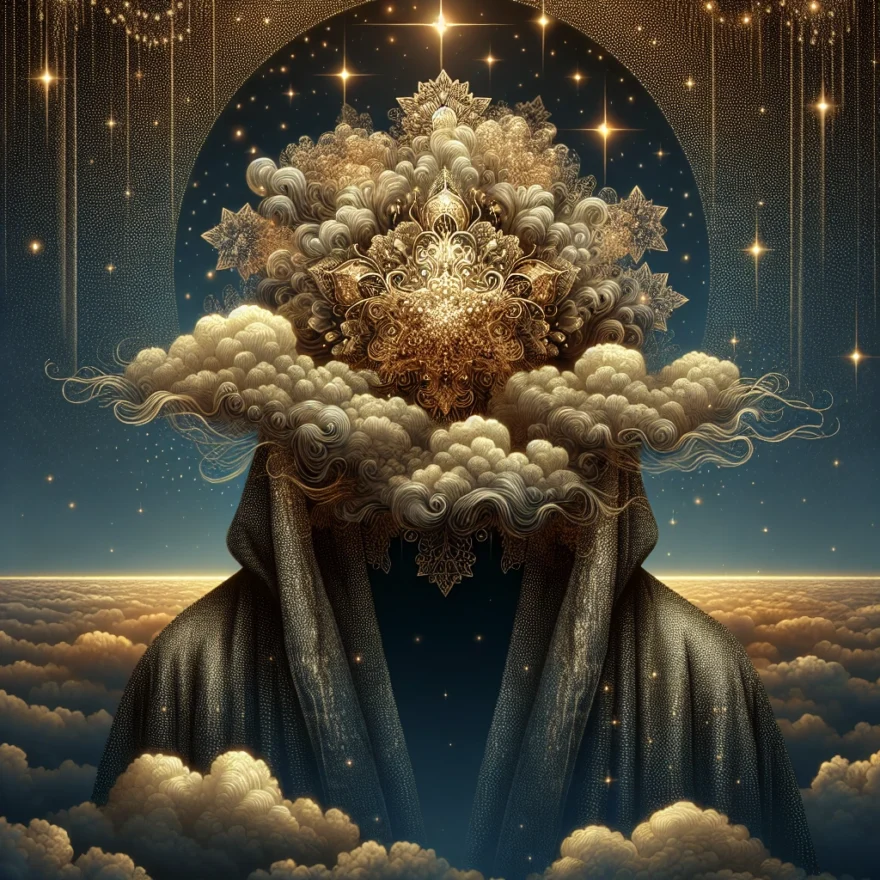
Introduction: ‘The Veil of Mystery’
Delving into the enigmatic world of literature, we often stumble upon works that leave us in a state of contemplation, questioning the reality we know. ‘The Veil of Mystery’ by Matthew Harris is one such masterpiece that invites readers into the labyrinth of the unseen, the unexplained, and the mysterious. This introductory section will set the stage for a detailed and in-depth analysis of this intriguing book.
Matthew Harris, an acclaimed author known for his astute storytelling and intricate plot development, has outdone himself in ‘The Veil of Mystery’. This book, with its unique blend of suspense and mystery, has captivated readers worldwide, leaving them yearning for answers and interpretations. The novel is a journey into the unknown, exploring the depths of human consciousness and the unending quest for truth.
As the title suggests, ‘The Veil of Mystery’ symbolizes the elusive nature of truth and the human endeavor to uncover it. The veil represents the barriers that prevent us from seeing the truth, while the mystery signifies the enigma that truth often is. As we embark on this analytical journey, we will attempt to lift this veil, unravel the mystery, and delve deeper into the unseen.
Throughout this analysis, we will explore the mysterious world that Harris has created, delve into the characters’ psyche, and interpret the symbolism and themes that are prevalent in the book. The aim is to provide a comprehensive understanding of ‘The Veil of Mystery’, helping readers appreciate its depth and complexity.
So, fasten your seatbelts as we prepare to embark on this literary journey, unveiling the unseen and deciphering the enigmatic world of ‘The Veil of Mystery’.
Table of contents
- Introduction: ‘The Veil of Mystery’
- The Mysterious World of ‘The Veil of Mystery’
- Character Analysis: Protagonists in ‘The Veil of Mystery’
- Symbolism in ‘The Veil of Mystery’
- Themes Explored in ‘The Veil of Mystery’
- The Unseen: Hidden Meanings in ‘The Veil of Mystery’
- The Veil of Mystery: A Literary Analysis
- Common Questions About ‘The Veil of Mystery’
The Mysterious World of ‘The Veil of Mystery’
Matthew Harris’s ‘The Veil of Mystery’ invites readers into a world that is as enigmatic as it is fascinating. The story is set in a seemingly ordinary town that holds many secrets beneath its surface. As the narrative unfolds, Harris masterfully brings the setting to life, creating an atmosphere that is both eerie and captivating. The town, which initially appears to be a typical, quiet place, gradually reveals itself to be a hotbed of unexplained phenomena and hidden truths.
One of the most intriguing aspects of the world of ‘The Veil of Mystery’ is its inhabitants. The townsfolk are not merely background characters; they are an integral part of the mystery. They hold their secrets close, adding to the enigmatic aura of the town. Harris’s ability to create such unique and compelling characters adds depth to the world he has created, making the mystery even more compelling.
Another noteworthy aspect of the world of ‘The Veil of Mystery’ is its tangible sense of history. The town’s past is a complex tapestry of events, many of which are shrouded in mystery. This history plays a significant role in the story, influencing the actions of the characters and shaping the town’s present. Harris’s intricate weaving of the town’s past into the narrative enhances the mystery and keeps readers engrossed.
Moreover, the world of ‘The Veil of Mystery’ is one where the line between the natural and the supernatural is blurred. Unexplained phenomena are a part of everyday life in this town, and the supernatural elements are skillfully integrated into the narrative. Harris doesn’t use these elements for mere shock value; rather, they serve to deepen the mystery and add layers to the story.
In conclusion, the world of ‘The Veil of Mystery’ is a character in its own right. It is a place where nothing is as it seems, and every corner holds a new secret waiting to be discovered. Harris’s vivid descriptions and intricate plot make this world an unforgettable part of the reading experience.
Character Analysis: Protagonists in ‘The Veil of Mystery’
Within the enigmatic world of ‘The Veil of Mystery’ by Matthew Harris, the protagonists play a crucial role in unraveling the secrets that lie beneath the surface. Each character brings a unique perspective and contributes to the overall narrative in their own distinct way.
1. Emily Thompson:
Emily Thompson, the young and curious protagonist, serves as the reader’s guide through the mysterious journey. Her relentless pursuit of truth and her unwavering determination make her a compelling character. Despite facing numerous challenges and obstacles, Emily’s resilience shines through as she uncovers the hidden truths behind the veil of mystery.
2. Professor Alexander Blackwood:
Professor Alexander Blackwood, a renowned archaeologist and Emily’s mentor, brings a wealth of knowledge and expertise to the story. His deep understanding of ancient civilizations and his ability to decipher cryptic symbols prove invaluable in deciphering the secrets hidden within the veil. With his calm demeanor and sharp intellect, Professor Blackwood acts as a guiding force for Emily throughout their journey.
3. Isabella Morgan:
Isabella Morgan, a mysterious and enigmatic character, adds an element of intrigue to the narrative. Her deep connection to the unseen world and her ability to communicate with spirits make her an essential ally in uncovering the truth. Isabella’s complex personality and her past experiences add depth to the story, leaving readers questioning her true motives.
4. The Veil:
Although not a traditional protagonist, the Veil itself could be considered a central character in the story. It represents the barrier between the known and the unknown, the visible and the unseen. The Veil’s presence looms large throughout the narrative, serving as a constant reminder of the mysteries that lie beyond.
Together, these protagonists form a dynamic ensemble, each contributing their unique skills and perspectives to the exploration of the unseen. Their interactions, conflicts, and growth propel the story forward, keeping readers engaged and invested in uncovering the truth behind ‘The Veil of Mystery’.
Symbolism in ‘The Veil of Mystery’
The Veil of Mystery, written by Matthew Harris, is a captivating and enigmatic novel that delves into the depths of the unknown. As readers embark on a journey through its pages, they are confronted with a multitude of symbols that add layers of meaning to the narrative. Symbolism plays a crucial role in ‘The Veil of Mystery’, inviting readers to interpret and unravel the hidden messages within the story.
One prominent symbol in the novel is the veil itself. The veil serves as a metaphorical barrier between the seen and the unseen, representing the mysteries of the unknown world that the characters are trying to uncover. It acts as a physical manifestation of the boundaries between reality and the supernatural, enticing readers to question what lies beyond.
Another symbol that holds significant meaning in ‘The Veil of Mystery’ is the key. Throughout the story, characters search for keys that unlock hidden doors, both literal and metaphorical. These keys symbolize knowledge, discovery, and the unlocking of secrets. They represent the characters’ desire to unravel the mysteries that lie beneath the surface and gain access to the hidden truths of the world around them.
The use of mirrors in the novel also carries symbolic weight. Mirrors are often associated with reflection and self-discovery. In ‘The Veil of Mystery’, mirrors serve as portals into other dimensions, reflecting the characters’ inner desires, fears, and motivations. They offer glimpses into the unseen world, blurring the line between reality and illusion.
Additionally, the recurring motif of light and darkness in ‘The Veil of Mystery’ adds another layer of symbolism. Light represents knowledge, truth, and enlightenment, while darkness symbolizes ignorance, deception, and the unknown. The interplay between light and darkness throughout the story highlights the constant struggle between understanding and the mysteries that remain hidden.
Furthermore, the use of nature imagery in the novel contributes to its symbolic significance. The changing seasons, blooming flowers, and shifting landscapes mirror the characters’ personal growth, transformation, and the cyclical nature of life. Nature serves as a metaphor for the ever-changing and mysterious aspects of existence.
Overall, ‘The Veil of Mystery’ is rich in symbolism, inviting readers to explore the hidden meanings beneath its surface. Through the use of veils, keys, mirrors, light and darkness, and nature imagery, the novel challenges readers to unravel the mysteries that lie within the narrative. It encourages us to question the boundaries of reality and embrace the enigmatic nature of the unseen world.
Themes Explored in ‘The Veil of Mystery’
Within the enigmatic pages of ‘The Veil of Mystery’ by Matthew Harris, readers are transported into a world where the line between reality and the supernatural becomes blurred. As the story unfolds, several compelling themes are explored, adding depth and intrigue to the narrative.
1. The Power of Perception
One of the central themes in ‘The Veil of Mystery’ revolves around the power of perception. Harris skillfully delves into the idea that what we perceive as reality may not always be the complete truth. Through intricate plot twists and mysterious encounters, the author challenges readers to question their own perceptions and consider the possibility of hidden truths lurking beneath the surface.
2. The Dual Nature of Good and Evil
‘The Veil of Mystery’ also explores the complex and intertwined nature of good and evil. Harris expertly weaves a narrative where characters grapple with their own moral dilemmas and face the consequences of their actions. The story delves into the idea that good and evil can coexist within individuals, blurring the lines between hero and villain.
3. The Quest for Knowledge
Another prominent theme in ‘The Veil of Mystery’ is the relentless pursuit of knowledge. The protagonists embark on a journey to uncover the truth behind the supernatural occurrences, driven by their insatiable curiosity. Harris delves into the human desire to understand the unknown, highlighting the risks and rewards that come with seeking knowledge beyond the conventional boundaries.
4. The Fragility of Reality
‘The Veil of Mystery’ challenges the notion of a stable and predictable reality. The story explores the fragility of our perception of the world, suggesting that reality can be easily manipulated or distorted. Harris skillfully creates an atmosphere of uncertainty, leaving readers questioning the very fabric of their own existence.
5. The Price of Secrets
‘The Veil of Mystery’ delves into the concept of secrets and the consequences that arise from their revelation. The characters in the story must grapple with the weight of hidden knowledge, often paying a heavy price for their involvement in the mysterious events. Harris explores the idea that some secrets are best left undiscovered, as their revelation can lead to chaos and destruction.
The Unseen: Hidden Meanings in ‘The Veil of Mystery’
The Unseen: Hidden Meanings in ‘The Veil of Mystery’
Matthew Harris’ novel, ‘The Veil of Mystery’, is a captivating and enigmatic piece of literature that delves into the depths of the human psyche and explores the concept of the unseen. Throughout the novel, Harris expertly weaves hidden meanings and symbolism, inviting readers to uncover the layers of mystery that lie beneath the surface. Let us embark on a journey to unveil the unseen and decipher the hidden meanings in ‘The Veil of Mystery’.
One of the key aspects of the novel that explores the concept of the unseen is the use of symbolism. Harris employs various symbols throughout the story to represent deeper meanings and evoke a sense of mystery. For example, the recurring motif of a veiled figure symbolizes the hidden truths and secrets that the characters are struggling to uncover. The veil represents the barrier between the known and the unknown, the seen and the unseen.
Another intriguing element in ‘The Veil of Mystery’ is the exploration of the subconscious mind. Harris delves into the depths of the characters’ psyche, revealing their innermost fears, desires, and conflicts. Through vivid descriptions and introspective narratives, the author brings to light the unseen aspects of human nature, such as repressed memories, hidden motivations, and suppressed emotions. This exploration of the unseen adds a layer of psychological depth to the story, making it all the more intriguing.
The novel also delves into the theme of perception versus reality. Harris challenges the readers’ assumptions and forces them to question what is real and what is merely an illusion. The characters in ‘The Veil of Mystery’ often find themselves trapped in a web of deception and ambiguity, unable to discern the truth from the facade. This exploration of the unseen reality serves as a metaphor for the complexities of life and the constant struggle to uncover the hidden truths that lie beneath the surface.
‘The Veil of Mystery’ also explores the concept of the unseen through its narrative structure. Harris employs a non-linear storytelling technique, jumping back and forth in time and shifting perspectives. This unconventional approach adds to the sense of mystery and the unseen, as readers are constantly piecing together fragments of the story to form a complete picture. The fragmented narrative mirrors the fragmented nature of reality and highlights the hidden connections and interweaving threads that exist beyond what is immediately apparent.
Overall, ‘The Veil of Mystery’ is a thought-provoking novel that delves into the depths of the unseen. Through its use of symbolism, exploration of the subconscious mind, theme of perception versus reality, and unconventional narrative structure, Matthew Harris invites readers to peel back the layers of mystery and uncover the hidden meanings that lie beneath the surface. It is a testament to the power of literature to challenge our perceptions and reveal the unseen aspects of the human experience.
The Veil of Mystery: A Literary Analysis
‘The Veil of Mystery’ by Matthew Harris is a captivating literary work that delves into the realms of the unknown and explores the depths of human curiosity. Through its intricate plot, richly developed characters, and thought-provoking symbolism, the novel takes readers on a journey that challenges their perceptions of reality and leaves them questioning the boundaries of the seen and unseen.
One of the key aspects of ‘The Veil of Mystery’ is its exploration of the human desire to uncover the hidden truths of the world. The protagonist embarks on a quest to unravel the secrets behind a mysterious veil that separates the known from the unknown. This quest serves as a metaphor for the universal longing to understand the enigmatic aspects of existence that lie beyond our immediate perception.
Harris skillfully crafts a vivid and immersive world within the pages of ‘The Veil of Mystery’. The setting is atmospheric and evocative, creating an eerie and suspenseful ambiance that keeps readers engaged throughout. The author’s attention to detail and descriptive language paint a picture that is both haunting and alluring, adding to the overall sense of mystery and intrigue.
Furthermore, the characters in ‘The Veil of Mystery’ are complex and multi-dimensional, each with their own motivations and secrets. The protagonist, in particular, undergoes a transformation as they navigate the challenges and revelations presented by the veil. Through their journey, they not only uncover hidden truths about the world but also about themselves, ultimately leading to personal growth and self-discovery.
Symbolism plays a significant role in ‘The Veil of Mystery’, adding layers of meaning and depth to the narrative. The veil itself represents the barrier between the known and the unknown, the visible and the hidden. It serves as a metaphor for the limitations of human perception and the constant yearning to transcend those limitations. Additionally, other symbols, such as objects or recurring motifs, contribute to the overall thematic exploration of the novel.
Themes of curiosity, the pursuit of knowledge, and the nature of reality are prevalent throughout ‘The Veil of Mystery’. The novel prompts readers to question their own understanding of the world and invites them to contemplate the existence of unseen forces and dimensions. It explores the fine line between what is tangible and what is intangible, challenging conventional notions of reality and pushing the boundaries of human comprehension.
In conclusion, ‘The Veil of Mystery’ by Matthew Harris is a captivating and thought-provoking literary work that delves into the realms of the unseen. Through its intricate plot, well-developed characters, and symbolic elements, the novel invites readers to embark on a journey of exploration and self-discovery. It challenges our understanding of reality and leaves us pondering the mysteries that lie beyond the veil.
Common Questions About ‘The Veil of Mystery’
As the enigmatic novel ‘The Veil of Mystery’ by Matthew Harris continues to captivate readers, it is natural for questions to arise. In this section, we will address some of the common questions that readers may have about this intriguing literary work.
1. What is the central mystery in ‘The Veil of Mystery’?
‘The Veil of Mystery’ revolves around a central mystery surrounding the disappearance of a renowned archaeologist. The protagonist, a young journalist, embarks on a journey to uncover the truth behind the archaeologist’s vanishing. Throughout the novel, the mystery deepens, leading to unexpected twists and revelations.
2. Are there supernatural elements in ‘The Veil of Mystery’?
Yes, ‘The Veil of Mystery’ incorporates supernatural elements that add to the intrigue and suspense of the story. As the protagonist delves deeper into the investigation, they encounter paranormal phenomena, unexplained occurrences, and encounters with mystical entities. These supernatural elements heighten the sense of mystery and keep readers engaged throughout the narrative.
3. Does ‘The Veil of Mystery’ have a deeper meaning?
Indeed, ‘The Veil of Mystery’ is not merely a suspenseful tale but also a work that delves into deeper themes and symbolism. The novel explores themes of hidden truths, the power of perception, and the blurred lines between reality and illusion. Symbolism is used to convey these themes, allowing readers to interpret the story on multiple levels.
4. Is there a specific message or moral in ‘The Veil of Mystery’?
‘The Veil of Mystery’ does not impose a singular message or moral, but rather encourages readers to contemplate various ideas. The novel prompts reflection on the nature of truth, the consequences of curiosity, and the complexities of human perception. It encourages readers to question their own beliefs and assumptions.
5. Are there any hidden clues or Easter eggs in ‘The Veil of Mystery’?
Matthew Harris has crafted ‘The Veil of Mystery’ with meticulous attention to detail, including subtle hints and hidden clues throughout the narrative. These hidden gems offer readers the opportunity to engage in their own detective work, piecing together the puzzle alongside the protagonist. Discovering these Easter eggs adds an extra layer of excitement for attentive readers.
6. Does ‘The Veil of Mystery’ have a satisfying ending?
The ending of ‘The Veil of Mystery’ is subjective and open to interpretation. Some readers may find it satisfying, while others may yearn for more closure. The novel’s conclusion leaves room for speculation and encourages readers to contemplate the story’s themes long after they have finished reading.
As readers delve into ‘The Veil of Mystery’ by Matthew Harris, these common questions may arise. While each reader’s experience may differ, the novel’s enigmatic nature and thought-provoking themes make it a captivating and memorable read.