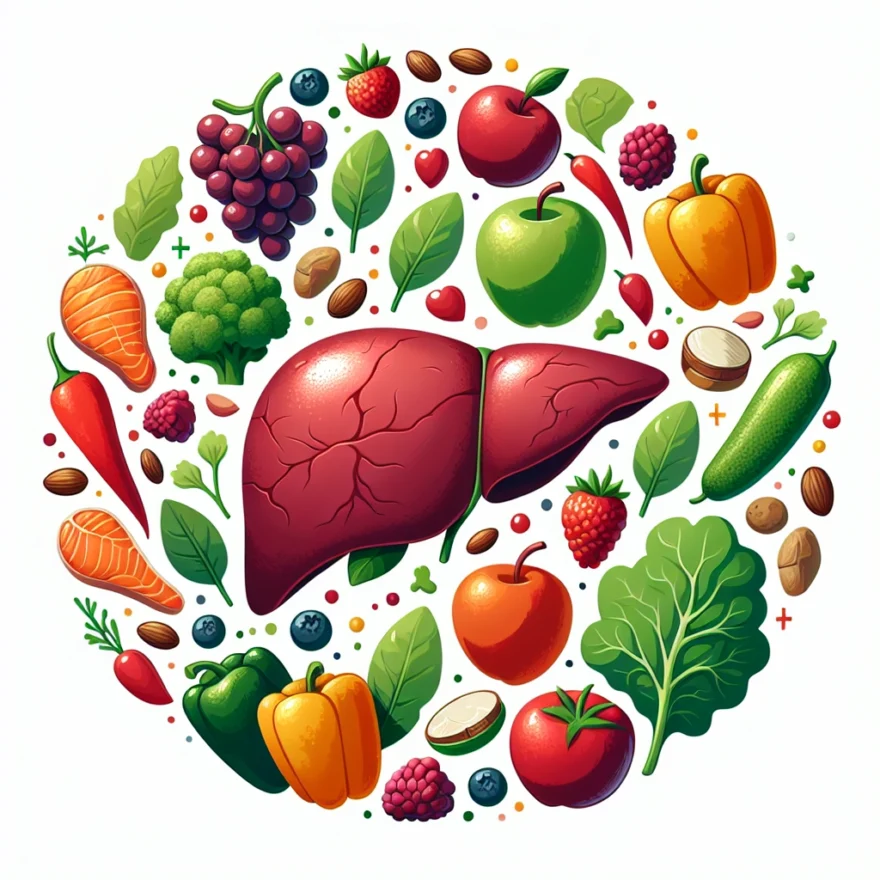
Introduction to Liver Health
Imagine your body as a bustling city, and the liver as its diligent sanitation department, tirelessly working to filter out the waste and toxins to keep everything running smoothly. This comparison may not be glamorous, but it’s accurate. The liver is one of the most vital organs in the human body with a wide range of functions, crucial for maintaining overall health. It plays a key role in digestion, metabolism, immunity, and the storage of nutrients within the body. It is also responsible for detoxifying the blood to remove harmful substances such as alcohol and drugs.
Despite its importance, the liver is often overlooked in conversations about health and wellness. However, with the increasing prevalence of liver diseases such as hepatitis, fatty liver disease, and cirrhosis, it’s essential to bring liver health to the forefront. The World Health Organization estimates that about 2 million people die each year from liver-related complications, making it the 10th most common cause of death globally. This alarming statistic underscores the importance of maintaining liver health.
One of the most effective ways to support liver function and prevent liver diseases is through proper nutrition. A well-balanced diet not only provides the liver with the nutrients it needs to perform its functions but also helps to protect it from damage. Conversely, poor nutrition can lead to a variety of liver problems, from fatty liver disease to cirrhosis.
In this article, we will explore the role of nutrition in liver health in detail, discussing the nutritional requirements for a healthy liver, the impact of poor nutrition, the importance of antioxidants, vitamins, and minerals, as well as dietary guidelines for liver health. We will also delve into the connection between obesity and liver health, the effect of alcohol, and the role of hydration and exercise. By understanding the power of nutrition in liver health, we can make informed decisions about our diet and lifestyle to support our liver and overall wellbeing.
Table of contents
- Introduction to Liver Health
- Understanding the Function of the Liver
- Importance of Nutrition for Liver Health
- Nutritional Requirements for a Healthy Liver
- The Impact of Poor Nutrition on Liver Health
- Role of Antioxidants in Liver Health
- Vitamins and Minerals Essential for Liver Function
- Dietary Guidelines for Liver Health
- Liver-Healthy Foods and Beverages
- Foods and Substances to Avoid for Liver Health
- Role of Hydration in Liver Health
- Impact of Alcohol on Liver Health
- The Connection Between Obesity and Liver Health
- Exercise and Liver Health
- The Role of Nutrition in Preventing Liver Diseases
- Nutritional Management of Liver Diseases
- Common Questions About Nutrition and Liver Health
- Conclusion: The Power of Nutrition in Liver Health
Understanding the Function of the Liver
The liver, a vital organ located in the upper right part of the abdomen, is instrumental in maintaining our body’s overall health. It is the largest internal organ and the second largest organ in the human body, second only to the skin. The liver’s primary function is to filter the blood coming from the digestive tract before it circulates to the rest of the body. However, its role extends far beyond this primary function.
One of the liver’s main tasks is to metabolize nutrients from the food we consume, converting them into substances our body needs to function optimally. It breaks down fats, converting them into energy, and produces bile, a substance necessary for digestion. It also plays a crucial role in the metabolism of carbohydrates and proteins. The liver converts glucose into glycogen, a form of sugar storage, and releases it back into the blood as needed to maintain optimal blood sugar levels. It also synthesizes amino acids, the building blocks of proteins, and breaks down excess amino acids into other usable forms.
The liver also serves as the body’s detoxification center. It neutralizes a variety of toxic substances, including alcohol and drugs, and prepares them for elimination from the body. Furthermore, the liver plays an essential role in the immune system. It produces immune factors and removes bacteria from the bloodstream, thereby protecting the body from infection.
Additionally, the liver is involved in the production of cholesterol and proteins that help carry fats throughout the body. It stores vitamins, minerals, and iron, releasing them into the blood as needed. The liver also plays a role in hormone production and regulation, including those involved in blood clotting.
Given the liver’s multifaceted role in our body’s health, it is clear that keeping it healthy is of utmost importance. This is where nutrition plays a vital role. The foods we eat and the beverages we drink can have a significant impact on the liver’s ability to perform its essential functions. In the following sections, we will delve into the role of nutrition in maintaining liver health, the nutritional requirements for a healthy liver, and the impact of poor nutrition on liver health.
Importance of Nutrition for Liver Health
The liver is a vital organ responsible for many important functions in the body. One of its key roles is to metabolize nutrients and detoxify harmful substances. Therefore, it is crucial to prioritize nutrition for maintaining optimal liver health.
Proper nutrition plays a significant role in supporting liver function and preventing liver diseases. A well-balanced diet can help reduce the risk of liver damage, promote liver regeneration, and improve overall liver health.
When it comes to nutrition for liver health, there are several key factors to consider:
- Macronutrients: The liver requires an adequate intake of macronutrients, including carbohydrates, proteins, and fats. Carbohydrates provide energy, while proteins supply amino acids necessary for liver repair and regeneration. Healthy fats, such as omega-3 fatty acids, support liver function and reduce inflammation.
- Micronutrients: Essential vitamins and minerals are crucial for maintaining liver health. These include vitamin A, vitamin E, vitamin C, B-complex vitamins, zinc, selenium, and magnesium. These micronutrients act as antioxidants, protect the liver from oxidative stress, and promote liver cell regeneration.
- Antioxidants: Antioxidants are powerful compounds that protect the liver from damage caused by free radicals. Foods rich in antioxidants, such as fruits, vegetables, and whole grains, should be included in a liver-healthy diet.
- Fiber: A high-fiber diet is beneficial for liver health as it aids in the removal of toxins from the body. Fiber-rich foods, such as fruits, vegetables, whole grains, and legumes, promote healthy digestion and prevent the accumulation of harmful substances in the liver.
- Hydration: Staying hydrated is essential for liver health. Sufficient water intake helps flush out toxins and supports optimal liver function. It is recommended to drink an adequate amount of water throughout the day.
- Alcohol consumption: Excessive alcohol consumption can lead to liver damage and various liver diseases, including alcoholic fatty liver disease, alcoholic hepatitis, and cirrhosis. It is crucial to limit alcohol intake or avoid it altogether for maintaining a healthy liver.
By prioritizing proper nutrition, individuals can support liver health and reduce the risk of liver diseases. It is important to consult with a healthcare professional or a registered dietitian to develop a personalized nutrition plan that suits individual needs and promotes optimal liver function.
Nutritional Requirements for a Healthy Liver
The liver is a vital organ responsible for numerous functions in the body, including detoxification, metabolism, and the production of essential proteins. To support optimal liver health, it is crucial to provide the organ with the right balance of nutrients. A healthy liver requires a well-rounded diet that includes various essential nutrients.
Protein is a key nutrient for liver health as it aids in the repair and regeneration of liver cells. Good sources of protein include lean meats, poultry, fish, eggs, dairy products, legumes, and tofu. Incorporating these protein-rich foods into your diet can help maintain the health of your liver.
Another important nutrient for liver health is fiber. Fiber plays a crucial role in digestion and helps prevent the buildup of toxins in the liver. It also aids in maintaining a healthy weight, which is essential for liver function. Whole grains, fruits, vegetables, and legumes are excellent sources of dietary fiber.
Healthy fats, such as those found in avocados, nuts, seeds, and olive oil, are beneficial for liver health. These fats help reduce inflammation and promote the production of enzymes that support liver function. It is important to consume these fats in moderation as they are high in calories.
Antioxidants are also essential for maintaining a healthy liver. These compounds help protect liver cells from damage caused by free radicals. Foods rich in antioxidants include berries, citrus fruits, green leafy vegetables, and cruciferous vegetables like broccoli and Brussels sprouts.
Vitamins and minerals play a crucial role in liver health as well. Vitamin E, found in nuts, seeds, and vegetable oils, helps protect the liver from oxidative stress. B vitamins, particularly B12, B6, and folate, are important for liver function and can be obtained from sources like meat, fish, eggs, and leafy greens. Additionally, minerals like zinc and selenium, found in seafood, lean meats, and nuts, are important for liver health.
Hydration is key for overall health, including liver health. Drinking an adequate amount of water helps flush out toxins and supports proper liver function. It is important to limit or avoid sugary beverages and opt for water, herbal tea, or infused water instead.
Overall, a well-balanced diet that includes protein, fiber, healthy fats, antioxidants, vitamins, minerals, and adequate hydration is crucial for maintaining a healthy liver. By prioritizing nutrition and making mindful food choices, you can support the optimal functioning of your liver and promote overall well-being.
The Impact of Poor Nutrition on Liver Health
Proper nutrition plays a vital role in maintaining the health of our liver. The liver is responsible for numerous essential functions in the body, including detoxification, metabolism, and the production of bile. When the liver is not adequately nourished, it can lead to various health issues and impair its ability to perform these crucial tasks.
Poor nutrition can have a significant impact on liver health. A diet lacking in essential nutrients can contribute to the development of liver diseases such as fatty liver disease, hepatitis, and cirrhosis. Additionally, inadequate nutrition can exacerbate existing liver conditions and hinder the liver’s ability to regenerate and heal.
One of the primary consequences of poor nutrition on liver health is the accumulation of fat in the liver cells, known as fatty liver disease. This condition is commonly associated with a diet high in saturated fats, refined carbohydrates, and added sugars. When the liver is overloaded with excess fat, it can lead to inflammation and damage to the liver tissue, impairing its function over time.
Furthermore, a diet lacking in essential nutrients, such as vitamins, minerals, and antioxidants, can weaken the liver’s defense mechanisms and make it more susceptible to oxidative stress and damage. Antioxidants play a crucial role in neutralizing harmful free radicals and protecting liver cells from oxidative damage. Without an adequate intake of antioxidants through a nutritious diet, the liver becomes more vulnerable to injury and disease.
Poor nutrition can also contribute to the development of liver diseases by impairing the body’s immune system. A weakened immune system makes the liver more susceptible to infections, including viral hepatitis. Additionally, inadequate nutrition can hinder the liver’s ability to regenerate and repair damaged tissue, prolonging the recovery process and increasing the risk of complications.
It is important to note that poor nutrition is not solely defined by the absence of essential nutrients. Excessive consumption of certain substances, such as alcohol and certain medications, can also have a detrimental effect on liver health. Alcohol, in particular, is a major contributor to liver diseases like alcoholic hepatitis and cirrhosis. Excessive alcohol consumption can lead to liver inflammation, scarring, and irreversible damage.
In conclusion, poor nutrition can have a significant impact on liver health. A diet lacking in essential nutrients can contribute to the development and progression of liver diseases, impair liver function, and hinder the liver’s ability to heal and regenerate. It is crucial to prioritize a balanced and nutritious diet to support optimal liver health and prevent liver-related complications.
Role of Antioxidants in Liver Health
Antioxidants play a crucial role in maintaining liver health. These powerful compounds help protect the liver from oxidative stress and damage caused by free radicals. Free radicals are unstable molecules that can cause inflammation and damage to cells, including liver cells.
When the liver is exposed to toxins, such as alcohol, certain medications, or environmental pollutants, it produces more free radicals. This increased oxidative stress can lead to liver inflammation and the development of liver diseases, such as fatty liver disease, hepatitis, and cirrhosis.
Antioxidants help neutralize free radicals and reduce oxidative stress in the liver. They do this by donating an electron to the free radicals, stabilizing them and preventing them from causing damage to liver cells.
Some of the most potent antioxidants for liver health include:
- Vitamin C: Found in citrus fruits, strawberries, bell peppers, and leafy green vegetables, vitamin C helps boost the immune system and supports liver detoxification.
- Vitamin E: Found in nuts, seeds, and vegetable oils, vitamin E protects liver cells from oxidative damage and inflammation.
- Selenium: Found in Brazil nuts, seafood, and whole grains, selenium is a mineral that helps activate antioxidant enzymes in the liver.
- Alpha-lipoic acid: Found in spinach, broccoli, and organ meats, alpha-lipoic acid helps regenerate other antioxidants like vitamins C and E, and plays a role in liver detoxification.
- Curcumin: Found in turmeric, curcumin has powerful anti-inflammatory and antioxidant properties that can help protect the liver from damage.
Consuming a diet rich in these antioxidants can help support liver health and reduce the risk of liver diseases. It is important to note that while antioxidants are beneficial for liver health, they should not be seen as a cure-all. A balanced diet, along with other healthy lifestyle choices, is essential for overall liver health.
Vitamins and Minerals Essential for Liver Function
Proper nutrition plays a crucial role in maintaining optimal liver health. In addition to macronutrients such as carbohydrates, proteins, and fats, the liver also requires a variety of vitamins and minerals to function effectively. These essential nutrients support various liver functions, including detoxification, metabolism, and the production of enzymes and proteins.
Here are some key vitamins and minerals that are essential for liver function:
1. Vitamin A: This vitamin is important for the liver’s detoxification processes. It helps in the breakdown and removal of harmful substances from the body.
2. Vitamin D: Vitamin D plays a role in reducing inflammation in the liver and promoting overall liver health.
3. Vitamin E: Vitamin E is an antioxidant that helps protect liver cells from damage caused by free radicals.
4. Vitamin K: Vitamin K is necessary for the production of clotting factors, which are essential for proper blood clotting. It also aids in the metabolism of calcium, which is important for liver health.
5. B-vitamins: B-vitamins, including B1, B2, B3, B5, B6, B9, and B12, are crucial for energy production, metabolism, and the synthesis of enzymes and proteins in the liver.
6. Iron: Iron is necessary for the production of hemoglobin, which carries oxygen to the liver and other organs. It also plays a role in the metabolism of drugs and toxins in the liver.
7. Zinc: Zinc is involved in numerous enzymatic reactions in the liver and is essential for liver cell regeneration and repair.
8. Selenium: Selenium is an antioxidant that helps protect liver cells from damage and supports the production of enzymes involved in detoxification processes.
9. Magnesium: Magnesium is involved in over 300 enzymatic reactions in the body, including those in the liver. It supports liver function and helps maintain healthy liver cells.
10. Copper: Copper is necessary for the production of enzymes involved in energy production and antioxidant defense in the liver.
It is important to note that while these vitamins and minerals are essential for liver health, they should be consumed in appropriate amounts. Excessive intake of certain vitamins and minerals can be harmful to the liver. Therefore, it is always advisable to consult with a healthcare professional or a registered dietitian before starting any new supplements.
Incorporating a balanced diet rich in fruits, vegetables, whole grains, lean proteins, and healthy fats can help ensure an adequate intake of these essential vitamins and minerals. Additionally, consuming liver-friendly foods and avoiding excessive alcohol consumption and unhealthy dietary habits can further support liver health.
Dietary Guidelines for Liver Health
The liver is a vital organ responsible for numerous functions in the body, including detoxification, metabolism, and nutrient storage. To support optimal liver health, it is crucial to follow dietary guidelines that promote a well-balanced and nutrient-rich diet.
Here are some dietary guidelines to consider for maintaining a healthy liver:
- Consume a variety of fruits and vegetables: Fruits and vegetables are rich in antioxidants, vitamins, and minerals that help protect the liver from oxidative stress and promote its overall health. Aim to include a colorful array of fruits and vegetables in your diet, such as leafy greens, berries, citrus fruits, and cruciferous vegetables.
- Choose whole grains: Opt for whole grain products like whole wheat bread, brown rice, and oats instead of refined grains. Whole grains are a good source of fiber, which aids in digestion and helps regulate blood sugar levels.
- Incorporate lean protein sources: Include lean protein sources in your diet, such as poultry, fish, tofu, legumes, and low-fat dairy products. Protein is essential for liver repair and regeneration.
- Limit saturated and trans fats: High intake of saturated and trans fats can contribute to liver inflammation and fatty liver disease. Limit your consumption of fried foods, fatty cuts of meat, full-fat dairy products, and processed snacks.
- Reduce added sugars: Excessive consumption of added sugars, especially in the form of sugary beverages, can lead to liver damage and increase the risk of non-alcoholic fatty liver disease. Choose water, herbal teas, or unsweetened beverages as healthier alternatives.
- Moderate alcohol consumption: Alcohol is known to have detrimental effects on the liver. If you choose to drink alcohol, do so in moderation. It is generally recommended that men limit their intake to two standard drinks per day, and women to one standard drink per day.
- Stay hydrated: Drinking an adequate amount of water is essential for liver health. Water helps flush out toxins and waste products from the body, supporting the liver’s detoxification process. Aim to drink at least 8 cups (64 ounces) of water per day.
- Limit sodium intake: Excessive sodium intake can lead to fluid retention and liver damage. Be mindful of your sodium consumption by avoiding processed foods, canned soups, and salty snacks. Instead, season your meals with herbs, spices, and lemon juice.
- Practice portion control: Maintaining a healthy weight is crucial for liver health. Be mindful of portion sizes and avoid overeating. Focus on listening to your body’s hunger and fullness cues.
- Consult a healthcare professional: If you have specific dietary concerns or pre-existing liver conditions, it is advisable to seek guidance from a healthcare professional or a registered dietitian who can provide personalized dietary recommendations.
By following these dietary guidelines, you can support your liver’s health and function optimally. Remember, a well-balanced and nutrient-rich diet plays a vital role in maintaining overall liver health.
Liver-Healthy Foods and Beverages
When it comes to maintaining a healthy liver, incorporating liver-healthy foods and beverages into your diet is crucial. These foods and beverages help support liver function, promote detoxification, and protect against liver damage. Here are some of the top liver-healthy options to include in your diet:
Fruits and Vegetables
Fruits and vegetables are packed with essential vitamins, minerals, and antioxidants that promote liver health. They are also high in fiber, which aids in digestion and helps eliminate toxins from the body. Some of the best choices for liver health include:
- Leafy greens like spinach, kale, and arugula
- Cruciferous vegetables such as broccoli, cauliflower, and Brussels sprouts
- Berries like blueberries, strawberries, and raspberries
- Citrus fruits like oranges, lemons, and grapefruits
- Apples, grapes, and pears
Healthy Fats
Incorporating healthy fats into your diet is important for liver health. These fats help reduce inflammation and support proper liver function. Some of the best sources of healthy fats include:
- Avocados
- Olive oil
- Coconut oil
- Nuts and seeds
- Fatty fish like salmon, mackerel, and sardines
Whole Grains
Choosing whole grains over refined grains is beneficial for liver health. Whole grains are rich in fiber, vitamins, and minerals, and they help regulate blood sugar levels. Some examples of whole grains to include in your diet are:
- Quinoa
- Brown rice
- Whole wheat
- Oats
- Barley
Herbs and Spices
Adding herbs and spices to your meals not only enhances the flavor but also provides numerous health benefits, including liver support. Some of the best herbs and spices for liver health include:
- Turmeric
- Ginger
- Garlic
- Cilantro
- Rosemary
Green Tea
Green tea is rich in antioxidants called catechins, which have been shown to protect liver cells from damage and promote liver health. Drinking green tea regularly can help improve liver function and reduce the risk of liver diseases.
Remember, incorporating these liver-healthy foods and beverages into your diet is just one piece of the puzzle. It’s important to maintain a balanced diet, stay hydrated, exercise regularly, and avoid harmful substances like alcohol and processed foods to ensure optimal liver health.
Foods and Substances to Avoid for Liver Health
Proper nutrition plays a crucial role in maintaining a healthy liver. While there are foods and substances that are beneficial for liver health, it is equally important to be aware of the foods and substances that should be avoided to protect the liver from damage. Here are some foods and substances that you should steer clear of for optimal liver health:
1. Alcohol:
Excessive alcohol consumption is one of the leading causes of liver damage. It can lead to inflammation and scarring of the liver, ultimately resulting in liver disease, such as alcoholic hepatitis, cirrhosis, and even liver cancer. It is advisable to limit alcohol intake or avoid it altogether to maintain a healthy liver.
2. High-Fat Foods:
Foods high in unhealthy fats, such as saturated and trans fats, can contribute to the development of non-alcoholic fatty liver disease (NAFLD). NAFLD occurs when there is an accumulation of fat in the liver, which can lead to inflammation and liver damage. Avoid fried foods, processed snacks, fatty cuts of meat, and high-fat dairy products.
3. Added Sugars:
Consuming excessive amounts of added sugars, such as those found in sugary beverages, candies, pastries, and processed foods, can contribute to the development of NAFLD and increase the risk of liver disease. Opt for natural sugars from fruits and limit your intake of added sugars to protect your liver.
4. Salt:
High sodium intake can lead to fluid retention and increase the risk of liver damage. It can also worsen conditions like liver cirrhosis. Limit your consumption of processed foods, canned soups, and salty snacks to maintain a healthy liver.
5. Processed Meats:
Processed meats, such as sausages, hot dogs, and deli meats, contain high levels of preservatives, additives, and unhealthy fats. These can contribute to liver inflammation and damage. Opt for lean protein sources like poultry, fish, and tofu instead.
6. Excessive Caffeine:
While moderate caffeine consumption is generally safe for most individuals, excessive intake can put a strain on the liver. It is important to monitor your caffeine intake from sources like coffee, energy drinks, and certain medications.
7. Artificial Sweeteners:
Some artificial sweeteners, such as aspartame and saccharin, have been linked to liver damage in animal studies. While more research is needed to fully understand their impact on human liver health, it is advisable to consume these sweeteners in moderation or opt for natural alternatives like stevia.
8. High-Risk Medications:
Some medications, including certain painkillers, antibiotics, and cholesterol-lowering drugs, can potentially cause liver damage. It is important to follow the recommended dosage and consult with your healthcare provider if you have any concerns about the impact of medications on your liver.
By avoiding these foods and substances, you can reduce the risk of liver damage and promote optimal liver health. Remember to always maintain a balanced and nutritious diet to support the overall well-being of your liver.
Role of Hydration in Liver Health
Proper hydration is crucial for maintaining optimal liver health. The liver, being a vital organ responsible for numerous metabolic processes, relies on adequate hydration to function efficiently. Water is essential for digestion, nutrient absorption, and the elimination of waste products, all of which directly impact liver health.
When the body is dehydrated, the liver can become stressed and overburdened. Insufficient water intake can lead to a decrease in blood volume and impair the liver’s ability to filter toxins and waste products effectively. This can result in a buildup of toxins in the liver, leading to inflammation and potential liver damage.
Additionally, dehydration can contribute to the formation of gallstones, which are solid deposits that can obstruct the bile ducts in the liver. Bile plays a critical role in the digestion and absorption of dietary fats, and any disruption in its flow can negatively impact liver function.
Proper hydration also supports the liver’s role in metabolizing medications and toxins. Ample water intake helps dilute toxins, making them easier for the liver to process and eliminate from the body. It also aids in the transportation of nutrients to the liver, ensuring optimal functioning.
So, how much water should you drink to maintain liver health? While individual water needs can vary based on factors such as age, weight, and activity level, a general guideline is to consume at least 8 glasses (64 ounces) of water per day. However, it’s important to note that this recommendation may increase in hot climates, during intense physical activity, or for individuals with specific medical conditions.
In addition to water, certain fluids can provide additional benefits for liver health. Green tea, for example, contains antioxidants that can help protect the liver from damage caused by free radicals. Herbal teas, such as dandelion tea or milk thistle tea, are also known for their liver-cleansing properties.
On the other hand, it’s essential to limit the consumption of sugary beverages, such as soda and fruit juices, as excessive sugar intake can contribute to fatty liver disease. Alcohol should be avoided or consumed in moderation, as it is a major contributor to liver damage and can lead to conditions like alcoholic hepatitis and cirrhosis.
In summary, staying properly hydrated is vital for maintaining liver health. Drinking an adequate amount of water and avoiding excessive consumption of sugary beverages and alcohol can help support the liver’s detoxification processes, optimize its metabolic functions, and reduce the risk of liver diseases.
Impact of Alcohol on Liver Health
Alcohol consumption can have a significant impact on liver health. The liver plays a crucial role in metabolizing alcohol, but excessive and chronic alcohol consumption can lead to liver damage and the development of liver diseases.
When alcohol is consumed, it is primarily metabolized in the liver. The liver breaks down alcohol into acetaldehyde, a toxic substance that can cause inflammation and damage to liver cells. Over time, repeated exposure to acetaldehyde can lead to liver scarring, or cirrhosis.
Excessive alcohol consumption can also lead to the development of alcoholic hepatitis, a condition characterized by inflammation of the liver. Alcoholic hepatitis can cause symptoms such as jaundice, abdominal pain, and liver enlargement. If left untreated, it can progress to more severe liver damage.
Alcohol-related liver diseases are preventable by limiting alcohol consumption. For men, moderate alcohol consumption is defined as up to two standard drinks per day, while for women, it is up to one standard drink per day. It is important to note that these guidelines may vary depending on individual factors such as overall health and medication use.
In addition to limiting alcohol intake, it is crucial to ensure a well-balanced diet to support liver health. Nutrients such as antioxidants, vitamins, and minerals play a vital role in protecting the liver from alcohol-induced damage.
It is also important to note that individuals with pre-existing liver conditions, such as fatty liver disease or hepatitis, should avoid alcohol altogether, as it can exacerbate these conditions and lead to further liver damage.
Overall, the impact of alcohol on liver health cannot be overstated. By practicing moderation and making healthy dietary choices, individuals can reduce the risk of alcohol-related liver diseases and maintain optimal liver function.
The Connection Between Obesity and Liver Health
Obesity is a significant risk factor for liver disease and can have a detrimental impact on liver health. The liver plays a crucial role in metabolizing fats and regulating glucose levels in the body. When a person is obese, excess fat accumulates in the liver, leading to a condition known as non-alcoholic fatty liver disease (NAFLD).
NAFLD is the most common liver disorder in the world, and its prevalence is closely linked to the rising rates of obesity. In fact, studies have shown that up to 90% of individuals with obesity may have fatty liver disease to some degree.
Excessive fat deposition in the liver can lead to inflammation and scarring, known as non-alcoholic steatohepatitis (NASH). NASH is a more severe form of fatty liver disease and can progress to liver cirrhosis or even liver cancer if left untreated.
Obesity-related liver diseases are often asymptomatic in the early stages, making them difficult to detect without medical intervention. However, some common symptoms include fatigue, abdominal discomfort, and elevated liver enzymes in blood tests.
Obesity-related liver diseases can be managed and even reversed through lifestyle changes, with nutrition playing a vital role in the process. Weight loss and a healthy diet are key components of managing obesity and improving liver health.
A balanced diet that is low in saturated fats, refined sugars, and processed foods can help reduce the accumulation of fat in the liver. Instead, it is important to focus on consuming nutrient-dense foods such as fruits, vegetables, whole grains, lean proteins, and healthy fats.
In addition to a healthy diet, regular physical activity is essential for weight management and improving liver health. Exercise helps burn excess fat and promotes overall metabolic health, which can have a positive impact on liver function.
It is important to note that weight loss should be gradual and sustainable, as rapid weight loss can actually worsen liver inflammation in individuals with NASH. Therefore, it is recommended to aim for a weight loss of 1-2 pounds per week under the guidance of a healthcare professional.
In cases where lifestyle modifications alone are not sufficient, medical intervention may be necessary. Healthcare providers may recommend medications or surgical procedures to help manage obesity and its associated liver complications.
In conclusion, obesity is closely linked to liver diseases such as NAFLD and NASH. Managing obesity through a combination of a healthy diet, regular exercise, and weight loss can significantly improve liver health and reduce the risk of further complications. It is important to consult with a healthcare professional for personalized guidance and support in managing obesity and promoting liver health.
Exercise and Liver Health
Regular exercise is not only beneficial for overall health and well-being but also plays a crucial role in maintaining a healthy liver. Physical activity has been shown to have numerous positive effects on liver health, including reducing the risk of liver diseases and improving liver function.
One of the primary benefits of exercise for the liver is its ability to help prevent and manage non-alcoholic fatty liver disease (NAFLD). NAFLD is a condition characterized by the accumulation of fat in the liver, which can lead to inflammation and liver damage. Studies have shown that regular exercise can help reduce liver fat, improve insulin sensitivity, and decrease inflammation in individuals with NAFLD.
Exercise also plays a significant role in preventing and managing other liver diseases such as viral hepatitis and alcoholic liver disease. Physical activity can help strengthen the immune system, improve blood circulation, and enhance liver detoxification processes, which are essential for combating viral infections and reducing alcohol-induced liver damage.
Additionally, exercise can help promote weight loss or weight maintenance, which is crucial for liver health. Obesity is a major risk factor for liver diseases, including NAFLD and liver cancer. Engaging in regular physical activity can help maintain a healthy weight, reduce body fat, and improve metabolic health, all of which contribute to a healthier liver.
When it comes to the type of exercise, a combination of aerobic exercise and strength training is recommended for optimal liver health. Aerobic exercises such as brisk walking, jogging, cycling, swimming, and dancing help improve cardiovascular fitness and promote fat burning. Strength training exercises, including weightlifting and resistance training, help build muscle mass and increase metabolism.
It’s important to note that individuals with existing liver conditions should consult with their healthcare provider before starting an exercise program. Certain liver diseases may require modifications in exercise intensity or type to ensure safety and avoid further liver damage.
In conclusion, regular exercise is a vital component of maintaining liver health. It can help prevent and manage liver diseases, reduce liver fat, improve insulin sensitivity, and enhance overall metabolic health. By incorporating a combination of aerobic exercise and strength training into your routine, you can support the health and function of your liver.
The Role of Nutrition in Preventing Liver Diseases
The liver plays a crucial role in maintaining overall health and well-being. It is responsible for various functions, including detoxification, metabolism, and nutrient storage. However, poor nutrition can significantly impact the liver’s ability to function optimally and increase the risk of developing liver diseases. Therefore, adopting a healthy and balanced diet is essential for preventing liver diseases and promoting liver health.
One of the primary ways nutrition can help prevent liver diseases is by promoting a healthy body weight. Obesity is a significant risk factor for non-alcoholic fatty liver disease (NAFLD), a condition characterized by the accumulation of fat in the liver. Consuming a diet rich in fruits, vegetables, whole grains, and lean proteins can help maintain a healthy weight and reduce the risk of developing NAFLD.
In addition to weight management, certain nutrients have been found to have protective effects on the liver. For instance, studies have shown that omega-3 fatty acids, found in fatty fish like salmon and sardines, can help reduce inflammation in the liver and prevent the progression of liver diseases.
Another essential nutrient for liver health is antioxidants. Antioxidants help protect the liver cells from damage caused by free radicals, which are unstable molecules that can harm cells. Foods rich in antioxidants, such as berries, green leafy vegetables, and nuts, can help support liver health and reduce the risk of liver diseases.
Vitamins and minerals also play a crucial role in maintaining liver health. Vitamin E, for example, has been shown to have protective effects on the liver and may help reduce the risk of liver diseases. Good sources of vitamin E include almonds, spinach, and sunflower seeds.
Furthermore, maintaining a well-balanced diet that meets the nutritional requirements of the liver is essential. The liver requires an adequate intake of protein, carbohydrates, and fats to function optimally. Consuming a variety of nutrient-dense foods can help ensure that the liver receives the necessary nutrients for its proper functioning.
It is important to note that while nutrition plays a significant role in preventing liver diseases, it is not a substitute for medical treatment. If you have any concerns about your liver health or are at a higher risk for liver diseases, it is crucial to consult with a healthcare professional for personalized advice and guidance.
In conclusion, adopting a healthy and balanced diet is crucial for preventing liver diseases and promoting liver health. A diet rich in fruits, vegetables, whole grains, lean proteins, omega-3 fatty acids, antioxidants, and essential vitamins and minerals can help reduce the risk of liver diseases and support optimal liver function. By prioritizing nutrition, you can take proactive steps towards maintaining a healthy liver and overall well-being.
Nutritional Management of Liver Diseases
The Role of Nutrition in Liver Health extends beyond maintaining a healthy liver. It also plays a crucial role in managing various liver diseases. Nutritional management is an essential component of treatment plans for individuals with liver diseases, as it can help slow down disease progression, support liver function, and improve overall health.
When it comes to managing liver diseases through nutrition, it is important to consider the specific condition and its unique dietary requirements. Here are some common liver diseases and their corresponding nutritional management strategies:
Hepatitis:
Individuals with hepatitis, whether it is hepatitis A, B, C, or another form, should focus on a well-balanced diet that supports liver function and promotes healing. This includes consuming adequate protein to aid in tissue repair, as well as incorporating foods rich in antioxidants to reduce inflammation. It is also important to limit alcohol consumption and avoid fatty or fried foods that can burden the liver.
Fatty Liver Disease:
In cases of non-alcoholic fatty liver disease (NAFLD) or alcoholic fatty liver disease (AFLD), dietary modifications are crucial. These individuals should aim to lose weight if overweight or obese, as excess weight contributes to fat accumulation in the liver. A diet low in saturated fats, trans fats, and added sugars is recommended, with an emphasis on consuming fruits, vegetables, whole grains, lean proteins, and healthy fats.
Cirrhosis:
Cirrhosis is a late stage of liver disease characterized by scarring and loss of liver function. Nutritional management for individuals with cirrhosis focuses on preventing further liver damage, managing complications, and maintaining overall health. A diet rich in protein, vitamins, and minerals is important to support liver function and promote tissue repair. Sodium restriction is also crucial to manage fluid retention and minimize the risk of complications such as ascites.
Liver Cancer:
Individuals with liver cancer often experience weight loss and malnutrition due to the increased metabolic demands of the disease. Nutritional management aims to provide adequate calories, protein, and nutrients to support the body’s needs and improve overall well-being. In some cases, a feeding tube or intravenous nutrition may be necessary if eating becomes difficult or impossible.
In addition to these specific nutritional management strategies, it is important for individuals with liver diseases to work closely with healthcare professionals, such as dietitians or nutritionists, to develop personalized meal plans and dietary guidelines. Regular monitoring of liver function and nutritional status is also essential to ensure optimal outcomes.
Common Questions About Nutrition and Liver Health
Common Questions About Nutrition and Liver Health
When it comes to liver health, there are often questions and concerns about the role of nutrition. Here are some common questions and their answers:
1. Can nutrition really impact liver health?
Absolutely! Nutrition plays a crucial role in maintaining liver health. A well-balanced diet can support liver function, prevent liver diseases, and aid in the recovery process if liver damage has occurred.
2. What are some liver-healthy foods?
Several foods are beneficial for liver health. Some examples include leafy green vegetables, citrus fruits, berries, fatty fish rich in omega-3 fatty acids, nuts, seeds, and whole grains. These foods are high in antioxidants, vitamins, minerals, and fiber, which promote liver function and protect against liver damage.
3. Are there any specific foods or substances to avoid for liver health?
Yes, certain foods and substances should be limited or avoided to maintain liver health. These include processed foods high in sugar, salt, and unhealthy fats, as well as alcohol, which can cause liver inflammation and damage.
4. How does hydration affect liver health?
Staying properly hydrated is essential for liver health. Sufficient water intake helps flush out toxins from the liver and aids in digestion. It is recommended to drink an adequate amount of water throughout the day to support optimal liver function.
5. What is the impact of alcohol on liver health?
Alcohol is a major contributor to liver damage. Excessive alcohol consumption can lead to liver inflammation, fatty liver disease, alcoholic hepatitis, and even cirrhosis. It is crucial to limit alcohol intake or avoid it altogether for a healthy liver.
6. Can exercise improve liver health?
Regular exercise has numerous benefits for liver health. It helps maintain a healthy weight, reduces the risk of fatty liver disease, improves insulin sensitivity, and enhances overall liver function. Engaging in moderate-intensity aerobic exercises like brisk walking, jogging, or cycling can be beneficial.
7. How does obesity affect liver health?
Obesity is closely linked to liver diseases such as non-alcoholic fatty liver disease (NAFLD) and non-alcoholic steatohepatitis (NASH). Excess body fat can accumulate in the liver, leading to inflammation and scarring. Maintaining a healthy weight through proper nutrition and regular exercise is crucial for liver health.
8. Can nutrition prevent liver diseases?
A nutritious diet can help prevent liver diseases. By consuming a diet rich in fruits, vegetables, whole grains, lean proteins, and healthy fats, you can reduce the risk of developing liver conditions such as NAFLD, NASH, and liver cancer.
9. How can nutrition help manage existing liver diseases?
For individuals with liver diseases, proper nutrition is vital. A diet tailored to the specific condition can help manage symptoms, reduce inflammation, and support liver function. In some cases, nutritional supplements may be recommended to ensure adequate nutrient intake.
10. Should I consult a healthcare professional for personalized nutrition advice?
Absolutely! If you have concerns about your liver health or need guidance on nutrition, it is advisable to consult a healthcare professional or a registered dietitian. They can assess your specific needs and provide personalized advice based on your medical history and individual requirements.
Remember, maintaining a healthy liver is essential for overall well-being. By adopting a balanced diet, making healthy lifestyle choices, and seeking professional guidance when needed, you can support your liver health and enjoy a healthier life.
Conclusion: The Power of Nutrition in Liver Health
After exploring the various aspects of liver health and the role of nutrition, it becomes evident that nutrition plays a crucial role in maintaining a healthy liver. The liver, being a vital organ responsible for numerous metabolic processes, relies heavily on the nutrients we consume to perform its functions effectively.
Proper nutrition is essential for supporting the liver’s detoxification processes, promoting the regeneration of liver cells, and preventing liver diseases. By understanding the impact of nutrition on liver health, we can make informed choices about our diet and lifestyle to optimize liver function.
One of the key takeaways from this article is the importance of a well-balanced diet that includes a variety of nutrient-rich foods. Consuming a diet rich in fruits, vegetables, whole grains, lean proteins, and healthy fats provides the liver with the necessary nutrients, such as vitamins, minerals, antioxidants, and essential amino acids.
Antioxidants, in particular, play a crucial role in liver health by protecting the liver cells from oxidative stress and inflammation. Foods rich in antioxidants, such as berries, leafy greens, nuts, and seeds, should be incorporated into the diet to support liver health.
In addition to antioxidants, certain vitamins and minerals are essential for proper liver function. These include vitamin A, vitamin E, vitamin C, B vitamins, zinc, selenium, and magnesium. Ensuring an adequate intake of these nutrients through a balanced diet or supplementation can help support liver health.
Adhering to dietary guidelines specific to liver health is also important. These guidelines recommend limiting the intake of processed foods, saturated fats, and added sugars, while increasing the consumption of fiber-rich foods and healthy sources of protein. It is also crucial to stay hydrated by drinking enough water and avoiding excessive alcohol consumption.
Speaking of alcohol, it is worth noting that alcohol can have a detrimental effect on liver health. Excessive alcohol consumption can lead to liver diseases such as fatty liver, alcoholic hepatitis, and cirrhosis. It is important to moderate alcohol intake or avoid it altogether to protect the liver.
Furthermore, obesity has been closely linked to liver diseases, including non-alcoholic fatty liver disease (NAFLD). A healthy diet, combined with regular exercise, can help manage weight and reduce the risk of developing liver diseases associated with obesity.
For individuals already diagnosed with liver diseases, proper nutrition becomes even more critical. Nutritional management, under the guidance of a healthcare professional or registered dietitian, can help optimize liver function, manage symptoms, and prevent further progression of the disease.
While nutrition plays a significant role in liver health, it is important to remember that it is just one aspect of overall liver care. Leading a healthy lifestyle, which includes regular exercise, maintaining a healthy weight, avoiding excessive alcohol consumption, and practicing safe behaviors to prevent viral hepatitis, is crucial for maintaining optimal liver health.
In conclusion, the power of nutrition in liver health cannot be overstated. By making conscious choices about our diet and lifestyle, we can support the liver’s vital functions, prevent liver diseases, and promote overall well-being. Prioritizing a nutrient-rich diet, staying hydrated, and avoiding harmful substances are key steps in ensuring a healthy liver for a lifetime.