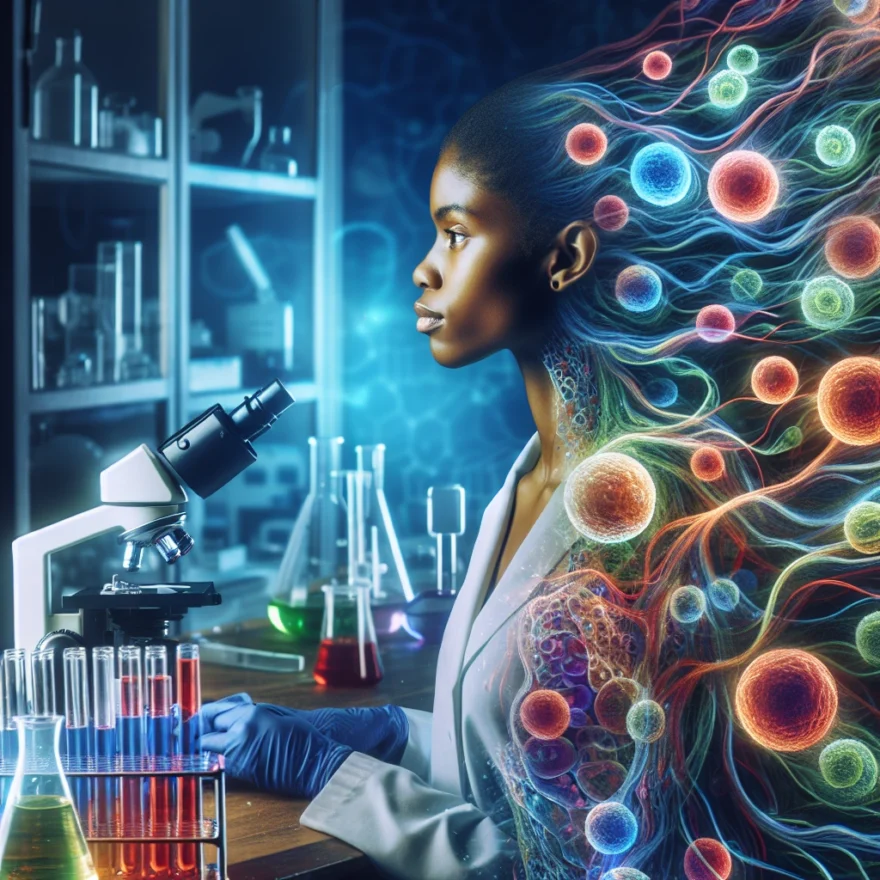
Introduction: Who was Henrietta Lacks?
Born on August 1, 1920, in Roanoke, Virginia, Henrietta Lacks was an African-American woman whose life would unknowingly become a cornerstone in medical research. Raised on a tobacco farm in Clover, Virginia, Lacks moved to Baltimore, Maryland, in 1941 with her husband and children in search of better opportunities.
In January 1951, Henrietta visited Johns Hopkins Hospital, the only hospital in the area that treated black patients at the time, complaining about a “knot” in her womb. The doctors diagnosed her with a malignant tumor of the cervix. Despite receiving treatment, her condition worsened, and she passed away on October 4, 1951, at the age of 31.
While Henrietta’s life was tragically cut short, her cells lived on, harvested without her consent during her treatment. These cells would go on to revolutionize medical research, becoming the first immortal human cells ever grown in a laboratory. Known as HeLa cells, they have been instrumental in numerous medical breakthroughs, from the development of the polio vaccine to advancements in cancer research.
Despite the significant contributions of HeLa cells to science, the story of Henrietta Lacks is steeped in ethical controversies. The lack of consent, the profiteering from her cells, and the struggles faced by her family have sparked debates about patients’ rights, medical ethics, and racial justice in the scientific community.
Henrietta Lacks may not have known the impact she would have on the world, but her legacy continues to live on, not only through the cells that bear her name but also through the conversations and changes her story has inspired in the realms of science, ethics, and culture.
Table of contents
- Introduction: Who was Henrietta Lacks?
- The Discovery of HeLa Cells
- The Immortality of HeLa Cells
- The Ethical Controversy Surrounding HeLa Cells
- The Impact of HeLa Cells on Medical Research
- The Legacy of Henrietta Lacks
- The Lacks Family and Their Struggle for Recognition
- HeLa Cells and the Advancement of Science
- The Cultural Impact of Henrietta Lacks’ Story
- The Legal Implications of HeLa Cells
- The Future of HeLa Cells
- Common Questions and Answers about Henrietta Lacks
The Discovery of HeLa Cells
In the early 1950s, a young African-American woman named Henrietta Lacks found herself in the colored ward of Johns Hopkins Hospital, diagnosed with a particularly aggressive form of cervical cancer. Unbeknownst to her, a sample of her cancerous cells was taken without her consent during a biopsy and sent to a nearby lab run by Dr. George Gey.
For years, Dr. Gey had been on a quest to find cells that could survive outside the human body. At the time, scientists could only keep cells alive for a few days, which limited the scope of their research. However, when Gey’s lab assistant, Mary Kubicek, examined the cells from Lacks’ sample, she noticed something extraordinary. Unlike other cells, which would weaken and die, these cells doubled every 20 to 24 hours. They were, in a sense, immortal.
These cells, dubbed “HeLa” cells, were the first-ever immortal human cells grown in a lab. They were named HeLa after the first two letters of Henrietta’s first and last name. These cells had a unique characteristic: they could divide and replenish themselves indefinitely in a lab setting, meaning they could be reproduced as needed for various experiments. This was a groundbreaking discovery that would revolutionize medical research.
Dr. Gey began distributing HeLa cells to other scientists for research purposes. The cells were put into mass production and mailed to scientists around the globe for “research into cancer, AIDS, the effects of radiation and toxic substances, gene mapping, and countless other scientific pursuits.” HeLa cells were the first human cells to be successfully cloned in 1955, and have been used in the development of the polio vaccine and in cancer research.
However, while the HeLa cells were making significant contributions to science and medicine, Henrietta Lacks herself was deteriorating rapidly. She died on October 4, 1951, at the young age of 31. She was buried in an unmarked grave in her family’s cemetery plot in Lackstown, Virginia. Her family was unaware that her cells were still alive and being used in research around the world.
The Immortality of HeLa Cells
One of the most fascinating aspects of the story of Henrietta Lacks is the immortality of her cells, known as HeLa cells. Unlike normal human cells, which have a limited lifespan and eventually die, HeLa cells have the remarkable ability to continue dividing and multiplying indefinitely.
The discovery of this immortality was made by Dr. George Gey, the scientist who first cultured Henrietta’s cells in 1951. He noticed that her cells were growing at an unprecedented rate, doubling every 24 hours. This was a breakthrough in medical research, as it provided scientists with a consistent and abundant source of human cells for experimentation.
Scientists soon realized that HeLa cells could be used to study a wide range of diseases and conditions. They were instrumental in the development of the polio vaccine, as they allowed researchers to test the effectiveness of different vaccine formulations. HeLa cells were also used to study cancer, AIDS, and many other diseases, leading to significant advancements in medical knowledge and treatment options.
What makes HeLa cells truly unique is their ability to adapt and survive in various laboratory conditions. They can be frozen and thawed, transported across long distances, and shared among researchers without losing their vitality. This has made HeLa cells invaluable in scientific research, as they can be easily distributed and studied by scientists all over the world.
However, the immortality of HeLa cells has also raised ethical concerns. Henrietta Lacks’ cells were taken without her knowledge or consent, and her family was not made aware of the ongoing use of her cells in medical research for many years. This lack of informed consent and the commercialization of her cells have sparked debates about patient rights and the ownership of biological materials.
Despite the ethical controversy surrounding HeLa cells, their impact on medical research cannot be overstated. They have been used in countless experiments and have contributed to numerous scientific breakthroughs. The ability to study human cells in a controlled environment has opened up new possibilities for understanding and treating diseases.
Moreover, HeLa cells have paved the way for the development of other immortal cell lines, which have further advanced medical research. These cell lines have been instrumental in the study of genetics, drug development, and personalized medicine.
The immortality of HeLa cells has had a profound cultural impact as well. Henrietta Lacks’ story has brought attention to the often overlooked contributions of African Americans to medical science. It has also highlighted the need for ethical guidelines and regulations regarding the use of human tissue in research.
In conclusion, the immortality of HeLa cells has revolutionized medical research and opened up new avenues of scientific exploration. While their discovery has raised ethical concerns, the invaluable knowledge gained from studying these cells cannot be denied. The story of Henrietta Lacks and her immortal cells serves as a reminder of the complex relationship between science, ethics, and the human experience.
The Ethical Controversy Surrounding HeLa Cells
Henrietta Lacks and her remarkable cells, known as HeLa cells, have been the subject of intense ethical controversy since their discovery in 1951. The use of these cells in medical research has raised numerous ethical questions and concerns that continue to be debated to this day.
One of the key ethical issues surrounding HeLa cells is the lack of informed consent. Henrietta Lacks, an African American woman, was never informed that her cells were being taken and used for research purposes. This raises important questions about the rights of individuals over their own biological materials.
Furthermore, the commercialization of HeLa cells has also sparked ethical debates. These cells have been bought and sold by researchers and biotech companies for decades, leading to questions about the commodification of human tissue and the potential for exploitation.
Another ethical concern is the privacy and confidentiality of Henrietta Lacks and her family. The publication of her name and the widespread use of HeLa cells have exposed her family to unwanted attention and intrusion. This raises important questions about the rights of individuals and their families to privacy and control over their own genetic information.
Additionally, there are concerns about the potential for genetic discrimination and stigmatization. The widespread use of HeLa cells has led to the mapping of Henrietta Lacks’ genome, which contains sensitive genetic information. This raises concerns about how this information could be used and whether it could be used against her descendants or other individuals with similar genetic traits.
The ethical controversy surrounding HeLa cells has prompted important discussions and changes in research ethics. In recent years, there has been a greater emphasis on obtaining informed consent for the use of biological materials in research. There have also been efforts to address the issue of commercialization and ensure that individuals and their families are not exploited.
Overall, the ethical concerns surrounding HeLa cells highlight the need for ongoing dialogue and regulation in the field of medical research. It is important to strike a balance between scientific advancement and the protection of individuals’ rights and dignity.
The Impact of HeLa Cells on Medical Research
Henrietta Lacks’ immortal cells, known as HeLa cells, have had a profound impact on medical research since their discovery in 1951. These remarkable cells have been instrumental in numerous scientific advancements and have revolutionized our understanding of human biology and disease. Here are some key ways in which HeLa cells have influenced medical research:
1. Development of Vaccines and Drugs: HeLa cells have been used extensively in the development and testing of vaccines and drugs. They have played a crucial role in the development of the polio vaccine, which has saved countless lives worldwide. Additionally, HeLa cells have been used in the study of various diseases, such as cancer, HIV/AIDS, and Alzheimer’s, leading to the development of new treatment options and therapies.
2. Understanding Cell Biology: HeLa cells have provided researchers with a unique opportunity to study human cell biology in depth. They have been used to investigate cell division, genetics, and the effects of different substances on cellular processes. The insights gained from studying HeLa cells have contributed to our understanding of fundamental biological processes and have paved the way for further discoveries in the field of cell biology.
3. Human Genome Project: HeLa cells played a significant role in the Human Genome Project, a groundbreaking scientific endeavor aimed at mapping the entire human genome. Researchers used HeLa cells to study the genetic makeup of human cells, helping to unravel the complexities of our DNA and identify genes associated with various diseases. This project has had a profound impact on personalized medicine and our understanding of genetic disorders.
4. Cancer Research: HeLa cells have been invaluable in cancer research, providing scientists with a model system to study the behavior and characteristics of cancer cells. They have been used to investigate the mechanisms of tumor growth, test potential cancer treatments, and explore the genetic changes that occur in cancer cells. The knowledge gained from studying HeLa cells has contributed to the development of targeted therapies and improved cancer diagnostics.
5. Bioethics and Informed Consent: The use of HeLa cells has raised important ethical questions regarding informed consent and patient privacy. Henrietta Lacks’ story has prompted discussions about the rights of patients and the need for transparency in medical research. Her case has led to significant changes in research ethics, emphasizing the importance of informed consent and the protection of patients’ rights.
Overall, the impact of HeLa cells on medical research cannot be overstated. They have been instrumental in advancing our understanding of human biology, developing life-saving vaccines and drugs, and paving the way for groundbreaking discoveries in various fields of medicine. The legacy of Henrietta Lacks and her immortal cells continues to shape the future of medical research and inspire ongoing ethical discussions within the scientific community.
The Legacy of Henrietta Lacks
Henrietta Lacks left behind a profound and lasting legacy that continues to impact the world of medicine and ethics. Her unwitting contribution to science through the discovery of HeLa cells has revolutionized medical research and paved the way for numerous breakthroughs. Here are some key aspects of Henrietta Lacks’ legacy:
The Advancement of Medical Research:
The discovery of HeLa cells has had a monumental impact on medical research. These immortal cells have been used in countless experiments and studies, leading to significant advancements in fields such as cancer research, virology, genetics, and drug development. HeLa cells have been instrumental in developing vaccines, understanding the mechanisms of diseases, and testing the efficacy of various treatments.
Contribution to Biomedical Ethics:
The story of Henrietta Lacks raises important ethical questions regarding consent, privacy, and ownership of biological materials. The use of her cells without her knowledge or consent sparked a debate about the rights of patients and the responsibilities of medical institutions. Henrietta’s case has prompted changes in research practices, leading to the establishment of guidelines and regulations to protect the rights of individuals whose biological materials are used for scientific purposes.
Recognition and Acknowledgment:
For many years, Henrietta Lacks and her family went unrecognized for her contribution to science. It was only in recent years that her story gained widespread attention, thanks in large part to Rebecca Skloot’s book, “The Immortal Life of Henrietta Lacks.” The book shed light on Henrietta’s life, her impact on medical research, and the struggles faced by her family. This newfound recognition has helped bring attention to the ethical issues surrounding the use of human cells in research.
Education and Empowerment:
Henrietta Lacks’ story has served as a powerful educational tool, raising awareness about the importance of informed consent, patient rights, and the ethical implications of scientific research. Her story has inspired discussions in classrooms, medical institutions, and research facilities, encouraging individuals to critically examine the ethical dimensions of their work and the impact it has on patients and their families.
Advocacy for Patient Rights:
The Lacks family has become advocates for patient rights and equitable access to healthcare. They have used their platform to raise awareness about the importance of patient consent, fair compensation for the use of biological materials, and the need for increased diversity in medical research. The Lacks family’s advocacy has led to changes in policies and practices within the medical and research communities.
Inspiration for Further Research:
The discovery of HeLa cells has opened up new avenues for scientific exploration. Researchers continue to study these cells, seeking to unlock their secrets and harness their potential for medical advancements. The unique characteristics of HeLa cells have led to the development of new techniques and technologies, enabling scientists to delve deeper into the understanding of human biology and disease.
Preservation of Henrietta’s Legacy:
Efforts have been made to honor Henrietta Lacks’ legacy and ensure that her story is not forgotten. The Henrietta Lacks Foundation was established to provide scholarships and support to individuals and communities impacted by medical research. The foundation also advocates for ethical practices in research and aims to empower patients and their families to make informed decisions about their healthcare.
Henrietta Lacks’ legacy is a complex and multifaceted one, encompassing scientific advancements, ethical discussions, and advocacy for patient rights. Her story serves as a reminder of the importance of recognizing the contributions of individuals whose cells and tissues have been used for scientific research, and the need for ethical guidelines to protect the rights of patients and their families.
The Lacks Family and Their Struggle for Recognition
Henrietta Lacks, a poor African-American woman from Baltimore, Maryland, unknowingly made one of the most significant contributions to medical science when her cells were taken without her consent. However, while her cells, known as HeLa cells, have been used in countless scientific breakthroughs, the Lacks family has struggled for recognition and compensation.
After Henrietta’s cells were harvested in 1951, they were sent to Dr. George Gey at Johns Hopkins University, where they were found to be unique in their ability to divide and replicate indefinitely. This discovery revolutionized medical research, leading to the development of vaccines, cancer treatments, and numerous other medical advancements.
Despite the immense value of HeLa cells, the Lacks family remained largely unaware of their existence for decades. It was not until the 1970s that they learned about the use of Henrietta’s cells in scientific research. This lack of knowledge and consent deeply troubled the family, who felt violated and exploited.
Furthermore, the Lacks family faced numerous challenges in their quest for recognition and compensation. They struggled to afford healthcare, while pharmaceutical companies and researchers profited from the commercialization of HeLa cells. The family also faced legal barriers, as they were unable to claim ownership or control over the cells due to existing laws and regulations.
In recent years, efforts have been made to honor Henrietta Lacks and acknowledge her family’s contribution to medical science. The Henrietta Lacks Foundation was established to provide scholarships and healthcare assistance to the Lacks family and other disadvantaged individuals. Additionally, the National Institutes of Health (NIH) reached an agreement with the family to grant them some control over the use of Henrietta’s genetic information.
Despite these developments, the Lacks family’s struggle for recognition and compensation continues. They advocate for greater transparency, informed consent, and fair compensation for individuals whose biological materials are used in scientific research.
The story of the Lacks family serves as a reminder of the ethical complexities surrounding medical research and the need for greater awareness and respect for the rights of individuals whose cells and genetic information are used for scientific purposes.
HeLa Cells and the Advancement of Science
HeLa cells have played a pivotal role in advancing scientific knowledge and medical research. Their unique properties and ability to replicate indefinitely have revolutionized various fields of study. Here are some key ways in which HeLa cells have contributed to the advancement of science:
1. Disease Research
HeLa cells have been instrumental in studying numerous diseases, including cancer, AIDS, and Parkinson’s disease. Scientists have used these cells to understand the mechanisms of disease progression, test potential treatments, and develop new drugs. The ability to grow HeLa cells in large quantities has allowed researchers to perform experiments that would otherwise be impossible.
2. Vaccine Development
HeLa cells have been crucial in the development of vaccines. For example, the polio vaccine was developed using HeLa cells, leading to the successful eradication of the disease in many parts of the world. These cells have also been used in the development of vaccines for diseases such as influenza and hepatitis.
3. Genetic Research
HeLa cells have provided scientists with a valuable tool for studying genetics. They have been used to investigate gene expression, DNA replication, and the effects of genetic mutations. By studying HeLa cells, researchers have gained insights into the fundamental processes that govern human genetics.
4. Drug Testing
HeLa cells have been extensively used in drug testing and screening. They have been employed to evaluate the efficacy and safety of various drugs before they are tested on animals or human subjects. This has helped to streamline the drug development process and reduce the reliance on animal testing.
5. Cell Biology
HeLa cells have significantly contributed to the field of cell biology. Researchers have used these cells to study cell division, cell structure, and cellular processes. The ability to observe and manipulate HeLa cells has provided valuable insights into the inner workings of cells and their functions.
Overall, HeLa cells have had a profound impact on scientific research and have paved the way for numerous breakthroughs in medicine and biology. Their unique characteristics and contributions have made them an invaluable resource for scientists around the world.
The Cultural Impact of Henrietta Lacks’ Story
Henrietta Lacks and the story of her immortal cells, known as HeLa cells, have had a profound cultural impact since their discovery in 1951. The ethical and scientific implications of the use of her cells without her consent, as well as the subsequent advancements in medical research, have sparked widespread discussions and debates.
One of the key cultural impacts of Henrietta Lacks’ story is the increased awareness and scrutiny surrounding medical ethics. The unauthorized use of her cells brought to light the issue of informed consent and patient rights. This sparked important conversations about the ethical responsibilities of medical professionals and the need for transparency in research practices.
Moreover, the story of Henrietta Lacks has shed light on the often overlooked contributions of African Americans to medical advancements. Lacks, an African American woman, played a pivotal role in the development of vaccines, cancer treatments, and countless other medical breakthroughs. Her story has served as a reminder of the significant contributions made by marginalized communities throughout history.
The cultural impact of Henrietta Lacks’ story also extends to the realm of education and public awareness. The publication of Rebecca Skloot’s book, “The Immortal Life of Henrietta Lacks,” brought the story to a wider audience and sparked a renewed interest in the history of medical research. This increased awareness has led to the inclusion of Henrietta Lacks’ story in educational curricula, further emphasizing the importance of ethical considerations in scientific endeavors.
Furthermore, Henrietta Lacks’ story has inspired a range of artistic and cultural works. Her life and the ethical questions surrounding her cells have been explored in plays, documentaries, and even a television movie. These artistic interpretations have helped to humanize Lacks and bring her story to a broader audience, encouraging discussions about medical ethics and the intersection of science and humanity.
Overall, the cultural impact of Henrietta Lacks’ story cannot be overstated. Her cells have revolutionized medical research, but they have also sparked important conversations about ethics, patient rights, and the contributions of marginalized communities. As her story continues to be shared and discussed, it serves as a reminder of the complex and often controversial nature of scientific progress.
The Legal Implications of HeLa Cells
Henrietta Lacks and the discovery of her immortal cells, known as HeLa cells, have had profound legal implications in the field of medical research. These legal implications arise from various aspects, including consent, privacy, ownership, and commercialization. Let’s explore some of the key legal issues surrounding HeLa cells:
Informed Consent:
One of the major legal concerns surrounding HeLa cells is the lack of informed consent from Henrietta Lacks or her family. At the time when her cells were taken for research, there were no strict regulations in place regarding informed consent for using human tissue samples. This raises questions about the ethical and legal basis on which the cells were obtained and subsequently used in research.
Privacy and Genetic Information:
The use of HeLa cells has raised concerns about privacy and the protection of genetic information. Henrietta Lacks’ cells contain her unique genetic code, which has been extensively studied and shared among researchers worldwide. This raises questions about the ownership and control of genetic information, as well as the potential for unauthorized use or disclosure of an individual’s genetic data.
Ownership and Intellectual Property:
The ownership of HeLa cells has been a subject of legal debate. While the cells were taken without Henrietta Lacks’ knowledge or consent, they have since been commercialized and used for various purposes, including the development of vaccines, drugs, and other medical products. This raises questions about the ownership rights and intellectual property associated with the cells and their derived products.
Commercialization and Profits:
The commercialization of HeLa cells has generated significant profits for various entities, including pharmaceutical companies and research institutions. This raises questions about the fair distribution of benefits and the ethical considerations surrounding the commercial exploitation of human biological materials.
Legal Battles and Henrietta Lacks’ Family:
Over the years, Henrietta Lacks’ family has faced numerous legal battles and challenges in asserting their rights and seeking recognition for Henrietta’s contribution to medical science. These legal battles have highlighted the need for stronger legal protections for individuals and their families in cases involving the use of their biological materials for research purposes.
It is important for society to address these legal implications and establish clear guidelines to ensure that the rights and interests of individuals and their families are protected in the context of medical research involving human tissue samples. The case of Henrietta Lacks and HeLa cells serves as a reminder of the ethical and legal complexities associated with advancements in medical science.
The Future of HeLa Cells
As we look towards the future, the potential of HeLa cells continues to captivate the scientific community. These remarkable cells have already contributed immensely to medical research and advancements, but their journey is far from over.
One of the most exciting prospects for the future of HeLa cells lies in personalized medicine. With the ability to replicate and study specific genetic mutations, scientists can use HeLa cells to develop targeted therapies for individual patients. This could revolutionize the treatment of various diseases, including cancer, by tailoring treatments to a person’s unique genetic makeup.
Furthermore, ongoing research is focused on understanding the mechanisms behind the immortality of HeLa cells. By unraveling the secrets of their continuous division, scientists hope to gain insights into the aging process and potentially develop interventions to slow down or even reverse aging.
Another area of interest is the exploration of HeLa cells in regenerative medicine. These cells have shown remarkable regenerative properties, and researchers are investigating their potential for tissue engineering and organ transplantation. Imagine a future where damaged organs can be repaired or replaced using HeLa cells, offering hope to those in need of life-saving treatments.
However, the future of HeLa cells is not without its challenges. The ethical concerns surrounding the use of these cells continue to be debated. Striking a balance between scientific progress and respecting the rights and privacy of Henrietta Lacks and her family remains a crucial aspect of moving forward.
Additionally, as more research is conducted, it is essential to ensure proper regulation and oversight to prevent any misuse or exploitation of HeLa cells. This includes addressing issues such as consent, ownership, and commercialization.
Despite these challenges, the potential benefits that HeLa cells offer to medical science are undeniable. The future holds exciting possibilities for further understanding the complexities of human biology and developing innovative treatments for a wide range of diseases.
Common Questions and Answers about Henrietta Lacks
Common Questions and Answers about Henrietta Lacks
1. How were Henrietta Lacks’ cells discovered?
The discovery of Henrietta Lacks’ cells, known as HeLa cells, occurred in 1951 when a sample of her cervical cancer cells was taken without her knowledge or consent during a routine medical examination. These cells were found to have an extraordinary ability to multiply and survive outside the human body, leading to their widespread use in medical research.
2. Why are HeLa cells considered immortal?
HeLa cells are considered immortal because they can divide and multiply indefinitely, unlike normal human cells that have a limited lifespan. This unique characteristic has allowed scientists to study and experiment on HeLa cells for decades, leading to numerous breakthroughs in medicine and scientific research.
3. What is the ethical controversy surrounding HeLa cells?
The ethical controversy surrounding HeLa cells arises from the fact that they were taken from Henrietta Lacks without her knowledge or consent. This raises questions about medical ethics, patient rights, and informed consent. Additionally, the commercialization and distribution of HeLa cells without compensating the Lacks family has also been a subject of debate.
4. How have HeLa cells impacted medical research?
HeLa cells have had a profound impact on medical research. They have been instrumental in the development of vaccines, gene mapping, cancer treatments, and a wide range of other medical advancements. HeLa cells have provided scientists with a consistent and reliable model for studying human cells, leading to a deeper understanding of various diseases and potential treatments.
5. What is the legacy of Henrietta Lacks?
The legacy of Henrietta Lacks lies in the immense contribution her cells, the HeLa cells, have made to medical science. Her cells have saved countless lives and revolutionized the field of biomedical research. Additionally, her story has brought attention to issues of medical ethics, patient rights, and the importance of recognizing the contributions of marginalized individuals in scientific breakthroughs.
6. How has the Lacks family struggled for recognition?
The Lacks family has struggled for recognition and compensation for the use of Henrietta Lacks’ cells. For many years, they were unaware of the widespread use and commercialization of HeLa cells. They have faced financial hardships and have fought for acknowledgment of Henrietta’s contribution to medical science and the need for ethical guidelines regarding the use of human biological materials.
7. What is the cultural impact of Henrietta Lacks’ story?
The story of Henrietta Lacks has had a significant cultural impact. It has shed light on the history of medical experimentation on marginalized communities, particularly African Americans. Her story has sparked discussions about medical ethics, race, and social justice. It has also highlighted the importance of informed consent and the need for equitable access to healthcare.
8. What are the legal implications of HeLa cells?
The legal implications surrounding HeLa cells revolve around issues of informed consent, patient rights, and ownership of biological materials. The case of Henrietta Lacks has prompted changes in medical research regulations, with a greater emphasis on obtaining informed consent from patients and ensuring their rights are protected when their cells or tissues are used for research purposes.
9. What does the future hold for HeLa cells?
The future of HeLa cells is promising. They continue to be widely used in medical research, and scientists are exploring their potential applications in personalized medicine, drug development, and regenerative medicine. However, ongoing ethical considerations and the need for transparency and equitable distribution of benefits remain important factors in their future use.
10. How can I learn more about Henrietta Lacks and HeLa cells?
There are several resources available to learn more about Henrietta Lacks and HeLa cells. The book “The Immortal Life of Henrietta Lacks” by Rebecca Skloot is an excellent starting point as it provides a comprehensive account of Henrietta’s life, the discovery of HeLa cells, and the impact on medical science. Additionally, online sources, documentaries, and interviews with the Lacks family can provide further insights into this fascinating story.