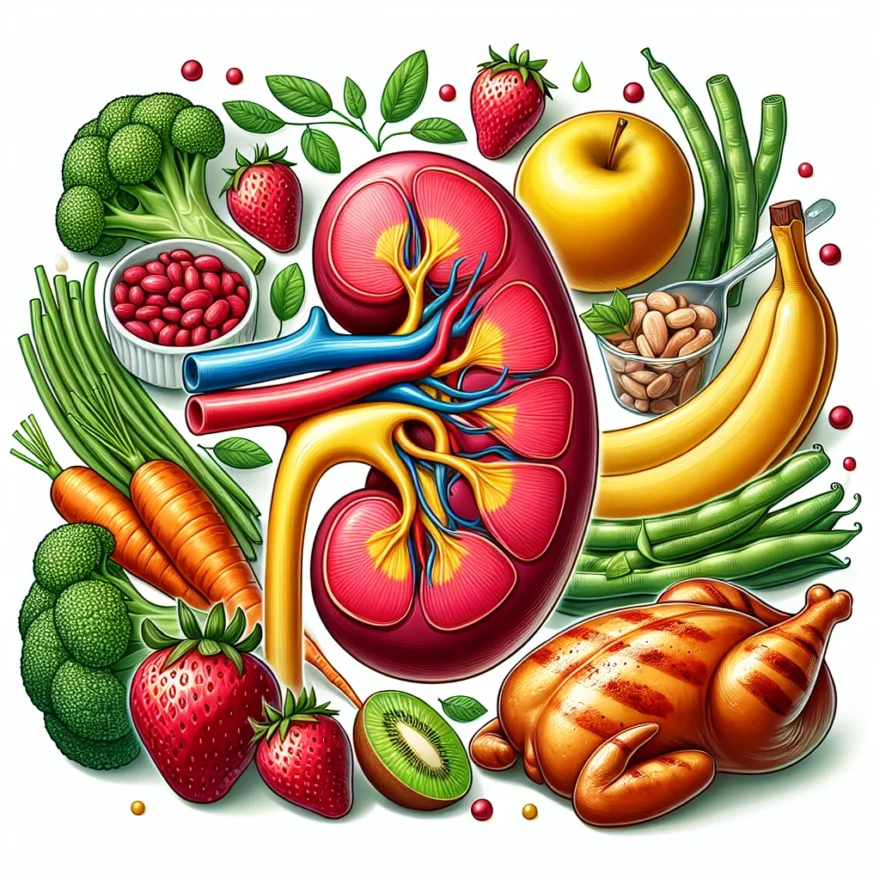
Introduction to Kidney Health
Our kidneys, two fist-sized organs located at the back of the abdomen, play a crucial role in maintaining our overall health. They are responsible for filtering blood, removing waste through urine, balancing bodily fluids, releasing hormones that regulate blood pressure, and controlling the production of red blood cells. With such a pivotal role in our body’s functioning, it’s clear that maintaining kidney health should be a priority.
But how can we ensure our kidneys remain healthy? The answer lies in our daily habits, particularly our diet and nutrition. As the saying goes, “You are what you eat,” and this couldn’t be more true when it comes to kidney health. The foods and drinks we consume can have a significant impact on the health and function of our kidneys. Poor dietary choices can lead to conditions such as kidney stones, chronic kidney disease (CKD), and even kidney failure.
In this article, we delve into the role of nutrition in maintaining kidney health, exploring the key nutrients necessary for optimal kidney function, the impact of certain dietary habits, and the dietary considerations for those with kidney disease. We’ll also address common questions and misconceptions about diet and kidney health, and look towards the future of nutrition and kidney health. By the end of this article, you’ll have a comprehensive understanding of the importance of nutrition in kidney health, and be equipped with practical tips to implement in your daily life.
So, let’s embark on this journey towards better kidney health, starting with a deeper understanding of the role our kidneys play in our bodies.
Table of contents
- Introduction to Kidney Health
- Understanding the Kidney’s Role in the Body
- The Connection Between Nutrition and Kidney Health
- Nutrients Essential for Kidney Health
- The Impact of Dehydration on Kidneys
- The Role of Sodium in Kidney Health
- The Importance of Protein Balance for Kidneys
- The Effect of Sugar on Kidney Health
- How Alcohol Affects Kidney Health
- Understanding Kidney Stones and Nutrition
- Dietary Considerations for Chronic Kidney Disease
- Nutrition Tips for People on Dialysis
- The Role of Supplements in Kidney Health
- Preventive Measures for Kidney Health
- Nutrition and Kidney Health: A Case Study
- Common Questions and Answers about Nutrition and Kidney Health
- The Future of Nutrition and Kidney Health
- Conclusion: Emphasizing Nutrition for Kidney Health
Understanding the Kidney’s Role in the Body
Often referred to as the body’s ‘chemical factories’, the kidneys are two bean-shaped organs that play a significant role in maintaining overall health. Located on either side of the spine, just below the rib cage, these small yet powerful organs are responsible for filtering waste and excess fluids from the bloodstream, which are then excreted in the urine.
Every day, our kidneys filter about 120 to 150 quarts of blood to produce about 1 to 2 quarts of urine. This process is crucial to maintain a stable balance of body chemicals. The kidneys’ primary function is to regulate the balance of electrolytes in the body, including sodium, potassium, and calcium, and to maintain the body’s acid-base balance.
Beyond this, the kidneys also play a vital role in red blood cell production. They do this by secreting the hormone erythropoietin, which signals to the bone marrow to produce more red blood cells. Furthermore, kidneys help to regulate blood pressure by controlling the volume of blood in the body and releasing essential hormones such as renin.
Another essential function of the kidneys is the activation of vitamin D, which is crucial for maintaining healthy bones. Vitamin D, in its inactive form, is not usable by the body. It’s the kidneys that convert this inactive form into an active form that the body can use, helping to maintain bone health and prevent diseases such as osteoporosis.
Understanding the myriad of roles the kidneys play in maintaining body functions underscores the importance of keeping them healthy. Nutrition plays a pivotal role in this, as the foods we consume can significantly impact kidney health. Making informed choices about our diet can help prevent kidney damage and promote overall kidney health.
The Connection Between Nutrition and Kidney Health
Proper nutrition plays a crucial role in maintaining kidney health. The food we consume directly impacts the functioning of our kidneys, as they are responsible for filtering waste products and excess fluids from the body. By understanding the connection between nutrition and kidney health, we can make informed dietary choices to support optimal kidney function and prevent the development of kidney-related issues.
One of the key aspects of maintaining kidney health through nutrition is consuming a well-balanced diet that is rich in essential nutrients. Nutrients such as vitamins, minerals, and antioxidants are vital for the proper functioning of the kidneys. Including a variety of fruits, vegetables, whole grains, lean proteins, and healthy fats in our diet can provide the necessary nutrients to support kidney health.
Dehydration is a common issue that can negatively impact kidney function. When we are dehydrated, the volume of blood flowing through the kidneys decreases, affecting their ability to filter waste products effectively. It is important to stay adequately hydrated by drinking enough water throughout the day. The recommended daily fluid intake varies depending on factors such as age, sex, and activity level, but a general guideline is to aim for around 8 cups (64 ounces) of water per day.
Sodium, commonly found in table salt and processed foods, can have a significant impact on kidney health. Consuming excessive amounts of sodium can increase blood pressure and put strain on the kidneys. It is recommended to limit sodium intake by avoiding high-sodium processed foods and opting for fresh, whole foods instead. Additionally, using herbs and spices to flavor meals can be a healthier alternative to salt.
Protein is an essential nutrient for overall health, but excessive protein intake can be harmful to the kidneys, especially for individuals with pre-existing kidney conditions. It is important to maintain a balance when it comes to protein consumption. Including lean sources of protein such as poultry, fish, tofu, and legumes in moderate amounts can provide the necessary protein without overburdening the kidneys.
Sugar, particularly in the form of added sugars and sugary beverages, can have a negative impact on kidney health. High sugar intake can contribute to the development of diabetes and obesity, both of which are risk factors for kidney disease. Limiting the consumption of sugary foods and beverages can help maintain stable blood sugar levels and support kidney health.
Alcohol consumption can also affect kidney health. Excessive alcohol intake can lead to dehydration and increase the risk of developing kidney disease. It is important to consume alcohol in moderation and ensure adequate hydration when drinking.
Kidney stones are another common issue related to kidney health. These are formed when certain substances in the urine, such as calcium and oxalate, crystallize and form solid masses. Nutrition plays a crucial role in preventing the formation of kidney stones. Consuming a diet low in oxalate-rich foods, such as spinach, rhubarb, and chocolate, can help reduce the risk of kidney stone formation. Additionally, staying hydrated and maintaining a balanced diet can also contribute to preventing kidney stones.
For individuals with chronic kidney disease (CKD), dietary considerations become even more important. CKD requires careful management of nutrients such as protein, sodium, potassium, and phosphorus. Working with a registered dietitian who specializes in kidney disease can help develop a personalized meal plan that takes into account the specific dietary needs of individuals with CKD.
For individuals on dialysis, nutrition also plays a crucial role in supporting overall health and well-being. Following a dialysis-specific meal plan that is tailored to individual needs is essential. This typically involves monitoring protein, sodium, potassium, and fluid intake to ensure that the body receives adequate nutrition while minimizing strain on the kidneys.
In some cases, supplements may be recommended to support kidney health. However, it is important to consult with a healthcare professional before starting any supplements, as certain nutrients can interact with medications or have adverse effects on kidney function.
Preventive measures are key to maintaining kidney health. Along with a balanced diet, regular exercise, maintaining a healthy weight, managing blood pressure and blood sugar levels, and avoiding smoking are all important factors in promoting kidney health.
Understanding the connection between nutrition and kidney health is crucial for preventing kidney-related issues and maintaining optimal kidney function. By making informed dietary choices, staying hydrated, and following any specific dietary recommendations for kidney conditions, we can support our kidneys and promote overall health and well-being.
Nutrients Essential for Kidney Health
Proper nutrition plays a crucial role in maintaining kidney health. The kidneys are responsible for filtering waste products and excess fluids from the blood, regulating blood pressure, and balancing electrolyte levels in the body. To support these functions, it is important to consume a well-balanced diet that includes essential nutrients for kidney health.
1. Fluids: Staying hydrated is vital for kidney health. Drinking an adequate amount of water helps to flush out toxins and prevent the formation of kidney stones. It is recommended to consume at least 8 cups (64 ounces) of water per day, but individual needs may vary depending on factors such as activity level and climate.
2. Potassium: Potassium is an essential mineral that helps maintain proper fluid balance, nerve function, and muscle contractions. However, for individuals with kidney problems, high levels of potassium can be harmful. It is important to consult with a healthcare professional to determine the appropriate level of potassium intake. Good sources of potassium include bananas, oranges, potatoes, and leafy green vegetables.
3. Phosphorus: Phosphorus is another mineral that plays a crucial role in kidney health. However, individuals with kidney disease may have difficulty excreting excess phosphorus, leading to a buildup in the blood. High levels of phosphorus can weaken bones and contribute to cardiovascular problems. Foods high in phosphorus, such as dairy products, nuts, and processed meats, should be limited in the diet of individuals with kidney disease.
4. Calcium: Calcium is essential for maintaining strong bones and teeth, as well as for proper muscle and nerve function. However, individuals with kidney disease may need to monitor their calcium intake, as high levels of phosphorus can interfere with calcium absorption. Good sources of calcium include dairy products, leafy green vegetables, and fortified foods.
5. Vitamin D: Vitamin D helps the body absorb calcium and promotes bone health. Individuals with kidney disease often have lower levels of vitamin D due to impaired kidney function. In such cases, supplementation may be necessary under the guidance of a healthcare professional.
6. Omega-3 Fatty Acids: Omega-3 fatty acids have anti-inflammatory properties and may help reduce the risk of kidney disease and its complications. Good sources of omega-3 fatty acids include fatty fish, flaxseeds, and walnuts.
7. Antioxidants: Antioxidants help protect the kidneys from oxidative stress and inflammation. Foods rich in antioxidants include berries, citrus fruits, tomatoes, and leafy green vegetables.
8. Fiber: Adequate fiber intake is important for overall health, including kidney health. Fiber helps regulate blood sugar levels, maintain a healthy weight, and promote bowel regularity. Good sources of fiber include whole grains, fruits, vegetables, and legumes.
It is important to note that individual dietary needs may vary depending on factors such as age, sex, overall health, and the presence of any kidney conditions. Consulting with a registered dietitian or healthcare professional can provide personalized guidance and recommendations for maintaining optimal kidney health through proper nutrition.
The Impact of Dehydration on Kidneys
Proper hydration is crucial for maintaining optimal kidney health. The kidneys play a vital role in filtering waste products and toxins from the blood, regulating fluid balance, and maintaining electrolyte levels in the body. When you become dehydrated, the kidneys are unable to perform these functions efficiently, leading to potential complications.
Dehydration occurs when the body loses more fluids than it takes in. This can happen due to various reasons, including inadequate fluid intake, excessive sweating, vomiting, diarrhea, or certain medical conditions. When the body is dehydrated, the kidneys receive less blood flow, which reduces their ability to filter waste products effectively.
One of the primary functions of the kidneys is to concentrate urine, which helps in conserving water in the body. When you are dehydrated, the kidneys try to conserve as much water as possible, resulting in highly concentrated urine. This concentrated urine can increase the risk of kidney stones, as the minerals and salts in the urine can crystallize and form solid masses.
In addition to increasing the risk of kidney stones, dehydration can also lead to the formation of urinary tract infections (UTIs). When the body is dehydrated, there is a reduced volume of urine, which can allow bacteria to multiply and cause infections in the urinary tract.
Furthermore, dehydration can contribute to the development of acute kidney injury (AKI). AKI occurs when the kidneys suddenly become unable to function properly. This can happen due to a decrease in blood flow to the kidneys, which can be caused by dehydration. If left untreated, AKI can lead to long-term kidney damage.
To maintain proper hydration and support kidney health, it is important to drink an adequate amount of fluids throughout the day. The recommended daily fluid intake varies depending on factors such as age, sex, activity level, and overall health. However, a general guideline is to aim for about 8 cups (64 ounces) of fluids per day.
It is important to note that not all fluids are equally hydrating. Water is the best choice for staying hydrated, as it does not contain any added sugars or calories. Other hydrating options include herbal teas, infused water, and low-sodium broths. It is best to limit or avoid sugary drinks, caffeinated beverages, and alcohol, as they can have a diuretic effect and contribute to dehydration.
In addition to staying hydrated, it is essential to listen to your body’s thirst cues and drink fluids accordingly. During hot weather or intense physical activity, you may need to increase your fluid intake to compensate for the additional fluid loss through sweat.
Overall, maintaining proper hydration is crucial for supporting kidney health. By drinking an adequate amount of fluids and avoiding dehydration, you can help ensure that your kidneys can effectively perform their vital functions and reduce the risk of kidney-related complications.
The Role of Sodium in Kidney Health
Sodium plays a crucial role in maintaining kidney health. The kidneys are responsible for regulating the balance of sodium in the body, which is essential for maintaining proper fluid balance and blood pressure.
When sodium levels in the body are too high, the kidneys work to excrete the excess sodium through urine. However, consistently high sodium intake can put strain on the kidneys and lead to various health problems.
One of the main concerns with excessive sodium intake is its impact on blood pressure. High sodium levels can cause the body to retain water, increasing blood volume and putting pressure on the blood vessels. Over time, this can lead to hypertension, or high blood pressure, which is a major risk factor for kidney disease.
Individuals with kidney disease or impaired kidney function are particularly sensitive to sodium intake. The kidneys may not be able to effectively remove excess sodium from the body, leading to fluid retention and further elevating blood pressure.
To maintain kidney health, it is important to limit sodium intake. The American Heart Association recommends consuming no more than 2,300 milligrams (mg) of sodium per day, which is equivalent to about one teaspoon of salt. However, individuals with kidney disease or high blood pressure may need to restrict their sodium intake to 1,500 mg per day or less.
Reducing sodium intake can be achieved by making simple dietary changes. Here are some tips:
- Avoid processed and packaged foods, as they tend to be high in sodium. Opt for fresh, whole foods instead.
- Read food labels carefully and choose low-sodium or sodium-free options whenever possible.
- Avoid adding extra salt to meals during cooking or at the table. Instead, use herbs, spices, and other flavorings to enhance the taste of food.
- Rinse canned foods, such as beans or vegetables, to remove excess sodium.
- Choose fresh or frozen fruits and vegetables, as they are naturally low in sodium.
- Limit consumption of processed meats, such as bacon, sausage, and deli meats, as they are often high in sodium.
By reducing sodium intake and maintaining a balanced diet, individuals can help protect their kidneys and promote overall kidney health.
The Importance of Protein Balance for Kidneys
Protein is an essential nutrient that plays a crucial role in maintaining overall health. When it comes to kidney health, protein balance becomes even more important. The kidneys are responsible for filtering waste products from the blood, and excessive protein consumption can put a strain on these organs.
It is important to strike a balance when it comes to protein intake for individuals with healthy kidneys. Consuming an adequate amount of protein is necessary for tissue repair, muscle growth, and overall bodily functions. However, excessive protein intake can lead to increased levels of urea and other waste products that the kidneys need to filter out.
For individuals with kidney disease or compromised kidney function, monitoring protein intake becomes even more crucial. When the kidneys are not functioning optimally, they may struggle to eliminate waste products efficiently. High protein intake can lead to a buildup of waste products in the blood, which can further damage the kidneys.
Therefore, it is recommended to consult with a healthcare professional or a registered dietitian to determine the appropriate amount of protein for individuals with kidney disease. They can help develop a personalized nutrition plan that takes into account the individual’s specific needs and stage of kidney disease.
In some cases, a low-protein diet may be recommended for individuals with advanced kidney disease. This is because reducing protein intake can help minimize the workload on the kidneys and slow down the progression of kidney damage. However, it is important to note that protein restriction should be done under the guidance of a healthcare professional to ensure that other nutritional needs are being met.
On the other hand, individuals with early-stage kidney disease or those at risk of developing kidney problems may benefit from a moderate protein intake. This can help maintain muscle mass and support overall health without putting excessive strain on the kidneys.
It is also important to consider the source of protein when it comes to kidney health. Animal-based proteins, such as meat and dairy products, tend to be higher in phosphorus and can contribute to an imbalance in mineral levels. This can be problematic for individuals with kidney disease, as impaired kidney function can lead to difficulties in regulating phosphorus levels in the blood. Therefore, opting for plant-based protein sources, such as legumes, tofu, and quinoa, can be a healthier choice for individuals with kidney disease.
In conclusion, maintaining a proper balance of protein intake is crucial for kidney health. While protein is necessary for overall health, excessive protein consumption can strain the kidneys, especially in individuals with kidney disease. It is important to work with healthcare professionals to determine the appropriate amount of protein and to choose protein sources that are kidney-friendly. By prioritizing protein balance, individuals can support their kidney health and overall well-being.
The Effect of Sugar on Kidney Health
Excessive sugar consumption can have a detrimental effect on kidney health. The kidneys play a crucial role in filtering waste products and excess fluids from the blood, but when they are constantly exposed to high levels of sugar, they can become overworked and damaged.
One of the main concerns with consuming too much sugar is the increased risk of developing type 2 diabetes. Diabetes is a leading cause of kidney disease, as high blood sugar levels can damage the blood vessels in the kidneys. Over time, this can lead to a condition called diabetic nephropathy, where the kidneys are unable to function properly.
In addition to the risk of diabetes, excessive sugar intake can also contribute to obesity. Obesity is a known risk factor for kidney disease, as it puts extra strain on the kidneys and increases the likelihood of developing conditions such as high blood pressure and heart disease. These conditions can further worsen kidney function.
Moreover, consuming too much sugar can lead to inflammation in the body. Inflammation can damage the delicate structures of the kidneys and impair their ability to filter waste effectively. This can result in the accumulation of toxins and waste products in the body, leading to kidney damage.
It is important to note that not all sugars are created equal. Natural sugars found in fruits and vegetables, for example, are generally not harmful to kidney health when consumed in moderation. However, added sugars found in processed foods and sugary beverages should be limited.
To protect kidney health, it is recommended to reduce sugar intake and opt for healthier alternatives. This can be achieved by cutting back on sugary snacks, desserts, and sugary drinks. Instead, choose whole foods that are low in added sugars and high in nutrients.
By making conscious choices to reduce sugar consumption, individuals can help maintain kidney health and reduce the risk of developing kidney disease.
How Alcohol Affects Kidney Health
Alcohol consumption can have a significant impact on kidney health. While moderate alcohol intake may not pose a major risk, excessive or chronic alcohol consumption can lead to various kidney problems.
One of the primary ways alcohol affects the kidneys is by causing dehydration. Alcohol is a diuretic, which means it increases urine production and can lead to excessive fluid loss. Dehydration puts strain on the kidneys and can impair their ability to function properly.
Additionally, alcohol can disrupt the delicate balance of electrolytes in the body, including sodium and potassium. This imbalance can further compromise kidney function and contribute to kidney damage.
Excessive alcohol consumption can also lead to the development of alcoholic liver disease. The liver and kidneys work closely together to filter toxins from the body. When the liver is damaged, it can impact the kidneys’ ability to effectively eliminate waste products, leading to kidney dysfunction.
Alcohol-related kidney diseases include:
- Acute Tubular Necrosis (ATN): This condition occurs when the tubules in the kidneys are damaged due to toxic substances, including alcohol. ATN can result in kidney failure if left untreated.
- Glomerulonephritis: Alcohol abuse can contribute to the development of glomerulonephritis, an inflammation of the kidney’s filtering units. This condition can impair kidney function and lead to kidney failure.
- Chronic Kidney Disease (CKD): Prolonged alcohol abuse can increase the risk of developing CKD, a progressive condition where the kidneys gradually lose their ability to function. CKD can eventually lead to kidney failure, requiring dialysis or a kidney transplant.
It’s important to note that individuals with pre-existing kidney conditions or those at risk for kidney disease should avoid alcohol altogether. Even moderate alcohol consumption can exacerbate kidney problems and hinder the effectiveness of treatments.
If you are concerned about your kidney health, it is advisable to consult with a healthcare professional who can provide personalized guidance and support. They can help you determine the appropriate level of alcohol consumption based on your individual circumstances and overall kidney health.
Understanding Kidney Stones and Nutrition
The formation of kidney stones is a common condition that can cause significant discomfort and pain. Understanding the role of nutrition in kidney stone formation is crucial for prevention and management. Kidney stones are hard deposits that form in the kidneys when certain substances, such as calcium, oxalate, and uric acid, become concentrated in the urine.
While there are various types of kidney stones, the most common type is calcium oxalate stones. These stones are formed when calcium combines with oxalate in the urine. Therefore, managing the intake of calcium and oxalate-rich foods is essential for individuals prone to developing kidney stones.
When it comes to nutrition and kidney stone prevention, it is important to focus on the following dietary considerations:
- Hydration: Staying well-hydrated is crucial for preventing kidney stone formation. Drinking an adequate amount of water helps dilute the substances in the urine, reducing the risk of stone formation. Aim to drink at least 8-10 glasses of water per day.
- Citrus fruits: Citrus fruits like lemons, oranges, and grapefruits contain citrate, which can help prevent the formation of certain types of kidney stones. Consuming citrus fruits or adding lemon juice to your water can be beneficial.
- Calcium intake: Contrary to popular belief, reducing calcium intake is not recommended for kidney stone prevention. In fact, consuming adequate amounts of calcium can actually help prevent the formation of calcium oxalate stones. However, it is important to obtain calcium from food sources rather than supplements.
- Oxalate-rich foods: Limiting the consumption of foods high in oxalate can be beneficial for individuals prone to calcium oxalate stones. Examples of oxalate-rich foods include spinach, rhubarb, beets, nuts, and chocolate.
- Sodium restriction: A high-sodium diet can increase the excretion of calcium in the urine, leading to the formation of calcium-based kidney stones. Limiting sodium intake by avoiding processed foods and reducing salt usage can help prevent stone formation.
- Protein intake: Excessive consumption of animal protein, such as red meat, poultry, and seafood, can increase the risk of kidney stone formation. It is advisable to moderate protein intake and opt for plant-based protein sources like legumes and tofu.
- Limiting sugar: High sugar intake can contribute to obesity and diabetes, which are risk factors for kidney stone formation. Limiting the consumption of sugary beverages and processed foods can help maintain overall kidney health.
It is important to note that the dietary recommendations for kidney stone prevention may vary depending on the type of stone and individual factors. Consulting with a healthcare professional or a registered dietitian can provide personalized guidance and recommendations based on specific needs.
By adopting a balanced and healthy diet, staying well-hydrated, and making appropriate lifestyle choices, individuals can reduce the risk of kidney stone formation and promote optimal kidney health.
Dietary Considerations for Chronic Kidney Disease
When it comes to managing chronic kidney disease (CKD), dietary considerations play a crucial role in maintaining kidney health and preventing further damage. A well-planned diet can help slow down the progression of CKD, manage symptoms, and reduce the risk of complications. Here are some important dietary considerations for individuals with chronic kidney disease:
1. Limiting Protein Intake: One of the key dietary considerations for CKD is controlling protein intake. Consuming too much protein can put a strain on the kidneys, as they are responsible for filtering waste products from protein metabolism. However, it is essential to consult with a healthcare professional or a registered dietitian to determine the appropriate amount of protein intake based on the stage of CKD and individual needs.
2. Watching Phosphorus Levels: High levels of phosphorus in the blood can be detrimental to kidney health. It is important to limit the intake of phosphorus-rich foods such as dairy products, nuts, seeds, and processed foods. Additionally, avoiding carbonated beverages and reading food labels can help identify hidden sources of phosphorus.
3. Controlling Potassium Intake: Individuals with CKD may need to monitor their potassium intake, as impaired kidney function can lead to high potassium levels in the blood. Foods high in potassium, such as bananas, oranges, tomatoes, and potatoes, should be consumed in moderation. Cooking certain high-potassium foods can help reduce their potassium content.
4. Restricting Sodium Consumption: Sodium, commonly found in table salt and processed foods, can contribute to fluid retention and high blood pressure, both of which can further damage the kidneys. Limiting sodium intake by avoiding processed and packaged foods and using herbs and spices to flavor meals can be beneficial for individuals with CKD.
5. Monitoring Fluid Intake: People with CKD may need to regulate their fluid intake, as impaired kidney function can affect the body’s ability to eliminate excess fluid. The recommended amount of fluid intake varies depending on the individual’s stage of CKD and other health factors. It is important to follow the guidance of a healthcare professional or a registered dietitian in managing fluid intake.
6. Balancing Carbohydrates: Consuming a balanced amount of carbohydrates is important for individuals with CKD. Carbohydrates provide the body with energy and can help prevent muscle wasting. Choosing complex carbohydrates such as whole grains, fruits, and vegetables over refined sugars and processed foods is recommended.
7. Considering Fat Intake: A diet low in saturated and trans fats is generally recommended for individuals with CKD. Healthy fats, such as those found in avocados, nuts, and olive oil, can be included in moderation. It is important to consult with a healthcare professional or a registered dietitian to determine the appropriate amount of fat intake based on individual needs.
8. Vitamin and Mineral Supplementation: Due to dietary restrictions and potential nutrient imbalances in CKD, individuals may require vitamin and mineral supplementation. However, it is essential to consult with a healthcare professional or a registered dietitian before starting any supplements, as they can interact with medications or worsen kidney function if not used appropriately.
9. Personalized Meal Planning: Each individual with CKD may have specific dietary needs and restrictions. Working with a registered dietitian can help develop a personalized meal plan that takes into account the individual’s stage of CKD, nutritional requirements, and personal preferences.
By following these dietary considerations and working closely with healthcare professionals, individuals with chronic kidney disease can effectively manage their condition, slow down its progression, and improve their overall kidney health.
Nutrition Tips for People on Dialysis
For individuals on dialysis, proper nutrition is crucial to maintain overall health and support kidney function. Dialysis is a medical procedure that helps filter waste and excess fluid from the blood when the kidneys are no longer able to perform this function effectively. Here are some important nutrition tips to consider if you are on dialysis:
- Monitor your protein intake: Protein is an essential nutrient for the body, but individuals on dialysis may need to limit their protein intake. This is because dialysis removes waste products from the blood, including the byproducts of protein digestion. Work with a registered dietitian to determine the appropriate amount of protein for your specific needs.
- Control your phosphorus levels: High levels of phosphorus in the blood can be harmful to individuals with kidney disease. Limit your intake of phosphorus-rich foods such as dairy products, nuts, and processed foods. Your dietitian may also recommend phosphorus binders to help control phosphorus levels.
- Manage your potassium intake: Potassium is an important mineral that helps regulate heart and muscle function. However, too much potassium can be dangerous for individuals on dialysis. Limit your intake of high-potassium foods such as bananas, oranges, and potatoes. Your dietitian can provide you with a list of low-potassium alternatives.
- Watch your fluid intake: Dialysis helps remove excess fluid from the body, but it’s still important to monitor your fluid intake. Too much fluid can lead to fluid overload and strain on the heart. Follow your healthcare provider’s recommendations for fluid restriction and limit your consumption of high-sodium foods, as sodium can cause fluid retention.
- Include a variety of fruits and vegetables: Despite the need to limit certain nutrients, it’s still important to include a variety of fruits and vegetables in your diet. These foods provide essential vitamins, minerals, and antioxidants that support overall health. Work with your dietitian to identify fruits and vegetables that are lower in potassium and phosphorus.
- Consider your individual needs: Every person’s nutritional needs are unique, and it’s important to work closely with a registered dietitian who specializes in kidney health. They can create a personalized meal plan that takes into account your specific dietary restrictions, preferences, and goals.
Remember, nutrition plays a vital role in supporting kidney health for individuals on dialysis. By following these nutrition tips and working closely with your healthcare team, you can help optimize your overall well-being and maintain the best possible quality of life.
The Role of Supplements in Kidney Health
Supplements can play a beneficial role in supporting kidney health, especially when combined with a balanced diet and lifestyle changes. While it’s important to consult with a healthcare professional before starting any new supplements, here are some commonly recommended ones for kidney health:
1. Omega-3 Fatty Acids: Found in fish oil supplements, omega-3 fatty acids have been shown to have anti-inflammatory properties and may help reduce the risk of kidney disease progression. They can also help lower blood pressure and decrease cholesterol levels, which are important factors in maintaining kidney health.
2. Vitamin D: Adequate levels of vitamin D are essential for kidney health. This vitamin helps regulate calcium and phosphorus levels in the body, which are crucial for maintaining strong bones and preventing the development of kidney stones. In cases of kidney disease, vitamin D supplements may be recommended to compensate for reduced kidney function.
3. B Vitamins: B vitamins, including B6, B12, and folic acid, are important for overall health and can support kidney function. They help in the metabolism of amino acids and the production of red blood cells, which are essential for transporting oxygen and nutrients to the kidneys.
4. Antioxidants: Antioxidants such as vitamins C and E, selenium, and coenzyme Q10 can help protect the kidneys from oxidative stress and damage caused by free radicals. They can also support the immune system and reduce inflammation, which is beneficial for kidney health.
5. Probiotics: Probiotics are beneficial bacteria that can promote a healthy gut microbiome. They may help reduce the risk of kidney infections and improve digestion, which can indirectly support kidney health.
6. Herbal Supplements: Certain herbal supplements, such as turmeric, ginger, and dandelion root, have been traditionally used to support kidney health. However, it’s important to consult with a healthcare professional before taking any herbal supplements, as they may interact with medications or have potential side effects.
It’s important to note that while supplements can be helpful, they should not replace a balanced diet and healthy lifestyle. They should be used as a complement to other strategies for maintaining kidney health, such as staying hydrated, following a low-sodium diet, and managing underlying medical conditions.
Always consult with a healthcare professional before starting any new supplements, as they can provide personalized recommendations based on your specific needs and medical history. They can also monitor your kidney function and adjust the supplement regimen if necessary.
Remember, supplements should be used in conjunction with a holistic approach to kidney health, including regular exercise, stress management, and overall healthy eating habits.
Preventive Measures for Kidney Health
Preventive measures play a crucial role in maintaining kidney health and preventing the onset of kidney diseases. By adopting a proactive approach towards kidney health, individuals can reduce the risk of developing conditions such as chronic kidney disease or kidney stones. Here are some preventive measures that can be taken:
1. Stay Hydrated: Adequate hydration is essential for kidney health. Drinking plenty of water helps to flush out toxins and waste products from the body, reducing the risk of kidney stone formation. Aim to drink at least 8-10 glasses of water per day, or more if you engage in strenuous activities or live in a hot climate.
2. Eat a Balanced Diet: A well-balanced diet is crucial for overall health, including kidney health. Include a variety of fruits, vegetables, whole grains, lean proteins, and healthy fats in your diet. Avoid excessive consumption of processed foods, high-sodium foods, and sugary drinks, as they can contribute to kidney damage over time.
3. Limit Sodium Intake: High sodium intake can lead to increased blood pressure and fluid retention, both of which can strain the kidneys. Limit your consumption of processed foods, fast foods, and salty snacks. Opt for fresh, whole foods and use herbs and spices to flavor your meals instead of salt.
4. Maintain a Healthy Weight: Obesity is a risk factor for kidney disease. By maintaining a healthy weight through regular exercise and a balanced diet, you can reduce the strain on your kidneys and lower the risk of developing kidney problems.
5. Exercise Regularly: Engaging in regular physical activity not only helps to maintain a healthy weight but also promotes overall kidney health. Exercise improves blood circulation, reduces the risk of chronic conditions such as diabetes and hypertension, and enhances the overall functioning of the kidneys.
6. Quit Smoking: Smoking damages blood vessels and reduces blood flow to the kidneys, increasing the risk of kidney disease. Quitting smoking is one of the best things you can do to protect your kidney health and overall well-being.
7. Limit Alcohol Consumption: Excessive alcohol consumption can lead to dehydration and liver damage, which in turn can negatively impact kidney function. Limit your alcohol intake to moderate levels, which is defined as up to one drink per day for women and up to two drinks per day for men.
8. Manage Chronic Conditions: Conditions such as diabetes and hypertension can significantly increase the risk of kidney disease. It is important to manage these conditions effectively through regular check-ups, medication adherence, and lifestyle modifications to prevent kidney damage.
9. Avoid Overuse of Medications: Certain medications, such as nonsteroidal anti-inflammatory drugs (NSAIDs), can cause kidney damage when taken in excess or for prolonged periods. Always follow the recommended dosage and consult with your healthcare provider if you have any concerns.
10. Regular Kidney Check-ups: Regular kidney check-ups are crucial for early detection and prevention of kidney diseases. If you have a family history of kidney problems or are at a higher risk, speak to your healthcare provider about scheduling regular screenings and tests.
By implementing these preventive measures, you can significantly reduce the risk of developing kidney diseases and promote optimal kidney health. Remember, prevention is always better than cure when it comes to maintaining the health of your kidneys.
Nutrition and Kidney Health: A Case Study
One of the most effective ways to understand the role of nutrition in kidney health is through a case study. Let’s take a look at the journey of John, a 45-year-old man who was diagnosed with chronic kidney disease (CKD) and how nutrition played a crucial role in managing his condition.
When John was first diagnosed with CKD, his doctor emphasized the importance of a balanced and kidney-friendly diet. John’s kidneys were not functioning at their optimal level, so it was crucial to provide them with the right nutrients while avoiding substances that could further damage them.
John’s doctor recommended a diet that was low in sodium, phosphorus, and potassium. These minerals, when consumed in excess, can put additional strain on the kidneys. John was advised to limit his intake of processed foods, which are typically high in sodium, and opt for fresh, whole foods instead.
Protein balance was another key aspect of John’s diet. While protein is essential for overall health, excessive protein intake can be harmful to the kidneys. John’s doctor recommended a moderate protein intake, with a focus on lean sources such as poultry, fish, and tofu. This ensured that John received adequate protein without overburdening his kidneys.
In addition to managing his sodium and protein intake, John was also advised to limit his consumption of sugar and sugary beverages. High sugar intake can contribute to weight gain and increase the risk of diabetes, both of which can negatively impact kidney health. John made a conscious effort to reduce his sugar intake and opted for healthier alternatives like fresh fruits.
Alcohol consumption was another area that John needed to address. Excessive alcohol intake can lead to dehydration and put additional strain on the kidneys. John was advised to limit his alcohol consumption and opt for non-alcoholic beverages like water or herbal tea.
As part of his dietary considerations, John also needed to be mindful of kidney stones. These are hard deposits that can form in the kidneys and cause pain and discomfort. To prevent the formation of kidney stones, John was advised to increase his fluid intake and consume plenty of water throughout the day.
As John’s CKD progressed, he eventually started dialysis treatment. During this time, his nutritional needs changed, and he had to make further adjustments to his diet. John’s doctor recommended working with a registered dietitian who specialized in kidney health to ensure he received the right balance of nutrients while on dialysis.
In addition to dietary modifications, John’s doctor also discussed the role of supplements in kidney health. Certain vitamins and minerals, such as vitamin D and iron, may need to be supplemented in individuals with CKD. However, it is important to consult with a healthcare professional before starting any supplements.
Throughout his journey, John learned the importance of preventive measures for kidney health. Regular exercise, maintaining a healthy weight, and managing blood pressure and blood sugar levels all played a crucial role in supporting his kidney function.
John’s case study highlights the significant impact that nutrition can have on kidney health. By following a kidney-friendly diet, making necessary dietary adjustments, and adopting preventive measures, individuals like John can effectively manage their kidney health and improve their overall well-being.
Common Questions and Answers about Nutrition and Kidney Health
Common Questions and Answers about Nutrition and Kidney Health
As we delve deeper into the role of nutrition in kidney health, it is natural to have some questions. Here, we address some common queries related to nutrition and its impact on kidney health:
1. Can certain foods help improve kidney function?
While there is no magic food that can cure kidney disease or reverse its damage, a well-balanced diet consisting of fresh fruits, vegetables, whole grains, lean proteins, and limited sodium intake can support overall kidney health and slow down the progression of kidney disease.
2. How does hydration affect kidney health?
Adequate hydration is essential for maintaining proper kidney function. Dehydration can lead to a buildup of waste and toxins in the body, putting strain on the kidneys. It is recommended to drink enough water throughout the day and limit the consumption of sugary beverages and alcohol.
3. Is a low-protein diet necessary for kidney health?
For individuals with normal kidney function, a moderate intake of protein is generally safe and beneficial. However, for those with kidney disease, a low-protein diet may be recommended to reduce the workload on the kidneys. It is important to work with a healthcare professional or a registered dietitian to determine the appropriate protein intake based on individual needs.
4. Can excessive sugar consumption harm the kidneys?
High sugar intake, especially from sugary drinks and processed foods, can contribute to the development of conditions such as obesity and diabetes, which are risk factors for kidney disease. Limiting the consumption of sugary foods and opting for healthier alternatives can help protect kidney health.
5. Does alcohol have a negative impact on kidney function?
Excessive alcohol consumption can lead to dehydration and increases the risk of developing conditions like high blood pressure and liver disease, which can adversely affect kidney function. It is advisable to consume alcohol in moderation or avoid it altogether for optimal kidney health.
6. Are there specific dietary considerations for preventing kidney stones?
Dietary modifications can play a crucial role in preventing the formation of kidney stones. Increasing fluid intake, reducing sodium and animal protein consumption, and incorporating foods rich in citrate, such as lemons and oranges, can help prevent the formation of certain types of kidney stones.
7. What dietary guidelines should be followed for individuals with chronic kidney disease?
For individuals with chronic kidney disease, it is important to follow a kidney-friendly diet. This typically involves limiting sodium, potassium, and phosphorus intake, monitoring protein consumption, and managing fluid intake. Working with a registered dietitian who specializes in kidney disease can provide personalized guidance.
8. Can supplements play a role in promoting kidney health?
While certain supplements may be recommended for individuals with specific deficiencies or medical conditions, it is important to consult with a healthcare professional before starting any supplements. In general, a well-balanced diet that meets nutrient requirements is the best approach for maintaining kidney health.
9. What are some preventive measures for kidney health?
In addition to maintaining a healthy diet, there are several preventive measures that can support kidney health. These include regular exercise, managing blood pressure and blood sugar levels, avoiding smoking, and maintaining a healthy body weight.
10. How can nutrition positively impact overall kidney health?
Nutrition plays a vital role in supporting overall kidney health by providing essential nutrients, maintaining proper hydration, and reducing the risk of developing conditions that can harm the kidneys. By adopting a balanced and kidney-friendly diet, individuals can take proactive steps towards maintaining optimal kidney function.
Remember, it is always recommended to consult with a healthcare professional or a registered dietitian for personalized advice regarding nutrition and kidney health.
The Future of Nutrition and Kidney Health
As our understanding of nutrition and its impact on kidney health continues to evolve, the future holds promising advancements in this field. Researchers and healthcare professionals are constantly exploring new strategies to optimize nutrition for kidney health. Here are some potential developments that we may see in the future:
1. Personalized Nutrition Plans: With advancements in technology, we can expect to see the development of personalized nutrition plans tailored specifically to an individual’s kidney health. These plans will take into account an individual’s unique dietary needs, medical history, and kidney function, allowing for more targeted and effective nutrition interventions.
2. Nutrigenomics: Nutrigenomics is a field that studies the interaction between genes, nutrition, and health. In the future, we may see the integration of nutrigenomic research into kidney health. This could lead to a better understanding of how specific nutrients and dietary patterns affect gene expression related to kidney health, paving the way for personalized dietary recommendations based on an individual’s genetic profile.
3. Innovative Dietary Approaches: As researchers delve deeper into the relationship between nutrition and kidney health, we may discover new dietary approaches that can help prevent or manage kidney disease. For example, emerging evidence suggests that plant-based diets, such as the Mediterranean or DASH (Dietary Approaches to Stop Hypertension) diet, may have protective effects on kidney health. Future studies may explore the effectiveness of these dietary patterns in preventing and managing kidney disease.
4. Functional Foods and Nutraceuticals: Functional foods and nutraceuticals are food products or supplements that provide health benefits beyond basic nutrition. In the future, we may see the development of specific functional foods or nutraceuticals designed to support kidney health. These products could contain bioactive compounds that have been shown to have positive effects on kidney function, such as antioxidants or anti-inflammatory agents.
5. Telehealth and Remote Monitoring: With the rise of telehealth and remote monitoring technologies, individuals with kidney disease may have easier access to nutrition counseling and monitoring. Virtual consultations with registered dietitians or nutritionists could provide ongoing support, education, and guidance to help individuals make informed dietary choices for their kidney health. Remote monitoring devices may also allow for real-time tracking of dietary intake and kidney function, enabling healthcare professionals to provide personalized recommendations and interventions.
6. Enhanced Public Health Initiatives: The future of nutrition and kidney health will likely involve increased public health initiatives aimed at raising awareness and promoting healthy dietary habits. These initiatives may include educational campaigns, policy changes, and community interventions to encourage individuals to adopt kidney-friendly diets and lifestyle habits. By focusing on prevention and early intervention, these initiatives could help reduce the burden of kidney disease on a population level.
In conclusion, the future of nutrition and kidney health holds great promise. With ongoing research and advancements in technology, we can expect to see personalized nutrition plans, nutrigenomic insights, innovative dietary approaches, functional foods, telehealth, enhanced public health initiatives, and more. By prioritizing nutrition and implementing evidence-based strategies, we can work towards improving kidney health and preventing the onset or progression of kidney disease.
Conclusion: Emphasizing Nutrition for Kidney Health
Throughout this article, we have explored the crucial role that nutrition plays in maintaining kidney health. The kidneys are vital organs responsible for filtering waste products and excess fluid from the blood, and ensuring their proper functioning is essential for overall well-being.
By understanding the connection between nutrition and kidney health, we can make informed choices about our diet and lifestyle to support optimal kidney function. Nutrients such as potassium, calcium, and magnesium are crucial for maintaining the balance of electrolytes in the body and preventing imbalances that can lead to kidney problems.
Dehydration can have a significant impact on kidney health, as it reduces blood flow to the kidneys and impairs their ability to function properly. Ensuring adequate hydration by drinking plenty of water and consuming fluids throughout the day is essential for maintaining kidney health.
Sodium, while necessary for the body, should be consumed in moderation as excessive intake can lead to high blood pressure and kidney damage. By reducing salt intake and opting for fresh, whole foods instead of processed ones, we can promote kidney health and overall well-being.
Protein balance is another crucial aspect of kidney health. While protein is necessary for the body’s growth and repair, excessive protein intake can strain the kidneys. It is important to strike a balance and consume an appropriate amount of protein from both animal and plant sources.
Excessive sugar consumption has been linked to various health problems, including kidney disease. By reducing our intake of sugary beverages, processed foods, and sweets, we can protect our kidneys and promote better overall health.
Alcohol, when consumed in excess, can have detrimental effects on kidney health. It can lead to dehydration, high blood pressure, and liver damage, all of which can negatively impact the kidneys. Moderation is key when it comes to alcohol consumption to safeguard our kidneys.
Kidney stones are a common condition that can be influenced by diet. By making dietary changes such as reducing sodium and oxalate intake, increasing fluid intake, and consuming foods rich in citrate, we can prevent the formation of kidney stones and reduce the risk of recurrence.
For individuals with chronic kidney disease (CKD), following a specific diet plan is crucial. Limiting sodium, potassium, and phosphorus intake, monitoring protein consumption, and managing fluid intake are all important considerations to slow the progression of CKD and manage its symptoms.
For those on dialysis, nutrition plays a vital role in maintaining overall health and managing the side effects of the treatment. Following a diet tailored to the needs of dialysis patients, which includes controlling fluid intake, monitoring protein and nutrient intake, and managing electrolyte levels, is essential for optimal outcomes.
While a well-balanced diet should provide most of the necessary nutrients for kidney health, in some cases, supplements may be recommended. However, it is important to consult with a healthcare professional before starting any supplements to ensure they are safe and appropriate for individual needs.
Preventive measures are crucial in maintaining kidney health. By adopting a healthy lifestyle, including regular exercise, maintaining a healthy weight, managing stress levels, and avoiding smoking, we can reduce the risk of kidney disease and promote overall well-being.
In conclusion, nutrition plays a vital role in maintaining kidney health. By understanding the impact of various nutrients, fluids, and lifestyle choices on kidney function, we can make informed decisions to support our kidneys’ well-being. Whether it’s through proper hydration, balanced nutrient intake, or making dietary adjustments to manage specific kidney conditions, prioritizing nutrition is essential for optimal kidney health and overall wellness.