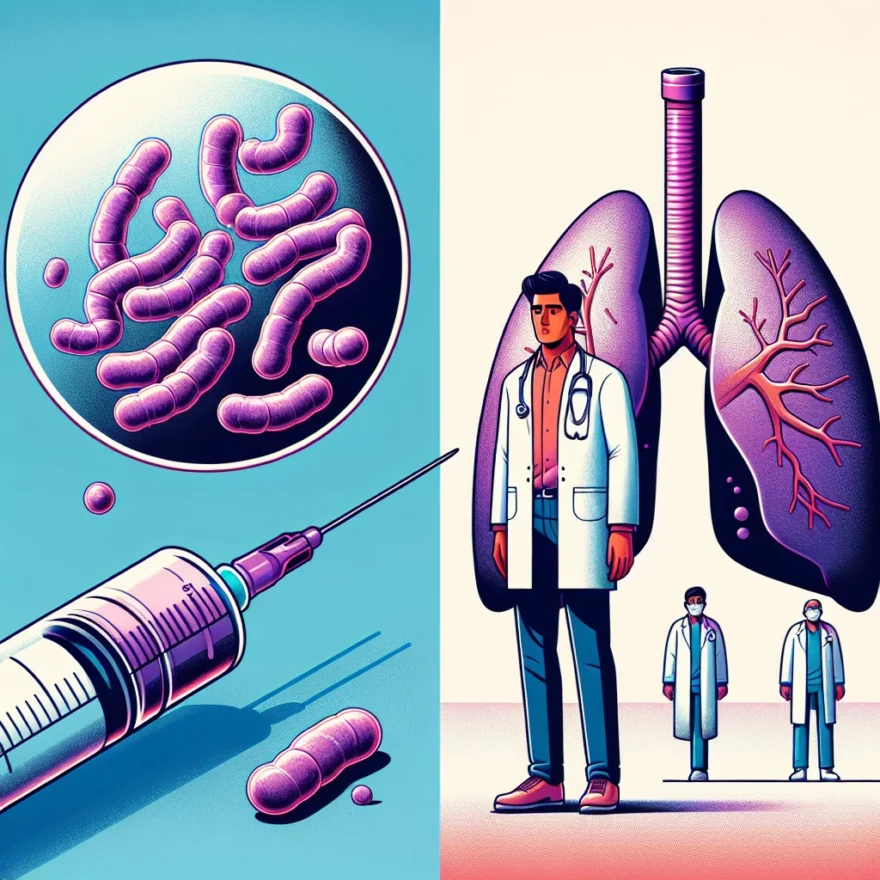
Understanding Streptococcus pneumoniae
Streptococcus pneumoniae, also known as pneumococcus, is a type of bacteria that is often found in the upper respiratory tract of healthy individuals. Although it can live harmlessly in our bodies, under certain conditions, it can cause serious illnesses. This bacterium is the leading cause of bacterial pneumonia, a lung infection that can be life-threatening, especially in the elderly, infants, and people with weakened immune systems.
Streptococcus pneumoniae is encapsulated, meaning it has a protective layer around it that helps it evade the immune system. This makes it a particularly potent pathogen. It is a gram-positive bacterium, which refers to its ability to retain a violet-blue color in a specific type of staining process used in microbiology. This is an important characteristic that helps in its identification and classification.
There are more than 90 different strains or serotypes of Streptococcus pneumoniae, each with a slightly different capsule. Some strains are more virulent than others, meaning they are more likely to cause disease. The diversity of strains is one of the challenges in controlling pneumococcal diseases.
Streptococcus pneumoniae can spread from person to person through respiratory droplets. When an infected person sneezes, coughs, or talks, they can release these bacteria into the air. If you breathe in these droplets, you can get infected. It can also spread through direct contact with an infected person, such as kissing or sharing utensils.
While Streptococcus pneumoniae is most commonly associated with pneumonia, it can also cause a range of other infections. It is a common cause of sinusitis and middle ear infections in children. It can also cause more serious and invasive diseases such as bacteremia (bacteria in the blood), meningitis (inflammation of the membranes surrounding the brain and spinal cord), and septicemia (a severe and potentially deadly infection that can spread rapidly throughout the body).
Understanding Streptococcus pneumoniae and how it causes disease is crucial in the development of effective treatments and vaccines. Research is ongoing to develop better ways to prevent and treat infections caused by this bacterium.
Table of contents
- Understanding Streptococcus pneumoniae
- Streptococcus pneumoniae and Pneumonia: The Connection
- Symptoms and Diagnosis of Streptococcus pneumoniae Infections
- Treatment Options for Pneumonia Caused by Streptococcus pneumoniae
- Prevention Strategies Against Streptococcus pneumoniae
- Complications of Streptococcus pneumoniae Pneumonia
- Understanding the Pneumococcal Vaccine
- Streptococcus pneumoniae and Children: A Special Focus
- Streptococcus pneumoniae and the Elderly: A Special Focus
- Streptococcus pneumoniae in the Age of Antibiotic Resistance
- Frequently Asked Questions About Streptococcus pneumoniae and Pneumonia
Streptococcus pneumoniae and Pneumonia: The Connection
Pneumonia, a severe respiratory infection affecting the lungs, is primarily caused by the bacterium Streptococcus pneumoniae. The connection between this bacterium and pneumonia is a significant one, with Streptococcus pneumoniae being the most common bacterial cause of this disease.
Streptococcus pneumoniae is a bacterium that naturally resides in the upper respiratory tract, particularly the nose and throat, of many people without causing disease. However, in certain circumstances, this bacterium can invade other parts of the body and cause various diseases. Pneumonia occurs when Streptococcus pneumoniae invades the lungs.
When the bacteria enter the lungs, they cause inflammation and swelling of the lung tissue. This inflammation leads to the accumulation of fluid and pus in the lungs, causing the characteristic symptoms of pneumonia such as cough, fever, and difficulty breathing.
Several factors can contribute to the development of pneumonia caused by Streptococcus pneumoniae. These factors include a weakened immune system, which can occur due to age, certain medical conditions, or treatments that suppress the immune system. Other factors such as smoking, chronic lung diseases, and viral respiratory infections can also increase the risk of developing pneumonia.
It is important to note that not everyone who is exposed to Streptococcus pneumoniae will develop pneumonia. The bacterium can be present in the respiratory tract without causing disease. However, if the conditions are right, the bacterium can multiply and spread, leading to pneumonia.
Understanding the connection between Streptococcus pneumoniae and pneumonia is crucial for developing effective prevention and treatment strategies. This understanding can also help in the early detection and management of the disease, thereby reducing its impact and improving patient outcomes.
Symptoms and Diagnosis of Streptococcus pneumoniae Infections
Streptococcus pneumoniae, commonly known as pneumococcus, is a bacterium that can cause a range of infections, with pneumonia being one of the most common and serious. Recognizing the symptoms and diagnosing Streptococcus pneumoniae infections is crucial for prompt and effective treatment.
The symptoms of pneumonia caused by Streptococcus pneumoniae can vary depending on the age and overall health of the individual. In adults, common symptoms include:
- Cough, often producing phlegm
- Shortness of breath or difficulty breathing
- Chest pain, especially when breathing or coughing
- Fever, sometimes accompanied by sweating and chills
- Fatigue and weakness
- Loss of appetite
- Confusion or changes in mental alertness
In children, the symptoms of Streptococcus pneumoniae pneumonia may be slightly different. They can include:
- Cough, often with yellow or green mucus
- Rapid or difficult breathing
- Fever
- Irritability or fussiness
- Poor feeding or decreased appetite
- Lethargy or decreased activity
- Nasal congestion
It’s important to note that these symptoms can also be indicative of other respiratory infections, so a proper diagnosis is necessary to identify Streptococcus pneumoniae as the cause.
Diagnosing Streptococcus pneumoniae infections typically involves a combination of clinical evaluation, laboratory tests, and imaging studies. During a physical examination, a healthcare professional will listen to the lungs with a stethoscope to check for abnormal sounds, such as crackling or wheezing.
Lab tests, such as blood cultures and sputum analysis, can help identify the presence of Streptococcus pneumoniae bacteria and determine the most appropriate antibiotic treatment. In some cases, a chest X-ray or a CT scan may be ordered to assess the extent of lung involvement and rule out other potential causes of pneumonia.
It’s worth mentioning that accurate and timely diagnosis is crucial for effective treatment, as well as to prevent the spread of the infection to others. If you or a loved one experience symptoms of pneumonia, it is important to seek medical attention promptly for proper evaluation and diagnosis.
Treatment Options for Pneumonia Caused by Streptococcus pneumoniae
When it comes to treating pneumonia caused by Streptococcus pneumoniae, prompt and appropriate medical intervention is crucial. The treatment options for this type of pneumonia typically involve a combination of antibiotics, supportive care, and management of complications.
Antibiotics: Antibiotics are the cornerstone of treatment for pneumonia caused by Streptococcus pneumoniae. The choice of antibiotics depends on various factors such as the severity of the infection, the age of the patient, and any underlying health conditions. Commonly prescribed antibiotics include penicillin, amoxicillin, ceftriaxone, and macrolides like azithromycin or clarithromycin. It is important to complete the full course of antibiotics as prescribed by the healthcare provider to ensure effective eradication of the bacteria.
Supportive Care: In addition to antibiotics, supportive care plays a vital role in the treatment of pneumonia caused by Streptococcus pneumoniae. This includes measures to alleviate symptoms and improve overall well-being. Some of the supportive care options may include:
- Rest and adequate hydration to promote recovery
- Fever-reducing medications like acetaminophen or ibuprofen to alleviate high body temperature
- Cough suppressants or expectorants to relieve cough symptoms
- Oxygen therapy for patients with low oxygen levels
- Intravenous fluids for patients who are unable to drink enough fluids orally
Complication Management: In some cases, pneumonia caused by Streptococcus pneumoniae can lead to complications such as pleural effusion (accumulation of fluid around the lungs) or empyema (pus-filled cavity in the lungs). These complications may require additional interventions such as drainage of fluid or surgical procedures to remove infected material.
Prevention: Prevention is always better than cure, and there are measures that can be taken to reduce the risk of developing pneumonia caused by Streptococcus pneumoniae. These include:
- Vaccination: The pneumococcal vaccine is highly effective in preventing pneumonia caused by Streptococcus pneumoniae. It is recommended for infants, young children, adults over the age of 65, and individuals with certain medical conditions.
- Good hygiene practices: Regular handwashing, covering the mouth and nose while coughing or sneezing, and avoiding close contact with individuals who have respiratory infections can help reduce the spread of the bacteria.
- Smoking cessation: Smoking damages the respiratory system and weakens the immune system, making individuals more susceptible to respiratory infections like pneumonia.
- Managing underlying health conditions: Proper management of chronic conditions such as diabetes, heart disease, and lung disease can help reduce the risk of developing pneumonia.
It is important to note that self-medication or over-the-counter antibiotics should be avoided. Proper diagnosis and treatment by a qualified healthcare professional are essential for effective management of pneumonia caused by Streptococcus pneumoniae.
Prevention Strategies Against Streptococcus pneumoniae
Prevention Strategies Against Streptococcus pneumoniae
Preventing Streptococcus pneumoniae infections is crucial in reducing the incidence of pneumonia caused by this bacterium. Here are some effective prevention strategies:
- Vaccination: The pneumococcal vaccine is a powerful tool in preventing infections caused by Streptococcus pneumoniae. There are two types of pneumococcal vaccines available: the pneumococcal conjugate vaccine (PCV13) and the pneumococcal polysaccharide vaccine (PPSV23). These vaccines provide protection against the most common strains of Streptococcus pneumoniae that cause pneumonia and other invasive diseases. It is recommended that children, adults over the age of 65, and individuals with certain medical conditions receive the pneumococcal vaccine.
- Good hygiene practices: Practicing good hygiene can help reduce the risk of contracting and spreading Streptococcus pneumoniae. This includes washing hands frequently with soap and water, especially before eating or touching the face, and covering the mouth and nose with a tissue or elbow when coughing or sneezing.
- Avoiding close contact: Streptococcus pneumoniae is spread through respiratory droplets. Avoiding close contact with individuals who have respiratory infections, such as colds or the flu, can help reduce the risk of exposure to the bacterium.
- Quitting smoking: Smoking damages the respiratory system and weakens the immune system, making individuals more susceptible to infections, including those caused by Streptococcus pneumoniae. Quitting smoking can significantly reduce the risk of pneumonia and other respiratory infections.
- Maintaining a healthy lifestyle: A strong immune system is essential in fighting off infections. Eating a balanced diet, getting regular exercise, managing stress, and getting enough sleep are all important in maintaining a healthy immune system.
- Preventing the spread of infection: If you have a respiratory infection, it is important to take measures to prevent the spread of the infection to others. This includes staying home from work or school, covering the mouth and nose when coughing or sneezing, and properly disposing of tissues.
- Antibiotic stewardship: Overuse and misuse of antibiotics have contributed to the development of antibiotic-resistant strains of Streptococcus pneumoniae. It is important to use antibiotics judiciously and only when necessary, as recommended by healthcare professionals.
By implementing these prevention strategies, individuals can reduce their risk of contracting Streptococcus pneumoniae infections and prevent the occurrence of pneumonia caused by this bacterium.
Complications of Streptococcus pneumoniae Pneumonia
Complications of Streptococcus pneumoniae Pneumonia
While pneumonia caused by Streptococcus pneumoniae can often be successfully treated, it is important to be aware of the potential complications that can arise from this infection. These complications can occur due to the invasive nature of the bacteria and the body’s immune response to the infection. Here are some of the possible complications associated with Streptococcus pneumoniae pneumonia:
1. Bacteremia: Streptococcus pneumoniae can enter the bloodstream, leading to bacteremia. This condition occurs when bacteria spread from the lungs to other parts of the body through the bloodstream. Bacteremia can lead to serious complications, such as sepsis, where the infection spreads throughout the body and can be life-threatening if not treated promptly.
2. Empyema: In some cases, the infection can cause the formation of an empyema, which is a collection of pus in the pleural cavity surrounding the lungs. This can lead to symptoms such as chest pain, difficulty breathing, and persistent cough. Empyema often requires drainage and antibiotic treatment.
3. Lung Abscess: Streptococcus pneumoniae pneumonia can sometimes lead to the formation of a lung abscess. This occurs when a cavity filled with pus forms in the lung tissue. Lung abscesses can cause symptoms such as coughing up blood, chest pain, and weight loss. Treatment typically involves antibiotics and, in some cases, drainage of the abscess.
4. Meningitis: Although less common, Streptococcus pneumoniae can also cause meningitis, which is the inflammation of the membranes surrounding the brain and spinal cord. Meningitis can result in severe complications, including brain damage and even death. Prompt medical attention is crucial if meningitis is suspected.
5. Endocarditis: Streptococcus pneumoniae can infect the heart valves, leading to a condition called endocarditis. This can cause symptoms such as fever, fatigue, and heart murmurs. Endocarditis requires specialized treatment, often including long-term antibiotic therapy and, in some cases, surgery to repair or replace the damaged heart valve.
6. Respiratory Failure: In severe cases of Streptococcus pneumoniae pneumonia, respiratory failure can occur. This happens when the lungs are unable to provide enough oxygen to the body or remove carbon dioxide effectively. Respiratory failure is a medical emergency and may require mechanical ventilation to support breathing.
It is important to note that while these complications can occur, they are relatively rare. Prompt diagnosis and appropriate treatment of Streptococcus pneumoniae pneumonia can significantly reduce the risk of developing complications. However, it is essential to seek medical attention if you or a loved one experience worsening symptoms or if you have any concerns about potential complications.
Understanding the Pneumococcal Vaccine
One of the most effective ways to prevent Streptococcus pneumoniae infections, particularly pneumonia, is through vaccination. The pneumococcal vaccine is specifically designed to protect against the bacteria responsible for causing pneumococcal diseases.
The vaccine works by stimulating the immune system to produce antibodies that can recognize and fight against the specific strains of Streptococcus pneumoniae. This helps to prevent the bacteria from colonizing and causing infections in the respiratory tract.
There are currently two types of pneumococcal vaccines available:
- Pneumococcal conjugate vaccine (PCV): This vaccine is recommended for infants and young children, as well as certain high-risk individuals, such as those with weakened immune systems or chronic medical conditions. PCV provides protection against the most common strains of Streptococcus pneumoniae that cause invasive diseases like pneumonia, meningitis, and bloodstream infections.
- Pneumococcal polysaccharide vaccine (PPSV): This vaccine is recommended for adults aged 65 and older, as well as individuals aged 2 to 64 with certain medical conditions or other risk factors. PPSV provides protection against a broader range of Streptococcus pneumoniae strains, including those that cause pneumonia.
It’s important to note that the pneumococcal vaccine does not provide 100% protection against all strains of Streptococcus pneumoniae. However, it significantly reduces the risk of developing severe infections and helps to prevent complications associated with pneumococcal diseases.
The pneumococcal vaccine is generally safe and well-tolerated. Common side effects may include pain or redness at the injection site, mild fever, and fatigue. Serious side effects are rare.
It’s recommended to follow the vaccination schedule recommended by healthcare professionals to ensure optimal protection against Streptococcus pneumoniae infections. In some cases, booster doses may be necessary to maintain immunity, especially for high-risk individuals.
It’s important to remember that vaccination not only protects the individual receiving the vaccine but also helps to reduce the overall spread of Streptococcus pneumoniae in the community. By getting vaccinated, you contribute to the prevention of pneumococcal diseases and help protect those who may be more vulnerable to severe infections.
Streptococcus pneumoniae and Children: A Special Focus
Children are particularly vulnerable to infections caused by Streptococcus pneumoniae. This bacterium is responsible for a significant number of pneumonia cases in children worldwide. Understanding the impact of Streptococcus pneumoniae on children’s health is crucial for effective prevention and treatment strategies.
Transmission: Streptococcus pneumoniae is highly contagious and can spread easily from person to person through respiratory droplets. Children, especially those in close contact with each other, are more susceptible to contracting the bacteria. This can occur in settings such as schools, daycare centers, and playgrounds.
Symptoms: Children infected with Streptococcus pneumoniae may experience symptoms such as high fever, cough, rapid breathing, chest pain, and fatigue. In severe cases, they may also develop difficulty breathing and bluish discoloration of the lips and nails due to lack of oxygen.
Diagnosis: To diagnose Streptococcus pneumoniae infection in children, healthcare providers may perform a physical examination, review the child’s medical history, and order tests such as blood cultures, chest X-rays, and sputum analysis. These tests help identify the presence of the bacteria and determine the severity of the infection.
Treatment: Prompt treatment is essential to manage Streptococcus pneumoniae infections in children. Antibiotics are commonly prescribed to combat the bacteria and alleviate symptoms. It is important to complete the full course of antibiotics as prescribed by the healthcare provider to ensure complete eradication of the bacteria.
Prevention: Vaccination plays a vital role in preventing Streptococcus pneumoniae infections in children. The pneumococcal conjugate vaccine (PCV) is recommended for all infants and young children to protect against the most common strains of the bacteria. Maintaining good hygiene practices, such as regular handwashing and covering the mouth and nose when coughing or sneezing, can also help reduce the risk of transmission.
Complications: If left untreated, Streptococcus pneumoniae infections in children can lead to severe complications, including meningitis, sepsis, and pneumonia-related complications. These complications can cause long-term health issues and, in some cases, be life-threatening.
Elderly: While Streptococcus pneumoniae infections are more prevalent in children, it is important to note that the elderly population is also at higher risk. Older adults, especially those with weakened immune systems, chronic illnesses, or residing in long-term care facilities, are more susceptible to severe pneumococcal infections. Vaccination and early detection of symptoms are crucial in protecting this vulnerable population.
Antibiotic Resistance: Streptococcus pneumoniae has shown increasing resistance to antibiotics in recent years. This poses a significant challenge in the treatment of pneumococcal infections, including those in children. Healthcare providers must be vigilant in prescribing appropriate antibiotics and monitoring the effectiveness of treatment.
Conclusion: Streptococcus pneumoniae is a leading cause of pneumonia, particularly in children. Understanding the impact of this bacterium on children’s health is essential for effective prevention, early diagnosis, and prompt treatment. Vaccination, good hygiene practices, and appropriate antibiotic use are key strategies in combating Streptococcus pneumoniae infections and safeguarding the health of children and the elderly.
Streptococcus pneumoniae and the Elderly: A Special Focus
As we age, our immune system naturally weakens, making us more susceptible to infections and diseases. Streptococcus pneumoniae, the leading cause of pneumonia, is particularly concerning for the elderly population. Pneumonia caused by Streptococcus pneumoniae can have serious consequences for older adults, leading to increased hospitalizations and mortality rates.
Elderly individuals are at a higher risk of contracting pneumococcal infections due to several factors. Firstly, age-related changes in the respiratory system, such as decreased lung function and weakened cough reflex, make it easier for the bacteria to invade the lungs and cause infection. Additionally, underlying health conditions commonly found in older adults, such as chronic obstructive pulmonary disease (COPD), diabetes, and heart disease, further increase the risk of developing pneumonia.
The symptoms of Streptococcus pneumoniae pneumonia in the elderly can be similar to those experienced by younger individuals, including cough, chest pain, shortness of breath, and fever. However, older adults may also present with atypical symptoms such as confusion, delirium, and worsening of pre-existing conditions. This can make the diagnosis more challenging, as these symptoms may be attributed to other age-related factors.
Diagnosing Streptococcus pneumoniae pneumonia in the elderly often involves a combination of physical examination, medical history review, and laboratory tests. Chest X-rays and blood cultures are commonly used to confirm the presence of the bacteria and determine the severity of the infection.
Treatment options for pneumonia caused by Streptococcus pneumoniae in the elderly are similar to those for other age groups. However, due to the higher risk of complications and the potential for antibiotic resistance, healthcare providers may opt for more aggressive treatment approaches. This may include hospitalization, intravenous antibiotics, and close monitoring of the patient’s condition.
Prevention is crucial when it comes to protecting the elderly population from Streptococcus pneumoniae infections. Vaccination is highly recommended for individuals over the age of 65, as well as those with certain medical conditions. The pneumococcal vaccine helps to stimulate the immune system and reduce the risk of developing pneumonia caused by Streptococcus pneumoniae.
It is important for caregivers and family members to be vigilant in observing any changes in the health of elderly individuals. Prompt medical attention should be sought if symptoms of pneumonia, such as persistent cough, difficulty breathing, and fever, are observed.
In conclusion, Streptococcus pneumoniae pneumonia poses a significant threat to the elderly population. Understanding the increased risk factors, recognizing atypical symptoms, and taking preventive measures such as vaccination are essential in protecting older adults from this potentially life-threatening infection.
Streptococcus pneumoniae in the Age of Antibiotic Resistance
Antibiotic resistance has become a growing concern in the field of medicine, and Streptococcus pneumoniae is no exception. Over the years, this bacterium has developed resistance to multiple antibiotics, making the treatment of pneumococcal infections more challenging.
The emergence of antibiotic resistance is primarily attributed to the overuse and misuse of antibiotics. When antibiotics are used frequently or inappropriately, bacteria like Streptococcus pneumoniae can adapt and develop mechanisms to survive the effects of these drugs.
One of the main concerns with antibiotic resistance in Streptococcus pneumoniae is the reduced effectiveness of commonly used antibiotics such as penicillin. In the past, penicillin was highly effective in treating pneumococcal infections. However, due to the development of resistance, higher doses or alternative antibiotics may be required to combat the infection.
Another challenge posed by antibiotic resistance is the increased risk of treatment failure and complications. When antibiotics are unable to effectively kill the bacteria, the infection may persist, leading to prolonged illness and potential spread to other organs or systems in the body.
In recent years, healthcare professionals have been emphasizing the importance of responsible antibiotic use to combat antibiotic resistance. This includes prescribing antibiotics only when necessary, completing the full course of prescribed antibiotics, and avoiding the use of antibiotics for viral infections, as they are ineffective against viruses.
As a preventive measure, vaccination plays a crucial role in reducing the incidence of pneumococcal infections caused by antibiotic-resistant strains of Streptococcus pneumoniae. The pneumococcal vaccine helps to stimulate the immune system to recognize and fight against the bacteria, reducing the risk of infection and its associated complications.
It is important to note that while antibiotic resistance is a significant concern, there are still effective treatment options available for pneumococcal infections caused by Streptococcus pneumoniae. Healthcare professionals may need to utilize alternative antibiotics or combination therapies to ensure successful treatment.
Continued research and surveillance are essential in understanding the mechanisms of antibiotic resistance in Streptococcus pneumoniae and developing new strategies to combat it. By staying vigilant and implementing responsible antibiotic use practices, we can work towards preserving the effectiveness of antibiotics and reducing the impact of antibiotic resistance on pneumococcal infections.
Frequently Asked Questions About Streptococcus pneumoniae and Pneumonia
FAQs About Streptococcus pneumoniae and Pneumonia
Here are some frequently asked questions about Streptococcus pneumoniae and pneumonia:
1. What is Streptococcus pneumoniae?
Streptococcus pneumoniae, also known as pneumococcus, is a type of bacteria that commonly resides in the nose and throat of healthy individuals. However, it can cause various infections, including pneumonia, when it enters the lungs.
2. How does Streptococcus pneumoniae cause pneumonia?
When Streptococcus pneumoniae bacteria enter the lungs, they can cause inflammation and infection in the air sacs, leading to pneumonia. The bacteria can spread through respiratory droplets when an infected person coughs or sneezes.
3. What are the symptoms of Streptococcus pneumoniae infections?
The symptoms of Streptococcus pneumoniae infections, including pneumonia, can vary but commonly include:
- Cough
- Fever
- Shortness of breath
- Chest pain
- Fatigue
- Confusion (especially in older adults)
4. How is Streptococcus pneumoniae pneumonia diagnosed?
Diagnosis of Streptococcus pneumoniae pneumonia typically involves a combination of symptoms evaluation, physical examination, and diagnostic tests such as chest X-rays, blood tests, and sputum cultures to identify the bacteria.
5. What are the treatment options for pneumonia caused by Streptococcus pneumoniae?
Treatment for pneumonia caused by Streptococcus pneumoniae usually involves antibiotics to eliminate the bacteria. The specific antibiotic prescribed may depend on factors such as the severity of the infection and antibiotic resistance patterns in the region.
6. How can Streptococcus pneumoniae infections be prevented?
Prevention strategies against Streptococcus pneumoniae infections include:
- Getting vaccinated with the pneumococcal vaccine
- Practicing good hand hygiene
- Avoiding close contact with individuals who have respiratory infections
- Quitting smoking
- Maintaining a healthy lifestyle to strengthen the immune system
7. What are the complications of Streptococcus pneumoniae pneumonia?
Complications of Streptococcus pneumoniae pneumonia can include:
- Lung abscesses
- Pleural effusion (accumulation of fluid around the lungs)
- Bacteremia (bacteria in the bloodstream)
- Meningitis (infection of the membranes surrounding the brain and spinal cord)
8. What is the pneumococcal vaccine?
The pneumococcal vaccine is a vaccine that helps protect against infections caused by Streptococcus pneumoniae. It is recommended for children, older adults, and individuals with certain medical conditions.
9. How does Streptococcus pneumoniae affect children?
Streptococcus pneumoniae can affect children by causing various infections, including ear infections, sinusitis, and pneumonia. Vaccination is an important preventive measure for children to reduce the risk of these infections.
10. How does Streptococcus pneumoniae affect the elderly?
The elderly population is particularly susceptible to severe complications from Streptococcus pneumoniae infections, including pneumonia. Vaccination is crucial for protecting older adults and reducing the risk of serious illness.
11. How does antibiotic resistance impact Streptococcus pneumoniae infections?
Antibiotic resistance is a growing concern in the treatment of Streptococcus pneumoniae infections. Some strains of the bacteria have developed resistance to commonly used antibiotics, making it more challenging to treat infections effectively.
These are just a few of the frequently asked questions about Streptococcus pneumoniae and pneumonia. If you have any specific concerns or questions, it is always best to consult with a healthcare professional for personalized advice.