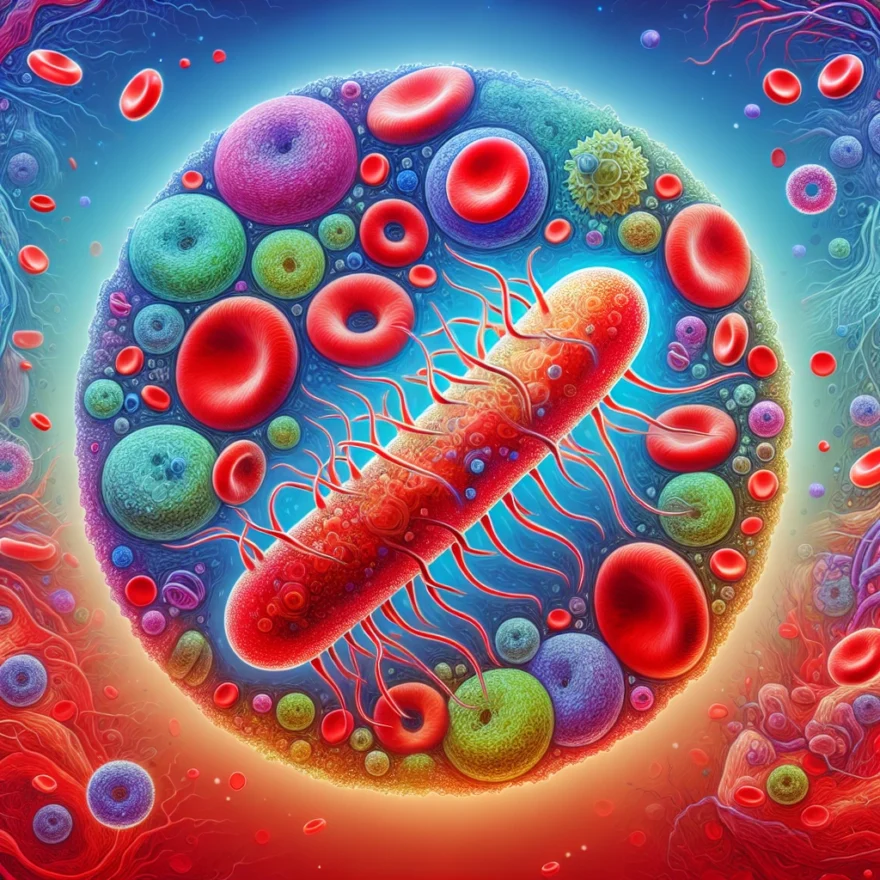
Introduction to Treponema pallidum
Stealthy, elusive, and notorious for its role in one of the most infamous sexually transmitted infections, Treponema pallidum is the bacterium responsible for syphilis. This spiral-shaped bacterium, also referred to as a spirochete, is known for its ability to evade the immune system and cause a range of symptoms that can often be mistaken for other diseases.
Treponema pallidum was first identified in the late 19th century and since then, it has been the subject of extensive research. Despite the advancements in medical science, this bacterium continues to pose significant challenges due to its complex structure, unique mode of transmission, and the diverse presentation of symptoms. The understanding of Treponema pallidum is not only crucial for diagnosing and treating syphilis, but it also offers valuable insights into the intricate mechanisms of bacterial pathogenesis and immune evasion.
Interestingly, Treponema pallidum cannot be cultured in the lab, a factor that has hindered the progress of research. It is an obligate human pathogen, meaning it is strictly dependent on the human body for its survival and propagation. This characteristic, combined with its stealthy nature, has earned it the title of the ‘stealthy syphilis bacterium’.
Within the human body, Treponema pallidum can disseminate rapidly and affect various organ systems. It can also cross the placenta and infect the fetus, leading to congenital syphilis. The ability of this bacterium to cause long-term complications, if left untreated, underscores the importance of early detection and prompt treatment.
Despite the availability of effective treatment options, syphilis remains a global health concern. The World Health Organization estimates that each year, there are about 6 million new cases of syphilis worldwide. This calls for a comprehensive understanding of Treponema pallidum, not only from a clinical perspective but also from a public health standpoint.
In this article, we delve into the world of Treponema pallidum, exploring its structure, mode of transmission, and the disease it causes. We also discuss the diagnostic process, treatment options, and preventive measures for syphilis. Additionally, we look at the global impact of syphilis, its historical context, and the future perspectives on Treponema pallidum research.
Table of contents
- Introduction to Treponema pallidum
- The Structure of Treponema pallidum
- Understanding the Transmission of Syphilis
- Symptoms and Stages of Syphilis
- The Diagnostic Process for Syphilis
- Treatment Options for Syphilis
- Prevention and Control of Syphilis
- The Global Impact of Syphilis
- The History of Syphilis and Treponema pallidum
- Research and Future Perspectives on Treponema pallidum
- Frequently Asked Questions about Treponema pallidum and Syphilis
The Structure of Treponema pallidum
Unraveling the mysteries of the Treponema pallidum bacterium begins with understanding its unique structure. This bacterium, which is the causative agent of syphilis, is a spirochete. This term, derived from the Greek words for coil and hair, perfectly describes its characteristic form: a long, slender, helically coiled shape that is not only distinctive but also crucial to its survival and virulence.
Treponema pallidum is an obligate human pathogen, meaning it relies solely on the human body to survive and reproduce. It possesses a double membrane, similar to other Gram-negative bacteria, but lacks the traditional peptidoglycan layer typically found in bacterial cell walls. Instead, it has a thin layer of peptidoglycan sandwiched between its inner and outer membranes, which allows it to avoid detection by the host’s immune system.
The outer membrane of Treponema pallidum is largely devoid of the lipopolysaccharides commonly found in other bacteria. This absence is another stealthy adaptation that helps it evade the immune response. Instead, the outer membrane is covered in a dense layer of proteins, some of which are thought to interact with host tissues, facilitating the bacterium’s invasion and dissemination within the host.
Inside the bacterium, the cytoplasm houses a number of essential structures including a nucleoid containing the bacterial DNA, ribosomes for protein synthesis, and various enzymes necessary for metabolic functions. Interestingly, Treponema pallidum lacks many common metabolic pathways, relying instead on the host for nutrients.
Perhaps the most fascinating aspect of Treponema pallidum’s structure is its endoflagella. These internal flagella are located in the periplasmic space between the inner and outer membranes and wrap around the cell body. When they rotate, they cause the entire bacterium to twist and turn in a corkscrew-like motion. This unique mode of movement, known as translational motility, allows Treponema pallidum to move through viscous environments, such as the mucous membranes and connective tissues of the human body, facilitating its spread and invasion.
Understanding the structure of Treponema pallidum is key to comprehending its stealthy nature and the ways in which it causes disease. Each component of its structure plays a part in its survival, virulence, and pathogenesis, making it a formidable pathogen and a fascinating subject of study.
Understanding the Transmission of Syphilis
Syphilis is a sexually transmitted infection caused by the bacterium Treponema pallidum. Understanding how syphilis is transmitted is crucial in preventing its spread and protecting oneself from infection.
The primary mode of transmission for syphilis is through sexual contact. This includes vaginal, anal, and oral sex with an infected individual. The bacterium can enter the body through small cuts or abrasions in the skin or mucous membranes, allowing it to easily spread from one person to another during sexual activity.
It is important to note that syphilis can also be transmitted from an infected mother to her unborn child during pregnancy or childbirth. This is known as congenital syphilis and can have severe consequences for the baby, including stillbirth, developmental delays, and organ damage.
In rare cases, syphilis can be transmitted through non-sexual means. This can occur through direct contact with syphilis sores or through the sharing of contaminated objects such as needles or razors. However, sexual contact remains the primary mode of transmission.
It is worth mentioning that syphilis is not transmitted through casual contact such as hugging, kissing, sharing utensils, or using public facilities like swimming pools or toilets.
It is important to practice safe sex to reduce the risk of syphilis transmission. This includes using condoms consistently and correctly, getting regular sexual health check-ups, and being aware of your partner’s sexual history. Additionally, pregnant women should seek early prenatal care to screen for syphilis and receive appropriate treatment if necessary.
Understanding how syphilis is transmitted is crucial in preventing its spread. By practicing safe sex and seeking timely medical care, we can work towards reducing the prevalence of syphilis and protecting ourselves and our communities from this stealthy bacterium, Treponema pallidum.
Symptoms and Stages of Syphilis
One of the most distinctive aspects of syphilis is its progression through different stages, each characterized by specific symptoms. Understanding these stages is crucial for timely diagnosis and treatment.
The primary stage of syphilis begins with the appearance of a painless sore, known as a chancre, at the site of infection. This sore is usually firm and round, and it can occur on the genitals, anus, lips, or other parts of the body. The chancre is highly contagious, and individuals may remain unaware of its presence.
If left untreated, syphilis progresses to the secondary stage, which can manifest a wide range of symptoms. These may include a rash on the palms of the hands and soles of the feet, flu-like symptoms such as fever and fatigue, swollen lymph nodes, sore throat, and patchy hair loss. These symptoms may come and go over a period of several weeks or months.
Following the secondary stage, syphilis enters a latent stage where there are no visible symptoms. However, the bacteria remain in the body and can still be transmitted to others. This latent stage can last for years, making it difficult to detect and diagnose syphilis without appropriate testing.
If syphilis remains untreated during the latent stage, it can progress to the tertiary stage, which is the most severe and potentially life-threatening. Tertiary syphilis can affect multiple organ systems, including the heart, brain, blood vessels, and bones. Symptoms may include severe neurological problems, cardiovascular complications, blindness, and damage to internal organs. Tertiary syphilis can cause significant long-term damage and even be fatal.
It is important to note that not everyone infected with syphilis will progress through all stages. Some individuals may remain in the primary or secondary stages for an extended period, while others may progress rapidly to the tertiary stage.
Early detection and treatment are crucial in preventing the progression of syphilis and reducing the risk of complications. If you suspect you may have been exposed to syphilis or are experiencing any symptoms, it is essential to seek medical attention promptly.
The Diagnostic Process for Syphilis
Diagnosing syphilis involves a multi-step process that includes various tests and examinations. Due to the stealthy nature of the Treponema pallidum bacterium, accurate and timely diagnosis is crucial for effective treatment and prevention of further transmission.
The diagnostic process for syphilis typically begins with a comprehensive medical history and physical examination. The healthcare provider will inquire about any symptoms or potential risk factors, such as recent sexual activity or exposure to someone with syphilis. They will also examine the patient for any visible signs of syphilis, such as sores or rashes.
One of the primary tests used to diagnose syphilis is a blood test. There are several types of blood tests available, including:
- Non-treponemal tests: These tests, such as the Venereal Disease Research Laboratory (VDRL) and Rapid Plasma Reagin (RPR) tests, detect antibodies produced by the body in response to a syphilis infection. They are generally used as screening tests but may require confirmation with treponemal tests.
- Treponemal tests: These tests, such as the Treponema pallidum Particle Agglutination (TP-PA) and Fluorescent Treponemal Antibody Absorption (FTA-ABS) tests, detect specific antibodies that directly target the Treponema pallidum bacterium. They are more specific and confirmatory tests for syphilis.
In some cases, additional tests may be performed to further confirm a syphilis diagnosis or to assess the stage of the infection. These tests may include:
- Cerebrospinal fluid (CSF) examination: If neurosyphilis is suspected, a sample of cerebrospinal fluid may be collected and tested for the presence of the bacterium or antibodies.
- Darkfield microscopy: This test involves examining a sample from a syphilis sore or rash under a microscope to directly visualize the Treponema pallidum bacterium.
- PCR (polymerase chain reaction) test: This molecular test can detect the genetic material of the bacterium in samples from sores or body fluids.
It is important to note that the accuracy of syphilis tests can vary depending on the stage of the infection. In the early stages, the tests may yield false-negative results, while in later stages, the tests are more likely to be accurate.
Once a syphilis diagnosis is confirmed, further evaluation may be necessary to determine the stage of the infection and whether it has spread to other parts of the body. This may involve additional tests, such as imaging studies or biopsies.
Overall, the diagnostic process for syphilis involves a combination of medical history, physical examination, and laboratory tests. Early detection and prompt treatment are essential for managing syphilis and preventing complications.
Treatment Options for Syphilis
When it comes to treating syphilis, there are several options available depending on the stage of the infection. It is important to note that early detection and treatment are crucial in managing syphilis effectively and preventing complications.
1. Antibiotics: Antibiotics are the primary treatment for syphilis. The type and duration of antibiotic therapy will depend on the stage of the infection. Penicillin is the preferred antibiotic for treating syphilis and is usually administered through intramuscular injection. In cases of penicillin allergy, alternative antibiotics such as doxycycline or tetracycline may be used.
2. Early Syphilis: In the early stages of syphilis, a single dose of penicillin is often sufficient to cure the infection. This is typically administered as an intramuscular injection. If the infection has been present for less than a year, a single injection of penicillin is usually effective. However, if the infection has been present for longer, a series of injections may be required.
3. Late Syphilis: If syphilis has progressed to the late stage, a longer course of antibiotic treatment may be necessary. This is because the bacteria may have spread throughout the body, and it can be more challenging to eliminate. In such cases, multiple doses of penicillin are typically administered over a period of several weeks.
4. Neurosyphilis: Neurosyphilis is a form of syphilis that affects the central nervous system. In addition to antibiotics, treatment for neurosyphilis may also involve the administration of corticosteroids to reduce inflammation and manage symptoms. The duration and type of antibiotic therapy will depend on the severity of the infection.
5. Partner Treatment: It is important for sexual partners of individuals diagnosed with syphilis to also undergo testing and treatment, even if they do not display any symptoms. This is crucial to prevent reinfection and further transmission of the bacteria. Treatment for partners typically involves a course of antibiotics similar to that of the infected individual.
6. Follow-Up Testing: After completing the prescribed course of treatment, it is essential to undergo follow-up testing to ensure that the infection has been successfully eradicated. This is particularly important for individuals with late-stage syphilis or those who have had the infection for an extended period.
It is important to note that during the treatment phase, individuals should abstain from sexual activity to prevent transmitting the infection to others. Additionally, it is crucial to complete the full course of antibiotics as prescribed by a healthcare professional, even if symptoms improve or disappear.
It is always recommended to consult a healthcare professional for the appropriate diagnosis and treatment of syphilis. They will consider various factors such as the stage of the infection, individual health status, and any potential allergies before determining the most suitable treatment plan.
Prevention and Control of Syphilis
Prevention and Control of Syphilis
Preventing the spread of syphilis and controlling its transmission is crucial in order to reduce the burden of this disease. Here are some key measures that can be taken to prevent and control syphilis:
1. Education and Awareness: Public education campaigns play a vital role in raising awareness about syphilis, its symptoms, and modes of transmission. By educating the general population, healthcare professionals, and at-risk groups, we can promote early detection and treatment.
2. Safe Sexual Practices: Practicing safe sex is essential to prevent the transmission of syphilis. This includes using barrier methods of contraception, such as condoms, during sexual intercourse. It is important to note that while condoms can reduce the risk of transmission, they may not provide complete protection, as syphilis can also be transmitted through contact with infected skin or mucous membranes.
3. Regular Testing: Routine testing for syphilis is recommended, especially for individuals who engage in high-risk sexual behavior or have multiple sexual partners. Early detection through regular testing can help in prompt treatment and prevent further transmission.
4. Partner Notification and Treatment: If an individual is diagnosed with syphilis, it is vital to inform their sexual partners so that they can seek testing and treatment. This helps in breaking the chain of transmission and preventing reinfection.
5. Screening and Treatment during Pregnancy: Pregnant women should undergo routine screening for syphilis to prevent transmission to the fetus. Early detection and treatment can significantly reduce the risk of congenital syphilis, which can have severe consequences for the newborn.
6. Access to Healthcare Services: Ensuring access to quality healthcare services, including affordable and accessible testing and treatment for syphilis, is crucial in preventing the spread of the disease. This includes providing resources and support to underserved populations and marginalized communities.
7. Contact Tracing: Contact tracing is an important strategy in controlling the spread of syphilis. Identifying and notifying individuals who may have been exposed to the infection allows for timely testing, treatment, and prevention of further transmission.
8. Syphilis Surveillance: Effective surveillance systems are essential for monitoring the prevalence, trends, and patterns of syphilis. This data helps in identifying high-risk populations, evaluating the impact of prevention programs, and guiding public health interventions.
9. Collaboration and Partnerships: Collaboration between healthcare providers, public health agencies, community organizations, and other stakeholders is crucial in implementing comprehensive prevention and control strategies. By working together, we can address the challenges associated with syphilis and improve outcomes.
By implementing these prevention and control measures, we can make significant progress in reducing the burden of syphilis and preventing its transmission. It is important to remember that prevention is key, and early detection and treatment are essential in managing syphilis effectively.
The Global Impact of Syphilis
Syphilis, caused by the stealthy bacterium Treponema pallidum, has a significant global impact on public health. The disease affects millions of people worldwide, with varying degrees of severity and consequences. Understanding the global impact of syphilis is crucial for developing effective prevention and control strategies.
One of the key aspects of the global impact of syphilis is its prevalence. Syphilis is considered a re-emerging disease, with increasing rates of infection reported in many parts of the world. The World Health Organization (WHO) estimates that there are about 6 million new cases of syphilis each year. This high number of new infections highlights the urgent need for comprehensive prevention and control measures.
Syphilis has a profound impact on individuals and communities. If left untreated, the disease can cause severe health complications, including damage to the heart, brain, and other organs. In pregnant women, syphilis can lead to stillbirth, neonatal death, or congenital syphilis, which can have lifelong consequences for the affected children.
The economic impact of syphilis is also significant. The costs associated with diagnosing and treating syphilis, as well as managing its complications, can be substantial. Additionally, the productivity losses resulting from the disease’s impact on individuals’ health and well-being further contribute to the economic burden.
The global impact of syphilis extends beyond the individual level. Syphilis can undermine public health efforts, as it increases the risk of HIV transmission. The presence of syphilis sores provides a gateway for the entry of the HIV virus, making individuals more susceptible to HIV infection. This synergy between syphilis and HIV underscores the importance of addressing both diseases in comprehensive public health strategies.
Furthermore, the global impact of syphilis is influenced by various social and cultural factors. Stigma and discrimination surrounding the disease can hinder individuals from seeking testing and treatment, leading to further transmission and complications. Addressing these social barriers is crucial for effective prevention and control of syphilis.
To mitigate the global impact of syphilis, it is essential to prioritize comprehensive prevention strategies. This includes promoting safe sexual practices, such as consistent and correct condom use, regular testing and treatment for syphilis and other sexually transmitted infections (STIs), and education and awareness campaigns to reduce stigma and increase knowledge about syphilis.
Additionally, strengthening healthcare systems to ensure accessible and affordable testing, treatment, and follow-up care is vital. Collaboration between governments, healthcare providers, researchers, and communities is necessary to develop and implement effective interventions to control the spread of syphilis and reduce its global impact.
Overall, the global impact of syphilis caused by Treponema pallidum is significant, affecting individuals, communities, and public health systems worldwide. By understanding the magnitude of the problem and implementing comprehensive prevention and control measures, we can work towards reducing the burden of syphilis and improving the health and well-being of affected individuals.
The History of Syphilis and Treponema pallidum
Throughout history, syphilis has been a disease shrouded in mystery and controversy. The origins of syphilis and its association with the bacterium Treponema pallidum have been the subject of much debate among researchers and historians.
The first recorded outbreak of syphilis occurred in Europe in the late 15th century, during a time when exploration and trade between continents were flourishing. It is believed that the disease was brought to Europe by Christopher Columbus and his crew upon their return from the New World. However, there is still ongoing debate about whether syphilis existed in the Old World prior to Columbus’ voyage or if it was a completely new disease.
At the time, syphilis was a highly stigmatized and misunderstood disease. It spread rapidly throughout Europe, causing widespread panic and fear. The symptoms of syphilis, which can vary depending on the stage of infection, include skin rashes, fever, fatigue, and in later stages, damage to the heart, brain, and other organs.
During the 19th century, the discovery of the bacterium responsible for syphilis, Treponema pallidum, marked a significant milestone in understanding the disease. In 1905, the German physician Fritz Schaudinn and his assistant Erich Hoffmann successfully identified and isolated the bacterium from syphilis patients.
With the identification of Treponema pallidum, researchers were able to develop more accurate diagnostic tests for syphilis. The Wassermann test, developed in the early 20th century, was the first serological test used to detect antibodies against the bacterium. This test revolutionized the diagnosis of syphilis and became a cornerstone in the field of serology.
Over the years, advancements in medical technology and research have led to a better understanding of Treponema pallidum and its interactions with the human body. The development of antibiotics, such as penicillin, revolutionized the treatment of syphilis and greatly reduced the morbidity and mortality associated with the disease.
Despite these advancements, syphilis remains a global health concern. In recent years, there has been a resurgence of syphilis cases in many parts of the world, particularly among certain high-risk groups. This highlights the importance of continued research and public health efforts in the prevention, diagnosis, and treatment of syphilis.
Looking to the future, researchers are exploring new approaches to combat syphilis. This includes the development of vaccines, improved diagnostic tools, and innovative treatment strategies. By continuing to study Treponema pallidum and its interactions with the human body, scientists hope to ultimately eradicate this stealthy bacterium and eliminate the burden of syphilis.
Research and Future Perspectives on Treponema pallidum
Research and Future Perspectives on Treponema pallidum
As our understanding of Treponema pallidum continues to grow, so does the research surrounding this stealthy syphilis bacterium. Scientists and medical professionals are constantly working towards advancements in the diagnosis, treatment, and prevention of syphilis.
One area of research focuses on improving diagnostic methods for syphilis. While current tests are effective, there is always room for improvement. Researchers are exploring the use of new technologies, such as point-of-care tests, that can provide quicker and more accurate results. This would be particularly beneficial in regions with limited access to healthcare facilities.
Another area of interest is the development of new treatment options for syphilis. While penicillin has been the standard treatment for decades, there is concern about the emergence of antibiotic-resistant strains of Treponema pallidum. Scientists are investigating alternative antibiotics and combination therapies to ensure effective treatment even in the face of resistance.
Furthermore, research is being conducted to better understand the long-term effects of syphilis infection. Although the disease can be successfully treated, it can still cause complications if left untreated or if treatment is delayed. Scientists are studying the mechanisms behind these complications, such as neurosyphilis, cardiovascular syphilis, and congenital syphilis, in order to develop targeted interventions and improve patient outcomes.
Additionally, efforts are being made to enhance prevention and control strategies for syphilis. This includes education and awareness campaigns to promote safe sexual practices, regular screening, and early treatment. Researchers are also exploring the potential of vaccines to prevent syphilis infection, although this remains a challenging task due to the complex nature of the bacterium.
The future of Treponema pallidum research holds promise for improved diagnostics, more effective treatments, and enhanced prevention strategies. By continuing to invest in scientific studies and collaborations, we can hope to reduce the global burden of syphilis and protect individuals from the devastating consequences of this stealthy bacterium.
Frequently Asked Questions about Treponema pallidum and Syphilis
FAQs about Treponema pallidum and Syphilis
Here are some frequently asked questions about Treponema pallidum and syphilis:
1. What is Treponema pallidum?
Treponema pallidum is a bacterium responsible for causing syphilis, a sexually transmitted infection. It is a spirochete bacterium, meaning it has a spiral shape.
2. How is syphilis transmitted?
Syphilis is primarily transmitted through sexual contact, including vaginal, anal, and oral sex. It can also be transmitted from a pregnant woman to her fetus during pregnancy or childbirth.
3. What are the symptoms of syphilis?
The symptoms of syphilis can vary depending on the stage of infection. In the primary stage, a painless sore called a chancre may appear at the site of infection. In the secondary stage, a rash, fever, swollen lymph nodes, and flu-like symptoms may occur. The latent stage may not present any symptoms. In the late stage, syphilis can cause severe complications affecting the heart, brain, and other organs.
4. How is syphilis diagnosed?
Syphilis can be diagnosed through various methods, including blood tests to detect antibodies against Treponema pallidum. A physical examination and evaluation of symptoms may also be conducted.
5. What are the treatment options for syphilis?
Syphilis can be treated with antibiotics, typically penicillin. The specific treatment regimen will depend on the stage of infection and individual factors. It is important to complete the full course of antibiotics as prescribed by a healthcare professional.
6. How can syphilis be prevented?
Syphilis can be prevented by practicing safe sex, including the use of condoms and regular testing for sexually transmitted infections. It is also important to avoid sharing needles or drug paraphernalia.
7. What is the global impact of syphilis?
Syphilis is a global health concern, with millions of new cases reported each year. It can have significant health consequences if left untreated, including increased risk of HIV transmission and complications during pregnancy.
8. What is the history of syphilis and Treponema pallidum?
Syphilis has been documented throughout history, with the first known outbreak occurring in Europe in the late 15th century. The discovery of Treponema pallidum as the causative agent of syphilis came much later in the late 19th century.
9. What current research is being conducted on Treponema pallidum?
Ongoing research on Treponema pallidum focuses on understanding its genetic makeup, developing more accurate diagnostic tests, and exploring potential new treatment options. Scientists are also studying the epidemiology and risk factors associated with syphilis.
10. Can syphilis be cured completely?
Yes, syphilis can be cured completely with appropriate treatment. However, it is important to seek medical attention as soon as possible to prevent complications and reduce the risk of transmission.