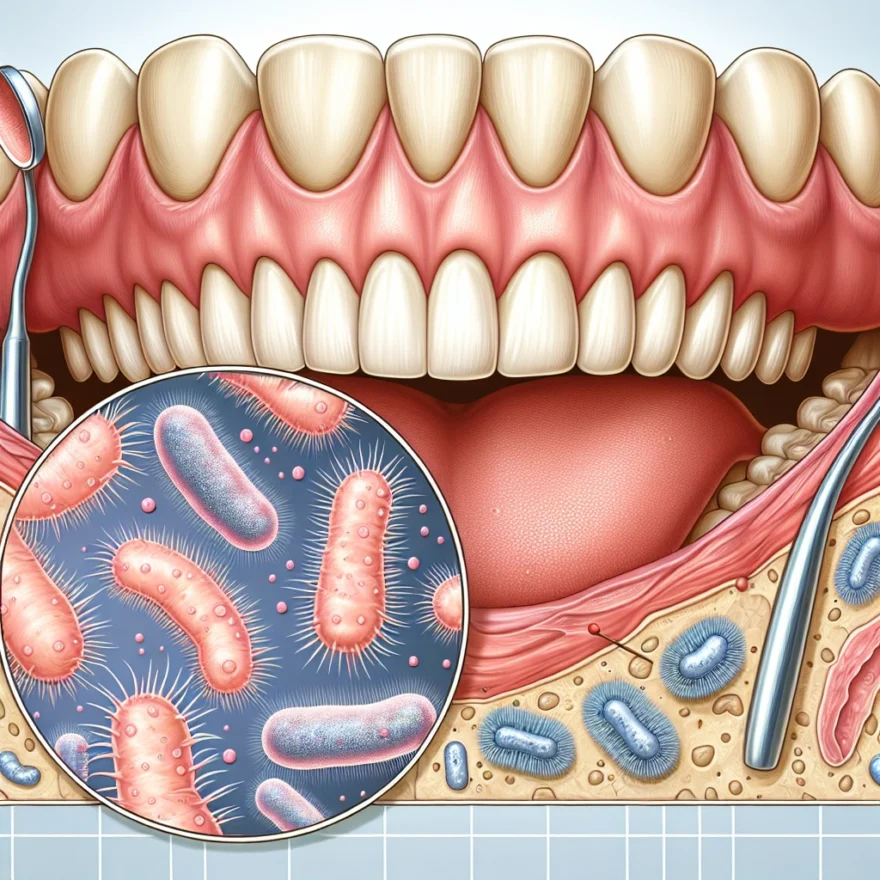
Introduction to Streptococcus cristatus
Streptococcus cristatus is a bacterium that is commonly found in the human oral cavity. It is part of a larger family of bacteria known as Streptococci, which are known for their diverse roles in human health and disease. Streptococcus cristatus is classified as a commensal bacterium, meaning it typically lives in harmony with its human host without causing disease. However, like all commensal bacteria, under certain circumstances, it can become pathogenic and contribute to disease.
The bacteria are spherical in shape and often found in pairs or chains. They are Gram-positive, meaning they have a thick cell wall that retains the violet stain used in the Gram staining method, a common technique used to classify and identify bacteria. They are also facultative anaerobes, which means they can survive in both oxygen-rich and oxygen-poor environments, a trait that allows them to thrive in various parts of the human body, including the oral cavity.
Streptococcus cristatus plays a significant role in oral health. It helps maintain the balance of the oral microbiome, the community of microorganisms that live in the mouth. By competing with pathogenic bacteria for nutrients and space, it helps keep harmful bacteria in check, preventing them from overgrowing and causing disease. However, when this balance is disrupted, Streptococcus cristatus can contribute to oral health problems, including periodontal disease and dental caries.
Understanding the role of Streptococcus cristatus in oral health and disease is crucial for developing effective strategies for oral hygiene and disease prevention. It is also a promising area of research in the field of dental medicine, with potential applications in the development of probiotics and other therapeutic strategies.
Table of contents
- Introduction to Streptococcus cristatus
- Role of Streptococcus cristatus in Oral Health
- Interaction of Streptococcus cristatus with Other Oral Microflora
- Potential Health Risks Associated with Streptococcus cristatus
- Streptococcus cristatus and Oral Hygiene
- Streptococcus cristatus in Dental Research
- Streptococcus cristatus and its Role in Biofilm Formation
- How to Maintain a Healthy Balance of Oral Commensals
- Future Research Directions for Streptococcus cristatus
- Common Questions About Streptococcus cristatus
Role of Streptococcus cristatus in Oral Health
Streptococcus cristatus, a bacterium commonly found in the human mouth, plays a significant role in maintaining oral health. It is considered a commensal organism, meaning it coexists peacefully with its human host under normal conditions, contributing to the overall health of the oral environment.
One of the primary roles of Streptococcus cristatus in oral health is its ability to inhibit the growth of harmful bacteria. It does this by producing a substance known as arginine deiminase system (ADS), which can inhibit the growth of Streptococcus mutans, a bacterium associated with tooth decay. By keeping the population of Streptococcus mutans in check, Streptococcus cristatus helps prevent the formation of dental caries, also known as cavities.
Moreover, Streptococcus cristatus also contributes to the formation of dental biofilm, a protective layer that forms on the teeth. This biofilm helps to prevent the adhesion of pathogenic bacteria to the tooth surface, thereby reducing the risk of oral infections and diseases.
Streptococcus cristatus also plays a role in oral health by helping to maintain the balance of the oral microbiota. The oral microbiota is a complex community of bacteria that live in the mouth. A healthy balance of these bacteria is essential for oral health, as an imbalance can lead to oral diseases such as periodontitis and gingivitis. By inhibiting the growth of harmful bacteria and promoting the growth of beneficial bacteria, Streptococcus cristatus helps to maintain this balance, thus contributing to overall oral health.
Research has shown that Streptococcus cristatus can also interact with the immune system, modulating the body’s immune response to oral pathogens. This interaction helps to prevent excessive inflammation and tissue damage, further promoting oral health.
Overall, Streptococcus cristatus plays a crucial role in maintaining oral health by preventing the growth of harmful bacteria, contributing to the formation of protective biofilm, maintaining the balance of the oral microbiota, and interacting with the immune system. However, it’s important to note that while Streptococcus cristatus contributes to oral health, good oral hygiene practices are still essential for maintaining a healthy mouth.
Interaction of Streptococcus cristatus with Other Oral Microflora
Streptococcus cristatus, a common oral commensal, plays a significant role in maintaining oral health by interacting with other oral microflora. This bacterium is part of the complex ecosystem that exists within the oral cavity, consisting of a diverse range of microorganisms.
Within this ecosystem, S. cristatus forms symbiotic relationships with other oral bacteria, both beneficial and potentially harmful. One such relationship is with Streptococcus mutans, a bacterium known for its role in dental caries formation. Studies have shown that S. cristatus can inhibit the growth of S. mutans through competition for resources and the production of antimicrobial substances. This interaction helps to maintain a healthy balance in the oral microbiome and reduce the risk of tooth decay.
In addition to S. mutans, S. cristatus also interacts with other streptococcal species such as Streptococcus salivarius and Streptococcus oralis. These interactions can have both positive and negative effects on oral health. For example, S. salivarius has been found to enhance the adhesion of S. cristatus to oral surfaces, promoting the formation of biofilms. Biofilms are complex communities of microorganisms that adhere to surfaces, including teeth and gums. While biofilms can contribute to oral health by protecting against harmful bacteria, they can also lead to the development of dental plaque and gum disease if not properly controlled.
Furthermore, S. cristatus interacts with other oral microflora in the process of carbohydrate metabolism. This bacterium is capable of fermenting carbohydrates present in the oral cavity, producing organic acids as byproducts. These organic acids can lower the pH of the oral environment, creating an acidic environment that is detrimental to tooth enamel. However, the presence of other oral bacteria, such as Actinomyces naeslundii, can help buffer the acidity and maintain a more neutral pH, reducing the risk of tooth demineralization.
It is important to note that the interactions between S. cristatus and other oral microflora are highly complex and can vary depending on various factors, including the individual’s oral hygiene practices, diet, and overall health. Maintaining a healthy balance of oral commensals is crucial for oral health, as disruptions in this balance can lead to dysbiosis, an imbalance in the oral microbiome associated with various oral diseases.
Overall, the interaction of Streptococcus cristatus with other oral microflora is a dynamic process that influences oral health outcomes. Further research is needed to better understand these interactions and their implications for oral disease prevention and treatment.
Potential Health Risks Associated with Streptococcus cristatus
Streptococcus cristatus is a common oral commensal that typically resides in the oral cavity of healthy individuals. While it is generally harmless and plays a beneficial role in maintaining oral health, there are potential health risks associated with this bacterium under certain circumstances.
One potential health risk is the development of dental caries, commonly known as tooth decay. Streptococcus cristatus, along with other bacteria, forms a biofilm on the tooth surface known as dental plaque. When plaque is not adequately removed through proper oral hygiene practices, the bacteria in the biofilm produce acids that can erode the tooth enamel, leading to the formation of cavities.
Another potential health risk associated with Streptococcus cristatus is the development of periodontal disease. This condition occurs when there is an imbalance in the oral microbiota, leading to the overgrowth of harmful bacteria. Streptococcus cristatus, when present in excessive amounts, can contribute to the progression of periodontal disease by causing inflammation and destruction of the gums and supporting structures of the teeth.
In addition to dental issues, Streptococcus cristatus has also been implicated in certain systemic infections. Although rare, there have been reports of endocarditis, an infection of the inner lining of the heart, associated with this bacterium. Individuals with pre-existing heart conditions or compromised immune systems are more susceptible to such infections.
It is important to note that the potential health risks associated with Streptococcus cristatus are usually observed in conjunction with other factors, such as poor oral hygiene, compromised immune system, or pre-existing dental or systemic conditions. Practicing good oral hygiene, including regular brushing, flossing, and dental check-ups, can help minimize the risk of these health complications.
Furthermore, maintaining a healthy balance of oral commensals is crucial in preventing the overgrowth of potentially harmful bacteria. This can be achieved through a well-balanced diet, avoiding excessive sugar consumption, and the use of probiotics specifically designed for oral health.
While there is ongoing research to better understand the role of Streptococcus cristatus in oral and systemic health, it is important to consult with dental professionals for personalized advice and guidance. They can provide recommendations tailored to individual oral health needs and address any concerns regarding potential health risks associated with this bacterium.
Streptococcus cristatus and Oral Hygiene
Proper oral hygiene is essential for maintaining a healthy balance of oral commensals, including Streptococcus cristatus. While Streptococcus cristatus is a common oral commensal, it can also contribute to oral health issues if not properly managed.
One of the key aspects of oral hygiene is regular brushing and flossing. Brushing your teeth twice a day with a fluoride toothpaste helps remove plaque, which is a sticky film of bacteria that can accumulate on the teeth. By effectively removing plaque, you can reduce the presence of Streptococcus cristatus and other harmful bacteria in your mouth.
In addition to brushing, flossing plays a crucial role in oral hygiene. Flossing helps remove plaque and food particles from between the teeth and along the gumline, areas that are often missed by brushing alone. By incorporating flossing into your daily routine, you can further reduce the risk of Streptococcus cristatus overgrowth and maintain a healthier oral environment.
Using an antimicrobial mouthwash can also be beneficial in controlling the growth of Streptococcus cristatus. Mouthwashes containing ingredients like chlorhexidine or essential oils can help reduce the number of bacteria in the mouth, including S. cristatus. However, it’s important to use mouthwash as directed and not excessively, as prolonged use of certain antimicrobial mouthwashes may disrupt the natural balance of oral commensals.
Regular dental check-ups and professional cleanings are essential for maintaining optimal oral hygiene. Dentists can detect early signs of oral health issues and provide appropriate treatment. Professional cleanings help remove plaque and tartar buildup, which can harbor Streptococcus cristatus and other harmful bacteria.
It’s important to note that while maintaining good oral hygiene is crucial, completely eliminating Streptococcus cristatus from the oral cavity is neither necessary nor desirable. Streptococcus cristatus is a natural part of the oral microbiota and plays a role in maintaining oral health. The goal is to maintain a healthy balance of oral commensals, including S. cristatus, to prevent overgrowth and potential health risks.
By practicing good oral hygiene habits, such as regular brushing, flossing, using mouthwash, and visiting your dentist regularly, you can help keep Streptococcus cristatus and other oral commensals in check, promoting a healthy oral environment and reducing the risk of oral health issues.
Streptococcus cristatus in Dental Research
Streptococcus cristatus, a common oral commensal, has been the subject of extensive research in the field of dentistry. Scientists and dental professionals have been intrigued by the role this bacterium plays in oral health and its potential implications for dental care.
One area of dental research that has focused on Streptococcus cristatus is its association with dental caries. Studies have shown that this bacterium is often present in dental plaque and can contribute to the formation of dental caries, or cavities. Researchers have been investigating the mechanisms by which Streptococcus cristatus interacts with other bacteria in the oral cavity to promote the development of caries.
Additionally, researchers have been studying the ability of Streptococcus cristatus to adhere to tooth surfaces and form biofilms. Biofilms are complex communities of microorganisms that are encased in a matrix of extracellular substances. Streptococcus cristatus has been found to be a key player in the formation of dental plaque biofilms, which can lead to various oral health issues, including gum disease. Understanding the role of Streptococcus cristatus in biofilm formation has been crucial for developing effective strategies for preventing and treating oral infections.
Furthermore, researchers have been exploring the potential of Streptococcus cristatus as a probiotic in oral health. Probiotics are live microorganisms that, when administered in adequate amounts, confer health benefits to the host. Some studies have suggested that certain strains of Streptococcus cristatus may have probiotic properties and could be used to maintain a healthy balance of oral commensals, preventing the overgrowth of harmful bacteria.
Moreover, dental researchers have been investigating the impact of various oral hygiene practices on the prevalence and abundance of Streptococcus cristatus. Studies have examined the effectiveness of different toothbrushing techniques, mouthwashes, and antimicrobial agents in reducing the levels of this bacterium in the oral cavity. These findings have contributed to the development of evidence-based recommendations for oral hygiene practices to promote oral health.
Overall, the research conducted on Streptococcus cristatus in the field of dentistry has provided valuable insights into its role in oral health and disease. By understanding the interactions of this bacterium with other oral microflora, its potential health risks, and its involvement in biofilm formation, dental professionals have been able to develop strategies for maintaining a healthy balance of oral commensals and preventing oral infections.
Streptococcus cristatus and its Role in Biofilm Formation
Streptococcus cristatus, a common oral commensal, plays a significant role in biofilm formation within the oral cavity. Biofilms are complex communities of microorganisms that adhere to surfaces and are encapsulated within a protective matrix of extracellular polymeric substances (EPS). These biofilms are commonly found on teeth, dental restorations, and other oral surfaces.
Within the oral biofilm, Streptococcus cristatus interacts with other microorganisms, forming a symbiotic relationship. It acts as a primary colonizer, paving the way for the attachment of other bacteria to form a diverse microbial community. The initial attachment of S. cristatus to the tooth surface is facilitated by its ability to produce adhesive molecules, such as glucans and fructans, which promote adherence to the acquired pellicle.
Once attached, Streptococcus cristatus contributes to the biofilm’s structural stability and growth by producing EPS. These EPS substances, composed of polysaccharides, proteins, and DNA, create a protective matrix that shields the microorganisms from host immune responses and antimicrobial agents.
The biofilm formed by Streptococcus cristatus and other oral microorganisms provides several advantages for their survival and persistence. Firstly, the biofilm protects the bacteria from mechanical forces, such as brushing or rinsing, making it difficult to remove them from the oral cavity. Secondly, the biofilm acts as a reservoir for nutrients, allowing the microorganisms to thrive even in nutrient-limited conditions. Lastly, the biofilm provides a platform for bacterial communication and cooperation, facilitating the exchange of genetic material and metabolic byproducts.
The presence of Streptococcus cristatus in the oral biofilm has both positive and negative implications for oral health. On one hand, it contributes to the maintenance of oral health by competing with and inhibiting the growth of potentially harmful bacteria. It produces antimicrobial substances, such as hydrogen peroxide and bacteriocins, which help to control the growth of pathogens. On the other hand, an imbalance in the oral microbial community can lead to the overgrowth of certain bacteria, including Streptococcus cristatus, which can contribute to the development of oral diseases, such as dental caries and periodontal diseases.
Understanding the role of Streptococcus cristatus in biofilm formation is crucial for developing effective strategies to maintain a healthy oral microbiome. Promoting a balanced microbial community through proper oral hygiene practices, such as regular brushing and flossing, can help prevent the overgrowth of S. cristatus and other potentially harmful bacteria. Additionally, further research is needed to explore the specific mechanisms by which S. cristatus interacts with other microorganisms within the biofilm and to identify potential targets for therapeutic interventions.
How to Maintain a Healthy Balance of Oral Commensals
Maintaining a healthy balance of oral commensals is crucial for overall oral health. Streptococcus cristatus, being a common oral commensal, plays a significant role in this balance. Here are some tips on how to maintain a healthy balance of oral commensals:
1. Practice good oral hygiene: Regular brushing and flossing are essential for maintaining a healthy balance of oral commensals. Brush your teeth at least twice a day using a fluoride toothpaste and a soft-bristled toothbrush. Don’t forget to clean your tongue as well, as it can harbor bacteria.
2. Use antimicrobial mouthwash: Incorporating an antimicrobial mouthwash into your oral hygiene routine can help control the growth of harmful bacteria, including Streptococcus cristatus. Look for mouthwashes that contain ingredients like chlorhexidine or essential oils known for their antimicrobial properties.
3. Maintain a balanced diet: A healthy diet not only benefits your overall health but also plays a role in maintaining a healthy balance of oral commensals. Limit your intake of sugary and acidic foods, as they can contribute to the growth of harmful bacteria. Instead, opt for a diet rich in fruits, vegetables, whole grains, and lean proteins.
4. Avoid tobacco and excessive alcohol consumption: Smoking and excessive alcohol consumption can disrupt the balance of oral commensals and increase the risk of oral health problems. Quitting smoking and limiting alcohol intake can greatly improve your oral health and reduce the growth of harmful bacteria.
5. Regular dental check-ups: Regular visits to your dentist are essential for maintaining a healthy balance of oral commensals. Your dentist can identify any oral health issues early on and provide necessary treatments or preventive measures to ensure a healthy oral environment.
6. Consider probiotics: Probiotics are beneficial bacteria that can help restore and maintain a healthy balance of oral commensals. Some studies suggest that certain probiotic strains can inhibit the growth of harmful bacteria in the mouth. Talk to your dentist or healthcare provider about incorporating probiotics into your oral care routine.
By following these tips, you can maintain a healthy balance of oral commensals, including Streptococcus cristatus. Remember, a healthy oral environment is essential for overall oral health and can help prevent various oral health problems.
Future Research Directions for Streptococcus cristatus
As our understanding of Streptococcus cristatus continues to evolve, there are several exciting avenues of research that hold promise for furthering our knowledge of this common oral commensal. These future research directions aim to shed light on various aspects of S. cristatus, including its role in oral health, interactions with other oral microflora, and potential health risks associated with its presence.
1. Genomic Studies: Conducting comprehensive genomic studies of S. cristatus can provide valuable insights into its genetic makeup, including virulence factors, antibiotic resistance genes, and mechanisms of biofilm formation. Understanding the genomic profile of S. cristatus can help identify potential therapeutic targets and improve treatment strategies.
2. Host-Pathogen Interactions: Investigating the intricate interactions between S. cristatus and the host immune system can provide valuable insights into the mechanisms by which this commensal bacterium maintains a balance between colonization and pathogenicity. Understanding the host-pathogen interactions can aid in the development of targeted therapies to prevent or treat oral infections.
3. Microbiome Studies: Exploring the composition and dynamics of the oral microbiome, including the role of S. cristatus within the microbial community, can help elucidate its significance in maintaining oral health. Studying the interactions between S. cristatus and other oral microorganisms can provide a better understanding of the complex ecosystem of the oral cavity.
4. Impact of Environmental Factors: Investigating the influence of various environmental factors, such as diet, smoking, and oral hygiene practices, on the colonization and persistence of S. cristatus can help identify modifiable risk factors and develop preventive strategies. Understanding how these factors affect the growth and behavior of S. cristatus can contribute to personalized approaches for maintaining oral health.
5. Development of Novel Therapies: Exploring alternative treatment options, such as probiotics or targeted antimicrobial agents, can provide new avenues for managing S. cristatus-related infections. Developing novel therapies that specifically target S. cristatus while preserving the balance of the oral microbiome can help prevent the development of antibiotic resistance and improve treatment outcomes.
6. Clinical Studies: Conducting well-designed clinical studies to assess the prevalence and clinical significance of S. cristatus in different populations can provide valuable epidemiological data. These studies can help determine the association between S. cristatus and various oral diseases, such as dental caries, periodontal disease, and endodontic infections.
7. Diagnostic Tools: Developing rapid and accurate diagnostic tools for the detection and identification of S. cristatus can aid in early diagnosis and targeted treatment. This can help prevent the progression of oral infections and improve patient outcomes.
By focusing on these future research directions, scientists and clinicians can gain a deeper understanding of Streptococcus cristatus and its significance in oral health and disease. This knowledge can pave the way for the development of innovative strategies for the prevention, diagnosis, and treatment of oral infections associated with S. cristatus.
Common Questions About Streptococcus cristatus
As a common oral commensal, Streptococcus cristatus often raises questions among individuals concerned about their oral health. Here are some common questions and answers regarding Streptococcus cristatus:
1. What is Streptococcus cristatus?
Streptococcus cristatus is a type of bacteria that is commonly found in the oral cavity. It belongs to the Streptococcus genus and is considered a commensal, meaning it typically coexists with other microorganisms in the mouth without causing harm.
2. Is Streptococcus cristatus harmful?
No, Streptococcus cristatus is generally not harmful and is considered a beneficial bacterium in the oral environment. It plays a role in maintaining oral health by participating in the formation of dental biofilms and preventing the colonization of potentially harmful bacteria.
3. How does Streptococcus cristatus contribute to oral health?
Streptococcus cristatus contributes to oral health by aiding in the breakdown of food particles, producing antimicrobial substances, and helping to maintain a balanced oral microbial community. It also assists in the remineralization of tooth enamel and plays a role in preventing dental caries.
4. Can Streptococcus cristatus cause infections?
While Streptococcus cristatus is generally harmless, under certain conditions, it can contribute to the development of oral infections such as periodontitis or endodontic infections. However, it is important to note that these infections are usually the result of an imbalance in the oral microbial community rather than the sole action of Streptococcus cristatus.
5. How can I maintain a healthy balance of Streptococcus cristatus and other oral commensals?
Maintaining good oral hygiene practices is key to promoting a healthy balance of Streptococcus cristatus and other oral commensals. This includes regular brushing, flossing, and visiting your dentist for routine check-ups. A balanced diet and avoiding tobacco use can also contribute to a healthy oral microbial community.
6. Can Streptococcus cristatus be used in dental research?
Yes, Streptococcus cristatus is frequently used in dental research. Its role in biofilm formation and interactions with other bacteria make it an important subject of study in understanding oral health and disease. Researchers are exploring its potential in developing new preventive and therapeutic strategies for oral conditions.
7. Are there any future research directions for Streptococcus cristatus?
Yes, there are ongoing research efforts to further understand the specific mechanisms and interactions of Streptococcus cristatus in the oral environment. Future studies may focus on its role in systemic health, its potential as a probiotic, and its implications in the development of targeted oral therapies.
8. Can Streptococcus cristatus be eliminated from the mouth?
It is not necessary or advisable to completely eliminate Streptococcus cristatus from the mouth. As a commensal bacterium, it contributes to a balanced oral microbial community and helps maintain oral health. The goal should be to promote a healthy balance of oral commensals rather than attempting to eradicate specific bacteria.
9. Can Streptococcus cristatus be transmitted from person to person?
Yes, Streptococcus cristatus can be transmitted from person to person through direct contact, such as sharing utensils or kissing. However, its transmission is a natural part of the oral microbial exchange that occurs throughout life. In most cases, transmission of Streptococcus cristatus is not a cause for concern.
10. Should I be worried if Streptococcus cristatus is detected in my oral microbiome?
No, if Streptococcus cristatus is detected in your oral microbiome, there is generally no need for concern. It is a common and beneficial bacterium that contributes to oral health. However, if you have specific oral health concerns, it is always best to consult with your dentist or healthcare provider.