About article
Greenflies, commonly known as aphids, are a widespread and persistent pest that can wreak havoc on a variety of plants in gardens, greenhouses, and agricultural settings. These tiny, sap-sucking insects can cause a range of problems, from stunted growth and distorted leaves to the transmission of plant diseases. In this comprehensive article, we will explore various aspects of greenflies, including their identification, life cycle, and the damage they can cause. Additionally, we will discuss various methods for preventing and controlling greenfly infestations, including organic and chemical approaches, as well as how to attract beneficial insects to help combat these pests. Finally, we will debunk some common myths surrounding greenflies and address frequently asked questions to help you better understand and manage these troublesome insects in your garden or greenhouse.
Table of contents
- Introduction to Greenfly
- Greenfly Identification and Characteristics
- The Life Cycle of Greenfly
- Types of Plants Affected by Greenfly
- Recognizing Greenfly Damage on Plants
- The Impact of Greenfly on Plant Health
- Natural Enemies of Greenfly
- Preventing Greenfly Infestations
- Organic Greenfly Control Methods
- Chemical Control of Greenfly
- How to Treat Greenfly-Infested Plants
- Greenfly and Aphid Management in Greenhouses
- Attracting Beneficial Insects to Combat Greenfly
- Common Greenfly Myths Debunked
- Frequently Asked Questions About Greenfly
- Conclusion: Protecting Your Garden from Greenfly
Introduction to Greenfly
Greenflies, also known as aphids, are tiny insects that can cause significant damage to a wide variety of plants in gardens, greenhouses, and agricultural fields. These soft-bodied pests are notorious for their ability to reproduce rapidly and feed on the sap of plants, leading to weakened plants and the potential spread of plant diseases. In this article, we will explore the identification, damage, and control methods for greenfly infestations, providing gardeners and growers with the necessary knowledge to protect their plants and maintain a healthy, thriving garden.
As one of the most common pests in the world, greenflies have developed a wide range of adaptations that allow them to thrive in various environments. Understanding their unique characteristics and life cycle is crucial for effective identification and control. We will delve into the various types of plants affected by greenflies, as well as the telltale signs of greenfly damage, to help you quickly recognize and address an infestation.
Beyond the direct impact greenflies have on plant health, they can also attract other pests and diseases, making their presence in a garden or greenhouse even more detrimental. In order to tackle this issue, it is important to learn about the natural enemies of greenflies, as well as preventative measures and control methods that can be employed to keep their populations in check.
This comprehensive guide will cover both organic and chemical control methods, providing options for all types of gardeners and growers. We will discuss how to treat greenfly-infested plants and manage greenfly populations in greenhouses, as well as how to attract beneficial insects that can help combat these pests. Additionally, we will debunk common greenfly myths and address frequently asked questions to ensure you are well-equipped to protect your plants from these pesky insects.
By understanding the intricacies of greenfly identification, damage, and control, you can take the necessary steps to maintain a healthy, vibrant garden free from the damaging effects of these persistent pests.
Greenfly Identification and Characteristics
Greenfly, also known as aphids, are small pear-shaped insects that come in various colors, including green, yellow, black, brown, and even pink. They are soft-bodied and usually measure between 1/16 to 1/8 inch in length. One of the key characteristics of greenfly is the presence of two tube-like structures, called cornicles, which protrude from the rear end of their bodies. These cornicles secrete a substance called honeydew, which is a sugary liquid that can attract other insects, such as ants, and can also lead to the growth of sooty mold on plants.
Aphids have a pair of compound eyes and long, slender antennae that help them sense their environment. They possess a specialized mouthpart called a stylet, which they use to pierce plant tissues and extract sap. This sap is their primary source of nutrition, and they are capable of consuming large amounts of it due to their small size and high reproductive rate.
Greenfly can be winged or wingless, depending on their stage of life and environmental conditions. Winged aphids, also known as alates, are produced when a colony becomes overcrowded or when the host plant begins to decline in health. These winged aphids can fly to new host plants and establish new colonies, ensuring the survival of the species. The wingless forms are generally found in higher numbers and are responsible for feeding and reproduction on the host plants.
It is important to be able to identify greenfly accurately, as there are many other insects that may resemble them. Some similar-looking insects include whiteflies, scale insects, and mealybugs. However, the presence of cornicles and the pear-shaped body are distinguishing features that can help differentiate greenfly from other pests.
Understanding the characteristics and behavior of greenfly is essential for implementing effective control measures. By being able to accurately identify these pests, gardeners and farmers can take appropriate action to minimize the damage they cause and protect their plants from infestations.
The Life Cycle of Greenfly
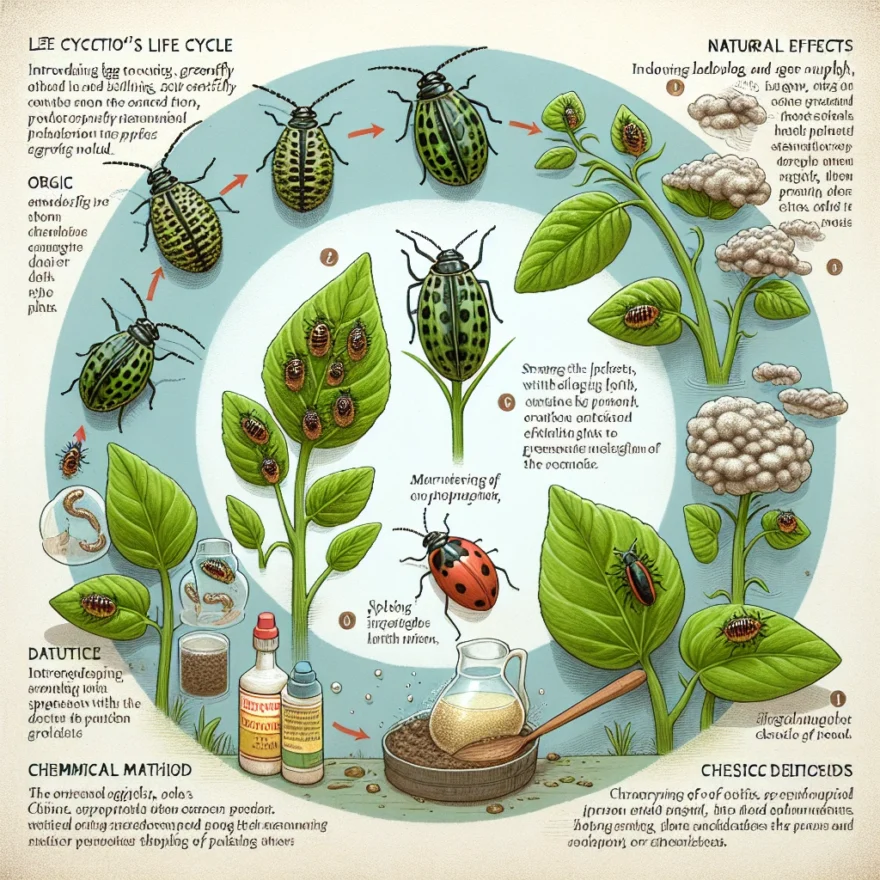
Understanding the life cycle of greenfly is an important aspect of managing and controlling these pests in your garden. Greenflies, also known as aphids, have a complex life cycle that allows them to rapidly reproduce and infest plants. This section will delve into the different stages of the greenfly life cycle and how each stage contributes to their overall impact on plants.
Greenfly have a unique reproductive strategy called parthenogenesis, which allows females to produce offspring without mating. This enables them to quickly multiply and establish large colonies on host plants. The life cycle of greenfly can be divided into four main stages: egg, nymph, adult, and winged adult.
Egg Stage: The greenfly life cycle begins with the egg stage, which occurs primarily during the winter months. Female greenflies lay their eggs on the stems and leaves of host plants, where they remain dormant until temperatures begin to rise in the spring. This stage is not common in warmer climates, where greenflies can reproduce year-round without entering the egg stage.
Nymph Stage: As temperatures increase, the eggs hatch into nymphs, which are small, wingless versions of adult greenflies. Nymphs go through four developmental stages, called instars, before reaching adulthood. During each instar, the nymph sheds its exoskeleton to accommodate its growing body. Nymphs feed on plant sap, using their needle-like mouthparts to pierce plant tissues and extract nutrients. This feeding process can cause significant damage to host plants, as discussed in later sections.
Adult Stage: Once a nymph has completed its fourth instar, it becomes an adult greenfly. Adult greenflies are capable of reproducing within a week of reaching maturity, allowing their populations to grow rapidly. Most adult greenflies are wingless, but some individuals will develop wings under certain conditions, such as overcrowding or a lack of food resources.
Winged Adult Stage: Winged adult greenflies, also known as alates, play a crucial role in the dispersal of greenfly populations. Alates can fly to new host plants, where they establish new colonies and continue the cycle of reproduction. This ability to spread quickly makes greenfly infestations particularly challenging to control.
In summary, the life cycle of greenfly is characterized by rapid reproduction and the ability to quickly disperse to new host plants. This makes them a formidable pest for gardeners and farmers alike. By understanding the greenfly life cycle, you can better anticipate their presence in your garden and implement effective control measures to minimize their impact on your plants.
Types of Plants Affected by Greenfly
Greenflies, also known as aphids, are notorious for their ability to infest a wide variety of plants. They have a preference for plants with soft, tender growth, and can be found on both ornamental and edible plants. In this section, we will discuss some of the most commonly affected plants and provide insights into why these plants are particularly susceptible to greenfly infestations.
Ornamental Plants
Greenflies are often found on ornamental plants, causing aesthetic damage and potentially harming the overall health of the plant. Some of the most commonly affected ornamental plants include roses, hibiscus, hydrangeas, and various species of trees and shrubs. These plants are susceptible due to their tender new growth, which provides an ideal feeding ground for greenflies.
Fruit and Vegetable Plants
Edible plants are also commonly targeted by greenflies. These pests can cause significant damage to fruit and vegetable crops, leading to reduced yields and poor-quality produce. Some of the most susceptible fruit and vegetable plants include:
- Tomatoes
- Potatoes
- Peppers
- Eggplants
- Beans
- Peas
- Strawberries
- Raspberries
- Blackberries
- Blueberries
- Grapes
- Apples
- Pears
- Cherries
These plants are often targeted due to their high levels of nutrients, which greenflies require for reproduction and growth. Additionally, many fruit and vegetable plants have soft, tender growth that is easily penetrated by greenflies’ needle-like mouthparts.
Herbaceous Plants and Perennials
Greenflies also infest various herbaceous plants and perennials, including those grown for their flowers or foliage. Some common examples of these plants include:
- Delphiniums
- Phlox
- Asters
- Chrysanthemums
- Hostas
- Ferns
- Heucheras
- Irises
- Daylilies
These plants are often targeted due to their soft, succulent growth and the fact that they typically produce large amounts of sap, which greenflies feed on.
Grasses and Cereals
Greenflies can also infest various grasses and cereal crops, such as wheat, barley, and oats. These infestations can lead to reduced yields and diminished crop quality. Greenflies are attracted to these plants due to their high sugar content and the presence of soft, tender growth.
In conclusion, greenflies have a broad host range and can infest a wide variety of plants. By understanding which plants are most susceptible to greenfly infestations, gardeners and growers can take proactive measures to protect their plants and minimize potential damage caused by these persistent pests.
Recognizing Greenfly Damage on Plants
Identifying the damage caused by greenfly on plants is crucial for early intervention and effective control. Greenfly, also known as aphids, are small sap-sucking insects that can cause significant harm to a wide range of plants. The signs of greenfly damage can be subtle at first, but if left unchecked, they can lead to severe plant stress, reduced growth, and even plant death.
One of the first signs of greenfly infestation is the presence of small, soft-bodied insects on the leaves, stems, and buds of plants. Greenfly can be green, black, yellow, or even pink in color, and are usually found clustered together in large groups. They can be easily spotted by carefully examining the plant, particularly on the underside of leaves and the tips of new growth.
As greenfly feed on plant sap, they excrete a sticky substance called honeydew, which can lead to the growth of sooty mold on the plant’s surface. This black, powdery mold is not only unsightly but can also interfere with the plant’s ability to photosynthesize, leading to weakened growth and overall poor health. If you notice sooty mold on your plants, it is a clear indication of a greenfly infestation.
Another sign of greenfly damage is the curling, distortion, or yellowing of leaves. As the insects feed, they inject their saliva into the plant, which can cause these symptoms. In severe cases, the affected leaves may wilt, turn brown, and eventually fall off the plant. This can lead to reduced photosynthesis and compromised plant health.
Greenfly can also transmit plant viruses, which can cause further damage to the affected plants. Symptoms of viral infections may include mottled or streaked leaves, stunted growth, and the formation of galls or other abnormal growths. If you suspect that your plants have been infected with a virus, it is important to take action to control the greenfly population and prevent the spread of the disease to other plants.
Lastly, the presence of ants on your plants can also indicate a greenfly infestation. Ants are attracted to the honeydew produced by greenfly and will often protect the aphids from their natural predators in order to maintain their food source. If you see ants frequently visiting your plants, it is worth checking for greenfly and taking appropriate control measures if necessary.
In summary, recognizing greenfly damage on plants involves looking for the insects themselves, the presence of honeydew and sooty mold, distorted or discolored leaves, signs of viral infection, and an increased ant activity. Early detection and intervention are key to minimizing the impact of greenfly on your plants and maintaining a healthy garden.
The Impact of Greenfly on Plant Health
Greenflies, also known as aphids, can have a significant impact on the health of plants in your garden. These tiny insects feed on plant sap, which can cause a variety of problems for the affected plants. In this section, we will discuss the various ways in which greenflies can affect plant health, as well as the symptoms to look out for in order to identify a greenfly infestation.
One of the primary ways in which greenflies impact plant health is through their feeding habits. As they feed on plant sap, they remove vital nutrients from the plant, which can result in a variety of symptoms, such as yellowing leaves, stunted growth, and reduced flower and fruit production. In some cases, heavy infestations can even lead to plant death.
Additionally, as greenflies feed, they excrete a sticky substance known as honeydew. This honeydew can accumulate on leaves and other plant surfaces, leading to the growth of sooty mold. Sooty mold is a black, powdery fungus that can cover plant surfaces and block sunlight, further affecting the plant’s ability to photosynthesize and produce energy. The presence of honeydew can also attract other pests, such as ants, which may protect the greenflies from their natural predators in order to maintain their honeydew source.
Greenflies can also act as vectors for various plant diseases, particularly viruses. As they feed on plant sap, they can transfer disease-causing pathogens from one plant to another. This can lead to the rapid spread of diseases throughout your garden, causing widespread damage and potentially affecting the health of multiple plant species.
Some of the common symptoms of greenfly damage on plants include:
- Yellowing or curling leaves
- Stunted growth
- Reduced flower and fruit production
- Presence of honeydew and sooty mold
- Distorted or deformed plant parts
- Transmission of plant diseases
It is important to regularly inspect your plants for signs of greenfly infestations in order to address the problem as early as possible. Early detection and intervention can help minimize the impact of greenflies on plant health and prevent the spread of infestations to other plants in your garden.
Natural Enemies of Greenfly
One of the most effective ways to control greenfly populations in your garden is by promoting the presence of their natural enemies. These beneficial insects and animals can help keep greenfly numbers in check, reducing the need for chemical intervention. By understanding the various predators of greenfly and how to attract them, you can create a more balanced ecosystem in your garden.
Ladybirds (Ladybugs)
Ladybirds, also known as ladybugs, are perhaps the most well-known natural predators of greenflies. Both adult ladybirds and their larvae consume large quantities of greenflies, with a single ladybird capable of eating up to 50 greenflies per day. To attract ladybirds to your garden, plant flowers such as marigolds, calendula, and yarrow, which provide nectar and pollen for the adult insects.
Lacewings
Lacewings are another effective predator of greenflies, particularly the larvae of green lacewings, which can consume up to 60 greenflies per day. Adult lacewings feed on nectar, pollen, and honeydew, so planting flowers like angelica, cosmos, and sweet alyssum can help attract them to your garden.
Hoverflies
Hoverflies, also known as syrphid flies, are beneficial insects whose larvae are voracious greenfly predators. Adult hoverflies feed on nectar and pollen, so planting flowers such as dill, fennel, and coriander can help attract them to your garden. Hoverfly larvae can consume up to 30 greenflies per day, making them an essential ally in greenfly control.
Parasitic Wasps
Several species of parasitic wasps, such as Aphidius colemani and Aphelinus abdominalis, target greenflies as hosts for their eggs. The wasp larvae feed on the greenfly from the inside, eventually killing the host. To attract parasitic wasps, plant flowers like yarrow, dill, and goldenrod, which provide nectar and pollen for the adult wasps.
Predatory Mites
Predatory mites, such as Phytoseiulus persimilis, feed on greenflies and other small insects. These mites can be purchased from garden supply stores and released into your garden to help control greenfly populations. Predatory mites are most effective in greenhouse settings, where they can be released in higher concentrations and closely monitored.
Birds
Many bird species, such as chickadees, titmice, and wrens, feed on greenflies and other small insects. To attract birds to your garden, provide birdhouses, nesting boxes, and bird feeders with a variety of seeds and suet. Providing a source of water, such as a birdbath or shallow dish, can also encourage birds to visit your garden and help control greenfly populations.
In conclusion, promoting the presence of natural enemies of greenflies in your garden can be an effective and environmentally friendly way to control these pests. By providing suitable habitats and food sources for these beneficial insects and animals, you can create a more balanced ecosystem that helps to keep greenfly populations in check.
Preventing Greenfly Infestations
Preventing greenfly infestations is a crucial step in maintaining the health and vitality of your garden. By taking proactive measures, you can minimize the risk of these pests establishing a stronghold in your plants. By implementing the following strategies, you can create an environment that is less hospitable to greenfly and reduce the likelihood of an infestation.
Maintain Plant Health: Healthy plants are more resistant to greenfly infestations. Ensure that your plants are well-nourished and receive adequate water, sunlight, and proper nutrition. Regularly inspect your plants for signs of stress or disease and address any issues promptly.
Choose Resistant Plant Varieties: Some plant varieties are less susceptible to greenfly infestations than others. When selecting plants for your garden, choose those that are known to be resistant to greenfly and other common pests.
Regular Inspection: Regularly inspect your plants for signs of greenfly infestations. Early detection is key to preventing a widespread infestation. Check the undersides of leaves and the growing tips of plants for clusters of greenfly. If you spot any, take immediate action to remove them and prevent their spread.
Practicing Good Garden Hygiene: Keep your garden clean and free of debris. Remove any dead leaves, fallen fruits, or plant material that may provide a breeding ground for greenfly. Regularly weed your garden to eliminate potential hiding spots for greenfly and other pests.
Encourage Beneficial Insects: Many insects, such as ladybugs, lacewings, and hoverflies, are natural predators of greenfly. By attracting these beneficial insects to your garden, you can help to keep greenfly populations in check. Plant a variety of flowering plants, particularly those with small, nectar-rich flowers, to provide food and shelter for these helpful insects.
Companion Planting: Some plants are known to repel greenfly and other pests. By planting these alongside your susceptible plants, you can create a natural barrier that deters greenfly from infesting your garden. Examples of companion plants that can help to repel greenfly include marigolds, garlic, chives, and nasturtiums.
Physical Barriers: Installing physical barriers, such as fine mesh netting or horticultural fleece, can help to protect your plants from greenfly infestations. These barriers can be particularly useful for young plants and seedlings that are especially vulnerable to greenfly damage.
By following these preventative measures, you can create a garden environment that is less conducive to greenfly infestations. Early detection and prompt action are essential for keeping greenfly populations under control and preserving the health of your plants. Remember to monitor your garden regularly and to be vigilant in your efforts to prevent these pests from gaining a foothold in your garden.
Organic Greenfly Control Methods
Organic control methods for greenfly are an eco-friendly and sustainable approach to managing these pests in your garden. By opting for organic solutions, you can protect your plants without causing harm to the environment or beneficial insects. Here are some effective organic greenfly control methods to consider:
1. Water Spray: A simple yet effective method to dislodge greenfly from your plants is to use a strong jet of water. Spray the affected areas with water to knock the greenfly off the plants. This method works best in the early stages of infestation, as it may not be as effective when the greenfly population is large.
2. Insecticidal Soap: Insecticidal soaps are a safe and organic option for controlling greenfly. These soaps contain fatty acids that break down the outer layer of the greenfly’s body, causing them to dehydrate and die. To use insecticidal soap, mix it with water according to the manufacturer’s instructions and spray it directly onto the greenfly-infested plants. Make sure to cover both the top and bottom surfaces of the leaves for maximum effectiveness.
3. Neem Oil: Neem oil is a natural pesticide derived from the seeds of the neem tree. It works by disrupting the life cycle of greenfly, preventing them from feeding, growing, and reproducing. Mix neem oil with water and a few drops of dish soap, and spray it onto the affected plants. Repeat the application every 7-10 days until the greenfly infestation is under control.
4. Diatomaceous Earth: Diatomaceous earth is a natural powder made from the fossilized remains of diatoms, a type of algae. When greenfly come into contact with diatomaceous earth, it damages their exoskeleton, causing them to dehydrate and die. Sprinkle a thin layer of diatomaceous earth around the base of your plants and on the leaves to deter greenfly.
5. Beneficial Insects: Introducing beneficial insects, such as ladybugs, lacewings, and parasitic wasps, to your garden is an effective organic method for controlling greenfly populations. These insects are natural predators of greenfly and can help keep their numbers in check. You can purchase beneficial insects from garden centers or online retailers, or attract them to your garden by planting a variety of flowering plants.
6. Companion Planting: Some plants can help deter greenfly by either repelling them or attracting their natural predators. Consider planting marigolds, garlic, chives, or nasturtiums near your greenfly-prone plants to create a natural barrier against these pests.
7. Regular Maintenance: Keeping your garden healthy and well-maintained can help prevent greenfly infestations. Prune any dead or damaged foliage, as this can attract greenfly and other pests. Dispose of any plant debris and keep your garden tools clean to minimize the spread of pests and diseases.
By implementing these organic greenfly control methods, you can effectively manage greenfly populations in your garden while minimizing harm to the environment and beneficial insects. Remember, early detection and intervention are key to successfully controlling greenfly infestations.
Chemical Control of Greenfly
When it comes to controlling greenfly infestations, chemical control methods can be highly effective. However, it is essential to use these products responsibly and carefully, as they can have adverse effects on non-target organisms, including beneficial insects and pollinators. Before resorting to chemical control, it is recommended to try organic and preventative measures first. If these methods prove insufficient, chemical control can be a viable option for managing greenfly populations.
Insecticides are the primary chemical control method used against greenflies. They can be classified into two main categories: contact insecticides and systemic insecticides.
Contact Insecticides: These chemicals work by killing greenflies upon direct contact. They are applied directly to the plant’s surface, and the greenflies must come into contact with the insecticide for it to be effective. Some popular contact insecticides used against greenflies include pyrethroids, organophosphates, and neonicotinoids. However, it is essential to note that contact insecticides can also harm beneficial insects, so it is crucial to use them judiciously and follow the product’s label instructions.
Systemic Insecticides: These chemicals are absorbed by the plant and transported throughout its tissues, making the entire plant toxic to greenflies. When greenflies feed on the plant, they ingest the insecticide and are killed. Systemic insecticides can provide longer-lasting protection against greenflies compared to contact insecticides. Common systemic insecticides used against greenflies include imidacloprid, acetamiprid, and thiamethoxam. However, these chemicals can also have negative effects on beneficial insects and pollinators, so it is essential to use them cautiously and according to the manufacturer’s instructions.
When using chemical control methods, it is crucial to rotate the types of insecticides used to prevent greenflies from developing resistance. This can be achieved by alternating between different chemical classes of insecticides. Additionally, it is essential to follow the recommended application rates and intervals to minimize the risk of resistance development.
It is also important to consider the impact of chemical control methods on the environment and non-target organisms. Some insecticides can be toxic to aquatic life, birds, and other wildlife. Therefore, it is vital to choose products with the least environmental impact and follow all safety precautions and application guidelines provided by the manufacturer.
Lastly, always monitor the greenfly population and the effectiveness of the chemical control methods used. This will help you determine if the treatment has been successful and if further actions are required. Remember that chemical control should be used as a last resort, and integrating multiple control strategies, including cultural, physical, and biological methods, is the best approach to managing greenfly infestations in a sustainable and environmentally friendly manner.
How to Treat Greenfly-Infested Plants
Treating greenfly-infested plants is an essential step to ensure the health and well-being of your garden. There are various methods available to combat greenfly infestations, ranging from organic to chemical treatments. The key is to choose the most suitable approach for your specific situation, taking into account factors such as the severity of the infestation, the type of plants affected, and your personal preferences. Here, we will discuss several effective ways to treat greenfly-infested plants.
1. Manual Removal
For small infestations, manually removing greenflies from your plants can be an effective solution. This involves using a soft cloth, a sponge, or even your fingers to gently wipe the insects off the leaves and stems. Be sure to inspect the entire plant, as greenflies tend to cluster on the undersides of leaves and near the growing tips. After removing the greenflies, dispose of them properly to prevent them from returning to your plants.
2. Water Spray
Another simple method to treat greenfly-infested plants is by using a strong jet of water to dislodge the insects from the leaves and stems. This can be done with a garden hose or a spray bottle. Be careful not to damage your plants with too much water pressure, and ensure that you target the undersides of leaves where greenflies tend to congregate. This method may need to be repeated several times to achieve the desired results.
3. Organic Treatments
There are several organic treatments available to help control greenfly infestations. One popular option is to use insecticidal soap, which is a mixture of water, soap, and oil. This solution works by suffocating the greenflies and disrupting their cell membranes, causing them to die. To prepare insecticidal soap, mix 1 tablespoon of mild liquid soap with 1 quart of water. Spray the solution directly onto the greenflies, making sure to cover both the tops and bottoms of the leaves. Apply the treatment every 7-10 days until the infestation is under control.
Another organic treatment option is neem oil, a natural pesticide derived from the seeds of the neem tree. Neem oil works by disrupting the hormonal balance of greenflies, preventing them from feeding and reproducing. To use neem oil, mix 2 tablespoons of neem oil with 1 gallon of water, and spray the solution on the affected plants. Apply the treatment every 7-14 days until the infestation is under control.
4. Chemical Control
If organic treatments are not effective in controlling greenfly infestations, you may need to resort to chemical treatments. There are various chemical pesticides available that target greenflies, such as pyrethroids, organophosphates, and carbamates. When using chemical treatments, always follow the manufacturer’s instructions and take necessary precautions to protect yourself, your plants, and the environment. It’s also important to rotate the use of different chemical classes to prevent greenflies from developing resistance.
5. Encourage Natural Predators
One of the most effective long-term solutions for treating greenfly-infested plants is to encourage the presence of natural predators in your garden. Ladybugs, lacewings, and parasitic wasps are all predators of greenflies and can help keep their populations in check. You can attract these beneficial insects by planting flowers rich in nectar and pollen, such as marigolds, sunflowers, and cosmos. Additionally, you can purchase and release these predators directly into your garden.
In conclusion, treating greenfly-infested plants requires a combination of methods tailored to your specific situation. It’s essential to monitor your plants regularly and act promptly to control greenfly populations before they cause significant damage. By employing a combination of manual removal, water sprays, organic treatments, chemical control, and encouraging natural predators, you can effectively treat greenfly-infested plants and protect the health of your garden.
Greenfly and Aphid Management in Greenhouses
Managing greenfly and aphid populations in greenhouses is an essential task for any gardener or greenhouse owner. These pests can quickly multiply and cause significant damage to plants if left unchecked. In a controlled environment such as a greenhouse, it is crucial to implement effective management strategies to prevent infestations and maintain a healthy growing environment for your plants. Here are some key tips and techniques to help you successfully manage greenfly and aphids in your greenhouse:
1. Regular Monitoring and Early Detection
One of the most critical aspects of managing greenfly and aphids in greenhouses is regular monitoring. Inspect your plants frequently, at least once a week, to spot any signs of infestation. Pay close attention to the undersides of leaves, where these pests often congregate. Early detection allows you to take prompt action and prevent the infestation from spreading.
2. Maintain Optimal Greenhouse Conditions
Greenflies and aphids thrive in warm, humid environments. To discourage their growth, keep the temperature and humidity levels in your greenhouse in check. Ensure proper ventilation and air circulation by opening vents and doors during the day, and use fans if necessary. Additionally, avoid overwatering your plants, as this can create the perfect environment for these pests to thrive.
3. Implement Biological Control Methods
Introducing natural predators of greenflies and aphids, such as ladybirds, lacewings, and parasitic wasps, can be an effective way to control these pests in your greenhouse. These beneficial insects will help to keep the pest population in check and prevent infestations from becoming unmanageable. You can purchase these insects from garden centers or online suppliers and release them into your greenhouse to establish a natural balance.
4. Use Organic Pesticides
If you prefer to use organic methods to control greenflies and aphids in your greenhouse, consider using insecticidal soaps, neem oil, or diatomaceous earth. These products can be applied directly to the affected plants and are safe for use in greenhouses. Be sure to follow the manufacturer’s instructions for proper application and reapply as needed to maintain control over the pests.
5. Employ Chemical Control Measures
In cases of severe infestations, chemical control measures may be necessary. Choose a pesticide that is specifically labeled for use against greenflies and aphids in greenhouses. Always follow the label instructions for proper application and safety precautions. Keep in mind that chemical control should be used as a last resort, as it can disrupt the natural balance of beneficial insects in your greenhouse and may lead to pesticide resistance in the pests.
6. Practice Good Greenhouse Hygiene
Keeping your greenhouse clean and well-maintained can help to prevent greenfly and aphid infestations. Remove any plant debris, dead leaves, or damaged plants promptly, as these can harbor pests and diseases. Regularly clean and disinfect your greenhouse surfaces, tools, and equipment to minimize the risk of introducing pests into the environment.
In conclusion, managing greenfly and aphid populations in your greenhouse requires a combination of monitoring, maintaining optimal conditions, and employing appropriate control measures. By implementing these strategies, you can protect your plants and ensure a healthy, productive greenhouse environment.
Attracting Beneficial Insects to Combat Greenfly
One of the most effective and environmentally friendly ways to combat greenfly infestations is to attract beneficial insects to your garden. These natural predators can help keep greenfly populations under control, reducing the need for chemical treatments. In this section, we will discuss the various beneficial insects that can help control greenfly populations and how to attract them to your garden.
Ladybugs
Ladybugs, also known as ladybirds or lady beetles, are perhaps the most well-known natural predators of greenflies. Both adult ladybugs and their larvae feed on greenflies and can consume hundreds of them in a single day. To attract ladybugs to your garden, plant flowers such as marigolds, calendula, and cosmos, which provide a source of nectar for adult ladybugs. You can also purchase ladybugs to release in your garden, although this method is not always as effective as encouraging native populations.
Lacewings
Green lacewings are another excellent predator of greenflies. The larvae of green lacewings, sometimes called aphid lions, are particularly voracious eaters of greenflies. To attract lacewings to your garden, plant a variety of flowering plants, such as dill, fennel, and angelica, which provide nectar and pollen for adult lacewings. You can also purchase lacewing larvae to release in your garden as a form of biological control.
Hoverflies
Hoverflies, also known as syrphid flies, are another beneficial insect that preys on greenflies. The larvae of hoverflies feed on greenflies, while the adults help pollinate flowers. To attract hoverflies to your garden, plant a variety of flowering plants, such as yarrow, daisies, and buckwheat, which provide nectar and pollen for adult hoverflies.
Parasitic Wasps
There are several species of parasitic wasps that target greenflies, laying their eggs inside the greenfly’s body. When the eggs hatch, the wasp larvae consume the greenfly from the inside out, eventually killing it. To attract parasitic wasps to your garden, plant flowers such as dill, fennel, and parsley, which provide a source of nectar for adult wasps.
Creating a Habitat for Beneficial Insects
In addition to planting specific flowers to attract beneficial insects, it’s essential to create a welcoming habitat for these predators. Provide a variety of flowering plants that bloom at different times throughout the growing season to ensure a continuous food source for adult insects. Avoid using broad-spectrum insecticides, which can harm beneficial insects along with the pests you’re trying to control.
Consider creating a small insectary garden, a dedicated area designed to attract and support beneficial insects. An insectary garden should include a diverse mix of flowering plants, as well as shelter and water sources for insects. By attracting and supporting populations of beneficial insects, you can help keep greenfly populations in check and maintain a healthy, balanced garden ecosystem.
Common Greenfly Myths Debunked
There are several misconceptions and myths surrounding greenfly that can lead to confusion and ineffective control methods. In this section, we will debunk some of the most common greenfly myths to help you better understand these pests and manage them effectively in your garden.
Myth 1: Greenfly and aphids are different insects
Truth: Greenfly is actually a common name for a specific type of aphid, the green peach aphid (Myzus persicae). Aphids are a large family of small, soft-bodied insects that feed on plant sap, and greenfly is just one of many species within this family. So, when discussing greenfly, we are essentially talking about a particular kind of aphid.
Myth 2: Greenfly only attack unhealthy plants
Truth: While it is true that greenfly, like many pests, are more likely to infest plants that are stressed or unhealthy, they can also attack healthy plants. A well-maintained garden can still experience greenfly infestations; however, healthy plants are more likely to recover from the damage caused by these pests.
Myth 3: All greenfly are green
Truth: Although the name “greenfly” suggests that these insects are always green, their color can actually vary depending on their age, host plant, and environmental conditions. Greenfly can range in color from pale green to yellow, and even pink or black. Therefore, it is essential to be familiar with their other identifying characteristics when trying to spot them in your garden.
Myth 4: Greenfly are only a problem in the spring
Truth: While greenfly populations tend to peak in the spring, they can be a problem throughout the growing season. They reproduce rapidly, and their populations can increase exponentially in a short amount of time. Therefore, it is crucial to monitor your plants regularly for signs of greenfly infestations and take appropriate action when necessary.
Myth 5: Chemical pesticides are the only effective way to control greenfly
Truth: Although chemical pesticides can be an effective method of controlling greenfly, they should not be the first line of defense. There are several organic and environmentally friendly methods available for greenfly control, such as introducing beneficial insects, using insecticidal soaps, and employing physical barriers like row covers. Chemical pesticides should only be used as a last resort, as they can harm beneficial insects and lead to pesticide-resistant greenfly populations.
By debunking these common greenfly myths, you can better understand the nature of these pests and implement more effective control strategies in your garden. Remember that prevention is always the best approach, so keep your plants healthy and monitor them regularly for signs of greenfly infestations.
Frequently Asked Questions About Greenfly
In this section, we will address some of the most frequently asked questions about greenfly to provide you with a better understanding of these common garden pests.
1. What is the difference between greenfly and aphids?
Greenfly is a common name for a specific type of aphid, usually referring to the green-colored species. Aphids are a larger group of small, soft-bodied insects that feed on plant sap, and they come in various colors, including green, black, brown, and yellow.
2. How can I tell if my plants have a greenfly infestation?
Signs of a greenfly infestation include curling or yellowing leaves, stunted growth, and the presence of a sticky substance called honeydew on the plant’s surface. You may also see clusters of greenflies on the underside of leaves, stems, or buds.
3. Can greenfly harm my plants?
Yes, greenfly can cause significant damage to plants by sucking sap, which weakens the plant and can lead to stunted growth, yellowing leaves, and even plant death. Additionally, greenfly can transmit plant viruses, further impacting the health of your plants.
4. How can I prevent greenfly infestations?
You can prevent greenfly infestations by regularly inspecting your plants for signs of these pests, maintaining a healthy garden environment, and using natural or chemical control methods when needed. Encouraging beneficial insects, such as ladybugs and lacewings, can also help keep greenfly populations in check.
5. What are some organic methods for controlling greenfly?
Organic methods for controlling greenfly include using insecticidal soap or neem oil, introducing beneficial insects such as ladybugs, and employing companion planting techniques to deter greenflies from settling on your plants.
6. When should I use chemical control methods for greenfly?
Chemical control methods should be used as a last resort when other control methods have failed or when greenfly populations are causing severe damage to your plants. It’s essential to follow the product’s label instructions and avoid using chemical pesticides when beneficial insects are present in your garden.
7. How can I treat greenfly-infested plants?
To treat greenfly-infested plants, first, try removing the pests by hand or with a strong spray of water. If the infestation persists, consider using organic or chemical control methods, ensuring that you follow the product’s instructions and monitor the plant’s health during treatment.
8. Are greenflies harmful to humans or pets?
Greenflies are generally not harmful to humans or pets. However, they can be a nuisance in the garden, and some people may experience mild skin irritation if they come into contact with large numbers of greenflies. It’s essential to wash your hands after handling plants infested with greenflies to avoid any potential irritation.
In conclusion, understanding the biology, behavior, and control methods for greenfly is crucial for maintaining a healthy garden environment. By staying informed and taking preventative measures, you can protect your plants from the damage caused by these common pests.
Conclusion: Protecting Your Garden from Greenfly
Throughout this article, we have explored the various aspects of greenfly, including their identification, life cycle, and the damage they can cause to plants. We have also discussed the different methods available for controlling greenfly infestations, from natural predators and organic solutions to chemical treatments. With this knowledge in hand, it is now possible for gardeners to take a proactive approach in protecting their gardens from these pesky insects.
Prevention is always better than cure, and the same applies to greenfly infestations. By regularly inspecting your plants and taking note of any signs of damage, you can catch greenfly infestations early on and take the necessary steps to control them. Implementing preventive measures, such as maintaining good garden hygiene, using insect-repellent plants, and encouraging the presence of beneficial insects, can go a long way in keeping greenfly populations at bay.
When dealing with an infestation, it is essential to consider the most appropriate control method for your specific situation. Organic solutions, such as introducing natural predators or using insecticidal soaps, can be highly effective in managing greenfly populations without causing harm to the environment. In more severe cases, chemical control may be necessary, but it is crucial to use these products responsibly and according to the manufacturer’s instructions.
Greenhouse owners should also be vigilant in monitoring and managing greenfly populations, as these confined spaces can offer the perfect environment for rapid infestations. Regular inspections, proper ventilation, and the introduction of beneficial insects can all help maintain a healthy balance and prevent greenfly from taking over.
Finally, it is important to dispel any myths or misconceptions surrounding greenfly and their control. Understanding the true nature of these insects and the most effective ways to manage them will enable gardeners to make informed decisions and maintain healthy, thriving plants.
In conclusion, protecting your garden from greenfly requires a combination of vigilance, preventive measures, and appropriate control methods. By staying informed and taking a proactive approach, you can ensure that your plants remain healthy and free from the damage caused by these persistent pests.