About article
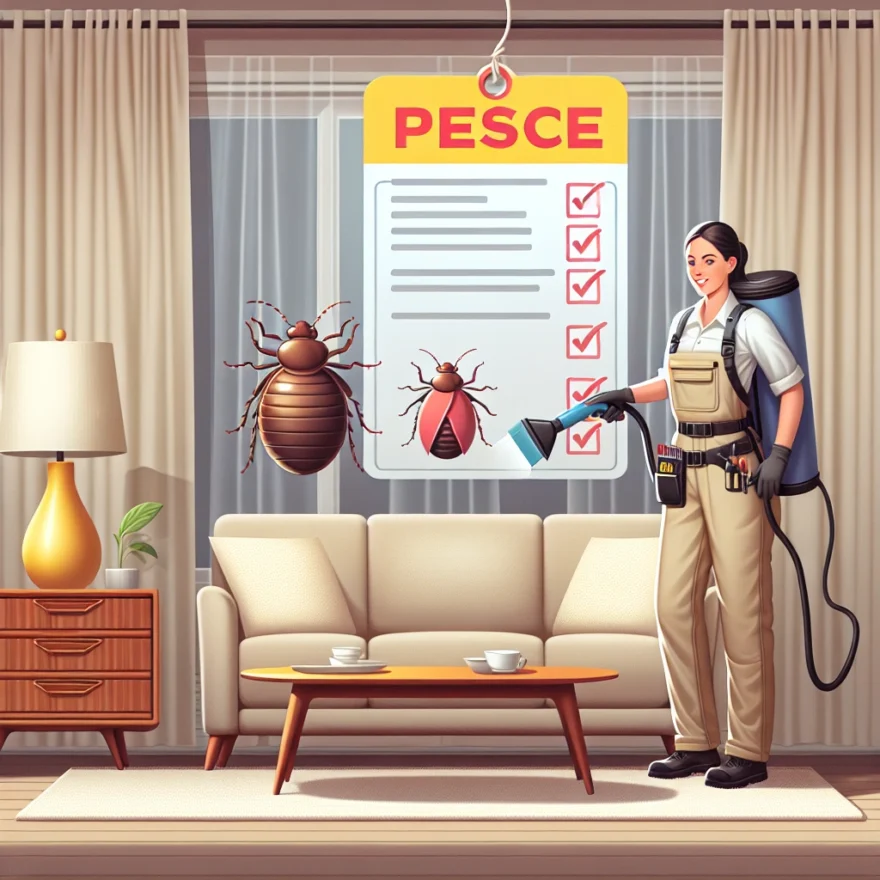
Bed bugs are a common and frustrating pest that can cause a variety of problems for homeowners and renters alike. These tiny, blood-sucking insects are notoriously difficult to eliminate, often requiring the expertise of professional exterminators to effectively eradicate them from a living space. In this comprehensive article, we will explore various aspects of bed bug extermination, from understanding the biology and behavior of these pests, to the different types of extermination services available, the costs involved, and tips for selecting the right exterminator for your needs. We will also delve into the pros and cons of do-it-yourself extermination methods, the role of bed bug detection dogs, pesticide resistance, and the psychological impact of bed bug infestations. Additionally, we will discuss renters’ rights in relation to bed bug extermination, how to prevent future infestations, the environmental impact of extermination methods, and debunk common myths surrounding bed bug extermination. Finally, we will answer some frequently asked questions about bed bug extermination to provide you with a well-rounded understanding of this essential service.
Table of contents
- Understanding Bed Bugs: An Overview
- The Importance of Professional Bed Bug Extermination
- Types of Bed Bug Extermination Services
- How to Choose the Right Bed Bug Exterminator
- Cost Factors for Bed Bug Extermination Services
- Preparing Your Home for Bed Bug Treatment
- Chemical vs. Non-Chemical Bed Bug Extermination Methods
- The Extermination Process: What to Expect
- Post-Treatment Care and Prevention
- DIY Bed Bug Extermination: Pros and Cons
- The Role of Bed Bug Detection Dogs
- Understanding Bed Bug Resistance to Pesticides
- The Psychological Impact of Bed Bug Infestations
- Bed Bug Extermination and Renters’ Rights
- How to Prevent Bed Bug Infestations in the Future
- The Environmental Impact of Bed Bug Extermination
- Common Bed Bug Extermination Myths Debunked
- Frequently Asked Questions About Bed Bug Extermination
Understanding Bed Bugs: An Overview
Bed bugs, scientifically known as Cimex lectularius, are small, wingless insects that feed on the blood of warm-blooded animals, primarily humans. They are about the size of an apple seed, measuring approximately 5 to 7 millimeters in length, and have a reddish-brown color. Bed bugs are nocturnal creatures, meaning they are most active during the night, and are attracted to the carbon dioxide emitted by humans while sleeping.
These pests are not only found in beds, as their name suggests, but can also be found in furniture, carpets, and even electronics. They are excellent hitchhikers and can easily spread from one location to another by attaching themselves to luggage, clothing, and other personal belongings. Bed bugs are known for their ability to survive for extended periods without feeding, which makes them particularly difficult to eliminate.
Bed bug infestations are not a sign of poor hygiene or uncleanliness, as they can infest even the cleanest of homes and establishments. They are often introduced into a home through travel or by bringing in infested items. Once inside, they can multiply rapidly, with females laying hundreds of eggs in their lifetime. A single female bed bug can lay up to 5 eggs per day, and each egg takes about 6 to 10 days to hatch. The newly hatched nymphs will then go through five molting stages before reaching adulthood, which takes about 5 to 8 weeks.
Bed bug bites are generally painless, but they can cause itching, redness, and swelling. In some cases, individuals may develop an allergic reaction to the bites, resulting in more severe symptoms. It is important to note that not everyone reacts to bed bug bites in the same way, and some people may not show any symptoms at all. This can make it difficult to identify a bed bug infestation in its early stages.
While bed bugs are not known to transmit diseases, their presence can cause significant distress and anxiety, as well as sleep disturbances. Moreover, the process of eliminating bed bugs can be time-consuming, costly, and disruptive to daily life. As a result, it is crucial to address bed bug infestations promptly and effectively, utilizing professional extermination services when necessary.
The Importance of Professional Bed Bug Extermination
Bed bugs are notorious for their resilience and adaptability, making them one of the most challenging pests to eradicate. While there are numerous do-it-yourself (DIY) methods available, bed bug infestations often require the expertise of a professional exterminator to ensure complete elimination. There are several reasons why professional bed bug extermination is crucial for effectively dealing with these pests.
Firstly, bed bugs are excellent at hiding in small crevices, cracks, and seams, making it difficult for untrained individuals to locate and eliminate them. Professional exterminators have the knowledge, experience, and equipment necessary to identify and target bed bug hiding spots, ensuring a thorough treatment of the infested area.
Secondly, DIY treatments often involve applying chemicals that may pose risks to the health of the occupants and the environment. Professional exterminators are trained in the safe and responsible use of pesticides, and many companies offer eco-friendly treatment options that minimize the impact on the environment. This ensures the safety of your family, pets, and property during the extermination process.
Another significant advantage of hiring a professional bed bug exterminator is their ability to provide a comprehensive treatment plan tailored to your specific situation. This may include a combination of chemical and non-chemical methods, such as heat treatments, steam treatments, and vacuuming, to effectively eliminate bed bugs at all life stages. A professional exterminator will also conduct follow-up inspections and treatments as necessary to ensure that the infestation is completely eradicated.
Dealing with a bed bug infestation can be a stressful and time-consuming process. Attempting to handle the problem on your own may result in incomplete extermination, leading to a recurring infestation and additional costs in the long run. By enlisting the help of a professional bed bug exterminator, you can save time, money, and peace of mind knowing that the infestation is being handled effectively and efficiently.
Moreover, professional bed bug extermination services often come with a guarantee or warranty, providing you with added assurance that the problem will be resolved. This can be especially important for individuals suffering from the psychological impact of a bed bug infestation, as it offers a sense of security and relief that the issue is being addressed by experts.
In conclusion, while DIY methods may seem like a cost-effective solution, the importance of professional bed bug extermination cannot be overstated. A professional exterminator offers the knowledge, experience, and resources necessary to effectively eliminate bed bugs, ensuring the safety and well-being of your home and family. Investing in professional bed bug extermination services is a crucial step in regaining control of your living space and preventing future infestations.
Types of Bed Bug Extermination Services
Bed bug extermination services employ various methods to eliminate these pesky insects, ensuring that your home is free from infestations. Understanding the different types of extermination services available can help you make an informed decision when choosing the right treatment for your situation. Here, we will discuss the most common bed bug extermination methods, their benefits, and drawbacks.
1. Chemical Treatments
Chemical treatments are one of the most common methods used by exterminators to eradicate bed bugs. This approach involves the use of pesticides, insecticides, and other chemicals to kill bed bugs and their eggs. There are different types of chemical treatments available, including residual insecticides, which remain effective for an extended period, and contact insecticides, which kill bed bugs on contact. Some chemical treatments also include growth regulators that inhibit the development of bed bug eggs and larvae, preventing future infestations.
While chemical treatments can be highly effective, they may not be suitable for everyone, especially those with allergies, respiratory issues, or chemical sensitivities. Additionally, some bed bug populations have developed resistance to certain pesticides, making it essential to choose a professional exterminator who stays up-to-date on the latest developments in pesticide resistance.
2. Heat Treatments
Heat treatments are another popular bed bug extermination method. This approach involves raising the temperature of the affected area to a level that is lethal to bed bugs and their eggs. Heat treatments can be performed using portable heaters, steamers, or even clothes dryers for smaller items. The advantage of heat treatments is that they are chemical-free, making them a safer option for people with allergies or sensitivities. However, heat treatments may not be as effective in penetrating deep into walls, furniture, and other hiding spots, so they are often used in conjunction with other extermination methods.
3. Freezing Treatments
Freezing treatments, also known as cryonite treatments, involve the use of extreme cold to kill bed bugs. This method uses carbon dioxide snow to rapidly freeze the insects, causing their cells to burst. Freezing treatments are non-toxic and can effectively penetrate cracks and crevices where bed bugs may be hiding. However, this method may not be as effective in killing bed bug eggs, and it can be more expensive than other extermination options.
4. Fumigation
Fumigation is a powerful bed bug extermination method that involves sealing off the affected area and filling it with a toxic gas. This gas penetrates deep into walls, furniture, and other hiding spots, effectively killing bed bugs and their eggs. Fumigation is often used in severe infestations or when other extermination methods have been unsuccessful. However, it is a costly and time-consuming process, as it requires occupants to vacate the premises for an extended period.
5. Integrated Pest Management (IPM)
Integrated Pest Management (IPM) is a comprehensive approach to bed bug extermination that combines multiple methods, such as chemical treatments, heat treatments, and preventative measures, to effectively control infestations. IPM focuses on addressing the root causes of infestations and implementing long-term solutions to prevent future outbreaks. This approach is considered more environmentally friendly and sustainable than relying solely on chemical treatments.
In conclusion, there are various bed bug extermination services available, each with its benefits and drawbacks. When choosing the right extermination method for your situation, it is essential to consider factors such as the severity of the infestation, your budget, and any health concerns you may have. Ultimately, working with a professional exterminator who is knowledgeable about the latest bed bug extermination techniques will ensure the best results for your home.
How to Choose the Right Bed Bug Exterminator
Choosing the right bed bug exterminator is a crucial decision, as it can significantly impact the effectiveness of the treatment and the overall cost. To ensure the best possible outcome, you should consider several factors when selecting a professional bed bug exterminator. Here are some essential tips to help you make an informed decision:
1. Experience and expertise: Look for exterminators who have extensive experience in dealing with bed bug infestations. They should have a thorough understanding of bed bug biology, behavior, and the various treatment methods available. Ask about their training and certifications, as well as any affiliations with professional pest management associations.
2. Reputation and reviews: Research the company’s reputation by reading customer reviews and testimonials, both on their website and on third-party review platforms. You can also ask for references from previous clients to learn about their experiences with the exterminator. Additionally, check with your local Better Business Bureau to see if any complaints have been filed against the company.
3. Licensing and insurance: Ensure that the exterminator is licensed to operate in your state or region. Licensing requirements vary, but they typically include passing an examination and maintaining ongoing education in pest management. Additionally, the exterminator should carry liability insurance to protect you and your property in case of any damages during the treatment process.
4. Treatment methods: A reputable exterminator should offer a variety of treatment options, including both chemical and non-chemical methods. They should be able to explain the advantages and disadvantages of each approach and recommend the most appropriate solution for your specific situation. Be wary of exterminators who only offer one type of treatment, as this may not be the most effective option for your infestation.
5. Inspection and quote: A professional exterminator should conduct a thorough inspection of your property to assess the severity of the infestation and identify any potential hiding spots for bed bugs. Based on their findings, they should provide you with a detailed, written quote that outlines the recommended treatment plan, the expected duration of the process, and the total cost. Be cautious of exterminators who give quotes over the phone without conducting an inspection, as this may lead to inaccurate estimates and ineffective treatments.
6. Guarantee: Many exterminators offer a guarantee on their bed bug treatments, which typically includes a follow-up inspection and additional treatments if necessary. Make sure you understand the terms and conditions of the guarantee, as well as any limitations or exclusions that may apply.
7. Customer service: Choose an exterminator who is responsive, attentive, and willing to answer all your questions. They should be able to address any concerns you have about the treatment process and provide guidance on how to prevent future infestations.
By considering these factors and conducting thorough research, you can find a bed bug exterminator who is well-equipped to handle your infestation effectively and efficiently. Remember that investing in a professional extermination service can save you time, money, and stress in the long run, so it’s essential to choose a provider who meets your specific needs and offers the highest level of service.
Cost Factors for Bed Bug Extermination Services
When it comes to bed bug extermination services, costs can vary significantly based on a number of factors. Understanding these factors can help you budget for the expense and ensure that you’re getting the best value for your investment in professional bed bug treatment. Here are some key factors that can influence the cost of bed bug extermination services:
1. Severity of the infestation: The extent of the bed bug infestation is one of the most critical factors in determining the cost of extermination services. A more severe infestation typically requires more intensive treatment, which can increase the overall cost. In some cases, multiple treatments may be necessary to fully eradicate the bed bug population.
2. Size of the treatment area: The size of the area that needs to be treated can also impact the cost of bed bug extermination services. Larger homes or commercial properties may require more time, labor, and materials to treat, which can increase the overall cost. Additionally, the layout of the space can affect the complexity of the extermination process and, consequently, the cost.
3. Type of treatment method: There are various methods for bed bug extermination, including chemical treatments, heat treatments, and integrated pest management (IPM) approaches that combine multiple techniques. Each method has its own cost implications, with some being more expensive than others. For example, heat treatments tend to be more costly than chemical treatments but may be more effective in certain situations.
4. Location and accessibility: The location of your property and the accessibility of the infested areas can also play a role in the cost of bed bug extermination services. If the exterminator needs to travel a significant distance to reach your property or if there are obstacles that make it difficult to access the infested areas, these factors can increase the overall cost of the service.
5. Company reputation and experience: The reputation and experience of the bed bug extermination company can also influence the cost of their services. Companies with a proven track record of success and extensive experience in the field may charge more for their services, but they may also be more likely to provide effective and lasting results.
6. Guarantees and warranties: Some bed bug extermination companies offer guarantees or warranties for their services, which can provide you with peace of mind and protect your investment. However, these guarantees may come at an additional cost, so it’s essential to factor this into your overall budget for bed bug extermination.
In conclusion, the cost of bed bug extermination services can be influenced by several factors, including the severity of the infestation, the size of the treatment area, the type of treatment method used, the location and accessibility of the infested areas, the reputation and experience of the extermination company, and any guarantees or warranties offered. By considering these factors, you can better understand the costs associated with bed bug extermination and make an informed decision when choosing a professional service to address your bed bug problem.
Preparing Your Home for Bed Bug Treatment
Before the bed bug extermination process begins, it’s essential to prepare your home to ensure the treatment is as effective as possible. Proper preparation can also help protect your belongings and reduce the risk of bed bugs spreading to other areas of your home. Here are some steps to follow when preparing your home for bed bug treatment:
- Declutter your home: Start by removing any unnecessary items and clutter from your home. This will make it easier for the exterminator to inspect and treat all areas where bed bugs may be hiding. Be sure to dispose of any infested items properly, sealing them in plastic bags before discarding them.
- Inspect and clean all furniture: Inspect all furniture, including mattresses, box springs, bed frames, sofas, and chairs, for signs of bed bug activity. Vacuum all surfaces thoroughly, paying special attention to seams, crevices, and folds where bed bugs may be hiding. Dispose of the vacuum bag or contents in a sealed plastic bag immediately after use.
- Wash and dry all bedding and clothing: Launder all bedding, curtains, and clothing in hot water and dry them on the highest heat setting. This will help kill any bed bugs or eggs that may be present. Place clean items in sealed plastic bags or containers to prevent re-infestation.
- Remove wall decorations and electrical outlet covers: Bed bugs can hide behind wall decorations, such as paintings and posters, as well as inside electrical outlets. Remove these items and vacuum the areas behind them. Seal any gaps or cracks around electrical outlets with caulk to prevent bed bugs from hiding there.
- Move furniture away from walls: Create a perimeter around the room by moving all furniture at least 18 inches away from the walls. This will allow the exterminator to access and treat the baseboards and other areas where bed bugs may be hiding.
- Empty closets and drawers: Remove all clothing and personal items from closets, dressers, and nightstands. This will make it easier for the exterminator to inspect and treat these areas. Be sure to launder and seal all clothing in plastic bags or containers as mentioned earlier.
- Inform your neighbors: If you live in an apartment building or shared housing, it’s important to inform your neighbors of the bed bug infestation and the upcoming extermination. Bed bugs can easily spread between units, so your neighbors may need to take precautions or arrange for their own inspections and treatments.
- Prepare for post-treatment cleaning: After the extermination is complete, you’ll need to clean your home thoroughly to remove any dead bed bugs, shed skins, and eggs. Stock up on cleaning supplies, such as a vacuum with a HEPA filter, disposable gloves, and trash bags, to make this process easier.
By taking these steps to prepare your home for bed bug treatment, you’ll be helping to ensure the extermination process is as effective as possible. Remember to follow any additional instructions provided by your chosen exterminator, as they may have specific requirements or recommendations based on the treatment method being used.
Chemical vs. Non-Chemical Bed Bug Extermination Methods
When it comes to bed bug extermination, there are two primary methods employed by professionals: chemical and non-chemical treatments. Both methods have their advantages and disadvantages, and the choice between the two often depends on the severity of the infestation, the preferences of the homeowner, and the specific circumstances of the infestation. In this section, we will explore the differences between chemical and non-chemical bed bug extermination methods, as well as their pros and cons.
Chemical Bed Bug Extermination
Chemical extermination involves the use of pesticides, specifically formulated to target bed bugs. These pesticides are typically applied as sprays, dusts, or aerosols, and can be applied to mattresses, furniture, and other areas where bed bugs are known to reside. The most common active ingredients in chemical bed bug treatments include pyrethroids, neonicotinoids, and insect growth regulators.
Pros of Chemical Extermination:
- Effective: Chemical treatments can be highly effective in killing bed bugs, especially when applied by a trained professional.
- Residual effect: Many chemical treatments have a residual effect, meaning they continue to kill bed bugs for a period of time after the initial application.
- Cost: Chemical treatments are generally less expensive than non-chemical methods.
Cons of Chemical Extermination:
- Resistance: Some bed bug populations have developed resistance to certain pesticides, making chemical treatments less effective in some cases.
- Toxicity: Chemical treatments can pose health risks to humans and pets if not applied correctly.
- Multiple applications: In some cases, multiple applications of chemical treatments may be necessary to fully eradicate an infestation.
Non-Chemical Bed Bug Extermination
Non-chemical extermination methods rely on alternative approaches to eliminate bed bugs, such as heat, steam, or freezing treatments. These methods do not involve the use of pesticides, and can be an attractive option for homeowners who are concerned about the potential health risks or environmental impacts of chemical treatments.
Pros of Non-Chemical Extermination:
- No resistance: Bed bugs cannot develop resistance to non-chemical treatments, making them effective against all populations.
- Environmentally friendly: Non-chemical treatments have a lower environmental impact compared to chemical methods.
- No health risks: Non-chemical treatments do not pose the same health risks to humans and pets as chemical treatments.
Cons of Non-Chemical Extermination:
- Cost: Non-chemical treatments can be more expensive than chemical methods, due to the specialized equipment and expertise required.
- Less residual effect: Non-chemical treatments typically do not have a residual effect, meaning they may not continue to kill bed bugs after the initial treatment.
- Time-consuming: Non-chemical treatments can be more time-consuming than chemical methods, as they often require thorough preparation and multiple treatments.
In conclusion, both chemical and non-chemical bed bug extermination methods have their advantages and disadvantages. The choice between the two will largely depend on the specific circumstances of the infestation, as well as the preferences and priorities of the homeowner. It is important to consult with a professional bed bug exterminator to determine which method is most suitable for your situation and to ensure the most effective and safe treatment possible.
The Extermination Process: What to Expect
When dealing with a bed bug infestation, it’s important to know what to expect during the extermination process. This will help you prepare your home and understand the steps that will be taken by the bed bug exterminator. The extermination process typically consists of several stages, which may vary depending on the specific method chosen by the exterminator.
Inspection and Assessment
Before any treatment begins, a thorough inspection of your home will be conducted by the exterminator. This is crucial in determining the extent of the infestation, identifying the areas where bed bugs are hiding, and selecting the most appropriate treatment method. The exterminator may use tools such as magnifying glasses, flashlights, and even bed bug detection dogs to locate the pests.
Preparation
Once the infestation has been assessed, the exterminator will provide you with a list of tasks that need to be completed before the treatment can begin. This may include removing clutter, vacuuming, laundering bedding and clothing, and moving furniture away from walls. These tasks help to reduce the number of hiding places for bed bugs and make the treatment more effective.
Treatment
The treatment process will depend on the extermination method chosen by the professional. Some common methods include:
- Chemical treatments: Insecticides are applied to areas where bed bugs are known to hide. This may involve spraying baseboards, furniture, and other surfaces, as well as applying dust formulations in cracks and crevices.
- Heat treatments: Portable heaters are used to raise the temperature of the infested area to a level that is lethal to bed bugs. This method is effective in killing all life stages of bed bugs, including eggs, and can be used to treat entire rooms or specific items such as furniture.
- Steam treatments: High-pressure steam is applied to infested areas, killing bed bugs on contact. This method is particularly useful for treating mattresses, box springs, and upholstered furniture.
- Cold treatments: Infested items are placed in a freezer or exposed to extremely cold temperatures for an extended period of time, killing bed bugs at all life stages.
Follow-up Visits
After the initial treatment, the exterminator will likely schedule one or more follow-up visits to ensure that the infestation has been successfully eliminated. During these visits, the exterminator will inspect your home for any signs of bed bug activity and may apply additional treatments if necessary. It’s important to maintain communication with the exterminator and report any signs of bed bugs immediately.
By understanding the extermination process and knowing what to expect, you can better prepare your home for treatment and increase the likelihood of a successful bed bug extermination. Remember, working closely with a professional exterminator is essential in ensuring that your home becomes bed bug-free.
Post-Treatment Care and Prevention
After the bed bug extermination process is complete, it’s essential to take proper post-treatment care and implement prevention measures to ensure that these pests don’t make a comeback. The following steps will help you maintain a bed bug-free environment and protect your home from future infestations.
1. Inspect your home regularly: Regular inspections are crucial in detecting any signs of bed bugs early on. Check your bedding, mattress, box spring, and furniture for any signs of bed bugs, such as live insects, exoskeletons, or fecal stains. Use a flashlight to inspect hard-to-reach areas, like behind headboards and inside drawers.
2. Follow the exterminator’s instructions: Your bed bug exterminator will provide you with specific instructions on how to care for your home after treatment. This may include cleaning or disposing of certain items, vacuuming, or laundering your bedding and clothing. Make sure to follow these instructions carefully to prevent bed bugs from returning.
3. Encase your mattress and box spring: Using bed bug-proof encasements for your mattress and box spring can help prevent bed bugs from hiding in these areas. These encasements are designed with tight zippers and seams that prevent bed bugs from entering or escaping, making it easier to spot any signs of infestation.
4. Reduce clutter: Clutter provides hiding spots for bed bugs, making it harder to detect and treat an infestation. Keep your home tidy and organized to minimize potential hiding places for these pests. Store items in sealed plastic containers instead of cardboard boxes, and avoid stacking items on the floor or under your bed.
5. Seal cracks and crevices: Bed bugs can enter your home through tiny gaps and cracks in walls, floors, and baseboards. Seal any openings with caulk or another appropriate material to prevent bed bugs from entering your living space.
6. Launder your bedding and clothing regularly: Washing and drying your bedding, clothing, and other fabrics at high temperatures can help kill any bed bugs or eggs that may be present. Make sure to wash items in hot water and dry them on the highest heat setting for at least 30 minutes.
7. Be cautious when traveling: Bed bugs are notorious hitchhikers and can easily be brought home from hotels, hostels, or other accommodations. When traveling, inspect your room for signs of bed bugs and keep your luggage off the floor and away from the bed. Upon returning home, immediately wash and dry all your clothing and inspect your luggage for any signs of bed bugs.
8. Educate yourself and others: Knowledge is power when it comes to bed bug prevention. Educate yourself and your family members about bed bugs, their habits, and how to identify them. Share this information with friends and neighbors to help create a bed bug-aware community.
By following these post-treatment care and prevention tips, you can significantly reduce the likelihood of a bed bug infestation recurring in your home. Stay vigilant, and remember that early detection is key to preventing and treating bed bug infestations effectively.
DIY Bed Bug Extermination: Pros and Cons
While professional bed bug extermination is often the most effective and reliable method for addressing an infestation, some individuals may consider taking a do-it-yourself (DIY) approach to save money or for other reasons. In this section, we will explore the pros and cons of DIY bed bug extermination to help you determine if this option is suitable for your situation.
Pros of DIY Bed Bug Extermination
- Cost savings: One of the main reasons people choose to tackle bed bug infestations on their own is to save money. Professional extermination services can be expensive, and DIY methods may provide a more affordable alternative.
- Immediate action: If you discover a bed bug infestation in the middle of the night or on a weekend, you may not be able to schedule a professional exterminator right away. DIY methods allow you to take immediate action to address the issue.
- Control over treatment: When you handle bed bug extermination yourself, you have control over the methods and chemicals used, which can be appealing if you have concerns about the safety of certain pesticides or the impact on your belongings.
Cons of DIY Bed Bug Extermination
- Effectiveness: DIY methods are often less effective than professional treatments. Bed bugs are notoriously difficult to eliminate, and many DIY treatments may only provide temporary relief or fail to address the entire infestation.
- Time-consuming: DIY bed bug extermination can be a time-consuming process, especially if you need to research methods, purchase supplies, and apply treatments multiple times. This can be particularly challenging if you are already dealing with the stress of an infestation.
- Health and safety risks: Some DIY methods, such as using chemical pesticides, can pose health and safety risks if not used correctly. Additionally, improperly applying treatments can lead to further spreading of the infestation.
- Difficulty in detecting hidden infestations: Bed bugs are experts at hiding in small crevices and difficult-to-reach areas. Professionals have specialized equipment and training to detect and treat hidden infestations, while DIY methods may not be as effective in these situations.
- Potential for resistance: As mentioned in the section on bed bug resistance to pesticides, some bed bug populations have developed resistance to certain chemicals. Using ineffective treatments can lead to a more resilient infestation that is even harder to eliminate.
In conclusion, while DIY bed bug extermination may offer some benefits, it is essential to weigh these against the potential drawbacks. In many cases, the most effective and efficient solution is to enlist the help of a professional exterminator. However, if you decide to pursue DIY methods, be sure to research and follow best practices to maximize your chances of success.
The Role of Bed Bug Detection Dogs
Bed bug detection dogs have become an increasingly popular and effective tool in the battle against bed bug infestations. These specially trained canines possess a keen sense of smell that allows them to detect the presence of bed bugs and their eggs with remarkable accuracy. In fact, studies have shown that bed bug detection dogs can have a success rate of up to 98% in identifying infested areas, which is significantly higher than the accuracy of human inspections.
These dogs undergo rigorous training to hone their scent detection skills, often learning to identify the unique odor of live bed bugs and their viable eggs. This training typically involves the use of scent imprinting, wherein the dog is exposed to the scent of bed bugs in various stages of development and rewarded for correctly identifying the target odor. Once a dog has successfully completed its training, it can be certified by organizations such as the National Entomology Scent Detection Canine Association (NESDCA) or the World Detector Dog Organization (WDDO).
One of the primary advantages of using bed bug detection dogs is their ability to quickly and efficiently inspect large areas, such as hotels, apartment complexes, and office buildings. This can be particularly beneficial for property owners and managers who need to determine the extent of an infestation and prioritize treatment efforts. Additionally, these dogs can help to pinpoint the exact location of bed bugs within a room or structure, enabling exterminators to target their efforts more effectively and potentially reducing the need for extensive chemical treatments.
However, it is important to note that while bed bug detection dogs can be highly accurate, they are not infallible. Factors such as the presence of other odors, environmental conditions, and the individual dog’s health and temperament can all impact the accuracy of their scent detection. To minimize the risk of false positives or negatives, it is essential to work with a reputable bed bug exterminator who employs certified detection dogs and follows industry best practices for canine scent detection.
When considering the use of bed bug detection dogs as part of your extermination strategy, it is important to weigh the potential benefits against the costs. While these dogs can provide valuable information about the presence and location of bed bugs, their services can be relatively expensive, especially for large-scale inspections. However, the investment may be well worth it if it leads to a more targeted and effective extermination plan, ultimately saving time, money, and stress in the long run.
Understanding Bed Bug Resistance to Pesticides
One of the major challenges faced by bed bug exterminators is the development of resistance to pesticides by these pesky insects. Over the years, bed bugs have evolved and adapted to the chemicals used to control and eliminate them, making it increasingly difficult to successfully treat infestations. In this section, we will delve into the factors contributing to bed bug resistance, the implications for extermination efforts, and the importance of staying informed about the latest developments in bed bug control.
Bed bugs have been exposed to various pesticides for decades, and as a result, they have developed mechanisms to resist the toxic effects of these chemicals. There are several factors that contribute to bed bug resistance, including:
- Genetic mutations: Bed bugs can develop genetic mutations that make them less susceptible to the effects of pesticides. These mutations can be passed on to future generations, leading to a population of bed bugs that are more resistant to chemical treatments.
- Behavioral changes: Bed bugs may also develop behavioral adaptations that help them avoid contact with pesticides. For example, they may become more adept at hiding in hard-to-reach areas, making it more difficult for exterminators to apply treatments effectively.
- Increased detoxification: Some bed bugs have developed the ability to produce higher levels of enzymes that can break down pesticides, reducing their toxicity and allowing the insects to survive exposure to these chemicals.
The development of pesticide resistance among bed bug populations has significant implications for extermination efforts. As bed bugs become more resistant to chemical treatments, exterminators must rely on a combination of methods and newer, more effective pesticides to successfully eliminate infestations. This can make the extermination process more time-consuming, costly, and complex.
It is essential for both homeowners and bed bug extermination professionals to stay informed about the latest developments in bed bug control. This includes being aware of new pesticide formulations, as well as alternative treatment methods such as heat treatments and integrated pest management (IPM) strategies. By staying up-to-date on the most effective bed bug control methods, exterminators can better adapt their strategies to overcome pesticide resistance and successfully eliminate infestations.
In conclusion, understanding bed bug resistance to pesticides is crucial for effective extermination efforts. As these insects continue to evolve and adapt to the chemicals used to control them, it is essential for both homeowners and professionals to stay informed about the latest developments in bed bug control. By doing so, exterminators can adapt their strategies and employ a combination of methods to successfully eliminate infestations, even in the face of increasing pesticide resistance.
The Psychological Impact of Bed Bug Infestations
Bed bug infestations can have a significant psychological impact on individuals and families. The presence of these pests in one’s living space can lead to a range of emotional and mental health issues, including anxiety, stress, depression, and even post-traumatic stress disorder (PTSD). This section will explore the various ways bed bug infestations can affect mental well-being, as well as provide suggestions on how to cope with the emotional toll of dealing with these unwelcome guests.
One of the primary psychological effects of bed bug infestations is anxiety. The knowledge that one’s home is infested with these pests can lead to constant worry and stress, as individuals may feel helpless and overwhelmed by the situation. This anxiety can be exacerbated by the fact that bed bugs are nocturnal and often bite their victims while they are asleep, leading to feelings of vulnerability and invasion of personal space.
Another common psychological impact of bed bug infestations is sleep disruption. The fear of being bitten at night can make it difficult for individuals to fall asleep or stay asleep, leading to insomnia and sleep deprivation. This lack of sleep can have a ripple effect on mental health, as it can exacerbate anxiety and depression, as well as impair cognitive function and overall quality of life.
Depression is another potential consequence of bed bug infestations. The stress and anxiety associated with dealing with these pests can lead to feelings of hopelessness and despair, particularly if the infestation is persistent and difficult to eradicate. Additionally, the social stigma associated with bed bugs can lead to feelings of embarrassment and isolation, further contributing to depression.
In some cases, individuals who have experienced bed bug infestations may develop symptoms of post-traumatic stress disorder (PTSD). This can occur if the infestation was particularly severe or if the individual has a history of trauma. Symptoms of PTSD can include intrusive thoughts, nightmares, flashbacks, and heightened anxiety.
To cope with the psychological impact of bed bug infestations, it is important to seek professional help for both the extermination of the pests and the emotional toll they can take. Mental health professionals, such as therapists or counselors, can provide support and guidance for managing anxiety, depression, and other mental health issues related to bed bug infestations. Additionally, connecting with others who have experienced similar situations, either through support groups or online forums, can provide a sense of community and understanding.
It is also important to remember that bed bug infestations are not a reflection of one’s cleanliness or personal habits. By educating oneself about these pests and taking proactive steps to prevent and address infestations, individuals can regain a sense of control and reduce the psychological impact of bed bugs on their lives.
Bed Bug Extermination and Renters’ Rights
Dealing with a bed bug infestation can be a stressful and overwhelming experience, especially for renters who may not have the authority to make decisions about extermination methods or bear the financial burden of extermination services. It’s essential for renters to understand their rights and responsibilities when it comes to bed bug extermination in rental properties.
First and foremost, it’s important for renters to know that landlords are generally responsible for providing a habitable living environment, which includes addressing pest infestations such as bed bugs. In most jurisdictions, landlords are required to take prompt and effective action to eliminate bed bugs once they are made aware of the problem. However, the specific laws and regulations regarding bed bug extermination responsibilities may vary depending on the location.
To ensure that your rights as a renter are protected, it’s crucial to notify your landlord in writing as soon as you suspect a bed bug infestation. This creates a record of your complaint and can serve as evidence in case of any disputes. Be sure to include details about the issue, such as when you first noticed the bed bugs and any steps you have taken to address the problem. In some cases, landlords may require proof of the bed bug infestation, such as photographs or a professional inspection report.
Once your landlord has been notified of the bed bug issue, they should take appropriate action to address the problem. This may include hiring a professional bed bug exterminator or taking other measures to eliminate the infestation. If your landlord fails to take timely and effective action, you may have legal options available to you, such as withholding rent, breaking your lease, or pursuing a lawsuit for damages related to the infestation. However, it’s essential to consult with a local attorney or tenant advocacy organization to understand your specific rights and options.
It’s also important for renters to understand their responsibilities when it comes to bed bug extermination. In some cases, tenants may be held responsible for the cost of extermination services if they are found to be at fault for the infestation. This could occur if a tenant knowingly brings infested furniture into the rental property or fails to take reasonable steps to prevent the spread of bed bugs. Additionally, renters may be required to cooperate with the extermination process by following the exterminator’s instructions, such as preparing the living space for treatment or vacating the property during the extermination process.
In summary, renters have rights and responsibilities when it comes to bed bug extermination in rental properties. By understanding your obligations and communicating effectively with your landlord, you can help ensure a prompt and effective resolution to the bed bug problem while protecting your legal rights as a tenant.
How to Prevent Bed Bug Infestations in the Future
Preventing bed bug infestations in the future is crucial to maintaining a comfortable and healthy living environment. Bed bugs are notorious for their ability to quickly multiply and infest homes, so taking proactive steps to avoid an infestation is essential. Here are some tips and strategies to help you keep these unwelcome pests at bay:
- Regularly inspect your home: Conduct routine inspections of your home, especially in areas where bed bugs are most likely to hide. This includes bedrooms, living rooms, and any areas with upholstered furniture. Look for signs of bed bugs, such as small black or brown fecal spots, shed skins, or live insects.
- Maintain a clean and clutter-free environment: Bed bugs thrive in cluttered spaces, as it provides them with plenty of hiding spots. Regularly clean your home, vacuum your carpets and upholstery, and reduce clutter to minimize potential hiding spots for bed bugs.
- Be cautious when traveling: Bed bugs are known to hitchhike on luggage and clothing, so it’s essential to be vigilant when staying in hotels or other temporary accommodations. Inspect the room for signs of bed bugs and keep your luggage off the floor and away from the bed. Upon returning home, wash all your clothes in hot water and vacuum your luggage thoroughly.
- Use bed bug-proof mattress and pillow encasements: Encasing your mattress and pillows in bed bug-proof covers can help prevent bed bugs from infesting these areas. These encasements are designed to be impermeable to bed bugs and can also help detect an infestation early on, as any signs of bed bugs will be more visible on the encasements.
- Seal cracks and crevices: Bed bugs can enter your home through small cracks and crevices in walls, floors, and baseboards. Seal any openings you find with caulk or other appropriate materials to prevent bed bugs from gaining access to your living space.
- Monitor for bed bugs with traps: Using bed bug traps can help detect an infestation early on, allowing you to take action before the problem gets out of hand. There are various types of traps available, including sticky traps and interceptors that can be placed under the legs of your bed.
- Be cautious when buying used furniture: Bed bugs can easily hide in used furniture, so it’s important to thoroughly inspect any secondhand items before bringing them into your home. If possible, avoid purchasing used mattresses and upholstered furniture, as these items are more likely to harbor bed bugs.
- Consider professional preventative treatments: Some pest control companies offer preventative bed bug treatments that can help protect your home from future infestations. These treatments may include the application of residual insecticides or the installation of monitoring devices to detect bed bug activity.
By following these tips and being vigilant in your efforts to prevent bed bugs, you can greatly reduce the risk of experiencing a bed bug infestation in the future. Remember that early detection and intervention are key to effectively dealing with bed bugs, so don’t hesitate to contact a professional exterminator if you suspect an infestation.
The Environmental Impact of Bed Bug Extermination
As the demand for bed bug extermination services continues to rise, it is crucial to consider the environmental impact of the various methods employed to control and eliminate these pests. Bed bug extermination can have both positive and negative effects on the environment, depending on the techniques used and the chemicals involved.
Chemical extermination methods often involve the use of pesticides, which can have negative consequences for the environment. Many pesticides are toxic not only to bed bugs but also to other non-target organisms, including humans, pets, and beneficial insects. Some pesticides can persist in the environment for extended periods, leading to contamination of soil, water, and air. Moreover, the overuse of pesticides can contribute to the development of pesticide-resistant bed bug populations, making future control efforts more challenging and potentially requiring even more potent chemicals.
Non-chemical extermination methods, on the other hand, tend to have a lower environmental impact. Techniques such as heat treatments, steam treatments, and vacuuming can effectively eliminate bed bugs without introducing harmful chemicals into the environment. Heat treatments, for example, involve raising the temperature of the infested area to a level that is lethal to bed bugs but safe for humans and pets. This method is eco-friendly, as it does not involve the use of chemicals and leaves no toxic residues behind.
Integrated Pest Management (IPM) is an environmentally responsible approach to bed bug extermination that combines multiple methods to achieve effective control while minimizing the use of pesticides. IPM strategies include regular monitoring, targeted application of pesticides, and the use of non-chemical control methods, such as physical barriers, heat treatments, and biological controls. By employing a combination of techniques, IPM aims to reduce the reliance on chemical pesticides, thereby decreasing the potential for environmental harm.
When choosing a bed bug exterminator, it is essential to inquire about their commitment to environmentally responsible practices. Look for exterminators who employ IPM strategies and prioritize eco-friendly treatment methods. Additionally, ask about the specific chemicals they use and their potential environmental impact. By selecting a bed bug exterminator who is mindful of the environment, you can help ensure that your pest control efforts are not only effective but also environmentally responsible.
In conclusion, the environmental impact of bed bug extermination depends largely on the methods and chemicals used. While chemical pesticides can be harmful to the environment and contribute to the development of pesticide-resistant bed bugs, non-chemical methods and IPM strategies offer more eco-friendly alternatives. By considering the environmental impact of bed bug extermination, homeowners and property managers can make informed decisions about the best course of action for dealing with these persistent pests.
Common Bed Bug Extermination Myths Debunked
When it comes to bed bug extermination, there are numerous myths and misconceptions that can make it difficult for homeowners to effectively address an infestation. In this section, we will debunk some of the most common bed bug extermination myths and provide accurate information to help you make informed decisions about bed bug treatment.
Myth 1: Bed bugs only infest dirty homes
In reality, bed bugs are not attracted to dirt or filth but rather the warmth, carbon dioxide, and blood of their human hosts. They can infest even the cleanest of homes, hotels, and other dwellings. Maintaining a clean and clutter-free environment can help make it easier to spot and treat an infestation, but it does not guarantee immunity from bed bugs.
Myth 2: Bed bugs are too small to see with the naked eye
While bed bugs are small, they are not microscopic. Adult bed bugs are about the size of an apple seed and can be seen without the aid of magnification. Nymphs (young bed bugs) and eggs are smaller and may be more difficult to spot, but they are still visible to the naked eye.
Myth 3: Bed bugs can jump or fly
Bed bugs do not have wings and cannot fly. They also lack the ability to jump like fleas. Instead, they crawl from place to place, often hitching a ride on luggage, clothing, or other items to move between locations.
Myth 4: Bed bugs only bite at night
Although bed bugs are primarily nocturnal and prefer to feed at night, they can and will bite during the day if they are hungry and a host is available. This means that you should not assume that daytime bites are not from bed bugs.
Myth 5: Pesticides are always effective in exterminating bed bugs
While pesticides can be an effective tool in bed bug extermination, some bed bug populations have developed resistance to certain chemicals. This resistance can make it more difficult to eradicate an infestation using pesticides alone. A comprehensive approach, including non-chemical methods, may be necessary to effectively eliminate bed bugs from your home.
Myth 6: DIY bed bug treatments are just as effective as professional extermination
Although there are some DIY bed bug treatment options available, they often lack the effectiveness and thoroughness of professional extermination services. In many cases, DIY treatments can even make the problem worse by causing bed bugs to scatter and infest new areas. Hiring a professional bed bug exterminator is the best way to ensure that an infestation is properly addressed and eliminated.
By debunking these common bed bug extermination myths, we hope to provide you with a better understanding of bed bug behavior and treatment options. As you navigate the process of addressing a bed bug infestation, remember to rely on accurate information and professional guidance to ensure the best possible outcome.
Frequently Asked Questions About Bed Bug Extermination
In this section, we will address some of the most frequently asked questions about bed bug extermination to provide you with a comprehensive understanding of the process, what to expect, and how to ensure the best possible results.
1. How do I know if I have a bed bug infestation?
Signs of a bed bug infestation include small, reddish-brown bugs in your bedding, furniture, or clothing, as well as tiny black fecal spots, shed skins, and eggs. Bed bug bites can also be an indicator, although not everyone reacts to them. Bites are often small, red, and itchy, and they may appear in clusters or lines.
2. How long does a bed bug extermination process take?
The duration of the extermination process depends on the severity of the infestation and the chosen treatment method. In general, chemical treatments can take several hours to a day, while heat treatments may take up to eight hours. It is important to note that multiple treatments may be necessary to ensure complete eradication.
3. How effective are DIY bed bug extermination methods?
While some DIY methods may provide temporary relief, they are generally not as effective as professional extermination services. Bed bugs are notoriously difficult to eliminate, and improper treatment can lead to the spread of the infestation. It is highly recommended to consult with a professional exterminator for the best results.
4. Can I stay in my home during the extermination process?
This depends on the treatment method being used. For chemical treatments, you may be required to leave your home for a few hours to a day. For heat treatments, you will need to vacate the premises for the duration of the treatment. Your exterminator will provide specific instructions based on your situation.
5. How can I prevent bed bugs from returning after extermination?
To prevent future infestations, it is crucial to maintain a clean and clutter-free environment, regularly inspect and vacuum your home, and be vigilant when traveling or purchasing used items. Additionally, using bed bug-proof mattress and box spring encasements can help prevent bed bugs from finding a suitable hiding place.
6. Are bed bug extermination chemicals harmful to humans or pets?
Professional exterminators use EPA-approved pesticides that are specifically designed for bed bug extermination. While these chemicals are generally safe when used according to the label instructions, it is essential to follow your exterminator’s guidelines to minimize any potential risks to humans or pets.
7. What should I do with my belongings during the extermination process?
Your exterminator will provide specific instructions on how to prepare your home for treatment. This may include laundering and bagging clothing, bedding, and other items, as well as removing clutter and vacuuming all areas of the home. It is important to follow these instructions carefully to ensure the most effective treatment.
8. How long after bed bug extermination can I expect to see results?
It is not uncommon to see a few bed bugs for several days to a few weeks after treatment, as they may continue to emerge from hiding spots. However, the extermination process should significantly reduce the bed bug population, and any remaining bugs should be eliminated through follow-up treatments as necessary.
9. How can I find a reputable bed bug exterminator?
When searching for a bed bug exterminator, it is important to look for a company with a proven track record, positive customer reviews, and proper licensing and certification. You can also ask for recommendations from friends, family, or online forums for local exterminators with experience in bed bug treatments.
10. Are bed bug extermination services covered by insurance?
Bed bug extermination services are generally not covered by homeowner’s insurance, as they are considered a maintenance issue. However, it is always a good idea to check with your insurance provider to confirm their specific policy regarding bed bug treatments.