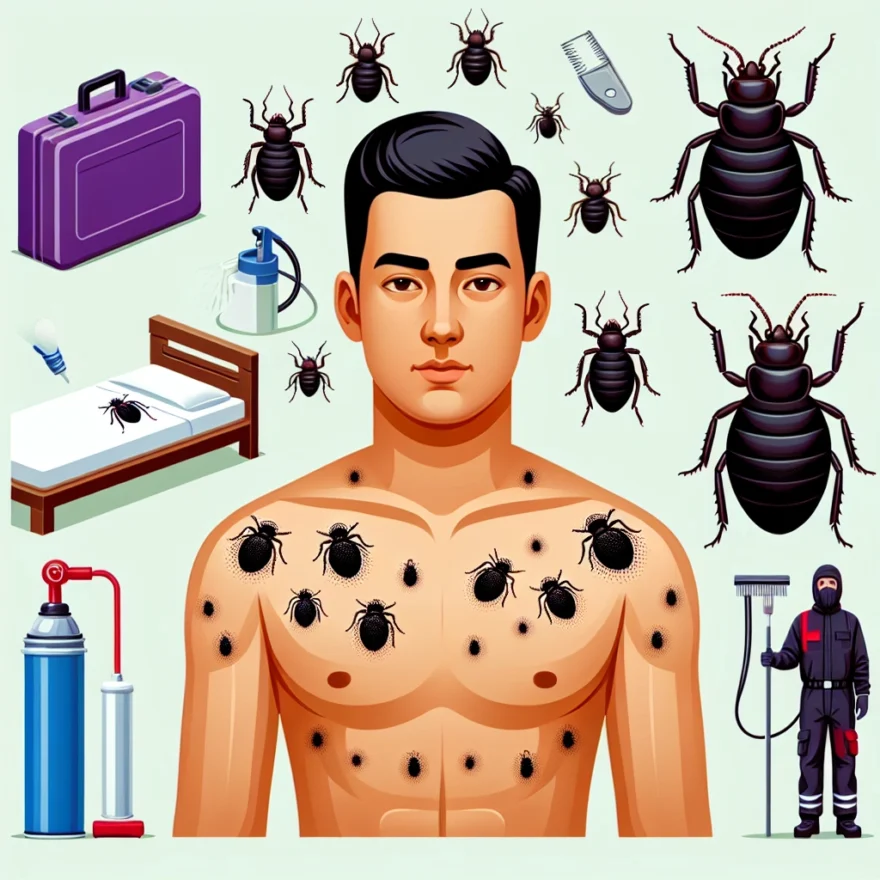
Introduction to Tiny Black Bugs in Bed
Discovering tiny black bugs in your bed can be a distressing and unsettling experience. These uninvited guests can cause a variety of problems, ranging from itchy bites to potential health risks. As a homeowner or renter, it is essential to become familiar with these tiny black bugs to effectively identify, control, and prevent them from infesting your sleeping space. In this comprehensive guide, we will delve into the world of tiny black bugs in bed, discussing their identification, bites, and various control methods. We will also explore natural remedies for bug bites, when to seek professional help, and how to maintain a bug-free bedroom. By understanding the different types of tiny black bugs, their behaviors, and their effects on both humans and pets, you can take the necessary steps to protect your home and ensure a good night’s sleep.
Table of contents
- Introduction to Tiny Black Bugs in Bed
- Common Types of Tiny Black Bugs in Bed
- Identifying Tiny Black Bugs in Bed
- Recognizing the Bites of Tiny Black Bugs
- Preventing Infestations of Tiny Black Bugs
- Non-Chemical Control Methods for Tiny Black Bugs
- Chemical Control Methods for Tiny Black Bugs
- Natural Remedies for Tiny Black Bug Bites
- When to Seek Professional Help for Tiny Black Bug Infestations
- How to Maintain a Bug-Free Bedroom
- Common Misconceptions About Tiny Black Bugs
- FAQs: Common Questions and Answers About Tiny Black Bugs
- Tiny Black Bugs and Allergies: What You Need to Know
- How Tiny Black Bugs Affect Sleep Quality
- Protecting Your Pets from Tiny Black Bugs
- Travel Tips: Avoiding Tiny Black Bugs in Hotel Beds
- The Impact of Climate on Tiny Black Bug Infestations
- Tiny Black Bugs and Public Health Concerns
- The Economic Cost of Tiny Black Bug Infestations
- Conclusion: Dealing with Tiny Black Bugs in Bed
Common Types of Tiny Black Bugs in Bed
When it comes to tiny black bugs in bed, there are several species that can be the cause of your distress. These insects can be a nuisance, as well as a health concern, as they may bite or cause allergic reactions. In this section, we will explore the most common types of tiny black bugs that you may encounter in your bed.
Bed Bugs: Perhaps the most well-known and dreaded of all tiny black bugs in bed, bed bugs (Cimex lectularius) are small, flat, oval-shaped insects that feed on human and animal blood. They are usually reddish-brown in color but can appear black after feeding. Adult bed bugs are about the size of an apple seed, while their eggs and nymphs are even smaller and more difficult to see.
Fleas: Fleas (Ctenocephalides spp.) are small, wingless insects that infest the fur of animals and can jump onto humans and their bedding. They are dark brown to black in color and can be as small as 1/16 of an inch. Fleas are known for their ability to jump great distances and can cause itchy, red bites on both humans and pets.
Mites: There are several species of mites that can be found in bedding, including dust mites (Dermatophagoides spp.) and bird mites (Ornithonyssus spp.). Dust mites are microscopic insects that feed on dead skin cells and can cause allergies in sensitive individuals. Bird mites are tiny black or red bugs that can infest homes, particularly if there are birds nesting nearby. While bird mites prefer to feed on birds, they can also bite humans, causing irritation and discomfort.
Carpet Beetles: Carpet beetles (Dermestidae spp.) are small, oval-shaped insects that can be black, brown, or multicolored. They are not typically found in beds but can be brought in on clothing, luggage, or pets. Carpet beetle larvae feed on natural fibers, such as wool, silk, and feathers, and can cause damage to bedding and clothing. Adult carpet beetles do not bite, but their larvae can cause skin irritation and allergies in some people.
Booklice: Booklice (Liposcelis spp.) are tiny, wingless insects that are usually pale brown or gray but can appear black in certain lighting. They are often found in damp, humid environments and can infest books, wallpaper, and bedding. Booklice do not bite, but their presence can be a sign of mold or mildew in your home.
Understanding the common types of tiny black bugs in bed is essential for proper identification and control. By knowing what you are dealing with, you can take the necessary steps to prevent infestations and protect yourself and your family from bites and other health concerns.
Identifying Tiny Black Bugs in Bed
Identifying tiny black bugs in bed can be a challenging task, as there are several types of insects that could be invading your sleeping space. However, there are a few key characteristics that can help you determine what type of bug you’re dealing with.
First, take note of the size of the bugs. Are they truly tiny, or are they larger than you initially thought? This can help narrow down the possibilities. Some common tiny black bugs found in beds include carpet beetles, bed bugs, and fleas.
Next, examine the shape and appearance of the bugs. Bed bugs are flat and oval-shaped, with six legs and two antennae. They are reddish-brown in color but may appear black if they haven’t recently fed. Fleas are also small and black, but they have a more slender body and are capable of jumping long distances.
Carpet beetles are another possibility, and they are also small and black. However, they have a more rounded shape and are covered in tiny hairs. They are often found in carpets and other fabrics, but they can also make their way into beds.
Finally, consider any other symptoms or signs of infestation. Are you experiencing bites or rashes? Are there small black specks on your sheets or mattress? These can be clues that can help you identify the type of bug you’re dealing with.
It’s important to properly identify the type of bug in order to effectively treat and prevent infestations. If you’re unsure of what type of bug you’re dealing with, consider contacting a pest control professional for assistance.
Recognizing the Bites of Tiny Black Bugs
One of the most common signs of a tiny black bug infestation in your bed is the appearance of small, itchy bites on your skin. These bites can be difficult to distinguish from other insect bites, but there are a few key characteristics that can help you identify them as being caused by tiny black bugs.
First, tiny black bug bites tend to be clustered in groups or lines on the skin. This is because the bugs often feed in the same area multiple times, leaving behind a series of bites. The bites themselves are typically small and red or pink in color, with a raised bump in the center. They may also be surrounded by a red, itchy rash.
Another important characteristic of tiny black bug bites is their location on the body. These bugs tend to prefer areas of exposed skin, such as the arms, legs, and neck. They may also bite around the ankles and feet, where the skin is thinner and easier to penetrate.
If you suspect that you have been bitten by tiny black bugs, it is important to take steps to relieve the itching and prevent further bites. Over-the-counter anti-itch creams and lotions can be effective, as can taking antihistamines to reduce allergic reactions. You may also want to avoid scratching the bites, as this can lead to infection.
It is important to note that not all bites in your bed are caused by tiny black bugs. Other common culprits include bed bugs, fleas, and mites. If you are unsure what is causing your bites, it may be helpful to consult a pest control professional for an accurate identification.
Overall, recognizing the bites of tiny black bugs is an important step in identifying and controlling an infestation. By understanding the characteristics of these bites and taking steps to prevent further bites, you can protect yourself and your family from these pesky pests.
Preventing Infestations of Tiny Black Bugs
Preventing infestations of tiny black bugs in bed is crucial to avoid bites and discomfort. Here are some tips to prevent infestations:
- Regularly clean your bed: Tiny black bugs can hide in the crevices of your bed, so it’s important to regularly clean your beddings, pillows, and mattress. Wash your beddings, including your pillowcases and sheets, in hot water every week. Vacuum your mattress and pillows regularly to remove any bugs or eggs that may be hiding.
- Keep your bedroom clean: Tiny black bugs can also hide in clutter, so it’s important to keep your bedroom clean and organized. Avoid leaving dirty clothes on the floor, and regularly vacuum and dust your bedroom.
- Seal any cracks and crevices: Tiny black bugs can enter your bedroom through cracks and crevices in walls and floors. Seal any gaps or cracks with caulk or weatherstripping to prevent bugs from entering.
- Use bed bug encasements: Bed bug encasements are special covers that go over your mattress and box spring, preventing bugs from entering or escaping. Use bed bug encasements on your mattress and box spring to prevent infestations.
- Inspect second-hand furniture: If you’re bringing in second-hand furniture into your bedroom, inspect it thoroughly for any signs of infestation before bringing it in. Look for tiny black bugs, eggs, or fecal matter.
- Avoid clutter: Clutter provides hiding spots for tiny black bugs, so it’s important to avoid clutter in your bedroom. Keep your bedroom organized and avoid leaving things on the floor or under the bed.
- Be cautious when traveling: When you travel, inspect your hotel room for any signs of infestation. Keep your luggage off the floor and use luggage racks or a hard surface to keep your bags on. When you return home, inspect your luggage and clothes for any tiny black bugs.
Non-Chemical Control Methods for Tiny Black Bugs
When it comes to controlling tiny black bugs in your bed, there are several non-chemical methods you can try. These methods are generally safer and more environmentally friendly than using pesticides. Here are some effective non-chemical control methods:
- Vacuuming: Vacuum your bed and surrounding areas regularly to remove any tiny black bugs and their eggs. Make sure to dispose of the vacuum bag outside of your home.
- Washing: Wash your bedding, clothes, and any other fabric items in hot water to kill any tiny black bugs and their eggs. Dry them on high heat.
- Steam Cleaning: Use a steam cleaner to clean your mattress, box spring, and other furniture. The high heat will kill any tiny black bugs and their eggs.
- Encasements: Use encasements on your mattress and box spring to prevent tiny black bugs from entering or escaping. Make sure to choose encasements that are specifically designed to keep out tiny black bugs.
- Decluttering: Remove any clutter from your bedroom, including piles of clothes, books, and papers. Tiny black bugs love to hide in cluttered areas.
- Sealing: Seal any cracks and crevices in your bedroom to prevent tiny black bugs from entering. Use caulk or weather stripping to seal gaps around windows, doors, and baseboards.
- Temperature: Keep your bedroom cool and dry. Tiny black bugs thrive in warm and humid environments, so keeping your bedroom cool and dry can help prevent infestations.
Using a combination of these non-chemical control methods can be very effective in controlling tiny black bugs in your bed. However, if you have a severe infestation, you may need to use chemical control methods or seek professional help.
Chemical Control Methods for Tiny Black Bugs
If you have a severe infestation of tiny black bugs in your bed, you may need to use chemical control methods to get rid of them. However, before using any chemicals, it is important to read the label carefully and follow all instructions to avoid any potential hazards.
Some of the commonly used chemical control methods for tiny black bugs include:
- Insecticides: Insecticides are chemicals that are specifically designed to kill insects. They are available in various forms, including sprays, powders, and baits. Some of the commonly used insecticides for tiny black bugs include pyrethroids, organophosphates, and carbamates. It is important to choose an insecticide that is labeled for use against the specific type of bug you are dealing with.
- Fumigation: Fumigation is a process that involves releasing a gas into an enclosed space to kill insects. This method is typically used for severe infestations that cannot be controlled with other methods. Fumigation should only be performed by a licensed professional.
- Heat treatment: Heat treatment involves using high temperatures to kill insects. This method is effective for bed bugs, but may not be as effective for other types of tiny black bugs. Heat treatment should only be performed by a licensed professional.
When using chemical control methods, it is important to take the following precautions:
- Wear protective clothing, such as gloves and a mask, to avoid direct contact with the chemicals.
- Keep children and pets away from the treated area until the chemicals have dried or dissipated.
- Follow all instructions on the label, including any safety precautions and disposal instructions.
- Do not use more than the recommended amount of insecticide.
- Dispose of any unused insecticide properly.
It is important to note that chemical control methods should only be used as a last resort, and should be combined with non-chemical control methods for the best results. Additionally, it is important to address the root cause of the infestation, such as poor hygiene or a cluttered living space, to prevent future infestations.
Natural Remedies for Tiny Black Bug Bites
If you have been bitten by tiny black bugs in bed, you may be looking for natural remedies to ease the discomfort and itchiness. Here are some options:
- Aloe vera: The gel from an aloe vera plant can soothe the skin and reduce inflammation. Apply the gel directly to the bite.
- Tea tree oil: This essential oil has anti-inflammatory and antiseptic properties. Mix a few drops with a carrier oil, such as coconut oil, and apply to the bite.
- Lavender oil: Lavender oil is known for its calming and soothing properties. Apply a few drops to the bite to reduce itching and inflammation.
- Baking soda: Mix baking soda with water to create a paste and apply to the bite. This can help reduce itching and inflammation.
- Oatmeal: Oatmeal has anti-inflammatory properties and can help soothe itchy skin. Mix oatmeal with water to create a paste and apply to the bite.
It is important to note that these remedies may not work for everyone and some individuals may have allergic reactions. If you experience severe symptoms or an allergic reaction, seek medical attention immediately.
Additionally, it is important to take steps to prevent future bites from tiny black bugs in bed. This includes regularly washing bedding, vacuuming regularly, and sealing any cracks or crevices in the bedroom to prevent bugs from entering.
When to Seek Professional Help for Tiny Black Bug Infestations
If you have tried non-chemical and chemical control methods without success, it may be time to seek professional help. Professional pest control companies have the experience and expertise to identify the type of tiny black bug infesting your bed and determine the most effective treatment plan.
Professional pest control companies use a variety of methods to eliminate tiny black bugs, including insecticides, heat treatments, and fumigation. Insecticides are often used in combination with other methods to ensure that all bugs and eggs are eliminated.
It is important to choose a reputable pest control company that is licensed and insured. Ask for referrals from friends and family, and check online reviews before making a decision. The company should also provide a detailed treatment plan and follow-up visits to ensure that the infestation has been completely eradicated.
Keep in mind that professional pest control services can be costly, but the cost may be worth it to finally get rid of the tiny black bugs in your bed and improve your sleep quality.
How to Maintain a Bug-Free Bedroom
Maintaining a bug-free bedroom is crucial for a good night’s sleep and overall health. Here are some tips to keep your bedroom free of tiny black bugs:
- Regularly vacuum your bedroom and surrounding areas, including under the bed and furniture.
- Wash your bedding, curtains, and other fabrics in hot water and dry them on high heat to kill any bugs or eggs.
- Use bed bug-proof mattress and pillow covers to prevent bugs from infesting your bedding.
- Keep clutter to a minimum, as bugs love to hide in piles of clothes, books, and other items.
- Seal any cracks or crevices in walls, floors, and furniture to prevent bugs from entering your bedroom.
- Avoid bringing used furniture or mattresses into your home without thoroughly inspecting them for bugs.
- Use a dehumidifier to keep humidity levels low, as bugs thrive in moist environments.
- Consider using essential oils, such as lavender or peppermint, to repel bugs naturally.
- Inspect your pets regularly for any signs of bugs and treat them promptly if necessary.
By following these tips, you can maintain a bug-free bedroom and enjoy a peaceful and restful sleep.
Common Misconceptions About Tiny Black Bugs
There are several misconceptions about tiny black bugs in bed that can cause confusion and lead to ineffective control methods. Here are some of the most common myths:
- Myth: Tiny black bugs only infest dirty homes. This is not true. Tiny black bugs can infest any home, regardless of how clean or dirty it is. They are attracted to warmth and moisture, which can be found in any home.
- Myth: Tiny black bugs only bite at night. While it is true that some tiny black bugs are nocturnal and prefer to feed at night, others are active during the day. It is important to identify the specific type of bug in order to determine its feeding habits.
- Myth: Tiny black bugs only infest beds. While tiny black bugs are commonly found in beds, they can also infest other areas of the home, such as carpets, clothing, and furniture.
- Myth: Tiny black bugs are harmless. While some tiny black bugs are harmless, others can cause allergic reactions or transmit diseases. It is important to identify the specific type of bug in order to determine the potential risks.
- Myth: Tiny black bugs can be eliminated with DIY methods. While some non-chemical control methods can be effective in preventing infestations, severe infestations may require professional help and chemical treatments.
It is important to separate fact from fiction when dealing with tiny black bugs in bed. By understanding the true nature of these pests, homeowners can take effective measures to prevent and control infestations.
FAQs: Common Questions and Answers About Tiny Black Bugs
Here are some common questions and answers about tiny black bugs in bed:
- What are tiny black bugs in bed?
- What types of tiny black bugs are commonly found in bed?
- How can I identify tiny black bugs in bed?
- What are the symptoms of tiny black bug bites?
- How can I prevent infestations of tiny black bugs in my bed?
- What are some non-chemical control methods for tiny black bugs?
- What are some chemical control methods for tiny black bugs?
- Are there any natural remedies for tiny black bug bites?
- When should I seek professional help for tiny black bug infestations?
- How can I maintain a bug-free bedroom?
- What are some common misconceptions about tiny black bugs?
- How can tiny black bugs affect sleep quality?
- What are some travel tips for avoiding tiny black bugs in hotel beds?
- What is the impact of climate on tiny black bug infestations?
- Are tiny black bugs a public health concern?
- What is the economic cost of tiny black bug infestations?
Tiny black bugs in bed are small insects that can cause discomfort and annoyance. They are usually less than 1/8 inch in size and can be found in bedding, mattresses, and other areas of the bedroom.
Common types of tiny black bugs found in bed include bed bugs, carpet beetles, and fleas. These insects can cause bites, rashes, and other skin irritations.
You can identify tiny black bugs in bed by their size and appearance. Bed bugs are oval-shaped and reddish-brown in color, while carpet beetles are small and round with a brownish-black color. Fleas are small and black with long legs.
Symptoms of tiny black bug bites can include itching, redness, swelling, and pain. In some cases, bites can cause an allergic reaction or transmit diseases.
You can prevent infestations of tiny black bugs in your bed by regularly cleaning and vacuuming your bedding and mattress, sealing cracks and crevices in your bedroom, and washing your bedding in hot water.
Non-chemical control methods for tiny black bugs include using diatomaceous earth, steam cleaning, and freezing. These methods can be effective in killing bugs without using harmful chemicals.
Chemical control methods for tiny black bugs include using insecticides and pesticides. These methods should be used with caution and according to instructions to avoid harm to humans and pets.
Some natural remedies for tiny black bug bites include applying a cold compress, using essential oils, and taking antihistamines. These remedies can help alleviate symptoms of bites.
You should seek professional help for tiny black bug infestations if the infestation is severe, if you have an allergic reaction to bites, or if you are unable to control the infestation using non-chemical methods.
You can maintain a bug-free bedroom by regularly cleaning and vacuuming your bedding and mattress, sealing cracks and crevices, and using bed bug-proof covers on your mattress and pillows.
Common misconceptions about tiny black bugs include that they only infest dirty homes, that they are only found in beds, and that they are harmless. In reality, tiny black bugs can infest any home and can cause skin irritations and other health problems.
Tiny black bugs can affect sleep quality by causing discomfort and itching. In severe infestations, they can also cause anxiety and stress.
Travel tips for avoiding tiny black bugs in hotel beds include inspecting the bed and mattress for signs of infestation, using bed bug-proof covers on your luggage, and washing your clothes in hot water after returning home.
The impact of climate on tiny black bug infestations can vary depending on the species of bug. Some bugs thrive in warm, humid environments, while others prefer cooler temperatures.
Tiny black bugs can be a public health concern if they transmit diseases or cause allergic reactions. In general, however, they are more of a nuisance than a serious health threat.
The economic cost of tiny black bug infestations can be significant, including the cost of professional treatment, lost productivity, and damage to property.
Tiny Black Bugs and Allergies: What You Need to Know
While tiny black bugs in bed may not pose a direct threat to human health, they can trigger allergic reactions in some individuals. Allergic reactions to tiny black bugs can range from mild to severe, depending on the person’s sensitivity to the bugs and the extent of the infestation.
Common symptoms of an allergic reaction to tiny black bugs include:
- Sneezing
- Coughing
- Wheezing
- Runny or stuffy nose
- Itchy, watery eyes
- Skin rash or hives
- Difficulty breathing
If you experience any of these symptoms, it’s important to seek medical attention right away. Your doctor may recommend antihistamines, decongestants, or other allergy medications to relieve your symptoms.
In severe cases, an allergic reaction to tiny black bugs can cause anaphylaxis, a life-threatening condition that requires immediate medical attention. Symptoms of anaphylaxis include:
- Difficulty breathing or swallowing
- Swelling of the face, lips, tongue, or throat
- Rapid or weak pulse
- Dizziness or fainting
- Loss of consciousness
If you experience any of these symptoms, call 911 or go to the emergency room right away.
To prevent allergic reactions to tiny black bugs, it’s important to take steps to control and eliminate infestations. This may include using non-chemical control methods, such as vacuuming and washing bedding regularly, as well as chemical treatments, such as insecticides and pesticides.
If you have a history of allergies or asthma, it’s especially important to take precautions to avoid exposure to tiny black bugs. This may include using allergen-proof bedding, keeping your bedroom clean and clutter-free, and avoiding contact with infested areas.
By taking these steps, you can minimize your risk of developing an allergic reaction to tiny black bugs and enjoy a restful, bug-free night’s sleep.
How Tiny Black Bugs Affect Sleep Quality
When tiny black bugs infest your bed, they can have a significant impact on your sleep quality. These bugs can cause physical discomfort, anxiety, and stress, all of which can lead to poor sleep.
One of the most common types of tiny black bugs found in beds is the bed bug. These bugs are small, flat, and reddish-brown in color. They are nocturnal and feed on the blood of humans while they sleep. Bed bug bites can cause itchiness, redness, and swelling, which can make it difficult to fall asleep and stay asleep.
In addition to bed bugs, other types of tiny black bugs that can infest beds include carpet beetles and fleas. While these bugs do not feed on human blood, they can still cause physical discomfort and irritation, which can affect sleep quality.
Aside from physical discomfort, the presence of tiny black bugs in bed can also cause anxiety and stress. The thought of sharing your bed with bugs can be unsettling and can lead to feelings of unease and restlessness. This can make it difficult to fall asleep and stay asleep, which can have a negative impact on your overall sleep quality.
To prevent tiny black bugs from affecting your sleep quality, it is important to take steps to prevent infestations. This includes regularly washing bedding and vacuuming your mattress and bedroom, as well as regularly inspecting for signs of infestations.
If you do experience an infestation, it is important to take action to eliminate the bugs as soon as possible. This can include using non-chemical and chemical control methods, as well as seeking professional help if necessary.
By taking steps to prevent and eliminate tiny black bug infestations in your bed, you can improve your sleep quality and overall well-being.
Protecting Your Pets from Tiny Black Bugs
If you have pets in your home, you need to take extra precautions to protect them from tiny black bugs. These bugs can easily infest your pet’s bedding and cause discomfort and irritation to your furry friends. Here are some tips to help you protect your pets from tiny black bugs:
- Regularly wash your pet’s bedding in hot water and dry it on high heat to kill any bugs or eggs that may be present.
- Vacuum your home frequently, paying special attention to areas where your pet spends a lot of time.
- Use a flea comb to check your pet’s fur for any signs of tiny black bugs or other pests.
- Consider using a pet-safe insecticide or bug repellent to keep bugs away from your pet’s bedding and sleeping areas.
- Keep your home clean and clutter-free to reduce the risk of infestations.
- If you suspect that your pet has been bitten by tiny black bugs, take them to the vet for treatment.
Remember, prevention is key when it comes to protecting your pets from tiny black bugs. By following these tips and taking proactive measures, you can keep your furry friends safe and comfortable in your home.
Travel Tips: Avoiding Tiny Black Bugs in Hotel Beds
If you’re a frequent traveler, you know that staying in hotels can be a breeding ground for tiny black bugs. These pests can easily hitch a ride on your luggage or clothing and infest your home once you return. To avoid bringing these unwanted guests home with you, follow these travel tips:
- Research the hotel before booking. Check online reviews and ratings to see if other guests have reported issues with bugs.
- Inspect the room upon arrival. Look for any signs of tiny black bugs, such as small black dots on the sheets or mattress.
- Keep your luggage off the floor. Use a luggage rack or place your suitcase on a table or desk.
- Store your clothing in sealed plastic bags. This will prevent bugs from crawling into your clothes and traveling home with you.
- Wash your clothing and luggage after returning home. Use hot water and a high heat setting in the dryer to kill any bugs that may have hitched a ride.
By following these simple travel tips, you can reduce your risk of bringing tiny black bugs home with you from your hotel stay.
The Impact of Climate on Tiny Black Bug Infestations
Climate plays a significant role in the infestation of tiny black bugs in beds. These bugs thrive in warm and humid conditions, making the summer months the peak season for infestations. High humidity levels provide the ideal breeding ground for these pests, and they tend to multiply rapidly in such conditions.
In colder climates, tiny black bugs may not survive the winter months. However, in warmer regions, they can survive throughout the year and infest homes all year round. The temperature and humidity levels in a particular region can determine the frequency and severity of infestations.
Furthermore, climate change has also been linked to an increase in the infestation of tiny black bugs. As temperatures rise and weather patterns change, these pests are finding new areas to infest. In addition, climate change is also causing an increase in the frequency and severity of extreme weather events such as hurricanes and floods, which can displace these pests and cause them to seek shelter in homes.
To prevent infestations, it is important to keep the bedroom cool and dry. Using air conditioning or a dehumidifier can help reduce humidity levels and make the environment less hospitable to these bugs. Additionally, sealing cracks and gaps in walls and windows can prevent these pests from entering the home.
It is also important to note that the impact of climate on tiny black bug infestations can vary depending on the type of bug. Some species may be more resilient to certain weather conditions than others, and may require different control methods. Consulting with a pest control professional can help identify the specific type of bug and determine the most effective control methods.
Tiny Black Bugs and Public Health Concerns
While tiny black bugs in bed may seem like a nuisance, they can actually pose a risk to public health. Some species of these bugs are known to carry and transmit diseases, which can be harmful to humans and pets.
One such example is the bed bug, which is a common type of tiny black bug found in beds. Bed bugs are known to carry and transmit diseases such as Chagas disease, hepatitis B, and hepatitis C. While the transmission of these diseases through bed bugs is rare, it is still possible.
In addition to the transmission of diseases, tiny black bugs in bed can also cause allergic reactions in some people. The bites of these bugs can cause redness, swelling, and itching, which can be uncomfortable and irritating.
It is important to take measures to prevent infestations of tiny black bugs in bed, as well as to address any infestations promptly. This can help to reduce the risk of disease transmission and allergic reactions.
If you suspect that you have an infestation of tiny black bugs in your bed, it is important to seek professional help. Pest control professionals can help to identify the type of bug and provide effective treatment options to eliminate the infestation.
Overall, while tiny black bugs in bed may seem like a minor inconvenience, they can actually pose a risk to public health. It is important to take steps to prevent and address infestations in order to protect yourself, your family, and your pets.
The Economic Cost of Tiny Black Bug Infestations
While tiny black bugs in bed may seem like a minor inconvenience, the economic cost of an infestation can be significant. For homeowners, the cost of hiring a professional exterminator to eliminate the bugs can range from a few hundred to several thousand dollars, depending on the severity of the infestation and the size of the home. In addition to the cost of extermination, homeowners may also need to replace bedding, furniture, and other items that have been damaged by the bugs or their waste.
For businesses, the economic cost of a tiny black bug infestation can be even greater. Hotels, for example, may need to close rooms or even entire floors to eradicate the bugs, resulting in lost revenue and the cost of extermination. In addition, hotels may face negative reviews and damage to their reputation if guests discover tiny black bugs in their beds.
Other businesses that may be affected by tiny black bug infestations include hospitals, nursing homes, and schools. In these settings, the bugs can pose a serious health risk to patients, residents, and students, and the cost of extermination and prevention can be significant.
Overall, the economic cost of tiny black bug infestations can be substantial, and it is important for homeowners and businesses to take steps to prevent and eliminate these pests as soon as possible.
Conclusion: Dealing with Tiny Black Bugs in Bed
Dealing with tiny black bugs in bed can be a frustrating and uncomfortable experience. However, with the right knowledge and tools, it is possible to control and prevent infestations.
First and foremost, it is important to identify the type of tiny black bug you are dealing with. This will help determine the most effective control methods. Common types of tiny black bugs found in beds include bed bugs, carpet beetles, and fleas.
If you suspect you have an infestation, it is important to act quickly. Begin by thoroughly cleaning and vacuuming your bed and surrounding areas. Wash all bedding and clothing in hot water and dry on high heat. Consider using a mattress and pillow encasement to prevent bugs from hiding and breeding in these areas.
Non-chemical control methods, such as steam cleaning and diatomaceous earth, can also be effective in controlling and preventing infestations. Chemical control methods, such as insecticides, should only be used as a last resort and should be applied by a professional pest control service.
If you experience bites from tiny black bugs, there are natural remedies such as aloe vera and tea tree oil that can help alleviate symptoms. However, if you experience severe or persistent symptoms, it is important to seek medical attention.
To maintain a bug-free bedroom, it is important to regularly clean and vacuum your bed and surrounding areas. Avoid clutter and regularly wash bedding and clothing. When traveling, inspect hotel beds for signs of infestations and consider using a luggage rack instead of placing your luggage on the floor.
It is important to note that there are many misconceptions about tiny black bugs in bed, such as the belief that they are only found in dirty environments. In reality, anyone can experience an infestation, regardless of cleanliness.
Overall, dealing with tiny black bugs in bed requires patience, persistence, and a combination of prevention and control methods. By taking the necessary steps, you can protect yourself and your home from these pesky insects.