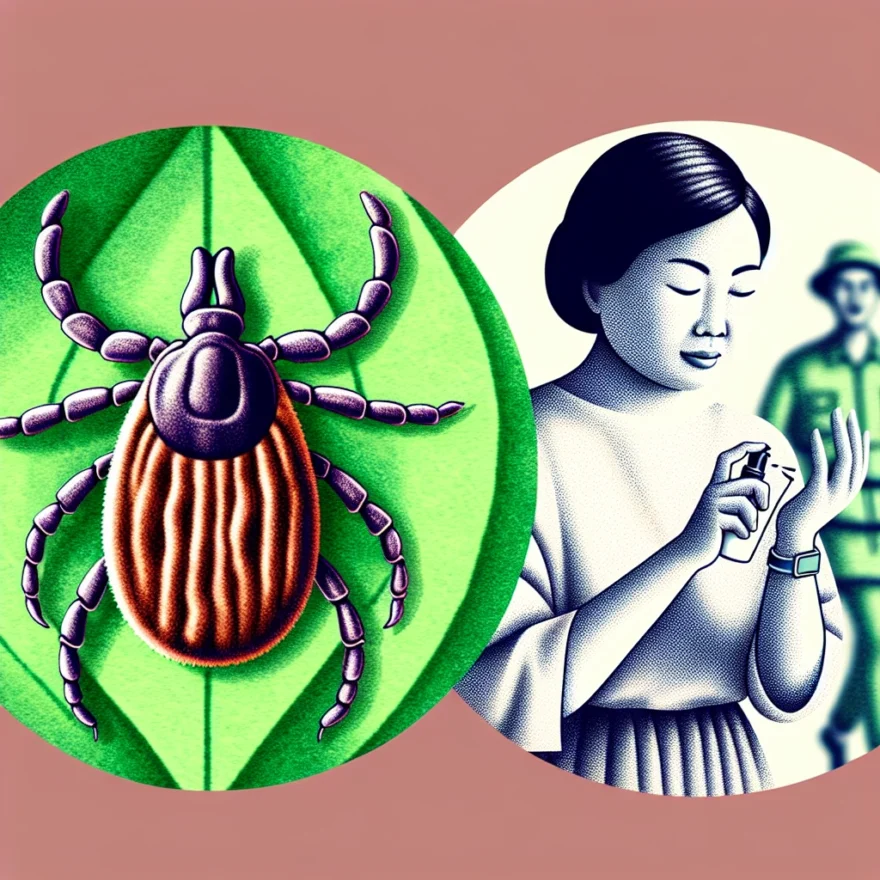
Introduction to Deer Ticks
Deer ticks, also known as black-legged ticks, are small arachnids that have become a significant public health concern due to their ability to transmit Lyme disease. This tick species, scientifically known as Ixodes scapularis, is found primarily in the northeastern, mid-Atlantic, and north-central regions of the United States. While not all deer ticks carry the bacteria responsible for Lyme disease, their prevalence and potential to cause severe health issues make them a critical subject to understand and address.
Lyme disease, caused by the bacterium Borrelia burgdorferi, is transmitted to humans through the bite of infected deer ticks. The disease can lead to a wide range of symptoms and complications, some of which can be quite severe if left untreated. Early detection and treatment are crucial in preventing long-term health problems associated with Lyme disease.
In this comprehensive guide, we will explore the dangers of Lyme disease, the habitats and life cycle of deer ticks, and the various preventive measures that can be taken to protect yourself, your family, and your pets from these tiny yet dangerous creatures. We will also discuss the importance of public awareness and education, debunking common myths about deer ticks and Lyme disease, and providing resources and support for those affected by the disease. By understanding the risks and taking proactive steps to protect ourselves and our loved ones, we can minimize the impact of deer ticks and Lyme disease on our lives.
Table of contents
- Introduction to Deer Ticks
- Lyme Disease: Symptoms and Risks
- Deer Tick Habitat and Seasonality
- Preventing Tick Bites: Clothing and Repellents
- Tick Checks: Regular Inspection and Proper Removal
- Protecting Your Home and Yard from Deer Ticks
- Deer Tick vs. Other Tick Species
- Lyme Disease Diagnosis and Treatment
- Long-Term Effects of Lyme Disease
- Vaccines and Future Research on Lyme Disease
- Protecting Your Pets from Deer Ticks
- Lyme Disease in Children: Risks and Prevention
- Deer Tick Population Control and Management
- Deer Ticks and Co-Infections
- Traveling and Outdoor Activities: Staying Safe from Deer Ticks
- Lyme Disease Support and Resources
- Debunking Myths About Deer Ticks and Lyme Disease
- Common Questions and Answers about Deer Ticks and Lyme Disease
- The Importance of Public Awareness and Education
- Conclusion: Staying Vigilant and Proactive
Lyme Disease: Symptoms and Risks
Lyme disease is a bacterial infection transmitted to humans through the bite of infected black-legged ticks, commonly known as deer ticks. The bacterium responsible for causing Lyme disease is called Borrelia burgdorferi. When an infected tick bites a human, it can transfer the bacteria, leading to infection. Recognizing the symptoms and understanding the risks associated with Lyme disease is crucial for timely diagnosis and treatment.
The symptoms of Lyme disease can be divided into three stages: early localized, early disseminated, and late disseminated. It is important to note that not all individuals will experience all stages or symptoms.
Early Localized Stage: This stage typically occurs within three to 30 days after the tick bite. The most common symptom at this stage is a circular, expanding rash known as erythema migrans (EM). The rash usually appears at the site of the tick bite and can expand up to 12 inches in diameter. It may be warm to touch but is rarely painful or itchy. Other symptoms during this stage can include fatigue, chills, fever, headache, muscle and joint aches, and swollen lymph nodes.
Early Disseminated Stage: If left untreated, the infection may progress to the early disseminated stage, which occurs weeks to months after the tick bite. During this stage, the bacteria can spread to other parts of the body, causing multiple EM rashes and symptoms such as severe headaches, neck stiffness, additional joint and muscle pain, facial palsy, heart palpitations, dizziness, and shortness of breath.
Late Disseminated Stage: This stage can develop months to years after the initial tick bite if the infection remains untreated. Symptoms at this stage can include arthritis with severe joint pain and swelling, neurological problems such as numbness, tingling, and shooting pains in the hands and feet, and cognitive issues like memory problems and difficulty concentrating.
There are several risks associated with Lyme disease. If left untreated, the infection can cause long-term damage to the joints, heart, and nervous system. In some cases, post-treatment Lyme disease syndrome (PTLDS) may occur, where symptoms persist even after completing antibiotic treatment. The exact cause of PTLDS is not yet understood, but it is believed to be an immune system response rather than an active infection. Additionally, pregnant women with untreated Lyme disease may be at risk for complications such as premature birth and infection transmission to the fetus.
Understanding the symptoms and risks of Lyme disease is essential for early detection and treatment. Prompt diagnosis and appropriate antibiotic therapy can significantly reduce the risk of long-term health complications. It is crucial to take preventive measures to avoid tick bites and seek medical attention if any symptoms arise after a potential tick exposure.
Deer Tick Habitat and Seasonality
Deer ticks, also known as black-legged ticks, are commonly found in wooded and grassy areas. They thrive in humid environments and are prevalent in the northeastern, mid-Atlantic, and north-central regions of the United States.
The peak season for deer ticks is during the summer months, from May to August. However, they can be active during any time of the year when temperatures are above freezing. During the fall and winter months, deer ticks are in a state of dormancy, but they can become active on warm winter days.
Deer ticks are commonly found on the ground, on leaves, and on low-lying vegetation. They attach themselves to passing hosts, such as deer, mice, and other small animals. When a deer tick bites a human, it can transmit the bacteria that cause Lyme disease.
It is important to note that not all deer ticks are infected with Lyme disease, and not all tick bites result in Lyme disease. However, taking preventative measures and checking for ticks after being in wooded or grassy areas can greatly reduce the risk of contracting Lyme disease.
Other tick species, such as the American dog tick and the lone star tick, are also prevalent in certain regions of the United States. It is important to be able to identify the different tick species and their habitats in order to take appropriate preventative measures.
Preventing Tick Bites: Clothing and Repellents
Deer ticks are small and hard to spot, so it’s important to take measures to prevent tick bites. One of the most effective ways to do this is by wearing protective clothing and using insect repellents.
Clothing
When spending time outdoors in areas where ticks are prevalent, it’s important to wear long-sleeved shirts and pants. Tucking pants into socks or boots can also help prevent ticks from crawling up your legs. Light-colored clothing can make it easier to spot ticks, and clothing treated with permethrin can provide additional protection.
Repellents
Insect repellents can also be effective in preventing tick bites. Repellents containing DEET, picaridin, or IR3535 are recommended by the Centers for Disease Control and Prevention (CDC) for use on skin. Permethrin can also be used on clothing, shoes, and camping gear. It’s important to read and follow the instructions on the label when using insect repellents.
It’s important to note that natural repellents, such as essential oils, have not been proven to be effective in preventing tick bites. It’s also important to avoid using products that combine sunscreen and insect repellent, as sunscreen should be reapplied more frequently than insect repellent.
By wearing protective clothing and using insect repellents, you can greatly reduce your risk of tick bites and the potential for Lyme disease.
Tick Checks: Regular Inspection and Proper Removal
One of the most effective ways to protect yourself from Lyme disease is to perform regular tick checks after spending time outdoors. This is especially important during the peak tick season, which typically runs from April to September.
Here are some tips for performing tick checks:
- Check your entire body, including your scalp, behind your ears, and in your belly button.
- Use a mirror to check hard-to-see areas.
- Remove clothing and check them thoroughly.
- Check your pets for ticks, as they can bring ticks into your home.
If you find a tick on your body, it’s important to remove it as soon as possible. Here’s how:
- Use fine-tipped tweezers to grasp the tick as close to the skin’s surface as possible.
- Pull upward with steady, even pressure. Don’t twist or jerk the tick, as this can cause the mouthparts to break off and remain in the skin.
- If the mouthparts do break off, try to remove them with the tweezers. If you can’t, leave them alone and let the skin heal.
- After removing the tick, clean the bite area with rubbing alcohol or soap and water.
- Dispose of the tick by flushing it down the toilet or placing it in alcohol, a sealed bag, or a container.
If you experience any symptoms of Lyme disease after a tick bite, such as a rash or flu-like symptoms, seek medical attention immediately. Early treatment with antibiotics is crucial for preventing long-term complications.
Performing regular tick checks and properly removing ticks can go a long way in protecting yourself and your family from Lyme disease. Remember to also take preventative measures, such as wearing protective clothing and using insect repellent, to reduce your risk of tick bites.
Protecting Your Home and Yard from Deer Ticks
Deer ticks are known to thrive in wooded areas, tall grasses, and shrubs. If your home and yard are located near these habitats, it is important to take steps to protect yourself and your family from tick bites. Here are some ways to minimize the risk of deer ticks in your home and yard:
- Keep your lawn trimmed and well-maintained. Ticks are less likely to thrive in short grass.
- Remove leaf litter and other debris from your yard. Ticks can hide in these areas.
- Consider using wood chips or gravel as a border between your lawn and wooded areas. This can help prevent ticks from migrating into your yard.
- Place a 3-foot wide barrier of wood chips or gravel between lawns and wooded areas and around patios and play equipment. This will restrict tick migration into recreational areas.
- Remove any old furniture, mattresses, or trash from your yard. These items can attract rodents, which can carry ticks.
- Keep bird feeders away from the house and clean up spilled seeds. These can attract rodents, which can carry ticks.
- Consider using tick control products in your yard, such as pesticides or tick tubes.
- Check your pets for ticks regularly, as they can bring ticks into your home and yard.
- Consider using tick repellent products on your pets, such as tick collars or spot-on treatments.
- Inspect any outdoor gear, such as camping equipment or sports gear, for ticks before bringing them inside.
By taking these steps, you can help reduce the risk of deer ticks in your home and yard, and protect yourself and your family from tick bites and Lyme disease.
Deer Tick vs. Other Tick Species
While deer ticks are the most well-known species of ticks, there are many other tick species that can transmit diseases to humans and animals. Some of the most common tick species in North America include:
- Blacklegged Tick: Also known as the deer tick, this species is the primary carrier of Lyme disease in the northeastern and midwestern United States.
- American Dog Tick: This species is commonly found in grassy fields and along roadsides, and can transmit Rocky Mountain spotted fever and tularemia.
- Brown Dog Tick: This species is found throughout the United States and can transmit Rocky Mountain spotted fever and canine ehrlichiosis.
- Gulf Coast Tick: This species is found in the southeastern United States and can transmit a variety of diseases, including Rickettsia parkeri rickettsiosis and human monocytic ehrlichiosis.
- Lone Star Tick: This species is found in the eastern and southeastern United States and can transmit Rocky Mountain spotted fever, tularemia, and ehrlichiosis.
Each tick species has its own unique habitat and seasonality, as well as its own set of diseases it can transmit. It’s important to be aware of the tick species in your area and take appropriate measures to protect yourself and your pets.
While some tick species are more likely to transmit certain diseases than others, it’s important to note that any tick can carry and transmit diseases. Therefore, it’s important to take precautions to prevent tick bites and perform regular tick checks after spending time outdoors.
Lyme Disease Diagnosis and Treatment
Deer ticks are known to transmit Lyme disease, a bacterial infection that can cause a range of symptoms, from mild to severe. If you suspect that you have been bitten by a deer tick, it is important to get a proper diagnosis and treatment as soon as possible.
The diagnosis of Lyme disease can be challenging, as the symptoms can be similar to other illnesses. The most common symptom is a rash that may resemble a bull’s-eye, but not everyone with Lyme disease will develop this rash. Other symptoms may include fever, headache, fatigue, muscle and joint pain, and swollen lymph nodes.
If you suspect that you have been bitten by a deer tick and are experiencing any of these symptoms, it is important to see a healthcare provider who is familiar with Lyme disease. They may order a blood test to check for antibodies to the bacteria that cause Lyme disease. However, it is important to note that these tests may not always be accurate, especially in the early stages of the infection.
If Lyme disease is diagnosed early, it can usually be treated with a course of antibiotics. The type of antibiotic and length of treatment will depend on the severity of the infection and other factors, such as the patient’s age and overall health. In some cases, intravenous antibiotics may be necessary.
It is important to complete the full course of antibiotics, even if you start to feel better before the medication is finished. This will help ensure that the infection is completely cleared from your system.
If Lyme disease is not diagnosed and treated early, it can lead to more serious complications, such as arthritis, heart problems, and nervous system disorders. In some cases, these complications may not develop until months or even years after the initial infection.
If you have been diagnosed with Lyme disease and are experiencing ongoing symptoms, known as post-treatment Lyme disease syndrome (PTLDS), your healthcare provider may recommend additional treatment, such as pain management or cognitive behavioral therapy.
Overall, the key to effective treatment of Lyme disease is early diagnosis and prompt treatment with antibiotics. If you suspect that you have been bitten by a deer tick and are experiencing any symptoms, it is important to seek medical attention right away.
Long-Term Effects of Lyme Disease
Lyme disease is a serious illness that can have long-term effects on the body. While early treatment can often prevent these long-term effects, some individuals may experience ongoing symptoms even after treatment.
One of the most common long-term effects of Lyme disease is chronic arthritis, which can cause joint pain and swelling. This condition can be debilitating and may require ongoing treatment to manage symptoms.
Lyme disease can also affect the nervous system, leading to symptoms such as numbness, tingling, and muscle weakness. In some cases, individuals may develop meningitis, which is inflammation of the protective membranes surrounding the brain and spinal cord.
In rare cases, Lyme disease can cause heart problems, including inflammation of the heart muscle and irregular heartbeats. These conditions can be serious and may require immediate medical attention.
Another long-term effect of Lyme disease is chronic fatigue syndrome, which can cause extreme tiredness and difficulty concentrating. This condition can be difficult to manage and may require ongoing medical care.
It is important to note that not everyone who contracts Lyme disease will experience long-term effects. However, it is important to be aware of the potential risks and to seek medical attention if you experience any symptoms of Lyme disease.
If you have been diagnosed with Lyme disease and are experiencing ongoing symptoms, it is important to work closely with your healthcare provider to manage your condition. This may involve ongoing treatment, lifestyle changes, and other interventions to help manage symptoms and improve your overall health.
Overall, while Lyme disease can have serious long-term effects, early diagnosis and treatment can often prevent these complications. By taking steps to prevent tick bites and seeking prompt medical attention if you develop symptoms of Lyme disease, you can help protect yourself from the potential risks of this illness.
Vaccines and Future Research on Lyme Disease
As of now, there is no commercially available vaccine for Lyme disease. However, there have been past attempts to develop vaccines for Lyme disease. In 1998, a vaccine called LYMErix was approved by the FDA. It was a three-dose vaccine that was shown to be effective in preventing Lyme disease in 78% of the people who received it. However, due to concerns over potential side effects, the vaccine was taken off the market in 2002.
Despite the setback with LYMErix, there is ongoing research to develop a new vaccine for Lyme disease. One approach being studied is a vaccine that targets the outer surface protein A (OspA) of the Lyme disease bacterium. This vaccine has shown promise in early studies, but more research is needed to determine its safety and effectiveness.
In addition to vaccines, there is ongoing research to better understand Lyme disease and how to prevent it. Some areas of research include:
- Developing new diagnostic tests for Lyme disease
- Studying the genetics of the Lyme disease bacterium to identify new targets for treatment
- Investigating the role of the immune system in Lyme disease
- Identifying new ways to prevent tick bites, such as using genetically modified mice that are resistant to ticks
Overall, while there is no vaccine currently available for Lyme disease, ongoing research holds promise for the future. In the meantime, it is important to take steps to prevent tick bites and to seek prompt medical attention if you suspect you may have Lyme disease.
Protecting Your Pets from Deer Ticks
Pets are not immune to the dangers of Lyme disease, and they can contract the disease through tick bites just like humans. In fact, dogs are more susceptible to Lyme disease than humans, and they can develop serious health complications if left untreated. Here are some tips for protecting your furry friends from deer ticks:
- Check your pet for ticks regularly, especially after spending time outdoors. Pay close attention to the ears, neck, and underbelly.
- Use a tick repellent specifically designed for pets. Do not use products intended for humans, as they can be toxic to animals.
- Consider using a tick collar or tick spray to repel ticks.
- Keep your yard and outdoor areas well-maintained. Mow the lawn regularly, remove tall grass and brush, and create a barrier between wooded areas and your yard.
- Keep your pet on a leash when walking in wooded or grassy areas, and avoid areas with high tick populations.
- If you find a tick on your pet, remove it immediately using tweezers or a tick removal tool. Be sure to grasp the tick as close to the skin as possible and pull straight out.
- If your pet shows symptoms of Lyme disease, such as lethargy, loss of appetite, fever, or joint pain, take them to the vet for a check-up.
Remember, prevention is key when it comes to protecting your pets from deer ticks and Lyme disease. By taking a few simple precautions, you can keep your furry friends safe and healthy.
Lyme Disease in Children: Risks and Prevention
Children are at a higher risk of contracting Lyme disease due to their increased outdoor activities. They are more likely to play in grassy areas and wooded areas where ticks are commonly found. Parents should be aware of the risks and take steps to protect their children.
Symptoms of Lyme disease in children are similar to those in adults, including fever, headache, fatigue, and a bull’s eye rash. However, children may also experience joint pain, irritability, and difficulty sleeping.
Preventing tick bites is crucial to avoiding Lyme disease in children. Parents should dress their children in long-sleeved shirts and pants when playing outside. They should also use insect repellent containing DEET or picaridin.
Parents should also perform regular tick checks on their children, especially in areas where ticks are commonly found. Ticks should be removed promptly using tweezers and the area should be cleaned with soap and water.
If a child is diagnosed with Lyme disease, they should receive prompt treatment with antibiotics. Delayed treatment can lead to more severe symptoms and long-term complications.
Parents should also be aware of the potential for co-infections with other tick-borne illnesses, such as Babesiosis and Anaplasmosis. These infections can cause additional symptoms and complications.
Overall, parents should be vigilant in protecting their children from tick bites and the potential for Lyme disease. By taking preventative measures and seeking prompt treatment, children can avoid the long-term effects of this debilitating illness.
Deer Tick Population Control and Management
Deer ticks are known to be a major carrier of Lyme disease, which can have severe consequences if left untreated. Therefore, it is important to control and manage the deer tick population to prevent Lyme disease from spreading.
One effective way to control the deer tick population is by reducing the population of their primary host, which is white-tailed deer. This can be achieved through deer culling programs, which involve selectively removing deer from a certain area. This method has been shown to reduce the number of deer ticks in the area and subsequently reduce the incidence of Lyme disease.
Another method of controlling the deer tick population is through the use of acaricides, which are chemicals that kill ticks. These chemicals can be applied to the environment, such as on vegetation or on the hosts themselves. However, the use of acaricides can have negative effects on the environment and other non-target species, so it should be used with caution.
Integrated Pest Management (IPM) is a holistic approach to pest management that involves a combination of different methods, such as habitat modification, biological control, and chemical control. IPM can be an effective way to control the deer tick population while minimizing the negative impact on the environment.
Community involvement is also crucial in controlling the deer tick population. Residents can help by keeping their yards clean and free of debris, which can serve as tick habitats. They can also participate in tick surveillance programs, which involve collecting and testing ticks to monitor the spread of Lyme disease.
Overall, controlling the deer tick population is essential in preventing the spread of Lyme disease. A combination of different methods, including deer population control, acaricides, IPM, and community involvement, can be used to effectively manage the deer tick population and reduce the incidence of Lyme disease.
Deer Ticks and Co-Infections
Deer ticks are not only carriers of Lyme disease, but they can also transmit other infections to humans and animals. These co-infections can complicate the diagnosis and treatment of Lyme disease and may have their own set of symptoms and risks.
One of the most common co-infections is anaplasmosis, which is caused by the bacterium Anaplasma phagocytophilum. Symptoms of anaplasmosis include fever, headache, muscle aches, chills, and fatigue. In severe cases, it can cause respiratory failure and organ damage.
Babesiosis is another co-infection that can be transmitted by deer ticks. It is caused by a parasite called Babesia microti and can lead to flu-like symptoms, such as fever, chills, sweats, headache, body aches, and fatigue. In severe cases, it can cause anemia and organ failure.
Other co-infections that can be transmitted by deer ticks include Powassan virus, Borrelia miyamotoi, and Ehrlichiosis. Powassan virus can cause a rare but potentially life-threatening infection of the brain and central nervous system. Borrelia miyamotoi can cause fever, headache, and muscle aches, similar to Lyme disease. Ehrlichiosis can cause fever, headache, muscle aches, and confusion.
It is important to note that not all deer ticks carry these co-infections, and the risk of co-infection may vary depending on the geographic location. However, it is still important to take precautions to prevent tick bites and seek medical attention if you develop any symptoms after a tick bite.
Diagnosing co-infections can be challenging, as the symptoms may overlap with those of Lyme disease. Your healthcare provider may order additional tests to confirm the presence of co-infections, such as blood tests or analysis of cerebrospinal fluid.
Treatment for co-infections may involve antibiotics or antiparasitic medications, depending on the specific infection. It is important to follow your healthcare provider’s instructions and complete the full course of treatment to ensure that the infection is fully eradicated.
Preventing tick bites is the best way to avoid co-infections. This includes wearing protective clothing, using insect repellents, and performing regular tick checks. It is also important to protect your pets from tick bites, as they can also contract co-infections and transmit them to humans.
Traveling and Outdoor Activities: Staying Safe from Deer Ticks
When traveling or engaging in outdoor activities, it is important to take precautions to avoid deer tick bites and reduce the risk of Lyme disease. Here are some tips to stay safe:
- Wear long-sleeved shirts and pants, and tuck pants into socks or boots to prevent ticks from crawling up your legs.
- Use insect repellents containing DEET, picaridin, or IR3535 on exposed skin and clothing. Follow the instructions on the label and reapply as necessary.
- Stay on trails and avoid walking through tall grass, brush, and leaf litter where ticks are more likely to be found.
- Check yourself and your companions for ticks frequently, especially after spending time outdoors. Pay attention to areas such as the scalp, armpits, groin, and behind the ears.
- If you find a tick attached to your skin, remove it promptly using fine-tipped tweezers. Grasp the tick as close to the skin as possible and pull upward with steady, even pressure. Do not twist or jerk the tick, as this can cause the mouthparts to break off and remain in the skin. Clean the bite area with soap and water or rubbing alcohol.
- Shower or bathe within two hours of coming indoors to wash off any unattached ticks and conduct a full-body tick check.
- Wash and dry clothing and gear on high heat to kill any ticks that may be present.
- If camping or staying in a cabin, take steps to protect your sleeping area, such as using bed nets or treating bedding and clothing with permethrin.
By following these simple steps, you can enjoy your outdoor activities while reducing the risk of deer tick bites and Lyme disease.
Lyme Disease Support and Resources
Dealing with Lyme disease can be overwhelming and challenging. Fortunately, there are many resources available to help you manage the disease and cope with its effects.
If you have been diagnosed with Lyme disease, it is important to seek medical treatment from a healthcare provider who is experienced in treating the disease. This may include a specialist such as an infectious disease doctor or a Lyme-literate physician.
There are also many support groups and online forums where you can connect with others who are living with Lyme disease. These groups can provide valuable information, emotional support, and a sense of community.
Some popular resources for Lyme disease support include:
- The Lyme Disease Association
- The International Lyme and Associated Diseases Society
- The Tick-Borne Disease Alliance
- The Global Lyme Alliance
- The National Institute of Allergy and Infectious Diseases
- The Centers for Disease Control and Prevention
These organizations offer a wealth of information on Lyme disease, including treatment options, research updates, and tips for managing symptoms. They also provide opportunities to connect with other patients and caregivers, participate in advocacy efforts, and support research into better diagnostics and treatments for the disease.
Additionally, many healthcare providers and hospitals offer support groups and educational resources for Lyme disease patients and their families. These resources may include counseling services, educational classes, and support groups that meet regularly to discuss the challenges of living with Lyme disease.
Finally, it is important to stay informed about the latest developments in Lyme disease research and treatment. This can help you make informed decisions about your healthcare and advocate for yourself and others who are affected by the disease.
By staying connected to the Lyme disease community and accessing the many resources available, you can better manage the disease and improve your quality of life.
Debunking Myths About Deer Ticks and Lyme Disease
Deer ticks and Lyme disease are surrounded by many myths and misconceptions that can lead to confusion and unnecessary fear. Here are some common myths about deer ticks and Lyme disease:
- Myth: Only people who spend a lot of time outdoors get Lyme disease.
- Fact: While people who spend more time outdoors are at a higher risk of getting bitten by a tick, Lyme disease can happen to anyone who is exposed to infected ticks, even if it’s just for a short period of time.
- Myth: You can only get Lyme disease from deer ticks.
- Fact: While deer ticks are the most common carriers of Lyme disease, other ticks such as the black-legged tick and the western black-legged tick can also transmit the disease.
- Myth: You can only get Lyme disease in certain parts of the country.
- Fact: Lyme disease has been reported in all 50 states, although it is more common in certain areas such as the Northeast, Mid-Atlantic, and Upper Midwest regions of the United States.
- Myth: Lyme disease is easy to diagnose.
- Fact: Lyme disease can be difficult to diagnose because its symptoms can mimic those of other diseases. Blood tests are not always reliable, and a diagnosis may require a combination of symptoms, medical history, and laboratory tests.
- Myth: You will always get a bull’s-eye rash if you have Lyme disease.
- Fact: While a bull’s-eye rash is a common symptom of Lyme disease, not everyone who has the disease will develop one. In fact, many people with Lyme disease never develop a rash at all.
- Myth: You can’t get Lyme disease more than once.
- Fact: While it is rare to get Lyme disease more than once, it is possible to get re-infected with the disease if you are bitten by another infected tick.
- Myth: Lyme disease is not a serious illness.
- Fact: Lyme disease can be a serious illness if left untreated. It can cause a range of symptoms such as joint pain, fatigue, and neurological problems, and can even be fatal in rare cases.
By understanding the facts about deer ticks and Lyme disease, you can take the necessary steps to protect yourself and your loved ones from this potentially dangerous disease.
Common Questions and Answers about Deer Ticks and Lyme Disease
Common Questions and Answers about Deer Ticks and Lyme Disease
As people become more aware of the dangers of Lyme disease, it’s natural to have questions about how to protect yourself, your family, and your pets from deer ticks. Here are some common questions and answers:
- What is Lyme disease? Lyme disease is an infection caused by the bacterium Borrelia burgdorferi. It is spread through the bite of infected blacklegged ticks, also known as deer ticks.
- What are the symptoms of Lyme disease? The symptoms of Lyme disease can vary, but often include fever, headache, fatigue, and a characteristic skin rash called erythema migrans. If left untreated, Lyme disease can cause more severe symptoms such as joint pain, neurological problems, and heart palpitations.
- How can I prevent tick bites? You can prevent tick bites by wearing protective clothing such as long pants and sleeves, using insect repellent containing DEET, and avoiding areas with high grass or leaf litter. It’s also important to do regular tick checks on yourself, your family, and your pets after spending time outdoors.
- What should I do if I find a tick on myself or my pet? Use fine-tipped tweezers to grasp the tick as close to the skin’s surface as possible and pull upward with steady, even pressure. Don’t twist or jerk the tick, as this can cause the mouthparts to break off and remain in the skin. After removing the tick, clean the bite area with rubbing alcohol or soap and water.
- Can I get Lyme disease from my pet? While pets can get Lyme disease from infected ticks, they cannot transmit the disease directly to humans. However, pets can bring ticks into the home, so it’s important to check your pets regularly for ticks and use tick prevention products recommended by your veterinarian.
- Is there a vaccine for Lyme disease? Yes, there is a vaccine for Lyme disease called LYMErix. However, it is no longer available in the United States due to low demand and concerns about its safety. Researchers are currently working on developing new vaccines for Lyme disease.
- Can Lyme disease be cured? Yes, Lyme disease can be cured with antibiotics if caught early. However, if left untreated for a long period of time, it can cause long-term health problems.
- Are there other diseases that deer ticks can transmit? Yes, deer ticks can transmit other diseases such as anaplasmosis, babesiosis, and Powassan virus. It’s important to take steps to prevent tick bites and do regular tick checks to reduce your risk of these diseases as well.
The Importance of Public Awareness and Education
Public awareness and education play a crucial role in preventing Lyme disease and protecting ourselves and our pets from deer ticks. It is important to understand the risks associated with deer ticks and how to prevent tick bites.
One of the most important aspects of public awareness is understanding the symptoms of Lyme disease and seeking medical attention if you suspect you have been bitten by a deer tick. Early diagnosis and treatment are key to preventing long-term health complications.
Education can also help dispel common myths about deer ticks and Lyme disease, such as the belief that only people who spend time in the woods are at risk. In reality, deer ticks can be found in many different environments, including parks, gardens, and even urban areas.
Public awareness campaigns can also help promote the use of protective clothing and repellents, as well as regular tick checks and proper tick removal techniques. These simple measures can go a long way in preventing tick bites and reducing the risk of Lyme disease.
Finally, education can also help promote responsible management and control of deer tick populations. This can include measures such as reducing the deer population, creating tick-safe zones in public spaces, and promoting the use of natural tick predators like chickens and guinea fowl.
By increasing public awareness and education about deer ticks and Lyme disease, we can all take steps to protect ourselves, our families, and our pets from this dangerous and debilitating illness.
Conclusion: Staying Vigilant and Proactive
After reading this article, you now have a better understanding of the dangers of deer ticks and Lyme disease, as well as how to protect yourself and your loved ones from this debilitating illness. While Lyme disease can be a serious and long-lasting condition, it is important to remember that prevention is key.
By taking the necessary precautions, such as wearing protective clothing and using insect repellent, regularly checking for ticks, and keeping your home and yard free of tick habitats, you can greatly reduce your risk of contracting Lyme disease. Additionally, it is important to seek medical attention if you suspect that you may have been bitten by a deer tick or are experiencing any symptoms of Lyme disease.
It is also important to remember that Lyme disease is not the only illness that can be transmitted by deer ticks. Co-infections, such as Babesiosis and Anaplasmosis, can also be contracted from the same tick bite. Therefore, it is important to remain vigilant and take all necessary precautions to protect yourself and your loved ones from tick-borne illnesses.
Public awareness and education are also crucial in the fight against Lyme disease. By sharing your knowledge and experiences with others, you can help to spread awareness about the dangers of deer ticks and the importance of prevention. Additionally, supporting research and development of new vaccines and treatments can help to further reduce the impact of Lyme disease on individuals and communities.
Remember, staying vigilant and proactive is the key to protecting yourself and your loved ones from the dangers of deer ticks and Lyme disease. By taking the necessary precautions and remaining informed about the latest developments in tick-borne illness prevention and treatment, you can ensure that you are doing everything in your power to stay safe and healthy.