Introduction to the African Red Soldier Beetle
Among the diverse and fascinating world of insects, the African Red Soldier Beetle stands out with its vibrant coloration and intriguing lifestyle. This captivating creature, scientifically known as Rhagonycha fulva, is a common sight in many parts of Africa, where it plays a vital role in the ecosystem. The African Red Soldier Beetle, also known as the ‘Bloodsucker Beetle’ due to its bright red color, is a member of the Cantharidae family, a group of beetles renowned for their striking colors and diverse sizes.
Despite its somewhat intimidating name, the African Red Soldier Beetle is harmless to humans and is actually beneficial to the environment. It is a valuable predator of pests, making it a friend to gardeners and farmers alike. Its vibrant red color not only makes it easy to spot but also serves as a warning to potential predators about its unpleasant taste.
The African Red Soldier Beetle is a fascinating subject of study for entomologists due to its unique characteristics and behaviors. From its life cycle and reproductive habits to its diet and role in the ecosystem, there is much to learn and appreciate about this remarkable insect. This article provides an in-depth look into the life of the African Red Soldier Beetle, exploring various aspects of its existence and answering common questions that readers might have about this intriguing creature.
Table of contents
- Introduction to the African Red Soldier Beetle
- Physical Characteristics of the African Red Soldier Beetle
- Lifecycle and Reproduction of the African Red Soldier Beetle
- Habitat and Distribution of the African Red Soldier Beetle
- Diet and Predation of the African Red Soldier Beetle
- The Role of the African Red Soldier Beetle in the Ecosystem
- Common Questions About the African Red Soldier Beetle
Physical Characteristics of the African Red Soldier Beetle
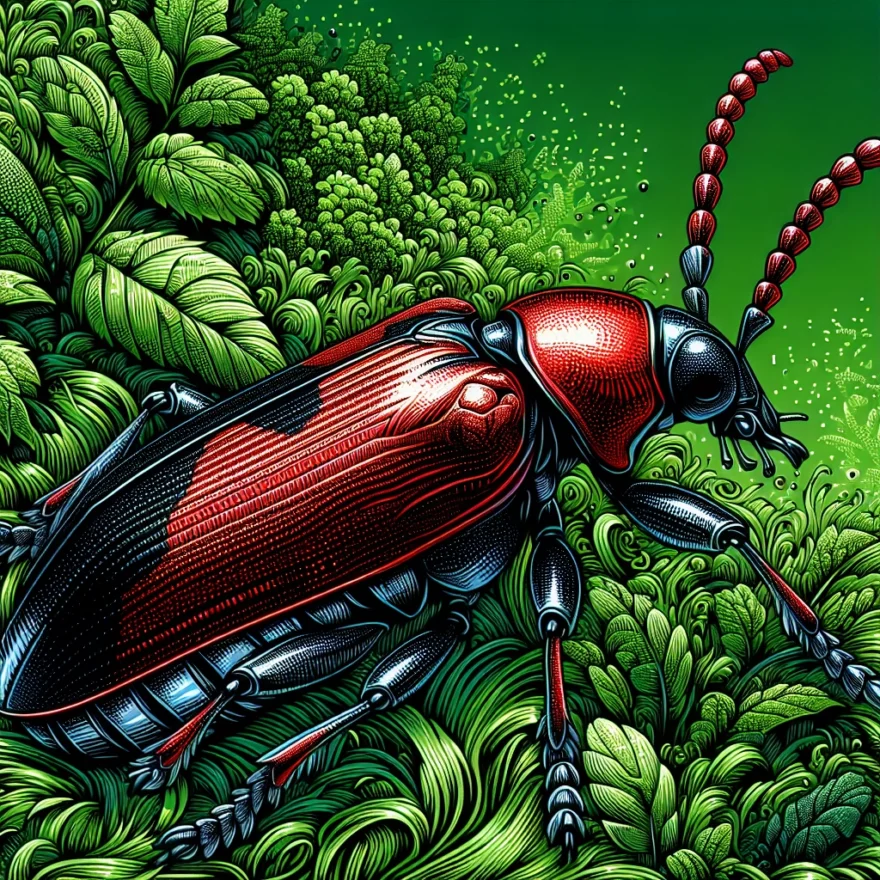
Exhibiting a stunning display of vibrant red, the African Red Soldier Beetle is a sight to behold. This beetle, belonging to the family Cantharidae, is also known as the ‘Bloodsucker’ due to its striking color. But don’t be fooled by its name, as this beetle is harmless to humans and does not suck blood. Its body is elongated and soft, measuring about 1 cm in length on average, although sizes can vary among individuals.
The African Red Soldier Beetle’s head is small and black, contrasting sharply with its red body. Its eyes are relatively large and its antennae are long, segmented, and black. The antennae play a crucial role in sensing the beetle’s environment and locating food sources. The beetle’s mouthparts are designed for chewing, which is essential for its herbivorous diet.
The thorax and abdomen of the African Red Soldier Beetle are covered in a red exoskeleton, which is not only beautiful but also serves as a protective shield against predators. The exoskeleton is flexible, allowing the beetle to move freely and quickly when necessary. The beetle’s wings, hidden under the elytra (hardened front wings), are also red. These wings are used for flight, although the beetle spends most of its time on the ground or on plants.
One of the most distinguishing features of the African Red Soldier Beetle is its legs. They are long, slender, and black, allowing the beetle to move swiftly across various surfaces. The beetle’s legs end in tarsi (the foot), each of which is equipped with claws for gripping surfaces. This feature is particularly useful when the beetle needs to climb plant stems to reach flowers, its primary food source.
Overall, the African Red Soldier Beetle’s physical characteristics not only make it one of the most visually striking beetles in Africa but also equip it well for survival in its natural habitat.
Lifecycle and Reproduction of the African Red Soldier Beetle
The African Red Soldier Beetle, scientifically known as Rhagonycha fulva, undergoes a fascinating lifecycle and reproductive process. Understanding these aspects of their biology can provide valuable insights into their behavior and population dynamics.
The lifecycle of the African Red Soldier Beetle consists of four main stages: egg, larva, pupa, and adult. The process begins when the female beetle lays her eggs in the soil or decaying organic matter, such as rotting logs or leaf litter. The eggs are small and oval-shaped, typically laid in clusters to increase the chances of survival.
After a period of incubation, the eggs hatch into larvae. The larvae of the African Red Soldier Beetle are elongated and grub-like in appearance. They have a soft body and are typically yellowish or white in color. During this stage, the larvae feed voraciously on various organic matter, including plant material, decaying vegetation, and even other insects.
As the larvae grow and develop, they go through several molting stages, shedding their exoskeleton to accommodate their increasing size. This process continues until they reach their final larval stage.
Once the larvae are fully developed, they enter the pupal stage. During this stage, the African Red Soldier Beetle undergoes a remarkable transformation inside a protective casing called a pupa. Inside the pupa, the insect undergoes significant changes, including the development of wings, legs, and other adult features.
After a period of time, which can vary depending on environmental conditions, the fully developed adult beetle emerges from the pupal casing. The adult African Red Soldier Beetle is characterized by its vibrant red coloration, elongated body shape, and distinctive black markings.
Reproduction in the African Red Soldier Beetle typically occurs during the adult stage. Males engage in courtship behaviors to attract females, which can include displaying their vibrant coloration, producing pheromones, or engaging in physical interactions. Once a male successfully mates with a female, the female will lay her eggs to continue the lifecycle.
It is important to note that the specific details of the lifecycle and reproductive behavior of the African Red Soldier Beetle can vary slightly depending on factors such as temperature, habitat, and availability of resources.
Understanding the lifecycle and reproductive processes of the African Red Soldier Beetle provides valuable insights into their population dynamics and ecological role. By studying these aspects, researchers can gain a deeper understanding of the species and its interactions within the ecosystem.
Habitat and Distribution of the African Red Soldier Beetle
The African Red Soldier Beetle, scientifically known as Manticora scabra, is a fascinating insect that can be found in various habitats across Africa. This species is known for its vibrant red coloration, which serves as a warning to potential predators.
The African Red Soldier Beetle is primarily found in grasslands and open areas with abundant vegetation. They prefer areas with a moderate climate and can be found in countries such as South Africa, Zimbabwe, Botswana, and Namibia. These beetles are highly adaptable and can also be found in agricultural fields, gardens, and even urban areas.
One of the reasons why the African Red Soldier Beetle is so widespread is its ability to thrive in different types of habitats. They are able to adapt to various environmental conditions and can be found in both arid and more humid regions. This adaptability allows them to have a wide distribution range across the African continent.
These beetles are often found in large numbers, especially during the summer months when their population peaks. They are known to congregate in areas with abundant food sources, such as flowering plants and decaying organic matter. The availability of these food sources plays a crucial role in determining their distribution within a particular habitat.
While the African Red Soldier Beetle is primarily found in Africa, there have been some sightings of similar species in other parts of the world. However, it’s important to note that these sightings are relatively rare, and the African continent remains the primary habitat for this vibrant beetle.
Overall, the African Red Soldier Beetle demonstrates a wide habitat range and distribution across the African continent. Their ability to adapt to different environments and their preference for areas with abundant vegetation contribute to their successful colonization of various habitats. Understanding their habitat and distribution is crucial for studying their behavior, population dynamics, and overall ecological impact.
Diet and Predation of the African Red Soldier Beetle
The diet and predation of the African Red Soldier Beetle play a crucial role in its survival and ecological interactions. As an omnivorous insect, this beetle has a diverse diet that consists of both plant matter and other small invertebrates.
When it comes to plant matter, the African Red Soldier Beetle feeds on nectar, pollen, and various plant juices. It is particularly attracted to flowers with vibrant colors and strong fragrances, as these characteristics signal a rich source of nectar. By feeding on the nectar and pollen, the beetle not only gains sustenance but also contributes to the pollination process, aiding in the reproduction of flowering plants.
In addition to plant matter, the African Red Soldier Beetle is also known to be a predator, preying on other small invertebrates. It has a voracious appetite for aphids, caterpillars, mites, and other soft-bodied insects. The beetle uses its strong mandibles to capture and consume its prey. This predatory behavior is beneficial to gardeners and farmers as it helps control populations of pest insects, reducing the need for chemical pesticides.
The African Red Soldier Beetle employs a unique hunting strategy known as “ambush predation.” It often waits patiently on flowers or foliage, blending in with its vibrant red coloration, and then strikes swiftly when unsuspecting prey comes within reach. This ambush technique, combined with its agility and speed, makes the beetle an effective predator.
Despite being a predator, the African Red Soldier Beetle is not immune to predation itself. It faces threats from various predators, including birds, spiders, and other predatory insects. To defend itself, the beetle has evolved several defense mechanisms. When threatened, it can emit a foul-smelling odor from glands located on its body, deterring potential predators. Additionally, its bright red coloration serves as a warning signal to predators, indicating that it may be toxic or unpalatable.
Overall, the diet and predation habits of the African Red Soldier Beetle highlight its important ecological role. As a pollinator and predator, this vibrant beetle contributes to the balance of ecosystems and helps maintain the health of plant populations while also controlling pest populations. Understanding its dietary preferences and interactions with other organisms provides valuable insights into the intricate web of life in which this beetle thrives.
The Role of the African Red Soldier Beetle in the Ecosystem
The African Red Soldier Beetle, also known as Rhagonycha fulva, plays a vital role in the ecosystem it inhabits. As a member of the soldier beetle family, this vibrant insect contributes to various ecological processes and interactions. Let’s explore the significant role of the African Red Soldier Beetle in its ecosystem.
1. Pollination: One of the essential roles of the African Red Soldier Beetle is pollination. As they feed on nectar and pollen, these beetles inadvertently transfer pollen grains from one flower to another, aiding in the fertilization process. This activity helps promote the reproduction and genetic diversity of plant species within their habitat.
2. Decomposition: The African Red Soldier Beetle also contributes to the decomposition of organic matter. During their larval stage, they feed on decaying plant material, fungi, and other insects. By consuming decomposing matter, they break it down further, aiding in the recycling of nutrients back into the ecosystem. This process helps maintain the overall health and balance of the ecosystem.
3. Natural Pest Control: Another important role of the African Red Soldier Beetle is acting as a natural predator of harmful insects. Adult beetles and their larvae feed on various pests like aphids, caterpillars, and other soft-bodied insects. By preying on these pests, the soldier beetles help regulate their populations, preventing outbreaks that could potentially damage crops and other plants.
4. Food Source: The African Red Soldier Beetle serves as a food source for other organisms within the ecosystem. Birds, reptiles, amphibians, and even other insects may rely on these beetles as a part of their diet. This interdependence helps maintain the balance in the food chain and supports the overall biodiversity of the ecosystem.
5. Indicator Species: The presence or absence of the African Red Soldier Beetle can serve as an indicator of the overall health of an ecosystem. As they are sensitive to changes in their habitat, their population dynamics can provide valuable insights into the state of the environment. Monitoring the population trends of these beetles can help researchers assess the impact of human activities, climate change, and habitat degradation on the ecosystem as a whole.
Overall, the African Red Soldier Beetle plays a multifaceted role in its ecosystem, contributing to pollination, decomposition, natural pest control, acting as a food source, and serving as an indicator species. Understanding and appreciating the importance of these vibrant beetles can help us protect and conserve their habitats, ensuring the continued health and balance of the ecosystems they inhabit.
Common Questions About the African Red Soldier Beetle
As the African Red Soldier Beetle is a fascinating insect, it is natural for people to have questions about it. Here, we will address some common questions and provide you with the answers:
1. What is the significance of the vibrant red color of the African Red Soldier Beetle?
The vibrant red color of the African Red Soldier Beetle serves as a warning to potential predators. It signals that the beetle contains toxic compounds, making it unappetizing and potentially harmful to consume. This coloration acts as a defense mechanism, deterring predators from attacking the beetle.
2. How long does the African Red Soldier Beetle live?
The lifespan of the African Red Soldier Beetle can vary depending on various factors such as environmental conditions and availability of food. On average, these beetles live for about one to two years.
3. Are African Red Soldier Beetles harmful to humans?
No, African Red Soldier Beetles are not harmful to humans. They do not bite, sting, or carry diseases that pose a threat to human health. These beetles are generally considered beneficial insects as they help control populations of other insects that may be harmful to plants.
4. Can African Red Soldier Beetles be kept as pets?
While it is possible to keep African Red Soldier Beetles in captivity, they are not commonly kept as pets. These beetles have specific habitat requirements and may not thrive in a confined space. It is best to appreciate them in their natural environment.
5. Do African Red Soldier Beetles have any economic importance?
Although African Red Soldier Beetles do not have significant economic importance, they play a role in pollination and pest control within their ecosystems. By feeding on insects that may harm crops or plants, they indirectly benefit agriculture and contribute to the overall health of ecosystems.
6. Can African Red Soldier Beetles fly?
Yes, African Red Soldier Beetles have wings and are capable of flying. They use their wings to search for mates, locate food sources, and explore their surroundings.
7. Are African Red Soldier Beetles found only in Africa?
Despite their name, African Red Soldier Beetles are not limited to Africa. While they are commonly found in various regions of Africa, they can also be found in other parts of the world, including Europe and Asia.
8. How can I attract African Red Soldier Beetles to my garden?
To attract African Red Soldier Beetles to your garden, you can create a favorable habitat by planting a variety of flowering plants. These beetles are attracted to nectar and pollen, so having a diverse range of flowers will provide them with a food source. Additionally, avoiding the use of pesticides will help ensure their presence in your garden.
9. Are African Red Soldier Beetles endangered?
Currently, African Red Soldier Beetles are not considered endangered. However, habitat destruction and pesticide use can have a negative impact on their populations. It is essential to promote conservation efforts and maintain suitable habitats to protect these beetles and other beneficial insects.
10. Can African Red Soldier Beetles be harmful to plants?
No, African Red Soldier Beetles are not harmful to plants. They primarily feed on other insects, such as aphids and caterpillars, which can be destructive to plants. By preying on these pests, the beetles help maintain a balance in the ecosystem and promote plant health.