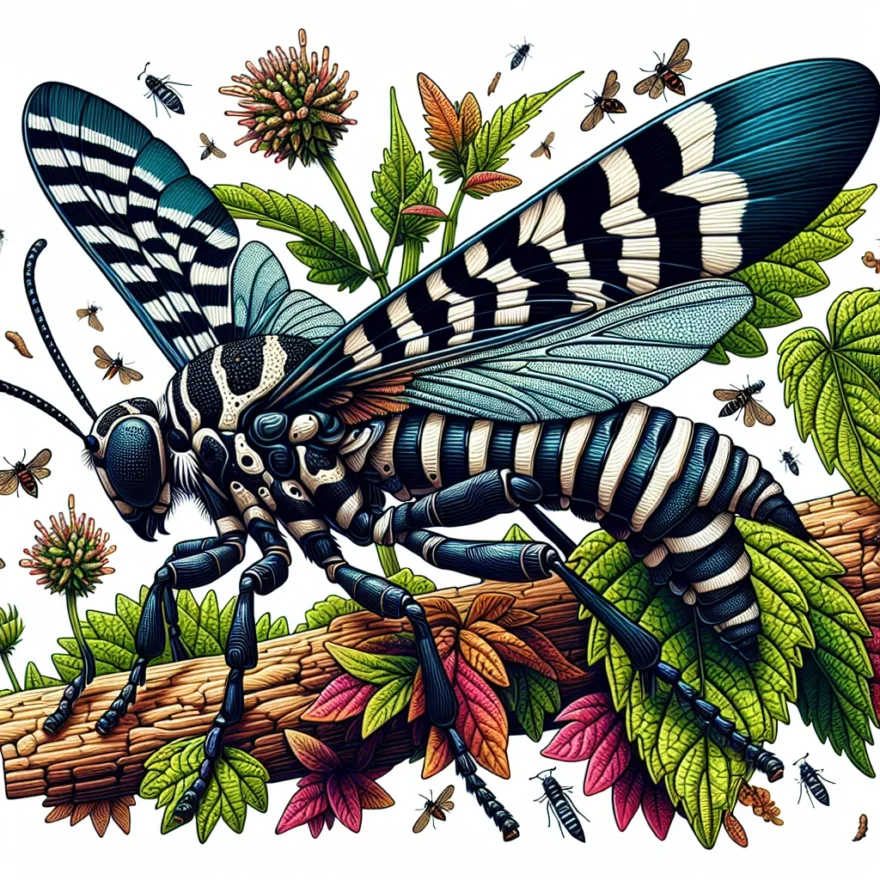
Introduction to African Zebra Sawflies
In the vast and diverse world of insects, the African Zebra Sawfly (Rhogogaster viridis) stands out with its unique features and intriguing behaviors. This lesser-known species, despite its striking appearance and interesting biology, has often been overlooked in favor of more well-known insects. However, the African Zebra Sawfly holds its own in terms of fascination and importance to the ecosystems it inhabits.
Named for their zebra-like black and white striped bodies, these sawflies are not actually flies at all. They belong to the Symphyta suborder within the Hymenoptera order, which includes wasps, bees, and ants. Unlike their more famous cousins, sawflies are non-stinging. They derive their name from the saw-like ovipositor females use to cut into plant tissue where they lay their eggs.
Despite their lack of sting, African Zebra Sawflies are far from defenseless. When threatened, they employ a unique survival strategy, raising their abdomens in a scorpion-like manner to ward off predators. This, combined with their striking coloration, makes them a fascinating subject of study for entomologists and nature enthusiasts alike.
While the African Zebra Sawfly may be lesser-known, understanding its biology, ecology, and the role it plays in its environment can offer valuable insights into the complex web of life that exists in the African landscapes. In this article, we’ll delve deeper into the world of the African Zebra Sawfly, exploring its habitat, physical characteristics, diet, reproduction, and the threats it faces. We’ll also answer some common questions about this unique insect species.
Table of contents
Habitat and Distribution
Deep in the heart of the African continent, a unique and fascinating insect makes its home. The African Zebra Sawfly, a lesser-known species of the sawfly family, is predominantly found in the diverse and rich ecosystems of Africa. It is particularly prevalent in the Sub-Saharan regions, where the climate and vegetation provide the ideal conditions for this species to thrive.
These sawflies favor areas with abundant vegetation, as their larvae feed primarily on plant matter. They are often found in forests, grasslands, and sometimes even in agricultural areas where crops provide a plentiful food source. However, they are not typically found in desert or arid regions, as these habitats do not provide the necessary plant life for their survival and reproduction.
The distribution of the African Zebra Sawfly is quite broad, covering a vast geographical area. From the lush rainforests of Central Africa to the fertile plains of East Africa, these insects have adapted to a variety of environments. Despite this broad distribution, they are not always easy to spot due to their small size and the fact that they are most active during the night.
While the African Zebra Sawfly has a wide distribution across Africa, its population density can vary greatly from one area to another. Factors such as availability of food, presence of predators, and environmental conditions can all impact the population size in a given area. As researchers continue to study these intriguing insects, they hope to learn more about their distribution patterns and the factors that influence them.
Physical Characteristics
The African Zebra Sawflies are a fascinating group of insects that are often overlooked due to their lesser-known status. These sawflies belong to the family Tenthredinidae and are native to various regions in Africa. In this section, we will explore the physical characteristics that make these sawflies unique and interesting.
Size-wise, African Zebra Sawflies can vary in length from 5 to 20 millimeters, depending on the species. They have a slender and elongated body shape, resembling that of a wasp. Unlike bees and wasps, however, sawflies lack a narrow “waist” between their thorax and abdomen.
One of the most striking features of the African Zebra Sawflies is their vibrant and eye-catching coloration. Their bodies are adorned with bold black and white stripes, resembling the patterns found on zebras. These stripes serve as a warning to potential predators, indicating that the sawflies are equipped with a defense mechanism.
The head of the African Zebra Sawflies is equipped with a pair of large compound eyes, which provide them with excellent vision. They also have a pair of antennae that are used for sensory perception. These antennae play a crucial role in detecting environmental cues and locating potential mates.
Another notable physical characteristic of the African Zebra Sawflies is their wings. Like other members of the sawfly family, their wings are transparent and veined. These wings enable them to fly with agility and precision, allowing them to navigate through their natural habitats with ease.
In terms of their overall appearance, African Zebra Sawflies have a sleek and streamlined body structure. This enables them to move swiftly and efficiently through their surroundings. Their legs are equipped with sharp claws that assist them in gripping onto surfaces and plants.
It is important to note that the physical characteristics of African Zebra Sawflies can vary slightly depending on the specific species. Some may have longer bodies or different color patterns, but the general features discussed above are common among this group of sawflies.
Overall, the physical characteristics of African Zebra Sawflies make them visually striking and help them thrive in their natural habitats. Their bold coloration serves as a warning to potential predators, while their wings and agile bodies enable them to navigate through their environment with ease.
Diet and Predation
African Zebra Sawflies have a unique and diverse diet that plays a crucial role in their survival and ecological interactions. These fascinating insects primarily feed on the leaves of various plants, making them herbivores. However, their feeding habits are not limited to a specific type of plant, as they have been observed consuming the foliage of a wide range of tree and shrub species.
One of the preferred food sources for African Zebra Sawflies is the Acacia tree. Acacias are common in the African savannah and provide a significant portion of the sawflies’ diet. The sawflies’ ability to consume the leaves of Acacias is facilitated by their specialized mandibles, which are adapted for chewing through tough vegetation.
While herbivory is their primary feeding behavior, African Zebra Sawflies also engage in occasional nectar feeding. They are known to visit flowers to obtain nectar as a supplementary energy source. This behavior not only provides them with additional nutrients but also contributes to the pollination of flowering plants.
Despite their herbivorous nature, African Zebra Sawflies are not without their own predators. These insects are preyed upon by a variety of animals, including birds, reptiles, and other insects. Birds, such as the African hoopoe and the yellow-billed hornbill, are known to actively search for sawfly larvae in trees and consume them.
Another predator of the African Zebra Sawflies is the praying mantis. These formidable predators lie in wait, camouflaged among the foliage, and snatch the unsuspecting sawflies with their lightning-fast reflexes. Additionally, certain species of spiders and ants are also known to prey on the sawfly larvae.
However, the African Zebra Sawflies have evolved several defense mechanisms to protect themselves from predation. One such adaptation is their striking black and white striped coloration, which serves as a warning signal to potential predators. This color pattern is associated with toxicity, indicating that the sawflies are distasteful or even poisonous.
Furthermore, the larvae of the African Zebra Sawflies possess specialized hairs called setae, which can cause irritation or allergic reactions in predators upon contact. These setae act as a physical deterrent, making the sawfly larvae less desirable as prey.
The intricate relationship between the diet and predation of African Zebra Sawflies highlights their importance in the ecosystem. As herbivores, they contribute to the regulation of plant populations by consuming foliage and shaping plant growth patterns. Additionally, their role as prey helps maintain the balance within predator-prey dynamics, ensuring the survival of their predators.
Understanding the diet and predation patterns of African Zebra Sawflies is crucial for their conservation. Changes in plant availability or the loss of their natural habitat can significantly impact their food sources, leading to population declines. Conservation efforts should focus on preserving the diverse plant species that make up the sawflies’ diet, as well as protecting their natural predators to maintain the delicate balance of the ecosystem.
Reproduction and Life Cycle
The reproduction and life cycle of the Lesser-Known African Zebra Sawflies are fascinating and unique. These insects have a complex reproductive process that ensures the survival of their species. Let’s take a closer look at how these sawflies reproduce and go through their life cycle.
Reproduction in African Zebra Sawflies begins with the male sawflies actively searching for females during the mating season. Once a male finds a receptive female, he will engage in a courtship dance, which involves buzzing around the female and displaying his brightly colored wings. This courtship behavior not only helps the male attract the female but also serves as a form of communication between the two individuals.
Once the female is ready to mate, she will allow the male to approach her. The mating process occurs in mid-air, with the male transferring sperm to the female’s reproductive organ using his specialized appendages. After mating, the female will search for suitable host plants to lay her eggs.
The female African Zebra Sawfly has a unique ovipositor, a specialized organ that allows her to lay eggs inside the stems or leaves of specific host plants. She carefully selects the most suitable plant, using her ovipositor to make a small incision and deposit her eggs. This ensures that the emerging larvae will have a readily available food source once they hatch.
The eggs of the African Zebra Sawflies are small and cylindrical, often laid in clusters. They have a protective outer layer that helps them withstand environmental conditions and potential predators. The incubation period for the eggs varies depending on the species and environmental factors, but it generally lasts for a few weeks.
Once the eggs hatch, the larvae emerge and begin their feeding frenzy. The African Zebra Sawfly larvae have a voracious appetite and primarily feed on the leaves of their host plants. They go through several instars, or stages of growth, shedding their skin each time they outgrow it. This process continues until they reach their final larval stage.
After reaching their final larval stage, the African Zebra Sawfly larvae undergo a transformation known as pupation. During this stage, the larvae construct protective cocoons or pupal cases, where they will undergo metamorphosis. Inside the cocoon, the larvae undergo significant changes, transforming into adult sawflies.
The duration of the pupal stage varies depending on environmental conditions, but it typically lasts for a few weeks. Once the metamorphosis is complete, adult African Zebra Sawflies emerge from their cocoons. They have fully developed wings and reproductive organs, ready to continue the cycle of life.
The adult sawflies have a relatively short lifespan, typically ranging from a few days to a couple of weeks. During this time, their primary focus is on finding a mate and reproducing. The cycle then repeats as the next generation of African Zebra Sawflies is born, ensuring the continuation of their species.
Understanding the reproduction and life cycle of the Lesser-Known African Zebra Sawflies provides valuable insights into their biology and behavior. It highlights the intricate processes these insects undergo to ensure the survival of their species and their role in the ecosystem.
Role in the Ecosystem
The Lesser-Known African Zebra Sawflies play a significant role in the ecosystem of their native habitats. These fascinating insects contribute to the delicate balance of nature in several ways.
Firstly, African Zebra Sawflies act as important pollinators. As they move from flower to flower in search of nectar, they inadvertently transfer pollen grains, aiding in the fertilization of plants. This process is crucial for the reproduction and survival of many plant species, ensuring the continuation of diverse ecosystems.
Additionally, these sawflies serve as a vital food source for various other organisms within their habitats. Their larvae, which are voracious feeders, consume large quantities of plant material. This not only helps to control plant growth but also provides sustenance for other herbivores, such as birds and small mammals, that rely on these insects as a primary food source.
Furthermore, African Zebra Sawflies contribute to nutrient cycling in their ecosystems. As they consume plant matter, their excrement, or frass, contains valuable nutrients that are returned to the soil. This process aids in maintaining soil fertility and supports the growth of other plants in the area.
Moreover, the presence of African Zebra Sawflies can also influence the behavior of other organisms. For example, their conspicuous black and white striped patterns serve as a warning signal to potential predators, indicating that they are unpalatable or even toxic. This warning coloration helps protect not only the sawflies themselves but also other insects that mimic their appearance for protection.
Overall, African Zebra Sawflies play a vital role in the intricate web of life within their ecosystems. From pollination to nutrient cycling and acting as a food source, these lesser-known insects contribute in ways that are often overlooked but are crucial for maintaining the health and balance of their habitats.
Threats and Conservation
One of the lesser-known insect species found in Africa is the Zebra Sawfly. These unique creatures are not only fascinating but also play an important role in the ecosystem. However, like many other species, African Zebra Sawflies face various threats that put their survival at risk. In this section, we will explore the challenges they encounter and the conservation efforts being made to protect them.
1. Habitat Loss: One of the primary threats to African Zebra Sawflies is habitat loss. Due to human activities such as deforestation, urbanization, and agriculture, their natural habitats are being destroyed at an alarming rate. As a result, these sawflies are losing their homes and the resources they rely on for survival.
2. Climate Change: The changing climate also poses a significant threat to the African Zebra Sawflies. Rising temperatures, erratic rainfall patterns, and extreme weather events can disrupt their life cycles and impact their food sources. These changes make it difficult for the sawflies to adapt and survive in their changing environment.
3. Pesticide Use: The use of pesticides in agriculture is another major threat to the African Zebra Sawflies. These sawflies, like many other insects, are highly sensitive to pesticides, which can directly harm them or indirectly affect their food sources. The widespread use of chemical pesticides further reduces their populations and disrupts the delicate balance of the ecosystem.
4. Invasive Species: The introduction of invasive species can have detrimental effects on the African Zebra Sawflies. Invasive plants, for example, can outcompete the native vegetation that the sawflies rely on for food and habitat. This displacement can lead to a decline in their populations and disrupt the ecological balance.
Conservation efforts are underway to protect the African Zebra Sawflies and ensure their long-term survival:
1. Protected Areas: Establishing protected areas, such as national parks and reserves, can help preserve the natural habitats of the African Zebra Sawflies. These protected areas provide a safe haven for the sawflies and other wildlife, allowing them to thrive without human interference.
2. Reforestation: Efforts are being made to restore and expand the forests that serve as the habitat for the African Zebra Sawflies. Reforestation projects involve planting native tree species and creating corridors to connect fragmented habitats, enabling the sawflies to move and disperse more freely.
3. Sustainable Agriculture: Promoting sustainable agricultural practices can reduce the use of harmful pesticides and minimize the impact on the African Zebra Sawflies. Integrated pest management techniques, crop rotation, and organic farming methods are being encouraged to create a more harmonious coexistence between agriculture and the sawflies.
4. Public Awareness and Education: Increasing public awareness about the importance of African Zebra Sawflies and their conservation needs is crucial. Education programs, awareness campaigns, and community involvement can help foster a sense of responsibility and encourage individuals to take actions to protect these unique insects.
By addressing these threats and implementing conservation measures, we can ensure the survival of the African Zebra Sawflies and maintain the ecological balance they contribute to. It is essential to recognize the value of these lesser-known species and work towards their conservation for the benefit of our planet’s biodiversity.
FAQs about African Zebra Sawflies
What are African Zebra Sawflies?
African Zebra Sawflies are a unique species of sawflies found in various parts of Africa. They are known for their striking black and white striped patterns, which resemble the markings of zebras, hence their name. These fascinating insects belong to the family Pergidae and are closely related to wasps and bees.
How do African Zebra Sawflies contribute to the ecosystem?
African Zebra Sawflies play a significant role in the ecosystem. As herbivores, they primarily feed on the leaves of specific plants, helping to control their growth and maintain a balance in the plant population. Additionally, they serve as a food source for various predators, including birds, reptiles, and other insects, thereby contributing to the overall food web.
What is the habitat of African Zebra Sawflies?
African Zebra Sawflies can be found in a range of habitats across Africa, including forests, savannas, and grasslands. They are particularly abundant in areas where their preferred host plants grow. These insects are well-adapted to their environments and have specific requirements for food, shelter, and breeding.
How do African Zebra Sawflies reproduce?
African Zebra Sawflies undergo a fascinating reproductive process. The females lay their eggs on the leaves of host plants, often choosing plants that provide suitable nutrition for their offspring. The eggs hatch into larvae, which go through several stages of development before pupating. The adult sawflies emerge from the pupae and continue the life cycle.
What do African Zebra Sawflies eat?
African Zebra Sawflies are primarily herbivores, feeding on the leaves of specific plants. They have a preference for certain types of host plants, which provide them with the necessary nutrients for growth and development. These sawflies have specialized mouthparts that allow them to chew and consume plant material.
Are African Zebra Sawflies harmful to humans?
No, African Zebra Sawflies are not harmful to humans. They do not possess stingers or venom and are generally harmless. However, it’s important to note that some people may be allergic to insect bites or have sensitivities to certain species. It is always advisable to avoid direct contact with any unfamiliar insect species.
What are the threats to African Zebra Sawflies?
Like many other insect species, African Zebra Sawflies face several threats to their population. Habitat loss due to deforestation and urbanization is a significant concern. Pesticide use and climate change also pose risks to their survival. Conservation efforts are crucial to protect these unique insects and ensure their continued existence in their natural habitats.
Can African Zebra Sawflies be kept as pets?
While some people may find African Zebra Sawflies fascinating, they are not commonly kept as pets. These insects have specific dietary requirements and environmental needs that may be challenging to replicate in captivity. It is generally best to appreciate them in their natural habitats and support conservation efforts to preserve their populations.
How can I help conserve African Zebra Sawflies?
There are several ways you can contribute to the conservation of African Zebra Sawflies:
- Support organizations and initiatives dedicated to preserving insect habitats and biodiversity.
- Plant native vegetation in your garden to provide food and shelter for sawflies and other beneficial insects.
- Avoid using harmful pesticides that can harm sawflies and other non-target species.
- Spread awareness about the importance of insects in ecosystems and the need for their conservation.