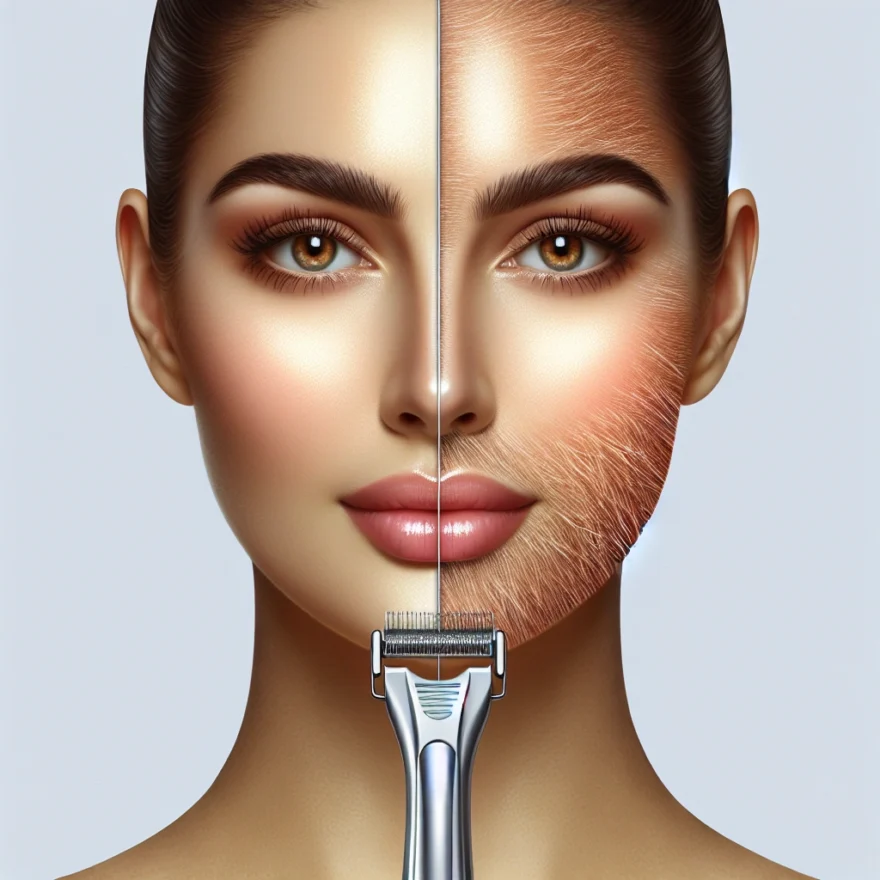
Introduction to Dermaplaning
Welcome to the world of dermaplaning, a transformative skincare treatment that is gaining popularity for its simplicity and effectiveness. This exfoliating procedure involves carefully scraping the surface of the skin with a surgical scalpel to remove dead skin cells and peach fuzz. The result is a smoother, brighter complexion that not only looks radiant but also provides the perfect canvas for flawless makeup application.
Dermaplaning is more than just a beauty trend; it’s a versatile skin health practice that benefits a wide array of skin types and concerns. Whether you’re looking to enhance product absorption, minimize the appearance of fine lines, or achieve a more youthful glow, dermaplaning could be the solution. The process itself is gentle and non-invasive, making it an appealing option for many, especially those looking for alternatives to chemical peels or more aggressive forms of exfoliation.
In this comprehensive guide, we will explore everything from the basic definition and benefits of dermaplaning to the nuances of how often it should be performed. We’ll also provide insights into the best practices for both at-home and professional treatments, important safety and hygiene tips, and advice tailored for different skin types. By the end of this guide, you’ll be equipped with all the knowledge needed to integrate this effective skincare practice into your routine safely and effectively.
Table of contents
- Introduction to Dermaplaning
- What is Dermaplaning?
- Benefits of Dermaplaning
- How Often Should You Dermaplane?
- Factors Influencing Dermaplaning Frequency
- Pre-Dermaplaning Skin Preparation
- Step-by-Step Guide to Dermaplaning at Home
- Professional vs. At-Home Dermaplaning
- Common Mistakes to Avoid in Dermaplaning
- Post-Dermaplaning Skin Care
- Signs You’re Overdoing Dermaplaning
- How Dermaplaning Affects Different Skin Types
- Safety and Hygiene Practices for Dermaplaning
- When to Avoid Dermaplaning
- Alternatives to Dermaplaning
- Long-Term Effects of Regular Dermaplaning
- Expert Opinions on Dermaplaning Frequency
- FAQs About Dermaplaning Frequency
- Conclusion: Personalizing Your Dermaplaning Routine
What is Dermaplaning?
Dermaplaning is a popular skincare technique that involves the use of a sterile surgical scalpel to gently scrape off the top layer of dead skin cells and peach fuzz from the face. This physical exfoliation process not only helps to smooth and soften the skin but also enhances its natural radiance. By removing the outermost layer, dermaplaning allows for deeper penetration of skincare products, optimizing their efficacy and giving the complexion a more youthful, vibrant appearance.
Unlike chemical peels or microdermabrasion, dermaplaning is a non-invasive procedure, making it suitable for many, including those with sensitive skin. The treatment is particularly appreciated for its ability to instantly brighten the complexion without the use of harsh chemicals, making it a preferred choice for individuals looking for a quick refresh without downtime. In addition to its exfoliating benefits, the process of dermaplaning is known to even out skin tone, reduce the appearance of acne scars, and diminish the look of fine lines and wrinkles.
Performed by a skincare professional, the procedure involves a careful stroking action that safely shaves off dead skin and hair. The immediate result is smoother, clearer skin that not only feels healthier but is visibly more glowing and even-toned. Given its multiple benefits and minimal risks, dermaplaning has carved a niche for itself in the realm of cosmetic skincare treatments, favored by those seeking a gentle yet effective solution to maintaining a flawless, rejuvenated skin surface.
Benefits of Dermaplaning
Dermaplaning offers a multitude of benefits for the skin, making it a popular choice for individuals looking to achieve a smoother, more radiant complexion. One of the key advantages of dermaplaning is its ability to exfoliate the skin deeply, removing dead skin cells and promoting cell turnover. This process not only helps to unclog pores but also encourages the skin to regenerate, resulting in a brighter and more even skin tone.
In addition to exfoliation, dermaplaning also helps to eliminate peach fuzz or vellus hair on the face, which can contribute to a smoother makeup application and enhance the penetration of skincare products. By removing this fine hair, dermaplaning allows for a more flawless makeup finish and can improve the efficacy of serums and moisturizers by enabling them to penetrate the skin more effectively.
Furthermore, dermaplaning can help to reduce the appearance of fine lines and wrinkles, as well as minimize the visibility of acne scars and hyperpigmentation. The removal of dead skin cells and vellus hair can make the skin appear smoother and more youthful, promoting a rejuvenated and revitalized complexion.
Another benefit of dermaplaning is its ability to enhance the results of other skincare treatments. By exfoliating the skin and removing the barrier of dead cells and hair, dermaplaning allows for better absorption of active ingredients in products, making subsequent treatments more effective and ensuring that the skin receives maximum benefits.
Overall, the benefits of dermaplaning include improved skin texture, increased radiance, enhanced product absorption, and a more youthful appearance. Incorporating dermaplaning into your skincare routine can help you achieve a smoother, brighter complexion and address a variety of common skin concerns.
How Often Should You Dermaplane?
Dermaplaning is a popular exfoliation technique that helps to achieve smoother and brighter skin by removing dead skin cells and peach fuzz. But how often should you dermaplane to maintain optimal results without causing harm to your skin?
The frequency of dermaplaning largely depends on individual skin types and specific skincare goals. As a general guideline, it is recommended to dermaplane every 3 to 4 weeks for most people. This timeframe allows your skin to fully regenerate and ensures that you do not over-exfoliate, which can lead to irritation and sensitivity.
However, some factors may influence how often you should dermaplane. For example, if you have sensitive skin, you may need to space out your dermaplaning sessions to every 4 to 6 weeks to prevent irritation. On the other hand, if you have oily or acne-prone skin, more frequent dermaplaning sessions every 2 to 3 weeks may be beneficial to prevent clogged pores and breakouts.
It is essential to listen to your skin and adjust the frequency of dermaplaning based on how it reacts to the treatment. If you notice any signs of irritation, redness, or dryness, it may be a sign that you are dermaplaning too often. In that case, you should give your skin some time to recover before scheduling your next session.
Remember that consistency is key when it comes to dermaplaning. Regular treatments can help maintain the results and improve the overall texture and appearance of your skin. However, it is crucial not to overdo it and to give your skin enough time to rest and renew between sessions.
Factors Influencing Dermaplaning Frequency
When it comes to determining how often you should dermaplane, there are several key factors to consider. Your skin type plays a significant role in determining the frequency of dermaplaning. For individuals with oily skin, more frequent dermaplaning sessions may be necessary compared to those with dry or sensitive skin.
Another crucial factor is your skincare goals. If you are looking to address specific concerns such as fine lines, acne scars, or dull skin, you may benefit from more frequent dermaplaning sessions. On the other hand, if you are simply looking to maintain smooth and radiant skin, less frequent sessions may suffice.
Your budget and time constraints are also important factors to consider. Professional dermaplaning treatments can be costly, so if budget is a concern, you may opt for at-home dermaplaning which can be done less frequently to save on costs.
Additionally, your skin’s reaction to dermaplaning can influence how often you should undergo the treatment. If you notice any redness, irritation, or sensitivity after dermaplaning, you may need to space out your sessions to allow your skin to recover properly.
Ultimately, the ideal frequency of dermaplaning varies from person to person and depends on a combination of these factors. It is recommended to consult with a skincare professional to determine the best dermaplaning schedule for your individual needs.
Pre-Dermaplaning Skin Preparation
Before embarking on a dermaplaning session, it’s essential to prepare your skin adequately to ensure a successful and safe experience. By following these pre-dermaplaning skin preparation steps, you can optimize the outcome of the treatment:
- Cleanse Your Skin: Start by washing your face with a gentle cleanser to remove any dirt, oil, or makeup. This step helps create a clean canvas for the dermaplaning process.
- Avoid Exfoliants: Refrain from using exfoliating scrubs, acids, or retinol products for a few days before dermaplaning. These products can make your skin more sensitive and prone to irritation during the treatment.
- Stay Hydrated: Keep your skin well-hydrated by drinking plenty of water in the days leading up to your dermaplaning session. Hydrated skin is more resilient and can recover faster post-treatment.
- Avoid Sun Exposure: Minimize sun exposure and use a broad-spectrum sunscreen with SPF 30 or higher to protect your skin. Sunburnt or excessively sun-damaged skin is not ideal for dermaplaning.
- Consult a Professional: If you’re a beginner or have specific skin concerns, consider consulting a dermatologist or skincare professional before attempting dermaplaning at home. They can provide personalized advice based on your skin type and condition.
Step-by-Step Guide to Dermaplaning at Home
Dermaplaning at home can be a beneficial addition to your skincare routine when done correctly. Follow these steps for a safe and effective at-home dermaplaning session:
- Cleanse Your Face: Start by washing your face with a gentle cleanser to remove any dirt, oil, and makeup. Pat your skin dry with a clean towel.
- Prep Your Tools: Ensure your dermaplaning tool is clean and sharp. Hold the tool at a 45-degree angle to your skin.
- Stretch the Skin: Use one hand to stretch the skin taut and create a smooth surface for the blade to glide over.
- Begin Dermaplaning: With short, gentle strokes, move the blade across your skin in an upward motion. Avoid going over the same area multiple times to prevent irritation.
- Focus on Problem Areas: Pay extra attention to areas with peach fuzz or rough texture, such as the cheeks and jawline.
- Avoid Sensitive Areas: Skip dermaplaning on active breakouts, sunburned skin, or areas with cuts or irritation.
- Finish with Skincare: Once you’ve dermaplaned your face, apply a soothing toner and a hydrating moisturizer to replenish the skin.
- Clean Your Tools: After each use, clean your dermaplaning tool with soap and water or rubbing alcohol to prevent bacteria buildup.
- Follow Up Carefully: Be gentle with your skin post-dermaplaning, avoiding harsh exfoliants or active ingredients for a few days.
By following these steps, you can safely and effectively dermaplane at home to achieve smoother, brighter skin.
Professional vs. At-Home Dermaplaning
When it comes to dermaplaning, you have the option of either getting it done by a professional in a spa or salon setting, or doing it yourself at home. Each approach has its own set of advantages and considerations to keep in mind.
Professional Dermaplaning:
Having dermaplaning performed by a trained aesthetician or dermatologist can offer a more thorough and precise treatment. Professionals have the expertise and experience to safely and effectively remove the top layer of dead skin cells and peach fuzz from your face.
Professional dermaplaning sessions often involve additional steps such as cleansing, toning, and moisturizing, providing a comprehensive skincare experience. The use of professional-grade tools and products can also result in more noticeable and immediate improvements in skin texture and appearance.
Furthermore, receiving dermaplaning from a professional allows for personalized recommendations tailored to your specific skin type and concerns. They can address any underlying issues and customize the treatment to maximize its benefits for your skin.
At-Home Dermaplaning:
On the other hand, at-home dermaplaning kits and tools provide a convenient and cost-effective alternative for maintaining smooth and radiant skin between professional appointments. Many individuals opt for at-home dermaplaning to extend the effects of their in-office treatments.
While the results may be slightly less dramatic compared to professional sessions, regular at-home dermaplaning can still help improve skin texture, enhance product absorption, and promote a more luminous complexion. It is essential to follow instructions carefully and use sterile, high-quality tools to minimize the risk of irritation or injury.
One key advantage of at-home dermaplaning is the ability to incorporate it into your skincare routine more frequently, as needed. This flexibility allows you to target specific areas of concern or focus on maintenance between professional visits.
Ultimately, whether you choose professional or at-home dermaplaning depends on your preferences, budget, and skincare goals. Some individuals prefer the pampering and expertise of a spa treatment, while others enjoy the convenience and control of DIY skincare practices. Regardless of the method you choose, dermaplaning can be a beneficial addition to your skincare regimen when done correctly and consistently.
Common Mistakes to Avoid in Dermaplaning
One of the most important aspects of dermaplaning is avoiding common mistakes that could potentially harm your skin or diminish the effectiveness of the treatment. Here are some key missteps to steer clear of:
- Skipping skin preparation: Prepping your skin adequately before dermaplaning is crucial for achieving the best results. Ensure your skin is clean, dry, and free of any products or makeup to prevent irritation or uneven exfoliation.
- Using a dull blade: The blade used in dermaplaning should always be sharp to effectively remove dead skin cells and peach fuzz. Using a dull blade can lead to skin irritation and ineffective exfoliation.
- Applying too much pressure: It’s important to maintain a light touch during dermaplaning to avoid causing cuts, nicks, or irritation on the skin. Let the blade do the work, and avoid pressing too hard.
- Dermaplaning too frequently: While dermaplaning offers numerous benefits, overdoing it can lead to skin sensitivity, redness, or irritation. Follow the recommended frequency guidelines to prevent over-exfoliation.
- Neglecting post-treatment care: After dermaplaning, it’s essential to follow up with proper skincare to soothe the skin and protect it from potential irritants. Moisturize, apply sunscreen, and avoid harsh ingredients that could aggravate the skin.
- Not cleaning the blade properly: Sanitizing and cleaning the dermaplaning blade before and after each use is crucial to prevent bacterial contamination and skin infections. Use alcohol or a disinfectant to sterilize the blade thoroughly.
- Dermaplaning on active acne or irritated skin: Avoid dermaplaning over active acne breakouts, sunburned skin, or skin conditions like eczema or psoriasis. Dermaplaning can exacerbate these issues and cause further inflammation.
By steering clear of these common mistakes and following proper dermaplaning techniques, you can maximize the benefits of this exfoliation method and achieve smoother, radiant skin.
Post-Dermaplaning Skin Care
After a dermaplaning session, it’s essential to follow a proper post-care routine to ensure your skin heals well and maintains its newfound smoothness and radiance. Here are some key tips for post-dermaplaning skin care:
- Avoid Sun Exposure: Direct sun exposure can be harmful to freshly dermaplaned skin. Make sure to apply a broad-spectrum sunscreen with an SPF of at least 30 before stepping outside.
- Avoid Harsh Products: For the first few days following dermaplaning, steer clear of products containing strong ingredients like retinoids, exfoliating acids, or fragrances that can irritate the skin.
- Moisturize Regularly: Hydration is key to maintaining your skin’s smooth texture. Use a gentle, hydrating moisturizer to keep your skin nourished and supple.
- Avoid Touching Your Face: Refrain from touching or picking at your skin post-dermaplaning to prevent introducing bacteria and causing irritation.
- Stay Hydrated: Drinking an adequate amount of water helps keep your skin hydrated from within, promoting healing and maintaining a healthy complexion.
- Avoid Makeup: It’s best to give your skin some time to breathe after dermaplaning. Try to avoid wearing makeup for at least 24 hours post-treatment.
Remember, everyone’s skin is different, so it’s essential to listen to your skin’s needs and adjust your post-care routine accordingly. If you experience any unusual redness, irritation, or discomfort after dermaplaning, consult a skincare professional for guidance.
Signs You’re Overdoing Dermaplaning
Dermaplaning is a highly effective exfoliation treatment that helps in achieving smoother, brighter skin by removing dead skin cells and fine vellus hair, commonly known as peach fuzz. While dermaplaning offers numerous benefits, overdoing the procedure can lead to adverse effects on your skin.
One of the signs that you may be overdoing dermaplaning is increased skin sensitivity. If you notice that your skin is becoming more sensitive, red, or irritated after dermaplaning sessions, it could be a signal that you are exfoliating too frequently. Over-exfoliation can compromise your skin’s natural barrier, leading to inflammation and discomfort.
Another indication that you may be dermaplaning too often is the development of breakouts or acne. While dermaplaning can help in clearing away dead skin cells and reducing the appearance of acne scars, excessive exfoliation can strip the skin of its natural oils and disrupt the balance, potentially triggering acne flare-ups.
If you start noticing an increase in dryness or flakiness on your skin after dermaplaning, it could be a sign of over-exfoliation. Removing too many layers of skin through frequent dermaplaning can leave your skin vulnerable to moisture loss, leading to dryness and a rough texture.
Furthermore, if you experience a persistent stinging or burning sensation on your skin, especially when applying skincare products post-dermaplaning, it might indicate that your skin barrier has been compromised due to excessive exfoliation. This can make your skin more reactive and sensitive to external irritants.
It is essential to listen to your skin and adjust your dermaplaning frequency accordingly. If you notice any of these signs of overdoing dermaplaning, it is advisable to reduce the frequency of your treatments or consult with a skincare professional to create a more suitable skincare routine tailored to your skin’s needs.
How Dermaplaning Affects Different Skin Types
Dermaplaning can have varying effects on different skin types due to individual differences in sensitivity, oiliness, and overall skin health. Understanding how dermaplaning affects different skin types can help you tailor your dermaplaning routine to suit your specific needs.
For individuals with dry skin, dermaplaning can help remove dead skin cells and peach fuzz, providing a smoother canvas for better product absorption. However, it’s essential to follow up with hydrating skincare products to maintain moisture levels after dermaplaning.
Those with oily or acne-prone skin may also benefit from dermaplaning, as it can help reduce the buildup of oil and debris that can clog pores and lead to breakouts. Regular dermaplaning can promote clearer skin and improve the effectiveness of acne-fighting skincare products.
Combination skin types, which exhibit both dry and oily areas, can benefit from dermaplaning by addressing multiple skin concerns simultaneously. By targeting dry patches and removing excess oil and impurities, dermaplaning can help balance the skin and create a more even complexion.
Sensitive skin individuals should approach dermaplaning with caution, as the exfoliation process can potentially cause irritation or redness. Opting for gentler dermaplaning techniques or consulting with a skincare professional can help minimize the risk of adverse reactions for sensitive skin types.
Normal skin types, which are generally well-balanced and not overly dry or oily, can enjoy the benefits of dermaplaning for maintaining smooth, radiant skin. Regular dermaplaning sessions can help enhance the skin’s natural glow and texture, promoting a healthy complexion.
Ultimately, the effects of dermaplaning on different skin types can vary, so it’s essential to assess your skin’s specific needs and responses to determine the frequency and intensity of dermaplaning that works best for you. Consulting with a skincare expert can provide personalized recommendations for incorporating dermaplaning into your skincare routine.
Safety and Hygiene Practices for Dermaplaning
When it comes to dermaplaning, safety and hygiene practices are of utmost importance to ensure a successful and risk-free treatment. Proper safety measures not only protect your skin from potential harm but also help in maintaining the overall effectiveness of the procedure.
Here are some essential safety and hygiene practices to consider before, during, and after a dermaplaning session:
- Use Sterile Tools: It is crucial to use sterile and clean tools during the dermaplaning process to prevent infections and other skin complications. Make sure that the dermaplaning blade or tool is properly sanitized before each use.
- Sanitize Hands and Skin: Before starting the dermaplaning treatment, ensure that your hands and the client’s skin are thoroughly cleansed and sanitized. This helps in reducing the risk of introducing bacteria or other impurities to the skin.
- Follow Proper Technique: It is essential to follow the correct dermaplaning technique to avoid skin irritation or injury. Always maintain a gentle but firm hand pressure while performing the treatment to achieve optimal results without causing harm.
- Dispose of Used Blades Properly: After each dermaplaning session, dispose of the used blades or tools safely and appropriately. Do not reuse blades to prevent the risk of infections or skin reactions.
- Keep the Treatment Area Clean: Ensure that the treatment area is clean and free from any debris or contaminants that could come in contact with the skin during dermaplaning. A clean environment helps in minimizing the chances of post-treatment complications.
- Post-Treatment Care Instructions: Provide your clients with comprehensive post-treatment care instructions to help them maintain the results of dermaplaning and prevent any adverse reactions. Emphasize the importance of proper skincare routines after the procedure.
- Regular Equipment Maintenance: Regularly clean and maintain your dermaplaning tools and equipment to ensure their longevity and effectiveness. Proper maintenance also helps in preventing the build-up of bacteria or residue on the tools.
- Client Consultation and Consent: Before performing dermaplaning, conduct a thorough consultation with your clients to assess their skin condition, allergies, and any contraindications. Obtain written consent from the client before proceeding with the treatment.
By adhering to these safety and hygiene practices, both practitioners and clients can enjoy the benefits of dermaplaning with reduced risks and enhanced results. Prioritizing safety ensures a positive dermaplaning experience for everyone involved.
When to Avoid Dermaplaning
Dermaplaning is a highly effective exfoliation treatment that can provide numerous benefits for your skin. However, there are certain circumstances in which it is best to avoid dermaplaning to prevent any potential adverse effects. Understanding when to avoid dermaplaning is crucial to ensure the safety and well-being of your skin.
One of the primary instances where you should avoid dermaplaning is if you have active acne or inflamed skin. Dermaplaning involves using a sharp blade to remove dead skin cells and peach fuzz from the surface of the skin. If you have active acne lesions or irritated skin, dermaplaning can exacerbate the condition and lead to further inflammation and potential scarring.
If you have a sunburn or sun-damaged skin, it is also advisable to steer clear of dermaplaning. Sunburned skin is already sensitive and damaged, and undergoing a dermaplaning treatment can worsen the skin’s condition and cause increased irritation and discomfort.
Individuals with a history of eczema, psoriasis, or other chronic skin conditions should consult with a dermatologist before undergoing dermaplaning. These skin conditions can make the skin more prone to sensitivity and irritation, and dermaplaning may not be suitable for individuals with such conditions.
Pregnant women are often advised to avoid certain skincare treatments, including dermaplaning, especially if they have not undergone the procedure before. Hormonal changes during pregnancy can make the skin more sensitive, and it is best to err on the side of caution to prevent any potential adverse reactions.
Individuals who have recently undergone chemical peels, laser treatments, or other intensive facial procedures should also avoid dermaplaning until their skin has fully healed. Combining dermaplaning with such treatments can lead to excessive exfoliation and increased skin sensitivity, which may result in undesirable outcomes.
It is essential to listen to your skin and be mindful of its condition before scheduling a dermaplaning treatment. If you have any doubts or concerns about whether dermaplaning is suitable for your skin, it is always best to consult with a skincare professional or dermatologist for personalized advice and recommendations.
Alternatives to Dermaplaning
While dermaplaning is an effective exfoliation method, it may not be suitable for everyone due to various reasons such as skin sensitivity, medical conditions, or personal preferences. In such cases, there are alternative exfoliation techniques that can provide similar benefits to dermaplaning.
One alternative to dermaplaning is chemical exfoliation using products that contain alpha hydroxy acids (AHAs) or beta hydroxy acids (BHAs). These acids work by dissolving dead skin cells and promoting cell turnover, resulting in smoother and brighter skin. Popular chemical exfoliants include glycolic acid, lactic acid, salicylic acid, and fruit enzymes.
Another option is microdermabrasion, a non-invasive procedure that uses a device to exfoliate the outer layer of the skin. Microdermabrasion can help improve skin texture, reduce the appearance of fine lines and wrinkles, and enhance the penetration of skincare products.
For individuals with sensitive skin or those looking for a gentler exfoliation method, enzyme peels are a suitable alternative to dermaplaning. Enzyme peels utilize natural enzymes to loosen and remove dead skin cells without causing irritation, making them ideal for all skin types.
Physical exfoliation techniques like using a gentle scrub or exfoliating brush can also provide similar benefits to dermaplaning. However, it is essential to choose products with fine particles to avoid causing micro-tears in the skin.
Ultimately, the choice of exfoliation method depends on individual skin concerns, preferences, and sensitivities. Consulting with a skincare professional can help determine the most suitable alternative to dermaplaning based on your specific needs and goals.
Long-Term Effects of Regular Dermaplaning
Regular dermaplaning, when done correctly and in moderation, can have several long-term effects on the skin. Over time, consistent dermaplaning can help improve the overall texture and tone of the skin by promoting cell turnover and collagen production.
One of the significant long-term benefits of regular dermaplaning is the reduction of fine lines and wrinkles. By gently exfoliating the skin and removing the top layer of dead skin cells, dermaplaning can stimulate the production of new, healthy skin cells, leading to a smoother and more youthful complexion.
In addition to reducing the appearance of fine lines, dermaplaning can also help minimize the appearance of acne scars and hyperpigmentation over time. By removing the outer layer of damaged skin cells, dermaplaning can reveal fresher, more even-toned skin underneath.
Regular dermaplaning can also enhance the effectiveness of skincare products by allowing them to penetrate deeper into the skin. By removing the barrier of dead skin cells and peach fuzz, skincare products can be better absorbed, leading to more noticeable results over time.
Furthermore, consistent dermaplaning can help maintain a brighter and more radiant complexion in the long run. By promoting cell turnover and enhancing the skin’s natural renewal process, dermaplaning can leave the skin looking fresh, glowing, and rejuvenated with regular sessions.
It is important to note that while regular dermaplaning can have numerous long-term benefits for the skin, it is essential to follow a proper skincare routine and consult with a skincare professional to ensure that the treatment is suitable for your skin type and concerns.
Expert Opinions on Dermaplaning Frequency
Dermaplaning is a skincare technique that involves using a sharp blade to exfoliate the outer layer of the skin, leaving it smooth and radiant. One common question that arises among those considering dermaplaning is how often this procedure should be done. While there are general guidelines for dermaplaning frequency, it is essential to consider individual factors and seek expert opinions to determine the most suitable schedule for your skin.
Skincare experts and dermatologists generally recommend dermaplaning every three to four weeks for optimal results. This timeframe allows for the skin to fully regenerate and benefit from the exfoliation process without overdoing it. However, the ideal frequency may vary depending on your skin type, concerns, and the results you aim to achieve.
Some experts suggest that individuals with oily or acne-prone skin may benefit from more frequent dermaplaning sessions, such as every two to three weeks, to help prevent the buildup of dead skin cells and excess oil that can lead to breakouts. On the other hand, those with sensitive skin may opt for less frequent dermaplaning, perhaps every four to six weeks, to avoid irritation and maintain skin integrity.
It is crucial to consult with a skincare professional or dermatologist to assess your skin condition and determine the most suitable dermaplaning schedule for your specific needs. By seeking expert opinions, you can receive personalized recommendations that take into account factors such as your skin type, concerns, and any underlying conditions that may affect the frequency of dermaplaning.
Ultimately, the best approach to dermaplaning frequency is to listen to your skin and adjust the schedule based on how your skin responds to the treatment. Regular communication with skincare experts can help ensure that you are achieving the desired outcomes while maintaining the health and integrity of your skin.
FAQs About Dermaplaning Frequency
Q: Can I dermaplane if I have acne-prone skin?
A: Dermaplaning can be beneficial for individuals with acne-prone skin as it helps to remove dead skin cells and excess sebum that can clog pores. However, it is important to be gentle and avoid active acne areas to prevent irritation and spreading of bacteria.
Q: Is dermaplaning safe for sensitive skin?
A: Dermaplaning can be safe for sensitive skin if done carefully and with the right tools. It is essential to use a gentle touch and avoid applying too much pressure to prevent irritation or redness. Consulting a skincare professional before attempting dermaplaning is advisable for those with very sensitive skin.
Q: How soon after dermaplaning can I apply makeup?
A: You can apply makeup immediately after dermaplaning, as the treatment creates a smooth canvas for makeup application. However, it’s recommended to use clean, high-quality makeup products to avoid introducing bacteria to freshly exfoliated skin.
Q: Can I dermaplane if I have sunburned skin?
A: It is not advisable to dermaplane if you have sunburned skin. Exfoliating already irritated and damaged skin can worsen the condition and lead to further discomfort. Wait until your skin has fully healed before considering dermaplaning.
Q: How does dermaplaning affect the growth of facial hair?
A: Dermaplaning does not affect the rate or texture of facial hair growth. Contrary to popular belief, regular dermaplaning will not cause hair to grow back thicker or darker. The treatment simply removes the vellus hair (peach fuzz) on the surface of the skin.
Conclusion: Personalizing Your Dermaplaning Routine
After delving into the intricacies of dermaplaning, it is evident that the frequency at which you should engage in this skincare practice is contingent upon various factors. From understanding the benefits and potential risks to considering your skin type and professional versus at-home options, there are numerous elements to weigh when determining how often you should dermaplane.
Personalizing your dermaplaning routine is key to achieving optimal results while minimizing any adverse effects. By tailoring the frequency of your dermaplaning sessions to suit your individual needs, you can strike a balance that keeps your skin smooth, radiant, and healthy.
Remember, consistency and attention to detail are vital in skincare. By following the guidelines provided in this comprehensive guide and consulting with skincare professionals if needed, you can create a dermaplaning routine that works best for you.
Ultimately, the goal of dermaplaning is to enhance the appearance and health of your skin. By personalizing your approach and staying informed about best practices, you can enjoy the benefits of this exfoliation technique while maintaining the overall well-being of your skin.