Introduction to Armyworms
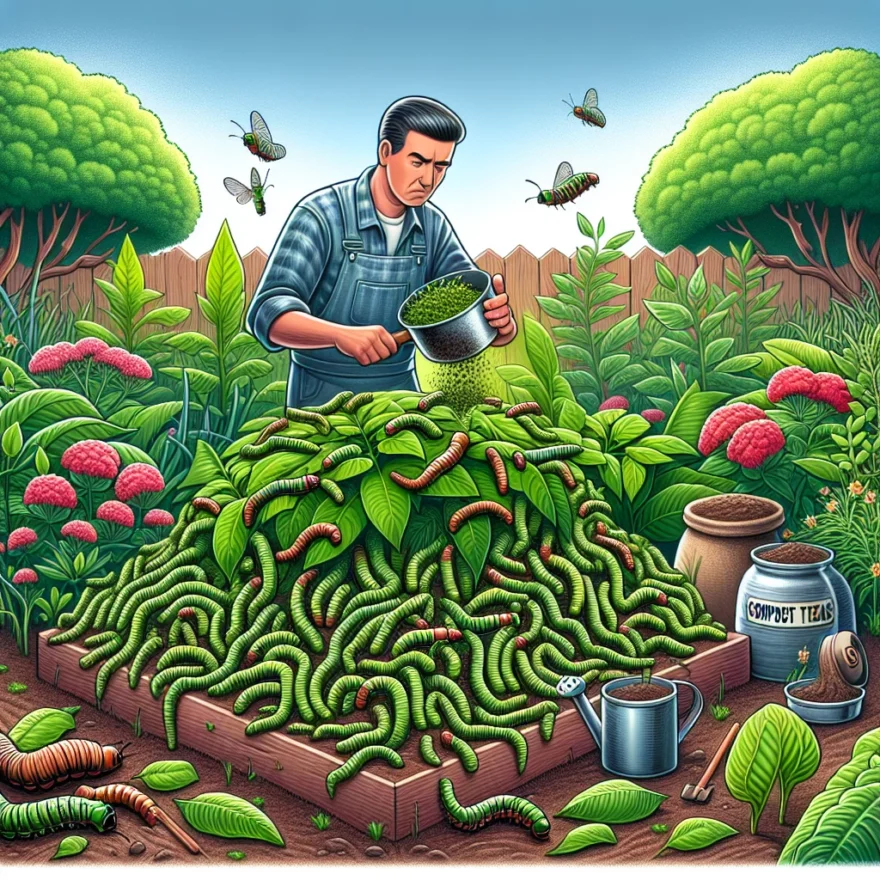
Armyworms, scientifically known as Spodoptera spp., are a group of caterpillar pests that pose a significant threat to lawns, gardens, and agricultural crops worldwide. These voracious feeders can cause extensive damage to a wide variety of plants, including grasses, vegetables, fruits, and ornamental plants. An armyworm invasion can lead to unsightly, patchy lawns and devastated gardens, leaving homeowners and gardeners scrambling to find effective solutions for controlling these pests.
There are several species of armyworms, but the most common ones that cause damage to lawns and gardens are the fall armyworm (Spodoptera frugiperda) and the true armyworm (Mythimna unipuncta). These caterpillars get their name from their habit of marching in large numbers from one food source to another, much like an invading army. They are known for their ability to quickly defoliate plants, leaving behind a trail of destruction in their wake.
Understanding the biology and behavior of armyworms is essential for effectively managing these pests and protecting your lawn and garden from their destructive feeding habits. In this article, we will explore the various aspects of armyworms, including their identification, life cycle, and the damage they cause. We will also discuss various prevention and control methods, including natural predators, organic solutions, and chemical options. Additionally, we will cover monitoring and early detection, lawn and garden maintenance practices, and the impact of climate change on armyworm invasions. By the end of this article, you will have a comprehensive understanding of armyworms and the tools and strategies needed to protect your lawn and garden from these unwelcome invaders.
Table of contents
- Introduction to Armyworms
- Identifying Armyworms and Their Damage
- Life Cycle of Armyworms
- Preventing Armyworm Infestations
- Natural Predators of Armyworms
- Organic Control Methods for Armyworms
- Chemical Control Options for Armyworms
- Monitoring and Early Detection of Armyworms
- Lawn and Garden Maintenance to Deter Armyworms
- Armyworms and Crop Damage
- Common Questions and Answers about Armyworms
- Recovering Your Lawn and Garden after an Armyworm Infestation
- Attracting Beneficial Insects to Your Garden
- The Impact of Climate Change on Armyworm Invasions
- Armyworms vs. Other Lawn and Garden Pests
- Understanding Integrated Pest Management (IPM) for Armyworm Control
- The Importance of Biodiversity in Pest Control
- Additional Resources for Armyworm Management
Identifying Armyworms and Their Damage
Armyworms are a common pest that can wreak havoc on lawns and gardens if left unchecked. These caterpillars, which belong to the genus Spodoptera, are notorious for their voracious appetite and their ability to consume large quantities of plant material in a short period of time. In this section, we will discuss how to identify armyworms and the damage they cause, enabling you to take prompt action to protect your lawn and garden from these destructive pests.
Armyworms are typically 1 to 2 inches long and can vary in color from green to brown, with darker stripes running along the length of their bodies. Their heads are usually brown with a net-like pattern, and they have three pairs of true legs near the head, and five pairs of prolegs on their abdomen. These caterpillars are nocturnal, meaning they are most active during the night, and will often hide in the soil or under debris during the day.
The damage caused by armyworms is characterized by irregular, ragged holes in leaves and stems, as well as chewed grass blades. In severe infestations, entire lawns and gardens can be stripped of vegetation, leaving behind a barren, muddy landscape. Additionally, armyworms can cause significant damage to crops, particularly corn, wheat, and other cereal grains.
To determine if the damage in your lawn or garden is caused by armyworms, you can perform a simple test. Mix a solution of 2 tablespoons of liquid dish soap with 1 gallon of water and pour it over a small area of your lawn or garden. If armyworms are present, they will come to the surface within a few minutes. This method is most effective in the early morning or late evening when armyworms are most active.
It is crucial to correctly identify armyworms and the damage they cause, as there are other pests, such as cutworms and sod webworms, that can cause similar damage. By accurately identifying the culprit, you can implement the most effective control methods and protect your lawn and garden from further harm.
Life Cycle of Armyworms
Armyworms are a type of caterpillar that can cause significant damage to lawns and gardens. Understanding their life cycle is important for effective control and prevention.
Armyworms go through a complete metamorphosis, which includes four distinct stages: egg, larva, pupa, and adult. The length of each stage can vary depending on environmental conditions, such as temperature and moisture.
The adult armyworm, also known as the fall armyworm, is a moth that lays its eggs in clusters on grass blades, leaves, and other plant material. The eggs are small and round, and can be difficult to spot with the naked eye. They typically hatch within a week.
Once hatched, the armyworm larvae begin feeding on plant material. They are voracious eaters and can quickly strip a lawn or garden of its foliage. The larvae go through several molts as they grow, shedding their skin each time. The color of the larvae can vary from green to brown, and they have distinct stripes running down their bodies.
After several weeks of feeding, the armyworm larvae enter the pupal stage. During this time, they spin a cocoon and transform into an adult moth. The pupal stage can last up to two weeks.
Once the adult moth emerges, it will mate and lay eggs, starting the cycle anew. The entire life cycle of armyworms can be completed in as little as 30 days, allowing for multiple generations in a single growing season.
Preventing Armyworm Infestations
Armyworms can be a significant threat to your lawn and garden. However, there are several preventative measures that you can take to reduce the risk of an armyworm invasion.
One of the most effective ways to prevent armyworm infestations is to maintain a healthy lawn and garden. This includes proper watering, fertilization, and mowing. A healthy lawn and garden is less susceptible to armyworms and other pests.
Another preventative measure is to keep your lawn and garden free of debris. Armyworms are attracted to areas with a lot of debris, such as piles of leaves or grass clippings. By keeping your lawn and garden clean, you can reduce the risk of an armyworm invasion.
It is also important to practice crop rotation. Armyworms are attracted to certain types of plants, so by rotating your crops, you can reduce the risk of an armyworm infestation.
Additionally, you can use physical barriers to keep armyworms out of your lawn and garden. This can include installing fences or netting around your garden to keep armyworms from entering.
Finally, it is important to monitor your lawn and garden regularly for signs of armyworms. Early detection is key to preventing an infestation from spreading.
Natural Predators of Armyworms
Armyworms are a common pest that can cause significant damage to lawns and gardens. While there are many methods of controlling armyworm infestations, one natural and effective approach is to encourage the presence of natural predators. These predators can help to keep armyworm populations in check, reducing the need for chemical pesticides and promoting a healthier ecosystem.
Some of the most common natural predators of armyworms include birds, such as sparrows, blackbirds, and starlings. These birds are known to feed on armyworms and can significantly reduce their numbers in an infested area. In addition to birds, there are several insect species that prey on armyworms, including parasitic wasps, ground beetles, and lacewings.
Parasitic wasps are particularly effective at controlling armyworm populations. These wasps lay their eggs inside armyworm larvae, which eventually hatch and consume the host from the inside out. Ground beetles and lacewings, on the other hand, feed on adult armyworms and can significantly reduce their numbers before they have a chance to lay eggs and further infest an area.
Encouraging the presence of these natural predators can be achieved through a variety of methods. Providing birdhouses and bird feeders can attract birds to your lawn or garden, while planting a variety of flowering plants can attract beneficial insects like parasitic wasps and lacewings. Additionally, avoiding the use of chemical pesticides can help to support the populations of these natural predators.
While natural predators can be an effective means of controlling armyworm populations, it is important to note that they may not be sufficient on their own. In cases of severe infestations, it may be necessary to use additional methods of control, such as organic or chemical pesticides. However, by promoting a healthy ecosystem and encouraging the presence of natural predators, you can significantly reduce the likelihood of armyworm infestations and promote a more sustainable approach to pest management.
Organic Control Methods for Armyworms
Organic control methods for armyworms are a great way to protect your lawn and garden without using harmful chemicals. These methods involve using natural products and techniques to deter and control armyworm infestations. Here are some effective organic control methods for armyworms:
- Handpicking: If you notice armyworms in your lawn or garden, you can physically remove them by handpicking them and dropping them into a bucket of soapy water. This method is effective for small infestations.
- Bacillus thuringiensis (Bt): Bt is a naturally occurring bacteria that is toxic to armyworms. It is available in powder or liquid form and can be sprayed on your lawn or garden to control armyworms. Bt is safe for humans, pets, and beneficial insects.
- Neem oil: Neem oil is a natural insecticide that is effective against armyworms. It works by disrupting the insect’s hormonal balance and preventing it from feeding and reproducing. Neem oil can be sprayed on your lawn or garden to control armyworms.
- Diatomaceous earth: Diatomaceous earth is a natural powder made from the fossilized remains of diatoms. It is abrasive to insects and can be sprinkled on your lawn or garden to control armyworms. Diatomaceous earth is safe for humans and pets.
- Beneficial insects: Encouraging beneficial insects in your lawn and garden can help control armyworms. Ladybugs, lacewings, and parasitic wasps are natural predators of armyworms and can be attracted to your garden by planting flowers and herbs that they are attracted to.
- Cultural practices: Maintaining a healthy lawn and garden through proper watering, fertilization, and mowing can help prevent armyworm infestations. Armyworms are attracted to stressed plants, so keeping your lawn and garden healthy can make them less susceptible to infestations.
Using organic control methods for armyworms can help protect your lawn and garden while minimizing the impact on the environment. These methods are safe for humans, pets, and beneficial insects, and can be just as effective as chemical control options.
Chemical Control Options for Armyworms
Chemical control options for armyworms should be used as a last resort. Pesticides can harm beneficial insects and other wildlife, as well as pose a threat to human health. However, in severe infestations, chemical control may be necessary to prevent extensive damage to your lawn or garden.
Before using any chemical control options, it is important to identify the type of armyworms you are dealing with and to follow the instructions on the pesticide label carefully. Some common pesticides used for armyworm control include carbaryl, permethrin, and bifenthrin. These pesticides are available in both liquid and granular forms and can be applied using a sprayer or spreader.
When using pesticides, it is important to wear protective clothing and follow all safety precautions. Keep children and pets away from the treated area until it has completely dried. It is also important to avoid applying pesticides during windy conditions, as this can cause the chemicals to drift and harm unintended targets.
While chemical control options can be effective, they should be used sparingly and only when necessary. Integrated pest management (IPM) techniques should always be used in conjunction with chemical control methods to minimize the impact on the environment and wildlife.
Monitoring and Early Detection of Armyworms
Armyworms can cause significant damage to your lawn and garden if left undetected and untreated. Therefore, monitoring your lawn and garden regularly is crucial in detecting armyworms early on and preventing a full-blown infestation.
One way to monitor your lawn and garden is by conducting regular visual inspections. Look for signs of armyworms, such as chewed leaves, damaged grass blades, and fecal matter. Armyworms are most active during the early morning and late afternoon, so it’s best to conduct inspections during these times.
You can also use pheromone traps to detect the presence of armyworms. These traps use a chemical attractant to lure adult moths, which are the primary carriers of armyworm eggs. By monitoring the number of moths caught in the trap, you can determine the level of armyworm activity in your area.
If you suspect an armyworm infestation, you can also perform a “flotation test” to confirm their presence. To do this, mix a few tablespoons of dish soap in a bucket of water and pour it over a section of your lawn or garden. The soapy water will force any armyworms to the surface, making them easier to detect.
Early detection of armyworms is critical in preventing their spread and minimizing damage to your lawn and garden. Therefore, it’s essential to monitor regularly and take action at the first signs of an infestation.
Lawn and Garden Maintenance to Deter Armyworms
Proper lawn and garden maintenance is crucial in deterring armyworms from invading your property. Here are some tips to keep your lawn and garden healthy and unattractive to armyworms:
- Mow regularly: Keep your lawn mowed to a height of 2-3 inches. Armyworms are attracted to tall grass, so keeping your lawn short will make it less appealing to them.
- Water deeply: Water your lawn deeply and infrequently, rather than shallowly and frequently. This will encourage deep root growth and make your lawn less susceptible to armyworm damage.
- Fertilize appropriately: Over-fertilizing can actually make your lawn more attractive to armyworms. Use a slow-release fertilizer and follow the manufacturer’s instructions carefully.
- Remove thatch: Thatch is a layer of dead grass and other organic matter that accumulates on the surface of your lawn. It can provide a breeding ground for armyworms and other pests. Use a thatch rake to remove any excess thatch.
- Plant resistant varieties: When choosing plants for your garden, look for varieties that are resistant to armyworms and other pests. Your local nursery or garden center can provide guidance on which plants are best suited for your area.
- Rotate crops: If you have a vegetable garden, rotate your crops each year. This will help prevent the buildup of armyworms and other pests in the soil.
- Clean up debris: Remove any fallen leaves, fruit, or other debris from your lawn and garden. Armyworms and other pests can use this debris as a hiding place and breeding ground.
By following these lawn and garden maintenance tips, you can help prevent armyworms from invading your property. However, it’s important to note that even with proper maintenance, armyworms can still find their way onto your lawn and garden. That’s why it’s important to monitor your property regularly and take action at the first sign of an infestation.
Armyworms and Crop Damage
Armyworms can cause significant damage to crops, including corn, soybeans, and wheat. These pests feed on the leaves and stems of plants, which can reduce the plant’s ability to photosynthesize and produce energy. In severe infestations, armyworms can completely defoliate a plant, leaving it vulnerable to disease and other pests.
The impact of armyworms on crops can be devastating, both in terms of yield and quality. Farmers and gardeners alike must be vigilant in monitoring for armyworms and taking steps to prevent and control infestations.
When it comes to crops, armyworms are most commonly associated with corn. These pests can cause significant yield losses in corn, especially if the infestation occurs during the critical reproductive stage. In addition to reducing yield, armyworms can also impact the quality of the corn by reducing the protein content and increasing the risk of fungal infections.
Armyworms can also cause damage to soybeans, although this is less common. In soybeans, armyworms typically feed on the foliage and can cause defoliation if left unchecked. This can reduce yield and increase the risk of disease.
Wheat is another crop that can be impacted by armyworms. In wheat, armyworms typically feed on the leaves and stems, which can reduce yield and grain quality. Like with corn, severe infestations can cause complete defoliation and leave the plant vulnerable to disease.
Overall, the impact of armyworms on crops can be significant. Farmers and gardeners must take steps to prevent and control infestations to protect their crops and ensure a successful harvest.
Common Questions and Answers about Armyworms
What are armyworms?
Armyworms are a type of caterpillar that can cause significant damage to lawns, gardens, and crops. They are called armyworms because they often move in large groups, like an army marching across a field.
What do armyworms look like?
Armyworms are typically green, brown, or gray with stripes or spots on their bodies. They have a smooth, cylindrical shape and can grow up to two inches long.
How do I know if I have an armyworm infestation?
If you notice patches of brown or yellow grass in your lawn or damage to your garden plants, you may have an armyworm infestation. You may also see the caterpillars themselves, either individually or in groups.
What plants do armyworms eat?
Armyworms can feed on a wide variety of plants, including grasses, grains, vegetables, and ornamental plants.
How do armyworms damage plants?
Armyworms feed on the leaves and stems of plants, which can cause significant damage and even kill the plant if left untreated.
Can armyworms be controlled naturally?
Yes, there are several natural predators of armyworms, including birds, wasps, and certain types of beetles. You can also use organic control methods such as neem oil or Bacillus thuringiensis (BT) to control armyworms.
What chemical control options are available for armyworms?
There are several chemical insecticides that can be used to control armyworms, but it is important to use them carefully and follow the instructions on the label to avoid harming beneficial insects and other wildlife.
How can I monitor for armyworms?
You can monitor for armyworms by inspecting your lawn and garden regularly for signs of damage or the presence of caterpillars. You can also use pheromone traps to attract and monitor adult armyworm moths.
What can I do to prevent armyworm infestations?
Maintaining a healthy lawn and garden is the best way to prevent armyworm infestations. This includes proper watering and fertilization, as well as regular mowing and pruning to keep plants healthy and strong.
What should I do if I have an armyworm infestation?
If you have an armyworm infestation, it is important to act quickly to prevent further damage to your lawn or garden. Depending on the severity of the infestation, you may need to use natural or chemical control methods to eliminate the caterpillars. You should also take steps to prevent future infestations, such as maintaining a healthy lawn and garden and monitoring for signs of armyworms.
Recovering Your Lawn and Garden after an Armyworm Infestation
After an armyworm infestation, it’s essential to take steps to recover your lawn and garden. Here are some tips:
- Remove dead and damaged plant material: Rake up any dead grass, leaves or other plant debris that armyworms may have consumed. This will help prevent fungal diseases and other pests from taking hold in the area.
- Replant: If your lawn or garden has suffered significant damage, you may need to reseed or replant. Be sure to choose grass or plants that are resistant to armyworms and other pests.
- Fertilize: Armyworms can deplete the soil of nutrients, so it’s important to fertilize your lawn or garden to help it recover. Choose a fertilizer that’s appropriate for the type of grass or plants you have.
- Water: Adequate watering is important for the recovery of your lawn or garden. Make sure to water deeply and infrequently to encourage deep root growth.
- Monitor: Keep an eye on your lawn or garden for signs of a recurring armyworm infestation. Early detection is key to preventing significant damage.
- Consider using nematodes: Nematodes are microscopic worms that can be applied to the soil to control armyworms. They are safe for humans and pets and can be an effective organic control method.
Remember, prevention is always the best strategy when it comes to armyworms and other pests. By practicing good lawn and garden maintenance and monitoring regularly, you can help prevent future infestations.
Attracting Beneficial Insects to Your Garden
Attracting beneficial insects to your garden is an effective way of controlling armyworms and other pests. Beneficial insects are those that prey on or parasitize other insects, helping to keep their populations in check. By creating a welcoming environment for these insects, you can reduce the need for chemical insecticides and promote a healthy, balanced ecosystem in your garden.
One of the best ways to attract beneficial insects is to plant a diverse range of flowering plants. These plants provide a source of nectar and pollen for adult beneficial insects, as well as a habitat for their larvae. Some good options include marigolds, sunflowers, zinnias, and daisies.
Another way to attract beneficial insects is to provide them with a source of water. A shallow dish filled with water and pebbles can provide a place for insects to drink and cool off on hot days.
You can also create a habitat for beneficial insects by leaving some areas of your garden un-mowed or un-manicured. This allows plants to grow wild, providing shelter and food for insects. A small brush pile or rock pile can also provide a habitat for insects to hide and nest.
Finally, it’s important to avoid using broad-spectrum insecticides that kill both harmful and beneficial insects. Instead, opt for targeted insecticides or natural pest control methods that are less harmful to beneficial insects.
By attracting beneficial insects to your garden, you can create a natural defense against armyworms and other pests. With a little effort and planning, you can promote a healthy, thriving ecosystem in your backyard.
The Impact of Climate Change on Armyworm Invasions
Climate change has been a hot topic in recent years, and it’s no surprise that it can have an impact on the invasion of armyworms. With rising temperatures, armyworms are able to reproduce more frequently, leading to increased populations and more damage to lawns and gardens.
In addition to increased reproduction rates, climate change can also affect the timing of armyworm invasions. Warmer temperatures can cause armyworms to emerge earlier in the season, catching gardeners off guard and leading to more severe damage.
Another way that climate change can impact armyworm invasions is through changes in weather patterns. Droughts and heavy rainfall can both create ideal conditions for armyworm populations to thrive. Droughts can cause grass and other plants to become stressed, making them more vulnerable to armyworm attacks. Heavy rainfall can create moist, humid environments that are perfect for armyworms to breed and multiply.
So what can gardeners do to protect their lawns and gardens from armyworm invasions in the face of climate change? The key is to be proactive and stay vigilant. Keep a close eye on weather patterns and monitor your lawn and garden regularly for signs of armyworms. Implement preventative measures, such as maintaining healthy soil and using organic pest control methods, to reduce the risk of armyworm invasions.
It’s also important to understand the role that biodiversity plays in pest control. By creating a diverse ecosystem in your lawn and garden, you can attract beneficial insects and other organisms that can help keep armyworm populations in check. This can include planting a variety of plants, providing habitats for beneficial insects, and avoiding the use of pesticides that can harm beneficial organisms.
Overall, while climate change can certainly impact armyworm invasions, there are steps that gardeners can take to minimize the risk and protect their lawns and gardens. By staying informed, implementing preventative measures, and promoting biodiversity, you can help keep armyworms at bay and maintain a healthy, thriving lawn and garden.
Armyworms vs. Other Lawn and Garden Pests
Armyworms are just one of many pests that can wreak havoc on your lawn and garden. Understanding the differences between armyworms and other common pests can help you identify the problem and choose the best course of action for control.
One of the most common pests that can be confused with armyworms is the cutworm. Cutworms are also caterpillars, but they tend to be shorter and thicker than armyworms. They are often gray or brown in color and can be found curled up in the soil during the day. Cutworms feed on the stems of plants and can cause severe damage, often killing the entire plant.
Another pest that can be mistaken for armyworms is the sod webworm. Sod webworms are also caterpillars, but they are smaller than armyworms and have a distinctive brown head. They feed on the roots of grass and can cause significant damage to lawns. Sod webworms are most active at night, making it difficult to spot them during the day.
Grubs are another common pest that can damage lawns. Grubs are the larvae of beetles, and they feed on the roots of grass. They can cause significant damage to lawns, often resulting in large brown patches. Grubs are most active in the fall and spring, and they can be controlled using a variety of methods, including insecticides and nematodes.
Other pests that can damage lawns and gardens include aphids, whiteflies, and spider mites. These pests are small and often difficult to spot, but they can cause significant damage to plants. Aphids and whiteflies feed on the sap of plants, while spider mites feed on the leaves. These pests can be controlled using a variety of methods, including insecticides, natural predators, and organic control methods.
While armyworms are just one of many pests that can damage your lawn and garden, they are a particularly destructive pest that can quickly cause significant damage. Understanding the differences between armyworms and other pests can help you identify the problem and choose the best course of action for control.
Understanding Integrated Pest Management (IPM) for Armyworm Control
Integrated Pest Management (IPM) is a holistic approach to pest control that aims to minimize the use of pesticides and other harmful chemicals. Instead, IPM relies on a combination of techniques to prevent and control pest infestations, including cultural, physical, and biological controls, as well as the judicious use of pesticides when necessary.
When it comes to armyworm control, IPM is an effective strategy that can help minimize the damage caused by these pests. Here are some key steps to implementing an IPM program for armyworms:
- Monitoring: Regular monitoring is crucial for early detection of armyworms. This can involve visual inspections of your lawn and garden, as well as using pheromone traps to attract and capture adult moths.
- Identification: Accurately identifying armyworms and distinguishing them from other pests is important for effective control. Look for the characteristic striped patterns on the caterpillar’s body, and note any damage to your plants.
- Cultural controls: Maintaining a healthy lawn and garden can help deter armyworms. This includes regular mowing, proper irrigation, and ensuring adequate soil fertility. Removing thatch and debris can also help reduce hiding places for armyworms.
- Physical controls: Handpicking armyworms and destroying them can be effective for small infestations. You can also use sticky traps to capture adult moths.
- Biological controls: Encouraging natural predators of armyworms, such as birds and beneficial insects, can help keep populations in check. You can also introduce parasitic nematodes or Bacillus thuringiensis (Bt) to target armyworms specifically.
- Chemical controls: As a last resort, pesticides can be used to control armyworms. However, it’s important to use them judiciously and according to label instructions to minimize harm to beneficial insects and the environment.
By following these steps and implementing an IPM program for armyworm control, you can effectively manage these pests and protect your lawn and garden from damage.
The Importance of Biodiversity in Pest Control
Armyworm invasions can be devastating to lawns and gardens, but maintaining a diverse ecosystem can help prevent and control these outbreaks. Biodiversity refers to the variety of plant and animal species in a given environment. When it comes to pest control, a diverse ecosystem can provide a number of benefits:
- Natural predators: A diverse ecosystem can attract a variety of insects, birds, and other animals that feed on armyworms and other pests. For example, ladybugs, lacewings, and parasitic wasps are all natural predators of armyworms. By providing habitat and food sources for these predators, you can help keep armyworm populations in check.
- Resilience: A monoculture, or a lawn or garden dominated by a single species of plant, is more vulnerable to pest outbreaks. In contrast, a diverse ecosystem can be more resilient to pest infestations because there are more plants and animals to fill ecological niches and provide natural checks and balances. When one species is under attack, others can step in to take its place.
- Reduced pesticide use: By relying on natural predators and other non-chemical control methods, you can reduce the amount of pesticides you need to use to control armyworms and other pests. This can be better for the environment and for human health, as pesticides can have negative impacts on non-target species and can accumulate in the food chain.
So how can you promote biodiversity in your lawn or garden? Here are a few tips:
- Plant a variety of species: Instead of planting a single species of grass or flower, try to incorporate a variety of plants that bloom at different times and provide different types of habitat and food sources. Native plants are often a good choice, as they are adapted to the local climate and soil conditions and can provide habitat for local wildlife.
- Provide habitat: In addition to planting a variety of species, you can also provide habitat for beneficial insects and other predators. For example, you can install birdhouses and bat boxes, plant shrubs and trees for nesting and roosting, and leave some areas of your lawn or garden unmowed to provide habitat for ground-dwelling insects.
- Avoid pesticides: Pesticides can harm beneficial insects and other non-target species, so try to avoid using them whenever possible. If you do need to use a pesticide, choose a product that is targeted specifically to the pest you are trying to control, and follow the label instructions carefully.
By promoting biodiversity in your lawn or garden, you can help prevent and control armyworm invasions while also supporting a healthy and vibrant ecosystem.
Additional Resources for Armyworm Management
- University Extension Services: Many universities offer extension services that provide information and resources for pest management. Contact your local university extension office for guidance on armyworm management in your area.
- USDA: The United States Department of Agriculture (USDA) provides information on pest management and offers resources for farmers and gardeners. Visit their website for more information on armyworm management.
- State Agriculture Departments: Your state’s agriculture department can offer guidance on armyworm management and may have resources available for homeowners and farmers.
- Pest Control Companies: If you are unable to manage an armyworm infestation on your own, consider contacting a professional pest control company. They can provide treatment options and advice on prevention.
- Online Resources: There are many online resources available for armyworm management, including blogs, forums, and websites dedicated to pest control. However, be sure to verify the credibility of the source before following their advice.
- Local Farmers and Gardeners: Talk to local farmers and gardeners in your area to see how they manage armyworms. They may have valuable insights and tips for managing the pest.