Introduction
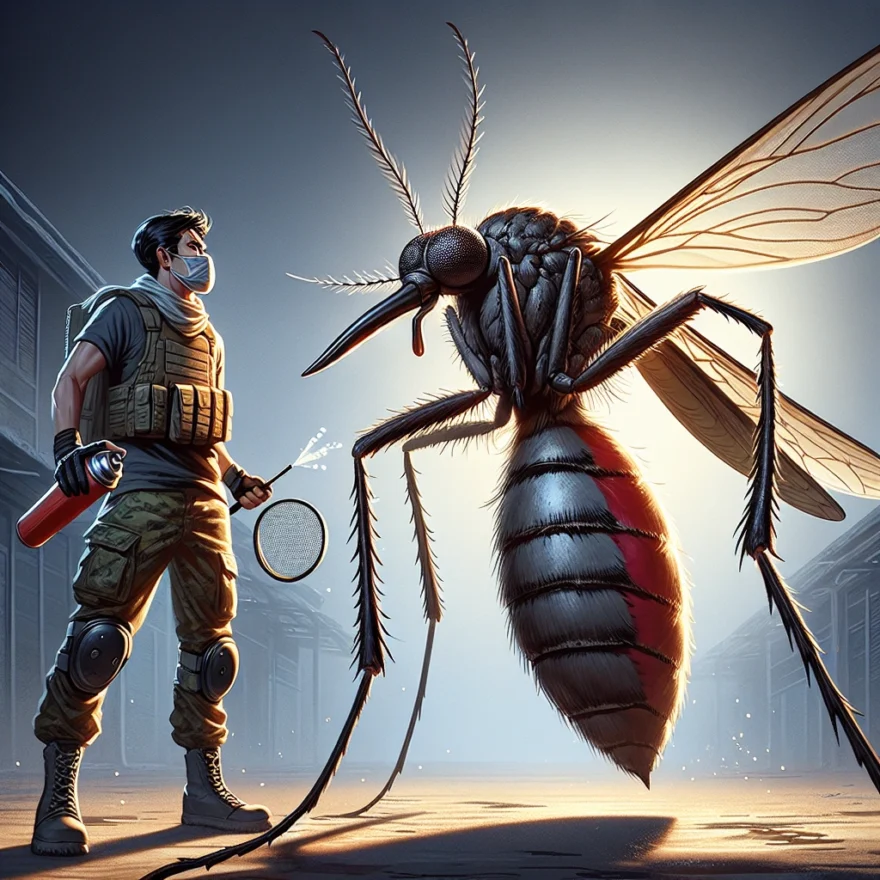
In the grand scheme of the world’s ecosystems, there exists an ongoing battle, one that has been waging for millennia. It’s a battle that occurs on nearly every continent, in every country, and within every ecosystem. It’s a battle that affects every human being on this planet in one way or another. This battle, often unnoticed by the larger public, is the Battle of the Bloodsuckers: Mosquitoes vs. Humans.
These tiny, buzzing creatures have been a thorn in the side of humanity for as long as we have existed. With their sharp proboscises and relentless pursuit of blood, mosquitoes have managed to make themselves one of the most universally disliked creatures on the planet. But this disdain isn’t without reason. Mosquitoes are not only annoying, but they can also be deadly, spreading diseases like malaria, dengue fever, and Zika virus.
But it’s not just a one-sided fight. Humans have been battling back against these bloodsucking pests for centuries, developing innovative strategies and technologies to keep them at bay. From bug sprays and nets to genetically modified mosquitoes and high-tech traps, we’ve gone to great lengths to protect ourselves and our loved ones from these tiny, buzzing foes.
Despite our best efforts, the battle rages on. Mosquitoes continue to adapt and evolve, finding new ways to survive and thrive. But why is this battle so important? Why do we need to understand the biology of mosquitoes, their effects on human health, their role in ecosystems, and how to control them? These are the questions we’ll explore in this article, delving deep into the world of mosquitoes and the ongoing battle between these bloodsuckers and humans.
Table of contents
- Introduction
- The Biology of Mosquitoes
- How Mosquitoes Affect Human Health
- Mosquitoes and their Role in Ecosystems
- Innovative Mosquito Control Strategies
- Preventing Mosquito Bites: Tips and Tricks
- The Psychological Impact of Mosquitoes
- Mosquitoes vs. Humans: The Ongoing Battle
- Common Questions About Mosquitoes
- Conclusion
The Biology of Mosquitoes
Understanding the biology of mosquitoes is crucial in the battle against these bloodsuckers. Mosquitoes belong to the family Culicidae and there are about 3,500 species of mosquitoes, but only a few are significant as disease carriers. Mosquitoes go through four stages in their life cycle: egg, larva, pupa, and adult. The first three stages are aquatic and last 5-14 days, depending on the species and the ambient temperature.
The female mosquitoes are the ones that feed on blood, which they need to produce eggs. Male mosquitoes do not have the mouthparts necessary for blood feeding. They feed only on nectar and other sources of sugar. Female mosquitoes detect their blood hosts partly through the chemicals that we exhale, such as carbon dioxide. They also use heat sensors to detect warm-blooded mammals and birds in their vicinity, which can be a significant source of blood meals.
Mosquitoes have a pair of scaled wings, a pair of halteres, a slender body, and long legs. The scales on their bodies and wings give them their characteristic color patterns. They have compound eyes, antennae, and a set of mouthparts designed for piercing skin and sucking blood. The female’s abdomen is equipped with a special egg-laying apparatus known as the ovipositor, which also serves as the stinger.
Their ability to fly, their need for water to breed, and their capacity to transmit diseases make mosquitoes a formidable adversary for humans. Understanding their biology can help in developing strategies to control their populations and reduce their impact on human health.
How Mosquitoes Affect Human Health
Mosquitoes are not just annoying pests; they also pose a significant threat to human health. These tiny bloodsuckers are responsible for transmitting several diseases that can have severe consequences for individuals and communities. Understanding how mosquitoes affect human health is crucial in developing effective strategies to combat them.
One of the most well-known diseases transmitted by mosquitoes is malaria. According to the World Health Organization (WHO), malaria caused an estimated 229 million cases and 409,000 deaths in 2019 alone. The disease is caused by parasites of the Plasmodium genus, which are transmitted to humans through the bites of infected female Anopheles mosquitoes. Malaria can lead to fever, chills, flu-like symptoms, anemia, and, in severe cases, organ failure and death.
Dengue fever is another mosquito-borne disease that affects millions of people worldwide. It is caused by the dengue virus, which is transmitted by Aedes mosquitoes. Symptoms of dengue fever include high fever, severe headache, joint and muscle pain, rash, and in severe cases, hemorrhagic fever or dengue shock syndrome. According to the WHO, approximately 390 million dengue infections occur each year, with about 96 million cases manifesting clinically.
Zika virus, transmitted primarily by Aedes mosquitoes, gained global attention in recent years due to its association with birth defects, particularly microcephaly. Zika virus infection during pregnancy can lead to severe neurological complications in infants. Other mosquito-borne diseases include West Nile virus, chikungunya, and yellow fever, each with its own set of symptoms and potential health consequences.
In addition to transmitting these diseases, mosquito bites can cause local allergic reactions in some individuals. These reactions may include redness, swelling, itching, and discomfort at the site of the bite. While not life-threatening, they can be quite bothersome and lead to secondary infections if scratched excessively.
Furthermore, the constant annoyance and discomfort caused by mosquito bites can have a significant impact on mental health. Fear of mosquito-borne diseases, sleep disturbances due to nighttime biting, and the constant need to protect oneself from mosquito bites can lead to increased stress, anxiety, and reduced quality of life.
It is important to note that not all mosquitoes carry diseases, and the risk of infection varies depending on geographical location and other factors. However, the potential health threats posed by mosquitoes cannot be ignored.
Given the significant impact of mosquitoes on human health, it is crucial to implement comprehensive mosquito control strategies, including mosquito surveillance, elimination of breeding sites, and the use of insecticides when necessary. Additionally, personal protective measures such as using mosquito repellents, wearing protective clothing, and sleeping under bed nets can help reduce the risk of mosquito bites and disease transmission.
Mosquitoes and their Role in Ecosystems
Mosquitoes may be notorious for their irritating bites and ability to transmit diseases, but they actually play an important role in ecosystems. These tiny bloodsuckers are a vital part of the food chain and contribute to the balance of various ecosystems around the world.
One of the key roles mosquitoes play in ecosystems is as a food source for other organisms. Mosquito larvae serve as a valuable food source for fish, amphibians, and other aquatic insects. In fact, many species of fish rely heavily on mosquito larvae as a primary food source during their early life stages.
Adult mosquitoes also serve as a food source for a wide range of animals including birds, bats, spiders, and other insects. They provide a high-energy meal for these predators, helping to sustain their populations. In some ecosystems, mosquitoes are even considered a keystone species, meaning that their presence or absence can have a significant impact on the overall structure and function of the ecosystem.
Furthermore, mosquitoes also play a role in pollination. While they are not as efficient as bees or butterflies, some mosquito species are known to feed on nectar from flowers. As they move from flower to flower, they inadvertently transfer pollen, aiding in the fertilization and reproduction of certain plant species.
It is important to note, however, that the ecological role of mosquitoes varies depending on the species and the ecosystem they inhabit. Some mosquito species are more abundant and have a larger impact on the ecosystem, while others have a more localized influence.
Despite their ecological contributions, it is crucial to strike a balance between the benefits and drawbacks of mosquitoes. While they are an essential part of the natural world, their ability to transmit diseases to humans and animals cannot be ignored. This is why effective mosquito control strategies are necessary to minimize the negative impacts of mosquitoes on human health while still preserving their ecological significance.
Innovative Mosquito Control Strategies
Mosquitoes have long been a nuisance to humans, not only causing discomfort with their itchy bites but also posing serious health risks as carriers of diseases such as malaria, dengue fever, and Zika virus. In order to combat these bloodsucking pests, innovative mosquito control strategies have been developed. These strategies aim to effectively reduce mosquito populations and minimize the impact they have on human health.
One of the most promising innovative mosquito control strategies is the use of biological control agents. This involves introducing natural predators of mosquitoes into the environment to help keep their population in check. For example, certain species of fish, such as Gambusia affinis (commonly known as mosquito fish), feed on mosquito larvae, effectively reducing their numbers in bodies of water. Additionally, bacteria called Bacillus thuringiensis israelensis (Bti) can be used as a biological larvicide, targeting mosquito larvae specifically and preventing them from developing into adults.
Another innovative approach is the use of genetically modified mosquitoes. Scientists have developed genetically modified male mosquitoes that carry a gene that causes their offspring to die before reaching adulthood. These modified mosquitoes are released into the wild to mate with wild female mosquitoes, reducing the overall mosquito population over time. This method, known as the sterile insect technique, shows great potential in controlling mosquito-borne diseases.
In recent years, technology has also played a significant role in mosquito control efforts. Mosquito traps equipped with ultraviolet light and carbon dioxide attractants can effectively lure and capture mosquitoes. These traps can be used both indoors and outdoors to reduce mosquito populations in residential areas. Additionally, mosquito control agencies have started using drones equipped with insecticides to target mosquito breeding grounds that are difficult to access manually.
Community-based initiatives have also proven to be successful in controlling mosquitoes. These initiatives involve educating and mobilizing communities to take action against mosquitoes. This can include removing standing water sources, using mosquito repellents, and implementing proper sanitation practices. By empowering communities to actively participate in mosquito control, the overall impact can be significant.
Furthermore, research is ongoing to develop new and improved mosquito repellents. Traditional repellents containing DEET are effective, but alternative repellents such as picaridin and oil of lemon eucalyptus are gaining popularity due to their lower toxicity and comparable efficacy. Additionally, clothing treated with insecticides, such as permethrin, can provide an extra layer of protection against mosquito bites.
It is important to note that while these innovative mosquito control strategies show promise, they are not without limitations. Some methods may require significant financial investments or face regulatory challenges. Additionally, the effectiveness of certain strategies may vary depending on the mosquito species and the local environment.
In conclusion, the battle between mosquitoes and humans is ongoing, but with the development of innovative mosquito control strategies, we are making progress in reducing the impact of these bloodsucking pests. By utilizing biological control agents, genetic modification, technology, community-based initiatives, and improved repellents, we can better protect ourselves from the diseases and discomfort caused by mosquitoes.
Preventing Mosquito Bites: Tips and Tricks
When it comes to preventing mosquito bites, there are several tips and tricks that can help you protect yourself and your loved ones from these pesky bloodsuckers. By implementing these strategies, you can enjoy outdoor activities without constantly swatting away mosquitoes and worrying about potential health risks. Here are some effective ways to prevent mosquito bites:
- Use insect repellent: Apply an EPA-approved insect repellent on exposed skin to repel mosquitoes. Look for repellents containing DEET, picaridin, or oil of lemon eucalyptus.
- Wear protective clothing: When spending time outdoors, wear long sleeves, long pants, and socks to minimize exposed skin. Opt for light-colored clothing as mosquitoes are attracted to dark colors.
- Avoid peak mosquito hours: Mosquitoes are most active during dawn and dusk. If possible, limit your outdoor activities during these times to reduce the risk of mosquito bites.
- Eliminate standing water: Mosquitoes breed in stagnant water. Regularly check your surroundings and remove any standing water sources such as flower pots, bird baths, and clogged gutters.
- Use mosquito nets: When camping or sleeping outdoors, use mosquito nets to create a physical barrier between you and the mosquitoes.
- Install screens and seal openings: Make sure your windows and doors have screens to prevent mosquitoes from entering your home. Seal any gaps or openings where mosquitoes can squeeze through.
- Avoid strong scents: Mosquitoes are attracted to strong scents, such as perfumes, scented lotions, and sweat. Try to minimize the use of heavily scented products when spending time outdoors.
- Keep your surroundings clean: Mosquitoes are also attracted to trash and debris. Keep your outdoor areas tidy and dispose of garbage properly to reduce mosquito breeding grounds.
- Consider mosquito-repelling plants: Some plants, such as citronella, lavender, and marigolds, have natural mosquito-repelling properties. Planting these in your garden or using essential oils derived from these plants may help deter mosquitoes.
- Stay informed: Pay attention to local mosquito advisories and take necessary precautions when traveling to areas known for mosquito-borne diseases.
By following these tips and tricks, you can significantly reduce your risk of mosquito bites and the potential health complications associated with them. Remember, prevention is key in the ongoing battle between mosquitoes and humans.
The Psychological Impact of Mosquitoes
In the battle between mosquitoes and humans, there is a lesser-known aspect that often gets overlooked – the psychological impact of mosquitoes. While we may primarily associate mosquitoes with physical discomfort and health risks, their presence can also take a toll on our mental well-being.
One of the primary psychological effects of mosquitoes is the constant feeling of annoyance and frustration they can cause. The high-pitched buzzing sound near our ears, the incessant itching from their bites, and the relentless pursuit they engage in can all contribute to a sense of irritation and unease. This constant irritation can disrupt our daily activities and make it difficult to relax and enjoy outdoor spaces.
Furthermore, the fear of mosquito-borne diseases can also have a significant psychological impact. Mosquitoes are known carriers of diseases such as malaria, dengue fever, Zika virus, and West Nile virus, among others. The mere presence of mosquitoes can trigger anxiety and worry about contracting these illnesses, especially in areas where these diseases are prevalent.
In some cases, the fear of mosquito-borne diseases can lead to a condition known as entomophobia, which is an excessive and irrational fear of insects. Individuals with entomophobia may experience intense anxiety or panic attacks when faced with mosquitoes or even the thought of encountering them. This fear can restrict their outdoor activities and negatively impact their quality of life.
Additionally, the psychological impact of mosquitoes extends beyond individuals to communities and societies. In areas where mosquitoes are abundant and disease transmission is a significant concern, there can be a collective fear and anxiety among the population. This fear can result in increased healthcare costs, strain on healthcare systems, and a general sense of unease within the community.
It is important to acknowledge and address the psychological impact of mosquitoes to promote overall well-being. Education about mosquito-borne diseases, prevention strategies, and effective mosquito control measures can help alleviate fears and anxieties associated with mosquitoes. Additionally, creating mosquito-free outdoor spaces and implementing innovative mosquito control strategies can provide a sense of relief and peace of mind for individuals and communities.
In conclusion, while mosquitoes may be tiny creatures, their impact extends beyond physical discomfort. The psychological effects of mosquitoes, including annoyance, fear, and anxiety, can have a significant impact on individuals and communities. By understanding and addressing these psychological impacts, we can better protect our mental well-being in the ongoing battle against mosquitoes.
Mosquitoes vs. Humans: The Ongoing Battle
As the summer heat rises, so does the battle between mosquitoes and humans. These tiny bloodsuckers have been a nuisance to humans for centuries, and the ongoing battle to control them continues. Mosquitoes are not just annoying pests; they are also carriers of deadly diseases such as malaria, dengue fever, Zika virus, and West Nile virus.
Humans have devised various strategies to combat mosquitoes and protect themselves from their bites. From the use of insect repellents to the development of innovative mosquito control techniques, the battle against these bloodsuckers is relentless.
One of the primary reasons for the ongoing battle is the sheer adaptability and resilience of mosquitoes. They have evolved over millions of years to survive in various environments and reproduce rapidly. Mosquitoes can breed in as little as a teaspoon of stagnant water, making it challenging to eliminate their breeding grounds.
Furthermore, mosquitoes have developed resistance to many traditional insecticides, making it even more difficult to control their populations. This has led to the exploration of alternative methods such as biological control, genetic modification, and the use of sterilization techniques to disrupt their reproductive cycles.
Despite the advancements in mosquito control strategies, the battle against mosquitoes is far from over. Climate change and urbanization have created favorable conditions for mosquitoes to thrive. Rising global temperatures and increased rainfall provide ideal breeding grounds, while urban areas with stagnant water sources, such as discarded tires and clogged gutters, offer ample opportunities for mosquitoes to reproduce.
Efforts to combat mosquitoes also face challenges due to the complex ecosystems in which they exist. While mosquitoes are considered pests to humans, they play a crucial role in various ecosystems as a food source for other animals. Disrupting the balance by eradicating mosquitoes entirely could have unintended consequences on the ecosystem.
Despite the ongoing battle, humans have made significant progress in protecting themselves from mosquito-borne diseases. Education campaigns, improved sanitation practices, and the use of bed nets have helped reduce the transmission of diseases like malaria. Additionally, advancements in medical research have led to the development of vaccines and antiviral drugs to combat diseases caused by mosquito bites.
However, prevention remains the best defense against mosquitoes. Simple measures such as removing standing water, wearing protective clothing, and using insect repellents can go a long way in reducing the risk of mosquito bites.
In conclusion, the battle between mosquitoes and humans is an ongoing struggle. While humans have made great strides in controlling mosquito populations and mitigating the health risks associated with their bites, mosquitoes continue to adapt and pose a threat. The key lies in a multifaceted approach that combines innovative mosquito control strategies, public awareness, and individual preventive measures to minimize the impact of these bloodsuckers on human health and well-being.
Common Questions About Mosquitoes
As the battle between mosquitoes and humans rages on, it’s only natural that people have questions about these bloodsucking insects. Here are some common questions about mosquitoes and their impact on our lives:
1. Why do mosquitoes bite humans?
Mosquitoes bite humans because they need blood to nourish their eggs. Female mosquitoes are the ones responsible for biting as they require the protein found in blood to produce healthy offspring.
2. Do all mosquitoes transmit diseases?
No, not all mosquitoes transmit diseases. However, certain species like the Aedes aegypti mosquito and Anopheles mosquito are known carriers of diseases such as dengue fever, Zika virus, and malaria.
3. How can I protect myself from mosquito bites?
There are several ways to protect yourself from mosquito bites. You can use insect repellents containing DEET, wear long-sleeved clothing, and avoid being outdoors during peak mosquito activity times, such as dawn and dusk.
4. Are mosquito-borne diseases a serious threat?
Yes, mosquito-borne diseases can be a serious threat to human health. Malaria alone is responsible for hundreds of thousands of deaths each year, mostly in sub-Saharan Africa. Other diseases like dengue fever and Zika virus can also cause severe illness and have global impacts.
5. Can mosquitoes be controlled?
Yes, mosquitoes can be controlled through various methods. These include the use of insecticides, eliminating breeding sites like stagnant water, and implementing biological control measures such as introducing mosquito-eating fish or bacteria that target mosquito larvae.
6. Are there any natural ways to repel mosquitoes?
Yes, there are natural ways to repel mosquitoes. Some examples include using essential oils like citronella, lavender, or eucalyptus, planting mosquito-repelling plants like lemon balm or marigolds, and using mosquito nets or screens to keep them out of living spaces.
7. Do mosquitoes serve any purpose in ecosystems?
Yes, mosquitoes do serve a purpose in ecosystems. They act as a food source for many animals, including birds, bats, and other insects. Additionally, mosquito larvae play a role in nutrient cycling in aquatic environments.
8. Can mosquitoes be completely eradicated?
While it is unlikely that mosquitoes can be completely eradicated, efforts are being made to control their populations and reduce the transmission of diseases. However, completely eliminating mosquitoes could have unintended ecological consequences, as they are part of complex food webs.
9. Why are some people more attractive to mosquitoes than others?
There are several factors that can make certain individuals more attractive to mosquitoes. These include genetics, body odor, carbon dioxide emissions, and even the type of bacteria on the skin. Additionally, mosquitoes are attracted to darker colors and can be more active during warmer weather.
10. Can mosquitoes develop resistance to insecticides?
Yes, mosquitoes can develop resistance to insecticides over time. This is why it is important to rotate and use different types of insecticides to prevent the buildup of resistance. Additionally, integrated pest management strategies are being developed to minimize reliance on chemical control methods.
Conclusion
In conclusion, the battle between mosquitoes and humans is an ongoing struggle that has significant implications for both our health and the environment. Through understanding the biology of mosquitoes and their impact on human health, we can better appreciate the importance of finding innovative mosquito control strategies and taking preventive measures to protect ourselves.
Mosquitoes, with their ability to transmit deadly diseases such as malaria, dengue fever, and Zika virus, pose a serious threat to human populations worldwide. The biology of mosquitoes, including their breeding habits and feeding preferences, allows them to thrive in various environments and adapt to changing conditions.
However, it is not just our physical health that is affected by mosquitoes. The constant annoyance and fear of mosquito bites can also have a psychological impact on individuals, leading to increased stress and anxiety.
Despite the challenges posed by mosquitoes, humans have developed innovative strategies to control their populations. From the use of insecticides and biological control methods to the development of genetically modified mosquitoes, scientists and researchers are constantly working towards finding effective and sustainable solutions.
Additionally, individuals can take proactive measures to prevent mosquito bites. This includes using mosquito repellents, wearing protective clothing, and eliminating stagnant water sources that serve as breeding grounds for mosquitoes.
It is important to recognize that mosquitoes also play a role in ecosystems. They serve as a food source for various organisms, including birds, bats, and fish. Therefore, any attempts to control mosquito populations must be done in a way that minimizes harm to other species and maintains ecological balance.
In conclusion, the battle between mosquitoes and humans is complex and multifaceted. It requires a combination of scientific research, public awareness, and individual action to effectively combat the threat of mosquito-borne diseases and minimize their impact on our lives.