Introduction to Ant Hearing
The question of whether ants can hear has intrigued scientists and naturalists for years. To explore this, it is crucial to first understand what ‘hearing’ means in the context of ants. Typically, hearing is defined as the ability to perceive sound by detecting vibrations through an organism’s auditory structures. However, ants lack conventional ears, and instead, they possess a unique set of sensory capabilities tailored to their environmental needs and evolutionary history.
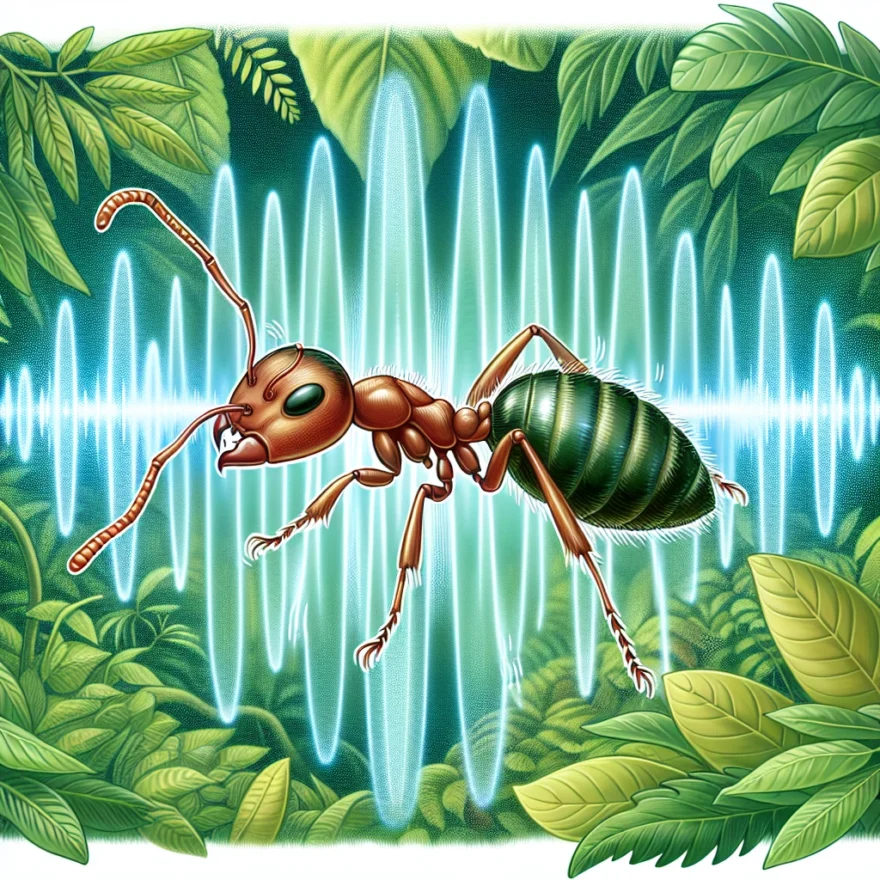
Ants are primarily tactile creatures, highly reliant on vibrations they pick up through the ground, rather than airborne sounds. Their world is awash with information carried through subtle tremors and vibrations, which are sensed through specialized structures in their legs. This form of perception is finely tuned to their ecological roles, including foraging, nest building, and colony defense.
Understanding ant hearing—or more accurately, their vibration sensing mechanisms—opens a window into their complex communication systems and intricate social structures. It reveals how ants maintain highly organized colonies, coordinate massive undertakings, and navigate through challenging environments, all without the auditory faculties that many other animals rely on.
This unique sensory world of ants showcases a different perspective on what it means to ‘hear’ and communicates the broader biological principle that organisms are exquisitely adapted to their own niches. As we delve deeper into the nuances of ant biology and their sensory perceptions, we begin to appreciate the sophistication of these seemingly simple organisms.
Table of contents
- Introduction to Ant Hearing
- Understanding Ant Anatomy and Sensory Organs
- The Science Behind Vibration Perception in Ants
- How Ants Communicate Without Hearing
- Comparison of Ant Senses with Other Insects
- The Role of Antennae in Ant Perception
- Behavioral Studies on Ant Responses to Sound
- Impact of Environment on Ant Sensory Capabilities
- Evolutionary Perspective: Why Ants May Not Need to Hear
- Practical Implications of Ants’ Sensory Abilities
- FAQs About Ant Hearing
- Myths and Misconceptions About Ant Hearing
- Research Techniques in Studying Ant Behavior
- How Ants Use Vibrations to Navigate and Find Food
- Ant Colonies: Coordination and Communication
- Future Research Directions in Ant Sensory Biology
- Educational Resources on Ant Biology
- How Understanding Ant Senses Helps Pest Control
- Conclusion: The Complex World of Ant Senses
Understanding Ant Anatomy and Sensory Organs
Ants, despite their diminutive size, possess a surprisingly complex anatomy tailored to their unique sensory and communicative needs. Central to understanding how ants perceive the world is an exploration of their main sensory organs. Unlike humans and many other animals, ants do not have ears in the conventional sense. Instead, they rely heavily on their antennae and exoskeleton to interact with their environment.
The antennae of ants are highly sophisticated sensory organs, crucial for a variety of functions including touch, taste, and chemical detection. Each antenna is covered in a multitude of tiny sensors that can detect minute chemical signals, known as pheromones, which are vital for communication within the colony. These sensors also allow ants to taste and touch, providing detailed information about the textures and shapes of objects they encounter.
In addition to their antennae, ants possess a well-adapted exoskeleton that plays a key role in how they perceive vibrations. Their exoskeleton is equipped with sensilla, small hair-like structures that can sense vibrations transmitted through the ground or air. It is through these vibrations that ants can sense approaching predators or the movements of other colony members, even without traditional auditory organs.
The legs of ants also contain vibration receptors which are especially important. The subgenual organ located in the knee joint of each leg is particularly sensitive to vibrations, and it helps ants interpret signals and navigate their surroundings effectively. This organ is a testament to the finely tuned sensory apparatus of ants, allowing them to perceive their world in a unique and comprehensive manner.
Understanding the intricacies of ant anatomy and their sensory organs reveals a world where touch and chemical signals dominate. It’s a fascinating glimpse into how these creatures thrive without the sense of hearing, utilizing vibrations and chemical cues to communicate and sense their environment.
The Science Behind Vibration Perception in Ants
Ants, despite lacking ears like humans, possess a unique ability to perceive vibrations through various mechanisms. These tiny creatures rely on their acute sensitivity to vibrations for communication, navigation, and detecting potential threats in their environment. The science behind vibration perception in ants is a fascinating subject that sheds light on their complex sensory capabilities.
Ants have specialized sensory organs, primarily located in their antennae and legs, that allow them to detect vibrations in their surroundings. These organs can pick up even the slightest disturbances in the air or on the ground, enabling ants to communicate with each other and respond to environmental cues effectively.
One of the key mechanisms through which ants perceive vibrations is through the sensory hairs present on their bodies. These hairs are connected to nerve cells that translate mechanical stimuli into electrical signals, which the ants’ brains can interpret. By detecting vibrations through their hairs, ants can sense the movement of predators, locate food sources, and coordinate their activities within the colony.
In addition to sensory hairs, ants also rely on specialized receptors in their antennae to detect vibrations. The antennae play a crucial role in amplifying and transmitting these signals to the ant’s nervous system, allowing them to process and respond to the information effectively. Through a combination of sensory hairs and antennal receptors, ants can navigate their environment with remarkable precision.
Studies have shown that ants are capable of distinguishing between different types of vibrations, such as those produced by the movement of other ants, the presence of prey or predators, or even the sound of human footsteps. By interpreting these vibrations, ants can make split-second decisions that are vital for their survival and success as a species.
Understanding the science behind vibration perception in ants not only provides insights into their sensory capabilities but also highlights the remarkable adaptations that these insects have developed over millions of years of evolution. By harnessing the power of vibrations, ants have become highly efficient and coordinated organisms that thrive in a wide range of environments.
How Ants Communicate Without Hearing
Ants are fascinating creatures that have developed intricate ways to communicate with each other without the need for traditional hearing abilities. While they lack ears as we know them, ants rely on a combination of other sensory organs and behaviors to convey information within their colonies.
One of the primary methods by which ants communicate is through the use of chemical signals, also known as pheromones. These chemical substances are secreted by the ants and can trigger various responses in other members of the colony. Pheromones can convey a wide range of messages, such as marking food sources, alerting to danger, or signaling the presence of a potential mate.
Ants also engage in tactile communication, using physical contact to convey information. For example, ants may use their antennae to touch or tap other ants in specific patterns to communicate about food availability or to coordinate group activities such as foraging or nest maintenance.
In addition to chemical and tactile communication, ants are sensitive to vibrations in their environment. They can detect subtle movements and vibrations through specialized sensory organs, such as Johnston’s organs located in their antennae and legs. These vibrations can convey important information about the location of prey, potential threats, or even the presence of nearby colony members.
By combining these various modes of communication, ants are able to coordinate complex tasks and maintain the social structure within their colonies. While they may not possess traditional hearing abilities like humans or other animals, ants have evolved sophisticated mechanisms for information exchange that are highly effective in their social contexts.
Comparison of Ant Senses with Other Insects
When it comes to comparing the sensory capabilities of ants with other insects, it’s fascinating to see how different species have evolved unique mechanisms to perceive the world around them. Ants are known for their remarkable ability to communicate and navigate through the use of pheromones, vibrations, and tactile cues.
While ants primarily rely on their sense of touch and smell to interact with their environment, other insects may have more developed visual or auditory senses. For example, bees are highly visual creatures, relying on their compound eyes to navigate and locate flowers for nectar. In contrast, ants use their antennae to detect chemical signals and vibrations, allowing them to communicate with their nestmates and forage efficiently.
Compared to some insects that have specialized hearing organs, such as mosquitoes with their antennal Johnston’s organs for detecting sound vibrations, ants do not possess distinct structures dedicated to hearing. Instead, ants have evolved to be highly sensitive to vibrations, which play a crucial role in their communication and navigation.
Another interesting comparison can be made with butterflies, which rely heavily on their sense of taste and smell to locate suitable host plants for egg-laying. In contrast, ants use a combination of pheromones and tactile cues to communicate with each other and coordinate activities within the colony.
Overall, while ants may not have the same level of auditory sensitivity as some other insects, they have evolved sophisticated mechanisms to perceive their surroundings and communicate effectively within their colonies. Understanding these differences in sensory capabilities can provide valuable insights into the diverse ways in which insects have adapted to thrive in their respective environments.
The Role of Antennae in Ant Perception
Ants are equipped with a remarkable sensory tool that plays a crucial role in their perception and communication: their antennae. These external appendages are not just for show; they are intricate structures that serve as multifunctional sensory organs.
Antennae are covered in tiny sensory hairs called sensilla, which detect various environmental cues such as touch, taste, and smell. These sensilla can pick up on minute changes in the ant’s surroundings, allowing them to navigate, communicate, and locate food sources with incredible precision.
Through their antennae, ants can sense vibrations in the air and on the ground, helping them detect danger, communicate with nestmates, and locate resources. The antennae also play a vital role in chemoreception, allowing ants to detect pheromones and other chemical signals that convey important information within the colony.
Antennae are not only sensitive to external stimuli but also play a critical role in the ant’s proprioception – the awareness of its own body position and movement. By using their antennae to sense changes in their environment and in their own bodies, ants are able to coordinate their movements and interactions with precision.
Furthermore, the length and shape of an ant’s antennae can vary between species and even within the same species, reflecting their adaptation to specific ecological niches and behavioral roles. Some ants have long, slender antennae that are highly sensitive to chemical cues, while others have shorter, stouter antennae that are more suited for detecting vibrations.
In essence, the antennae serve as a crucial interface between the ant and its environment, allowing these tiny insects to perceive and interact with the world in a highly sophisticated and nuanced manner. The next time you observe ants scurrying about, take a moment to appreciate the vital role that their antennae play in shaping their behavior and survival strategies.
Behavioral Studies on Ant Responses to Sound
Ants, despite lacking traditional auditory organs like ears, have shown remarkable sensitivity to vibrations and sound waves. Behavioral studies on ants have provided valuable insights into how these insects respond to auditory stimuli in their environment.
Researchers have conducted experiments where ants were exposed to different frequencies and intensities of sound to observe their reactions. Interestingly, ants have been found to exhibit distinct behaviors in response to various sounds.
For instance, certain studies have shown that ants may increase their speed of movement or change their foraging patterns in the presence of specific sound frequencies. In some cases, ants have been observed to become more agitated or alarmed when exposed to loud noises.
Furthermore, researchers have examined how ant colonies as a whole react to sound signals. By using specialized equipment to play back recorded ant communication signals or simulate predator sounds, scientists have been able to study the collective responses of ant colonies to different auditory cues.
These behavioral studies have highlighted the sophisticated communication systems that ants have developed to navigate their environments and coordinate activities within their colonies. By understanding how ants respond to sound, researchers can gain insights into the complex social structures and behaviors of these tiny but highly organized insects.
Impact of Environment on Ant Sensory Capabilities
Ants have adapted to thrive in a wide range of environments, each presenting unique challenges and opportunities that shape their sensory capabilities. The environment plays a crucial role in influencing how ants perceive the world around them and interact with their surroundings.
For instance, in noisy urban environments with high levels of human activity, ants may face difficulties in relying on auditory cues for communication and navigation. Instead, they may prioritize other sensory modalities such as chemical signals or vibrations to communicate with colony members and locate food sources.
In contrast, ants living in more natural or rural settings may have greater access to acoustic signals in their environment. They may utilize sound as a means of communication over longer distances or in response to specific threats or opportunities. The presence of competing sound sources, such as predators or neighboring colonies, can also influence how ants interpret and respond to auditory stimuli.
The physical characteristics of the environment, such as the presence of barriers or obstacles that affect sound transmission, can further impact ants’ ability to detect and interpret auditory signals. In dense vegetation or complex terrain, sound waves may be distorted or blocked, prompting ants to rely more heavily on other sensory cues to navigate and communicate effectively.
Additionally, environmental factors like temperature, humidity, and air pressure can influence the propagation of sound waves and the transmission of vibrational signals through the substrate. Ants may adjust their sensory strategies in response to these environmental conditions, optimizing their ability to detect and interpret relevant cues for survival and reproduction.
By studying how different environmental factors shape ants’ sensory capabilities, researchers can gain valuable insights into the adaptive significance of sensory modalities and the evolutionary pressures that have shaped these remarkable insect species. Understanding the interplay between ants’ sensory systems and their environment provides a fascinating glimpse into the complex and dynamic world of these tiny but highly sophisticated creatures.
Evolutionary Perspective: Why Ants May Not Need to Hear
Ants, despite their small size, have evolved a remarkable array of sensory abilities that allow them to thrive in diverse environments. When it comes to hearing, ants may not rely on traditional auditory mechanisms like ears to perceive sound. This raises the question: why do ants not need to hear in the same way that humans or other animals do?
One possible explanation lies in the social structure and communication methods of ant colonies. Ants primarily communicate through the use of pheromones, chemical signals that convey information about food sources, danger, and colony status. By relying heavily on pheromones and tactile signals, ants have developed sophisticated ways of interacting with their environment and each other without the need for complex auditory systems.
Additionally, the evolutionary history of ants plays a crucial role in shaping their sensory capabilities. Ants are believed to have evolved from wasp-like ancestors, and their social behavior likely contributed to the reduction or loss of certain sensory functions over time. In the context of an ant colony, where individuals work together towards a common goal, the need for traditional hearing may have been supplanted by more efficient forms of communication.
Furthermore, the environments in which ants typically live and forage may not necessitate acute hearing abilities. Ants are known for their keen sense of smell, which helps them locate food sources and navigate their surroundings. In many cases, vibrations and chemical cues provide ants with all the information they need to function effectively within their colonies.
Overall, the evolutionary perspective on ant sensory biology suggests that the absence of traditional hearing mechanisms in ants is not a limitation but rather a reflection of their highly adapted and specialized lifestyle. By focusing on other sensory modalities such as pheromones, vibrations, and chemical signals, ants have successfully thrived as one of the most diverse and successful insect groups on the planet.
Practical Implications of Ants’ Sensory Abilities
Ants’ remarkable sensory abilities have practical implications that extend beyond the realm of basic biology. Understanding how ants perceive the world around them can provide valuable insights for various fields, including agriculture, technology, and even pest control.
One practical implication of ants’ sensory abilities lies in the realm of agriculture. Ants play a crucial role in ecosystems by aiding in seed dispersal, pollination, and pest control. By understanding how ants communicate and navigate their environments, researchers can develop strategies to promote the health of agricultural systems by harnessing the power of these tiny insects.
Moreover, the study of ant sensory biology can inspire innovations in technology. For instance, researchers have looked to ants’ ability to detect and follow chemical trails as a model for developing advanced robotics and sensor technologies. By mimicking the sensory mechanisms of ants, scientists aim to create more efficient and adaptive systems for various applications, such as search and rescue missions or environmental monitoring.
Ants’ sensory abilities also have practical implications for pest control. By gaining insights into how ants perceive their surroundings, researchers can develop more effective strategies for managing ant populations in urban and agricultural settings. Understanding the sensory cues that drive ant behavior can inform the development of targeted baits and repellents that disrupt the ants’ communication and foraging patterns.
Overall, delving into the practical implications of ants’ sensory abilities opens up a world of opportunities for innovation and problem-solving across diverse fields. By studying these tiny but mighty creatures, researchers can uncover novel insights that have the potential to revolutionize industries and enhance our understanding of the natural world.
FAQs About Ant Hearing
1. Do ants have ears?
Ants do not have ears in the traditional sense like humans or other animals. They lack the external structures that we typically associate with hearing, such as ears or ear canals. Instead, ants rely on other sensory organs and mechanisms to perceive their environment.
2. How do ants sense vibrations and sound?
Ants are highly sensitive to vibrations, which they can detect through specialized sensory organs in their bodies. They use their legs and antennae to pick up on vibrations in the ground or air, allowing them to communicate and navigate effectively within their colonies.
3. Can ants detect airborne sounds?
While ants primarily rely on vibrations for communication and navigation, some studies suggest that they may also be able to detect certain airborne sounds. However, their ability to perceive sounds in the air is not as well-developed as their sensitivity to vibrations.
4. How do ants communicate without hearing?
Ants use a variety of chemical signals, such as pheromones, to communicate within their colonies. These chemical signals can convey information about food sources, nest locations, and potential threats. By relying on these chemical cues, ants can effectively coordinate their activities without the need for traditional auditory communication.
5. Do ants respond to music or loud noises?
While ants may be able to detect vibrations caused by music or loud noises, their responses to these stimuli are not well-understood. Some studies suggest that certain frequencies or intensities of sound may impact ant behavior, but further research is needed to fully understand how ants react to auditory stimuli.
6. Can ants hear human voices?
Ants are unlikely to perceive human voices in the same way that we do, as they do not have the same auditory structures or capabilities. However, they may be able to detect vibrations produced by vocalizations, which could potentially influence their behavior in certain contexts.
7. How do ants locate food sources without hearing?
Ants rely on a combination of chemical cues, visual cues, and vibrations to locate food sources. By following scent trails left by other ants or using their antennae to sense vibrations associated with food sources, ants can effectively find and access food without the need for traditional auditory abilities.
8. Are there any species of ants with hearing abilities?
While most ant species do not possess traditional hearing abilities, some researchers have suggested that certain ant species may have evolved specialized mechanisms for detecting airborne sounds. However, the extent and significance of these potential hearing abilities in ants remain a topic of ongoing study and debate.
Myths and Misconceptions About Ant Hearing
As fascinating as the world of ant senses may be, there are various myths and misconceptions surrounding the hearing capabilities of these tiny creatures. Let’s debunk some of these misconceptions:
- Myth: Ants have ears like humans do.
- Myth: Ants rely solely on their sense of hearing to communicate.
- Myth: Ants are deaf and cannot perceive any form of sound.
- Myth: Sound vibrations have no impact on ant behavior.
- Myth: Ants’ hearing abilities are similar to other insects.
While ants do not have ears in the traditional sense, they are still capable of perceiving vibrations and sounds through other sensory organs.
Ants primarily use chemical signals and tactile communication through their antennae to convey messages within their colonies, with sound playing a minimal role in their communication methods.
Although ants may not hear sound waves like humans do, they are incredibly sensitive to vibrations, allowing them to detect movement and communicate effectively.
Research has shown that ants can respond to specific frequencies and patterns of vibrations, influencing their foraging behavior and social interactions.
While ants may not possess the same auditory systems as some insects, their unique sensory adaptations enable them to thrive in their complex social structures.
Research Techniques in Studying Ant Behavior
Studying ant behavior involves a combination of traditional observational methods and modern technological advancements. Researchers often rely on a variety of tools and techniques to gain insights into the complex world of ant communication and sensory perception.
One common method used in studying ant behavior is field observation. Observing ants in their natural habitat allows researchers to witness their social interactions, foraging patterns, and communication methods. This hands-on approach provides valuable data on how ants navigate their environment and interact with one another.
Another important technique in ant behavior research is the use of controlled experiments in laboratory settings. By creating controlled environments, researchers can manipulate variables such as sound frequencies, vibrations, and chemical signals to observe how ants respond. These experiments help to uncover the specific sensory mechanisms that ants utilize in communication and perception.
Advancements in technology have also revolutionized the study of ant behavior. Researchers now use specialized equipment such as high-speed cameras, microphones, and vibration sensors to capture and analyze ant activities in detail. For example, high-speed cameras can record the intricate movements of ants, offering insights into their communication signals and behavioral patterns.
Genetic tools have also become essential in understanding ant behavior. By manipulating the genes of ants, researchers can study the role of specific proteins and receptors in sensory perception. These genetic studies provide a deeper understanding of the molecular mechanisms that underlie ant communication and navigation.
In addition to these methods, researchers also employ mathematical modeling and computer simulations to simulate ant behaviors in complex environments. By creating virtual simulations based on biological data, scientists can test hypotheses and predict how ants may respond to different stimuli in the wild.
Overall, the combination of field observations, controlled experiments, technological tools, genetic studies, and computational modeling has significantly advanced our understanding of ant behavior. By employing a multidisciplinary approach, researchers can unravel the mysteries of how ants perceive the world around them and communicate within their intricate societies.
How Ants Use Vibrations to Navigate and Find Food
Ants, despite lacking the ability to hear in the conventional sense, have developed remarkable ways to navigate their surroundings and locate food sources using vibrations. These tiny creatures rely heavily on their acute sensitivity to vibrations to communicate, navigate, and find resources within their environment.
When a foraging ant discovers a food source, it uses its highly sensitive antennae to pick up vibrations emitted by its fellow ants. These vibrations serve as a form of communication, alerting other members of the colony to the location and quality of the food source. Through this intricate signaling system, ants can efficiently coordinate their efforts and maximize their foraging success.
Furthermore, ants utilize vibrations not only for communication but also for navigation. As ants move through their complex and varied habitats, they can sense subtle vibrations through the ground or surrounding surfaces. By interpreting these vibrations, ants can create mental maps of their surroundings and navigate back to the nest or food sources with precision.
The ability of ants to use vibrations for navigation and food location highlights the incredible adaptability and ingenuity of these social insects. By relying on this unique sensory capability, ants demonstrate an efficient and sophisticated way of interacting with their environment and ensuring the survival and success of their colonies.
Ant Colonies: Coordination and Communication
Ant colonies are remarkable examples of collective behavior and efficient communication systems. Within an ant colony, each member has a specific role to play in ensuring the survival and success of the group as a whole.
Communication among ants occurs through a combination of chemical signals, tactile cues, and even vibrations. By utilizing these different modes of communication, ants are able to coordinate their activities, share information about resources, and respond swiftly to changing environmental conditions.
One of the key components of coordination within ant colonies is the division of labor. Different groups of ants are responsible for tasks such as foraging for food, caring for the young, defending the nest, and maintaining the colony’s infrastructure. Through efficient communication, ants are able to allocate resources and manpower effectively, ensuring the overall well-being of the colony.
Ants also use pheromones, which are chemical signals released by individuals, to communicate information about food sources, danger, or the presence of intruders. These pheromones can trigger specific behaviors in other ants, such as recruitment to a food source or alarm responses to threats.
Furthermore, ants engage in complex social interactions that help maintain order and cohesion within the colony. Through grooming, antennal contacts, and other physical interactions, ants are able to reinforce social bonds, establish hierarchies, and regulate overall group dynamics.
The coordination and communication observed in ant colonies are crucial for their survival and reproductive success. By working together and sharing information effectively, ants are able to overcome challenges, adapt to their surroundings, and thrive in diverse environments.
Future Research Directions in Ant Sensory Biology
In the realm of ant sensory biology, researchers are constantly striving to uncover new insights into the intricate world of ant communication and perception. Future research directions in this field hold immense potential for shedding light on the complex mechanisms underlying how ants sense and interact with their environment.
One promising avenue for future studies is delving deeper into the role of specific sensory organs in ant communication. By elucidating the precise functions of antennae, which play a crucial role in detecting pheromones and vibrations, researchers can gain a more nuanced understanding of how ants navigate their surroundings and coordinate their activities within colonies.
Additionally, investigating the impact of environmental factors on ant sensory capabilities presents a compelling area for further exploration. By examining how variations in temperature, humidity, and other environmental variables influence ant perception, researchers can uncover the adaptive strategies that ants employ to thrive in diverse ecological settings.
Furthermore, future research endeavors may focus on comparative studies to elucidate how ant sensory mechanisms differ from those of other insects. By examining the sensory modalities of ants in relation to their evolutionary history and ecological niches, researchers can unravel the unique adaptations that have enabled ants to become highly successful and resilient insects.
Advances in technology, such as the development of novel imaging techniques and genetic tools, offer exciting opportunities for researchers to probe the neural circuits and molecular pathways that underlie ant sensory perception. By leveraging cutting-edge methodologies, scientists can gain unprecedented insights into the intricate workings of ant sensory biology.
Exploring the intersection of ant sensory biology with fields such as robotics and artificial intelligence also holds tremendous promise for future research. By drawing inspiration from the sophisticated sensory capabilities of ants, researchers can develop innovative technologies that mimic the efficiency and adaptability of ant communication systems.
In conclusion, the future of research in ant sensory biology is characterized by boundless possibilities for discovery and innovation. By embracing interdisciplinary approaches, leveraging technological advancements, and delving into the nuances of ant communication and perception, researchers can unlock new frontiers in our understanding of these remarkable insects.
Educational Resources on Ant Biology
For those interested in delving deeper into the fascinating world of ant biology, there are various educational resources available that can provide valuable insights into the sensory capabilities and behaviors of these tiny creatures.
Online courses and webinars offered by universities and research institutions often cover topics such as insect communication, sensory biology, and evolutionary adaptations in ants. These resources can be a great starting point for individuals looking to expand their knowledge beyond the basics.
Books and scientific journals dedicated to the study of ants and insect biology are also valuable resources for enthusiasts and professionals alike. Publications such as “The Ants” by Bert Hölldobler and Edward O. Wilson and “Ant Ecology” by Lori Lach, Catherine Parr, and Kirsti Abbott offer in-depth information on ant behavior, ecology, and evolution.
Additionally, online forums and communities focused on entomology and insect research provide opportunities for individuals to engage with experts in the field, ask questions, and share observations about ant behavior and sensory perception.
For educators and students, there are educational materials and lesson plans available that can be used to teach about ant biology in classrooms or during outreach events. These resources often include interactive activities, videos, and hands-on experiments to help learners better understand the sensory capabilities and communication strategies of ants.
Attending conferences and workshops on entomology and insect behavior can also be a valuable educational experience, allowing participants to interact with researchers, present their own findings, and stay up-to-date on the latest advancements in the field of ant sensory biology.
By exploring these educational resources and engaging with the scientific community, individuals can gain a deeper appreciation for the complex world of ant biology and contribute to the ongoing research efforts aimed at unraveling the mysteries of ant sensory perception and communication.
How Understanding Ant Senses Helps Pest Control
Understanding the sensory abilities of ants plays a crucial role in effective pest control strategies. By comprehending how ants perceive the world around them, we can develop more targeted and efficient methods to manage ant infestations.
Ants rely heavily on their senses to communicate, forage for food, and navigate their environment. By understanding how ants use these senses, pest control professionals can design interventions that disrupt ant communication and foraging patterns.
For example, knowing that ants primarily rely on their sense of smell and touch rather than hearing can influence the types of bait traps or repellents used. By focusing on scent-based attractants or barriers, pest control measures can be more effective in deterring ants from entering homes or buildings.
Additionally, understanding how ants perceive vibrations can help in developing strategies to disrupt their ability to communicate and coordinate within colonies. By utilizing techniques that interfere with ant communication signals, such as introducing competing vibrations or disrupting their pheromone trails, pest control efforts can target the heart of ant infestations.
Furthermore, considering the role of environmental factors in influencing ant behavior can inform pest control practices. By recognizing how changes in temperature, humidity, or food availability affect ant sensory capabilities, pest management professionals can adapt their strategies accordingly.
Overall, a deeper understanding of ant senses and behaviors can lead to more sustainable and eco-friendly pest control solutions. By leveraging this knowledge, we can develop innovative approaches that minimize reliance on chemical pesticides and instead focus on disrupting ant communication and foraging pathways through non-toxic means.
Conclusion: The Complex World of Ant Senses
Ants, with their intricate sensory systems and complex communication methods, showcase the remarkable world of insect biology and behavior. Through a combination of tactile perception, chemical signaling, and vibration detection, ants navigate their environment, locate food sources, and coordinate their colony activities with remarkable efficiency.
By studying the sensory capabilities of ants, researchers gain insights into the evolution of social insects and the ways in which these tiny creatures interact with their surroundings. Ants have evolved sophisticated mechanisms to perceive their environment, communicate with nestmates, and respond to potential threats or opportunities.
Understanding the role of ant antennae, the significance of vibrational cues, and the intricate network of chemical signaling within ant colonies offers a glimpse into the complex world of these tiny but highly organized insects. Each aspect of ant sensory biology contributes to the overall success and survival of ant colonies, highlighting the intricate balance between individual behavior and collective efficiency.
As we delve deeper into the sensory world of ants, we uncover a tapestry of interactions, responses, and adaptations that have enabled these insects to thrive in diverse habitats and ecological niches. From foraging strategies to defense mechanisms, ant sensory abilities play a crucial role in shaping their behavior and shaping their ecological impact.
By exploring the nuances of ant senses and communication systems, we not only unravel the mysteries of these fascinating insects but also gain valuable insights into collective decision-making, resource management, and survival strategies in complex social systems. The study of ant sensory biology opens up new avenues for research, education, and conservation efforts aimed at preserving the delicate balance of ecosystems in which ants play a crucial role.