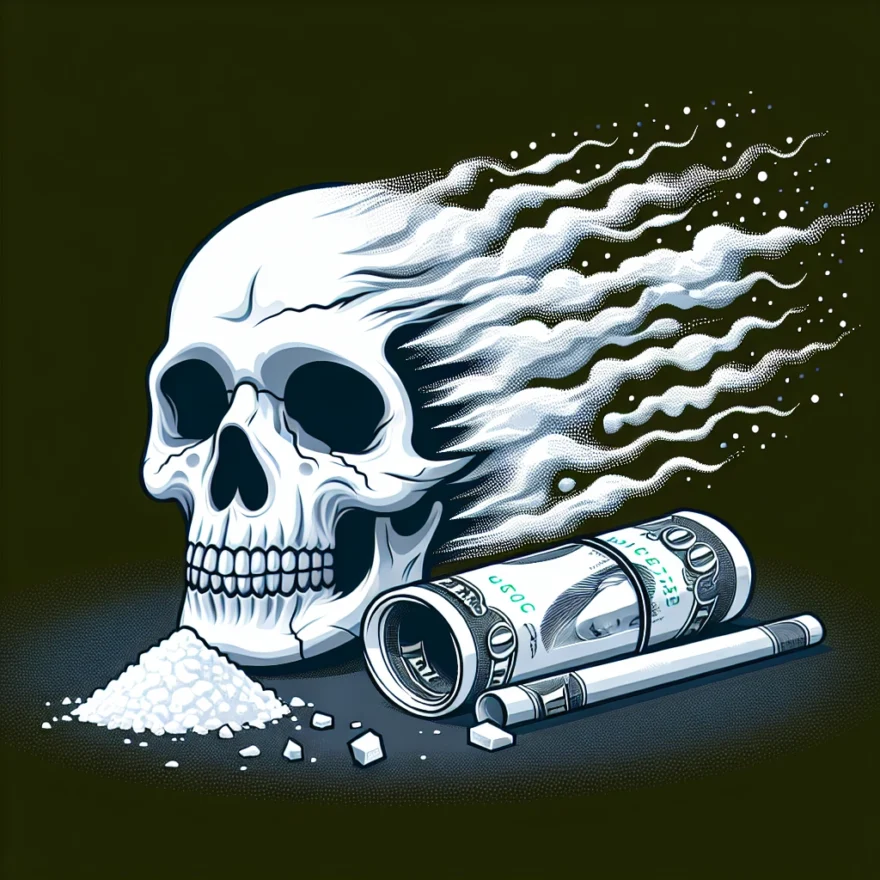
Introduction to Cocaine and Its Popularity
Cocaine, a powerful stimulant derived from the coca plant native to South America, has a long history both as a medicinal aid and a recreational drug. Initially used by indigenous populations for its stimulating properties, cocaine gained prominence in the Western world during the late 19th and early 20th centuries. In those times, it was not only a common ingredient in tonics and elixirs but also famously appeared in the original formula of Coca-Cola.
Over the decades, the allure of cocaine has persisted, marked by its portrayal in the media and popular culture as a symbol of both opulence and danger. Its popularity can be attributed to the intense, albeit short-lived, euphoria it produces, which makes it a drug of choice at parties, nightclubs, and high-stress environments where users seek to enhance their stamina or escape from stress.
Despite its glamorization, the reality of cocaine use is far from glamorous. The drug is highly addictive and destructive, with numerous physical and psychological risks associated with its consumption. The spectrum of users spans a wide range of socioeconomic backgrounds, illustrating that its impact is far-reaching, affecting individuals and communities across various demographics.
The continued prevalence of cocaine use today underscores a persistent challenge for public health systems worldwide to combat the drug’s availability and the misinformation surrounding its safety. This has spurred significant research and intervention efforts aimed at mitigating its use and understanding its effects on individual and public health.
Table of contents
- Introduction to Cocaine and Its Popularity
- How Cocaine Affects the Human Body
- Immediate Health Risks of Cocaine Use
- Long-Term Effects of Cocaine on Health
- Psychological Impact of Cocaine Use
- The Risk of Cocaine Overdose
- Understanding Cocaine Purity and Its Dangers
- Cocaine and Co-occurring Substance Use
- Legal Consequences of Cocaine Possession and Use
- Treatment Options for Cocaine Addiction
- Prevention Strategies to Avoid Cocaine Use
- The Role of Education in Combating Cocaine Use
- Real-Life Stories: The Human Cost of Cocaine Use
- How to Help Someone Struggling with Cocaine Addiction
- Research and Statistics on Cocaine-Related Deaths
- FAQs About the Risks of Cocaine Use
- Conclusion: Reflecting on the Impact of Cocaine
How Cocaine Affects the Human Body
When cocaine enters the body, it sets off a chain reaction that significantly impacts various physiological systems. Initially, it causes a surge of dopamine, a neurotransmitter responsible for feelings of euphoria and pleasure. Cocaine inhibits the reabsorption of dopamine, leading to an accumulation in the brain, which contributes to the drug’s highly addictive nature.
This spike in dopamine levels not only affects mood and behavior but also triggers a series of cardiovascular responses. Cocaine causes blood vessels to constrict, which can lead to elevated blood pressure, increased heart rate, and a higher risk of heart attacks, even in otherwise healthy individuals. The constriction of blood vessels can also reduce blood flow to critical organs, leading to possible organ damage over time.
The respiratory system is also vulnerable to the effects of cocaine. The drug can cause respiratory distress and, in some cases, respiratory failure. This risk is heightened when cocaine is smoked, as it introduces additional toxic substances into the lungs.
On a neurological level, cocaine can cause seizures and strokes. These can occur either due to its immediate pharmacological effects on the brain or as a result of the cardiovascular problems it induces. The risk of experiencing such severe complications can escalate with higher doses and prolonged use of the drug.
Moreover, cocaine’s impact on the body’s temperature regulation can lead to hyperthermia, an abnormally high body temperature that can be dangerous or even fatal if not treated promptly. Additionally, the drug’s stimulation of the central nervous system can lead to erratic or violent behavior, further increasing the risk of injuries and accidents.
The drug’s effect is not limited to physical health; cocaine also depletes nutrients in the body, weakens the immune system, and can cause gastrointestinal complications, such as abdominal pain and nausea. The combination of these effects can lead to a general decline in health and increased vulnerability to infections and other diseases.
Understanding the complex interplay between cocaine and the body’s systems is crucial in comprehending the high risks associated with its use. Each episode of cocaine use can potentially lead to life-threatening conditions, underlying the drug’s danger and the critical need for awareness and prevention strategies.
Immediate Health Risks of Cocaine Use
In the world of illicit substances, cocaine stands out as one of the most potent and dangerous drugs available. Its popularity and reputation for producing intense euphoria have attracted countless individuals, but the immediate health risks associated with cocaine use are severe and potentially life-threatening.
When cocaine enters the body, it rapidly affects the central nervous system, leading to a range of immediate health risks. One of the most immediate dangers of cocaine use is the risk of heart problems. Cocaine can cause a rapid increase in heart rate and blood pressure, which can trigger heart attacks, arrhythmias, and other cardiovascular complications.
Additionally, cocaine use can lead to dangerous changes in body temperature, resulting in hyperthermia or dangerously high fever. This can have serious consequences on the body’s organs and systems, potentially leading to organ failure or death.
Another critical immediate health risk of cocaine use is the impact on the respiratory system. Cocaine can constrict blood vessels in the lungs, reducing oxygen flow and increasing the risk of respiratory failure. This can result in difficulty breathing, chest pain, and in severe cases, respiratory arrest.
Furthermore, the intense stimulation and euphoria produced by cocaine can lead to risky behaviors and impaired judgment, increasing the likelihood of accidents, injuries, and unsafe situations. Individuals under the influence of cocaine may engage in dangerous activities such as driving recklessly, engaging in unprotected sex, or taking other harmful substances.
It’s essential to recognize that the immediate health risks of cocaine use can vary depending on factors such as the individual’s health status, the amount of cocaine consumed, and the method of ingestion. Regardless of these variables, the potential dangers of cocaine use are real and should not be underestimated.
Long-Term Effects of Cocaine on Health
Long-term cocaine use can have devastating effects on an individual’s health, impacting not only physical well-being but also mental and emotional stability. The repeated use of cocaine can lead to a wide range of serious health issues that may persist even after the individual stops using the drug.
One of the most concerning long-term effects of cocaine use is cardiovascular damage. Cocaine is a powerful stimulant that can significantly strain the heart and blood vessels, increasing the risk of heart attack, stroke, and other cardiovascular complications. Chronic cocaine use can also lead to the narrowing of blood vessels, reducing blood flow to vital organs and tissues.
In addition to cardiovascular problems, long-term cocaine use can cause respiratory issues such as chronic cough, respiratory infections, and even respiratory failure. The drug’s effects on the lungs can result in inflammation, scarring, and other serious conditions that can impair breathing and overall lung function.
Cocaine abuse can also take a toll on mental health, contributing to the development of psychiatric disorders such as anxiety, depression, and psychosis. Prolonged cocaine use alters the brain’s chemistry, affecting neurotransmitters responsible for mood regulation and cognition. This can lead to persistent mental health issues that may require intensive treatment and support.
Furthermore, long-term cocaine use can have detrimental effects on cognitive function, memory, and decision-making abilities. Chronic drug use interferes with the brain’s structure and function, impairing cognitive processes and potentially causing long-lasting cognitive deficits.
It is essential to recognize the severe long-term health consequences of cocaine use and seek help if you or someone you know is struggling with addiction. Addressing the underlying issues that drive cocaine use and seeking professional treatment can help mitigate the long-term effects of this dangerous drug on health and well-being.
Psychological Impact of Cocaine Use
Many individuals turn to cocaine for its euphoric effects, seeking a temporary escape from reality or a boost in energy and confidence. However, what often goes overlooked are the profound psychological impacts that cocaine use can have on a person’s mental health and overall well-being.
One of the most common psychological effects of cocaine use is the development of a tolerance, leading individuals to increase their dosage to achieve the desired high. This can quickly spiral into addiction, as the brain becomes dependent on the drug to function normally.
Cocaine abuse can also result in mood disturbances, including heightened anxiety, irritability, and paranoia. These symptoms can be not only distressing for the individual but also strain relationships with loved ones and hinder daily functioning.
Moreover, the euphoria experienced during a cocaine high is often followed by a crash, leaving users feeling depressed, fatigued, and craving more of the drug to alleviate these negative emotions. This cycle of highs and lows can take a significant toll on mental health.
In some cases, chronic cocaine use can lead to more severe psychological issues such as hallucinations, delusions, and even psychosis. These symptoms can be frightening and disorienting, further exacerbating the dangers of cocaine use.
Additionally, the secretive and isolating nature of addiction can contribute to feelings of shame, guilt, and low self-worth, perpetuating a cycle of substance abuse as individuals use cocaine to cope with these negative emotions.
Addressing the psychological impact of cocaine use is crucial in comprehensive treatment and recovery efforts. Therapy, counseling, and support groups can help individuals explore the root causes of their substance abuse, develop coping strategies, and rebuild a sense of self-worth and purpose.
By shedding light on the psychological effects of cocaine use and providing compassionate and effective interventions, we can better support individuals struggling with addiction and prevent further harm to their mental health and well-being.
The Risk of Cocaine Overdose
One of the most pressing dangers associated with cocaine use is the risk of overdose. Cocaine overdose occurs when an individual consumes a toxic amount of the drug, overwhelming their body’s ability to metabolize and process it. This can lead to severe and potentially fatal consequences.
Overdosing on cocaine can have immediate and devastating effects on the body. The drug acts as a powerful stimulant, exerting immense pressure on the cardiovascular system. This can result in dangerously high blood pressure, irregular heart rhythms, and increased risk of heart attack or stroke. In severe cases, cocaine overdose can lead to respiratory failure, seizures, and coma.
It’s important to understand that the risk of cocaine overdose is not limited to first-time users or those who abuse the drug frequently. Due to variations in purity and potency, even a single use of cocaine can lead to overdose. Additionally, individuals who combine cocaine with other substances, such as alcohol or opioids, are at higher risk of overdose due to the interactions between these drugs.
Recognizing the signs of cocaine overdose is crucial in ensuring prompt medical intervention. Symptoms may include chest pain, rapid heartbeat, confusion, severe anxiety, profuse sweating, and hallucinations. If you suspect that someone is experiencing a cocaine overdose, it is imperative to seek emergency medical assistance immediately by calling for help.
Preventing cocaine overdose involves education, awareness, and harm reduction strategies. Understanding the risks associated with cocaine use, testing the purity of the drug before consumption, and avoiding mixing cocaine with other substances can help mitigate the likelihood of overdose. Seeking treatment for cocaine addiction and addressing underlying mental health issues are also vital steps in reducing the risk of overdose.
The threat of cocaine overdose underscores the urgent need for comprehensive drug education and support services. By raising awareness about the dangers of cocaine use and promoting safe practices, we can strive to prevent tragic outcomes and protect individuals from the life-threatening consequences of drug overdose.
Understanding Cocaine Purity and Its Dangers
Cocaine purity, or the concentration of cocaine in a given sample, is a critical factor that significantly influences the dangers associated with its use. The purity of cocaine can vary widely, and individuals who use cocaine often do not know the exact strength or composition of the substance they are consuming.
Higher purity levels increase the potential risks of overdose and adverse health effects. When cocaine is cut with other substances or adulterants to increase volume or potency, users face additional dangers. These adulterants can be harmful chemicals, such as levamisole or fentanyl, which can have severe and sometimes fatal consequences.
Individuals who purchase cocaine on the street or from illicit sources may be at a higher risk of exposure to impure or contaminated products. Inconsistent purity levels make it challenging for users to gauge their tolerance and can lead to unintentional overdose.
The dangers of cocaine purity extend beyond immediate health risks. Prolonged use of impure cocaine can have long-term consequences on physical and mental health. Chronic exposure to unknown substances and varying purity levels can exacerbate addiction, increase the risk of cardiovascular issues, and have detrimental effects on organ function.
It is essential for individuals who use cocaine to be aware of the potential dangers associated with varying purity levels and to exercise caution when consuming the substance. Seeking treatment and support from healthcare professionals can help mitigate the risks associated with cocaine use and prevent serious health complications.
Cocaine and Co-occurring Substance Use
Co-occurring substance use, also known as polydrug use, is a common phenomenon among individuals who abuse cocaine. Many users combine cocaine with other substances to enhance its effects or to counteract certain side effects. This dangerous practice significantly increases the risks associated with cocaine use and can have severe consequences on both physical and mental health.
One of the most common combinations is cocaine and alcohol. When these two substances are used together, they form cocaethylene in the liver, which can amplify the euphoric effects of cocaine. However, this combination can also put immense strain on the cardiovascular system, leading to an increased risk of heart attack or stroke.
Individuals who use cocaine may also combine it with other stimulants like amphetamines or MDMA, seeking a more intense high. This polydrug use can overstimulate the central nervous system and result in symptoms such as hallucinations, paranoia, and severe anxiety.
Furthermore, the concurrent use of cocaine and opioids, such as heroin or fentanyl, can have deadly consequences. The depressant effects of opioids can mask the stimulant effects of cocaine, increasing the likelihood of overdose. This combination also puts additional strain on the respiratory system, leading to breathing difficulties and a higher risk of respiratory failure.
It is crucial for individuals struggling with cocaine addiction to be aware of the dangers of co-occurring substance use and seek help from healthcare professionals. Treatment programs that address both cocaine use and the use of other substances are essential for promoting recovery and reducing the risk of fatal outcomes.
Legal Consequences of Cocaine Possession and Use
As the use of cocaine poses significant risks to both physical and mental health, it is essential to understand the legal consequences associated with its possession and use. In many countries, including the United States, cocaine is classified as a Schedule II controlled substance under the Controlled Substances Act. This means that it is considered to have a high potential for abuse, with severe psychological or physical dependence liability.
Individuals caught in possession of cocaine, even in small amounts for personal use, can face serious legal repercussions. The possession of cocaine is often prosecuted as a felony, which can result in hefty fines, a permanent criminal record, and imprisonment. The severity of the charges and penalties can vary depending on the amount of cocaine in possession, any prior criminal history, and the specific laws of the jurisdiction where the offense occurred.
In addition to possession charges, individuals involved in the distribution, trafficking, or manufacturing of cocaine face even harsher legal consequences. These activities are considered serious criminal offenses that can lead to lengthy prison sentences and substantial fines. Law enforcement agencies often conduct extensive investigations to target and prosecute individuals involved in the illegal cocaine trade.
Moreover, the legal consequences of cocaine possession and use extend beyond criminal penalties. Individuals convicted of drug-related offenses may face challenges in various aspects of their lives, including employment opportunities, housing options, and relationships. A criminal record resulting from cocaine-related charges can have long-lasting effects on a person’s future prospects and overall well-being.
It is crucial for individuals to be aware of the legal risks associated with cocaine possession and use and to make informed decisions to avoid engaging in illegal activities. Seeking help for substance use disorders and addiction early on can not only reduce the likelihood of legal troubles but also improve overall health outcomes and quality of life.
Treatment Options for Cocaine Addiction
Cocaine addiction is a serious and complex issue that requires professional treatment and support to overcome. There are various treatment options available for individuals struggling with cocaine addiction, each tailored to address the specific needs and challenges associated with substance use disorders.
One common treatment approach for cocaine addiction is behavioral therapy, which aims to modify harmful behaviors and thought patterns that contribute to drug use. Cognitive-behavioral therapy (CBT) is a widely used technique that helps individuals identify and change negative thought patterns and behaviors associated with drug use. This type of therapy can help individuals develop healthier coping mechanisms and strategies to avoid relapse.
Another effective treatment option for cocaine addiction is contingency management, which utilizes a rewards-based system to encourage abstinence from drug use. Participants are rewarded for achieving specific treatment goals, such as passing drug tests or attending therapy sessions. This positive reinforcement can help motivate individuals to stay on track with their recovery goals.
In addition to therapy, medication-assisted treatment (MAT) may be recommended for individuals struggling with cocaine addiction. While there are currently no FDA-approved medications specifically for treating cocaine addiction, certain medications can help manage withdrawal symptoms and cravings, making it easier for individuals to focus on their recovery.
Residential treatment programs, also known as rehab centers, provide a structured environment for individuals to receive intensive care and support for their addiction. These programs typically offer a combination of therapy, counseling, and medical supervision to help individuals detox safely and work towards long-term sobriety.
Support groups such as Narcotics Anonymous (NA) and Cocaine Anonymous (CA) can also be valuable resources for individuals in recovery from cocaine addiction. These groups provide a supportive community of individuals who understand the challenges of addiction and can offer encouragement, accountability, and guidance throughout the recovery process.
It’s important for individuals seeking treatment for cocaine addiction to work closely with a healthcare provider or addiction specialist to develop a personalized treatment plan that meets their unique needs and goals. Recovery from cocaine addiction is possible with the right support, resources, and commitment to change.
Prevention Strategies to Avoid Cocaine Use
Prevention strategies play a crucial role in avoiding the use of cocaine and minimizing the risks associated with this dangerous substance. By implementing proactive measures, individuals can protect themselves and others from the harmful effects of cocaine use.
One effective prevention strategy is education. By raising awareness about the dangers of cocaine and providing accurate information about its risks, individuals can make informed decisions and avoid experimenting with this substance. Educational initiatives can target schools, communities, and families to ensure that everyone is equipped with the knowledge needed to resist the temptation of cocaine.
Another important prevention strategy is promoting healthy coping mechanisms and stress management techniques. Many individuals turn to cocaine as a way to cope with stress, anxiety, or other negative emotions. By teaching alternative ways to deal with life’s challenges, such as exercise, therapy, or meditation, individuals can reduce their risk of turning to cocaine for relief.
Creating a supportive environment is also key in preventing cocaine use. By fostering strong relationships with family and friends, individuals can feel more connected and less likely to seek solace in substances like cocaine. Building a network of support can provide encouragement, accountability, and a sense of belonging that can help individuals steer clear of harmful substances.
Setting boundaries and establishing clear expectations can also serve as effective prevention strategies. By communicating openly with loved ones about the dangers of cocaine and establishing zero-tolerance policies for drug use, individuals can create a safe and drug-free environment that discourages experimentation with cocaine.
Lastly, seeking professional help and support is essential for individuals struggling with substance abuse or addiction. By reaching out to healthcare professionals, therapists, or support groups, individuals can receive the guidance and treatment they need to overcome their dependence on cocaine and lead a healthier, drug-free life.
The Role of Education in Combating Cocaine Use
Education plays a crucial role in combating cocaine use by raising awareness about the dangers and risks associated with this highly addictive drug. By educating individuals, especially young people, about the physical, mental, and social consequences of cocaine use, we can empower them to make informed decisions and resist peer pressure.
Through school programs, community initiatives, and online resources, educators can deliver accurate information about cocaine, its effects on the body, and the potential long-term consequences of addiction. By incorporating drug education into school curricula and engaging students in open discussions about substance abuse, we can help prevent the glamorization of drug use and debunk common myths surrounding cocaine.
Furthermore, education on the dangers of cocaine can also extend to parents, caregivers, and healthcare providers. By equipping adults with the knowledge and tools to recognize signs of drug use, intervene early, and seek appropriate treatment options, we can create a support network that promotes healthy choices and discourages substance abuse.
Public awareness campaigns, workshops, and interactive resources can also play a significant role in educating the general population about the risks of cocaine use. By leveraging media platforms, social networks, and community events, we can reach a wider audience and encourage individuals to seek help if they or someone they know is struggling with cocaine addiction.
Ultimately, education is a powerful tool in the fight against cocaine use, as it empowers individuals to make informed decisions, seek support when needed, and lead healthier, drug-free lives. By prioritizing education and awareness initiatives, we can work towards reducing the prevalence of cocaine use and protecting our communities from the devastating consequences of drug addiction.
Real-Life Stories: The Human Cost of Cocaine Use
One tragic aspect of cocaine use is the human cost it exacts on individuals and their loved ones. Real-life stories serve as sobering reminders of the devastating impact of this highly addictive drug.
Take the story of Sarah, a young professional with a promising career ahead. What started as occasional recreational cocaine use at social gatherings quickly spiraled into a full-blown addiction. Sarah found herself unable to function without cocaine, her life revolving around obtaining and using the drug.
As her addiction deepened, Sarah’s physical and mental health deteriorated rapidly. She experienced heart palpitations, paranoia, and severe mood swings. Despite multiple attempts to quit, the powerful grip of cocaine kept pulling her back.
One fateful night, Sarah overdosed on cocaine. Her loved ones found her unconscious and rushed her to the hospital, but it was too late. Sarah lost her life to cocaine, leaving behind a shattered family and a future full of unrealized potential.
Then there’s the story of Mark, a bright young student with dreams of becoming a doctor. Pressure to excel academically led Mark to experiment with cocaine as a way to cope with stress. What started as a coping mechanism soon became a destructive habit.
As Mark’s cocaine use escalated, his academic performance suffered, and his relationships began to crumble. Despite interventions from friends and family, Mark was unable to break free from the cycle of addiction.
One day, Mark suffered a stroke due to the effects of cocaine on his cardiovascular system. The once promising student was left with permanent physical and cognitive impairments, his dreams shattered by the insidious effects of cocaine.
These real-life stories underscore the harsh reality of cocaine use – it doesn’t discriminate based on age, gender, or socio-economic status. The human cost of cocaine addiction is immeasurable, leaving a trail of broken lives and shattered dreams in its wake.
How to Help Someone Struggling with Cocaine Addiction
Seeing a loved one struggle with cocaine addiction can be incredibly distressing, but there are ways to help them on their path to recovery.
One of the most important things you can do is to educate yourself about cocaine addiction and its effects. Understanding the physical and psychological impact of cocaine use can help you provide better support and guidance to your loved one.
Approaching the situation with empathy and compassion is crucial. Avoid judgment and criticism, and instead, offer your support and encouragement. Let your loved one know that you are there for them and that you want to help them overcome their addiction.
Encouraging your loved one to seek professional help is a key step in helping them recover from cocaine addiction. Treatment options such as therapy, counseling, and support groups can provide the necessary tools and resources for recovery.
It’s important to set boundaries and take care of yourself while supporting someone with a cocaine addiction. Remember that you cannot force someone to seek help or change their behavior, but you can offer your love and support throughout their journey to recovery.
Be patient and understanding as your loved one goes through the ups and downs of recovery. Celebrate their successes, no matter how small, and offer a listening ear during challenging times.
Remember that overcoming cocaine addiction is a difficult and long process, but with the right support and treatment, recovery is possible. By being there for your loved one and providing them with the resources they need, you can help them break free from the cycle of addiction and lead a healthier, happier life.
Research and Statistics on Cocaine-Related Deaths
Research and Statistics on Cocaine-Related Deaths
Research and statistics on cocaine-related deaths provide a sobering look at the lethal consequences of cocaine use. According to the National Institute on Drug Abuse (NIDA), cocaine is a significant contributor to drug-related deaths in the United States. In fact, data from the Centers for Disease Control and Prevention (CDC) shows that cocaine was involved in over 15,000 overdose deaths in 2018 alone.
These statistics highlight the urgency of addressing the dangers of cocaine use and the need for comprehensive prevention and treatment strategies. Research also indicates that cocaine-related deaths often involve polydrug use, where individuals combine cocaine with other substances like opioids or alcohol, leading to a higher risk of overdose and fatalities.
Furthermore, studies have shown that the purity of cocaine plays a crucial role in determining the likelihood of a fatal outcome. Higher purity levels increase the potency of the drug, putting users at a greater risk of overdose and adverse health effects.
Research efforts continue to explore the complex interactions between cocaine use, individual health factors, and societal influences that contribute to drug-related fatalities. By understanding the trends and patterns of cocaine-related deaths, public health officials can develop targeted interventions to prevent further loss of life and promote safer practices among individuals struggling with cocaine addiction.
FAQs About the Risks of Cocaine Use
FAQs About the Risks of Cocaine Use:
Q: Can cocaine kill you?
A: Yes, cocaine can be deadly. It can cause heart attacks, strokes, seizures, and respiratory failure, which can lead to death.
Q: What are the immediate health risks of using cocaine?
A: Immediate risks include elevated heart rate, high blood pressure, tremors, paranoia, and overheating, which can be life-threatening.
Q: How does long-term cocaine use affect health?
A: Long-term use can result in heart disease, respiratory issues, neurological damage, mental health disorders, and a higher risk of overdose.
Q: What psychological impact does cocaine use have?
A: Cocaine use can lead to addiction, changes in brain function, mood swings, anxiety, depression, and cognitive impairment.
Q: What are the risks of a cocaine overdose?
A: Cocaine overdose can cause cardiac arrest, respiratory distress, seizures, and coma, all of which can be fatal if not treated promptly.
Q: How does cocaine purity impact its dangers?
A: Higher purity levels increase the risk of overdose and adverse effects due to the potency of the drug.
Q: What are the dangers of co-occurring substance use with cocaine?
A: Mixing cocaine with other substances like alcohol or opioids can amplify the risks of overdose, organ damage, and unpredictable reactions.
Q: What legal consequences can arise from cocaine possession and use?
A: Possession and use of cocaine are illegal, leading to criminal charges, fines, imprisonment, and a permanent criminal record.
Q: What treatment options are available for cocaine addiction?
A: Treatment may include therapy, counseling, medication, support groups, and rehab programs to help individuals overcome cocaine addiction.
Q: How can individuals prevent themselves from using cocaine?
A: Avoiding peer pressure, seeking help for mental health issues, building strong social support, and engaging in healthy activities can reduce the risk of cocaine use.
Q: How does education play a role in combating cocaine use?
A: Educating individuals about the risks of cocaine, promoting awareness of addiction, and providing resources for support and treatment can help prevent substance abuse.
Q: What are some real-life stories that highlight the human cost of cocaine use?
A: Real-life accounts of individuals who have suffered from addiction, health complications, legal troubles, and loss due to cocaine can shed light on the devastating impact of drug use.
Q: How can one help someone struggling with cocaine addiction?
A: Offering support, encouraging treatment, providing resources, and showing empathy and understanding can assist individuals in overcoming cocaine addiction.
Q: What do research and statistics reveal about cocaine-related deaths?
A: Research shows that cocaine-related deaths are on the rise, with overdose fatalities, health complications, and social consequences contributing to the toll of drug abuse.
Conclusion: Reflecting on the Impact of Cocaine
Reflecting on the impact of cocaine is crucial in understanding the grave consequences associated with its use. As we have delved into the immediate health risks, long-term effects, psychological impact, overdose potential, purity dangers, and co-occurring substance use risks, it becomes evident that cocaine is a highly dangerous drug.
From the physical toll it takes on the body to the mental health implications and the legal ramifications, cocaine use can lead individuals down a destructive path. The stories of those who have suffered due to cocaine addiction serve as a stark reminder of the human cost associated with this drug.
It is imperative to recognize that education plays a vital role in combating cocaine use. By raising awareness about the risks and providing resources for prevention and treatment, we can help individuals make informed decisions and seek help when needed.
Despite the alarming statistics on cocaine-related deaths and the challenges posed by addiction, there are treatment options available for those struggling with cocaine use. Through support, therapy, and rehabilitation, individuals can work towards recovery and lead healthier, drug-free lives.
In conclusion, the deadly risks of cocaine use cannot be understated. By understanding the impact of cocaine on health, society, and individuals, we can strive towards creating a safer and healthier environment free from the dangers of this harmful substance.