Understanding Carpet Beetles: An Introduction
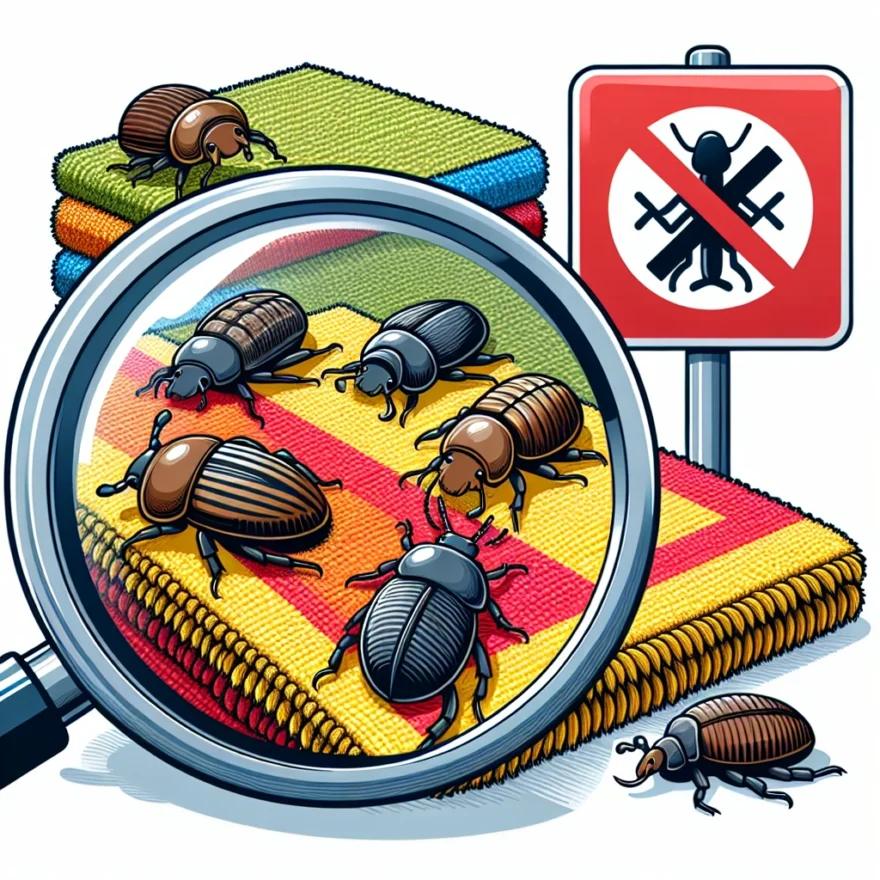
Carpet beetles, while small in size, can cause significant damage to your belongings and home. These tiny insects, which are often mistaken for bed bugs or other pests, are notorious for their voracious appetite for natural fibers, including wool, silk, fur, and feathers. This makes your carpet, clothing, and upholstered furniture prime targets for infestations.
There are several species of carpet beetles, including the black carpet beetle, the varied carpet beetle, and the furniture carpet beetle. Despite their names, these pests are not exclusive to carpets or furniture. They can be found in a variety of environments, from bird nests to museum collections. However, they are most commonly found in homes, where they can cause significant damage if left unchecked.
Carpet beetles are oval-shaped and can range in size from 1/16 to 1/8 inch in length. They have a distinctive pattern of white, brown, and yellow scales on their bodies, which can help in their identification. However, these scales can wear off as the beetle ages, making older beetles appear solid black or brown.
Unlike other household pests, carpet beetles are not directly harmful to humans or pets. They do not bite or spread diseases. However, their larvae can cause allergic reactions in some people, and the damage they cause to belongings can be extensive. Therefore, it is essential to understand these pests, identify their presence early, and take steps to prevent and control infestations.
Understanding the biology, behavior, and life cycle of carpet beetles is the first step in managing these pests. In the following sections, we will delve deeper into these topics, as well as discuss methods for preventing and controlling carpet beetle infestations, identifying and treating carpet beetle allergies, and understanding the environmental impact of these pests.
Table of contents
- Understanding Carpet Beetles: An Introduction
- The Life Cycle of Carpet Beetles
- Identifying Damage Caused by Carpet Beetles
- Preventing Carpet Beetle Infestations
- DIY Carpet Beetle Control Methods
- Professional Carpet Beetle Extermination
- Carpet Beetle Allergies: Symptoms and Treatment
- Common Questions About Carpet Beetles
- Carpet Beetles Vs. Bed Bugs: Understanding the Differences
- The Environmental Impact of Carpet Beetles
The Life Cycle of Carpet Beetles
Carpet beetles, like many insects, undergo a complete metamorphosis in their life cycle. This process includes four stages: egg, larva, pupa, and adult. Understanding each of these stages can provide valuable insight into preventing and controlling carpet beetle infestations.
Female carpet beetles lay their eggs in warm, dark, and undisturbed areas where a food source is readily available. This often includes carpets, upholstery, and clothing. Each female can lay up to 100 eggs, which hatch into larvae within two weeks.
The larval stage is the most damaging phase of the carpet beetle’s life cycle. During this stage, which can last anywhere from two months to two years depending on the species and environmental conditions, the larvae feed on organic materials. This includes wool, fur, feathers, and other animal-based products, leading to significant damage to carpets and other household items.
After the feeding stage, the larvae transform into pupae. This is a resting stage during which they do not feed but instead prepare to emerge as adults. This pupal stage lasts from one to three weeks.
Once the adult carpet beetles emerge, they are primarily interested in reproduction. They are attracted to light and often found near windows. Adult carpet beetles feed on pollen and nectar, causing no direct harm to household items. However, females will lay their eggs in homes, leading to a new generation of damaging larvae.
Understanding the life cycle of carpet beetles is crucial for effective prevention and control. By targeting the most damaging stage – the larvae – and disrupting the life cycle, homeowners can prevent infestations and the resulting damage.
It’s also worth noting that carpet beetles can live up to a year, which means a single infestation can lead to multiple generations of beetles in a short time. Therefore, early detection and swift action are key to preventing significant damage from these pests.
Identifying Damage Caused by Carpet Beetles
Carpet beetles may be small, but they can cause significant damage to your carpets, upholstery, and other household items. Identifying the damage caused by carpet beetles is crucial in order to take appropriate action and prevent further infestations. Here are some key signs to look out for:
1. Holes and Shredded Fabrics: One of the most common signs of a carpet beetle infestation is the presence of small holes or shredded areas on fabrics. Carpet beetles feed on natural fibers such as wool, silk, and cotton, so check your carpets, rugs, curtains, and upholstered furniture for any signs of damage.
2. Irregular Patterns: Unlike other pests like moths, carpet beetles tend to create irregular patterns of damage. You may notice random holes or areas of damage scattered across your fabrics, rather than a concentrated area.
3. Larval Skins: Carpet beetle larvae shed their skins as they grow, leaving behind tiny, brownish shells. These discarded skins are often found near the damaged areas and can be a clear indication of a carpet beetle infestation.
4. Fecal Pellets: Another telltale sign of carpet beetles is the presence of small, pellet-like droppings. These fecal pellets are typically dark in color and can be found near damaged fabrics or in the corners of rooms where the beetles hide.
5. Adult Beetles: While it’s the larvae that cause the most damage, adult carpet beetles can also be an indication of an infestation. Adult beetles are small, oval-shaped insects with colorful patterns on their wings. If you spot any adult carpet beetles in your home, it’s likely that there are larvae nearby.
Remember, it’s important to act quickly if you suspect a carpet beetle infestation. The longer you wait, the more damage they can cause to your belongings. In the next section, we’ll explore effective methods for preventing carpet beetle infestations.
Preventing Carpet Beetle Infestations
Carpet beetles can be a nuisance and can cause significant damage to your carpets, furniture, and clothing if left unchecked. However, there are several steps you can take to prevent carpet beetle infestations in your home. By implementing these preventive measures, you can protect your belongings and maintain a pest-free environment.
1. Cleanliness is Key:
Regularly vacuum your carpets, rugs, and upholstered furniture to remove any potential food sources for carpet beetles. Pay special attention to areas where pet hair, lint, and food crumbs may accumulate. It is also important to vacuum along baseboards, in closets, and underneath furniture, as these are common hiding spots for carpet beetles. Remember to empty the vacuum bag or canister outside of your home to prevent any potential re-infestation.
2. Proper Storage:
Properly store your clothing and other susceptible items in airtight containers or garment bags. This will help prevent carpet beetles from accessing these items and causing damage. Additionally, consider adding mothballs or cedar chips to the storage containers, as these act as natural deterrents for carpet beetles.
3. Regular Inspection:
Regularly inspect your carpets, rugs, and clothing for any signs of carpet beetle activity. Look for adult beetles, larvae, shed skins, or fecal pellets, which are small, pellet-like droppings. If you notice any signs of infestation, take immediate action to address the problem before it worsens.
4. Reduce Moisture and Humidity:
Carpet beetles are attracted to damp and humid environments. To prevent infestations, ensure proper ventilation in your home and fix any leaks or water damage promptly. Use dehumidifiers in areas prone to high humidity, such as basements and bathrooms, to keep moisture levels in check.
5. Seal Entry Points:
Seal any cracks or gaps in your home’s exterior, including windows, doors, and foundation, to prevent carpet beetles from entering. Pay attention to areas where utility pipes and cables enter your home, as these can serve as entry points as well. By blocking these access points, you can significantly reduce the chances of a carpet beetle infestation.
6. Natural Repellents:
Consider using natural repellents, such as lavender sachets, eucalyptus oil, or dried rosemary, to deter carpet beetles. These aromatic substances are disliked by carpet beetles and can help keep them at bay. Place these repellents in closets, drawers, and storage areas to provide an added layer of protection.
7. Professional Pest Control:
If you suspect or have confirmed a carpet beetle infestation that is beyond your control, it is advisable to seek professional pest control services. Pest control experts have the knowledge, experience, and tools to effectively eliminate carpet beetles and prevent future infestations. They can also provide guidance on long-term prevention strategies tailored to your specific situation.
By implementing these preventive measures, you can significantly reduce the risk of carpet beetle infestations in your home. Regular cleaning, proper storage, and vigilant inspection are key to maintaining a carpet beetle-free environment. Remember, prevention is always better than dealing with the damage and hassle caused by an infestation.
DIY Carpet Beetle Control Methods
Carpet beetles can be a nuisance when they invade our homes and cause damage to our carpets, furniture, and clothing. Fortunately, there are several do-it-yourself (DIY) methods that you can employ to control and prevent carpet beetle infestations. These methods are not only effective but also cost-efficient. Here are some DIY carpet beetle control methods you can try:
1. Vacuuming: Regular vacuuming is essential in controlling carpet beetles. Use a vacuum cleaner with a HEPA filter to effectively remove adult beetles, larvae, and eggs from carpets, rugs, upholstery, and other infested areas. Pay special attention to areas where pet hair, lint, or debris accumulate, as these can attract carpet beetles.
2. Steam Cleaning: Steam cleaning is another effective method to kill carpet beetles and their eggs. The high temperatures produced by steam cleaners can penetrate deep into fabrics and carpets, eliminating the pests. Make sure to follow the manufacturer’s instructions and allow the treated areas to dry thoroughly.
3. Laundering: Infested clothing, bedding, and linens should be laundered at high temperatures. Wash them in hot water (at least 120°F or 49°C) and dry them on high heat. This will kill any carpet beetles or larvae present.
4. Freezing: If you have small infested items that cannot be washed, such as delicate fabrics or stuffed animals, you can place them in a sealed plastic bag and freeze them for several days. Extreme cold temperatures will kill the carpet beetles and their larvae.
5. Sealing Cracks and Openings: Inspect your home for any cracks, gaps, or openings that may serve as entry points for carpet beetles. Seal these openings using caulk or weatherstripping to prevent their entry into your home.
6. Regular Cleaning: Keeping your home clean and free from food debris, pet hair, and dead insects is crucial in preventing carpet beetle infestations. Regularly dust and vacuum all areas, paying attention to hidden corners, baseboards, and furniture.
7. Natural Remedies: There are some natural remedies that can help repel carpet beetles. For instance, you can create a mixture of equal parts vinegar and water and spray it on infested areas. Additionally, cedar chips, lavender sachets, or dried rosemary can be placed in closets and drawers as natural repellents.
8. Sunlight Exposure: Carpet beetles dislike sunlight, so exposing infested items to direct sunlight can help kill them. Take infested items outside on a sunny day and leave them exposed for a few hours.
Remember, DIY methods may not be sufficient for severe infestations or persistent carpet beetle problems. In such cases, it is advisable to seek professional assistance from pest control experts who can provide targeted treatments to eliminate the infestation effectively.
By employing these DIY carpet beetle control methods, you can protect your home from further damage and prevent future infestations. Regular cleaning, proper storage of clothing and fabrics, and maintaining a clean and clutter-free environment are key to keeping carpet beetles at bay.
Professional Carpet Beetle Extermination
Carpet beetles can be a persistent and troublesome pest to deal with. While there are several DIY methods to control and prevent carpet beetle infestations, sometimes it becomes necessary to seek professional help for effective extermination. Professional carpet beetle extermination services offer expertise, experience, and specialized treatments to eliminate these pests from your home or business.
When hiring a professional carpet beetle exterminator, they will typically follow a systematic approach to ensure thorough eradication of the infestation:
- Inspection: The exterminator will conduct a detailed inspection of your property to identify the extent of the infestation, locate the source of the problem, and assess any damage caused by carpet beetles.
- Treatment Plan: Based on the inspection findings, the exterminator will develop a customized treatment plan tailored to your specific situation. This plan may include a combination of methods to target both adult carpet beetles and their larvae.
- Chemical Treatments: Professional exterminators have access to a range of potent insecticides that are highly effective in eliminating carpet beetles. These chemicals are typically applied in targeted areas where carpet beetles are known to reside, such as carpets, rugs, furniture, and other infested items.
- Heat Treatment: In some cases, heat treatment may be employed to kill carpet beetles and their eggs. This method involves raising the temperature in the infested areas to a level that is lethal to the pests, ensuring complete eradication.
- Follow-up Visits: After the initial treatment, professional exterminators will schedule follow-up visits to monitor the effectiveness of the treatment and address any remaining carpet beetle issues. These visits may involve reapplication of treatments or further inspections to ensure complete elimination.
It is important to note that professional carpet beetle extermination services may come at a cost. The price can vary depending on factors such as the size of the infestation, the extent of the damage, and the treatment methods employed. However, investing in professional services can provide peace of mind, knowing that the infestation is being handled by experts who have the knowledge and tools to effectively eradicate carpet beetles.
In addition to the extermination process, professional carpet beetle exterminators can also provide valuable advice and recommendations on preventing future infestations. They can identify potential entry points for carpet beetles and suggest measures to seal them off, as well as offer guidance on proper storage and maintenance practices to minimize the risk of reinfestation.
When selecting a professional carpet beetle extermination service, it is essential to choose a reputable and licensed company. Look for exterminators who have experience dealing specifically with carpet beetles and can provide references or testimonials from satisfied customers.
By opting for professional carpet beetle extermination, you can effectively eliminate these pests from your home or business, ensuring a clean and pest-free environment for you and your family.
Carpet Beetle Allergies: Symptoms and Treatment
Carpet beetles are not only a nuisance due to their ability to damage carpets and other household items, but they can also cause allergies in some individuals. These allergies are triggered by the tiny hairs on the larvae of carpet beetles, which can become airborne and inhaled. In this section, we will explore the symptoms of carpet beetle allergies and the available treatment options.
Symptoms of Carpet Beetle Allergies:
1. Skin Irritation: One of the most common symptoms of carpet beetle allergies is skin irritation. This can manifest as redness, itching, and a rash in areas that come into contact with the allergens. The irritation may be localized or spread across larger areas of the body.
2. Respiratory Issues: Inhaling the tiny hairs from carpet beetle larvae can lead to respiratory problems in sensitive individuals. This can include symptoms such as coughing, sneezing, wheezing, shortness of breath, and a runny or congested nose.
3. Eye Irritation: Carpet beetle allergens can also cause irritation to the eyes, leading to redness, itching, watering, and swelling. In severe cases, it may even result in conjunctivitis.
4. Asthma Attacks: Individuals with pre-existing asthma may experience worsening of symptoms or asthma attacks triggered by carpet beetle allergens. This can include chest tightness, difficulty breathing, wheezing, and coughing.
Treatment Options:
1. Avoidance: The first step in managing carpet beetle allergies is to minimize exposure to the allergens. Regularly vacuuming carpets, rugs, and upholstery, as well as frequently washing bedding and clothing, can help remove any allergens present. It is also important to seal any cracks or openings in walls, floors, or windows to prevent carpet beetles from entering the premises.
2. Medication: Over-the-counter antihistamines can provide relief from allergy symptoms such as itching and sneezing. In more severe cases, prescription medications like corticosteroids may be necessary to manage inflammation and respiratory issues.
3. Allergy Shots: For individuals with persistent carpet beetle allergies, allergen immunotherapy, commonly known as allergy shots, may be recommended. This treatment involves gradually exposing the individual to increasing amounts of the allergen to build up tolerance over time.
4. Consultation with a Specialist: If symptoms persist or worsen despite self-care measures, it is advisable to consult an allergist or dermatologist for a proper diagnosis and personalized treatment plan.
It is important to note that while carpet beetle allergies can be bothersome, they are generally not life-threatening. However, individuals with severe allergies or asthma should take extra precautions to minimize exposure and seek appropriate medical care if needed.
Common Questions About Carpet Beetles
Common Questions About Carpet Beetles
Carpet beetles can be a nuisance and cause damage to your belongings. Here are some common questions that people have about these pests:
1. How do I know if I have a carpet beetle infestation?
Carpet beetles are small insects, usually about 1/8 to 3/16 of an inch in size. They have a rounded shape and are often black, brown, or speckled with white or yellow. Look for signs of their presence, such as damaged fabrics, shed skins, or small fecal pellets.
2. What do carpet beetles eat?
Carpet beetles feed on a variety of natural materials, including wool, fur, feathers, silk, and even certain plant materials. They can infest carpets, rugs, clothing, upholstered furniture, and stored items like blankets or stuffed animals.
3. Can carpet beetles cause allergies?
Yes, carpet beetles can trigger allergic reactions in some individuals. The tiny hairs on their bodies and larvae can become airborne and cause skin irritation, itching, and respiratory issues. If you experience any of these symptoms, it’s best to consult a healthcare professional.
4. How can I prevent carpet beetle infestations?
To prevent carpet beetle infestations, it’s important to keep your home clean and free from debris. Regularly vacuum carpets, rugs, and upholstery, and wash and dry clothing and fabrics at high temperatures. Store items properly in airtight containers and inspect second-hand furniture or clothing before bringing them into your home.
5. Can I get rid of carpet beetles on my own?
Yes, there are several DIY methods you can try to control carpet beetles. These include vacuuming, steam cleaning, freezing infested items, using boric acid or diatomaceous earth, and applying insecticides labeled for carpet beetles. However, for severe infestations, it’s recommended to seek professional help.
6. How do carpet beetles differ from bed bugs?
While both carpet beetles and bed bugs can cause issues in homes, they are different pests. Carpet beetles primarily feed on natural materials, while bed bugs feed on blood. Carpet beetles are also smaller in size and have a more rounded shape compared to the flat, oval-shaped bed bugs.
7. Are carpet beetles harmful to the environment?
Carpet beetles are a natural part of the ecosystem and play a role in breaking down dead animal matter. However, when they infest homes, they can cause damage to valuable items. It’s important to address infestations promptly and use environmentally-friendly pest control methods whenever possible.
By understanding more about carpet beetles and taking preventive measures, you can protect your home and belongings from their destructive habits.
Carpet Beetles Vs. Bed Bugs: Understanding the Differences
Carpet beetles and bed bugs are two common household pests that can cause significant problems if left unchecked. While they may share some similarities, it is important to understand the differences between these two insects in order to effectively address and prevent infestations.
Physical Appearance:
Carpet beetles are small, oval-shaped insects that measure around 1/8 to 1/4 inch in length. They have a varied appearance depending on the species, but most commonly, they are covered in colorful scales or patterns. Their bodies are typically round and compact.
On the other hand, bed bugs are flat, reddish-brown insects that are slightly larger than carpet beetles, measuring around 1/4 to 3/8 inch in length. They have a more elongated shape and their bodies are segmented, resembling tiny apple seeds.
Feeding Habits:
Carpet beetles primarily feed on natural fibers such as wool, silk, feathers, and fur. They are also known to consume synthetic materials that contain animal products. Carpet beetle larvae are the main culprits for causing damage as they feed on these materials.
Bed bugs, on the other hand, are blood-feeding insects. They rely on the blood of humans or other warm-blooded animals for their survival. Bed bugs are nocturnal and typically feed on their hosts while they are asleep, leaving behind itchy, red bite marks.
Behavior and Habitat:
Carpet beetles are commonly found outdoors, where they feed on pollen and nectar. However, they can also make their way indoors, especially if they find a suitable food source. They are attracted to areas with high humidity and are often found in closets, attics, and basements.
Bed bugs, on the other hand, are exclusively indoor pests. They are skilled hitchhikers and can easily latch onto luggage, clothing, or furniture to infest new areas. Bed bugs are most commonly found in bedrooms, particularly in and around the bed, as they prefer to be close to their hosts.
Signs of Infestation:
Carpet beetle infestations can be identified by the presence of adult beetles, larvae, or shed skins. Additionally, you may notice damage to fabrics, carpets, or stored items. Carpet beetle larvae leave behind distinctive feeding patterns, often appearing as irregular holes or patches.
Bed bug infestations are often characterized by the presence of live bed bugs or their excrement, which appears as tiny dark spots on mattresses, bedding, or furniture. You may also notice a sweet, musty odor in areas where bed bugs are present.
Treatment and Prevention:
When dealing with carpet beetles, it is important to identify and remove the infested items, vacuum thoroughly, and wash affected fabrics in hot water. Regular cleaning and maintenance can help prevent future infestations.
Bed bug infestations typically require professional treatment, as they are notoriously difficult to eliminate. This may involve a combination of chemical treatments, heat treatments, and thorough cleaning of infested areas. Preventive measures include regularly inspecting and vacuuming your mattress, using mattress encasements, and being cautious when bringing used furniture or clothing into your home.
By understanding the differences between carpet beetles and bed bugs, you can take the necessary steps to prevent and address infestations effectively. Prompt action and regular maintenance are key to keeping these pests at bay and protecting your home and belongings.
The Environmental Impact of Carpet Beetles
Carpet beetles, although small in size, can have a significant impact on the environment. Their presence can disrupt ecosystems and cause harm to various aspects of the natural world. Understanding the environmental impact of carpet beetles is crucial in order to develop effective prevention and control strategies.
1. Disruption of Natural Balance: Carpet beetles have the potential to disrupt the natural balance within ecosystems. They primarily feed on animal-based materials such as fur, feathers, and silk. This means that they can cause damage to wildlife habitats by destroying nests, burrows, and other animal structures. This disruption can have cascading effects on other species that rely on these structures for shelter and protection.
2. Damage to Natural Fibers: Carpet beetles are known to feed on natural fibers such as wool, silk, and cotton. In natural environments, these fibers are typically found in plant materials or animal products. When carpet beetles infest these materials, they can cause significant damage, leading to the loss of valuable resources. This can impact the availability of materials for other organisms that rely on them for survival.
3. Infestation of Stored Products: In addition to natural fibers, carpet beetles can also infest stored products such as grains, cereals, and dried food items. This can result in contamination and spoilage of these products, leading to economic losses and food waste. Furthermore, the use of pesticides to control carpet beetle infestations in stored products can have negative environmental consequences.
4. Chemical Control Methods: The use of chemical pesticides to control carpet beetles can have unintended environmental consequences. Pesticides can contaminate soil, water sources, and air, affecting non-target organisms such as beneficial insects, birds, and mammals. Additionally, repeated pesticide applications can lead to the development of pesticide resistance in carpet beetles, making control efforts less effective over time.
5. Impact on Human Health: While carpet beetles do not directly pose a significant health risk to humans, the presence of their larvae and shed skins can trigger allergic reactions in sensitive individuals. These allergic reactions can range from mild skin irritation to respiratory issues. This can have an indirect impact on the environment as well, as people may resort to using chemical pesticides or other control methods that can have negative environmental consequences.
To minimize the environmental impact of carpet beetles, it is important to focus on prevention and non-chemical control methods. Regular cleaning, vacuuming, and proper storage of susceptible materials can help reduce infestations. Additionally, maintaining a clean and clutter-free environment can discourage carpet beetles from finding suitable breeding and feeding sites.
By understanding the environmental impact of carpet beetles and adopting sustainable pest management practices, we can mitigate their negative effects on the environment while ensuring the protection of our homes and belongings.