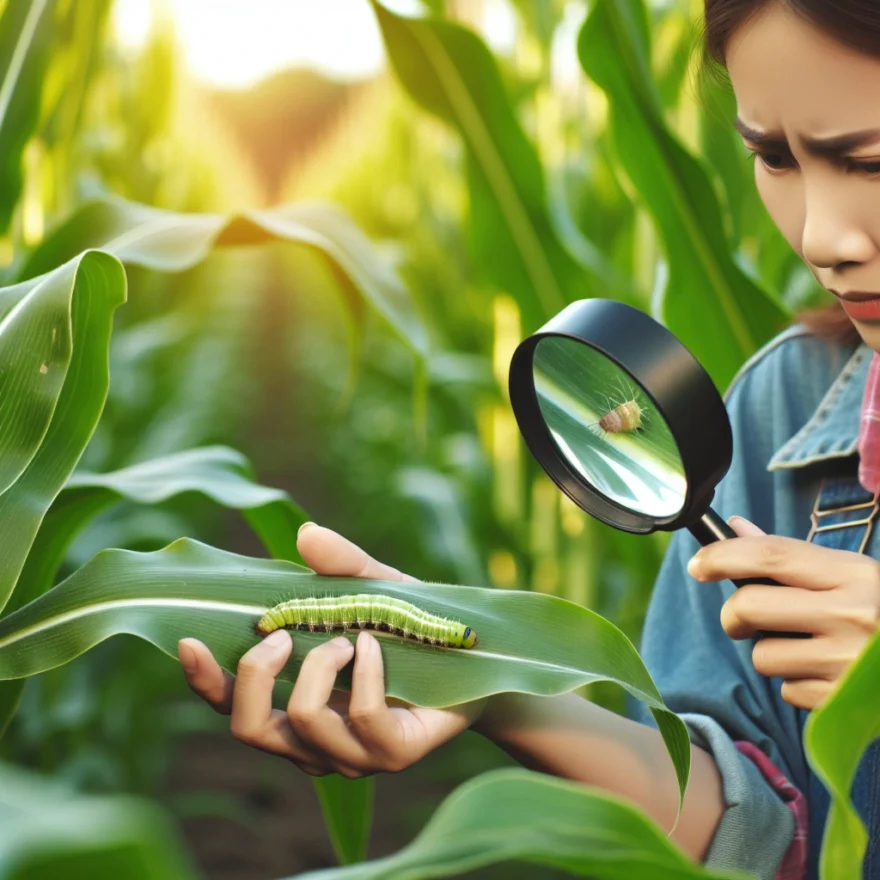
Understanding Earworms: An Introduction
Earworms, scientifically known as Helicoverpa zea, are a common pest that can wreak havoc on a variety of crops. Despite their name, earworms are not worms at all, but rather a type of moth in their larval stage. These pests are known for their voracious appetite and their tendency to burrow into the ears of corn, hence their common name.
These pests are native to the Americas but have since spread worldwide, causing significant damage to crops in many different regions. Earworms are not picky eaters and will feed on a wide variety of plants. While corn is a favorite, they also enjoy tomatoes, cotton, tobacco, peanuts, and even fruits like peaches and plums.
The life cycle of the earworm is relatively short, with adults living only about two weeks. However, in that time, a female can lay up to 3,000 eggs, ensuring the next generation of pests. The eggs are laid on the leaves of plants, and once hatched, the larvae begin feeding immediately, burrowing into the fruit or ear of the plant to eat from the inside out.
Earworms are nocturnal, making them difficult to spot. During the day, they hide in the soil or inside the plants they are feeding on, only emerging at night to eat. This can make them difficult to control, as they are often well-hidden from predators and pesticides.
Understanding the earworm and its behaviors is the first step in preventing damage to your crops. In the following sections, we will explore how to identify earworm damage, prevention strategies, and various control methods, both biological and chemical.
Table of contents
Identifying Earworm Damage
Earworms are notorious pests that can wreak havoc on a variety of crops. To protect your plants effectively, it’s essential to know how to identify the damage they cause. This can often be the first indicator of an infestation, allowing you to take swift action to mitigate the problem.
Earworms, also known as corn earworms or cotton bollworms, are caterpillars in their larval stage. They are voracious feeders, consuming a wide range of crops including corn, tomatoes, cotton, and other vegetables and fruits. The first sign of earworm damage is often irregular or ragged holes in the foliage of your plants. These holes are typically concentrated on the newer growth, as this is where the larvae prefer to feed.
As the earworms mature, they move towards the fruit or vegetable part of the plant. In corn, for instance, they are known to burrow into the ear, feeding on the kernels and leaving behind a trail of frass or excrement. This can cause significant yield loss and also opens up the plant to secondary infections. Similarly, in cotton, the larvae feed on the bolls, leading to reduced lint quality and quantity.
Another tell-tale sign of earworm damage is the presence of silk-cutting. The earworm larvae cut the silk strands on corn ears, which can lead to poor pollination and reduced kernel development. The cut silks also turn brown prematurely, making it easier to spot the damage.
While the above signs can help you identify earworm damage, it’s important to note that these symptoms can also be caused by other pests. Therefore, proper identification of the pest is crucial for implementing the right control measures. Earworms are typically green or brown with a lighter underside and have a distinctive dark head. They also have alternating light and dark stripes running along the length of their body, which can help in their identification.
Timely identification of earworm damage can be the key to saving your crops from severe infestation. By keeping a close watch on your plants and looking out for the signs of damage, you can ensure that your hard work doesn’t go to waste.
Prevention Strategies for Earworm Damage
Earworms can cause significant damage to crops if left unchecked. To protect your crops from these pests, it is crucial to implement effective prevention strategies. By taking proactive measures, you can minimize the risk of earworm damage and ensure a healthy harvest. Here are some key prevention strategies to consider:
1. Crop Rotation: Rotate your crops annually to disrupt the earworm’s life cycle. Earworms prefer certain crops, such as corn and tomatoes, so rotating them with less susceptible plants can help reduce infestations. This practice also helps to maintain soil health and prevent the buildup of pests.
2. Plant Trap Crops: Consider planting trap crops, which are attractive to earworms, to divert their attention away from your main crops. These sacrificial plants can help lure the pests away, reducing the damage to your desired crops. Some common trap crops for earworms include sunflowers and sweet corn.
3. Use Physical Barriers: Install physical barriers like row covers or netting to prevent adult moths from laying their eggs on your crops. This method is particularly effective for small-scale or raised bed gardens. Ensure that the barriers are properly secured to prevent any gaps that may allow the pests to enter.
4. Timely Planting: Plant your crops at the right time to minimize the risk of earworm infestation. Early planting can help your crops establish before the peak earworm activity, reducing their vulnerability. Consult local agricultural extension services or gardening resources for specific planting recommendations in your area.
5. Handpicking: Regularly inspect your crops for any signs of earworms and manually remove them. Handpicking can be a labor-intensive method, but it is effective for small gardens or when the infestation is limited. Drop the captured pests into a bucket of soapy water to prevent them from returning.
6. Natural Predators: Encourage natural predators of earworms, such as birds, bats, and beneficial insects, to inhabit your garden. Providing habitat and food sources for these predators can help establish a natural balance and keep earworm populations in check.
7. Sanitation Practices: Practice good garden hygiene by removing and destroying any infested or overripe fruits and vegetables. Earworms are attracted to decaying organic matter, so removing potential food sources can help deter them from your crops.
8. Monitoring and Trapping: Set up pheromone traps to monitor the activity and population of earworms in your garden. These traps release synthetic hormones that attract male moths, allowing you to track their numbers and take appropriate action if the population exceeds a certain threshold.
Remember, a combination of these prevention strategies is often more effective than relying on a single method. Integrated Pest Management (IPM) techniques, which combine cultural, biological, and chemical control methods, can provide a holistic approach to managing earworms and other pests in your crops. By implementing these prevention strategies, you can minimize the risk of earworm damage and ensure a successful harvest.
Biological Control of Earworms
Biological control is an effective and environmentally friendly approach to managing earworm damage in crops. By harnessing the power of natural predators and parasites, farmers can reduce the population of earworms and minimize crop losses. Here are some key biological control methods used to combat earworm infestations:
1. Beneficial Insects: Encouraging the presence of beneficial insects in your fields can help control earworm populations. Certain species, such as trichogramma wasps and lacewings, are natural predators of earworm eggs and larvae. By providing habitat and food sources for these insects, such as flowering plants and alternative prey, you can attract them to your crops and promote biological control.
2. Bacillus thuringiensis (Bt): Bt is a naturally occurring soil bacterium that produces proteins toxic to many insect pests, including earworms. When applied as a microbial insecticide, Bt specifically targets earworm larvae, causing them to stop feeding and eventually die. Bt products are safe for humans, animals, and beneficial insects, making them an ideal choice for organic farmers or those seeking environmentally friendly pest control options.
3. Parasitic Nematodes: Certain species of parasitic nematodes, such as Steinernema carpocapsae, can be used to control earworm populations. These microscopic worms infect earworm larvae, releasing bacteria that kill the pests from within. By applying nematodes to the soil, farmers can target earworms in their early stages and prevent them from causing damage to crops.
4. Predatory Birds: Birds like bluebirds, swallows, and purple martins are natural predators of earworms. By providing nesting boxes or perches in and around your fields, you can attract these birds and encourage them to feed on earworms and other crop-damaging insects. However, it’s important to ensure that the presence of birds does not cause other issues, such as damage to crops or contamination of produce.
5. Crop Rotation: Crop rotation is a cultural practice that can help break the life cycle of earworms. By alternating the types of crops planted in a field, farmers can disrupt the availability of suitable host plants for earworms, reducing their population over time. This method is most effective when combined with other control strategies, such as biological control and integrated pest management.
It’s important to note that while biological control methods can be highly effective, they may not provide complete eradication of earworms. Therefore, it’s advisable to use a combination of strategies, including cultural practices, monitoring, and targeted applications of biological and chemical control methods, to achieve the best results in managing earworm damage to your crops.
Chemical Control of Earworms
In order to effectively control earworm damage to your crops, chemical control methods can be employed. These methods involve the use of insecticides to target and eliminate earworm populations. It is important to note that while chemical control can be effective, it should be used in conjunction with other prevention strategies for a comprehensive approach to managing earworms.
When using chemical control methods, it is crucial to follow the instructions provided by the manufacturer and adhere to safety guidelines. Here are some commonly used insecticides for earworm control:
1. Pyrethroids: Pyrethroids are synthetic insecticides that are commonly used for earworm control. They work by targeting the nervous system of the earworm, leading to paralysis and eventual death. Pyrethroids are available in various formulations such as sprays and dusts.
2. Organophosphates: Organophosphates are another class of insecticides that can be used to control earworms. These insecticides work by inhibiting the activity of enzymes in the nervous system of the earworm, resulting in paralysis and death. Organophosphates are available in liquid, granular, and dust formulations.
3. Bacillus thuringiensis (Bt): Bt is a naturally occurring soil bacterium that produces proteins toxic to certain insect pests, including earworms. Bt insecticides are considered environmentally friendly as they specifically target the larvae of earworms and do not harm beneficial insects. Bt products are available in liquid and powder formulations.
4. Neonicotinoids: Neonicotinoids are a class of insecticides that are effective against a wide range of pests, including earworms. They work by disrupting the nervous system of the earworm, leading to paralysis and death. Neonicotinoids are available in various formulations such as sprays, granules, and seed treatments.
It is important to rotate the use of insecticides to prevent the development of resistance in earworm populations. This can be achieved by alternating between different chemical classes or using a combination of insecticides with different modes of action.
Before applying any insecticide, it is advisable to consult with local agricultural extension services or experts to determine the most appropriate product and application method for your specific crop and region. Additionally, it is crucial to adhere to any regulations or restrictions regarding the use of insecticides in your area.
Remember, while chemical control can be effective in managing earworms, it should be used as part of an integrated pest management (IPM) approach that includes other prevention strategies such as biological control and cultural practices.
Integrated Pest Management (IPM) for Earworms
Integrated Pest Management (IPM) is a holistic approach to pest control that aims to minimize the use of pesticides while effectively managing pest populations. When it comes to earworms, implementing an IPM strategy can help prevent damage to your crops while promoting a balanced ecosystem.
Here are some key components of an IPM approach for managing earworms:
1. Monitoring and scouting: Regular monitoring of your crops is crucial to detect earworm infestations early on. By regularly inspecting your plants, you can identify the presence of earworms and determine the severity of the infestation. This allows you to take appropriate action before the damage becomes extensive.
2. Cultural control: Implementing cultural practices can help reduce the risk of earworm damage. This includes practices such as crop rotation, planting resistant varieties, and maintaining proper plant spacing. By diversifying your crops and using resistant varieties, you can make it more difficult for earworms to establish and spread in your fields.
3. Biological control: Utilizing natural enemies of earworms can be an effective method of controlling their populations. Predatory insects, such as parasitic wasps and ground beetles, can help keep earworm populations in check. Additionally, attracting beneficial insects to your fields through the use of flowering plants can enhance biological control.
4. Mechanical control: Physical barriers and traps can be employed to prevent earworms from reaching your crops. For example, installing row covers can prevent adult moths from laying eggs on your plants. Additionally, pheromone traps can be used to attract and capture adult male moths, reducing the chances of egg-laying.
5. Chemical control: While the goal of IPM is to minimize pesticide use, there may be instances where chemical control is necessary. In such cases, it is important to choose pesticides that specifically target earworms and pose minimal risk to beneficial insects and the environment. Follow label instructions carefully and use pesticides as a last resort.
6. Timing of control measures: Timing is crucial when implementing control measures for earworms. By understanding the life cycle of earworms and their susceptibility to control methods at different stages, you can optimize the effectiveness of your interventions. For example, applying pesticides during the early stages of earworm development can prevent them from causing significant damage.
7. Regular evaluation and adjustment: Continuously assess the effectiveness of your IPM strategies and make adjustments as needed. Monitor the success of your control measures and make note of any changes in earworm populations or crop damage. This will allow you to fine-tune your approach and improve your pest management practices over time.
By implementing an Integrated Pest Management approach for earworms, you can effectively reduce crop damage while minimizing the negative impacts on the environment and beneficial organisms. Remember to tailor your strategies to the specific needs of your crops and regularly monitor for any signs of earworm infestation.
Common Questions about Earworms and their Control
Common Questions about Earworms and their Control
As a farmer or gardener, you may have several questions about earworms and how to effectively control them. Below, we have answered some of the most common questions to help you better understand and manage earworm encounters:
1. What are the signs of earworm damage?
Earworm damage can be identified by the presence of small holes or entry points on the surface of fruits and vegetables. You may also notice frass (insect excrement) or the presence of larvae inside the produce.
2. How can I prevent earworm damage in my crops?
Preventing earworm damage involves implementing a combination of strategies. These include using pheromone traps, practicing crop rotation, employing biological control methods, and implementing integrated pest management (IPM) techniques.
3. Are there any natural predators that can help control earworm populations?
Yes, there are natural predators that can help control earworm populations. Some examples include parasitic wasps, ground beetles, and birds. By creating an environment that attracts these beneficial insects and animals, you can reduce earworm infestations.
4. Can I use chemical pesticides to control earworms?
Chemical pesticides can be used as a last resort for controlling earworms. However, it is important to use them judiciously and follow the instructions provided by the manufacturer. Over-reliance on chemical pesticides can have negative effects on the environment and beneficial insect populations.
5. How does integrated pest management (IPM) help in controlling earworms?
Integrated pest management (IPM) is an effective approach to controlling earworms. It involves combining various methods such as cultural practices, biological control, and targeted pesticide use to manage pest populations while minimizing environmental impact.
6. Can earworms infest all types of crops?
Earworms have a wide range of host plants, including corn, tomatoes, peppers, beans, and cotton. However, certain crops may be more susceptible to earworm infestations than others. It is important to monitor and implement appropriate control measures based on the specific crop being grown.
7. How often should I monitor my crops for earworms?
Regular monitoring is crucial in detecting early signs of earworm infestations. Depending on the crop and the severity of the problem in your area, it is recommended to monitor your crops at least once a week during the growing season.
8. Can I use organic methods to control earworms?
Absolutely! There are several organic methods available for controlling earworms, including the use of beneficial insects, trap crops, and organic-approved pesticides. These methods can help manage earworm populations while maintaining the integrity of organic farming practices.
9. Can crop rotation help in preventing earworm damage?
Yes, crop rotation can be an effective strategy in preventing earworm damage. By rotating crops, you disrupt the lifecycle of earworms and reduce their population buildup in a specific area. This can help minimize the risk of infestations and decrease the need for chemical interventions.
10. Are there any cultural practices that can deter earworms?
Yes, certain cultural practices can deter earworms. These include removing and destroying infected plant debris, maintaining proper plant spacing, and providing adequate irrigation and nutrition to promote plant health and resilience against pests.