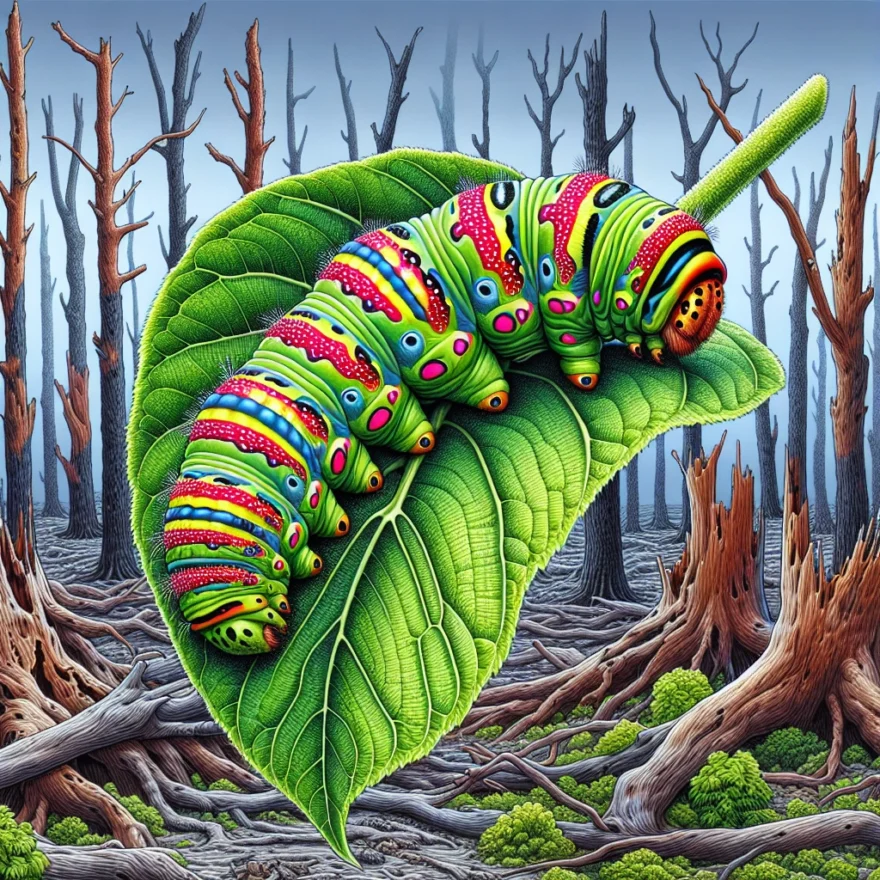
Introduction to Eastern Tent Caterpillars
The Eastern Tent Caterpillar is a common pest that can cause significant damage to trees, particularly those in the Rosaceae family, such as apple, cherry, and crabapple trees. These caterpillars are native to North America and are known for their distinctive tent-like nests, which they build in the crotches of tree branches. While they may appear harmless at first glance, Eastern Tent Caterpillars can quickly defoliate a tree, causing stress and potentially weakening its overall health. It is essential for property owners to be aware of these pests and take the necessary steps to protect their trees from infestation. In this article, we will explore the Eastern Tent Caterpillar’s identification, life cycle, and the damage it causes, as well as various prevention and control methods to ensure the health and longevity of your trees.
Table of contents
- Introduction to Eastern Tent Caterpillars
- Identifying Eastern Tent Caterpillars
- The Life Cycle of Eastern Tent Caterpillars
- Damage Caused by Eastern Tent Caterpillars
- How to Prevent Eastern Tent Caterpillar Infestations
- Natural Predators of Eastern Tent Caterpillars
- Chemical Control Methods for Eastern Tent Caterpillars
- Non-Chemical Control Methods for Eastern Tent Caterpillars
- When to Seek Professional Help
- Long-term Management Strategies for Eastern Tent Caterpillars
- Frequently Asked Questions about Eastern Tent Caterpillars
Identifying Eastern Tent Caterpillars
Eastern Tent Caterpillars are a common sight in North America, particularly in the eastern United States and southern Canada. These caterpillars are known for their distinctive tent-like nests, which they construct in the crotches of trees, primarily in the spring. Being able to identify these pests is crucial in order to protect your trees and manage infestations effectively.
The adult Eastern Tent Caterpillar is a moth that is typically brownish-gray in color, with a wingspan of about 1.5 inches (3.8 cm). However, it is the larval stage of the insect that is most recognizable and causes damage to trees. Eastern Tent Caterpillar larvae are about 2 inches (5 cm) long when fully grown, with a black body covered in fine white hairs. They have a series of blue and white markings along their sides, and a distinctive white stripe running down the center of their back.
The silk tents that these caterpillars create are another key identifying feature. These tents are usually found in the crotches of tree branches, and are made of a fine, white, silk-like material. The tents serve as both a protective shelter and a communal feeding area for the caterpillars. As the larvae grow and consume more leaves, they will expand their tents to accommodate their increasing size. This can result in large, unsightly webs that can span multiple branches or even entire trees.
Eastern Tent Caterpillars are often found on a variety of deciduous trees, with a preference for wild cherry, apple, and crabapple trees. However, they can also infest other tree species, such as hawthorn, maple, and oak. When inspecting your trees for signs of these pests, look for the distinctive silk tents, as well as defoliated branches or leaves that have been skeletonized by the feeding caterpillars. Additionally, you may also find frass (caterpillar droppings) beneath infested trees, which can help confirm their presence.
By familiarizing yourself with the appearance and habits of Eastern Tent Caterpillars, you can more easily identify and address infestations before they cause significant damage to your trees. In the following sections, we will discuss the life cycle of these pests, the damage they cause, and various methods for controlling and preventing their populations.
The Life Cycle of Eastern Tent Caterpillars
Eastern tent caterpillars are known for their distinctive tent-like webs that they build in the crotches of tree branches. These caterpillars are native to North America and are a common pest in the eastern United States. Understanding the life cycle of these pests is key to preventing and controlling infestations.
**Egg Stage**
The eastern tent caterpillar life cycle begins with the eggs. The adult female moths lay their eggs in late spring or early summer on small twigs and branches of trees. The eggs are laid in a mass and covered in a protective coating that helps them survive the winter.
**Larval Stage**
In the spring, the eggs hatch into small, black caterpillars with white stripes. These caterpillars begin to feed on the leaves of trees and spin silk webs to protect themselves from predators. As the caterpillars grow, they molt their skin several times.
**Pupal Stage**
After about six weeks, the caterpillars enter the pupal stage. During this time, they spin cocoons and transform into adult moths. The pupal stage lasts for about two weeks.
**Adult Stage**
The adult moths emerge from their cocoons in late spring or early summer. They are brown with white stripes and have a wingspan of about one inch. The adult moths do not feed and only live for a few days.
Understanding the life cycle of eastern tent caterpillars is important because it helps homeowners and arborists know when to look for signs of infestation and how to prevent future outbreaks. By removing egg masses in the winter, using natural predators, and implementing chemical and non-chemical control methods, homeowners can protect their trees from these pests.
Damage Caused by Eastern Tent Caterpillars
Eastern tent caterpillars are notorious for causing damage to trees. They feed on the foliage of deciduous trees, which can lead to defoliation and weaken the tree.
The damage caused by eastern tent caterpillars can be severe, especially if there is a large infestation. The caterpillars tend to feed on new leaves, which can stunt the growth of the tree and reduce its ability to produce energy through photosynthesis.
In addition to feeding on the leaves, eastern tent caterpillars also produce silk nests that can cover entire branches. These nests can be unsightly and can cause damage to the tree by restricting the flow of nutrients and water.
If the infestation is severe, the tree may become weakened and more susceptible to other pests and diseases. It is important to take action to prevent and control eastern tent caterpillar infestations to protect the health of your trees.
In the next section, we will discuss how to prevent eastern tent caterpillar infestations.
How to Prevent Eastern Tent Caterpillar Infestations
Eastern Tent Caterpillars can be a nuisance to homeowners and gardeners alike. Fortunately, there are several steps you can take to prevent an infestation of these pests.
- Prune trees in the winter: Prune your trees in the winter when the Eastern Tent Caterpillars are not active. This will help remove any egg masses that may be present on the branches.
- Remove egg masses: If you notice any egg masses on your trees, remove them as soon as possible. You can do this by scraping them off with a knife or other sharp object.
- Use sticky bands: Sticky bands can be placed around the trunk of a tree to prevent the caterpillars from climbing up. This is a simple and effective method of control.
- Clean up fallen leaves: Eastern Tent Caterpillars often lay their eggs in fallen leaves and debris. By keeping your yard clean and free of debris, you can reduce the likelihood of an infestation.
- Use row covers: Row covers can be used to protect young trees from Eastern Tent Caterpillars. These covers are made of lightweight fabric and can be placed over the tree to prevent the caterpillars from reaching the leaves.
- Plant resistant trees: Consider planting trees that are resistant to Eastern Tent Caterpillars. Some examples include crabapple, dogwood, and hawthorn.
By taking these preventative measures, you can reduce the likelihood of an infestation of Eastern Tent Caterpillars on your property.
Natural Predators of Eastern Tent Caterpillars
Eastern tent caterpillars are a common pest that can cause significant damage to trees. While there are several methods for controlling these pests, one of the most effective is to encourage natural predators.
There are several animals that prey on eastern tent caterpillars, including birds, rodents, and insects. Some of the most common natural predators of eastern tent caterpillars include:
- Birds: Many species of birds, including robins, blue jays, and chickadees, feed on eastern tent caterpillars. These birds are often attracted to the tents themselves, which can make it easier to spot and remove infestations.
- Rodents: Squirrels and other rodents will also eat eastern tent caterpillars, particularly when other food sources are scarce.
- Insects: Several species of insects, including parasitic wasps and tachinid flies, lay their eggs on eastern tent caterpillars. When the eggs hatch, the larvae feed on the caterpillars, eventually killing them.
Encouraging natural predators of eastern tent caterpillars can be an effective way to control these pests without resorting to chemical methods. However, it’s important to keep in mind that predators alone may not be sufficient to eliminate an infestation, particularly if it’s already well-established. In these cases, it may be necessary to use additional control methods, such as removing the tents or using insecticides.
If you’re interested in encouraging natural predators of eastern tent caterpillars, there are several things you can do. One of the most effective is to provide habitat for birds and other animals that prey on these pests. This can include planting native trees and shrubs, providing nesting boxes for birds, and avoiding the use of pesticides that can harm natural predators.
Overall, natural predators can be an important tool in the fight against eastern tent caterpillars. By encouraging these animals to prey on the pests, you can help protect your trees and keep your garden healthy and vibrant.
Chemical Control Methods for Eastern Tent Caterpillars
Eastern Tent Caterpillars can be controlled with chemical methods. Chemical control methods should be used only when other methods have failed or when the infestation is severe. Chemical control methods can be harmful to the environment and should be used with caution. It is important to read and follow the label instructions carefully when using chemical control methods.
The most common chemical control method for Eastern Tent Caterpillars is the use of insecticides. Insecticides can be applied to the tree foliage or trunk using sprays or injections. The timing of the application is important and should be done when the caterpillars are still small and before they have formed their protective tents.
There are several types of insecticides that can be used to control Eastern Tent Caterpillars. The most commonly used insecticides are Bacillus thuringiensis (Bt) and carbaryl. Bt is a naturally occurring bacterium that is toxic to caterpillars. It is considered safe for the environment and non-target organisms. Carbaryl is a synthetic insecticide that is also effective against Eastern Tent Caterpillars.
When using insecticides, it is important to follow the label instructions carefully. Wear protective clothing, such as gloves and a mask, and avoid spraying on windy days. Do not apply insecticides to trees that are in bloom or to trees that are stressed due to drought or other factors.
It is important to note that insecticides can harm beneficial insects, such as bees and butterflies, as well as other wildlife. Therefore, it is important to use insecticides only when necessary and to choose insecticides that are least harmful to the environment.
Non-Chemical Control Methods for Eastern Tent Caterpillars
Eastern tent caterpillars can be a nuisance for homeowners with trees in their yard. While chemical control methods are effective, they may not be the best option for those who want to avoid using harsh chemicals on their property. Fortunately, there are several non-chemical control methods that can be used to prevent and manage eastern tent caterpillar infestations.
1. Pruning: Pruning is an effective way to get rid of eastern tent caterpillars. By removing the branches that contain the egg masses, you can prevent the caterpillars from hatching and infesting your trees. It’s important to prune the branches in the fall or winter before the eggs hatch in the spring.
2. Physical removal: If you notice an infestation of eastern tent caterpillars, you can physically remove the tents from your trees. Use a stick or gloved hand to remove the tents and dispose of them in a sealed plastic bag. Be sure to destroy the tents to prevent the caterpillars from hatching and infesting other trees.
3. Beneficial insects: There are several beneficial insects that prey on eastern tent caterpillars. These include parasitic wasps, tachinid flies, and birds like the bluebird and chickadee. By attracting these insects to your yard, you can naturally control the caterpillar population.
4. Sticky bands: Sticky bands can be wrapped around the trunk of a tree to prevent caterpillars from crawling up and infesting the branches. The bands are coated in a sticky substance that traps the caterpillars before they can reach the leaves. Be sure to check the bands regularly and replace them when they become covered in caterpillars.
5. Bacillus thuringiensis (Bt): Bt is a naturally occurring bacteria that is toxic to eastern tent caterpillars. It can be applied to the leaves of infested trees and will kill the caterpillars when they ingest it. Bt is safe for humans and other animals, making it a great non-chemical control method.
By using these non-chemical control methods, you can prevent and manage eastern tent caterpillar infestations without resorting to harsh chemicals. It’s important to remember that prevention is key, so be sure to prune your trees in the fall or winter and keep an eye out for signs of an infestation. If you do notice an infestation, act quickly to prevent the caterpillars from causing too much damage to your trees.
When to Seek Professional Help
If you have tried all the prevention and control methods for Eastern Tent Caterpillars and still have a severe infestation, it may be time to seek professional help. A professional pest control company will have the experience and knowledge to handle the infestation safely and effectively.
When choosing a pest control company, make sure they have experience dealing with Eastern Tent Caterpillars specifically. Ask for references and check online reviews to ensure they have a good track record. It’s also important to choose a company that uses eco-friendly and safe methods to control the pest.
If you decide to hire a professional, make sure to get a written estimate and ask about their guarantee for their services. A good pest control company should offer a warranty for their work and be willing to come back if the infestation persists.
Remember, prevention is always the best strategy when it comes to Eastern Tent Caterpillars. Regularly inspect your trees for signs of infestation and take action as soon as you notice any signs. With the right prevention and control methods, you can protect your trees from these pests and keep them healthy and beautiful for years to come.
Long-term Management Strategies for Eastern Tent Caterpillars
While there are several ways to control and manage Eastern Tent Caterpillar infestations, it is important to implement long-term strategies to prevent future outbreaks. Here are some effective long-term management strategies:
- Pruning: Regular pruning of trees can help remove egg masses and tents before they become a problem. It is best to prune trees during the winter months when the caterpillars are not active.
- Planting: Consider planting trees that are not preferred by Eastern Tent Caterpillars. Some examples include conifers, hollies, and magnolias.
- Mulching: Applying a layer of mulch around the base of trees can help prevent caterpillars from crawling up and feeding on the leaves.
- Monitoring: Regularly inspect trees for signs of Eastern Tent Caterpillar activity. Early detection can help prevent severe infestations.
- Biological Control: Encouraging natural predators of Eastern Tent Caterpillars, such as birds and parasitic wasps, can help keep their populations in check.
Implementing these long-term management strategies can help prevent future infestations and protect your trees from damage caused by Eastern Tent Caterpillars. However, if you do experience an infestation, it is important to take action to control the population and prevent further damage.
Frequently Asked Questions about Eastern Tent Caterpillars
Q: Can Eastern Tent Caterpillars kill trees?
A: While Eastern Tent Caterpillars can cause defoliation and weaken trees, they rarely kill healthy trees. However, repeated infestations can cause stress to the tree and make it more susceptible to other pests and diseases.
Q: Do Eastern Tent Caterpillars bite or sting?
A: Eastern Tent Caterpillars do not bite or sting humans or pets. However, some people may have an allergic reaction to their hairs, which can cause skin irritation and respiratory problems.
Q: Are Eastern Tent Caterpillars harmful to humans?
A: While Eastern Tent Caterpillars are not harmful to humans, their hairs can cause skin irritation and respiratory problems in some people. It is best to avoid direct contact with the caterpillars and their nests.
Q: How can I tell if my tree has an Eastern Tent Caterpillar infestation?
A: Look for tent-like structures made of silk and leaves in the branches of your tree. You may also notice the caterpillars themselves, which are about 2 inches long and have black and white stripes with blue spots.
Q: Can Eastern Tent Caterpillars be controlled without chemicals?
A: Yes, there are several non-chemical control methods for Eastern Tent Caterpillars, such as physical removal of the nests, pruning infested branches, and introducing natural predators.
Q: How often do Eastern Tent Caterpillar infestations occur?
A: Eastern Tent Caterpillar infestations typically occur every few years, depending on weather conditions and other factors. However, repeated infestations can occur in the same tree if the caterpillars are not properly controlled.
Q: Can Eastern Tent Caterpillars be harmful to other wildlife?
A: Eastern Tent Caterpillars are an important food source for birds and other wildlife, so their presence can actually benefit the ecosystem. However, if their populations are too high, they can cause damage to trees and other plants.
Q: How can I prevent Eastern Tent Caterpillar infestations?
A: Keeping your trees healthy and well-maintained can help prevent Eastern Tent Caterpillar infestations. You can also prune and remove any egg masses you find on your trees in the winter, and introduce natural predators like birds and parasitic wasps.
Q: Are there any long-term management strategies for Eastern Tent Caterpillars?
A: Yes, implementing a combination of cultural, physical, and chemical control methods can help manage Eastern Tent Caterpillars in the long-term. It is also important to monitor your trees regularly for signs of infestation and take action as soon as possible.
Q: When should I seek professional help for an Eastern Tent Caterpillar infestation?
A: If your tree is heavily infested with Eastern Tent Caterpillars or if you are unsure how to properly control the infestation, it is best to seek professional help. A certified arborist or pest control specialist can assess the situation and recommend the best course of action.