Introduction to Gut Health and Multiple Sclerosis
The intricate relationship between our gut health and overall well-being is a burgeoning field of scientific research. The gut, often referred to as the ‘second brain’, plays an integral role in maintaining our health, influencing everything from our mood to our immune system. One area of health that is increasingly being linked to our gut health is Multiple Sclerosis (MS), a chronic disease that affects the central nervous system.
Multiple Sclerosis is an autoimmune condition where the body’s immune system mistakenly attacks the protective sheath (myelin) that covers nerve fibers, causing communication problems between the brain and the rest of the body. This can result in a range of symptoms, from fatigue and difficulty walking, to more severe disabilities. While the exact cause of MS is unknown, it is thought to be triggered by a combination of genetic and environmental factors.
Recently, the lens of scientific inquiry has turned towards the gut in the quest to understand and potentially treat MS. The gut houses trillions of microorganisms, collectively known as the gut microbiota, which includes bacteria, viruses, fungi, and other microscopic life forms. These microorganisms play a crucial role in our health, aiding digestion, producing essential vitamins, and training our immune system. Disruptions in the gut microbiota, known as dysbiosis, have been linked with various health issues, including autoimmune diseases like MS.
This article delves into the emerging research exploring the link between gut health and Multiple Sclerosis. We will look at the role of the gut microbiota in MS, the influence of diet on gut health and MS, and potential therapeutic approaches that target gut health. We will also address common questions about gut health and MS and discuss the future of research in this exciting field.
Table of contents
- Introduction to Gut Health and Multiple Sclerosis
- The Human Microbiome: A Brief Overview
- Understanding Multiple Sclerosis
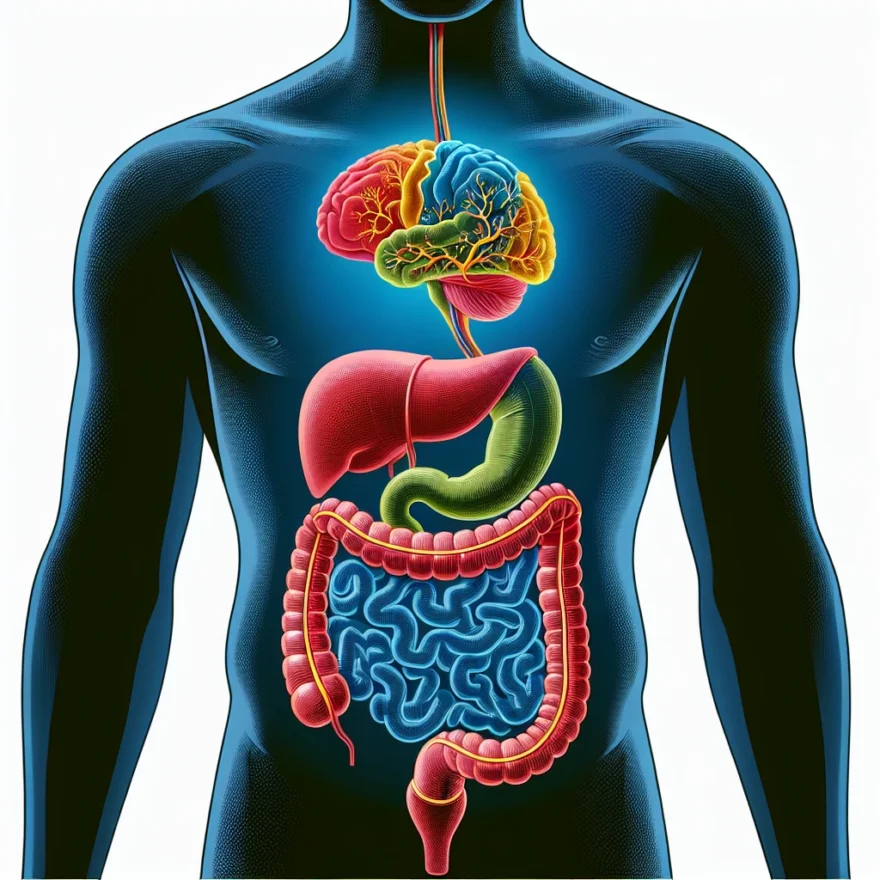
- The Gut-Brain Axis: A Critical Connection
- Research on Gut Health and Multiple Sclerosis
- Gut Microbiota and Its Role in Multiple Sclerosis
- Dietary Factors Influencing Gut Health and Multiple Sclerosis
- Probiotics, Prebiotics, and Multiple Sclerosis
- Potential Therapeutic Approaches for Multiple Sclerosis Targeting Gut Health
- Common Questions About Gut Health and Multiple Sclerosis
- The Future of Research in Gut Health and Multiple Sclerosis
The Human Microbiome: A Brief Overview
Our bodies are home to trillions of microorganisms, collectively known as the human microbiome. This vast ecosystem includes bacteria, viruses, fungi, and other microbes that live primarily in our gut, but also on our skin, in our mouths, and other parts of our bodies. The gut microbiome, in particular, plays a crucial role in our health and wellbeing, influencing everything from digestion and nutrient absorption to immune function and inflammation.
Most of the microbes in our gut are beneficial, helping us to digest food, produce vitamins, and protect against harmful pathogens. However, when the balance of these microbes is disrupted—a condition known as dysbiosis—it can lead to a range of health problems. Dysbiosis has been linked to a variety of conditions, including obesity, diabetes, heart disease, and even neurological disorders like Parkinson’s disease and multiple sclerosis.
Research has shown that each person’s microbiome is unique, shaped by factors such as diet, lifestyle, genetics, and exposure to environmental microbes. This individuality means that the composition of our microbiome can change over time, influenced by factors such as diet, stress, illness, and medication use.
Interestingly, the human microbiome begins to develop at birth, and its composition is influenced by factors such as the mode of delivery (vaginal birth versus cesarean section), breastfeeding versus formula feeding, and exposure to antibiotics in early life. By the time we reach adulthood, our microbiome has become a complex ecosystem that plays a critical role in our overall health.
Understanding the human microbiome and its role in health and disease is a rapidly growing field of research. Scientists are now beginning to unravel the complex interactions between our gut microbes and our immune system, and how these interactions may contribute to the development of diseases like multiple sclerosis. This knowledge could open up new avenues for treatment and prevention, highlighting the importance of maintaining a healthy gut microbiome.
Understanding Multiple Sclerosis
Multiple sclerosis (MS) is a chronic autoimmune disease that affects the central nervous system (CNS). It is characterized by the immune system mistakenly attacking the protective covering of nerve fibers called myelin, leading to communication problems between the brain and the rest of the body.
MS can manifest in various ways, with symptoms ranging from mild to severe and varying from person to person. Common symptoms include fatigue, difficulty walking, numbness or tingling in the limbs, muscle weakness, problems with coordination and balance, and cognitive impairment.
The exact cause of MS is still unknown, but it is believed to be a combination of genetic and environmental factors. Researchers have been studying the role of gut health in the development and progression of MS, as emerging evidence suggests a potential link between the two.
Understanding the underlying mechanisms of MS is crucial in exploring the relationship with gut health. The immune system plays a significant role in the development of MS, as it mistakenly attacks the myelin sheath. This immune dysfunction is thought to be triggered by a combination of genetic susceptibility and environmental factors.
It is believed that gut dysbiosis, an imbalance in the gut microbiota, may contribute to the development of MS. The gut microbiota, which refers to the trillions of microorganisms residing in our digestive tract, plays a vital role in maintaining overall health and immune function.
Research has shown that individuals with MS have distinct differences in their gut microbiota compared to those without the disease. These differences include alterations in the abundance and diversity of certain bacterial species. While it is still unclear whether these changes are a cause or a consequence of MS, they provide valuable insights into the potential role of gut health in the disease.
Furthermore, studies have found that certain gut bacteria may influence the immune system and inflammation, both of which are key factors in the development and progression of MS. The gut microbiota interacts with the immune system through the gut-brain axis, a bidirectional communication pathway between the gut and the brain.
The gut-brain axis involves complex interactions between the gut microbiota, the immune system, and the central nervous system. Disruptions in this communication pathway can have profound effects on immune function and inflammation, potentially contributing to the development of autoimmune diseases such as MS.
Understanding the connection between gut health and MS is still in its early stages, and further research is needed to establish causality and develop targeted therapies. However, the emerging evidence suggests that maintaining a healthy gut microbiota through diet and lifestyle modifications may have a beneficial impact on MS.
By promoting a diverse and balanced gut microbiota, individuals with MS may be able to modulate their immune system and reduce inflammation, potentially slowing down the progression of the disease. This highlights the importance of incorporating strategies to support gut health as part of a comprehensive approach to managing MS.
The Gut-Brain Axis: A Critical Connection
The gut-brain axis is a complex and intricate connection between the gut and the brain, playing a crucial role in various aspects of human health, including the development and progression of multiple sclerosis (MS). This bidirectional communication system involves a constant exchange of signals and molecules between the gut and the brain, influencing both physical and mental well-being.
The gut-brain axis is composed of several components, including the central nervous system (CNS), the enteric nervous system (ENS), the autonomic nervous system (ANS), the hypothalamic-pituitary-adrenal (HPA) axis, and the gut microbiota. These components work together to maintain a delicate balance and ensure proper communication between the gut and the brain.
The gut microbiota, also known as the gut microbiome, refers to the trillions of microorganisms residing in the gastrointestinal tract. These microorganisms, including bacteria, viruses, fungi, and other microbes, play a vital role in maintaining gut health and influencing various physiological processes.
Studies have shown that alterations in the gut microbiota composition, known as dysbiosis, can have a significant impact on the development and progression of multiple sclerosis. Dysbiosis can lead to increased intestinal permeability, allowing harmful substances to enter the bloodstream and trigger an immune response. This immune response can potentially contribute to the inflammation and damage seen in MS.
Furthermore, the gut microbiota is involved in the production and regulation of various neurotransmitters and neuroactive compounds, such as serotonin and gamma-aminobutyric acid (GABA). These compounds can influence mood, cognition, and immune function, all of which are affected in individuals with multiple sclerosis.
Research has also shown that the gut microbiota can modulate the immune system and influence the balance between pro-inflammatory and anti-inflammatory responses. In individuals with MS, dysbiosis can disrupt this balance, leading to an overactive immune response and increased inflammation in the central nervous system.
Moreover, the gut microbiota can interact with the HPA axis, which plays a crucial role in the body’s response to stress. Dysregulation of the HPA axis has been observed in individuals with MS, and it is believed that the gut microbiota may contribute to this dysregulation.
Understanding the gut-brain axis and its connection to multiple sclerosis is essential for developing new therapeutic approaches. Targeting the gut microbiota and restoring its balance through interventions such as dietary modifications, probiotics, and prebiotics, may have the potential to improve symptoms and slow the progression of the disease.
However, it is important to note that the gut-brain axis is a complex and evolving field of research, and more studies are needed to fully understand its mechanisms and potential therapeutic applications. Ongoing research in this area holds promise for uncovering new insights into the link between gut health and multiple sclerosis and developing novel treatment strategies.
Research on Gut Health and Multiple Sclerosis
Understanding the link between gut health and multiple sclerosis (MS) has been a topic of interest for researchers in recent years. Numerous studies have been conducted to explore the potential connection and shed light on the role of the gut microbiota in the development and progression of MS.
One area of research focuses on the composition of the gut microbiota in individuals with MS compared to those without the condition. Several studies have found differences in the microbial diversity and abundance between the two groups. For example, a study published in the journal Cell in 2016 found that individuals with MS had lower levels of certain beneficial bacteria, such as Prevotella and Lactobacillus, compared to healthy controls.
Another line of research investigates the role of gut permeability, also known as “leaky gut,” in the development of MS. Leaky gut refers to increased intestinal permeability, allowing substances that are normally restricted to the gut to pass through the intestinal barrier and enter the bloodstream. This can trigger an immune response and potentially contribute to the development of autoimmune conditions like MS. Studies have shown that individuals with MS tend to have higher levels of markers associated with increased gut permeability.
Furthermore, researchers have been studying the interaction between the gut microbiota and the immune system in MS. The gut microbiota plays a crucial role in regulating immune responses and maintaining immune homeostasis. Alterations in the gut microbiota composition and function can disrupt this delicate balance and potentially contribute to the development of autoimmune diseases. Studies have shown that specific gut bacteria can influence the activity of immune cells involved in MS, such as T cells and B cells.
While the exact mechanisms underlying the link between gut health and MS are still being elucidated, these research findings suggest that the gut microbiota may play a significant role in the development and progression of MS. Understanding this connection could potentially lead to new therapeutic approaches for managing the condition.
Gut Microbiota and Its Role in Multiple Sclerosis
Multiple sclerosis (MS) is a complex autoimmune disease that affects the central nervous system, causing a wide range of symptoms such as fatigue, difficulty walking, numbness or tingling, muscle weakness, and problems with coordination and balance. While the exact cause of MS is still unknown, researchers have been exploring various factors that may contribute to its development and progression.
One area of research that has gained significant attention in recent years is the role of gut microbiota in MS. Gut microbiota refers to the trillions of microorganisms that reside in our digestive tract, including bacteria, viruses, fungi, and other microbes. These microorganisms play a crucial role in maintaining our overall health and are involved in various physiological processes.
Studies have shown that individuals with MS have distinct differences in their gut microbiota compared to those without the disease. These differences include alterations in the diversity and abundance of specific bacterial species. Researchers believe that these changes in gut microbiota may contribute to the development and progression of MS.
One possible mechanism through which gut microbiota may influence MS is by modulating the immune system. The gut is home to a large number of immune cells, and the gut microbiota plays a vital role in shaping the immune response. Imbalances in gut microbiota can lead to dysregulation of the immune system, potentially triggering an autoimmune response and contributing to the development of MS.
Furthermore, gut microbiota can produce metabolites that have immune-modulating properties. These metabolites can interact with immune cells and influence their function. Studies have shown that certain metabolites produced by gut bacteria can either promote or suppress inflammation, which is a key feature of MS.
Additionally, the gut microbiota can influence the integrity of the gut barrier, which is responsible for maintaining the separation between the gut and the bloodstream. A compromised gut barrier, also known as increased intestinal permeability or “leaky gut,” can allow harmful substances to enter the bloodstream, triggering an immune response. This immune response can potentially target the central nervous system and contribute to the development of MS.
While the exact mechanisms underlying the link between gut microbiota and MS are still being investigated, there is growing evidence to suggest that targeting gut health may have therapeutic potential in the management of MS. Strategies such as dietary interventions, probiotics, prebiotics, and fecal microbiota transplantation have shown promise in modulating gut microbiota and improving MS symptoms in some individuals.
It is important to note that while gut health and microbiota may play a role in MS, they are unlikely to be the sole cause of the disease. MS is a complex condition influenced by a combination of genetic, environmental, and immunological factors. However, understanding the role of gut microbiota in MS opens up new avenues for potential treatment and management strategies.
Dietary Factors Influencing Gut Health and Multiple Sclerosis
The role of diet in maintaining gut health and its potential impact on multiple sclerosis (MS) has gained significant attention in recent years. Emerging research suggests that certain dietary factors can influence the composition of the gut microbiota, which in turn may affect the development and progression of MS.
1. High-Fiber Diet:
A high-fiber diet has been associated with a diverse and healthy gut microbiota. Fiber acts as a prebiotic, providing nourishment to beneficial gut bacteria. This can lead to the production of short-chain fatty acids (SCFAs), which have anti-inflammatory properties and may help regulate the immune response in MS.
2. Mediterranean Diet:
The Mediterranean diet, rich in fruits, vegetables, whole grains, legumes, and healthy fats like olive oil, has been linked to a reduced risk of MS. This diet is known for its anti-inflammatory effects and may help maintain a healthy gut microbiota, supporting overall gut health.
3. Omega-3 Fatty Acids:
Omega-3 fatty acids, found in fatty fish like salmon, mackerel, and sardines, as well as flaxseeds and walnuts, have been shown to have anti-inflammatory properties. Including these foods in the diet may help reduce inflammation in the gut and potentially alleviate symptoms of MS.
4. Vitamin D:
Vitamin D deficiency has been associated with an increased risk of developing MS. Sunlight is the best source of vitamin D, but it can also be obtained from certain foods like fatty fish, fortified dairy products, and egg yolks. Adequate vitamin D levels may help maintain a healthy gut microbiota and support immune function.
5. Avoidance of Processed Foods:
Processed foods, high in unhealthy fats, sugar, and additives, have been linked to an imbalance in the gut microbiota and increased inflammation. Limiting the consumption of processed foods and opting for whole, unprocessed foods can promote a healthier gut environment.
It’s important to note that while these dietary factors may have a positive impact on gut health and potentially MS, they should not replace standard medical treatments. It is always recommended to consult with a healthcare professional or registered dietitian before making significant changes to your diet.
By adopting a diet rich in fiber, following a Mediterranean-style eating pattern, incorporating omega-3 fatty acids, ensuring adequate vitamin D levels, and avoiding processed foods, individuals with MS may be able to support their gut health and potentially improve their overall well-being.
Probiotics, Prebiotics, and Multiple Sclerosis
The role of probiotics and prebiotics in maintaining gut health has gained significant attention in recent years. Probiotics are live bacteria and yeasts that are beneficial for the digestive system, while prebiotics are non-digestible fibers that serve as food for these beneficial bacteria.
Studies have shown that individuals with multiple sclerosis (MS) often have an imbalance in their gut microbiota, with a decrease in beneficial bacteria and an increase in harmful bacteria. This dysbiosis can contribute to inflammation and immune dysfunction, which are key factors in the development and progression of MS.
Probiotics have been investigated for their potential to modulate the gut microbiota and improve symptoms in individuals with MS. Certain strains of probiotics, such as Lactobacillus and Bifidobacterium, have shown promise in reducing inflammation and promoting immune regulation. These probiotics can help restore the balance of gut bacteria and strengthen the gut barrier, thus potentially reducing the risk of MS development or slowing its progression.
Prebiotics, on the other hand, provide nourishment for beneficial bacteria in the gut. By consuming prebiotic-rich foods or supplements, individuals can support the growth of these beneficial bacteria and enhance their overall gut health. This, in turn, may have a positive impact on the development and progression of MS.
While research on the specific effects of probiotics and prebiotics in individuals with MS is still ongoing, preliminary studies have shown promising results. However, it is important to note that the effectiveness of probiotics and prebiotics may vary between individuals, and further research is needed to determine the optimal strains, dosages, and treatment durations for different MS subtypes.
It is also worth mentioning that incorporating probiotics and prebiotics into one’s diet should be done under the guidance of a healthcare professional. They can provide personalized recommendations based on an individual’s specific health needs and medical history.
Overall, the potential role of probiotics and prebiotics in improving gut health and managing MS is an exciting area of research. By targeting the gut microbiota, these interventions hold promise for potentially reducing inflammation, modulating the immune system, and improving overall well-being in individuals with MS.
Potential Therapeutic Approaches for Multiple Sclerosis Targeting Gut Health
As researchers continue to uncover the intricate relationship between gut health and multiple sclerosis (MS), potential therapeutic approaches targeting the gut have emerged as a promising avenue for managing the disease. By understanding the impact of gut microbiota on MS and the gut-brain axis, scientists are exploring various strategies to modulate gut health and potentially alleviate symptoms of the condition.
One potential therapeutic approach involves the use of probiotics, which are live microorganisms that confer health benefits when consumed. Probiotics have shown promise in improving gut health and immune function, and studies have suggested their potential in modulating the immune response in MS. Research has indicated that certain strains of probiotics, such as Lactobacillus and Bifidobacterium, may have anti-inflammatory effects and could potentially help regulate the immune system in individuals with MS.
Another approach involves the use of prebiotics, which are dietary fibers that serve as a food source for beneficial gut bacteria. By promoting the growth of beneficial bacteria, prebiotics can help restore the balance of gut microbiota. Studies have shown that prebiotic supplementation can lead to positive changes in gut microbiota composition and may have potential benefits in managing MS.
Furthermore, dietary modifications aimed at improving gut health have also been explored as potential therapeutic approaches for MS. Certain diets, such as the Mediterranean diet, which is rich in fruits, vegetables, whole grains, and healthy fats, have been associated with a reduced risk of developing MS and improved disease outcomes. These diets are thought to promote a diverse and beneficial gut microbiota, which in turn may help modulate the immune system and reduce inflammation.
Additionally, fecal microbiota transplantation (FMT) is an emerging area of research that involves transferring fecal matter from a healthy donor into the gut of an individual with MS. FMT aims to restore a healthy balance of gut microbiota and has shown promise in the treatment of various gastrointestinal disorders. Although still in the early stages of investigation for MS, FMT holds potential as a therapeutic approach targeting gut health.
It is important to note that while these potential therapeutic approaches show promise, further research is needed to fully understand their effectiveness, safety, and optimal implementation in the management of MS. Clinical trials and long-term studies are necessary to determine the specific strains and dosages of probiotics, prebiotics, and dietary modifications that may be most beneficial for individuals with MS.
Overall, the exploration of potential therapeutic approaches targeting gut health in the context of MS represents an exciting area of research. By focusing on the gut-brain axis and understanding the role of gut microbiota in the development and progression of MS, scientists are paving the way for innovative treatment strategies that may improve the lives of individuals with this complex neurological condition.
Common Questions About Gut Health and Multiple Sclerosis
As the connection between gut health and multiple sclerosis (MS) continues to be explored, it is natural for individuals to have questions about this fascinating topic. Here are some common questions and their answers:
1. What is the gut-brain axis?
The gut-brain axis is a bidirectional communication system between the gut and the brain. It involves a complex network of nerves, hormones, and chemicals that facilitate communication between the two. This connection is thought to play a crucial role in various aspects of health, including the development and progression of MS.
2. How does gut health impact multiple sclerosis?
Research suggests that the gut microbiota, the community of microorganisms living in our intestines, can influence the immune system and inflammation in the body. In individuals with MS, imbalances in the gut microbiota have been observed, potentially contributing to the development or worsening of the disease.
3. Can improving gut health help manage multiple sclerosis?
While more research is needed, there is growing evidence that improving gut health may have a positive impact on managing MS symptoms. Modifying the gut microbiota through diet, probiotics, and prebiotics may help reduce inflammation and support immune system regulation, potentially leading to improved outcomes for individuals with MS.
4. What dietary factors influence gut health and multiple sclerosis?
A healthy diet rich in fruits, vegetables, whole grains, and lean proteins can promote a diverse and balanced gut microbiota. On the other hand, diets high in processed foods, sugar, and saturated fats may negatively impact gut health. Additionally, certain dietary factors, such as omega-3 fatty acids and vitamin D, have shown potential benefits in managing MS.
5. Are probiotics beneficial for individuals with multiple sclerosis?
Probiotics are live bacteria that can provide health benefits when consumed in adequate amounts. While research on the specific effects of probiotics in MS is limited, some studies suggest that certain strains of probiotics may have anti-inflammatory properties and could potentially modulate the immune system. However, more research is needed to determine the most effective strains and dosages for individuals with MS.
6. What are prebiotics and how do they relate to multiple sclerosis?
Prebiotics are non-digestible fibers that serve as food for beneficial gut bacteria. By promoting the growth of these bacteria, prebiotics can help support a healthy gut microbiota. While research specifically linking prebiotics to MS is limited, incorporating prebiotic-rich foods, such as garlic, onions, and bananas, into the diet may have overall benefits for gut health and potentially influence MS outcomes.
7. Are there any potential therapeutic approaches targeting gut health for MS?
Emerging research suggests that therapeutic approaches targeting gut health may hold promise for managing MS. These approaches include fecal microbiota transplantation (FMT), which involves transferring fecal matter from a healthy donor to a recipient, and the use of specific medications or compounds that can modulate the gut microbiota. However, further studies are needed to evaluate their safety and efficacy.
8. Can gut health impact other aspects of MS management?
Yes, gut health may have implications beyond the progression of MS itself. It can influence factors such as mood, cognition, and fatigue, which are commonly experienced by individuals with MS. By improving gut health, it is possible that these aspects of MS management could also be positively influenced.
9. Is there ongoing research in the field of gut health and multiple sclerosis?
Yes, research in this area is rapidly evolving. Scientists are actively investigating the relationship between gut health and MS, exploring potential therapeutic interventions, and further understanding the mechanisms involved. The findings from ongoing research will continue to shed light on this intriguing connection.
By addressing these common questions, we hope to provide a better understanding of the link between gut health and multiple sclerosis. As research progresses, it is becoming increasingly clear that the gut microbiota plays a significant role in the development and management of MS. With further exploration, new therapeutic strategies may emerge, offering hope for improved outcomes for individuals living with this complex neurological condition.
The Future of Research in Gut Health and Multiple Sclerosis
As research continues to advance, the future of studying the link between gut health and multiple sclerosis holds great promise. Scientists and medical professionals are increasingly recognizing the importance of the gut microbiome in overall health and its potential impact on various diseases, including multiple sclerosis.
One area of future research is focused on identifying specific gut bacteria that may play a role in the development and progression of multiple sclerosis. By studying the composition of the gut microbiota in individuals with multiple sclerosis, researchers hope to uncover patterns and potential biomarkers that can aid in early diagnosis and treatment.
Advancements in technology, such as next-generation sequencing, are allowing researchers to analyze the gut microbiome in more detail than ever before. This enables them to identify specific bacterial species and their functional capabilities, providing a deeper understanding of how the gut microbiota influences multiple sclerosis.
Another exciting avenue of research involves investigating the impact of dietary interventions on gut health and multiple sclerosis. Studies have shown that certain diets, such as the Mediterranean diet or diets rich in fiber, may have a positive effect on the gut microbiome and potentially reduce the risk of developing multiple sclerosis or alleviate its symptoms.
Furthermore, the development of targeted therapies that modulate the gut microbiota holds great promise. This includes the use of probiotics, which are live microorganisms that can confer health benefits when consumed. Probiotics have shown potential in modulating the immune system and reducing inflammation, which are key factors in multiple sclerosis.
Additionally, prebiotics, which are substances that promote the growth of beneficial gut bacteria, are being explored as potential therapeutic options for multiple sclerosis. By providing the necessary nutrients for beneficial bacteria to thrive, prebiotics may help restore a healthy gut microbiome and potentially alleviate symptoms associated with multiple sclerosis.
As the field of gut health and multiple sclerosis research progresses, it is likely that personalized medicine approaches will emerge. By analyzing an individual’s gut microbiota composition and understanding how it interacts with their immune system, healthcare professionals may be able to tailor treatments specifically to each patient’s needs.
Overall, the future of research in gut health and multiple sclerosis holds great potential for improving our understanding of the disease and developing innovative treatment strategies. By unraveling the complex relationship between the gut microbiome and multiple sclerosis, we may be able to unlock new therapeutic avenues and ultimately improve the lives of individuals living with this challenging condition.