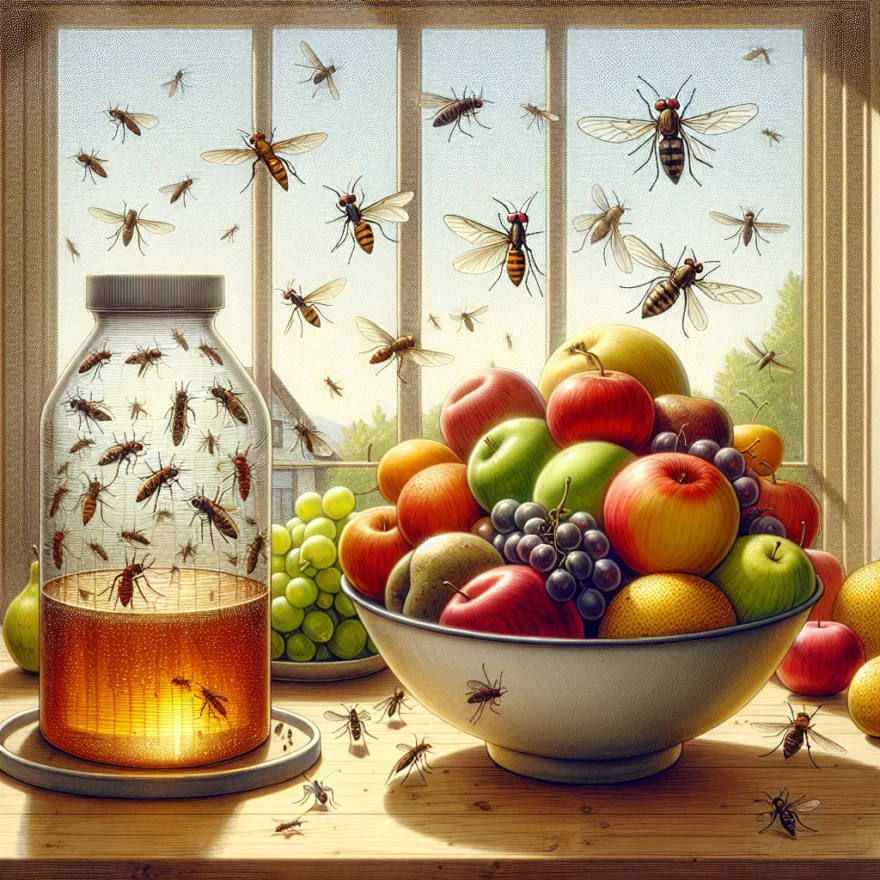
Introduction to Gnats
Gnats are tiny, flying insects that can be a real nuisance both indoors and outdoors. While they may seem harmless, their presence can cause a variety of problems ranging from minor annoyances to potential health risks. These tiny pests are often found in large swarms, making them difficult to ignore and control. Understanding gnat biology, behavior, and the different types of gnats can help you identify the causes of infestations and take appropriate preventive and control measures.
In this comprehensive guide, we will explore the biology and behavior of gnats, the various types of gnats you may encounter, and the common causes and signs of gnat infestations. We will also discuss preventive measures you can take to keep gnats out of your home, natural and chemical control methods, outdoor gnat prevention and control strategies, and tips for gardeners dealing with gnats. Additionally, we will cover gnat bites, symptoms, and treatment, as well as how to keep your pets safe from these annoying insects.
By the end of this article, you will have a thorough understanding of gnat prevention and control, as well as answers to common questions about these pesky insects. So, let’s dive in and learn how to effectively prevent and control gnats in your home and garden.
Table of contents
- Introduction to Gnats
- Gnat Biology and Behavior
- Types of Gnats
- Gnat Infestations: Causes and Signs
- Preventing Gnats in Your Home
- Natural Gnat Control Methods
- Chemical Gnat Control Options
- Outdoor Gnat Prevention and Control
- Gnats and Plants: Tips for Gardeners
- Gnat Bites: Symptoms and Treatment
- Gnats and Pets: Keeping Your Furry Friends Safe
- Gnat-Proofing Your Home: Maintenance Tips
- Professional Gnat Control Services
- Gnat Prevention and Control: A Summary
- Common Questions and Answers about Gnats
Gnat Biology and Behavior
Gnats are small, flying insects that belong to the Diptera order, which also includes flies and mosquitoes. They are typically less than 1/4-inch long and can be found in various colors, such as black, brown, or gray. Gnats have a short life span, usually living for about three to four weeks, but during that time, they can lay hundreds of eggs, leading to rapid population growth.
These tiny insects are attracted to moisture, organic matter, and decomposing plant material, which provide ideal breeding grounds for their larvae. Gnats are most active during the warmer months of the year, but they can survive indoors during the colder months if they find suitable conditions. They are weak fliers and are often seen flying in erratic patterns or hovering around sources of light.
There are two main feeding habits among gnats: some are plant-feeders, while others are blood-feeders. Plant-feeding gnats, such as fungus gnats, feed on plant roots and fungi, while blood-feeding gnats, like biting midges, feed on the blood of humans and animals. The latter can cause itchy and painful bites, making them a nuisance for both people and pets.
Gnats are also known for their swarming behavior, which is a mating strategy used by males to attract females. Males will form a swarm, and females will fly into the swarm to mate. This behavior is often observed around dusk in areas with high gnat populations.
Understanding the biology and behavior of gnats is essential for effectively preventing and controlling their populations. By knowing what attracts them and how they reproduce, you can take the necessary steps to eliminate their breeding grounds and reduce their presence in your home and garden.
Types of Gnats
Gnats are small, flying insects that belong to the family of flies, Diptera. There are several types of gnats, and each has its unique characteristics and behaviors. Understanding the different types of gnats is crucial in identifying the most effective prevention and control methods.
Fungus Gnats
Fungus gnats are tiny, dark-colored gnats that are attracted to moist soil. They are commonly found in houseplants, greenhouses, and outdoor gardens. Fungus gnats lay their eggs in soil, and their larvae feed on fungi and organic matter in the soil. These gnats are not harmful to humans, but their larvae can cause damage to plant roots.
Drain Flies
Drain flies, also known as moth flies, are small, fuzzy-looking gnats that are commonly found in bathrooms and kitchens. They are attracted to moist areas and lay their eggs in drains, sewers, and other damp places. Drain flies are not harmful to humans, but their presence can be a nuisance.
Eye Gnats
Eye gnats, also known as grass flies or eye flies, are small, black gnats that are commonly found in outdoor areas with high humidity and moisture. Eye gnats are attracted to the moisture in the eyes, nose, and mouth of humans and animals, which can be irritating and uncomfortable. These gnats are not harmful, but their presence can be unpleasant.
Biting Gnats
Biting gnats, also known as black flies or buffalo gnats, are small, dark-colored gnats that are known for their painful bites. They are commonly found near bodies of water, such as rivers, lakes, and streams. Biting gnats are attracted to carbon dioxide, warmth, and movement, which makes them a nuisance to humans and animals. Their bites can cause itching, swelling, and discomfort.
Non-Biting Gnats
Non-biting gnats, also known as ghost gnats or midges, are small, delicate gnats that are commonly found in damp, marshy areas. They are attracted to light and are often seen swarming around outdoor lights at night. Non-biting gnats are not harmful to humans, but their presence can be a nuisance.
Gnat Infestations: Causes and Signs
Gnats are tiny flying insects that can be a nuisance in homes, gardens, and outdoor spaces. While they are not harmful to humans or pets, they can be frustrating to deal with. Gnat infestations can occur for a variety of reasons, and it is important to know the causes and signs of an infestation in order to effectively prevent and control it.
One common cause of gnat infestations is overwatering indoor plants. Gnats are attracted to moist environments, and overwatering can create the perfect breeding ground for them. Another cause is fruit and vegetable waste that is not disposed of properly. This can attract gnats and provide them with a food source.
Signs of a gnat infestation include seeing the insects flying around your home, especially near plants or areas with food waste. You may also notice small black or brown specks on leaves or soil, which are gnat larvae. If you have a gnat infestation, it is important to take action to prevent it from getting worse.
One way to prevent gnat infestations is to make sure your home is clean and free of food waste. This includes regularly cleaning your kitchen, disposing of fruit and vegetable waste properly, and keeping your garbage cans sealed. You can also use natural gnat control methods, such as placing apple cider vinegar traps around your home.
If natural methods do not work, there are chemical gnat control options available. However, it is important to use these methods carefully and follow the instructions closely to avoid any harm to humans or pets.
Outdoor spaces can also be a breeding ground for gnats. To prevent outdoor gnat infestations, make sure to remove any standing water around your home, as this can attract gnats. You can also use natural repellents, such as citronella candles, to keep gnats away from outdoor spaces.
Gnat infestations can be frustrating to deal with, but with the right prevention and control methods, they can be effectively managed. By understanding the causes and signs of gnat infestations, you can take action to prevent them from occurring in the first place.
Preventing Gnats in Your Home
Gnats can be a frustrating and persistent problem in any home. Luckily, there are several steps you can take to prevent and control gnats in your living space.
- Keep your home clean and dry: Gnats are attracted to moisture and organic matter, so keeping your home clean and dry is key to preventing an infestation. Be sure to wipe up spills and crumbs immediately, and regularly clean your kitchen and bathroom areas.
- Store food properly: Gnats are attracted to food, so it’s important to store your food in airtight containers or in the refrigerator to prevent gnats from being attracted to it.
- Dispose of trash properly: Make sure to dispose of your trash regularly and keep your trash cans clean. Gnats are attracted to rotting food and organic matter, so keeping your trash cans clean and closed can help prevent an infestation.
- Fix any leaks: Gnats are attracted to moisture, so fixing any leaks in your home can help prevent an infestation. Check for leaks in your plumbing, roof, and windows, and repair them promptly.
- Use screens on windows and doors: Installing screens on your windows and doors can help prevent gnats from entering your home in the first place.
- Use essential oils: Certain essential oils, such as peppermint, lavender, and eucalyptus, can repel gnats. You can add a few drops of these oils to a diffuser or mix them with water in a spray bottle and spray them around your home.
By following these tips, you can help prevent and control gnats in your home. However, if you have a persistent infestation, you may need to consider more aggressive methods of gnat control.
Natural Gnat Control Methods
Gnats can be a nuisance to deal with, but there are natural ways to control their population without resorting to chemicals. Here are some effective natural gnat control methods:
- Apple Cider Vinegar Trap: Fill a jar with apple cider vinegar and a few drops of dish soap. The vinegar will attract the gnats, and the dish soap will break the surface tension, causing the gnats to drown.
- Red Wine Trap: Similar to the apple cider vinegar trap, fill a jar with red wine and a few drops of dish soap. The gnats will be attracted to the wine and drown in the mixture.
- Essential Oils: Certain essential oils like peppermint, eucalyptus, and lavender can be used to repel gnats. Mix a few drops of your chosen oil with water in a spray bottle and spray the areas where gnats are present.
- Herbs: Herbs like basil, mint, and rosemary can be planted in your garden or placed in pots around your home to repel gnats. They also add a pleasant scent to your surroundings.
- Sticky Traps: Sticky traps can be purchased at garden centers or online and are an effective way to trap gnats. Simply hang the traps in areas where gnats are present, and they will stick to the adhesive surface.
- Cleanliness: Keeping your home clean and free of moist areas can help prevent gnat infestations. Wipe up spills immediately, fix leaky pipes, and remove any standing water indoors or outdoors.
Using natural gnat control methods can be a safe and effective way to keep these annoying insects at bay. However, if you have a severe infestation, it may be necessary to seek professional help or use chemical control methods.
Chemical Gnat Control Options
If natural remedies don’t work, chemical control options can be an effective way to get rid of gnats. However, it’s important to use these products with caution and follow the instructions carefully to avoid any harm to yourself, your pets, or your plants.
There are various types of chemical gnat control options available:
- Spray insecticides: These are aerosol sprays that can be used to kill gnats on contact. They are effective but can be harmful if inhaled, so it’s important to use them in a well-ventilated area and avoid spraying them near food or water sources. Some popular brands include Raid and Hot Shot.
- Gnat traps: These are sticky traps that use a pheromone or sweet-smelling bait to attract gnats and trap them. Some traps also contain a pesticide to kill the gnats. These can be effective but may take some time to work. Some popular brands include TERRO and Catchmaster.
- Larvicide: These are products that are designed to kill gnat larvae in the soil or water. They can be in the form of granules or liquid and are typically applied to the affected area. Some popular brands include Mosquito Dunks and Summit Responsible Solutions.
- Foggers: These are devices that release a fog of insecticide into the air to kill flying insects, including gnats. They are effective but can be harmful if inhaled, so it’s important to use them in a well-ventilated area and follow the instructions carefully. Some popular brands include Black Flag and Cutter.
When using chemical gnat control options, it’s important to follow the instructions carefully and use them only as directed. Keep children and pets away from the treated area until it’s safe to return, and avoid spraying near food or water sources. If you have any concerns or questions, consult a professional pest control service.
Outdoor Gnat Prevention and Control
Outdoor areas can be a breeding ground for gnats, especially during the warmer months. Here are some tips to help prevent and control gnats in your yard:
- Remove any standing water: Gnats lay their eggs in moist soil or standing water, so it’s important to eliminate any potential breeding sites. Empty any containers that may collect rainwater, such as buckets, flower pots, and bird baths.
- Keep gutters and drains clean: Clogged gutters and drains can create standing water, which can attract gnats. Make sure to clean them regularly to prevent water buildup.
- Trim your lawn and bushes: Gnats like to hide in tall grass and overgrown bushes. Keep your lawn and bushes trimmed to reduce their hiding places.
- Use yellow light bulbs: Gnats are attracted to light, so using yellow light bulbs instead of white ones can help reduce their presence in your yard.
- Plant gnat-repelling herbs: Certain herbs, such as basil, lavender, and rosemary, are known to repel gnats. Plant them in your garden or in pots around your outdoor living space.
- Use a fan: Gnats are weak fliers, so using a fan to create a breeze can help keep them away from your outdoor living areas.
- Use insect repellent: If you’re going to be spending time outdoors, use an insect repellent that contains DEET or picaridin to keep gnats and other insects away.
- Consider professional pest control services: If you have a severe gnat infestation in your yard, consider hiring a professional pest control service to help you get rid of them.
By taking these steps, you can help prevent and control gnats in your yard, making your outdoor living areas more enjoyable during the warmer months.
Gnats and Plants: Tips for Gardeners
Gnats are not only a nuisance for homeowners, but also for gardeners. These tiny insects can cause damage to plants and disrupt the growth of your garden. Here are some tips for gardeners on how to prevent and control gnats:
- Keep soil moist, not wet: Overwatering your plants can create a breeding ground for gnats. Make sure the soil is moist, but not overly saturated.
- Avoid organic matter: Decomposing organic matter, such as leaves and mulch, can attract gnats. Keep your garden clean and free of debris.
- Use yellow sticky traps: Yellow sticky traps can attract and capture gnats. Place them near your plants to help control the population.
- Introduce predatory insects: Certain insects, such as nematodes and predatory mites, feed on gnats and can help control their population.
- Use insecticidal soap: Insecticidal soap can be used to control gnats on plants. Make sure to follow the instructions carefully and avoid using it on plants that are sensitive to soap.
- Rotate your crops: If you have had a gnat infestation in the past, consider rotating your crops to prevent a recurrence.
By following these tips, you can prevent and control gnats in your garden and protect your plants from damage.
Gnat Bites: Symptoms and Treatment
Gnats are small, flying insects that can be a nuisance to humans and pets. While most gnats are harmless, some species can bite and cause discomfort. Gnat bites are usually not serious, but they can be itchy and irritating. In this section, we will discuss the symptoms of gnat bites and how to treat them.
Symptoms of gnat bites can vary depending on the species of gnat. Some common symptoms include:
- Redness and swelling around the bite
- Itching or burning sensation
- Pain or discomfort
- Blisters or welts
If you are experiencing severe symptoms such as difficulty breathing or swelling of the face or throat, seek medical attention immediately.
To treat gnat bites, there are a few things you can do at home:
- Clean the area around the bite with soap and water
- Apply a cold compress to reduce swelling
- Use an over-the-counter anti-itch cream or calamine lotion
- Take an antihistamine to reduce itching and swelling
If the bite becomes infected, you may need to see a doctor for antibiotics. Signs of infection include redness, warmth, and pus or drainage from the bite.
Preventing gnat bites is the best way to avoid the discomfort they can cause. Here are a few tips:
- Wear long sleeves and pants when outdoors
- Use insect repellent containing DEET or picaridin
- Avoid areas with a lot of gnats
- Keep doors and windows closed or use screens to keep gnats out of your home
By following these tips, you can reduce your risk of getting gnat bites and avoid the discomfort they can cause.
Gnats and Pets: Keeping Your Furry Friends Safe
If you have pets in your home, you need to take extra precautions when dealing with gnats. These tiny insects can be harmful to your furry friends, so it’s important to keep them safe.
Gnats can be attracted to pet food, water bowls, and even feces. To prevent gnats from infesting your pet’s food and water, make sure to clean their bowls regularly. Don’t leave any food or water out for extended periods of time, as this can attract gnats.
If you have a pet that goes outside, make sure to check them for gnats before bringing them back inside. Gnats can easily attach themselves to your pet’s fur, and they can be difficult to spot. Use a fine-toothed comb to check for gnats and remove them immediately.
If your pet has been bitten by a gnat, you may notice redness, swelling, and itching around the affected area. To treat a gnat bite, wash the area with soap and water and apply a cold compress to reduce swelling. If your pet is experiencing severe symptoms, such as difficulty breathing or vomiting, seek veterinary care immediately.
When it comes to preventing gnats in your home, it’s important to keep your pets in mind. By taking a few extra steps, you can keep your furry friends safe and healthy.
Gnat-Proofing Your Home: Maintenance Tips
Keeping your home clean is crucial to prevent gnat infestations. Regularly clean your kitchen, bathroom, and any other areas that may attract gnats. Wipe down counters, sweep floors, and take out the trash frequently. Make sure to also clean up any spills or crumbs immediately.
Check your home for any leaks or standing water. Gnats are attracted to moisture, so fixing any leaks or water damage can help prevent a gnat infestation. Make sure to also empty any standing water, such as in plant saucers or pet bowls.
Seal any cracks or gaps in your home’s walls, windows, and doors. Gnats can easily slip through even the smallest openings, so sealing these gaps can help prevent them from entering your home.
Store your food properly. Gnats are attracted to food, so make sure to store any open food in airtight containers. This will not only prevent gnats, but also other pests such as ants and roaches.
Consider using a dehumidifier in areas of your home that may have excess moisture, such as basements or bathrooms. This will help reduce the moisture in the air and make your home less attractive to gnats.
Regularly change your air filters. Dirty air filters can attract gnats and other pests, so make sure to change them every few months.
If you have houseplants, make sure to inspect them regularly for any signs of gnats. If you notice any, remove the affected plant and replace the soil.
By following these maintenance tips, you can help prevent gnat infestations in your home and keep your living space clean and comfortable.
Professional Gnat Control Services
While there are many DIY methods for preventing and controlling gnats, sometimes it’s best to leave it to the professionals. Professional gnat control services can help identify the source of your gnat infestation and provide effective solutions to eliminate them.
When choosing a professional gnat control service, it’s important to do your research and choose a reputable company. Look for companies with experience in gnat control and positive reviews from past customers.
Professional gnat control services typically begin with a thorough inspection of your home or property to identify the source of the infestation. Once the source is identified, the exterminator will develop a customized treatment plan to eliminate the gnats.
Some common methods used by professional gnat control services include:
- Applying insecticides to affected areas
- Using traps to capture gnats
- Applying larvicides to kill gnat larvae
- Using foggers to eliminate adult gnats
It’s important to note that professional gnat control services may use chemical treatments that can be harmful to pets and children. Be sure to discuss any concerns you may have with the exterminator and follow their instructions for preparing your home before treatment.
Professional gnat control services can be more expensive than DIY methods, but they can also be more effective in eliminating a stubborn gnat infestation. Consider the severity of your infestation and your budget before deciding on a course of action.
Gnat Prevention and Control: A Summary
Preventing and controlling gnats can be a frustrating task, but it is not impossible. By understanding the biology and behavior of these insects, you can take steps to keep them out of your home and garden. Here are some key takeaways:
- Identify the type of gnat: Different types of gnats have different habits and preferences, so it is important to know which type you are dealing with in order to effectively control them.
- Eliminate breeding sites: Gnats lay their eggs in moist soil and decaying organic matter, so it is important to keep your home and garden clean and dry. This includes regularly removing trash, cleaning drains and gutters, and avoiding overwatering plants.
- Use natural repellents: Essential oils, such as peppermint and lavender, can be effective in repelling gnats. You can also use sticky traps or vinegar traps to capture adult gnats.
- Consider chemical options: If natural methods are not effective, you may need to use chemical insecticides. Be sure to read and follow all label instructions carefully.
- Protect your pets: Gnats can be harmful to pets, especially if they are ingested. Keep your pets indoors as much as possible and use pet-safe insect repellents.
- Maintain your home: Regular cleaning and maintenance can go a long way in preventing gnat infestations. This includes repairing any leaks or water damage, sealing cracks and gaps in windows and doors, and keeping your home well-ventilated.
- Consider professional help: If you are unable to control a gnat infestation on your own, consider hiring a professional pest control service.
By following these tips and taking a proactive approach to gnat prevention and control, you can keep these annoying insects at bay and enjoy a pest-free home and garden.
Common Questions and Answers about Gnats
Q: What are gnats?
A: Gnats are small, flying insects that belong to the Diptera order, which also includes flies and mosquitoes. They typically have long, thin bodies and long, delicate wings.
Q: What are the most common types of gnats?
A: The most common types of gnats are fungus gnats, fruit flies, and drain flies. Fungus gnats are attracted to moist soil and decaying plant material, while fruit flies are attracted to ripe or rotting fruit. Drain flies are attracted to standing water and damp, organic material.
Q: How do I know if I have a gnat infestation?
A: Signs of a gnat infestation include seeing large numbers of the insects in your home or around your plants, noticing small flying insects near your drains or garbage cans, or having plants that are wilting or showing signs of decay.
Q: How can I prevent gnats from entering my home?
A: You can prevent gnats from entering your home by keeping your kitchen and garbage cans clean, drying up any standing water, sealing cracks and crevices in your home, and using screens on doors and windows.
Q: What are some natural ways to control gnats?
A: Natural ways to control gnats include using vinegar traps, placing sticky traps near plants, using essential oils like lavender or peppermint, and introducing insect-eating predators like nematodes or carnivorous plants.
Q: What chemical treatments can be used to control gnats?
A: Chemical treatments for gnats include insecticides like pyrethrin or neem oil, as well as larvicides like Bacillus thuringiensis. However, these treatments should be used with caution and only as a last resort.
Q: How can I prevent gnats in my outdoor living spaces?
A: To prevent gnats in your outdoor living spaces, you can use citronella candles or torches, install fans to create a breeze, and make sure to keep your outdoor areas clean and free of standing water.
Q: Can gnats harm my plants?
A: Yes, gnats can harm your plants by feeding on their roots or laying eggs in the soil. This can cause the plants to wilt or die.
Q: What should I do if I get bitten by a gnat?
A: If you get bitten by a gnat, you may experience redness, itching, and swelling at the site of the bite. You can treat the bite with a cold compress, anti-itch cream, or antihistamines.
Q: Can gnats harm my pets?
A: Gnats are generally not harmful to pets, but they can be annoying and may cause pets to scratch or lick excessively. If your pet is bothered by gnats, you can use a pet-safe insect repellent or keep them indoors during peak gnat season.
Q: What are some maintenance tips for gnat-proofing my home?
A: Maintenance tips for gnat-proofing your home include regularly cleaning your kitchen and garbage cans, fixing any leaky pipes or faucets, sealing cracks and crevices, and using screens on doors and windows.
Q: When should I call a professional for gnat control?
A: You should call a professional for gnat control if you have a severe infestation that you cannot control on your own, if you are experiencing health problems related to the infestation, or if you are unsure of the best way to treat the problem.
Q: What is the best way to prevent and control gnats?
A: The best way to prevent and control gnats is to keep your home and outdoor spaces clean and dry, eliminate standing water, and use natural methods like vinegar traps or essential oils. If these methods do not work, you can try chemical treatments or call a professional for help.