Introduction
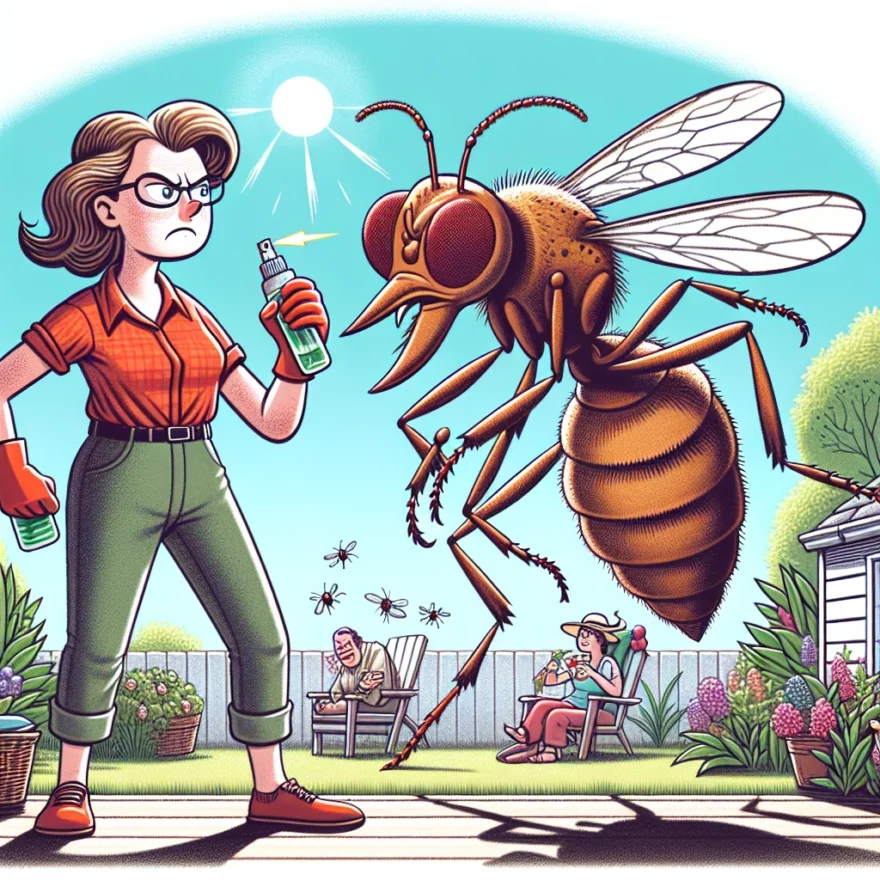
When it comes to the world of insects, gnats often fly under the radar. These tiny, winged creatures are usually dismissed as mere annoyances, but anyone who has dealt with a gnat infestation knows that they can be much more than that. Despite their small size, gnats can pose significant problems for humans, disrupting our lives in a variety of ways. From buzzing in our ears to damaging our beloved houseplants, these irritating insects can prove to be a real nuisance.
But fear not, for this comprehensive guide is here to arm you with the knowledge and strategies necessary to banish gnats from your life. We will delve into the nature of gnats, exploring what they are and why they can be such a bother. We’ll also look at a range of solutions for gnat control, from natural remedies and chemical solutions to preventative measures and professional pest control options. Plus, we’ll address some of the most frequently asked questions about gnats. By the end of this guide, you’ll be well-equipped to wage war against these irritating insects and reclaim your peace of mind.
So, if you’re tired of swatting at these persistent pests and ready to take action, read on. Your journey towards a gnat-free life starts here.
Table of contents
Understanding Gnats: What are they?
Gnats are small, winged insects that belong to the fly family. They are ubiquitous and can be found in almost every part of the world. While there are many different species of gnats, they all share some common characteristics. They are small in size, typically ranging from 1/32 to 1/8 inch long, and have two wings. Their color can vary from black, gray, or even transparent depending on the species.
There are two main types of gnats that humans often come into contact with: biting and non-biting. Biting gnats, also known as no-see-ums, sand flies, or midges, feed on blood and can cause painful bites. Non-biting gnats, on the other hand, do not pose a direct threat to humans but can be a nuisance due to their swarming behavior.
Gnats have a short lifespan, with most living for only about 7 to 10 days. However, they reproduce rapidly and in large numbers, which can lead to infestations. They are attracted to moisture and organic material, which is why they are commonly found in damp areas, near rotting food, and around plants.
While gnats are often considered pests, they play a crucial role in the ecosystem. They serve as food for many bird and insect species, and their larvae help break down organic matter in the soil, promoting nutrient cycling.
Understanding the nature and behavior of gnats is the first step to effectively dealing with them. The following sections will delve into the irritation factor of gnats, various strategies for controlling and preventing gnat infestations, and answers to frequently asked questions about gnats.
Gnats vs. Humans: The Irritation Factor
When it comes to dealing with gnats, it’s important to understand the irritation factor they pose to humans. Gnats are tiny flying insects that belong to the order Diptera, which also includes mosquitoes and flies. While they may be small in size, their presence can be incredibly annoying and bothersome.
Gnats are attracted to humans for several reasons. One of the main factors is the carbon dioxide we exhale. These insects have specialized receptors that allow them to detect the carbon dioxide plumes that we emit, leading them straight to us. Additionally, gnats are also attracted to the warmth and moisture that our bodies generate, making us prime targets for their feeding and breeding habits.
One of the most irritating aspects of gnats is their persistent swarming behavior. They tend to gather in large numbers, forming clouds or swarms that can be extremely frustrating to deal with. These swarms can be found both indoors and outdoors, making it difficult to escape their presence.
Furthermore, gnats are known for their annoying habit of buzzing around our faces and ears. This can be particularly aggravating, as their constant buzzing sound can disrupt our peace and concentration. The sensation of having these tiny insects flying around us can be highly irritating and distracting.
Another factor that adds to the irritation caused by gnats is their biting behavior. While not all gnats bite humans, some species, such as the biting midges or no-see-ums, are notorious for their painful bites. These bites can result in itchy red welts and may even cause allergic reactions in some individuals.
Aside from the physical annoyance, gnats can also pose health risks. Some species of gnats are known to carry and transmit diseases, such as the sandfly, which can transmit Leishmaniasis, a parasitic disease that affects humans and animals.
Overall, the irritation factor of gnats is undeniable. Their attraction to humans, persistent swarming behavior, buzzing, biting, and potential health risks make them a nuisance that many people want to eliminate from their surroundings.
Natural Remedies for Gnat Control
Gnats can be a persistent nuisance, but there are several natural remedies that can help you control their population without resorting to harsh chemicals. These remedies are not only effective but also safe for you, your family, and the environment. Here are some natural ways to banish those irritating gnats:
1. Apple Cider Vinegar Trap
One of the most popular and effective natural remedies for gnats is the apple cider vinegar trap. Gnats are attracted to the sweet smell of vinegar and get lured into the trap. To create this trap, follow these steps:
- Take a small bowl or jar and fill it halfway with apple cider vinegar.
- Add a few drops of dish soap to the vinegar and mix well.
- Cover the bowl or jar with plastic wrap and secure it with a rubber band.
- Poke several small holes in the plastic wrap using a toothpick or fork.
- Place the trap near areas where you have noticed gnat activity.
2. Essential Oils
Many essential oils have strong scents that repel gnats and other insects. You can create a homemade gnat repellent spray by combining a few drops of essential oil with water in a spray bottle. Some effective essential oils for repelling gnats include:
- Lemon eucalyptus oil
- Lavender oil
- Peppermint oil
- Citronella oil
Spray this mixture around windows, doors, and other entry points to deter gnats from entering your home.
3. Sticky Traps
Sticky traps are another effective natural remedy for gnats. These traps are coated with a sticky substance that attracts and traps the gnats when they come into contact with it. You can purchase sticky traps from gardening or home improvement stores, or you can make your own by applying a sticky substance like petroleum jelly or honey onto a yellow or bright-colored surface. Hang the traps near areas where gnats are present, and they will get stuck to the surface.
4. Neem Oil
Neem oil is a natural insecticide derived from the neem tree. It is effective against a wide range of insects, including gnats. Mix a few drops of neem oil with water and spray it on plants or areas where gnats are present. The strong smell of neem oil repels gnats and also disrupts their life cycle, preventing them from laying eggs.
5. Cleanliness and Hygiene
Gnats are attracted to moisture and decaying organic matter. To prevent gnat infestations, it is important to maintain cleanliness and good hygiene practices. Here are some tips:
- Regularly clean and dry sinks, drains, and other areas where moisture accumulates.
- Dispose of overripe fruits and vegetables properly.
- Keep trash cans tightly sealed.
- Clean up spills and food crumbs promptly.
- Regularly empty and clean pet water bowls.
By eliminating their sources of attraction, you can significantly reduce the presence of gnats in your home.
Remember, natural remedies may take some time to show their full effect, so be patient and persistent in your efforts to control gnats. If the infestation persists or becomes unmanageable, it may be necessary to seek professional pest control services.
Chemical Solutions for Gnat Infestation
Gnats can be a persistent nuisance, and sometimes natural remedies may not be enough to eliminate a gnat infestation. In such cases, chemical solutions can be an effective option for banishing these irritating insects. Here are some commonly used chemical solutions for gnat infestation:
1. Insecticides: Insecticides are chemical compounds specifically designed to kill insects. There are various types of insecticides available in the market that can effectively target and eliminate gnats. Look for insecticides that are labeled for use against gnats and follow the instructions carefully when applying them. It is important to note that some insecticides may be harmful to humans and pets, so always use them in a well-ventilated area and keep them out of reach of children and animals.
2. Pyrethrin-based sprays: Pyrethrin is a natural insecticide derived from chrysanthemum flowers. It is commonly used to control gnats and other flying insects. Pyrethrin-based sprays are effective in killing adult gnats on contact. However, they may not be as effective against gnat larvae or eggs. When using pyrethrin-based sprays, ensure proper ventilation and follow the instructions provided by the manufacturer.
3. Larvicides: Larvicides are chemicals specifically designed to target and kill gnat larvae. These products are typically applied to areas where gnats lay their eggs, such as standing water or damp soil. Larvicides work by disrupting the growth and development of gnat larvae, preventing them from maturing into adults. Follow the instructions on the product label for proper application and safety precautions.
4. Foggers: Foggers, also known as bug bombs, release a fine mist of insecticide into the air to kill flying insects, including gnats. Foggers are best suited for larger areas or outdoor spaces. However, it is important to evacuate the area before activating the fogger and follow the safety guidelines provided by the manufacturer. After fogging, allow sufficient time for the area to ventilate before re-entering.
5. Flypaper and sticky traps: Flypaper and sticky traps are not chemical solutions per se, but they can be effective in capturing and controlling gnats. These traps are coated with a sticky substance that attracts gnats and traps them when they come into contact. Place these traps near areas where gnats are commonly found, such as windows, plants, or trash cans.
When using any chemical solutions for gnat infestation, it is important to read and follow the instructions provided by the manufacturer. Take necessary precautions to protect yourself, others, and the environment. If the infestation persists or if you are unsure about using chemical solutions, it is advisable to seek professional pest control services.
Preventative Measures Against Gnats
When it comes to dealing with gnats, prevention is key. By implementing a few preventative measures, you can significantly reduce the chances of a gnat infestation in your home or garden. Here are some effective strategies to keep gnats at bay:
1. Maintain Cleanliness: Gnats are attracted to food particles and organic matter, so it’s important to keep your living spaces clean and free of potential gnat food sources. Regularly clean your kitchen, dining areas, and disposal units to eliminate any crumbs or spills that could attract gnats.
2. Proper Food Storage: Store your fruits and vegetables in sealed containers or in the refrigerator to prevent gnats from accessing them. Make sure to dispose of any overripe or rotting produce promptly, as these can be a major gnat magnet.
3. Fix Leaks and Moisture Issues: Gnats thrive in damp environments, so it’s crucial to fix any leaks or moisture problems in your home. Check for and repair any dripping faucets, leaky pipes, or areas of excess moisture. This will help eliminate the breeding grounds for gnats.
4. Use Window Screens: Install window screens to prevent gnats from entering your home. This will allow you to keep your windows open for fresh air without worrying about gnats flying in.
5. Seal Cracks and Openings: Inspect your home for any cracks, gaps, or openings that could serve as entry points for gnats. Seal these areas with caulk or weatherstripping to prevent gnats from finding their way inside.
6. Proper Waste Disposal: Dispose of your garbage regularly and ensure that trash cans have tightly sealed lids. Gnats are attracted to decaying organic matter, so keeping your trash properly contained will help deter them.
7. Avoid Overwatering Plants: Overwatering plants can create a moist environment that attracts gnats. Be mindful of the watering needs of your indoor and outdoor plants, and avoid excessive watering that can lead to gnat infestations.
8. Use Natural Gnat Repellents: Certain natural substances can repel gnats. Consider using essential oils such as citronella, lavender, or eucalyptus to create a gnat-free environment. You can mix a few drops of these oils with water and spray the solution around your home or garden.
9. Maintain Proper Drainage: Ensure that your sinks, showers, and other drains have proper drainage to prevent stagnant water from accumulating. Gnats are attracted to standing water, so keeping your drains clear and free-flowing will help deter them.
10. Keep Outdoor Areas Clean: If you have outdoor areas such as patios or decks, make sure to clean them regularly. Remove any standing water, clean up fallen leaves or debris, and keep the area well-maintained to discourage gnats from gathering.
By implementing these preventative measures, you can significantly reduce the likelihood of a gnat infestation in your home or garden. Remember, early prevention is much easier than dealing with a full-blown gnat problem, so be proactive in keeping these irritating insects at bay.
Dealing with Gnats in Plants
Gnats can be particularly troublesome when they infest indoor or outdoor plants. These tiny insects are attracted to the moist soil and organic matter found in potted plants, making them a common nuisance for gardeners and plant enthusiasts. If you’re dealing with gnats in your plants, here are some strategies to help you banish these irritating insects:
1. Identify the source of the infestation
Before you can effectively deal with gnats in your plants, it’s important to identify the source of the infestation. Check the soil for signs of overwatering or decaying organic matter, as these conditions are ideal for gnat breeding. Inspect the plant’s drainage holes, as gnats may lay their eggs there.
2. Allow the soil to dry out
Gnats thrive in moist environments, so allowing the soil to dry out can help eliminate their breeding grounds. Be careful not to overwater your plants, and consider adjusting your watering schedule to ensure the soil has a chance to dry between waterings.
3. Use sticky traps
Sticky traps are an effective method for capturing adult gnats. These traps are designed to attract and trap the insects, preventing them from laying eggs and reproducing. Place the traps near your plants to help reduce the gnat population.
4. Apply natural repellents
There are several natural repellents that can help deter gnats from infesting your plants. Neem oil, for example, is a natural insecticide that can be diluted and sprayed onto the plant’s foliage to repel gnats. Other options include cinnamon, vinegar, or essential oils such as lavender or eucalyptus.
5. Remove affected plant material
If you notice any signs of gnat infestation, such as larvae or eggs, it’s important to remove the affected plant material immediately. This will help prevent the gnats from spreading to other plants and minimize the risk of further infestations.
6. Improve air circulation
Gnats are attracted to stagnant air, so improving the air circulation around your plants can help deter them. Consider placing a fan near your plants or moving them to a more ventilated area to reduce the gnat population.
7. Consider using insecticidal soap
If natural remedies and preventive measures don’t effectively control the gnat infestation, you may need to resort to insecticidal soap. This soap is specifically formulated to kill insects like gnats while being safe for plants when used as directed. Follow the instructions carefully and apply the soap to the affected plants.
By implementing these strategies, you can effectively deal with gnats in your plants and enjoy a gnat-free gardening experience.
Professional Pest Control for Gnats
When it comes to dealing with a persistent gnat infestation, sometimes it becomes necessary to call in the professionals. Professional pest control services can provide effective and long-lasting solutions for getting rid of gnats in your home or business. Here are some reasons why opting for professional pest control for gnats might be the best choice:
Expertise and Experience: Pest control professionals have the knowledge and experience to accurately identify the type of gnats infesting your property. They understand the biology and behavior of gnats, which helps them develop targeted strategies for eradication.
Customized Treatment Plans: Professional pest control companies will assess the severity of the gnat infestation and create a customized treatment plan tailored to your specific needs. This ensures that the methods used are effective in eliminating the gnats and preventing future infestations.
Safe and Effective Solutions: Pest control professionals have access to a wide range of safe and effective insecticides and treatments that are not available to the general public. They know how to use these products safely and in the appropriate concentrations to effectively eliminate gnats without posing a risk to humans or pets.
Long-term Prevention: In addition to eliminating the current gnat infestation, professional pest control services can also provide long-term prevention strategies. They will identify and address the root causes of the infestation, such as standing water sources or decaying organic matter, to prevent future gnat problems.
Time and Convenience: Dealing with a gnat infestation can be time-consuming and frustrating. By hiring professional pest control services, you can save yourself the hassle of trying to handle the problem on your own. Pest control professionals will efficiently and effectively eradicate the gnats, allowing you to focus on other important tasks.
Guaranteed Results: Many professional pest control companies offer guarantees for their services. This means that if the gnat infestation persists after treatment, they will return to re-treat the area at no additional cost. This gives you peace of mind knowing that you are getting reliable and effective results.
While professional pest control services for gnats may come at a cost, the benefits they offer in terms of expertise, effectiveness, and long-term prevention make them a worthwhile investment. If you have tried DIY methods and are still struggling with a gnat infestation, it may be time to consider calling in the professionals.
FAQs: Common Questions About Gnats
Q: What are gnats and why are they so irritating?
Gnats are small flying insects that belong to the family of flies. They are commonly found in moist environments and are attracted to decaying organic matter. Gnats can be a nuisance because they tend to swarm around humans, buzzing around our faces and landing on our skin. Their bites can also cause itchiness and irritation.
Q: How can I differentiate between gnats and other similar insects?
Gnats are often mistaken for other flying insects such as fruit flies and mosquitoes. However, there are a few key differences to look out for. Gnats are typically smaller in size and have long, slender bodies and long legs. They also tend to have clear or translucent wings. Fruit flies, on the other hand, are slightly larger and have a more rounded body. Mosquitoes are larger than gnats and have a distinct proboscis for biting.
Q: Are gnats harmful to humans?
While gnats are not known to transmit diseases to humans, their bites can be irritating and cause discomfort. Some people may also have allergic reactions to gnat bites, resulting in redness, swelling, and itchiness. Additionally, certain species of gnats, like the fungus gnat, can cause damage to plants and crops.
Q: How can I get rid of gnats inside my home?
There are several natural remedies you can try to eliminate gnats indoors. These include setting up vinegar traps, using essential oils like lavender or eucalyptus, and keeping your home clean and dry. If natural remedies don’t work, you can also opt for chemical solutions such as insecticides or fly traps specifically designed for gnats.
Q: How can I prevent gnats from infesting my houseplants?
To prevent gnats from infesting your houseplants, make sure to water them properly, allowing the soil to dry out between waterings. Avoid overwatering, as moist soil attracts gnats. You can also use sticky traps or apply a layer of sand or diatomaceous earth on top of the soil to deter gnats from laying their eggs.
Q: When should I consider professional pest control for gnats?
If you have tried various methods to get rid of gnats but they persistently return or the infestation becomes severe, it may be time to seek professional pest control services. Pest control experts have the knowledge and specialized treatments to effectively eliminate gnats and prevent future infestations.
Q: Can gnats be harmful to plants?
Yes, certain species of gnats, such as fungus gnats, can be harmful to plants. They lay their eggs in the soil, and the larvae feed on the plant roots, causing damage and stunting growth. If you notice signs of a gnat infestation in your plants, it’s important to take action to protect their health.
Q: Are there any natural repellents to keep gnats away?
Yes, there are several natural repellents you can use to keep gnats away. These include essential oils like citronella, lemon eucalyptus, or peppermint. You can dilute these oils with water and spray them around your outdoor living areas or apply them to your skin to deter gnats from approaching.
Q: Can gnats be found in all seasons?
Gnats are most commonly found in warm and humid environments, which are favorable for their breeding. While they may be more prevalent during the spring and summer months, gnats can still be present in indoor environments throughout the year, especially if there is a source of moisture or decaying matter.
Q: How long do gnats live?
The lifespan of gnats can vary depending on the species and environmental conditions. Generally, adult gnats have a lifespan of around 7 to 10 days. However, during this time, they can lay hundreds of eggs, leading to a rapid increase in population if not controlled.