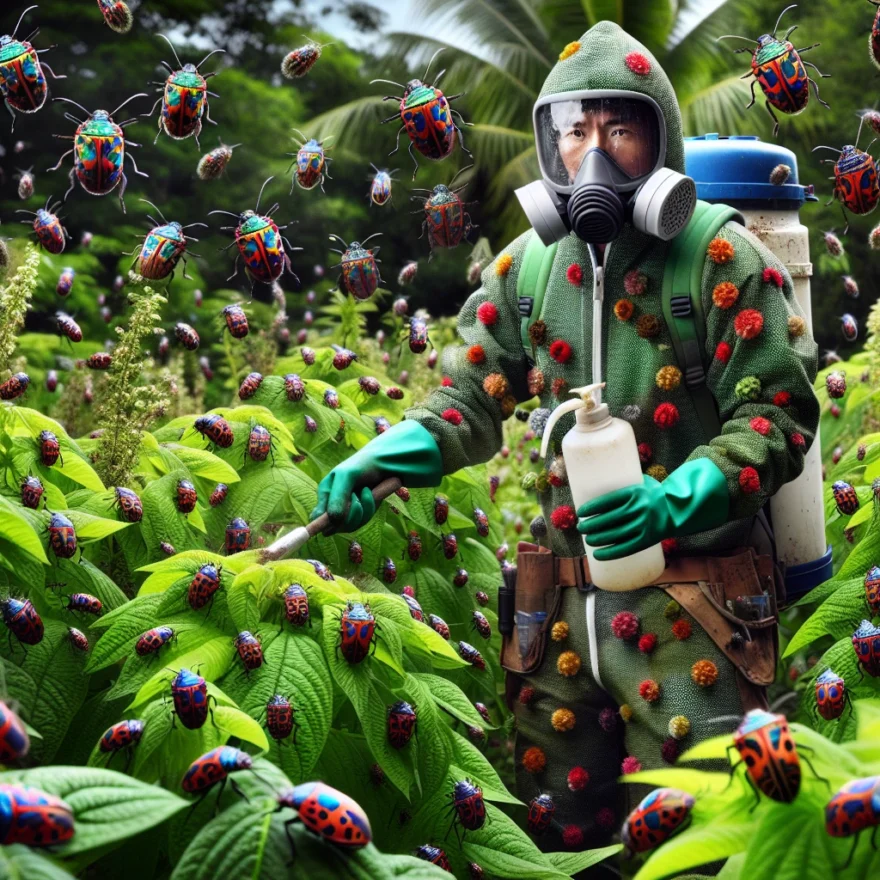
Introduction to Harlequin Bugs
The Harlequin Bug, scientifically known as Murgantia histrionica, is a brightly colored pest that can wreak havoc on a wide variety of host plants. Native to Mexico and Central America, these bugs have spread across the United States, becoming a significant pest in many regions, particularly in the southern states. They are a menace to farmers and gardeners alike, causing significant damage to crops and ornamental plants.
The Harlequin Bug is easily identifiable due to its striking appearance. It is shield-shaped and measures about ⅜ inches long. Its body is predominantly black, adorned with vibrant red, orange, or yellow markings, giving it a harlequin-like pattern, hence the name. But don’t let their beautiful appearance fool you; these bugs are far from benign.
These bugs are part of the stink bug family, and like their relatives, they emit a foul odor when threatened or squashed. They have a unique method of feeding, using their piercing mouthparts to suck the sap from plants, causing wilting, stunting, and even plant death. Harlequin bugs are particularly fond of cruciferous plants such as cabbage, broccoli, radishes, and kale, but they can also attack other plants, including beans, tomatoes, corn, and squash.
Understanding the life cycle of the Harlequin Bug is crucial to controlling its infestations. The female bug lays barrel-shaped eggs on the undersides of leaves, often in neat, double-row patterns. These eggs hatch into nymphs, which go through five stages of development before reaching adulthood. The entire life cycle can be completed in about four to six weeks, depending on the temperature and food availability.
Now that we’ve introduced the Harlequin Bug and its potential for havoc, let’s delve deeper into the damage it can cause, the signs of its infestation, and most importantly, how to prevent and control these infestations.
Table of contents
- Introduction to Harlequin Bugs
- Damage Caused by Harlequin Bugs
- Signs of Harlequin Bug Infestation
- Preventing Harlequin Bug Infestations
- Controlling Harlequin Bug Infestations
- Common Questions About Harlequin Bug Infestations
- Case Studies on Harlequin Bug Infestations
- Future Outlook: Harlequin Bugs and Climate Change
Damage Caused by Harlequin Bugs
The Harlequin bug, a vibrant, shield-shaped pest, is not just a visual nuisance. It’s a significant threat to the health and vitality of your garden or farm. These bugs, scientifically known as Murgantia histrionica, are notorious for their voracious appetite for a wide range of plants, particularly those in the Brassicaceae family, which includes crops like cabbage, broccoli, radishes, and kale.
When Harlequin bugs infest a plant, they use their piercing-sucking mouthparts to feed on plant juices. This feeding method causes white or yellow blotches on plant leaves, wilting, stunting, and eventually, plant death. The damage is particularly severe in young plants, which may not survive the onslaught. In mature plants, the feeding can lead to a significant reduction in crop yield and quality, causing considerable economic losses for commercial growers.
Furthermore, the Harlequin bug is a vector for plant diseases. As they feed, they can transmit harmful pathogens from one plant to another, exacerbating the damage they cause. This dual threat of direct feeding damage and disease transmission makes the Harlequin bug a formidable foe for any gardener or farmer.
It’s also worth noting that Harlequin bugs are not solitary pests. They tend to infest plants in large numbers, and their population can explode in a short time under favorable conditions. This rapid population growth, combined with their wide host range and the damage they cause, makes Harlequin bugs a significant pest problem that requires prompt and effective management strategies.
Signs of Harlequin Bug Infestation
Harlequin bugs, scientifically known as Murgantia histrionica, are notorious pests that can wreak havoc on your garden or crops if left unchecked. These insects belong to the stink bug family and are easily recognizable by their vibrant coloration and distinct patterns. Identifying the signs of a harlequin bug infestation is crucial for effective pest control and preventing further damage to your plants.
One of the most obvious signs of a harlequin bug infestation is the presence of the bugs themselves. Adult harlequin bugs are about half an inch long and have a shield-shaped body. They have a black head and a brightly colored body with a combination of orange, red, and yellow markings. The distinct coloration serves as a warning to predators, indicating their foul taste and odor.
Another telltale sign of a harlequin bug infestation is the damage they cause to plants. Harlequin bugs are piercing-sucking insects that feed on the sap of plants, causing wilting, stunting, and discoloration. They primarily target plants in the cabbage family, including cabbage, kale, broccoli, and mustard greens. The bugs use their needle-like mouthparts to pierce the plant tissue and suck out the sap, leading to the characteristic yellowing and browning of leaves.
Aside from the physical damage, harlequin bug feeding can also result in the deformation of plant parts. If the bugs attack young plants or buds, they can cause the distorted growth of leaves, flowers, or fruits. This can significantly impact the overall health and productivity of your plants.
When inspecting your plants for signs of harlequin bug infestation, be sure to check the undersides of leaves. Harlequin bugs often lay their eggs in clusters on the underside of leaves, usually in groups of 10-15 eggs. The eggs are small, barrel-shaped, and yellowish in color. If you spot these clusters, it is a clear indication that your plants are infested.
Additionally, you may notice the presence of dark-colored fecal spots on the leaves or surrounding areas. These spots, commonly referred to as “bug poop,” are a result of the bugs’ feeding activity and can serve as a visual clue to their presence.
It is important to note that early detection of a harlequin bug infestation is vital for effective control. Once the infestation becomes established, it can be challenging to eradicate the bugs completely. Regular monitoring and inspection of your plants are key to catching the signs of an infestation early on.
In the next section, we will discuss various preventive measures that can help you minimize the risk of a harlequin bug infestation and protect your plants from their destructive feeding habits.
Preventing Harlequin Bug Infestations
Harlequin bugs can cause significant damage to plants and can quickly become a nuisance in your garden. However, there are several preventive measures you can take to minimize the risk of a harlequin bug infestation:
1. Maintain a clean garden: Keeping your garden clean and free from debris is an important step in preventing harlequin bug infestations. Remove any dead plant material, fallen leaves, or weeds regularly, as these can provide hiding places for the bugs.
2. Rotate your crops: Harlequin bugs tend to target specific plant species, so rotating your crops each season can help disrupt their life cycle. By planting different crops in different areas of your garden, you can reduce the likelihood of a harlequin bug infestation.
3. Use companion planting: Certain plants can act as natural repellents for harlequin bugs. Consider planting companion plants such as marigolds, nasturtiums, or garlic around your susceptible crops. These plants emit strong scents that can deter the bugs from infesting your garden.
4. Install physical barriers: Creating physical barriers can help prevent harlequin bugs from accessing your plants. Use floating row covers or netting to cover vulnerable plants, especially during the early stages of growth when they are most susceptible to infestations.
5. Practice good garden hygiene: Regularly inspect your plants for any signs of harlequin bug activity. If you spot any bugs, remove them manually and dispose of them properly. Additionally, regularly clean your gardening tools to prevent the spread of any potential infestations.
6. Attract beneficial insects: Encouraging the presence of natural predators can help control harlequin bug populations. Plant flowers that attract beneficial insects like ladybugs, lacewings, and parasitic wasps. These insects feed on harlequin bugs and can help keep their populations in check.
7. Avoid over-fertilization: Harlequin bugs are attracted to plants that are over-fertilized, so it’s important to avoid excessive use of nitrogen-rich fertilizers. Instead, opt for organic fertilizers or compost to provide the necessary nutrients to your plants without attracting the bugs.
8. Monitor plant health: Regularly inspect your plants for any signs of stress or weakness. Healthy plants are more resistant to pest infestations, so proper watering, adequate sunlight, and timely pruning can help keep your plants strong and less susceptible to harlequin bugs.
By following these preventive measures, you can significantly reduce the risk of a harlequin bug infestation in your garden. However, it’s important to remain vigilant and take immediate action if you notice any signs of an infestation.
Controlling Harlequin Bug Infestations
Controlling Harlequin Bug Infestations
Dealing with a harlequin bug infestation can be a frustrating experience for gardeners and farmers. These tiny insects, scientifically known as Murgantia histrionica, are notorious for their destructive feeding habits and ability to rapidly reproduce. However, there are several effective methods that can help you regain control over your plants and minimize the damage caused by these pests.
1. Manual Removal
One of the simplest and most immediate ways to control harlequin bugs is through manual removal. Inspect your plants regularly and carefully pick off any visible bugs by hand. Remember to wear gloves to protect your hands from their unpleasant odor. Drop the bugs into a bucket of soapy water to ensure they are killed.
2. Natural Predators
Encouraging natural predators of harlequin bugs can be an effective long-term solution for controlling infestations. Ladybugs, lacewings, and spined soldier bugs are known to feed on harlequin bugs and their eggs. By creating a habitat that attracts these beneficial insects, such as planting nectar-rich flowers and providing shelter, you can help establish a natural balance in your garden.
3. Neem Oil
Neem oil, derived from the neem tree, is a natural insecticide that can be used to control harlequin bugs. It works by disrupting their feeding and reproductive systems. Dilute neem oil according to the instructions on the product label and spray it on the affected plants. Be sure to cover both the upper and lower surfaces of the leaves, as well as the stems.
4. Row Covers
Using row covers is an effective method to physically exclude harlequin bugs from reaching your plants. These covers are made of lightweight fabric that allows sunlight, air, and water to penetrate while keeping the bugs out. Install the row covers over your plants early in the growing season to prevent the bugs from laying eggs and infesting your crops.
5. Crop Rotation
Implementing a crop rotation strategy can help disrupt the lifecycle of harlequin bugs. These pests tend to prefer certain plants, such as brassicas, so by rotating your crops each season, you can reduce the likelihood of a severe infestation. Additionally, practicing good garden hygiene by removing plant debris and weeds can further discourage these bugs from taking up residence.
6. Chemical Control
If the infestation is severe and other methods have proven ineffective, chemical control may be necessary as a last resort. Insecticides containing active ingredients such as pyrethroids or neonicotinoids can be used, but it is important to carefully follow the instructions and consider the potential impact on beneficial insects and the environment. Always choose insecticides labeled specifically for harlequin bugs.
Remember, prevention is key when it comes to controlling harlequin bug infestations. By implementing good gardening practices, such as regular inspections, maintaining healthy plants, and practicing crop rotation, you can reduce the risk of these pests wreaking havoc on your garden or farm.
Common Questions About Harlequin Bug Infestations
As an expert in the field of insect research, I often receive numerous questions about harlequin bug infestations. In this section, I will address some of the most common questions that readers have about these pests and provide detailed answers to help you better understand and control harlequin bug infestations.
1. What are harlequin bugs?
Harlequin bugs (Murgantia histrionica) are brightly colored insects that belong to the stink bug family. They are named after their distinct black and red or orange markings, resembling the patterns found on a harlequin’s costume. These bugs are commonly found in North America and are known for their ability to cause significant damage to various crops, particularly members of the brassica family, including cabbage, broccoli, and kale.
2. How do harlequin bugs cause damage?
Harlequin bugs have piercing-sucking mouthparts, which they use to feed on the sap of plants. As they feed, they inject toxic saliva into the plant, causing wilting, stunting, and discoloration. Additionally, their feeding can lead to the formation of black spots or lesions on the leaves and stems of affected plants. If left unchecked, a severe infestation of harlequin bugs can result in the death of the plant.
3. What are the signs of a harlequin bug infestation?
There are several signs that can indicate a harlequin bug infestation. Look out for the presence of adult bugs, which are about half an inch long and have distinctive black and red or orange markings. You may also notice clusters of eggs, which are small, barrel-shaped, and usually laid on the undersides of leaves. Additionally, wilting, yellowing, and distorted leaves, as well as the presence of black spots or lesions on plants, can be signs of a harlequin bug infestation.
4. How can I prevent harlequin bug infestations?
Prevention is key when it comes to managing harlequin bug infestations. Here are some preventive measures you can take:
- Practice crop rotation: Avoid planting brassica crops in the same area year after year.
- Remove crop debris: Clear away any plant debris after harvest to eliminate overwintering sites for harlequin bugs.
- Use row covers: Covering your crops with lightweight fabric or mesh can help prevent adult bugs from laying eggs on the plants.
- Encourage beneficial insects: Attract natural enemies of harlequin bugs, such as ladybugs and lacewings, by planting nectar-rich flowers or using companion planting techniques.
5. How can I control a harlequin bug infestation?
If you have already identified a harlequin bug infestation, there are several control methods you can employ:
- Handpicking: Remove the bugs manually and drop them into a bucket of soapy water.
- Pruning: If the infestation is localized, prune and destroy heavily infested plant parts.
- Organic insecticides: Use insecticidal soaps or neem oil sprays to target harlequin bugs.
- Biological control: Introduce natural predators, such as parasitic wasps or predatory stink bugs, to help control the population of harlequin bugs.
6. Are harlequin bugs harmful to humans?
Harlequin bugs do not pose any direct harm to humans. However, it’s important to note that they are known to emit a foul-smelling odor when disturbed or crushed, which can be unpleasant.
7. Can harlequin bugs be beneficial in any way?
While harlequin bugs are primarily considered pests due to their destructive feeding habits, some researchers believe that they may have potential as a biological control agent for invasive weed species. However, further studies are needed to fully understand and utilize their potential in this regard.
By addressing these common questions about harlequin bug infestations, I hope to have provided you with valuable insights into the identification, prevention, and control of these pests. Remember, early detection and prompt action are crucial in minimizing the damage caused by harlequin bugs and protecting your crops.
Case Studies on Harlequin Bug Infestations
As harlequin bugs continue to pose a significant threat to gardens and crops, studying real-life case studies can provide valuable insights into their infestation patterns and the effectiveness of various control methods. Let’s take a closer look at a few notable case studies on harlequin bug infestations:
Case Study 1: Organic Farm in California
In this case study, an organic farm in California experienced a severe harlequin bug infestation that threatened their vegetable crops. The farmers implemented a combination of cultural and biological control methods to combat the infestation. They started by removing any plant debris and weeds that could serve as breeding grounds for the bugs. Additionally, they introduced beneficial insects like ladybugs and lacewings to prey on the harlequin bugs. The farmers also utilized row covers to physically exclude the bugs from the crops. These integrated pest management strategies proved successful in reducing the harlequin bug population and protecting the crops.
Case Study 2: Urban Garden in New York City
In this case study, an urban garden in New York City faced recurring harlequin bug infestations that affected their ornamental plants. The gardeners employed a combination of cultural and chemical control methods to manage the infestation. They regularly inspected the plants for early signs of infestation, such as egg clusters and feeding damage. Upon detection, they manually removed the bugs and destroyed the eggs. To further control the infestation, they used insecticidal soaps and neem oil sprays, targeting the bugs directly. Through consistent monitoring and timely intervention, the gardeners were able to keep the harlequin bug population under control and preserve the health of their plants.
Case Study 3: Commercial Farm in Australia
On a commercial farm in Australia, harlequin bugs posed a significant threat to their brassica crops. The farmers implemented an integrated pest management approach to combat the infestation. They utilized crop rotation to disrupt the bugs’ life cycle and reduce their population. Additionally, they introduced trap crops, such as radishes and mustard greens, to attract and concentrate the bugs away from the main crops. The farmers also employed targeted insecticide applications when necessary, ensuring minimal impact on beneficial insects and the environment. This comprehensive approach helped the farm successfully manage the harlequin bug infestation and protect their valuable crops.
These case studies highlight the importance of adopting a multi-faceted approach when dealing with harlequin bug infestations. By combining cultural practices, biological controls, and judicious use of insecticides, it is possible to effectively manage and mitigate the damage caused by these pests. However, it is essential to tailor the control methods to the specific circumstances and needs of each situation.
Future Outlook: Harlequin Bugs and Climate Change
As the world continues to grapple with the effects of climate change, it is important to consider how this phenomenon may impact the behavior and distribution of various insect species. Harlequin bugs, known for their vibrant colors and destructive feeding habits, are no exception to these potential changes.
Climate change can influence the life cycles, reproductive patterns, and geographic ranges of insects, and harlequin bugs are likely to be affected as well. Rising temperatures and altered precipitation patterns can directly impact the development and survival of these pests.
One potential outcome of climate change is an increase in the overall population of harlequin bugs. Warmer temperatures can accelerate their reproductive rates, leading to larger infestations and more severe damage to crops. Additionally, milder winters may allow these bugs to survive in regions where they were previously unable to thrive, expanding their range and posing new challenges for farmers and gardeners.
Furthermore, changes in climate can also affect the behavior of harlequin bugs. These insects are known to be more active in warmer weather, which means that their feeding and mating activities may be prolonged or intensified in a changing climate. This increased activity can result in greater crop damage and a higher likelihood of infestation.
Another aspect to consider is the potential impact of climate change on the natural predators and parasites of harlequin bugs. As temperatures and weather patterns shift, the populations of these beneficial organisms may also be affected. This could disrupt the delicate balance between pests and their natural enemies, potentially leading to more frequent and severe infestations.
Efforts to mitigate the effects of climate change, such as reducing greenhouse gas emissions and implementing sustainable agricultural practices, can play a crucial role in minimizing the future havoc caused by harlequin bugs. Additionally, continued research into the specific impacts of climate change on these pests can help inform effective pest management strategies.
In conclusion, the future outlook for harlequin bugs in the face of climate change is uncertain but concerning. It is crucial for researchers, farmers, and gardeners to stay vigilant and adapt their pest management approaches to address the potential challenges posed by these destructive insects in a changing climate.