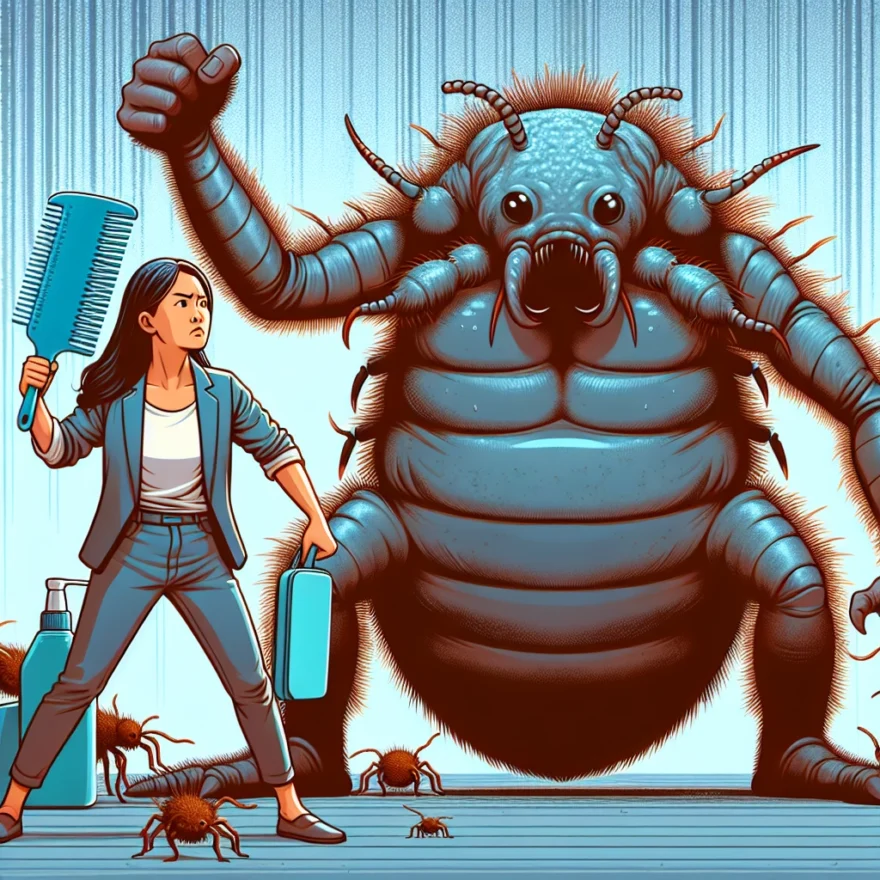
Understanding Head Lice
Head lice, scientifically known as Pediculus humanus capitis, are tiny insects that infest the hair and scalp. They are most commonly found amongst children between the ages of 3 and 11 but can affect people of all ages. These parasites are about the size of a sesame seed and have a grayish-white or tan color. They feed on small amounts of blood drawn from the scalp, with their bites causing an allergic reaction that leads to the itchiness commonly associated with lice infestations.
Contrary to popular belief, head lice do not jump or fly. They spread primarily through direct head-to-head contact, which explains their prevalence in settings like schools and daycares where such contact is common. Sharing items that come into contact with the head, such as hats, combs, or headphones, can also facilitate their spread, although this is less common.
It’s important to note that head lice infestation, also known as pediculosis, is not a reflection of personal hygiene or cleanliness in the home or school environment. Anyone can get head lice, regardless of their personal hygiene habits. Furthermore, head lice are not known to spread disease, but their bites can lead to secondary infections due to scratching.
Understanding the biology and behavior of head lice is the first step in effectively managing an infestation. The following sections will delve further into the life cycle of head lice, common symptoms of an infestation, and various strategies for effective lice treatment.
Table of contents
- Understanding Head Lice
- Life Cycle of Head Lice
- Common Symptoms of Head Lice Infestation
- Preventing Head Lice Infestation
- Over-the-Counter Lice Treatments
- Prescription Lice Treatments
- Natural Home Remedies for Lice Treatment
- Effectiveness of Various Lice Treatments
- Dealing with Persistent Lice Infestations
- Head Lice in Schools and Daycares
- Frequently Asked Questions about Head Lice
Life Cycle of Head Lice
Understanding the life cycle of head lice is a crucial aspect of effective treatment. The life cycle of lice consists of three stages: the egg (also known as a nit), the nymph, and the adult.
The cycle starts when a female louse lays eggs and attaches them securely to the base of the hair shaft close to the scalp. These eggs, or nits, are tiny, oval-shaped, and usually yellow to white in color. The warmth provided by the human scalp is the perfect environment for the nits to incubate. It typically takes about a week for the nits to hatch into nymphs.
Nymphs are immature lice. After hatching, they go through three molting stages before they become adult lice. This process takes about 7 to 10 days. During this time, nymphs feed on the host’s blood to survive and grow.
Once the nymph matures into an adult louse, it is about the size of a sesame seed, with a greyish-white or tan color. Adult lice feed on blood several times a day. Female lice are usually larger than males and, once mated, can lay up to six nits per day. An adult louse can live up to 30 days on a human head but will die within one or two days if it falls off the host and cannot find another.
Understanding this life cycle can help in the battle against head lice. Effective treatment needs to target both the adult lice and the nits. If the nits are left untreated, they can hatch and start the cycle all over again, leading to a continuous infestation.
Common Symptoms of Head Lice Infestation
Head lice infestations are a common problem, especially among children. It’s important to be able to recognize the common symptoms of head lice infestation in order to take prompt action and prevent its spread. Here are some signs to watch out for:
- Itching: One of the most common symptoms of head lice is an itchy scalp. The saliva of lice can cause an allergic reaction, leading to intense itching.
- Visible lice: Adult lice are small, wingless insects that are about the size of a sesame seed. They can be seen crawling on the scalp, behind the ears, or at the nape of the neck.
- Nits: Nits are the eggs of head lice. They are tiny, oval-shaped, and usually yellow or white in color. Nits are attached to the hair shafts close to the scalp and can be mistaken for dandruff or hair debris.
- Red bumps or sores: Scratching the itchy scalp can lead to red bumps or sores. These may become infected if not treated properly.
- Restless sleep: Head lice are most active at night, which can cause discomfort and lead to restless sleep in infested individuals.
- Irritability: Constant itching and discomfort can make individuals irritable, especially in children.
- Presence of lice on personal items: Lice can also be found on items such as combs, brushes, hats, or pillows. If someone in your household has lice, be sure to check these items for any signs of infestation.
If you notice any of these symptoms, it’s important to take immediate action to prevent the spread of head lice. This includes informing close contacts such as family members, friends, or school officials so that they can also check for infestation and take necessary precautions.
Remember, early detection and treatment are key to effectively managing head lice infestations. By being aware of the common symptoms, you can take the necessary steps to address the problem and prevent its recurrence.
Preventing Head Lice Infestation
Preventing Head Lice Infestation
Head lice infestations can be a common problem, especially among children. However, there are several strategies you can implement to prevent the spread of head lice and minimize the chances of infestation. By following these preventive measures, you can protect yourself and your family from the nuisance of head lice.
- Teach Good Hygiene Practices: Encourage your children to maintain good personal hygiene, including regular washing of hair and body. Teach them to avoid sharing personal items such as combs, brushes, hats, scarves, and headphones.
- Regularly Inspect Hair: Conduct routine checks of your child’s hair and scalp to detect any signs of head lice infestation early on. Look for live lice, eggs (nits), or small white or brown specks attached to the hair shafts.
- Limit Head-to-Head Contact: Head lice primarily spread through direct head-to-head contact. Educate your children about the importance of avoiding activities that involve close contact with others, such as sharing pillows, sleeping bags, or lying on carpets or couches together.
- Use Protective Hairstyles: Keeping long hair tied up in braids, buns, or ponytails can help reduce the risk of lice transmission. Lice find it more difficult to move from one head to another when hair is secured.
- Regularly Wash and Dry Bedding: Wash and dry bedding, including pillowcases, sheets, blankets, and stuffed animals, on a hot cycle to kill any potential lice or eggs.
- Inform Schools and Daycares: If your child has been diagnosed with head lice, notify their school or daycare center so that appropriate measures can be taken to prevent the spread of lice to other children.
- Avoid Overuse of Head Lice Treatments: While it may be tempting to use lice treatments as a preventive measure, it is important to use them only when necessary. Overuse of lice treatments can lead to resistance and may not be effective in the long run.
- Regularly Clean and Vacuum: Vacuuming upholstered furniture, rugs, and car seats can help remove any potential lice or eggs that may have fallen onto these surfaces.
- Educate Others: Spread awareness about head lice prevention by educating other parents, teachers, and caregivers. Encourage them to implement preventive measures and conduct routine checks to minimize the spread of lice.
By incorporating these preventive strategies into your daily routine and promoting good hygiene practices, you can significantly reduce the risk of head lice infestations. Remember, prevention is key when it comes to dealing with head lice.
Over-the-Counter Lice Treatments
When it comes to battling head lice, there are various treatment options available, including over-the-counter (OTC) lice treatments. These products are easily accessible and can be found in most pharmacies or drugstores. While they may not require a prescription, it’s important to understand their effectiveness and how to use them properly.
OTC lice treatments typically come in the form of shampoos, creams, or lotions that are specifically formulated to kill lice and their eggs. They usually contain active ingredients such as pyrethrins or permethrin, which are insecticides that target lice. These treatments work by suffocating the lice or disrupting their nervous system, ultimately leading to their demise.
Before using any OTC lice treatment, it’s crucial to carefully read and follow the instructions provided on the packaging. Each product may have slightly different application methods and recommended usage durations. It’s important to adhere to these guidelines to ensure the best possible outcome.
When using an OTC lice treatment, it’s essential to thoroughly comb the hair with a fine-toothed comb to remove any dead lice or eggs. This process helps to prevent reinfestation and ensures that the treatment has been effective. Additionally, it’s important to clean and wash any personal items that may have come into contact with the lice, such as bedding, towels, and clothing.
While OTC lice treatments can be effective in many cases, it’s important to note that some lice populations may have developed resistance to certain active ingredients. If the infestation persists or if you’re dealing with a particularly stubborn case of head lice, it may be necessary to explore alternative treatment options, such as prescription-strength treatments or natural remedies.
It’s also worth mentioning that OTC lice treatments should not be used as a preventive measure. If your child has been exposed to head lice or if there is an outbreak at school or daycare, it’s important to regularly check their hair for lice and nits. Taking proactive steps, such as teaching children to avoid sharing personal items and keeping their hair tied up, can help reduce the risk of infestation.
Overall, OTC lice treatments can be a convenient and effective option for treating head lice infestations. However, it’s important to use them correctly and to be aware of their limitations. If you have any concerns or if the infestation persists despite treatment, it’s always best to consult a healthcare professional for further guidance and advice.
Prescription Lice Treatments
When it comes to treating head lice, there are several options available, including prescription lice treatments. These treatments are often recommended for severe or persistent cases of head lice infestation. While over-the-counter treatments can be effective for many people, prescription treatments may be necessary when other methods have failed.
Prescription lice treatments typically contain stronger ingredients that are designed to kill both the adult lice and their eggs, known as nits. These treatments often come in the form of shampoos, creams, or lotions that need to be applied to the scalp and hair.
One commonly prescribed treatment is called malathion. This medication works by interfering with the nervous system of the lice, ultimately causing their death. Malathion is generally applied to dry hair and left on for a specific amount of time before being rinsed out. It is important to follow the instructions provided by the healthcare professional or pharmacist when using prescription lice treatments.
Another prescription treatment option is benzyl alcohol lotion. This medication suffocates the lice by blocking their respiratory system. Benzyl alcohol lotion is typically applied to the scalp and hair and left on for a specific duration before being rinsed out.
In some cases, a prescription oral medication called ivermectin may be recommended. This medication works by paralyzing and killing the lice. It is usually taken as a single dose and may require a second dose after a week or two to ensure all the lice have been eliminated.
It is important to note that prescription lice treatments should only be used under the guidance of a healthcare professional. They may not be suitable for everyone, especially individuals with certain medical conditions or allergies. Additionally, it is crucial to follow the prescribed treatment plan and complete the full course of medication to effectively eradicate the lice.
While prescription lice treatments can be effective, they may also have potential side effects. These can include scalp irritation, redness, itching, or a burning sensation. If any adverse reactions occur, it is important to contact a healthcare professional for further guidance.
It is worth mentioning that prescription lice treatments are typically more expensive than over-the-counter options. Therefore, they may not be the first line of treatment for most cases of head lice infestation. However, if over-the-counter treatments have proven ineffective or if the infestation is severe, a healthcare professional may recommend a prescription lice treatment.
Remember, it is essential to consult with a healthcare professional or pharmacist before starting any prescription lice treatment. They will be able to assess the severity of the infestation and provide appropriate guidance on the most effective treatment option.
Natural Home Remedies for Lice Treatment
When it comes to treating head lice, many people prefer to use natural home remedies as an alternative to over-the-counter or prescription treatments. These remedies are often considered safer and gentler, especially for children. While there is limited scientific evidence to support the effectiveness of these remedies, many individuals have reported success in using them. Here are some natural home remedies that you can try:
1. Oil Treatments: Applying certain oils to the hair and scalp can suffocate and kill lice. Some commonly used oils include olive oil, coconut oil, tea tree oil, and neem oil. Simply apply the oil of your choice to the scalp and hair, cover with a shower cap or towel, and leave it on overnight. In the morning, comb through the hair with a fine-toothed comb to remove the dead lice and nits.
2. Vinegar: Vinegar is believed to dissolve the glue that holds the lice eggs to the hair shaft, making it easier to remove them. Mix equal parts of vinegar and water and apply the solution to the hair and scalp. Cover with a shower cap and leave it on for a few hours or overnight. Rinse the hair thoroughly and comb through to remove any remaining lice or nits.
3. Essential Oils: Certain essential oils, such as lavender oil, eucalyptus oil, and peppermint oil, are known for their insecticidal properties. Mix a few drops of your preferred essential oil with a carrier oil, such as coconut oil or almond oil, and apply it to the scalp and hair. Leave it on for a few hours or overnight, then comb through the hair to remove the lice and nits.
4. Mayonnaise or Butter: Some people swear by using mayonnaise or butter as a suffocating agent for lice. Apply a generous amount of mayonnaise or butter to the hair and scalp, cover with a shower cap, and leave it on overnight. In the morning, comb through the hair to remove the dead lice and nits. Be sure to thoroughly wash the hair afterwards to remove any residue.
5. Salt: Salt is believed to have desiccating properties, which means it can dehydrate and kill lice. Mix salt with a little water to form a paste and apply it to the scalp and hair. Leave it on for a few hours, then rinse and comb through the hair to remove the lice and nits.
While these natural home remedies may be effective in treating head lice, it’s important to note that they may not completely eliminate the infestation. It’s recommended to combine these remedies with thorough combing using a fine-toothed comb and washing all bedding, clothing, and personal items that may have come into contact with lice.
It’s also important to consult with a healthcare professional or a licensed pharmacist before trying any natural home remedies, especially if you have any underlying medical conditions or if you’re pregnant or breastfeeding.
Effectiveness of Various Lice Treatments
When it comes to treating head lice, there are various options available, each with their own level of effectiveness. It’s important to understand that not all treatments work the same for everyone, as lice can develop resistance to certain products over time. Therefore, it may be necessary to try different approaches to find the most effective treatment for your specific situation.
1. Over-the-Counter Lice Treatments: These are the most commonly used treatments and are available in the form of shampoos, creams, or lotions. They usually contain chemicals such as pyrethrin or permethrin, which are effective in killing lice. However, it’s important to carefully follow the instructions and repeat the treatment as recommended to ensure all lice and their eggs are eliminated.
2. Prescription Lice Treatments: In cases where over-the-counter treatments have been ineffective, a healthcare professional may prescribe stronger medications. These prescription treatments often contain ingredients like malathion or benzyl alcohol, which can be more potent in killing lice. It’s crucial to consult with a healthcare professional before using prescription treatments, especially for children or individuals with certain medical conditions.
3. Natural Home Remedies: Some people prefer to use natural remedies to treat head lice. These can include applying essential oils (such as tea tree oil or lavender oil), using vinegar or mayonnaise, or combing the hair with a fine-toothed comb. While these remedies may have some anecdotal evidence of effectiveness, there is limited scientific research to support their use. It’s important to note that natural remedies may not be as reliable as other treatments and may require more frequent applications.
4. Alternative Treatments: Apart from over-the-counter and prescription treatments, there are alternative methods that claim to be effective in treating head lice. These can include suffocation treatments using substances like petroleum jelly or olive oil, or heat treatments using a special device. However, the effectiveness of these methods is not well-established and may vary from person to person.
5. Combination Approach: In some cases, using a combination of treatments may be more effective in eliminating head lice. This can involve using an over-the-counter treatment followed by manual removal of lice and eggs using a fine-toothed comb. It’s important to be thorough and repeat the treatment and combing process to ensure all lice and eggs are completely removed.
Remember, regardless of the treatment method chosen, it’s crucial to follow the instructions carefully and be diligent in removing all lice and eggs from the hair. Additionally, it’s important to clean and disinfect any personal items that may have come into contact with lice, such as combs, brushes, hats, and bedding, to prevent reinfestation.
Dealing with Persistent Lice Infestations
Persistent lice infestations can be a frustrating and challenging problem to deal with. Despite your best efforts, lice may continue to thrive and reappear even after treatment. In this section, we will explore some strategies for effectively dealing with persistent lice infestations.
1. Thoroughly Inspect and Treat the Entire Household: When dealing with persistent lice infestations, it is crucial to check and treat all members of the household, including adults and children. Lice can easily spread from one person to another, so it is essential to break the cycle by treating everyone simultaneously.
2. Follow the Treatment Instructions Carefully: Whether you are using over-the-counter lice treatments or prescription medications, it is vital to follow the instructions provided. Apply the treatment as directed, making sure to cover the entire scalp and hair. Leaving the treatment on for the recommended amount of time is also crucial to ensure its effectiveness.
3. Comb Out Nits and Lice: In addition to using lice treatments, combing out nits and lice with a fine-toothed comb is an important step in dealing with persistent infestations. Wetting the hair with conditioner can make it easier to comb through and remove the lice and their eggs. Repeat this process every few days to catch any newly hatched lice.
4. Wash and Dry Bedding and Clothing: To prevent reinfestation, it is essential to wash and dry all bedding, clothing, hats, and any other items that may have come into contact with lice. Use hot water and high heat in the dryer to kill any lice or nits that may be present.
5. Vacuum and Clean the Environment: Lice can survive for a short period away from the human scalp, so it is important to vacuum and clean the environment thoroughly. Pay close attention to areas where the infested person spends a lot of time, such as beds, couches, and car seats. Dispose of the vacuum bag or empty the canister immediately after use.
6. Seek Professional Help: If your efforts to eliminate lice have been unsuccessful, it may be time to seek professional help. A healthcare provider or a professional lice removal service can provide guidance, recommend alternative treatments, or offer more specialized solutions for persistent infestations.
7. Educate and Inform Others: It is crucial to inform close contacts, such as school or daycare administrators, friends, and family members, about the persistent lice infestation. By doing so, you can help prevent the spread of lice and reduce the chances of reinfestation.
Remember, dealing with persistent lice infestations requires patience and perseverance. It may take multiple treatment cycles and diligent preventive measures to completely eradicate the infestation. By following these strategies and seeking professional help if needed, you can effectively combat persistent lice infestations and minimize the risk of future outbreaks.
Head Lice in Schools and Daycares
Head lice infestations are a common problem in schools and daycares, where children are in close proximity to one another. The close contact and sharing of personal items such as hats, combs, and brushes can contribute to the spread of lice.
When it comes to dealing with head lice in schools and daycares, it is essential to have a comprehensive approach that involves cooperation between parents, teachers, and healthcare professionals. Here are some strategies to effectively manage head lice infestations in educational settings:
- Educate parents and caregivers: It is crucial to educate parents and caregivers about head lice, including how they spread and the importance of early detection and treatment. Providing information through newsletters, parent meetings, and educational materials can help raise awareness and promote a proactive approach.
- Regular screenings: Conducting routine head lice screenings in schools and daycares can help identify infestations early on. Trained staff members can perform visual inspections of the scalp to check for lice and nits (lice eggs). Screening should be done discreetly and with sensitivity to maintain privacy for the children.
- Clear guidelines and policies: Establish clear guidelines and policies regarding head lice management in schools and daycares. This includes protocols for notifying parents, exclusion policies, and guidelines for re-entry after treatment. Communicate these policies effectively to parents and staff members to ensure consistency in managing infestations.
- Collaboration with healthcare professionals: Work closely with healthcare professionals, such as school nurses or local healthcare providers, to develop effective strategies for head lice control. They can provide guidance on treatment options, offer support in conducting screenings, and assist in educating parents and staff members.
- Environmental cleaning: While head lice primarily spread through direct head-to-head contact, it is still important to maintain cleanliness in the school or daycare environment. Regularly clean and disinfect items that come into contact with the head, such as hats, hair accessories, and bedding. Vacuuming upholstered furniture and carpets can also help remove any stray lice or nits.
- Encourage responsible behavior: Teach children about personal hygiene practices and the importance of not sharing personal items that come into contact with the head. Encourage them to keep their belongings separate and avoid activities that involve close head contact, such as sharing headphones or using each other’s hairbrushes.
- Addressing stigma and misconceptions: Head lice infestations can sometimes lead to stigma and misconceptions. It is important to promote a supportive and understanding environment where affected children are not stigmatized or excluded. Educate parents, staff, and students about the facts of head lice to dispel myths and reduce unnecessary anxiety.
By implementing these strategies, schools and daycares can effectively manage head lice infestations and minimize their spread among children. Collaboration, education, and proactive measures are key to maintaining a healthy and lice-free environment for everyone.
Frequently Asked Questions about Head Lice
Q: How do head lice spread?
A: Head lice are typically spread through direct head-to-head contact. This can occur when people, especially children, share personal items such as combs, brushes, hats, or headphones. Lice can also spread through indirect contact, such as sharing bedding, towels, or clothing.
Q: Can head lice jump or fly?
A: No, head lice cannot jump or fly. They crawl from one hair strand to another, which is why direct head-to-head contact is the most common way they spread.
Q: How long do head lice live?
A: Head lice can survive up to 30 days on a human scalp. They require blood from the scalp to survive, so they cannot live for more than a day or two off the head.
Q: Can pets spread head lice?
A: No, head lice are species-specific and can only survive on human scalps. They cannot infest or be transmitted by pets.
Q: Can I get head lice from swimming in a pool?
A: It is highly unlikely to get head lice from swimming in a pool. Head lice cannot survive underwater and are unlikely to be able to crawl from one person’s head to another while swimming. Direct head-to-head contact is still the primary mode of transmission.
Q: How can I prevent head lice infestations?
A: To prevent head lice infestations, avoid sharing personal items such as combs, brushes, hats, and headphones. Teach children to avoid head-to-head contact during play and discourage the sharing of bedding, towels, and clothing. Regularly check your child’s hair for signs of lice, especially if there has been an outbreak at school or daycare.
Q: Are over-the-counter lice treatments effective?
A: Over-the-counter lice treatments can be effective in treating head lice infestations. However, it is important to follow the instructions carefully and repeat the treatment as recommended to ensure all lice and eggs are eliminated. If the infestation persists, it may be necessary to consult a healthcare professional for prescription treatments.
Q: Are natural home remedies effective in treating head lice?
A: Some natural home remedies, such as using essential oils or vinegar, may have some effectiveness in treating head lice. However, their efficacy varies, and they may not completely eliminate the infestation. It is important to consult with a healthcare professional or lice specialist for guidance on the most effective treatment options.
Q: What should I do if the lice infestation persists?
A: If the lice infestation persists despite using over-the-counter or natural treatments, it is recommended to consult a healthcare professional or lice specialist. They can provide stronger prescription treatments and offer guidance on additional measures to eliminate the infestation, such as thorough cleaning of bedding, clothing, and personal items.
Q: How can schools and daycares handle head lice outbreaks?
A: Schools and daycares should have policies in place to handle head lice outbreaks. This may include notifying parents of affected children, providing information on treatment options, and encouraging thorough checks of all students’ hair. It is important to promote a non-stigmatizing and supportive environment while taking necessary steps to prevent the spread of lice.
Q: Can head lice cause any serious health problems?
A: While head lice infestations can be uncomfortable and cause itchiness, they do not typically lead to serious health problems. However, excessive scratching can lead to skin infections. It is important to address head lice infestations promptly and follow appropriate treatment measures.