Introduction to Hemochromatosis
Imagine a situation where an essential nutrient becomes a silent saboteur. This is the reality for individuals with hemochromatosis, a genetic disorder that disrupts the body’s ability to regulate iron absorption. Instead of maintaining a healthy balance, their bodies are tricked into hoarding this vital mineral, leading to iron overload. This condition, while often silent in its early stages, can eventually result in serious health problems if left untreated.
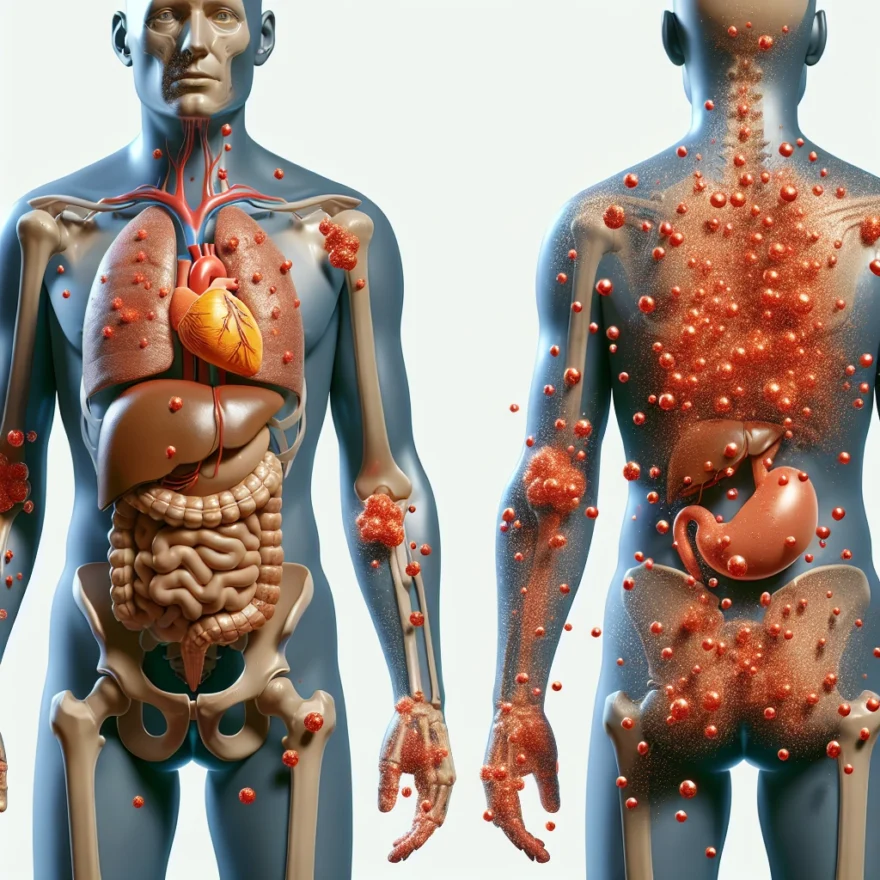
Iron is an essential mineral that our bodies need to function properly. It plays a crucial role in various physiological processes, including oxygen transport, DNA synthesis, and energy metabolism. However, like many things in life, too much of a good thing can be harmful. When the body absorbs more iron than it needs, the excess iron gets stored in various organs, primarily the liver, heart, and pancreas. Over time, this accumulation can lead to iron overload and cause damage to these organs.
Hemochromatosis is the most common form of iron overload disease. It’s often genetic, meaning it’s passed down through families. While it’s a chronic condition, meaning it lasts a long time and often a lifetime, it’s also treatable. With early diagnosis and proper management, individuals with hemochromatosis can lead healthy lives.
Understanding hemochromatosis and its potential consequences is the first step towards effective management. In this article, we delve deeper into the causes, symptoms, and diagnosis of this condition. We also explore the risk factors and complications associated with hemochromatosis, along with the available treatment options. Finally, we’ll address common questions and concerns about living with hemochromatosis. This comprehensive guide aims to provide valuable insights for those affected by the condition and their loved ones, as well as anyone interested in learning more about this often misunderstood disorder.
Table of contents
- Introduction to Hemochromatosis
- Causes of Hemochromatosis
- Symptoms and Diagnosis of Hemochromatosis
- Risk Factors and Complications of Hemochromatosis
- Treatment Options for Hemochromatosis
- Living with Hemochromatosis
- Research and Innovations in Hemochromatosis Treatment
- Common Questions and Answers about Hemochromatosis
Causes of Hemochromatosis
Iron is an essential mineral that our bodies need for various functions, including the production of red blood cells. However, when the body absorbs more iron than it needs, this excess iron gets stored in the organs, particularly the liver, heart, and pancreas, leading to a condition known as hemochromatosis. This iron overload is primarily caused by a genetic disorder, although other factors can also contribute to its development.
Hereditary hemochromatosis, the most common form of this condition, is caused by a mutation in the HFE gene. This gene is responsible for regulating the amount of iron absorbed from the diet. Mutations in the HFE gene disrupt this regulation, causing the body to absorb too much iron. The excess iron is then stored in the body’s organs, leading to damage and disease. It’s worth noting that not everyone with mutations in the HFE gene will develop hemochromatosis. Other factors, such as age, diet, and overall health, can influence the onset of the condition.
There are also other types of hemochromatosis caused by mutations in different genes. These include juvenile hemochromatosis and neonatal hemochromatosis, which affect younger individuals, and secondary hemochromatosis, which is typically the result of another underlying condition, such as anemia or chronic liver disease. Secondary hemochromatosis can also occur as a result of long-term excessive iron intake from supplements or multiple blood transfusions.
Understanding the causes of hemochromatosis is crucial for effective prevention and treatment. If you have a family history of the condition, genetic testing can help determine if you carry the mutated HFE gene. While you can’t change your genes, knowing your genetic risk can help you make informed decisions about your health and lifestyle to manage your iron levels and reduce the risk of complications.
Symptoms and Diagnosis of Hemochromatosis
Hemochromatosis is a genetic disorder characterized by the excessive accumulation of iron in the body. While iron is an essential mineral required for various bodily functions, too much iron can have detrimental effects on the organs and tissues.
Recognizing the symptoms and obtaining an accurate diagnosis are crucial steps in managing hemochromatosis effectively. The condition often presents with a wide range of symptoms, which can vary in severity from person to person.
Common symptoms of hemochromatosis include:
- Fatigue and weakness
- Joint pain and stiffness
- Abdominal pain
- Loss of libido
- Impotence
- Irregular menstruation
- Depression or mood swings
- Unexplained weight loss
- Bronze or grayish skin color
It is important to note that not everyone with hemochromatosis will experience all of these symptoms. Some individuals may only have mild symptoms or remain asymptomatic for a significant period.
Diagnosing hemochromatosis typically involves a combination of medical history evaluation, physical examination, and laboratory tests. If the condition is suspected, the healthcare provider may order the following tests:
- Iron studies: These tests measure the levels of iron in the blood, including serum iron, transferrin saturation, and ferritin.
- Liver function tests: These tests assess the overall health of the liver and check for any signs of liver damage.
- Genetic testing: This involves analyzing the HFE gene responsible for most cases of hereditary hemochromatosis.
- Liver biopsy: In some cases, a small sample of liver tissue may be taken to evaluate the extent of iron buildup and assess liver damage.
It is important to consult with a healthcare professional for an accurate diagnosis, as the symptoms of hemochromatosis can overlap with other medical conditions.
Early detection and prompt treatment are crucial in managing hemochromatosis effectively and preventing complications. If diagnosed with hemochromatosis, the healthcare provider will develop an individualized treatment plan based on the severity of iron overload and the presence of any complications.
The treatment options for hemochromatosis typically include:
- Phlebotomy: This involves regularly removing blood from the body to reduce iron levels. The frequency of phlebotomy sessions may vary depending on the individual’s iron levels and response to treatment.
- Iron chelation therapy: In cases where phlebotomy is not feasible or sufficient, iron chelating medications may be prescribed to help remove excess iron from the body.
- Dietary changes: Individuals with hemochromatosis are advised to limit their intake of iron-rich foods and avoid vitamin C supplements, which can enhance iron absorption.
Regular monitoring of iron levels and overall health is essential for individuals with hemochromatosis. This may involve periodic blood tests, imaging studies, and follow-up appointments with the healthcare provider.
It is important for individuals with hemochromatosis to make certain lifestyle adjustments to manage the condition effectively. This may include:
- Avoiding excessive alcohol consumption, as it can worsen liver damage.
- Ensuring regular exercise to maintain overall health and manage symptoms such as joint pain.
- Seeking genetic counseling for family members to assess their risk of developing hemochromatosis.
Research and innovations in the field of hemochromatosis continue to provide hope for improved treatment options. Scientists are exploring new therapeutic approaches and studying the genetic factors involved in the condition to develop targeted treatments.
By staying informed, seeking appropriate medical care, and making necessary lifestyle changes, individuals with hemochromatosis can effectively manage the condition and lead a healthy life.
Disclaimer: The information provided in this article is for educational purposes only and should not be considered as a substitute for medical advice. It is always recommended to consult with a healthcare professional for proper diagnosis and treatment of hemochromatosis.
Risk Factors and Complications of Hemochromatosis
Hemochromatosis is a condition characterized by excessive iron absorption and accumulation in the body. If left untreated, this iron overload can lead to various complications and health risks. Understanding the risk factors associated with hemochromatosis and being aware of its potential complications is crucial for early detection and management of the condition.
Risk Factors:
1. Genetics: The primary risk factor for developing hemochromatosis is having specific genetic mutations. The most common genetic mutation associated with the condition is known as the HFE gene mutation. Individuals who inherit two copies of this mutated gene (one from each parent) are at an increased risk of developing hemochromatosis.
2. Family History: Having a close family member, such as a parent or sibling, with hemochromatosis increases the likelihood of developing the condition. It is essential to be aware of any family history of the disease and discuss it with your healthcare provider.
3. Gender: Hemochromatosis is more commonly found in males than females. This is primarily due to the protective effect of menstruation in women, which helps in eliminating excess iron from the body.
4. Age: While hemochromatosis can occur at any age, it is typically diagnosed in individuals between the ages of 30 and 60. The symptoms and complications may take years to develop, leading to delayed diagnosis in some cases.
5. Excessive Iron Intake: Consuming high levels of iron through diet or supplements can contribute to iron overload in individuals predisposed to hemochromatosis. It is important to maintain a balanced diet and avoid excessive iron supplementation, especially without medical supervision.
Complications:
1. Organ Damage: The excess iron accumulation in various organs, including the liver, heart, pancreas, and joints, can lead to severe damage over time. This can result in conditions such as cirrhosis, liver cancer, heart problems, diabetes, and arthritis.
2. Increased Infection Susceptibility: Iron overload can weaken the immune system, making individuals more susceptible to infections, particularly bacterial infections. This includes conditions like pneumonia, skin infections, and urinary tract infections.
3. Impaired Sexual Health: Hemochromatosis can affect sexual health in both men and women. In men, it may lead to erectile dysfunction and loss of libido. Women may experience irregular menstrual cycles and decreased fertility.
4. Joint Pain and Damage: Excess iron deposition in the joints can cause joint pain, swelling, and stiffness. If left untreated, it can progress to joint damage and osteoarthritis.
5. Cardiovascular Complications: Iron overload can increase the risk of developing heart problems such as arrhythmias, heart failure, and cardiomyopathy. It is important for individuals with hemochromatosis to monitor their heart health closely.
6. Endocrine Disorders: Hemochromatosis can disrupt the normal functioning of the endocrine system, leading to conditions like hypothyroidism, adrenal insufficiency, and hypogonadism.
7. Increased Risk of Certain Cancers: Long-term iron overload in hemochromatosis patients can increase the risk of developing certain types of cancer, including liver cancer.
It is important to note that not all individuals with hemochromatosis will experience complications. The severity and progression of the condition can vary from person to person. Regular monitoring, early detection, and appropriate treatment can help manage the risk factors and minimize the potential complications associated with hemochromatosis.
Treatment Options for Hemochromatosis
Hemochromatosis is a condition characterized by excessive iron absorption in the body. If left untreated, it can lead to serious health complications. Fortunately, there are several treatment options available for managing hemochromatosis and reducing iron overload.
Phlebotomy
Phlebotomy, also known as bloodletting, is the most common and effective treatment for hemochromatosis. It involves regularly removing a specific amount of blood from the body to reduce iron levels. The frequency and duration of phlebotomy sessions depend on the severity of iron overload and individual response to treatment. In the initial stages, frequent phlebotomies may be required, followed by maintenance phlebotomies to prevent iron levels from rising again.
Iron Chelation Therapy
In cases where phlebotomy is not feasible or sufficient, iron chelation therapy may be considered. This treatment involves the use of medications that bind to excess iron in the body and help remove it through urine or feces. Iron chelators are typically administered orally or through intravenous infusion. While iron chelation therapy can be beneficial, it is often reserved for individuals who cannot undergo phlebotomy or have complications associated with iron overload.
Dietary Modifications
Adopting a diet low in iron can help manage hemochromatosis. This involves avoiding or limiting the consumption of iron-rich foods such as red meat, organ meats, shellfish, and iron-fortified products. Additionally, foods high in vitamin C, which enhances iron absorption, should be consumed in moderation. It is important to work with a registered dietitian to create a balanced meal plan that meets nutritional requirements while minimizing iron intake.
Monitoring and Follow-up
Regular monitoring is crucial for individuals with hemochromatosis to assess the effectiveness of treatment and ensure iron levels remain within a healthy range. This may involve periodic blood tests to measure serum ferritin levels and other iron-related markers. Follow-up appointments with a healthcare provider should be scheduled to discuss treatment progress, address any concerns, and make any necessary adjustments to the treatment plan.
Genetic Counseling
Since hemochromatosis is primarily caused by genetic mutations, individuals diagnosed with the condition may benefit from genetic counseling. Genetic counselors can provide information about the inheritance pattern of hemochromatosis, assess the risk of passing it on to future generations, and offer guidance on family planning options. Understanding the genetic aspects of hemochromatosis can help individuals make informed decisions about their health and the health of their family members.
It is important to note that treatment for hemochromatosis is lifelong, and regular monitoring and adherence to the treatment plan are essential for managing the condition effectively. Consulting with a healthcare professional specializing in hemochromatosis is crucial to determine the most appropriate treatment approach based on individual circumstances.
Living with Hemochromatosis
Living with Hemochromatosis can be challenging, but with proper management and lifestyle adjustments, individuals can lead fulfilling lives. Here are some important aspects to consider:
Dietary Modifications
One of the key aspects of managing hemochromatosis is making dietary modifications to control iron intake. It is important to avoid foods that are high in iron, such as red meat, organ meats, and iron-fortified cereals. Instead, focus on consuming a balanced diet that includes plenty of fruits, vegetables, and whole grains. Additionally, it is advisable to limit alcohol consumption as it can increase iron absorption in the body.
Regular Blood Donation
Blood donation is an effective way to reduce iron levels in individuals with hemochromatosis. Regular blood donation can help prevent iron overload and its associated complications. It is important to consult with a healthcare professional to determine the appropriate frequency of blood donation based on individual circumstances.
Medication and Treatment Compliance
In some cases, individuals with hemochromatosis may require medication or therapeutic treatments to manage iron levels. It is crucial to adhere to the prescribed treatment plan and take medications as directed by the healthcare provider. Regular follow-ups with healthcare professionals are important to monitor iron levels and adjust treatment if necessary.
Monitoring and Managing Symptoms
Hemochromatosis can cause various symptoms, such as fatigue, joint pain, and abdominal pain. It is important to monitor these symptoms and seek medical attention if they worsen or interfere with daily activities. Working closely with healthcare professionals can help manage these symptoms effectively and improve overall quality of life.
Genetic Counseling and Family Screening
Hemochromatosis is a hereditary condition, so it is important for individuals with the condition to consider genetic counseling. Genetic counseling can provide valuable information about the risk of passing on the condition to children and help individuals make informed decisions about family planning. Additionally, it is recommended to encourage family members to undergo screening for hemochromatosis to ensure early detection and intervention if necessary.
Emotional Support and Education
Living with a chronic condition like hemochromatosis can be emotionally challenging. Seeking emotional support from friends, family, or support groups can provide a sense of understanding and companionship. Additionally, educating oneself about the condition, its management, and available resources can empower individuals to take control of their health and make informed decisions.
Overall, living with hemochromatosis requires a proactive approach to managing iron levels and maintaining overall well-being. By making necessary lifestyle adjustments, adhering to treatment plans, and seeking support, individuals with hemochromatosis can lead fulfilling lives and minimize the impact of the condition on their daily activities.
Research and Innovations in Hemochromatosis Treatment
Hemochromatosis is a genetic disorder characterized by the excessive accumulation of iron in the body. Over time, this iron overload can lead to serious health complications such as liver disease, heart problems, and diabetes. Researchers and medical professionals have been actively studying hemochromatosis to better understand its causes, symptoms, and treatment options. Here are some of the latest research and innovations in hemochromatosis treatment:
1. Genetic Studies:
Scientists have made significant progress in identifying the specific gene mutations that cause hemochromatosis. This knowledge has helped in the development of genetic tests that can detect the presence of these mutations in individuals. Early detection and genetic screening can enable individuals at risk to take proactive measures to manage their iron levels and prevent complications.
2. Iron Chelation Therapy:
Iron chelation therapy is a treatment method that involves the use of medications to remove excess iron from the body. Researchers are continually exploring new chelating agents and improving the effectiveness of existing ones. This therapy has shown promising results in reducing iron levels and improving symptoms in individuals with hemochromatosis.
3. Non-Invasive Diagnostic Techniques:
Traditionally, liver biopsies were used to diagnose hemochromatosis and assess the extent of organ damage. However, advancements in medical imaging techniques such as magnetic resonance imaging (MRI) and transient elastography have provided non-invasive alternatives for diagnosing and monitoring the progression of the disease. These techniques help in evaluating liver fibrosis and iron deposition without the need for invasive procedures.
4. Targeted Therapies:
Researchers are exploring targeted therapies that aim to specifically inhibit the absorption of iron in the intestine. By targeting the mechanisms responsible for iron absorption, these therapies can help regulate iron levels in individuals with hemochromatosis. This approach shows promise in preventing iron overload and reducing the risk of complications.
5. Nutritional Interventions:
Dietary modifications play a crucial role in managing hemochromatosis. Researchers are investigating the impact of various dietary factors on iron absorption and metabolism. This knowledge can help in developing personalized nutritional interventions that optimize iron levels and minimize the risk of complications. Studies have shown that certain dietary components, such as tannins found in tea and coffee, can inhibit iron absorption and may be beneficial for individuals with hemochromatosis.
6. Gene Therapy:
Gene therapy is an emerging field that holds potential for treating genetic disorders like hemochromatosis. Researchers are exploring gene editing techniques to correct the genetic mutations responsible for hemochromatosis. Although still in the early stages, gene therapy shows promise as a potential long-term solution for managing and even curing hemochromatosis.
It is important to note that while these research and innovation efforts are promising, they are still undergoing clinical trials and further studies. It is essential for individuals with hemochromatosis to work closely with their healthcare providers to determine the most appropriate treatment options based on their specific needs and circumstances.
Common Questions and Answers about Hemochromatosis
Common Questions and Answers about Hemochromatosis
Here are some common questions and answers about hemochromatosis:
1. What is hemochromatosis?
Hemochromatosis is a genetic disorder that causes the body to absorb and store too much iron from the diet. This excess iron can build up in various organs and tissues, leading to potential damage and complications.
2. How is hemochromatosis diagnosed?
Hemochromatosis is typically diagnosed through blood tests that measure the levels of iron, ferritin, and transferrin saturation in the body. Genetic testing may also be done to identify specific gene mutations associated with the condition.
3. What are the symptoms of hemochromatosis?
The symptoms of hemochromatosis can vary, but they may include fatigue, joint pain, abdominal pain, weakness, and unexplained weight loss. In later stages, it can lead to more severe symptoms such as liver disease, heart problems, and diabetes.
4. Is hemochromatosis a common condition?
Hemochromatosis is considered to be one of the most common genetic disorders, particularly among individuals of Northern European descent. However, many cases go undiagnosed or are misdiagnosed as other conditions, so the true prevalence may be higher than currently estimated.
5. Can hemochromatosis be treated?
Yes, hemochromatosis can be treated. The most common treatment is therapeutic phlebotomy, which involves regularly removing blood from the body to reduce iron levels. In some cases, iron chelation therapy may be used to lower iron levels.
6. Can hemochromatosis be prevented?
While hemochromatosis cannot be prevented, early detection and treatment can help manage the condition and prevent complications. It is recommended that individuals with a family history of hemochromatosis undergo genetic testing to identify the condition early on.
7. Can I still have a normal life with hemochromatosis?
Yes, with proper management and treatment, individuals with hemochromatosis can lead normal lives. Regular blood removal and lifestyle modifications, such as a healthy diet and avoiding iron supplements, can help prevent complications and maintain overall health.
8. Are there any ongoing research efforts for hemochromatosis?
Yes, there is ongoing research to better understand hemochromatosis and develop new treatment options. Researchers are exploring potential gene therapies, drug interventions, and diagnostic tools to improve the management of the condition.
9. Can hemochromatosis be cured?
While there is no cure for hemochromatosis, early diagnosis and appropriate treatment can effectively manage the condition and prevent complications. With proper management, individuals with hemochromatosis can lead healthy lives.
10. Is hemochromatosis hereditary?
Yes, hemochromatosis is a hereditary condition. It is most commonly caused by mutations in the HFE gene, which is inherited in an autosomal recessive manner. This means that both parents must pass on a copy of the mutated gene for the condition to develop.