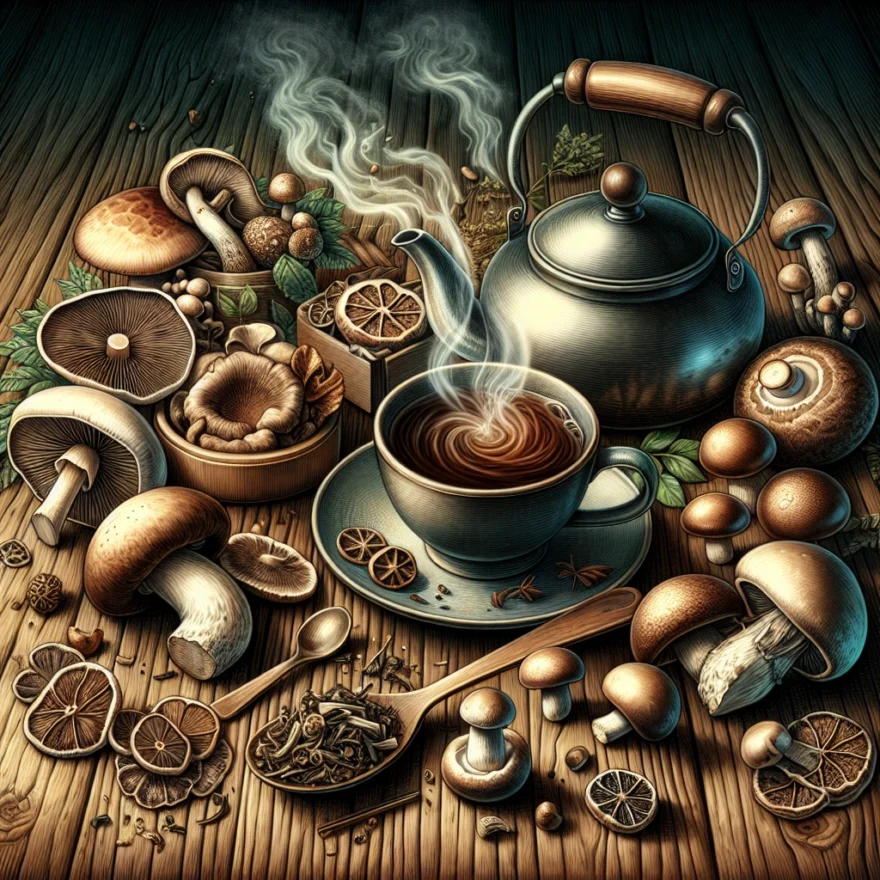
Introduction to Mushroom Tea
Mushroom tea, an ancient elixir celebrated in various cultures, has seen a resurgence in popularity among modern wellness enthusiasts. The journey of this beverage starts in the dense forests and mystical landscapes where mushrooms grow, revered not just for their culinary versatility but also for their medicinal properties. For centuries, traditional healers have harnessed the power of mushrooms to create soothing teas that are believed to support overall health and well-being.
While the concept of mushroom tea might sound unconventional to some, it is deeply rooted in the practices of traditional medicine systems such as Traditional Chinese Medicine (TCM) and Ayurveda. These ancient systems have long recognized the potential of mushrooms, using them to craft teas and tonics aimed at enhancing vitality, boosting immunity, and even promoting longevity.
In the West, the interest in mushroom tea has blossomed thanks to the growing awareness of its health benefits, scientific research, and the increasing trend towards natural and holistic remedies. People are drawn to mushroom tea not just for its unique flavors but also for its reputed health-enhancing properties. From the calming effects of reishi to the energy-boosting benefits of cordyceps, mushroom tea offers a diverse range of potential advantages that cater to different wellness goals.
The process of making mushroom tea involves steeping dried or fresh mushrooms in hot water, allowing their beneficial compounds to infuse into the brew. This method not only extracts the nutrients but also transforms the mushrooms’ earthy flavors into a soothing beverage that can be enjoyed at any time of the day. Whether you’re seeking a morning pick-me-up or a calming nighttime ritual, mushroom tea can be adapted to fit your needs.
As we delve deeper into this article, we will explore the myriad health benefits of mushroom tea, the different types of mushrooms you can use, and provide a detailed guide on how to make this delightful beverage. We’ll also offer tips on perfecting your brew, flavoring options, and how to store and reheat your tea. However, it’s important to be aware of the potential side effects and precautions associated with mushroom tea, which we will also discuss. By the end of this comprehensive guide, you’ll have all the knowledge you need to incorporate mushroom tea into your daily routine and reap its numerous benefits.
Table of contents
- Introduction to Mushroom Tea
- Health Benefits of Mushroom Tea
- Types of Mushrooms for Tea
- Ingredients Needed for Mushroom Tea
- Step-by-Step Guide to Making Mushroom Tea
- Tips for Brewing the Perfect Mushroom Tea
- Flavoring Your Mushroom Tea
- Storing and Reheating Mushroom Tea
- Potential Side Effects and Precautions
- Frequently Asked Questions (FAQ) About Mushroom Tea
- Conclusion and Final Thoughts
Health Benefits of Mushroom Tea
Mushroom tea has gained considerable popularity not just for its unique flavors, but also for the myriad health benefits it offers. Consuming mushroom tea can be an excellent way to tap into the potent nutritional and medicinal properties of various fungi, making it a sought-after beverage among health enthusiasts and natural remedy seekers alike.
One of the most acclaimed benefits of mushroom tea is its potential to boost the immune system. Many mushrooms, such as reishi and chaga, are rich in beta-glucans – complex sugars that help to activate and modulate the immune response. This can aid in fighting off infections and improving overall immunity.
The adaptogenic properties of certain mushrooms, particularly reishi, lion’s mane, and cordyceps, can help the body adapt to stress and restore balance. These mushrooms are known for their ability to improve mental clarity, reduce anxiety, and enhance focus. Lion’s mane, in particular, has been studied for its potential to support cognitive function and may even have neuroprotective properties, making mushroom tea a beneficial drink for brain health.
Antioxidant properties are another significant advantage of mushroom tea. Mushrooms like chaga are loaded with antioxidants, which help to neutralize free radicals in the body. This can help to reduce oxidative stress, potentially lowering the risk of chronic diseases such as heart disease and cancer. Additionally, antioxidants are known to support healthy aging by protecting cells from damage.
Anti-inflammatory benefits are also a notable feature of mushroom tea. Chronic inflammation is a contributor to many health issues, including arthritis, heart disease, and digestive problems. Mushrooms such as turkey tail and chaga contain compounds that can help to reduce inflammation, providing relief and promoting overall health.
Energy and endurance can be boosted with the help of mushroom tea, particularly when using mushrooms like cordyceps. Known for their ability to improve oxygen utilization and enhance ATP production – the energy currency of cells – cordyceps can be a natural way to increase stamina and combat fatigue, making them a favorite among athletes and those with active lifestyles.
For those interested in gut health, certain mushrooms offer prebiotic benefits. Prebiotics are compounds that feed beneficial gut bacteria, promoting a healthy microbiome. Mushrooms like shiitake and maitake can support digestion and improve gut health, which is crucial for overall well-being.
Lastly, some mushrooms have shown potential in supporting cardiovascular health. For instance, reishi mushrooms have been studied for their ability to lower blood pressure and improve cholesterol profiles, thus contributing to a healthier heart.
In summary, the health benefits of mushroom tea are extensive, ranging from immune support and improved cognitive function to antioxidant and anti-inflammatory properties. Whether you’re seeking to enhance your mental clarity, boost your immune system, or simply enjoy a soothing and healthful beverage, mushroom tea offers a variety of advantages that make it worth incorporating into your daily routine.
Types of Mushrooms for Tea
When it comes to making mushroom tea, the type of mushrooms you choose plays a crucial role in determining the flavor and potential health benefits of your tea. Different varieties of mushrooms offer distinct tastes and nutritional profiles, giving you the flexibility to customize your brew to suit your preferences and needs.
1. Reishi Mushrooms: Known for their adaptogenic properties, reishi mushrooms are commonly used in traditional Chinese medicine for their immune-boosting and stress-relieving benefits. When brewed into tea, reishi mushrooms impart a slightly bitter and earthy flavor.
2. Chaga Mushrooms: Chaga mushrooms are rich in antioxidants and are believed to support immune function and promote overall wellness. When brewed, chaga mushroom tea has a nutty and slightly sweet taste, making it a popular choice for those looking to enhance their health.
3. Lion’s Mane Mushrooms: Lion’s mane mushrooms are prized for their potential cognitive benefits, as they are thought to support brain health and improve focus and memory. When used in tea, lion’s mane mushrooms have a mild seafood-like flavor, making them a unique addition to your brew.
4. Shiitake Mushrooms: Shiitake mushrooms are widely used in culinary dishes for their rich umami flavor, but they can also be brewed into a tea for their potential immune-boosting properties. Shiitake mushroom tea has a savory taste with hints of garlic and earthiness.
5. Cordyceps Mushrooms: Cordyceps mushrooms are known for their energizing and performance-enhancing effects, making them popular among athletes and fitness enthusiasts. Cordyceps mushroom tea has a slightly sweet and earthy taste, perfect for a morning pick-me-up.
6. Turkey Tail Mushrooms: Turkey tail mushrooms are rich in antioxidants and are believed to support immune function and gut health. When brewed into tea, turkey tail mushrooms have a subtle and earthy flavor, making them a versatile choice for daily consumption.
Ingredients Needed for Mushroom Tea
When it comes to making a delicious and nutritious cup of mushroom tea, having the right ingredients is key. The ingredients you choose will not only impact the flavor of your tea but also determine the potential health benefits it can offer. Here are the essential ingredients you will need to brew a perfect cup of mushroom tea:
- Dried Mushrooms: The primary ingredient in mushroom tea is, of course, mushrooms. You can use a variety of dried mushrooms such as reishi, chaga, lion’s mane, or shiitake depending on your preference and desired benefits.
- Water: Purified or spring water is best for brewing tea to ensure a clean and fresh taste. Avoid using tap water, as it may contain chemicals that could alter the flavor of your tea.
- Sweetener (optional): If you prefer your tea on the sweeter side, you can add natural sweeteners like honey, maple syrup, or stevia to taste.
- Flavor Enhancers (optional): To add depth and complexity to your mushroom tea, you can include flavor enhancers such as cinnamon sticks, ginger, lemon zest, or other herbs and spices.
- Citrus Juice (optional): Adding a splash of citrus juice from lemons or oranges can brighten up the flavor of your tea and provide an extra dose of vitamin C.
- Coconut Milk or Cream (optional): For a creamy and indulgent brew, you can incorporate coconut milk or cream to your mushroom tea for a rich texture.
- Mushroom Powder (optional): If you prefer a more concentrated mushroom flavor, you can use mushroom powder in addition to or in place of dried mushrooms.
- Tea Infuser or Strainer: To brew your mushroom tea, you will need a tea infuser or strainer to steep the mushrooms and strain the liquid for a smooth and clear tea.
- Pot or Kettle: A pot or kettle for heating water and brewing your tea is essential for the tea-making process.
- Mugs or Tea Cups: Lastly, having your favorite mugs or tea cups ready to enjoy your freshly brewed mushroom tea is the perfect finishing touch.
By gathering these ingredients and following the step-by-step guide, you can create a nourishing and comforting cup of mushroom tea to elevate your wellness routine.
Step-by-Step Guide to Making Mushroom Tea
When it comes to making mushroom tea, following a simple step-by-step guide can make the process smooth and enjoyable. Below, we outline the steps to help you prepare a delicious and nutritious mushroom tea:
- Choose Your Mushrooms: Select the type of mushroom you want to use for your tea. Popular options include reishi, chaga, lion’s mane, and shiitake mushrooms.
- Gather Ingredients: Make sure you have all the necessary ingredients on hand. You will need water, mushrooms, and any additional flavorings or sweeteners you prefer.
- Prepare the Mushrooms: Clean the mushrooms thoroughly and chop or slice them into smaller pieces. This will help release the beneficial compounds during the brewing process.
- Boil Water: In a saucepan, bring water to a gentle boil. Use filtered water for the best results.
- Add Mushrooms: Once the water reaches a boil, reduce the heat to a simmer and add the chopped mushrooms. Let the mushrooms simmer for about 20-30 minutes to extract their beneficial properties.
- Strain the Mixture: After simmering, strain the mushroom-infused water using a fine mesh strainer or cheesecloth. This will remove any mushroom residue and ensure a smooth tea.
- Flavor Your Tea: If desired, add flavorings such as honey, lemon, ginger, or cinnamon to enhance the taste of your mushroom tea.
- Serve and Enjoy: Pour the mushroom tea into a cup or mug and savor its earthy flavors and health benefits. You can enjoy it hot or chilled, depending on your preference.
Tips for Brewing the Perfect Mushroom Tea
When it comes to brewing the perfect mushroom tea, there are several key tips and techniques that can help you create a delicious and potent brew. Follow these guidelines to ensure that your mushroom tea is flavorful, effective, and enjoyable:
- Choose High-Quality Mushrooms: The quality of the mushrooms you use will greatly impact the flavor and potency of your tea. Opt for fresh, organic mushrooms from a reputable source to ensure the best results.
- Properly Prepare the Mushrooms: Before adding the mushrooms to your tea, make sure to clean them thoroughly to remove any dirt or debris. You can also chop or crush the mushrooms to help release their beneficial compounds during brewing.
- Use Filtered Water: The type of water you use can make a difference in the taste of your tea. Using filtered water can help enhance the natural flavors of the mushrooms without any added impurities.
- Monitor Brewing Time: Brewing time is crucial when making mushroom tea. Over-brewing can result in a bitter taste, while under-brewing may not extract all the beneficial compounds. Follow the recommended brewing time for the specific type of mushrooms you are using.
- Control Brewing Temperature: Different types of mushrooms may require different brewing temperatures to extract their full potential. Ensure that you maintain the appropriate temperature throughout the brewing process for optimal results.
- Strain the Tea: Once the tea is ready, be sure to strain it to remove any solid mushroom particles. This will result in a smoother, more enjoyable drinking experience.
- Experiment with Flavors: While mushroom tea has a unique and earthy flavor on its own, you can experiment with adding other herbs, spices, or sweeteners to customize the taste to your liking.
- Practice Consistency: To achieve consistent results with your mushroom tea, it is important to follow the same brewing process each time. This will help you perfect your technique and create a tea that suits your preferences.
- Enjoy Mindfully: Finally, when it comes time to sit back and enjoy your freshly brewed mushroom tea, take a moment to savor the flavors and appreciate the health benefits that this unique beverage can offer.
Flavoring Your Mushroom Tea
Once you have mastered the art of brewing mushroom tea, you may want to explore different ways to enhance the flavor of your concoction. While mushroom tea has a unique earthy taste on its own, there are various ways to add more depth and complexity to the flavor profile.
One popular method to flavor your mushroom tea is by incorporating herbs and spices. Some common herbs that pair well with mushrooms include rosemary, thyme, and sage. These aromatic herbs can complement the earthy flavor of mushrooms and add a refreshing herbal note to your tea.
If you prefer a sweeter taste, you can sweeten your mushroom tea with honey, maple syrup, or agave nectar. These natural sweeteners can balance out the earthiness of the mushrooms and create a more balanced and enjoyable flavor profile.
For a citrusy twist, you can add a splash of lemon or orange juice to your mushroom tea. The acidic brightness of citrus fruits can uplift the flavors of the tea and provide a refreshing and zesty kick.
If you enjoy a bit of heat, you can spice up your mushroom tea with a pinch of cayenne pepper or a dash of chili flakes. These spicy additions can add a warming sensation to your tea and create a unique flavor experience.
Experimenting with different flavor combinations can help you customize your mushroom tea to suit your taste preferences. Whether you prefer a more savory, sweet, herbal, or spicy profile, there are endless possibilities to elevate the flavor of your mushroom tea and make each cup a delightful and satisfying experience.
Storing and Reheating Mushroom Tea
Once you have made a delicious batch of mushroom tea, you may find yourself with leftovers that you want to save for later. Proper storage is essential to maintain the freshness and potency of your tea. Here are some tips on how to store and reheat your mushroom tea:
- Storing Mushroom Tea: To store leftover mushroom tea, allow it to cool to room temperature before transferring it to an airtight container. Make sure the container is made of glass or food-grade plastic to prevent any chemical leaching. Store the tea in the refrigerator for up to 3-4 days to maintain its flavor and benefits.
- Freezing Mushroom Tea: If you want to store mushroom tea for a longer period, consider freezing it. Pour the cooled tea into ice cube trays or freezer-safe containers for easy portioning. When you’re ready to enjoy it again, simply thaw the tea in the refrigerator overnight.
- Reheating Mushroom Tea: When reheating mushroom tea, it’s best to do so gently to preserve its nutrients. Avoid using high heat as it can degrade the beneficial compounds in the tea. You can reheat the tea on the stovetop over low heat or in the microwave using short intervals, stirring in between to ensure even heating.
- Adding Fresh Ingredients: To enhance the flavor of reheated mushroom tea, consider adding fresh ingredients like lemon slices, ginger, or a touch of honey. These additions can elevate the taste and aroma of your tea.
By following these storage and reheating tips, you can enjoy your homemade mushroom tea at its best, whether you’re savoring it right after brewing or saving some for later consumption.
Potential Side Effects and Precautions
While mushroom tea can offer a variety of health benefits, it is crucial to be aware of potential side effects and take necessary precautions when preparing and consuming it. Here are some important considerations to keep in mind:
- Allergic Reactions: Some individuals may be allergic to certain types of mushrooms. If you have a known mushroom allergy, it is essential to avoid consuming mushroom tea or any mushroom-based products to prevent allergic reactions.
- Possible Digestive Issues: Certain types of mushrooms may be difficult for some people to digest, leading to gastrointestinal discomfort such as bloating, gas, or stomach upset. If you experience any digestive issues after consuming mushroom tea, discontinue use and consult a healthcare provider.
- Drug Interactions: If you are taking any medications or have underlying health conditions, it is advisable to consult with a healthcare professional before incorporating mushroom tea into your routine. Some mushrooms may interact with certain medications or exacerbate existing health issues.
- Toxicity Concerns: While many edible mushrooms are safe for consumption, some wild mushrooms can be toxic and potentially harmful if ingested. It is crucial to source mushrooms from reputable suppliers or experts to avoid accidentally using toxic varieties in your tea.
- Psychoactive Effects: Certain types of mushrooms, such as psychedelic mushrooms, can have psychoactive properties that may cause hallucinations or altered states of consciousness. If you are not familiar with the specific type of mushroom being used in your tea, it is essential to exercise caution to avoid unexpected psychoactive effects.
- Pregnancy and Breastfeeding: Pregnant or breastfeeding individuals should be cautious when consuming mushroom tea, as the effects of certain mushrooms on fetal development or infant health are not well understood. It is recommended to consult with a healthcare provider before incorporating mushroom tea into your diet during these stages.
- Sensitivity and Tolerance: Individuals may vary in their sensitivity to mushrooms and their components. If you are trying mushroom tea for the first time, start with a small amount to gauge your tolerance and sensitivity. Monitor how your body reacts and adjust the dosage accordingly.
Frequently Asked Questions (FAQ) About Mushroom Tea
Are there any safety concerns when consuming mushroom tea?
While mushroom tea is generally considered safe to consume, there are a few precautions to keep in mind. It’s important to properly identify the mushrooms you are using to ensure they are safe for consumption. If you are unsure about the type of mushroom or its safety, it is best to consult with a mycologist or a healthcare professional before using it in tea.
Can I add sweeteners or other flavors to my mushroom tea?
Absolutely! Mushroom tea can be flavored according to your taste preferences. You can add natural sweeteners like honey, agave syrup, or stevia to enhance the flavor. Additionally, you can experiment with adding spices like cinnamon, ginger, or lemon for a unique taste profile.
What is the recommended dosage of mushroom tea?
The recommended dosage of mushroom tea can vary depending on the type of mushroom used and individual tolerance. It’s advisable to start with a small amount and gradually increase the dosage as needed. Consulting with a healthcare provider or a mycologist can help determine the appropriate dosage for your specific needs.
Can mushroom tea be reheated?
Yes, mushroom tea can be reheated if stored properly. It is recommended to store any leftover tea in an airtight container in the refrigerator. When reheating, do so gently over low heat to avoid altering the taste or potency of the tea.
Are there any potential side effects of consuming mushroom tea?
While mushroom tea is generally safe for most individuals, some people may experience mild side effects such as stomach upset or allergic reactions. It’s important to start with a small amount to gauge your body’s reaction and discontinue use if any adverse effects occur. If you have any underlying health conditions or concerns, consult with a healthcare professional before consuming mushroom tea.
Can children or pregnant women consume mushroom tea?
It is advisable for children, pregnant women, and individuals with certain health conditions to avoid consuming mushroom tea unless approved by a healthcare provider. The effects of mushroom tea on specific populations are not well-studied, so caution should be exercised to ensure safety.
Is it safe to forage for mushrooms to use in tea?
Foraging for mushrooms can be a rewarding experience, but it is crucial to have extensive knowledge of mycology and proper identification techniques to ensure the mushrooms are safe for consumption. If you are uncertain about foraging for mushrooms, it is best to purchase them from reputable sources to avoid any potential risks.
Conclusion and Final Thoughts
After delving into the world of mushroom tea, it is evident that this unique beverage offers a plethora of health benefits and a rich, earthy flavor profile that appeals to many. From boosting immunity to promoting relaxation, mushroom tea has certainly made its mark in the realm of alternative beverages.
Exploring the types of mushrooms used in tea-making revealed a diverse array of options, each with its own set of medicinal properties and flavors. Whether you opt for reishi, chaga, lion’s mane, or another variety, incorporating mushroom tea into your wellness routine can be a rewarding experience.
The step-by-step guide provided valuable insights into the preparation process, ensuring that even beginners can brew a delicious cup of mushroom tea with ease. By selecting high-quality ingredients and following the recommended techniques, you can savor the full benefits of this ancient elixir.
With tips for brewing the perfect mushroom tea, enthusiasts can refine their craft and tailor the flavor profile to suit their preferences. Whether you enjoy your tea hot or cold, sweetened or spiced, there are endless possibilities for customizing this beverage to your liking.
When it comes to flavoring mushroom tea, experimenting with complementary ingredients such as honey, ginger, lemon, or cinnamon can elevate your drinking experience. These additions not only enhance the taste but also provide additional health benefits, making each cup of mushroom tea a true delight.
Proper storage and reheating techniques ensure that your mushroom tea remains fresh and flavorful for longer periods, allowing you to enjoy its benefits at your convenience. By following the recommended guidelines, you can preserve the integrity of the tea and maintain its potency over time.
While mushroom tea offers a host of advantages, it is crucial to be aware of potential side effects and precautions associated with its consumption. By understanding these considerations and consulting with a healthcare professional if needed, you can safely incorporate mushroom tea into your daily routine.
Addressing common questions and concerns through a detailed FAQ section helps demystify the process of making mushroom tea, empowering readers to embark on their own tea-making journey with confidence. By providing comprehensive information, this article aims to equip individuals with the knowledge they need to enjoy mushroom tea to the fullest.
In conclusion, the world of mushroom tea is vast and varied, offering a wealth of opportunities for exploration and discovery. By embracing this ancient tradition and incorporating it into modern wellness practices, individuals can experience the numerous benefits that mushroom tea has to offer. With a blend of tradition, innovation, and creativity, the art of making mushroom tea continues to captivate and inspire tea enthusiasts around the globe.