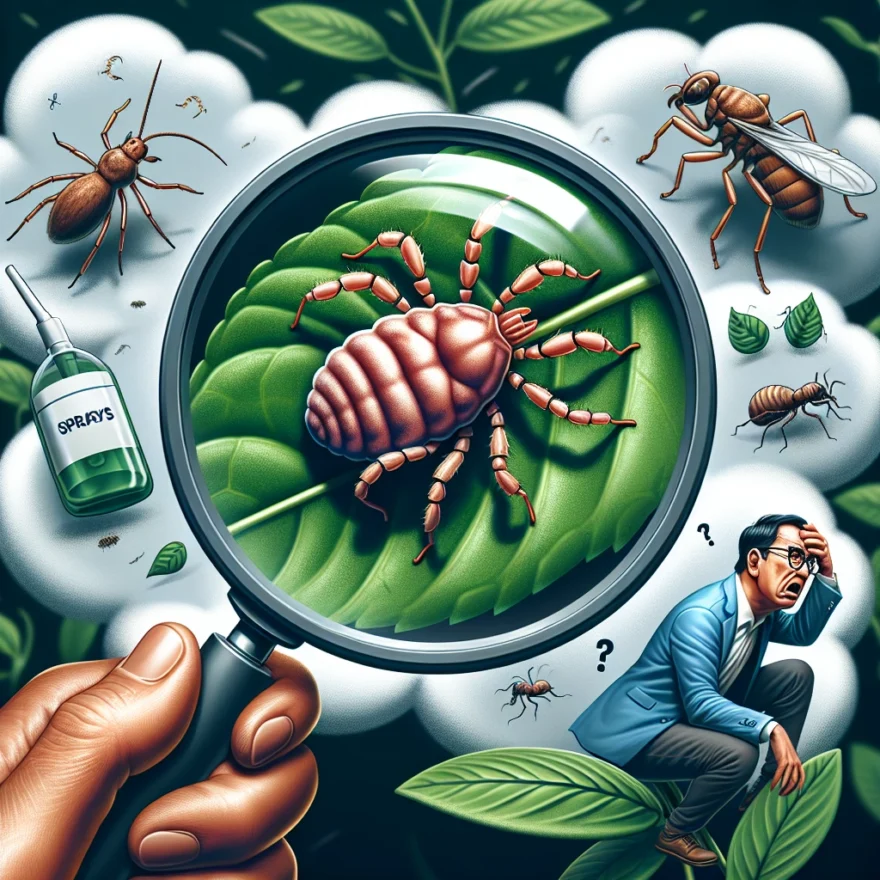
Understanding Mite Infestations
When it comes to household pests, mites are often overlooked. Yet, these tiny creatures can wreak havoc in various environments, from our gardens to our homes, and even on our bodies. Mites are small arthropods that belong to the class Arachnida, which also includes spiders and ticks. There are thousands of mite species, many of which are harmless to humans and animals. However, some species can cause serious problems when they infest our surroundings.
These minuscule pests are extremely adaptable and can thrive in a wide range of conditions. Some mites prefer to live in soil and plants, while others are comfortable in homes, feeding on dust particles, skin cells, and other organic matter. Certain types of mites, like the notorious scabies and demodex mites, are parasitic and live on or in the skin of humans and animals, causing various skin conditions.
One of the reasons mite infestations are challenging to control is their rapid reproduction rate. A female mite can lay hundreds of eggs in her short lifespan, leading to a rapid increase in their population. This rapid reproduction, combined with their microscopic size, makes it difficult to detect an infestation until it has become a significant problem.
Another factor that makes mites particularly difficult to manage is their resilience. Many mite species can survive without food for long periods, making them tough to eradicate once they’ve settled in. Additionally, mites are not picky eaters. They can feed on a variety of organic materials, further increasing their survival chances in different environments.
Understanding the nature of mites, their behavior, and their preferred habitats is the first step in effectively controlling mite infestations. This knowledge can help you devise a targeted approach to prevent and control mite populations, ensuring a healthier and more comfortable living space for you and your family.
Table of contents
The Impact of Mite Infestations
Mites, despite their diminutive size, can wreak havoc in both residential and agricultural settings. Their impact can be felt in various ways, and understanding these effects is the first step towards effective control and management of mite infestations.
On a personal level, mite infestations can cause a range of health issues. Certain species, like the house dust mite, are known allergens and can trigger asthma attacks, eczema, and other allergic reactions in sensitive individuals. These reactions can range from mild to severe, depending on the person’s sensitivity and the extent of the infestation.
Similarly, scabies mites burrow into the skin causing intense itching and skin rashes. If left untreated, these infestations can lead to secondary bacterial infections due to incessant scratching. The psychological distress caused by the persistent itching and discomfort can also not be underestimated.
In the agricultural sector, mites pose a significant threat to crop health and productivity. Spider mites, for instance, are notorious plant pests that feed on the plant’s sap, causing yellowing or browning of leaves, stunted growth, and in severe cases, plant death. Mite infestations can lead to substantial crop losses, impacting the livelihoods of farmers and the overall food supply chain.
Moreover, mites can also infest livestock, causing conditions like mange which lead to weight loss, reduced milk production, and in extreme cases, death. These infestations not only impact the health and wellbeing of the animals but also result in significant economic losses for farmers.
In conclusion, the impact of mite infestations is far-reaching, affecting both human health and economic productivity. Therefore, understanding the potential consequences of these infestations is crucial in formulating effective control strategies.
Preventing Mite Infestations
Mite infestations can be a nuisance and can cause significant damage to your home, garden, or even your health. Fortunately, there are several effective measures you can take to prevent mite infestations from occurring in the first place. By implementing these preventative strategies, you can save yourself the trouble and expense of dealing with mite mayhem.
1. Keep your home clean and clutter-free:
Mites thrive in dusty and cluttered environments. Regularly vacuum your home, paying special attention to carpets, upholstery, and areas where dust tends to accumulate. Decluttering your living spaces will also help reduce hiding places for mites.
2. Maintain proper humidity levels:
Mites thrive in humid conditions, so it’s important to keep the humidity levels in your home under control. Use a dehumidifier in areas prone to high humidity, such as basements and bathrooms. Additionally, ensure proper ventilation to prevent moisture buildup.
3. Seal cracks and crevices:
Mites can easily find their way into your home through small cracks and crevices. Inspect your home regularly and seal any openings using caulk or weatherstripping. Pay close attention to windows, doors, and areas where utility lines enter your home.
4. Store food properly:
Mites are attracted to food sources, so it’s crucial to store your food properly. Keep all food containers tightly sealed, and regularly clean your pantry and kitchen to eliminate any potential food sources for mites.
5. Maintain a clean and well-groomed garden:
If you have a garden, it’s important to keep it well-maintained to prevent mite infestations. Regularly remove weeds, dead plants, and debris from your garden, as these can attract mites. Additionally, consider using organic pest control methods to keep mite populations in check.
6. Avoid bringing in infested items:
When purchasing new items for your home or garden, thoroughly inspect them for signs of mite infestation. Avoid bringing in items that may already be infested, as this can quickly lead to a full-blown mite problem.
7. Practice good personal hygiene:
Mites can also affect your personal health, so practicing good hygiene is essential. Regularly wash your bedding, towels, and clothing in hot water to kill any potential mites. Additionally, avoid sharing personal items such as brushes or hats to prevent the spread of mites.
8. Seek professional help:
If you suspect or have confirmed a mite infestation in your home or garden, it’s best to seek professional help. Pest control experts have the knowledge and tools to effectively eliminate mite infestations and prevent future occurrences.
By following these preventative measures, you can significantly reduce the risk of mite infestations and keep your home, garden, and health protected from mite mayhem.
Identifying Mite Infestations
Identifying mite infestations is crucial in order to effectively control and eliminate these tiny pests from your home or garden. While mites are not visible to the naked eye, there are certain signs and symptoms that can help you identify their presence.
1. Visible Damage: Mites can cause visible damage to plants, crops, and even furniture. Look out for yellowing or browning leaves, distorted growth, wilting, or the presence of small webs or silk-like threads on the affected plants.
2. Itchy Skin: Mite bites can cause itching and skin irritation in humans and pets. If you or your pets are experiencing unexplained itching, especially in areas where mites are known to thrive, such as bedding or upholstery, it could be a sign of a mite infestation.
3. Allergic Reactions: Some individuals may develop allergic reactions to mites, resulting in symptoms such as sneezing, coughing, watery eyes, or difficulty breathing. If these symptoms worsen when you are indoors or in specific areas of your home, mites could be the cause.
4. Presence of Mite Droppings: Mites leave behind tiny droppings that resemble black or brown specks. These droppings can often be found on surfaces where mites are present, such as bedding, furniture, or window sills.
5. Skin Rashes or Blisters: Certain types of mites, such as scabies mites, can cause skin rashes or blisters when they come into direct contact with the skin. If you notice any unusual skin reactions, especially in clusters or lines, it is important to seek medical attention to determine if mites are the cause.
6. Dust Mite Allergens: Dust mites are a common type of mite that can be found in homes. While they are not visible to the naked eye, their presence can be detected through allergen testing. If you or your family members experience allergy symptoms indoors, such as sneezing, congestion, or asthma attacks, it could be a sign of dust mite infestation.
7. Microscopic Examination: In some cases, identifying mites may require microscopic examination. If you suspect the presence of mites but are unable to see any visible signs, you can collect a sample and send it to a laboratory for analysis. A trained professional can then identify the type of mite and provide appropriate recommendations for control.
Remember, early detection is key to preventing mite infestations from spreading and causing further damage. If you suspect a mite infestation, it is advisable to consult with a pest control professional who can accurately identify the mite species and recommend the most effective control methods.
Natural Remedies for Mite Control
When it comes to controlling mite infestations, many people prefer to use natural remedies due to concerns about the potential harmful effects of chemicals. Natural remedies can be effective in managing mite populations while minimizing the impact on the environment and human health. Here are some natural remedies you can try:
1. Neem Oil
Neem oil is derived from the neem tree and has been used for centuries as a natural pesticide. It contains azadirachtin, a compound that disrupts the growth and reproduction of mites. Dilute neem oil with water and spray it on affected areas to control mite infestations.
2. Diatomaceous Earth
Diatomaceous earth is a fine powder made from the fossilized remains of diatoms. It works by dehydrating mites and other pests, causing them to die. Sprinkle diatomaceous earth in areas where mites are present, such as corners, cracks, and crevices.
3. Essential Oils
Certain essential oils have insecticidal properties that can help repel and kill mites. Tea tree oil, eucalyptus oil, and peppermint oil are known to be effective against mites. Mix a few drops of your chosen essential oil with water and spray it on infested areas or use it in a diffuser to deter mites.
4. Garlic
Garlic has natural antimicrobial properties, which can help eliminate mites and prevent their spread. Crush a few garlic cloves and mix them with water to create a garlic spray. Apply the spray to affected areas to control mite infestations.
5. Vinegar
Vinegar is a versatile household ingredient that can also be used to combat mites. Mix equal parts of vinegar and water and spray the solution on infested areas. Vinegar helps kill mites and their eggs, reducing the population over time.
6. Predatory Mites
Introducing predatory mites into your garden or indoor space can be an effective biological control method. Predatory mites feed on other mites and help keep their populations in check. Consult with a professional or a local garden center to determine which predatory mite species are suitable for your specific mite infestation.
Remember, natural remedies may take some time to show results and may require repeated applications. It’s important to monitor the infested areas closely and maintain good hygiene practices to prevent mite reinfestation.
Chemical Solutions for Mite Control
When it comes to controlling mite infestations, chemical solutions can be an effective option. While natural remedies are preferred by some, chemical solutions can provide quick and targeted relief from mite mayhem. However, it is important to use these solutions with caution and follow the instructions provided by the manufacturer.
Chemical solutions for mite control typically come in the form of sprays, powders, or dusts. These products contain specific chemicals that are designed to kill mites on contact or disrupt their life cycle. Here are some commonly used chemical solutions for mite control:
- Pyrethroids: Pyrethroids are synthetic chemicals that mimic the natural insecticide found in chrysanthemum flowers. They are commonly used in household insecticides and are effective against a wide range of pests, including mites. Pyrethroids work by attacking the nervous system of mites, leading to paralysis and death. However, it is important to note that some mites may have developed resistance to pyrethroids, so it is advisable to rotate between different chemical solutions for better efficacy.
- Organophosphates: Organophosphates are another group of chemicals commonly used for mite control. They work by inhibiting the activity of enzymes in the mite’s nervous system, leading to paralysis and death. Organophosphates are highly effective against mites, but they can also be toxic to humans and pets. It is crucial to use them with caution and follow the safety instructions provided by the manufacturer.
- Acaricides: Acaricides are specifically formulated to target mites and other arachnids. These chemicals are designed to disrupt the mite’s life cycle, preventing them from reproducing and infesting further. Acaricides can be applied as sprays or dusts and are available in both synthetic and natural forms. Some acaricides contain ingredients like sulfur, which is known for its mite-killing properties.
- Insect Growth Regulators (IGRs): IGRs are chemicals that interfere with the growth and development of mites. They work by mimicking the hormones necessary for mite growth, leading to disrupted molting and reproduction. IGRs are effective in controlling mite populations, but they may take longer to show results compared to other chemical solutions. They are often used in combination with other acaricides for better efficacy.
Before using any chemical solution for mite control, it is important to read and understand the product label. Follow the instructions carefully, including the recommended dosage, application method, and safety precautions. It is also advisable to wear protective clothing, such as gloves and a mask, to minimize exposure to the chemicals.
While chemical solutions can be effective in controlling mite infestations, it is important to consider the potential impact on the environment and non-target organisms. If possible, opt for chemical solutions that are specifically formulated for mite control and have minimal impact on beneficial insects and other wildlife.
Remember, chemical solutions should be used as a last resort when other methods have proven ineffective. Integrated Pest Management (IPM) techniques, which combine various strategies including cultural, biological, and physical controls, should be considered first. If you are unsure about the best course of action, consult a professional pest control service that specializes in mite infestations.
Professional Mite Control Services
When it comes to dealing with mite infestations, sometimes the best course of action is to call in the professionals. Professional mite control services have the expertise and resources to effectively eliminate mite infestations and prevent them from recurring. Here are some reasons why hiring professionals for mite control can be beneficial:
1. Knowledge and Experience: Professional mite control technicians have extensive knowledge and experience in dealing with mite infestations. They are trained to identify different species of mites, understand their behavior patterns, and implement effective control measures. Their expertise allows them to quickly and accurately assess the severity of the infestation and determine the most appropriate treatment methods.
2. Effective Treatment Methods: Professional mite control services have access to a wide range of effective treatment methods that may not be available to homeowners. They use specialized equipment and products that are specifically designed to target and eliminate mites. These treatments are often more potent and long-lasting compared to over-the-counter solutions, ensuring a higher success rate in eradicating mite infestations.
3. Customized Solutions: Every mite infestation is unique, and professional mite control technicians understand the importance of tailoring their approach to each specific situation. They will conduct a thorough inspection of your property to identify the source of the infestation, determine the extent of the problem, and develop a customized treatment plan that addresses your specific needs.
4. Safety Measures: Mite control often involves the use of chemicals and pesticides, which can be hazardous if not handled properly. Professional mite control services prioritize safety and take necessary precautions to protect you, your family, and your pets from exposure to harmful substances. They follow strict guidelines and regulations to ensure the safe and responsible application of treatments.
5. Long-Term Prevention: In addition to eliminating existing mite infestations, professional mite control services focus on preventing future infestations. They will provide you with valuable advice on how to reduce mite-friendly environments in and around your property, such as minimizing moisture levels, sealing entry points, and implementing proper sanitation practices. By addressing the root causes of mite infestations, professionals can help ensure long-term protection against these pests.
6. Time and Convenience: Dealing with a mite infestation can be time-consuming and frustrating, especially if you are unfamiliar with the proper control methods. Hiring professional mite control services saves you time and effort, as they take care of all the necessary steps, from inspection to treatment, allowing you to focus on other important tasks.
Overall, professional mite control services offer a comprehensive and effective solution to mite infestations. Their expertise, specialized treatments, and commitment to safety make them a valuable resource in the battle against mite mayhem. If you are dealing with a mite infestation, it is worth considering the benefits of hiring professionals to ensure a swift and successful resolution.
FAQs on Mite Infestations
Q: How do mite infestations occur?
A: Mite infestations can occur in a variety of ways. They can be brought into your home through infested plants, pets, or even on your clothing. Mites are tiny and can easily hitch a ride on unsuspecting hosts, making their way into your living spaces.
Q: What are the signs of a mite infestation?
A: The signs of a mite infestation can vary depending on the type of mite and the affected area. Common signs include itching, redness, and small bites or rashes on the skin. In the case of dust mites, you may notice an increase in allergy symptoms such as sneezing, coughing, and watery eyes. Additionally, you may find visible mite droppings or webs in infested areas.
Q: Can mites cause health problems?
A: Yes, mites can cause various health problems. Some mites, such as dust mites, can trigger allergic reactions in individuals who are sensitive to their feces and body parts. These reactions can range from mild symptoms like sneezing and itching to more severe respiratory issues. Certain mites, like scabies mites, can also cause skin infections and intense itching.
Q: Can I get rid of mites on my own?
A: Depending on the severity of the infestation, you may be able to control mites on your own. Regular cleaning, vacuuming, and washing bedding in hot water can help eliminate dust mites. For other types of mites, you may need to use natural remedies or chemical solutions. However, it’s important to note that professional mite control services may be necessary for more severe infestations or certain species of mites.
Q: Are there any natural remedies for mite control?
A: Yes, there are several natural remedies that can help control mite infestations. Some options include using essential oils like tea tree oil or neem oil, diatomaceous earth, or vinegar solutions. These remedies can be effective in repelling or killing mites, but it’s important to research and follow proper application methods to ensure safety and effectiveness.
Q: What are the chemical solutions available for mite control?
A: There are various chemical solutions available for mite control, such as insecticides specifically formulated for mites. These products can be found in the form of sprays, powders, or aerosols. It’s important to carefully read and follow the instructions provided by the manufacturer to ensure safe and effective use. If you have concerns about using chemical solutions, consider consulting with a professional pest control service for guidance.
Q: When should I consider hiring professional mite control services?
A: You should consider hiring professional mite control services if you have a severe infestation that you are unable to control on your own, or if you are dealing with mites that pose health risks. Professional exterminators have the expertise and tools to effectively eliminate mites and prevent future infestations. They can also provide guidance on long-term prevention strategies to keep your home mite-free.
Q: How can I prevent mite infestations?
A: There are several steps you can take to prevent mite infestations. These include regularly cleaning and vacuuming your home, washing bedding in hot water, reducing humidity levels, sealing cracks and crevices, and keeping your pets clean and free from mites. It’s also important to inspect plants and other items before bringing them into your home to avoid introducing mites.
Q: Are mites harmful to pets?
A: Yes, mites can be harmful to pets. They can cause skin irritations, itching, hair loss, and even transmit diseases. If you notice any signs of mite infestations in your pets, such as excessive scratching or visible skin issues, it’s important to consult with a veterinarian for proper diagnosis and treatment.