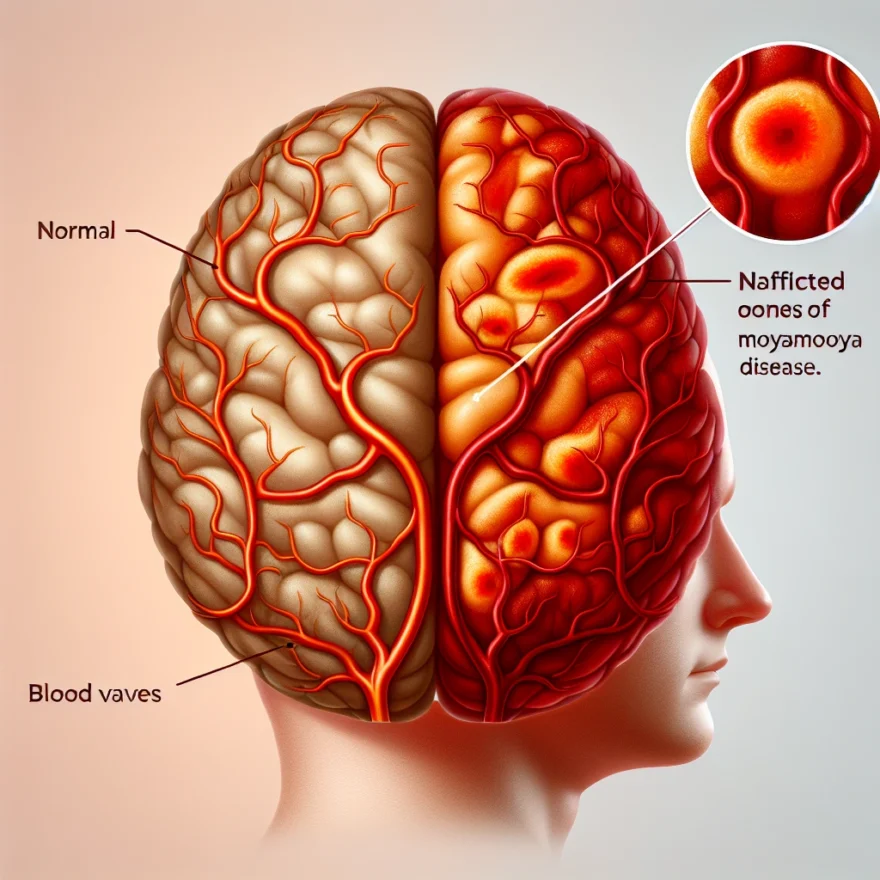
Introduction to Moyamoya Disease
Moyamoya disease is a rare, progressive cerebrovascular disorder characterized by the narrowing of the internal carotid arteries and their main branches. This narrowing leads to the formation of a network of small, fragile blood vessels to compensate for the reduced blood flow, which is the hallmark of this condition. The term ‘Moyamoya’ is a Japanese term meaning ‘puff of smoke,’ which describes the appearance of these small vessels on an angiogram.
This disease is often diagnosed in children, but it can occur at any age. It’s most common in people of Japanese descent, but it’s been identified in virtually all ethnic groups. The disease can lead to transient ischemic attacks (TIA), strokes, and cognitive decline due to the reduced blood supply to the brain.
Moyamoya disease can be quite challenging to diagnose due to its rarity and the wide range of symptoms that can mimic other neurological disorders. However, with the right diagnostic tools and a high index of suspicion, a definitive diagnosis can be reached, leading to effective management strategies.
The management of Moyamoya disease is primarily surgical, aiming to improve the blood supply to the affected areas of the brain and prevent further neurological damage. While Moyamoya disease can be life-threatening if left untreated, with appropriate management, individuals with this condition can lead productive lives.
Research into Moyamoya disease is ongoing, with scientists striving to understand the underlying causes and develop new treatment strategies. This article will delve into the symptoms, causes, diagnosis, and treatment of Moyamoya disease, providing a comprehensive overview of this rare cerebrovascular disorder.
Table of contents
Symptoms of Moyamoya Disease
The clinical manifestations of Moyamoya disease can vary significantly depending upon the age of the patient and the severity of the condition. While this disease can occur at any age, it most commonly presents itself in children and adults in their 30s and 40s. The symptoms are often divided into two categories: ischemic and hemorrhagic.
Ischemic symptoms are related to reduced blood flow to the brain. In children, the most common ischemic symptom is a recurrent transient ischemic attack (TIA), also known as a “mini-stroke”. These can manifest as episodes of weakness, numbness or paralysis on one side of the body, often triggered by crying, straining, or fever. Other ischemic symptoms can include headaches, seizures, and cognitive decline, including difficulties with thinking, speaking, understanding, and problem-solving.
Adults with Moyamoya disease are more likely to experience hemorrhagic symptoms, which are related to bleeding in the brain. The most common hemorrhagic symptom is an intracranial hemorrhage, which is a life-threatening type of stroke caused by bleeding within the brain. Symptoms can include sudden severe headache, nausea and vomiting, decreased alertness or loss of consciousness, and weakness or numbness on one side of the body.
It’s important to note that the symptoms of Moyamoya disease can vary greatly from one individual to another, and may not be present all the time. The symptoms can also be similar to those of other neurological conditions, making it challenging to diagnose. Therefore, if you or your child experience any of these symptoms, it’s crucial to seek medical attention immediately.
Causes and Risk Factors of Moyamoya Disease
Moyamoya disease is a rare cerebrovascular disorder characterized by the narrowing or blockage of certain blood vessels in the brain. The exact cause of Moyamoya disease is still unknown, but researchers have identified several potential risk factors that may contribute to its development.
Genetics plays a significant role in Moyamoya disease, as it tends to run in families. Studies have shown that there is a higher prevalence of the disease among individuals of Asian descent, particularly those of Japanese, Korean, and Chinese ancestry. In fact, the term “Moyamoya” is derived from the Japanese word meaning “puff of smoke,” which describes the appearance of the tiny blood vessels that form as a compensatory response to the blockage.
Researchers have also identified specific gene mutations that are associated with Moyamoya disease. These mutations affect the smooth muscle cells in the walls of the blood vessels, leading to their abnormal growth and narrowing. However, it is important to note that not all individuals with these gene mutations will develop Moyamoya disease, suggesting that other factors may also be involved.
In addition to genetics, certain medical conditions and risk factors have been linked to an increased risk of developing Moyamoya disease. These include:
- Down syndrome: Individuals with Down syndrome have a higher risk of developing Moyamoya disease compared to the general population.
- Sickle cell disease: People with sickle cell disease are more prone to developing narrowed blood vessels, including those in the brain.
- Autoimmune disorders: Conditions such as lupus and Graves’ disease have been associated with an increased risk of Moyamoya disease.
- Head and neck radiation: Individuals who have undergone radiation therapy to the head or neck region, particularly at a young age, have an elevated risk of developing Moyamoya disease.
- Smoking: Smoking is a known risk factor for various vascular diseases, including Moyamoya disease.
It is important to note that while these risk factors may increase the likelihood of developing Moyamoya disease, they do not guarantee its occurrence. Many individuals with Moyamoya disease do not have any known risk factors, highlighting the complex nature of the condition.
Researchers continue to investigate the underlying causes and risk factors of Moyamoya disease to gain a better understanding of the condition. By identifying these factors, they hope to develop more effective prevention strategies and treatment options for individuals affected by this rare cerebrovascular disorder.
Diagnosing Moyamoya Disease
Moyamoya Disease is a rare cerebrovascular disorder that affects the blood vessels in the brain. Diagnosing this condition can be challenging due to its rarity and the similarity of symptoms to other neurological disorders. However, there are several diagnostic methods that can help healthcare professionals identify Moyamoya Disease and develop an appropriate treatment plan.
1. Medical History and Physical Examination:
The diagnostic process usually begins with a thorough medical history review and physical examination. The doctor will ask about the patient’s symptoms, their duration, and any family history of Moyamoya Disease or other cerebrovascular disorders. During the physical examination, the doctor may check for any neurological abnormalities such as weakness, numbness, or difficulty speaking.
2. Neurological Evaluation:
A comprehensive neurological evaluation is crucial in diagnosing Moyamoya Disease. This evaluation may include tests to assess the patient’s cognitive function, motor skills, coordination, and reflexes. The doctor will also check for any signs of stroke or transient ischemic attacks (TIAs).
3. Imaging Tests:
Imaging tests play a vital role in diagnosing Moyamoya Disease. These tests provide detailed images of the blood vessels in the brain, helping doctors identify the characteristic narrowing or blockage that occurs in this condition. The most commonly used imaging tests for diagnosing Moyamoya Disease include:
– Magnetic Resonance Imaging (MRI): This test uses powerful magnets and radio waves to create detailed images of the brain. It can help detect the narrowing of blood vessels and any signs of stroke or brain damage.
– Magnetic Resonance Angiography (MRA): MRA is a specialized form of MRI that focuses on the blood vessels. It provides a clear view of the blood flow in the brain and can help identify the characteristic “puff of smoke” appearance of collateral blood vessels seen in Moyamoya Disease.
– Computed Tomography (CT) Scan: A CT scan uses X-rays to create cross-sectional images of the brain. It can help detect any abnormalities, such as bleeding or brain tissue damage, and may also reveal the narrowing of blood vessels.
– Digital Subtraction Angiography (DSA): DSA is an invasive procedure that involves injecting a contrast dye into the blood vessels of the brain. X-ray images are then taken to visualize the blood flow and identify any blockages or narrowing.
4. Cerebral Blood Flow Studies:
To assess the blood flow in the brain, doctors may perform additional tests such as:
– Positron Emission Tomography (PET) Scan: PET scans measure the metabolic activity in different areas of the brain. They can help determine if certain areas are receiving adequate blood flow or if there are any regions with reduced blood flow.
– Single-Photon Emission Computed Tomography (SPECT): SPECT scans also evaluate blood flow in the brain. They involve injecting a radioactive substance into the bloodstream and taking images to assess how the blood is distributed.
5. Genetic Testing:
In some cases, genetic testing may be recommended to identify specific genetic mutations associated with Moyamoya Disease. This testing can help confirm the diagnosis and determine if there is a familial component to the condition.
It is important to note that a definitive diagnosis of Moyamoya Disease can only be made by a qualified healthcare professional based on a combination of clinical evaluation, medical history, and diagnostic tests. If you or a loved one are experiencing symptoms suggestive of Moyamoya Disease, it is crucial to seek medical attention promptly for an accurate diagnosis and appropriate management.
Treatment of Moyamoya Disease
Moyamoya disease is a rare cerebrovascular disorder that affects the blood vessels in the brain, leading to the narrowing or blockage of these vessels. The treatment of Moyamoya disease aims to improve blood flow to the brain and prevent further complications. The specific treatment approach may vary depending on the individual’s age, overall health, and the severity of the condition.
1. Medications
Medications can be prescribed to manage symptoms and reduce the risk of complications associated with Moyamoya disease. These may include:
- Aspirin: Aspirin is often recommended to prevent blood clots and reduce the risk of stroke.
- Calcium channel blockers: These medications help relax and widen the blood vessels, improving blood flow to the brain.
- Statins: Statins are used to lower cholesterol levels and reduce the risk of atherosclerosis, a condition that can worsen Moyamoya disease.
2. Surgical Interventions
In many cases, surgical interventions are necessary to manage Moyamoya disease effectively. The primary goal of surgery is to restore blood flow to the brain by creating new pathways for blood circulation. Some common surgical procedures used in the treatment of Moyamoya disease include:
- Direct bypass: This procedure involves connecting a blood vessel from the scalp to a blood vessel on the surface of the brain, bypassing the narrowed or blocked vessels.
- Indirect bypass: Indirect bypass involves rerouting a nearby blood vessel to supply blood to the affected area of the brain.
- Encephaloduroarteriosynangiosis (EDAS): EDAS involves placing a healthy blood vessel on the surface of the brain to promote new blood vessel growth.
- Encephalomyosynangiosis (EMS): EMS involves using a muscle from the scalp to promote blood vessel growth.
3. Rehabilitation
After surgery, rehabilitation plays a crucial role in the treatment of Moyamoya disease. Physical therapy, occupational therapy, and speech therapy may be recommended to help individuals regain strength, improve motor skills, and address any speech or language difficulties resulting from the condition.
4. Ongoing Monitoring
Regular follow-up appointments with healthcare professionals are essential for individuals with Moyamoya disease. Ongoing monitoring allows for the evaluation of treatment effectiveness, the detection of any potential complications, and adjustments to the treatment plan as necessary.
It is important to note that the treatment approach for Moyamoya disease should be determined by a healthcare professional experienced in managing the condition. They will consider various factors, such as the patient’s age, overall health, and the progression of the disease, to develop an individualized treatment plan.
Living with Moyamoya Disease
Living with Moyamoya Disease can be challenging, but with proper management and support, individuals with this condition can lead fulfilling lives. Here are some important aspects to consider:
1. Lifestyle Modifications:
It is crucial for individuals with Moyamoya Disease to adopt a healthy lifestyle. This includes maintaining a balanced diet, engaging in regular physical activity, and avoiding habits such as smoking and excessive alcohol consumption. These lifestyle modifications can help reduce the risk of further complications and promote overall well-being.
2. Medication Management:
Depending on the severity of the disease, individuals with Moyamoya may require medication to manage symptoms and prevent complications. It is important to adhere to the prescribed medication regimen and attend regular follow-up appointments with healthcare professionals to monitor the effectiveness of the treatment.
3. Emotional Support:
Living with a rare condition like Moyamoya Disease can be emotionally challenging. It is essential for individuals and their families to seek emotional support from healthcare professionals, support groups, and loved ones. Connecting with others who are going through similar experiences can provide a sense of belonging and understanding.
4. Cognitive and Physical Rehabilitation:
In some cases, individuals with Moyamoya Disease may experience cognitive impairments or physical disabilities due to the effects of the condition or its treatment. Rehabilitation programs, such as occupational therapy and physical therapy, can help improve cognitive function, regain motor skills, and enhance overall quality of life.
5. Regular Monitoring and Follow-up:
Individuals with Moyamoya Disease require regular monitoring to assess the progression of the disease and the effectiveness of the treatment. This may involve periodic imaging scans, such as magnetic resonance angiography (MRA) or computerized tomography angiography (CTA), to evaluate the blood flow in the brain. It is important to follow up with healthcare professionals as recommended to ensure optimal management of the condition.
6. Family Planning and Genetic Counseling:
Moyamoya Disease can have a genetic component, and individuals with the condition may consider genetic counseling before starting a family. Genetic counseling can provide information about the risk of passing the condition to future generations and help individuals make informed decisions about family planning.
Overall, living with Moyamoya Disease requires a multidisciplinary approach involving medical professionals, emotional support, and lifestyle modifications. By actively managing the condition and seeking appropriate care, individuals with Moyamoya can lead fulfilling lives and minimize the impact of the disease on their overall well-being.
Research and Advances in Moyamoya Disease
Moyamoya Disease is a rare cerebrovascular disorder that has been the subject of ongoing research and advancements in recent years. Scientists and medical professionals are constantly working towards a better understanding of the disease, as well as developing improved diagnostic techniques and treatment options.
One area of research focuses on the underlying causes of Moyamoya Disease. While the exact cause is still unknown, researchers have identified certain genetic factors that may contribute to the development of the disease. Genetic studies have revealed mutations in specific genes that are associated with Moyamoya Disease, providing valuable insights into its pathogenesis.
Advancements in imaging technology have also played a significant role in the research of Moyamoya Disease. Non-invasive imaging techniques such as magnetic resonance angiography (MRA) and computed tomography angiography (CTA) have allowed for earlier and more accurate diagnosis of the disease. These imaging modalities provide detailed images of the blood vessels in the brain, helping doctors identify the characteristic narrowing and collateral vessel formation seen in Moyamoya Disease.
Furthermore, researchers have been exploring various treatment options for Moyamoya Disease. Surgical interventions, such as direct and indirect bypass procedures, have been the primary treatment approach for many years. However, recent studies have investigated the use of medications, such as antiplatelet agents and statins, to help manage the symptoms and slow down the progression of the disease.
Additionally, ongoing research is focused on understanding the long-term outcomes and quality of life for individuals living with Moyamoya Disease. Studies have examined the neurological and cognitive functioning of patients, as well as their overall quality of life, in order to develop comprehensive care plans and support systems.
Collaboration between researchers and medical professionals worldwide has also led to the establishment of Moyamoya Disease registries. These registries collect and analyze data from a large number of patients, enabling researchers to gain a better understanding of the disease’s epidemiology, natural history, and treatment outcomes.
Overall, the research and advances in Moyamoya Disease are providing hope for improved diagnosis, treatment, and management of the condition. As scientists continue to unravel the complexities of this rare cerebrovascular disorder, it is expected that further breakthroughs will be made, ultimately leading to better outcomes and quality of life for individuals affected by Moyamoya Disease.
Frequently Asked Questions about Moyamoya Disease
What is Moyamoya Disease?
Moyamoya Disease is a rare cerebrovascular disorder that affects the blood vessels in the brain. It is characterized by the narrowing or blockage of the arteries at the base of the brain, leading to reduced blood flow and oxygen supply to certain areas. This can result in various symptoms such as strokes, transient ischemic attacks (TIAs), and cognitive decline.
Who is affected by Moyamoya Disease?
Moyamoya Disease can affect individuals of all ages, but it is most commonly diagnosed in children and young adults. It is more prevalent in individuals of Asian descent, particularly those of Japanese or Korean heritage. However, it can occur in people from any ethnic background.
What are the symptoms of Moyamoya Disease?
The symptoms of Moyamoya Disease can vary depending on the severity of the condition and the areas of the brain affected. Common symptoms include recurrent strokes, TIAs (mini-strokes), seizures, headaches, difficulty speaking or understanding speech, weakness or paralysis on one side of the body, and cognitive problems such as memory loss or confusion.
What causes Moyamoya Disease?
The exact cause of Moyamoya Disease is still unknown. However, research suggests that genetic factors may play a role, as certain gene mutations have been associated with the condition. Additionally, some cases of Moyamoya Disease have been linked to other underlying conditions such as sickle cell disease, neurofibromatosis, Down syndrome, and autoimmune disorders.
How is Moyamoya Disease diagnosed?
Diagnosing Moyamoya Disease typically involves a combination of medical history evaluation, physical examination, and specialized imaging tests. These may include magnetic resonance imaging (MRI), magnetic resonance angiography (MRA), computed tomography (CT) scan, and cerebral angiography. A thorough evaluation is necessary to rule out other conditions with similar symptoms.
What are the treatment options for Moyamoya Disease?
Treatment for Moyamoya Disease aims to improve blood flow to the brain and prevent further complications such as strokes. The main treatment approach is surgical revascularization, which involves creating new blood vessels to bypass the narrowed or blocked arteries. There are different surgical techniques available, including direct bypass and indirect bypass procedures. In some cases, medications may also be prescribed to manage symptoms and reduce the risk of blood clots.
Can Moyamoya Disease be cured?
Currently, there is no known cure for Moyamoya Disease. However, with proper treatment and management, individuals with Moyamoya Disease can lead fulfilling lives. Regular follow-up care, adherence to medication regimens, lifestyle modifications, and ongoing monitoring are essential for managing the condition and reducing the risk of complications.
Is there ongoing research on Moyamoya Disease?
Yes, researchers and medical professionals continue to study Moyamoya Disease to gain a better understanding of its causes, progression, and treatment options. Ongoing research aims to improve diagnostic techniques, refine surgical procedures, and explore potential medical therapies. Advances in genetic testing and molecular biology have also contributed to a deeper understanding of the condition.
Can individuals with Moyamoya Disease live a normal life?
While living with Moyamoya Disease may require certain lifestyle modifications and ongoing medical care, many individuals with the condition are able to lead relatively normal lives. With proper treatment and management, it is possible to minimize the risk of strokes and other complications associated with the disease. Support from healthcare professionals, family, and friends can also play a crucial role in helping individuals cope with the challenges of living with Moyamoya Disease.