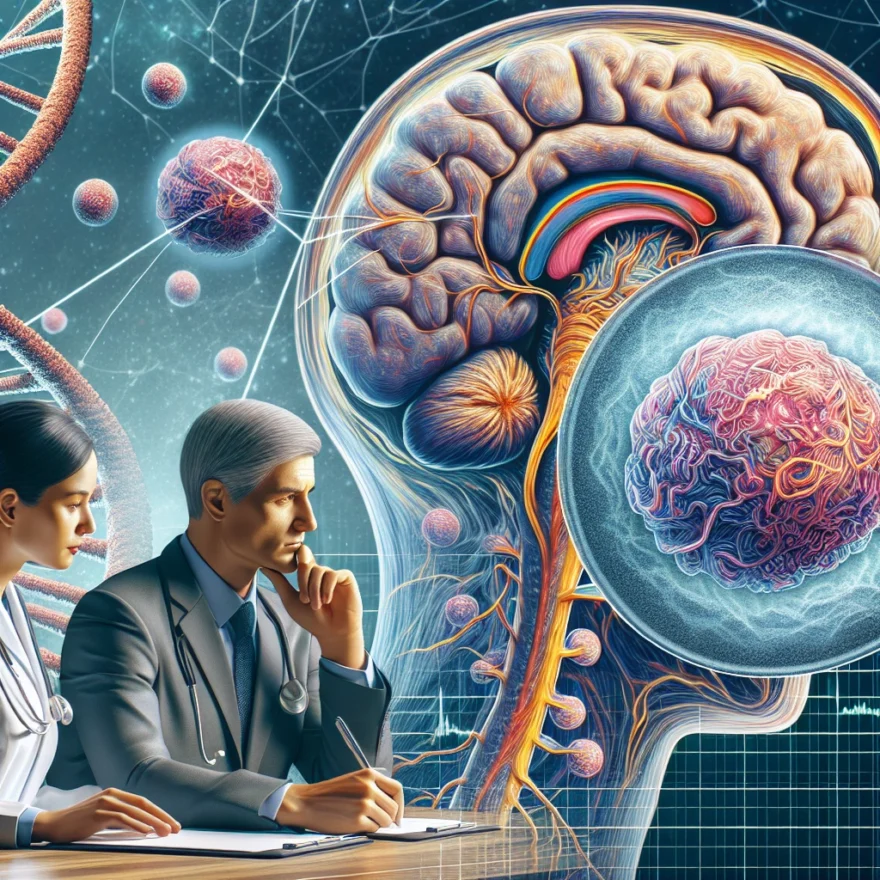
Understanding Neurofibromatosis
Neurofibromatosis is a genetic disorder that causes tumors to form on nerve tissue. These tumors can develop anywhere in the nervous system, including the brain, spinal cord, and nerves. Neurofibromatosis is usually diagnosed in childhood or early adulthood. The condition affects both sexes and people of all races and ethnic groups.
Neurofibromatosis is classified into three types: Neurofibromatosis type 1 (NF1), Neurofibromatosis type 2 (NF2), and Schwannomatosis. Each type has distinct clinical manifestations and is caused by mutations in different genes. NF1 is the most common type, affecting about 1 in 3,000 to 4,000 people worldwide. NF2 is less common, affecting about 1 in 25,000 people. Schwannomatosis is the rarest type, affecting about 1 in 40,000 people.
The tumors associated with Neurofibromatosis are generally noncancerous (benign), but they can lead to serious damage by compressing nerves and other tissues. The condition can also cause complications such as hearing loss, learning impairment, heart and blood vessel problems, and severe pain. There is currently no cure for Neurofibromatosis, but treatments can help manage symptoms and control the growth of tumors.
Understanding Neurofibromatosis is crucial for patients, their families, and healthcare providers. Knowledge about the disorder can help in early diagnosis and intervention, leading to better management of the condition and improved quality of life for patients. It’s also essential for guiding research efforts aimed at finding new treatments and ultimately a cure for this challenging disorder.
Table of contents
- Understanding Neurofibromatosis
- Types of Neurofibromatosis
- Causes and Risk Factors of Neurofibromatosis
- Symptoms of Neurofibromatosis
- Diagnosing Neurofibromatosis
- Treatment Options for Neurofibromatosis
- Living with Neurofibromatosis
- Neurofibromatosis and Mental Health
- Neurofibromatosis in Children
- Research and Advances in Neurofibromatosis
- Support and Resources for Neurofibromatosis
- Frequently Asked Questions About Neurofibromatosis
Types of Neurofibromatosis
Neurofibromatosis is not a single condition, but a group of three distinct disorders, each caused by different genetic mutations and each presenting with unique characteristics. Although they share a common trait – the growth of tumors on the nerves – the types of Neurofibromatosis differ in many aspects, including their symptoms, severity, and the age at which they first appear.
The first type, Neurofibromatosis Type 1 (NF1), also known as von Recklinghausen disease, is the most common. It affects approximately 1 in 3,000 to 4,000 individuals worldwide. NF1 is typically recognized in childhood, often around the age of three. It’s characterized by changes in skin coloring (café-au-lait spots), freckling in the armpits or groin, and the growth of tumors along nerves in the skin, brain, and other parts of the body. Learning disabilities are common in children with NF1, and about half of people with NF1 also have problems with their eyes, bones, and other body systems.
Neurofibromatosis Type 2 (NF2) is less common, affecting about 1 in 25,000 people. It’s usually diagnosed in late adolescence or early adulthood, often following the onset of hearing loss or balance problems. NF2 is characterized by the development of non-cancerous tumors in the nervous system, most commonly acoustic neuromas (tumors on the nerves that control hearing). These can lead to hearing loss, balance issues, and problems with facial movement. Other symptoms can include vision problems, numbness or weakness in the arms or legs, and pain.
The third type, Schwannomatosis, is the rarest and least understood of the Neurofibromatosis disorders. It affects around 1 in 40,000 individuals and is typically recognized in adulthood. Schwannomatosis causes painful tumors to grow on cranial, spinal, and peripheral nerves. Unlike NF1 and NF2, it does not cause learning disabilities or hearing loss. However, chronic pain is a significant symptom and can be debilitating.
Despite their differences, all three types of Neurofibromatosis have one thing in common: they are lifelong conditions that require ongoing monitoring and care. While some people with Neurofibromatosis lead relatively normal lives, others may experience serious complications, including hearing loss, learning impairments, heart and blood vessel problems, and in some cases, certain types of cancers.
Causes and Risk Factors of Neurofibromatosis
Neurofibromatosis is a genetic disorder that is caused by mutations in certain genes. There are three types of neurofibromatosis, each with its own set of causes and risk factors.
Neurofibromatosis Type 1 (NF1)
NF1 is the most common type of neurofibromatosis and is caused by a mutation in the NF1 gene. This gene provides instructions for producing a protein called neurofibromin, which helps regulate cell growth. When the NF1 gene is mutated, it leads to the production of a faulty neurofibromin protein, resulting in the growth of tumors on the nerves.
Neurofibromatosis Type 2 (NF2)
NF2 is caused by a mutation in the NF2 gene, which is responsible for producing a protein called merlin. Merlin acts as a tumor suppressor, controlling the growth of cells in the nervous system. When the NF2 gene is mutated, it leads to the loss of merlin function, allowing tumors to develop on the nerves.
Schwannomatosis
Schwannomatosis is the rarest type of neurofibromatosis and is caused by mutations in the SMARCB1 and LZTR1 genes. These genes are involved in the regulation of cell growth and division. Mutations in these genes disrupt the normal control mechanisms, leading to the development of schwannomas, which are tumors that grow on the Schwann cells that surround the nerves.
While the exact causes of these gene mutations are not fully understood, it is believed that neurofibromatosis can be inherited from a parent who carries the mutated gene. In some cases, the mutation may occur spontaneously, without any family history of the disorder.
Risk Factors
Although neurofibromatosis is primarily a genetic disorder, certain risk factors may increase the likelihood of developing the condition. These risk factors include:
- Family history: Having a parent or sibling with neurofibromatosis increases the risk of developing the disorder.
- Advanced paternal age: Studies have shown a higher incidence of neurofibromatosis in children born to older fathers.
- Gender: Neurofibromatosis affects both males and females equally.
- Other genetic conditions: Certain genetic syndromes, such as Noonan syndrome and Legius syndrome, are associated with an increased risk of neurofibromatosis.
It is important to note that while these risk factors may increase the likelihood of developing neurofibromatosis, they do not guarantee the development of the disorder. Many individuals with no family history or known risk factors can still be affected by neurofibromatosis.
Symptoms of Neurofibromatosis
Neurofibromatosis is a genetic disorder that affects the nervous system, causing tumors to grow on nerves throughout the body. These tumors, known as neurofibromas, can vary in size and location, leading to a wide range of symptoms and complications. While the severity and specific symptoms can vary from person to person, there are several common signs to watch out for:
Cutaneous Neurofibromas
One of the most common symptoms of neurofibromatosis is the development of small, soft, and non-cancerous tumors on or under the skin. These tumors, known as cutaneous neurofibromas, typically appear during childhood or early adulthood. They can vary in number and size, ranging from a few millimeters to several centimeters in diameter. Cutaneous neurofibromas are usually painless but may cause cosmetic concerns or discomfort if they press on nearby structures.
Plexiform Neurofibromas
Plexiform neurofibromas are a type of tumor that grows along nerves and can affect larger areas of the body. Unlike cutaneous neurofibromas, plexiform neurofibromas can cause more significant health issues due to their size and location. These tumors can compress nearby organs, blood vessels, or nerves, leading to pain, functional impairment, or disfigurement. In some cases, plexiform neurofibromas can transform into cancerous tumors called malignant peripheral nerve sheath tumors (MPNSTs).
Optic Gliomas
Neurofibromatosis can also affect the optic nerves, which are responsible for transmitting visual information from the eyes to the brain. Tumors that develop on the optic nerves, known as optic gliomas, can cause vision problems, including blurry or decreased vision, optic nerve swelling, or even complete vision loss. Optic gliomas are more commonly associated with neurofibromatosis type 1 (NF1) and often occur in early childhood.
Bone Abnormalities
Some individuals with neurofibromatosis may experience bone abnormalities, such as scoliosis (curvature of the spine), thinning or overgrowth of bones, or bowing of the legs. These skeletal issues can lead to pain, mobility problems, and an increased risk of fractures.
Cognitive and Behavioral Challenges
In addition to physical symptoms, neurofibromatosis can also affect cognitive and behavioral functioning. Some individuals may experience learning disabilities, attention deficit hyperactivity disorder (ADHD), speech and language delays, or social and emotional difficulties. These challenges can vary in severity, and early intervention and support services are crucial for optimal development and quality of life.
It’s important to note that the symptoms of neurofibromatosis can vary widely, even among individuals with the same type of the disorder. Some people may have mild symptoms that don’t significantly impact their daily lives, while others may experience more severe complications. Regular medical evaluations and ongoing care are essential for managing symptoms, monitoring tumor growth, and addressing any associated health concerns.
Diagnosing Neurofibromatosis
Diagnosing Neurofibromatosis can be a complex process that involves a combination of medical history, physical examinations, and genetic testing. Since neurofibromatosis is a genetic disorder, it is important to identify the specific type and determine its severity in order to develop an appropriate treatment plan.
During the diagnostic process, a healthcare professional will typically start by taking a detailed medical history to understand any symptoms or signs that may be indicative of neurofibromatosis. They will inquire about any family history of the condition, as neurofibromatosis can be inherited from one generation to another.
After gathering the medical history, a physical examination will be conducted to look for any visible signs of neurofibromatosis. The healthcare professional will carefully examine the skin for the presence of neurofibromas, which are benign tumors that grow on nerves. They will also check for café-au-lait spots, which are light brown patches on the skin that are often a characteristic feature of neurofibromatosis.
In addition to the physical examination, genetic testing plays a crucial role in diagnosing neurofibromatosis. There are specific genetic tests available that can identify mutations in the NF1, NF2, or other related genes, depending on the suspected type of neurofibromatosis. These tests can be performed using a blood sample or a small piece of tissue from a neurofibroma.
In some cases, imaging tests such as magnetic resonance imaging (MRI) or computed tomography (CT) scans may be ordered to evaluate the extent of tumor growth and to identify any complications associated with neurofibromatosis, such as the presence of tumors on the optic nerve.
It is important to note that neurofibromatosis can vary in its presentation and severity, making the diagnostic process challenging. In some cases, the symptoms may be mild and easily overlooked, while in others, the symptoms may be more pronounced and require more extensive testing.
If neurofibromatosis is suspected, it is crucial to consult with a healthcare professional who specializes in genetic disorders or neurology. They will be able to guide you through the diagnostic process and provide appropriate recommendations for further evaluation and management.
Treatment Options for Neurofibromatosis
Neurofibromatosis is a complex genetic disorder that causes tumors to grow on nerves throughout the body. While there is currently no cure for neurofibromatosis, there are several treatment options available to help manage the symptoms and improve the quality of life for individuals with this condition.
The treatment plan for neurofibromatosis will vary depending on the type and severity of the symptoms experienced by each individual. Here are some of the common treatment options that may be considered:
1. Medications: Medications can be prescribed to manage specific symptoms associated with neurofibromatosis. For example, pain medications may be recommended to alleviate discomfort caused by tumors pressing on nerves. Additionally, medications such as antiepileptic drugs may be used to control seizures in individuals with neurofibromatosis.
2. Surgery: In some cases, surgery may be necessary to remove tumors that are causing significant pain or affecting the function of nearby organs or nerves. The goal of surgery is to remove the tumors while minimizing damage to surrounding tissues. However, it’s important to note that not all tumors can be surgically removed, especially if they are located in sensitive or hard-to-reach areas.
3. Radiation therapy: Radiation therapy involves the use of high-energy X-rays to shrink or destroy tumors. It may be recommended for neurofibromatosis-related tumors that cannot be surgically removed or for tumors that have regrown after surgery. Radiation therapy is typically administered in multiple sessions over a period of several weeks.
4. Chemotherapy: Chemotherapy involves the use of powerful drugs to kill cancer cells. While neurofibromatosis tumors are not cancerous, chemotherapy may be considered in certain cases to help shrink tumors or slow down their growth. Chemotherapy drugs can be administered orally, intravenously, or through injections.
5. Physical therapy: Physical therapy can be beneficial for individuals with neurofibromatosis to improve muscle strength, flexibility, and mobility. A physical therapist can design a personalized exercise program to address specific needs and help manage any physical limitations caused by the condition.
6. Genetic counseling: Genetic counseling is an important aspect of the treatment plan for individuals with neurofibromatosis. It involves discussing the genetic implications of the condition, the risk of passing it on to future generations, and available options for family planning.
It’s important to note that the treatment approach for neurofibromatosis is highly individualized, and what works for one person may not work for another. Therefore, it is crucial for individuals with neurofibromatosis to work closely with a healthcare team, including specialists such as neurologists, geneticists, and oncologists, to develop a comprehensive treatment plan tailored to their specific needs.
Living with Neurofibromatosis
Living with Neurofibromatosis can present challenges, but with the right support and management strategies, individuals with this genetic disorder can lead fulfilling lives. Here are some important aspects to consider when it comes to living with Neurofibromatosis:
1. Regular medical check-ups: It is crucial for individuals with Neurofibromatosis to have regular check-ups with their healthcare providers. These check-ups can help monitor the progression of the disorder, identify any new symptoms or complications, and ensure that appropriate treatment plans are in place.
2. Treatment and management: Depending on the type and severity of Neurofibromatosis, treatment options may include surgery to remove tumors, medications to manage symptoms, or other interventions to address specific complications. It is important to work closely with healthcare professionals to develop a personalized treatment plan.
3. Emotional support: Living with Neurofibromatosis can have a significant impact on an individual’s emotional well-being. It is essential to seek emotional support from loved ones, support groups, or mental health professionals who can provide guidance and coping strategies.
4. Physical therapy and rehabilitation: Some individuals with Neurofibromatosis may experience physical challenges due to the presence of tumors or other complications. Physical therapy and rehabilitation programs can help improve mobility, manage pain, and enhance overall quality of life.
5. Education and advocacy: Educating oneself about Neurofibromatosis and advocating for awareness can be empowering. By staying informed, individuals can better understand their condition, communicate their needs to healthcare providers, and contribute to the overall understanding of the disorder.
6. Healthy lifestyle choices: Adopting a healthy lifestyle can play a significant role in managing Neurofibromatosis. This includes maintaining a balanced diet, engaging in regular exercise (as recommended by healthcare professionals), getting enough rest, and avoiding habits that may exacerbate symptoms.
7. Support networks and resources: Connecting with support networks and seeking out resources specific to Neurofibromatosis can provide valuable information, guidance, and a sense of community. Online forums, local support groups, and nonprofit organizations dedicated to Neurofibromatosis can be excellent sources of support.
8. Regular communication with healthcare providers: Open and regular communication with healthcare providers is essential. Individuals should discuss any new symptoms, concerns, or changes in their condition to ensure timely and appropriate medical interventions.
9. Genetic counseling: For individuals with Neurofibromatosis who are planning to start a family, genetic counseling can provide valuable information and guidance. Genetic counselors can help assess the risk of passing on the disorder to future children and discuss available options.
10. Positive mindset and self-care: Maintaining a positive mindset and practicing self-care can greatly contribute to overall well-being. Engaging in activities that bring joy, practicing relaxation techniques, and seeking out hobbies and interests can help individuals navigate the challenges of living with Neurofibromatosis.
Remember, every individual’s experience with Neurofibromatosis is unique, and it is important to work closely with healthcare professionals to develop an individualized approach to managing the disorder.
Neurofibromatosis and Mental Health
Living with neurofibromatosis can have a significant impact on an individual’s mental health. The challenges and uncertainties that come with this genetic disorder can cause emotional distress and psychological difficulties. It is important to address the mental health aspect of neurofibromatosis and provide support for individuals and their families.
One of the common mental health concerns associated with neurofibromatosis is anxiety. The unpredictable nature of the disorder, the potential for tumor growth, and the uncertainty of future health outcomes can lead to constant worry and fear. Individuals with neurofibromatosis may experience heightened levels of anxiety, which can affect their daily lives and overall well-being.
Depression is another mental health issue that can arise in individuals with neurofibromatosis. Dealing with the physical symptoms, the impact on appearance, and the potential limitations in daily activities can take a toll on one’s emotional state. The chronic nature of the disorder and the challenges it presents can contribute to feelings of sadness, hopelessness, and a loss of interest in previously enjoyed activities.
Furthermore, individuals with neurofibromatosis may also face social and emotional challenges due to their appearance. The presence of visible tumors or other physical manifestations of the disorder can lead to self-consciousness, low self-esteem, and difficulties in social interactions. These factors can contribute to feelings of isolation and a sense of being different from others.
It is crucial for individuals with neurofibromatosis to receive appropriate mental health support and care. This may involve working with mental health professionals such as therapists or counselors who can provide strategies to manage anxiety and depression. Support groups can also be beneficial, as they allow individuals to connect with others who are facing similar challenges and provide a safe space for sharing experiences and emotions.
Family support is essential in helping individuals with neurofibromatosis cope with the mental health aspects of the disorder. Loved ones can provide understanding, empathy, and encouragement, creating a supportive environment that fosters emotional well-being. Educating family members about neurofibromatosis can also help them better understand the challenges their loved ones may face.
Additionally, it is important to address the impact of neurofibromatosis on mental health in children. The visible physical symptoms of the disorder can lead to bullying or teasing, which can have a detrimental effect on a child’s self-esteem and emotional well-being. Providing a supportive and inclusive environment at school and educating teachers and classmates about neurofibromatosis can help reduce the negative social and emotional impact on children.
Overall, neurofibromatosis is not just a physical condition but also has a significant impact on mental health. By acknowledging and addressing the mental health challenges associated with the disorder, individuals with neurofibromatosis can lead fulfilling lives and receive the support they need to navigate the emotional aspects of their condition.
Neurofibromatosis in Children
Neurofibromatosis is a genetic disorder that can affect individuals of all ages, including children. It is important to understand how neurofibromatosis manifests in children, as early detection and intervention can greatly improve their quality of life.
Children with neurofibromatosis may exhibit a range of symptoms, including the development of tumors on or under the skin, known as neurofibromas. These tumors can vary in size and number, and may cause discomfort or pain. In some cases, neurofibromas can also develop internally, affecting the nerves and other organs.
In addition to neurofibromas, children with neurofibromatosis may also experience other physical manifestations, such as café-au-lait spots, which are flat, light brown birthmarks. These spots can appear anywhere on the body and are usually harmless. Other physical signs may include freckling in the armpits or groin area, optic gliomas (tumors on the optic nerve), and bone abnormalities.
Neurofibromatosis can also have an impact on a child’s cognitive and behavioral development. Some children may experience learning disabilities, such as difficulties with reading, writing, or math. Attention deficit hyperactivity disorder (ADHD) and autism spectrum disorder (ASD) are also more common in children with neurofibromatosis.
It is important for parents and caregivers to be aware of these potential challenges and to seek appropriate support and resources. Early intervention, such as educational support and therapy, can help children with neurofibromatosis overcome learning difficulties and reach their full potential.
Diagnosing neurofibromatosis in children usually involves a thorough physical examination, medical history review, and genetic testing. A genetic counselor can provide guidance and support throughout the diagnostic process.
Once diagnosed, treatment options for neurofibromatosis in children will depend on the specific symptoms and complications they are experiencing. Regular monitoring and follow-up appointments with healthcare professionals are crucial to ensure any changes or developments are addressed promptly.
Living with neurofibromatosis can present unique challenges for children and their families. It is important to create a supportive environment that encourages open communication and provides access to resources and support networks. Connecting with other families who are also navigating neurofibromatosis can be beneficial in sharing experiences and finding emotional support.
Research and advancements in the understanding of neurofibromatosis are ongoing. Clinical trials and studies are exploring potential treatments and therapies that may improve outcomes for children with this condition. Staying informed about the latest research can help families make informed decisions about their child’s care.
In conclusion, neurofibromatosis in children can present a range of physical, cognitive, and behavioral challenges. Early detection, diagnosis, and intervention are key to managing the condition and maximizing a child’s potential. By accessing appropriate support and resources, children with neurofibromatosis can lead fulfilling lives and achieve their goals.
Research and Advances in Neurofibromatosis
Neurofibromatosis is a complex genetic disorder that has been the focus of extensive research and ongoing advances in understanding and treatment. Scientists and medical professionals around the world are dedicated to uncovering the underlying causes of neurofibromatosis and developing new strategies to manage the condition. Here are some of the key research and advances in neurofibromatosis:
1. Genetic Studies
Researchers have made significant progress in identifying the specific genes responsible for neurofibromatosis. Through genetic studies and advanced sequencing techniques, they have discovered that mutations in the NF1, NF2, and other related genes play a crucial role in the development of the disorder. This understanding has paved the way for targeted therapies and personalized treatment approaches.
2. Tumor Growth Mechanisms
Scientists have been investigating the mechanisms behind the abnormal growth of tumors on nerves in neurofibromatosis. By studying the signaling pathways and cellular processes involved, they have gained valuable insights into the molecular basis of tumor formation. This knowledge has led to the development of potential drug targets and therapies aimed at inhibiting tumor growth.
3. Clinical Trials
Clinical trials are a crucial part of the research process in neurofibromatosis. These trials evaluate the safety and effectiveness of new treatments and interventions. They provide an opportunity for patients to access cutting-edge therapies and contribute to the advancement of medical knowledge. Many ongoing clinical trials are exploring novel approaches, such as targeted therapies and immunotherapies, to improve outcomes for individuals with neurofibromatosis.
4. Imaging Techniques
The development of advanced imaging techniques has revolutionized the diagnosis and monitoring of neurofibromatosis. Magnetic resonance imaging (MRI) and positron emission tomography (PET) scans allow medical professionals to visualize and assess the extent of tumor growth. These imaging tools aid in treatment planning and help researchers track the response to various therapies.
5. Genetic Counseling and Testing
Advancements in genetic testing have made it easier to identify individuals at risk of developing neurofibromatosis. Genetic counselors play a vital role in providing information and support to families affected by the disorder. They help individuals understand their genetic predisposition, assess the likelihood of passing the condition to their children, and make informed decisions about family planning.
6. Supportive Care
Research in neurofibromatosis extends beyond finding a cure. There is a growing focus on improving the quality of life for individuals living with the condition. Studies are being conducted to develop comprehensive supportive care strategies that address the physical, emotional, and social needs of patients. This includes pain management techniques, psychological support, and educational resources.
Overall, the research and advances in neurofibromatosis offer hope for individuals affected by this genetic disorder. Through continued scientific exploration, it is anticipated that more effective treatments and interventions will be developed, ultimately improving outcomes and enhancing the lives of those living with neurofibromatosis.
Support and Resources for Neurofibromatosis
Living with neurofibromatosis can be challenging, both physically and emotionally. Fortunately, there are numerous support and resources available to individuals and families affected by this genetic disorder. These resources aim to provide information, guidance, and assistance to help navigate the complexities of neurofibromatosis and improve the quality of life for those affected.
Neurofibromatosis Support Groups
Support groups play a crucial role in connecting individuals with neurofibromatosis and their families. These groups provide a safe and understanding environment where people can share their experiences, exchange information, and offer emotional support. Support groups often organize regular meetings, conferences, and events where individuals can learn from medical experts and connect with others facing similar challenges.
Online Communities and Forums
In addition to physical support groups, there are numerous online communities and forums dedicated to neurofibromatosis. These platforms allow individuals to connect with others from around the world, share stories, ask questions, and offer support. Online communities can be particularly valuable for individuals who may not have access to local support groups or prefer to communicate from the comfort of their homes.
Educational Resources
There are various educational resources available to help individuals and families understand neurofibromatosis better. These resources may include books, websites, brochures, and informational videos. They provide comprehensive information about the disorder, its symptoms, treatment options, and coping strategies. Educational resources can empower individuals to make informed decisions about their healthcare and improve their overall well-being.
Financial Assistance
Neurofibromatosis can be a costly condition to manage, with frequent medical appointments, imaging tests, and potential surgeries. Fortunately, there are organizations and foundations that offer financial assistance to individuals and families in need. These resources can help cover medical expenses, provide access to specialized treatments, and offer support for individuals who may face financial burdens due to their condition.
Advocacy and Awareness Organizations
Advocacy and awareness organizations play a vital role in promoting research, raising awareness, and advocating for the needs of individuals with neurofibromatosis. These organizations work tirelessly to improve access to quality healthcare, support research initiatives, and educate the public about the impact of neurofibromatosis. They often provide resources, organize events, and collaborate with healthcare professionals to ensure the best possible care for individuals with the disorder.
Counseling and Mental Health Support
Living with neurofibromatosis can have a significant impact on an individual’s mental health. It is essential to address the emotional well-being of individuals and their families. Counseling services and mental health support can help individuals cope with the challenges, manage anxiety or depression, and provide strategies for maintaining a positive mindset. These resources can be accessed through healthcare providers, support groups, or specialized organizations.
Genetic Counseling
Genetic counseling is an essential resource for individuals and families affected by neurofibromatosis. Genetic counselors are trained professionals who can provide information about the genetic aspects of the disorder, assess the risk of passing it on to future generations, and offer guidance on family planning options. Genetic counseling sessions can help individuals understand the inheritance patterns, make informed decisions, and provide emotional support during the decision-making process.
Research Participation
Participating in research studies and clinical trials can contribute to advancements in the understanding and treatment of neurofibromatosis. Many research institutions and medical centers conduct studies focused on neurofibromatosis, and they actively seek individuals who are willing to participate. By participating in research, individuals can play an active role in shaping the future of neurofibromatosis treatment and potentially access innovative therapies.
Additional Resources
There are numerous additional resources available for individuals and families affected by neurofibromatosis. These may include helplines, online databases, specialized clinics, and government assistance programs. It is important to explore these resources to find the most relevant and helpful information and support for your specific needs.
Remember, you are not alone in your journey with neurofibromatosis. Reach out, connect with others, and utilize the available support and resources to ensure the best possible care and quality of life for yourself or your loved ones.
Frequently Asked Questions About Neurofibromatosis
What is Neurofibromatosis?
Neurofibromatosis is a genetic disorder that causes tumors to grow on nerves throughout the body. It is a relatively rare condition, affecting approximately 1 in every 3,000 individuals worldwide. There are three types of neurofibromatosis: NF1, NF2, and Schwannomatosis.
What are the types of Neurofibromatosis?
There are three types of neurofibromatosis:
- Neurofibromatosis type 1 (NF1): This is the most common type, accounting for about 90% of cases. It is characterized by the growth of tumors on nerves, changes in skin pigmentation, and the development of freckles in unusual areas.
- Neurofibromatosis type 2 (NF2): This type is less common and is characterized by the growth of tumors on the cranial and spinal nerves. Individuals with NF2 may experience hearing loss, balance problems, and facial weakness.
- Schwannomatosis: This is the rarest type of neurofibromatosis and is characterized by the development of multiple benign tumors called schwannomas on peripheral nerves. Schwannomatosis typically causes chronic pain.
What causes Neurofibromatosis?
Neurofibromatosis is caused by mutations in specific genes. NF1 is caused by mutations in the NF1 gene, NF2 is caused by mutations in the NF2 gene, and Schwannomatosis is caused by mutations in the SMARCB1 and LZTR1 genes. These gene mutations can be inherited from a parent or can occur spontaneously.
What are the risk factors for Neurofibromatosis?
The primary risk factor for neurofibromatosis is having a family history of the condition. If a parent has neurofibromatosis, there is a 50% chance of passing the condition on to their child. However, in some cases, neurofibromatosis can occur spontaneously without any family history.
What are the symptoms of Neurofibromatosis?
The symptoms of neurofibromatosis can vary depending on the type and severity of the condition. Common symptoms include the development of tumors on nerves, changes in skin pigmentation, bone abnormalities, vision problems, hearing loss, balance issues, and neurological complications.
How is Neurofibromatosis diagnosed?
Diagnosing neurofibromatosis typically involves a combination of clinical evaluation, medical history review, and genetic testing. Physical examinations, imaging tests such as MRI or CT scans, and evaluation of family history are also important in making an accurate diagnosis.
What are the treatment options for Neurofibromatosis?
While there is no cure for neurofibromatosis, treatment focuses on managing symptoms and complications. Treatment options may include surgery to remove tumors, medications to control pain or other symptoms, physical therapy, and regular monitoring of the condition.
How does Neurofibromatosis affect mental health?
Neurofibromatosis can have a significant impact on mental health. Individuals with the condition may experience anxiety, depression, social isolation, and body image issues. It is important for individuals with neurofibromatosis to receive emotional support and access appropriate mental health services.
How does Neurofibromatosis affect children?
Neurofibromatosis can present unique challenges for children. It may cause learning disabilities, speech problems, behavioral issues, and physical limitations. Early intervention, specialized education, and regular medical follow-ups are crucial for managing the condition in children.
What research and advances are being made in Neurofibromatosis?
Researchers are continuously studying neurofibromatosis to better understand its causes and develop new treatment approaches. Advances in genetic testing, targeted therapies, and clinical trials offer hope for improved management and potential future breakthroughs in the field.
Where can I find support and resources for Neurofibromatosis?
There are several organizations and support groups dedicated to providing information, resources, and support for individuals and families affected by neurofibromatosis. These include the Children’s Tumor Foundation, Neurofibromatosis Network, and local support groups that can provide valuable assistance and connections to others facing similar challenges.
Can Neurofibromatosis be cured?
Currently, there is no cure for neurofibromatosis. However, ongoing research and advancements in medical science offer hope for potential future treatments and interventions that may improve the management and outcomes for individuals with the condition.
Can Neurofibromatosis be prevented?
Since neurofibromatosis is a genetic disorder, it cannot be prevented. However, individuals with a family history of neurofibromatosis may benefit from genetic counseling to understand their risk and make informed decisions.
Is Neurofibromatosis life-threatening?
In most cases, neurofibromatosis is not life-threatening. However, complications associated with the condition, such as the growth of tumors in critical areas like the brain or spinal cord, can pose serious health risks. Regular medical monitoring and appropriate management are essential for minimizing potential complications.
Can Neurofibromatosis be passed on to future generations?
Neurofibromatosis can be inherited from a parent who carries the genetic mutation. If a parent has neurofibromatosis, there is a 50% chance of passing the condition on to their child. However, in some cases, neurofibromatosis can occur spontaneously without any family history.