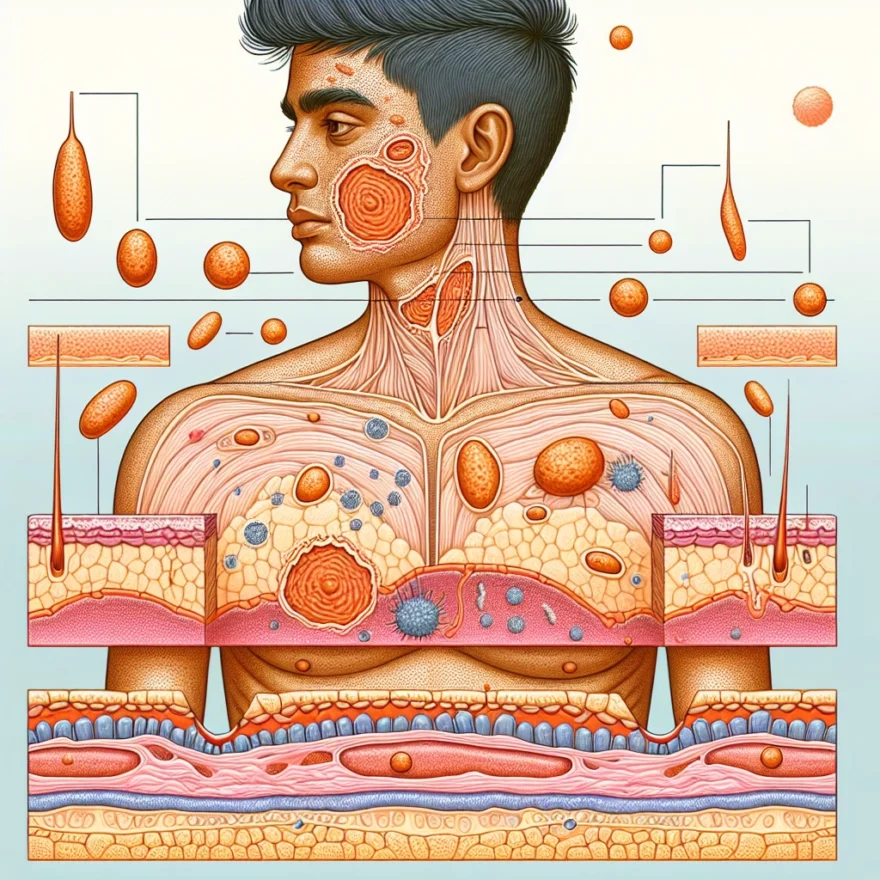
Introduction to Pemphigus Vulgaris
Peeling back the layers of the human body, we uncover a complex network of cells, tissues, and organs, all working in harmony to maintain our health and well-being. However, sometimes, our own body can turn against us, leading to a host of autoimmune diseases. One such rare condition is Pemphigus Vulgaris, a disorder that primarily affects the skin and mucous membranes.
Pemphigus Vulgaris, often referred to simply as PV, is a severe autoimmune disorder where the body’s immune system mistakenly attacks the proteins that bind skin cells together. This results in painful blisters and sores on the skin and mucous membranes, such as in the mouth, nose, throat, and genitals. It is a chronic condition, meaning it persists over a long period, and it can be life-threatening if not treated properly.
Despite its severity, Pemphigus Vulgaris is incredibly rare. It affects only around 1 to 5 people per 100,000 in the population, making it a relatively unknown condition. The rarity and complexity of PV make it a challenging disease to understand, diagnose, and treat.
This article delves into the world of Pemphigus Vulgaris, exploring its symptoms, causes, and treatment options. It also discusses the challenges faced by those living with this disease and highlights the future direction of PV research. The objective is to shed light on this lesser-known condition and provide valuable information for those affected by it, their loved ones, and anyone interested in understanding more about autoimmune disorders.
Table of contents
- Introduction to Pemphigus Vulgaris
- Understanding Autoimmune Disorders
- Symptoms of Pemphigus Vulgaris
- Causes and Risk Factors
- Diagnosing Pemphigus Vulgaris
- Treatment Options for Pemphigus Vulgaris
- Living with Pemphigus Vulgaris
- The Future of Pemphigus Vulgaris Research
- Frequently Asked Questions about Pemphigus Vulgaris
Understanding Autoimmune Disorders
Before delving into the specifics of Pemphigus Vulgaris, it’s crucial to first understand the broader category of health conditions it falls under – autoimmune disorders. Autoimmune disorders represent a diverse range of diseases where the body’s immune system, which typically protects against harmful invaders like bacteria and viruses, mistakenly attacks healthy cells. Essentially, the immune system fails to distinguish between self and non-self, leading to a variety of health complications.
In a normally functioning immune system, it can recognize and remember millions of different enemies, and it can produce secretions and cells to match up with and wipe out nearly all of them. When the immune system encounters a foreign invader, such as a virus or bacteria, it responds by producing proteins called antibodies. These antibodies are designed to target and neutralize the specific invader.
However, in the case of autoimmune disorders, this system goes awry. The immune system produces antibodies that instead of fighting infections, attack the body’s own cells. Depending on the type of autoimmune disorder, this attack may target one specific organ or tissue type, or it may affect the entire body.
Autoimmune disorders can be categorized into two types: systemic and localized. Systemic autoimmune diseases such as lupus, affect multiple organs or systems in the body. Localized autoimmune diseases, on the other hand, target one specific part of the body. Pemphigus Vulgaris falls into the latter category, as it specifically targets the skin and mucous membranes.
Autoimmune disorders, including Pemphigus Vulgaris, are often chronic, meaning they last for a long time, often for the person’s entire life. They can also be life-threatening, depending on the severity and the organ or tissue type affected. However, with appropriate treatment and management, many people with autoimmune disorders lead fulfilling, active lives.
Understanding the nature of autoimmune disorders is the first step towards understanding Pemphigus Vulgaris. With this foundation, we can now delve into the specifics of this rare skin disease, its symptoms, causes, diagnosis, treatment options, and the ongoing research in this field.
Symptoms of Pemphigus Vulgaris
Pemphigus Vulgaris is a rare autoimmune disease of the skin that can cause painful blistering and sores. The symptoms of this condition can vary in severity and may affect different areas of the body. Here are some common symptoms associated with Pemphigus Vulgaris:
- Blisters: The hallmark symptom of Pemphigus Vulgaris is the development of fluid-filled blisters on the skin and mucous membranes. These blisters are fragile and can easily rupture, leading to the formation of painful sores.
- Mouth Sores: Pemphigus Vulgaris often begins with blisters and sores in the mouth, making it difficult to eat, drink, or speak. These oral lesions can be quite painful and may affect the gums, tongue, and inner cheeks.
- Skin Erosions: As the blisters rupture, they leave behind raw, open areas on the skin called erosions. These erosions are prone to infection and can be extremely painful.
- Flaccid Blisters: Unlike other blistering disorders, the blisters in Pemphigus Vulgaris are often flaccid, meaning they are not firm or tense. This characteristic distinguishes it from conditions like bullous pemphigoid.
- Itching and Burning Sensation: Many individuals with Pemphigus Vulgaris experience intense itching and a burning sensation in the affected areas.
- Scalp and Hair Involvement: In some cases, Pemphigus Vulgaris can affect the scalp, leading to hair loss and scaly patches.
- Eye Involvement: Rarely, Pemphigus Vulgaris can affect the eyes, causing redness, irritation, and even vision problems.
- Generalized Weakness: Pemphigus Vulgaris is an autoimmune disorder that can also affect other parts of the body. Some individuals may experience fatigue, muscle weakness, and overall malaise.
It is important to note that the symptoms of Pemphigus Vulgaris can vary from person to person. Some individuals may experience mild symptoms, while others may have more severe and widespread manifestations. If you suspect you may have Pemphigus Vulgaris or are experiencing any of these symptoms, it is crucial to consult a healthcare professional for an accurate diagnosis and appropriate treatment.
Causes and Risk Factors
Pemphigus Vulgaris is a rare autoimmune disease of the skin that occurs when the body’s immune system mistakenly attacks healthy skin cells. While the exact cause of this condition is still unknown, there are several factors that are believed to contribute to the development of Pemphigus Vulgaris.
One of the main factors is thought to be genetic predisposition. Research has shown that individuals with a family history of autoimmune disorders, such as lupus or rheumatoid arthritis, may have a higher risk of developing Pemphigus Vulgaris. It is believed that certain genes may make a person more susceptible to developing autoimmune diseases.
Another potential cause is an environmental trigger. It is believed that exposure to certain environmental factors, such as certain medications, infections, or even certain foods, may trigger an immune response that leads to the development of Pemphigus Vulgaris in susceptible individuals. However, more research is needed to determine the specific triggers and their mechanisms.
Furthermore, hormonal imbalances may also play a role in the development of Pemphigus Vulgaris. Some studies have suggested a link between hormonal changes, particularly during puberty or menopause, and the onset of this autoimmune disease. Hormonal fluctuations may affect the immune system and contribute to the development of Pemphigus Vulgaris.
Additionally, certain medications have been associated with an increased risk of Pemphigus Vulgaris. Drugs such as penicillamine, certain blood pressure medications, and nonsteroidal anti-inflammatory drugs (NSAIDs) have been reported to trigger or exacerbate symptoms of this condition in some individuals. It is important to note that not everyone who takes these medications will develop Pemphigus Vulgaris, as individual susceptibility varies.
While the exact cause of Pemphigus Vulgaris remains unclear, it is believed to be a combination of genetic, environmental, and hormonal factors. It is important for individuals with a family history of autoimmune diseases or those who are experiencing symptoms of Pemphigus Vulgaris to consult with a healthcare professional for a proper diagnosis and management plan.
Diagnosing Pemphigus Vulgaris
Pemphigus Vulgaris is a rare autoimmune disease of the skin that can be challenging to diagnose. Due to its rarity and the similarity of its symptoms to other skin conditions, it often requires a comprehensive evaluation by a dermatologist or an immunologist.
When diagnosing Pemphigus Vulgaris, healthcare professionals typically follow a multi-step approach that involves a combination of clinical examination, laboratory tests, and skin biopsies.
Clinical Examination: The first step in diagnosing Pemphigus Vulgaris is a thorough clinical examination. The healthcare professional will examine the patient’s skin and mucous membranes for the characteristic symptoms of the disease, which include painful blisters and erosions. They will also inquire about the patient’s medical history and any family history of autoimmune disorders.
Laboratory Tests: Laboratory tests are crucial in confirming the diagnosis of Pemphigus Vulgaris. The most commonly used tests include:
- Direct Immunofluorescence (DIF) Test: This test involves taking a small sample of the patient’s skin or mucous membrane and staining it with fluorescent dyes. It helps detect the presence of autoantibodies in the skin, which are characteristic of Pemphigus Vulgaris.
- Indirect Immunofluorescence (IIF) Test: This blood test measures the presence of circulating autoantibodies in the patient’s bloodstream. It is a useful tool in confirming the diagnosis and determining disease activity.
- Enzyme-Linked Immunosorbent Assay (ELISA): ELISA tests can be used to measure specific autoantibodies, such as anti-desmoglein 1 and anti-desmoglein 3 antibodies, which are associated with Pemphigus Vulgaris.
Skin Biopsy: A skin biopsy is often performed to confirm the diagnosis of Pemphigus Vulgaris. During this procedure, a small piece of affected skin is removed and examined under a microscope. The presence of characteristic changes, such as intraepidermal acantholysis (loss of cell-to-cell adhesion), helps differentiate Pemphigus Vulgaris from other skin conditions.
It is important to note that diagnosing Pemphigus Vulgaris can be challenging, as the disease can mimic other autoimmune blistering disorders. Therefore, it is crucial to consult with a healthcare professional experienced in diagnosing and treating autoimmune skin diseases.
Treatment Options for Pemphigus Vulgaris
After a diagnosis of Pemphigus Vulgaris, a rare autoimmune disease of the skin, it is important to explore the various treatment options available. The primary goal of treatment is to control the symptoms, prevent complications, and achieve remission.
1. Medications
Medications are commonly used to manage Pemphigus Vulgaris. The most common medications prescribed are corticosteroids, such as prednisone, which help reduce inflammation and suppress the immune system. Immunosuppressant drugs, such as azathioprine and mycophenolate mofetil, may also be prescribed to further control the immune response. These medications are often used in combination to achieve the best results.
2. Topical Treatments
In addition to systemic medications, topical treatments can be used to alleviate symptoms and promote healing. Topical corticosteroids, applied directly to the affected areas, can help reduce inflammation and control the blisters and sores. Topical antibiotics may also be prescribed to prevent or treat secondary infections.
3. Immunoglobulin Therapy
In some cases, intravenous immunoglobulin (IVIG) therapy may be recommended. IVIG is a treatment that involves infusing high doses of antibodies obtained from healthy donors into the bloodstream. This therapy can help modulate the immune response and reduce disease activity.
4. Plasmapheresis
Plasmapheresis, also known as plasma exchange, is a procedure where the patient’s blood plasma, containing the antibodies causing the autoimmune reaction, is removed and replaced with donor plasma or a plasma substitute. This treatment can help remove the disease-causing antibodies from the bloodstream and provide temporary relief from symptoms.
5. Biologic Therapies
Newer treatment options for Pemphigus Vulgaris include biologic therapies, such as rituximab. Rituximab targets specific cells in the immune system, called B cells, which play a role in the autoimmune response. By depleting these cells, rituximab can help reduce disease activity and promote remission.
6. Supportive Care
Alongside medical treatments, supportive care is essential in managing Pemphigus Vulgaris. This includes practicing good oral hygiene, using gentle skin care products, and avoiding triggers that may worsen symptoms. Regular follow-up visits with healthcare professionals are crucial to monitor the disease progression and adjust treatment plans as needed.
It is important to note that the choice of treatment depends on the severity of the disease, individual patient factors, and the expertise of the healthcare provider. Treatment plans may need to be adjusted over time to achieve the best outcomes.
Living with Pemphigus Vulgaris
Pemphigus Vulgaris is a chronic autoimmune disease that affects the skin and mucous membranes. Living with this condition can be challenging, but with proper management and support, individuals with Pemphigus Vulgaris can lead fulfilling lives.
Self-Care and Lifestyle Modifications
Managing Pemphigus Vulgaris involves adopting certain self-care measures and making lifestyle modifications to minimize flare-ups and promote overall well-being. Here are some tips:
- Follow a gentle skincare routine: Use mild, fragrance-free products and avoid harsh soaps or cleansers that can irritate the skin.
- Protect your skin: Avoid prolonged sun exposure and use sunscreen with a high SPF to protect your skin from UV rays.
- Maintain good oral hygiene: Regularly brush your teeth, floss, and use mouthwashes recommended by your dentist to prevent oral infections.
- Wear comfortable clothing: Choose soft, breathable fabrics that don’t rub against your skin and cause friction.
- Manage stress: Stress can trigger flare-ups, so it’s important to find healthy ways to cope with stress, such as practicing relaxation techniques, mindfulness, or engaging in hobbies that bring you joy.
- Eat a balanced diet: A nutritious diet can support your immune system and overall health. Consult with a registered dietitian to ensure you’re getting all the necessary nutrients.
- Stay hydrated: Drink plenty of water to keep your skin hydrated and promote healing.
Support and Resources
Living with Pemphigus Vulgaris can be emotionally and mentally challenging. It’s important to seek support from healthcare professionals, support groups, and loved ones who can provide understanding and guidance. Here are some resources that can help:
- Join a support group: Connecting with others who have Pemphigus Vulgaris can provide a sense of community and valuable insights into managing the condition. Look for local or online support groups.
- Talk to a therapist: A mental health professional can help you navigate the emotional challenges that come with living with a chronic condition.
- Stay informed: Educate yourself about Pemphigus Vulgaris through reputable sources, such as medical journals, patient advocacy organizations, and reliable websites.
- Involve your loved ones: Help your family and friends understand the impact of Pemphigus Vulgaris on your daily life, so they can provide the necessary support and empathy.
Regular Medical Check-ups
Regular medical check-ups are crucial for managing Pemphigus Vulgaris effectively. Your healthcare team will monitor your condition, adjust treatment plans if needed, and address any concerns you may have. It’s important to:
- Follow up with your dermatologist and/or immunologist as recommended.
- Report any new symptoms or changes in your condition promptly.
- Discuss any side effects or concerns related to your medications.
- Stay up-to-date with vaccinations to prevent infections.
- Ask questions and seek clarification on any aspect of your treatment or management plan.
Remember, every individual’s experience with Pemphigus Vulgaris is unique, and it may take time to find the right combination of treatments and lifestyle adjustments that work for you. With proper care, support, and a positive mindset, it is possible to live a fulfilling life while managing Pemphigus Vulgaris.
The Future of Pemphigus Vulgaris Research
As research in the field of medicine continues to advance, there is hope for the future of pemphigus vulgaris. Scientists and medical professionals are dedicated to finding more effective treatments and ultimately a cure for this rare autoimmune disease of the skin.
One area of research focuses on understanding the underlying mechanisms of pemphigus vulgaris. Scientists are studying the immune system and how it becomes dysregulated in this condition. By unraveling the complex interactions between immune cells and antibodies, researchers hope to identify new targets for therapy.
Another promising avenue of research involves the development of targeted therapies. Currently, the mainstay of treatment for pemphigus vulgaris involves immunosuppressive medications, which can have significant side effects. Researchers are exploring the possibility of developing medications that specifically target the autoimmune response in pemphigus vulgaris, minimizing the need for broad immunosuppression.
Advancements in technology have also opened up new possibilities for pemphigus vulgaris research. Scientists are using techniques such as gene sequencing and proteomics to better understand the genetic and molecular basis of the disease. This knowledge can help in the development of personalized treatment approaches, tailored to the specific genetic and molecular characteristics of each patient.
Collaboration among researchers and clinicians is crucial for the progress of pemphigus vulgaris research. By sharing knowledge and resources, scientists can work together to accelerate the discovery of new treatments. International conferences and research networks dedicated to pemphigus vulgaris provide platforms for collaboration and exchange of ideas.
Furthermore, patient advocacy groups play a vital role in driving pemphigus vulgaris research forward. These organizations raise awareness about the disease, provide support to patients and their families, and fund research initiatives. Through their efforts, they help to amplify the voices of those affected by pemphigus vulgaris and ensure that research efforts are focused on addressing their needs.
While there is still much to learn about pemphigus vulgaris, the future looks promising. With continued research and collaboration, there is hope that new and improved treatments will be developed, offering a better quality of life for individuals living with this rare autoimmune disease of the skin.
Frequently Asked Questions about Pemphigus Vulgaris
What is Pemphigus Vulgaris?
Pemphigus Vulgaris is a rare autoimmune disease that affects the skin and mucous membranes. It is characterized by the formation of painful blisters and sores on the skin and inside the mouth, throat, nose, and genitals. The condition occurs when the immune system mistakenly attacks healthy cells in the skin, causing the layers of skin to separate and form blisters.
How is Pemphigus Vulgaris different from other types of pemphigus?
Pemphigus Vulgaris is the most common and severe form of pemphigus, accounting for about 70-80% of cases. It primarily affects the mucous membranes, but can also involve the skin. Other types of pemphigus, such as pemphigus foliaceus and paraneoplastic pemphigus, have different clinical presentations and may affect different areas of the body.
Is Pemphigus Vulgaris a genetic condition?
No, Pemphigus Vulgaris is not a genetic condition. While the exact cause of the disease is unknown, it is believed to result from a combination of genetic and environmental factors. Certain genetic variations may increase the risk of developing the condition, but additional triggers, such as certain medications or infections, are thought to be necessary for the disease to manifest.
Can Pemphigus Vulgaris be cured?
Currently, there is no known cure for Pemphigus Vulgaris. However, with early diagnosis and appropriate treatment, the disease can be managed effectively. The primary goal of treatment is to control the symptoms, promote healing of the skin and mucous membranes, and prevent complications. Treatment typically involves a combination of medications, such as corticosteroids and immunosuppressants, along with supportive care.
Can Pemphigus Vulgaris be fatal?
Pemphigus Vulgaris can be a serious and potentially life-threatening condition if left untreated or poorly managed. The extensive blistering and erosion of the skin and mucous membranes can lead to severe pain, difficulty eating and drinking, and increased susceptibility to infections. However, with proper medical care and adherence to treatment, the prognosis for most individuals with Pemphigus Vulgaris is favorable.
Is Pemphigus Vulgaris contagious?
No, Pemphigus Vulgaris is not contagious. It is an autoimmune disease and cannot be transmitted from person to person through direct contact or respiratory droplets. The condition is caused by an abnormal immune response and is not related to any infectious agent.
Can stress worsen Pemphigus Vulgaris symptoms?
While stress does not directly cause Pemphigus Vulgaris, it can potentially exacerbate symptoms and trigger flare-ups. Emotional stress and certain life events may impact the immune system and contribute to the worsening of symptoms. Therefore, stress management techniques, such as relaxation exercises and counseling, may be beneficial in managing the condition.
Are there any support groups for individuals with Pemphigus Vulgaris?
Yes, there are support groups and online communities available for individuals with Pemphigus Vulgaris. These groups provide a platform for individuals to connect, share experiences, and receive emotional support from others who are going through similar challenges. Joining a support group can be helpful in coping with the disease and gaining valuable insights into managing the condition.
Can Pemphigus Vulgaris affect children?
While Pemphigus Vulgaris is more commonly diagnosed in adults, it can also affect children and adolescents. The disease in children may present differently than in adults and may require specialized care from a pediatric dermatologist or immunologist. Early diagnosis and prompt treatment are crucial for managing the condition effectively in children.
Is there ongoing research for Pemphigus Vulgaris?
Yes, there is ongoing research focused on understanding the underlying mechanisms of Pemphigus Vulgaris and developing new treatment approaches. Scientists are exploring potential targeted therapies, immunomodulatory drugs, and advancements in genetic testing to improve the diagnosis and management of the disease. Research efforts aim to enhance the quality of life for individuals living with Pemphigus Vulgaris.