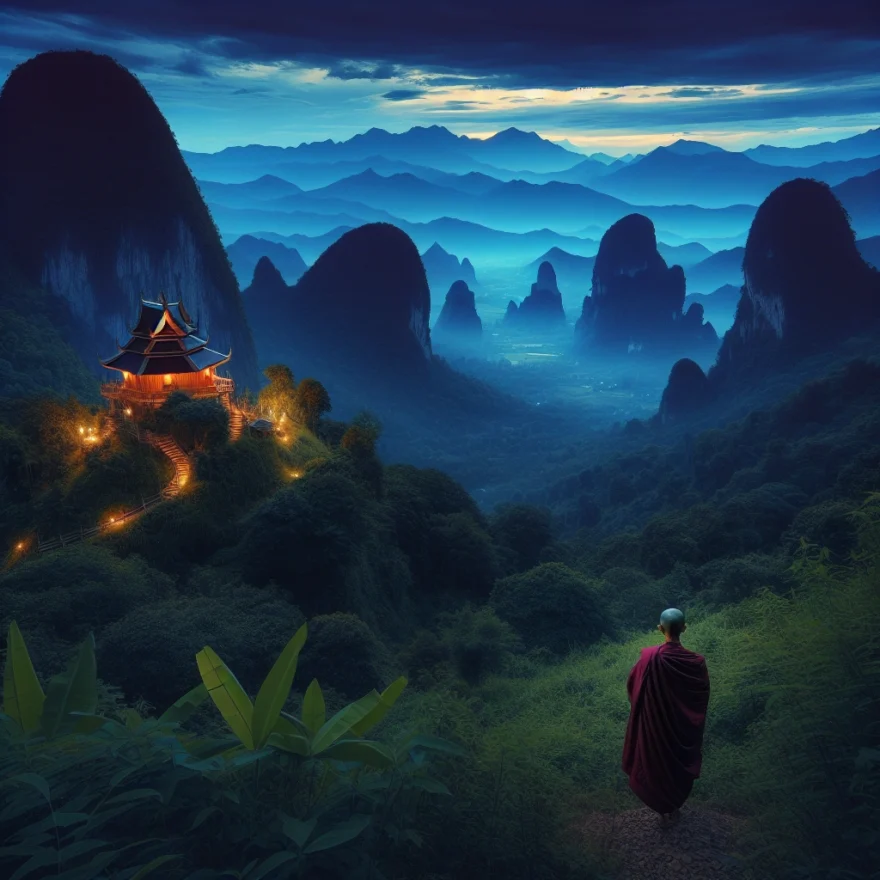
Introduction to Sacred Site Pilgrimages
Throughout the ages, humans have been drawn to places of power and spiritual significance, embarking on journeys that are as much about inner exploration as they are about physical travel. These journeys, known as sacred site pilgrimages, offer a unique blend of adventure, spirituality, and personal transformation. They take us beyond the boundaries of our everyday lives and into realms that touch the very core of our being.
Sacred site pilgrimages are not about tourism. They are a quest, a calling, a spiritual undertaking that often involves challenges and trials, but also profound rewards. They are about connecting with something larger than ourselves, whether that be a higher power, the energy of the earth, or the collective wisdom of our ancestors.
These pilgrimages take us to power places, sites that have been recognized since ancient times as having a special energy or significance. These might be natural features, such as mountains, springs, or caves, or they might be man-made structures, such as temples, churches, or ancient ruins. Regardless of their form, these sites are believed to be places where the veil between the physical and the spiritual world is thin, allowing us to connect more deeply with the divine, the earth, and our own inner selves.
In this article, we will delve into the fascinating world of sacred site pilgrimages. We will explore their history and significance, look at some of the most famous power places around the world, and discuss the spiritual aspects of these journeys. We will also provide practical advice for those considering embarking on a pilgrimage, including preparation tips and insights from those who have experienced these journeys firsthand. So, whether you’re a seasoned pilgrim or just curious about these spiritual journeys, read on to discover the power and mystery of sacred site pilgrimages.
Table of contents
- Introduction to Sacred Site Pilgrimages
- The History of Sacred Site Pilgrimages
- Understanding the Significance of Power Places
- Famous Sacred Sites Around the World
- The Spiritual Aspect of Sacred Site Pilgrimages
- Preparation for a Sacred Site Pilgrimage
- Experiencing a Sacred Site Pilgrimage: Personal Accounts
- The Impact of Sacred Site Pilgrimages on Local Communities
- The Role of Guides and Spiritual Leaders in Pilgrimages
- Challenges and Rewards of Sacred Site Pilgrimages
- Sacred Site Pilgrimages and Personal Transformation
- The Future of Sacred Site Pilgrimages
- FAQs on Sacred Site Pilgrimages
The History of Sacred Site Pilgrimages
Since time immemorial, humans have been drawn to places of power and sanctity. Sacred site pilgrimages are as old as civilization itself, deeply rooted in our collective spiritual consciousness. These journeys of faith and devotion can be traced back to the earliest human societies, where they played a crucial role in shaping cultural, religious, and philosophical perspectives.
The concept of sacred site pilgrimages can be found in almost every religion and spiritual tradition. In ancient times, the Greeks made their way to Delphi, known as the navel of the world, seeking divine guidance from the oracle. The Romans journeyed to the Temple of Jupiter Optimus Maximus, their most sacred site, to offer sacrifices and prayers.
In the East, Hindu devotees have been making arduous journeys to the holy city of Varanasi and the icy cave of Amarnath for thousands of years. Buddhists follow in the footsteps of the Buddha, visiting the four sacred sites associated with his life: Lumbini, Bodh Gaya, Sarnath, and Kushinagar. Meanwhile, the Islamic tradition of Hajj brings millions of Muslims to Mecca every year, fulfilling one of the Five Pillars of Islam.
The indigenous cultures of the world also have their sacred site pilgrimages. Native American tribes journey to sites like Bear Butte and Devils Tower for spiritual renewal and to honor their ancestors. The Aboriginals of Australia make pilgrimages to Uluru, a site of immense spiritual significance, to perform rituals and ceremonies.
These historical examples show that the act of undertaking a pilgrimage is a universal human experience. It transcends cultural and religious boundaries, uniting people in their quest for spiritual enlightenment and personal transformation. The sacred sites, often located in areas of natural beauty or historical significance, act as tangible links to the divine, offering pilgrims a chance to connect with something greater than themselves.
Over the centuries, the nature of sacred site pilgrimages may have evolved, influenced by societal changes and technological advancements. However, the core essence remains the same – a profound journey of faith, devotion, and self-discovery. Today, as in the past, these spiritual journeys continue to inspire, challenge, and transform those who undertake them.
Understanding the Significance of Power Places
As we delve into the world of sacred site pilgrimages, it becomes essential to understand the significance of power places. These are locations that hold a special spiritual energy and are believed to have a profound impact on those who visit them.
Power places are often associated with ancient civilizations, indigenous cultures, and religious traditions. They are considered to be sacred because they are believed to be imbued with a unique spiritual power or presence. This power is thought to emanate from the land, the natural surroundings, or the historical and cultural significance of the site.
Power places can be found all around the world, each with its own distinct energy and spiritual significance. These places can range from natural landscapes such as mountains, rivers, and caves, to man-made structures like temples, churches, and stone circles. Some examples of famous power places include Machu Picchu in Peru, Stonehenge in England, and the pyramids of Egypt.
But what makes these places so special? Why do people feel drawn to them? The answer lies in the belief that power places have the ability to connect individuals with higher realms of consciousness and spiritual energies. It is believed that by visiting these sites, one can tap into the ancient wisdom and spiritual vibrations that reside there.
Power places are often associated with healing, transformation, and personal growth. Many people who embark on sacred site pilgrimages report experiencing a deep sense of peace, clarity, and connection to something greater than themselves. These places are believed to facilitate spiritual awakening, inner healing, and the expansion of consciousness.
Furthermore, power places are often regarded as portals or gateways to the divine. They are seen as places where the veil between the physical and spiritual worlds is thin, allowing for a deeper connection with the divine presence. This connection can be experienced through meditation, prayer, ritual, or simply by being present in the sacred space.
It is important to note that the significance of power places is subjective and can vary from person to person. What may be a powerful and transformative experience for one individual may not hold the same meaning for another. Each person brings their own beliefs, intentions, and spiritual practices to their pilgrimage, shaping their unique experience.
In conclusion, power places hold a deep spiritual significance and are believed to have the ability to awaken, heal, and transform those who visit them. They serve as reminders of our connection to the divine and offer a space for reflection, contemplation, and spiritual growth. Whether you embark on a sacred site pilgrimage for personal reasons, cultural exploration, or spiritual seeking, these power places have the potential to leave a lasting impact on your journey.
Famous Sacred Sites Around the World
Sacred site pilgrimages have been practiced for centuries, with people from all walks of life embarking on spiritual journeys to power places around the world. These sacred sites hold great significance and are believed to possess unique energies that can deeply impact individuals on a spiritual level. Let’s explore some of the famous sacred sites around the world that attract pilgrims from far and wide:
1. Machu Picchu, Peru: Located high in the Andes Mountains, Machu Picchu is an ancient Incan city that is considered a sacred site by many. Its breathtaking beauty and mysterious architecture make it a popular pilgrimage destination, where visitors can connect with the spiritual energy of the land and experience a deep sense of awe and wonder.
2. Stonehenge, England: Stonehenge is an iconic prehistoric monument that has captivated the imagination of people for centuries. Its purpose and construction remain a mystery, but many believe it served as a sacred site for rituals and ceremonies. Pilgrims come to Stonehenge to witness the alignment of the stones with celestial events and tap into the ancient wisdom and power it holds.
3. Uluru, Australia: Also known as Ayers Rock, Uluru is a massive sandstone formation in the heart of Australia. It holds great spiritual significance for the indigenous Anangu people and is believed to be a sacred site where ancestral beings left their marks. Pilgrims visit Uluru to connect with the land, participate in traditional ceremonies, and gain a deeper understanding of Aboriginal culture and spirituality.
4. Mount Kailash, Tibet: Considered one of the most sacred mountains in the world, Mount Kailash is revered by several religions, including Hinduism, Buddhism, Jainism, and Bon. Pilgrims undertake the arduous journey to circumambulate the mountain, believing it will cleanse their sins and lead to spiritual enlightenment. The awe-inspiring beauty and spiritual energy of Mount Kailash make it a significant pilgrimage site.
5. Mecca, Saudi Arabia: Mecca is the holiest city in Islam and the birthplace of Prophet Muhammad. Every year, millions of Muslims from around the world undertake the Hajj pilgrimage to Mecca, fulfilling one of the Five Pillars of Islam. The journey to Mecca is a profound spiritual experience, where pilgrims come together in unity, devotion, and submission to God.
6. Varanasi, India: Known as the spiritual capital of India, Varanasi is one of the oldest inhabited cities in the world. Situated on the banks of the sacred Ganges River, it is believed to be a place where life and death meet. Pilgrims come to Varanasi to cleanse their sins in the holy river, perform rituals, and seek spiritual enlightenment in the presence of ancient temples and ghats.
These are just a few examples of the famous sacred sites around the world that attract pilgrims seeking spiritual experiences and personal transformation. Each of these sites holds a unique energy and historical significance, offering pilgrims an opportunity to connect with something greater than themselves and deepen their spiritual understanding.
The Spiritual Aspect of Sacred Site Pilgrimages
Sacred site pilgrimages hold a deep spiritual significance for those who embark on these journeys. These pilgrimages are not just about visiting historical or culturally significant sites; they are about connecting with the divine, seeking enlightenment, and experiencing a profound sense of spirituality.
When individuals embark on a sacred site pilgrimage, they enter a sacred space that is believed to be infused with powerful energy. These power places are often located in areas of natural beauty, such as mountains, forests, or near bodies of water. The natural surroundings contribute to the spiritual ambiance and enhance the overall experience.
One of the key aspects of the spiritual journey is the belief that sacred sites are portals or gateways to the divine. Many ancient cultures and religions have regarded certain locations as sacred, believing that they serve as a bridge between the earthly and the spiritual realms. These sites are believed to be imbued with the energy of the divine, making them ideal places for meditation, prayer, and spiritual reflection.
During a sacred site pilgrimage, individuals often engage in various spiritual practices, such as meditation, chanting, or rituals specific to the site or the tradition they follow. These practices help individuals attune themselves to the energy of the place and open themselves up to spiritual insights and experiences.
Visiting a sacred site can also provide a sense of connection to something greater than oneself. It allows individuals to tap into the collective consciousness of the people who have visited the site throughout history, creating a sense of unity and shared spirituality. This connection can be deeply transformative and can help individuals gain a broader perspective on their own lives and the world around them.
Furthermore, sacred site pilgrimages often offer individuals a chance to experience a sense of awe and wonder. The grandeur and beauty of the sites can evoke a profound sense of reverence and humility, reminding pilgrims of the vastness and mystery of the universe. This sense of awe can be a catalyst for spiritual growth and self-discovery.
It is important to note that the spiritual aspect of sacred site pilgrimages is deeply personal and can vary from individual to individual. Some may seek healing, guidance, or a deeper connection with their faith, while others may be on a quest for self-discovery or enlightenment. Regardless of the specific intention, the spiritual aspect of these journeys is a powerful force that has the potential to transform lives.
Overall, sacred site pilgrimages offer individuals a unique opportunity to embark on a spiritual journey, connect with the divine, and experience personal transformation. These journeys provide a sacred space for reflection, contemplation, and connection, allowing individuals to deepen their spirituality and gain a deeper understanding of themselves and the world around them.
Preparation for a Sacred Site Pilgrimage
In order to fully prepare for a sacred site pilgrimage, there are several important considerations to keep in mind. These journeys are not your typical vacations, as they hold deep spiritual significance and require a certain level of mental, emotional, and physical readiness. Here are some key steps to take when preparing for a sacred site pilgrimage:
Research and Choose the Right Destination: Begin by researching different sacred sites around the world and understanding their historical and spiritual significance. Consider the type of energy or experience you are seeking and choose a destination that resonates with your intentions. Whether it’s the mystical Machu Picchu in Peru, the ancient pyramids of Egypt, or the serene temples of Japan, each site offers a unique experience.
Educate Yourself: Once you have chosen a destination, delve deeper into the history, mythology, and cultural practices associated with the sacred site. Read books, watch documentaries, and consult reliable online resources to gain a comprehensive understanding of the site’s significance. This knowledge will enhance your overall experience and allow you to connect more deeply with the spiritual energy present.
Physical Preparation: Sacred site pilgrimages often involve long walks, hikes, or climbs, so it is essential to ensure that you are physically fit for the journey. Engage in regular exercise and incorporate activities that improve your stamina, such as hiking, yoga, or swimming. It is also advisable to consult with a healthcare professional before embarking on any physically demanding pilgrimage.
Mental and Emotional Readiness: Sacred site pilgrimages can be emotionally and spiritually intense experiences. Take the time to reflect on your intentions and goals for the pilgrimage. Prepare yourself mentally by practicing meditation, mindfulness, or other techniques that help cultivate inner peace and clarity. It is important to approach the journey with an open mind and a willingness to connect with the energy of the sacred site.
Pack Appropriately: When packing for a sacred site pilgrimage, consider the climate, terrain, and cultural norms of the destination. Dress modestly and respectfully, adhering to any specific guidelines or customs associated with the sacred site. It is also advisable to pack essentials such as comfortable walking shoes, sunscreen, a hat, a reusable water bottle, and any necessary medications.
Connect with a Spiritual Community: Joining a spiritual community or connecting with like-minded individuals who have embarked on similar pilgrimages can provide valuable insights and support. Attend local workshops, seminars, or online forums to share experiences, ask questions, and learn from others who have already undertaken sacred site pilgrimages.
Set Intentions and Practice Rituals: Before embarking on the pilgrimage, take the time to set clear intentions for your journey. Reflect on what you hope to gain, release, or experience during your time at the sacred site. Engage in personal rituals or ceremonies that align with your spiritual beliefs, such as meditation, prayer, or journaling, to help anchor your intentions.
Respect Local Customs and Traditions: When visiting a sacred site, it is crucial to respect the local customs, traditions, and rules. Familiarize yourself with any specific guidelines or protocols associated with the site. Be mindful of your behavior, dress appropriately, and seek permission before engaging in any rituals or practices that may be considered sacred or private.
Embrace the Journey: Finally, approach your sacred site pilgrimage with an open heart and a sense of wonder. Embrace the journey as an opportunity for personal growth, transformation, and spiritual connection. Be open to the experiences and lessons that the sacred site has to offer, and allow yourself to be fully present in each moment.
By following these preparation steps, you can ensure that your sacred site pilgrimage is a deeply meaningful and transformative experience.
Experiencing a Sacred Site Pilgrimage: Personal Accounts
Sacred site pilgrimages offer a unique and transformative experience for those who embark on these spiritual journeys. The personal accounts of individuals who have experienced these pilgrimages are filled with awe, wonder, and a deep sense of connection to something greater than themselves.
One such account comes from Sarah, a traveler who recently visited the ancient site of Machu Picchu in Peru. She describes her experience as nothing short of magical. As she hiked up the steep trails, she could feel the energy of the land pulsating beneath her feet. When she reached the summit, the breathtaking view of the ruins took her breath away.
Sarah recounts how she sat in silence, meditating and soaking in the spiritual energy of the place. She felt a profound sense of peace and clarity wash over her, as if all her worries and anxieties had been lifted. In that moment, she understood why Machu Picchu was considered a power place – it had the ability to awaken something deep within her.
Another pilgrim, Michael, shares his experience of visiting the ancient stone circle of Stonehenge in England. He describes how, as he stood among the towering stones, he could sense the ancient wisdom and knowledge that they held. The energy of the place was palpable, and he felt a deep connection to the ancestors who had once gathered there.
Michael recalls how he participated in a guided meditation led by a spiritual leader, who helped the group tap into the energy of the site. As they closed their eyes and focused on their breath, Michael felt a surge of energy flow through his body. It was a profound and transformative experience that left him feeling more connected to the Earth and to himself.
These personal accounts highlight the power and significance of sacred site pilgrimages. Each person’s experience is unique and deeply personal, but they all share a common thread – a deep sense of spiritual connection and transformation.
Whether it’s the awe-inspiring beauty of the pyramids in Egypt, the serene tranquility of the temples in Japan, or the ancient wisdom of the Mayan ruins in Mexico, sacred site pilgrimages have the ability to touch something deep within us.
These journeys allow us to step out of our daily routines and immerse ourselves in the sacred energy of these power places. They provide an opportunity for reflection, healing, and personal growth.
So, if you ever find yourself drawn to a sacred site pilgrimage, take the leap and embark on this spiritual journey. You never know what transformative experiences await you.
The Impact of Sacred Site Pilgrimages on Local Communities
One of the most fascinating aspects of sacred site pilgrimages is the profound impact they have on local communities. These spiritual journeys to power places not only hold significance for individuals seeking personal transformation but also play a crucial role in the social, cultural, and economic fabric of the communities surrounding these sacred sites.
Local communities often benefit from the influx of pilgrims who visit these sacred sites. The increased tourism can bring economic opportunities, such as the growth of local businesses, hotels, restaurants, and souvenir shops. The presence of pilgrims also encourages the preservation and maintenance of these sites, as the communities recognize the importance of these places for spiritual and cultural reasons.
Moreover, sacred site pilgrimages can foster a sense of community and unity among the locals. The shared experience of hosting and interacting with pilgrims can strengthen the bond between community members. It can also create opportunities for cultural exchange and mutual understanding as people from different backgrounds and traditions come together in these sacred spaces.
Additionally, sacred site pilgrimages can have a positive impact on the overall well-being of the local communities. The spiritual energy and reverence associated with these power places can create a sense of harmony and peace, which can permeate the surrounding areas. This can contribute to a more serene and balanced environment, benefiting both residents and visitors alike.
However, it is important to note that the impact of sacred site pilgrimages on local communities is not without its challenges. The increased tourism can sometimes lead to overcrowding, environmental degradation, and disruption of the local way of life. It is crucial for both visitors and locals to be mindful of their actions and to engage in responsible tourism practices to minimize any negative effects.
Overall, sacred site pilgrimages have the potential to be a powerful catalyst for positive change within local communities. They can bring economic opportunities, foster cultural exchange, strengthen community bonds, and contribute to the overall well-being of the area. By recognizing and respecting the significance of these power places, both pilgrims and locals can ensure that the impact of these spiritual journeys remains transformative and sustainable for generations to come.
The Role of Guides and Spiritual Leaders in Pilgrimages
Sacred site pilgrimages are deeply spiritual journeys that often require guidance and support from experienced individuals who understand the significance of these power places. Guides and spiritual leaders play a crucial role in facilitating the pilgrims’ connection with the sacred sites and helping them navigate the spiritual aspects of the journey.
1. Knowledge and Expertise:
Guides and spiritual leaders possess extensive knowledge about the history, mythology, and rituals associated with the sacred sites. They provide valuable insights into the significance of these places, allowing pilgrims to better understand and appreciate their spiritual and cultural importance.
2. Facilitating Spiritual Practices:
During a sacred site pilgrimage, guides and spiritual leaders often lead group meditations, prayers, and rituals. They create a conducive environment for spiritual practices, helping pilgrims deepen their connection with the sacred energy of the site and fostering a sense of collective spirituality.
3. Providing Interpretation:
Guides and spiritual leaders act as interpreters, bridging the gap between the physical and spiritual realms. They help pilgrims interpret signs, symbols, and experiences encountered during the journey, offering insights and guidance to navigate the spiritual aspects of the pilgrimage.
4. Ensuring Safety and Respect:
Guides and spiritual leaders ensure the safety and well-being of the pilgrims throughout the journey. They provide guidance on appropriate behavior, respectful conduct, and adherence to any specific rituals or customs associated with the sacred site, ensuring that the pilgrimage is conducted with reverence and integrity.
5. Emotional Support:
Pilgrimages to sacred sites can be emotionally intense experiences. Guides and spiritual leaders offer emotional support and guidance, helping pilgrims process their feelings, overcome challenges, and find solace in the transformative power of the journey.
6. Sharing Wisdom and Stories:
Guides and spiritual leaders often share wisdom, teachings, and stories related to the sacred sites. These stories not only enrich the pilgrims’ understanding of the site but also inspire them on their own spiritual paths, fostering a deeper connection to the divine.
7. Creating Community:
Guides and spiritual leaders play a vital role in fostering a sense of community among the pilgrims. They encourage interaction, facilitate group discussions, and create opportunities for sharing and learning from each other’s experiences, creating a supportive and nurturing environment for spiritual growth.
8. Preserving Sacred Traditions:
Guides and spiritual leaders are often custodians of sacred traditions and rituals associated with the pilgrimage sites. They ensure that these traditions are respected and preserved, passing them on to future generations and safeguarding the spiritual heritage of the sacred sites.
Guides and spiritual leaders are instrumental in helping pilgrims navigate the spiritual terrain of sacred site pilgrimages. Their knowledge, guidance, and support enhance the pilgrims’ experiences, deepening their connection with the divine and facilitating personal transformation.
Challenges and Rewards of Sacred Site Pilgrimages
Sacred site pilgrimages are not without their challenges, but the rewards that come from embarking on these spiritual journeys to power places are truly transformative. These challenges and rewards are an integral part of the pilgrimage experience, and they contribute to the overall growth and enlightenment of the pilgrims.
One of the main challenges of sacred site pilgrimages is the physical endurance required to reach these often remote and inaccessible locations. Many sacred sites are located in rugged terrains, requiring long hikes or treacherous climbs. The journey itself can be physically demanding, testing the pilgrim’s stamina and perseverance. However, this physical challenge is often seen as an opportunity for personal growth and self-discovery.
Another challenge faced by pilgrims is the emotional and psychological aspect of the journey. Sacred sites are imbued with deep spiritual energy, and the intensity of this energy can sometimes be overwhelming for individuals who are not prepared for it. The pilgrims may experience a range of emotions, from awe and reverence to fear and vulnerability. It is important for pilgrims to be mentally prepared for these emotional fluctuations and to approach the journey with an open and receptive mindset.
Despite the challenges, the rewards of sacred site pilgrimages are numerous and profound. One of the most significant rewards is the opportunity for spiritual growth and enlightenment. Sacred sites are believed to be portals to higher realms of consciousness, and pilgrims often report experiencing deep spiritual insights and revelations during their visits. The energy of these power places can help individuals connect with their inner selves and gain a deeper understanding of their purpose in life.
Another reward of sacred site pilgrimages is the sense of connection and unity with something greater than oneself. These power places have been revered for centuries, and by visiting them, pilgrims become a part of a long lineage of seekers who have sought wisdom and enlightenment in these sacred spaces. The shared experience of pilgrimage can create a sense of community and belonging among the pilgrims, fostering deep connections and friendships.
Additionally, sacred site pilgrimages often provide an opportunity for cultural immersion and learning. Many power places are located in regions with rich historical and cultural significance. By visiting these sites, pilgrims can learn about the traditions, rituals, and beliefs of the local communities. This cultural exchange can broaden one’s perspective and deepen their appreciation for different ways of life.
Furthermore, sacred site pilgrimages can have a positive impact on the local communities. These pilgrimages often bring economic benefits to the surrounding areas, as pilgrims contribute to the local economy by staying in hotels, purchasing souvenirs, and supporting local businesses. Additionally, pilgrimages can help preserve and protect sacred sites by raising awareness about their importance and advocating for their conservation.
In conclusion, while sacred site pilgrimages may present challenges in terms of physical endurance and emotional intensity, the rewards that come from these spiritual journeys are immeasurable. The opportunity for personal growth, spiritual enlightenment, and cultural immersion make these pilgrimages a deeply transformative experience. Despite the challenges, the rewards of sacred site pilgrimages make them a truly worthwhile endeavor for those seeking a deeper connection with the divine.
Sacred Site Pilgrimages and Personal Transformation
Embarking on a sacred site pilgrimage can be a transformative experience, offering individuals the opportunity to connect with their spirituality on a deeper level. These journeys to power places have the potential to bring about profound personal growth and transformation. Here, we explore how sacred site pilgrimages can lead to personal transformation and provide a catalyst for spiritual awakening.
When individuals visit sacred sites, they are immersing themselves in environments that are believed to be infused with spiritual energy. This energy can have a profound impact on one’s consciousness, opening up new avenues for self-discovery and personal growth. The ancient wisdom and sacred rituals associated with these sites can help individuals tap into their own inner wisdom and connect with their higher selves.
One of the key ways in which sacred site pilgrimages facilitate personal transformation is through the process of introspection and reflection. As individuals journey to these power places, they are encouraged to reflect on their own lives, beliefs, and aspirations. This self-reflection can lead to a deeper understanding of oneself and one’s place in the world, fostering personal growth and transformation.
Moreover, the sacred rituals and practices observed at these sites can serve as powerful catalysts for personal transformation. Whether it’s participating in a healing ceremony, engaging in meditation and prayer, or simply being present in the sacred space, these practices can help individuals release negative energy, cultivate inner peace, and gain a heightened sense of spiritual awareness.
Another aspect of personal transformation that can occur during sacred site pilgrimages is the opportunity for healing and emotional release. Many individuals carry emotional baggage or unresolved traumas, and visiting sacred sites can provide a safe and supportive environment for healing to take place. The energy of these places, combined with the collective intention of the pilgrims, can create a powerful healing vortex that allows individuals to release past pain and embrace a renewed sense of wholeness.
Furthermore, sacred site pilgrimages often involve connecting with like-minded individuals who are on a similar spiritual journey. The sense of community and shared experiences can be incredibly transformative, providing a support system for individuals to explore their spirituality and share their insights and challenges. This sense of belonging and connection can foster personal growth and inspire individuals to continue their spiritual journey even after the pilgrimage is over.
Overall, sacred site pilgrimages offer individuals the opportunity for personal transformation by providing a sacred and supportive environment for self-reflection, healing, and spiritual growth. These journeys to power places can ignite a spark within individuals, awakening their spiritual potential and inspiring them to live more consciously and authentically. Whether it’s a physical transformation, an emotional healing, or a deepened sense of purpose, sacred site pilgrimages have the potential to be truly life-changing.
The Future of Sacred Site Pilgrimages
In recent years, the popularity of sacred site pilgrimages has been steadily increasing, as more and more people seek spiritual experiences and personal transformation. As we look towards the future, it becomes evident that sacred site pilgrimages will continue to play a significant role in the lives of individuals and communities around the world.
One of the key factors that will shape the future of sacred site pilgrimages is technology. With advancements in virtual reality and augmented reality, it is likely that people will be able to embark on virtual pilgrimages from the comfort of their own homes. This opens up new possibilities for individuals who may not have the means or the physical ability to travel to these sacred sites. Virtual pilgrimages can provide a sense of connection and spiritual experience, allowing people to explore and learn about different power places without actually being there.
Furthermore, the integration of technology can enhance the overall pilgrimage experience for those who do choose to visit sacred sites in person. Mobile apps and interactive guides can provide detailed information about the history, significance, and rituals associated with each site. This can enrich the pilgrim’s understanding and deepen their spiritual connection to the place they are visiting.
Another aspect that will shape the future of sacred site pilgrimages is the increasing focus on sustainability and conservation. As these sites attract more visitors, there is a growing need to ensure their preservation and minimize the impact of tourism. Local communities, governments, and organizations are recognizing the importance of sustainable practices and responsible tourism to protect the integrity and authenticity of these sacred sites for future generations.
In addition, the future of sacred site pilgrimages will likely see a greater emphasis on interfaith and intercultural dialogue. As people from different religious and cultural backgrounds come together to visit these sites, there is an opportunity for meaningful exchanges and the fostering of mutual understanding and respect. This can contribute to global harmony and unity, as individuals recognize the shared spiritual essence that transcends religious and cultural boundaries.
Furthermore, as the world becomes more interconnected, there will be an increase in organized group pilgrimages that bring together people from different parts of the world. These group pilgrimages can create a sense of community and shared purpose, fostering connections and friendships that extend beyond the pilgrimage itself. The collective energy and intention of these groups can amplify the transformative power of the pilgrimage experience.
Lastly, the future of sacred site pilgrimages will also be influenced by the evolving role of guides and spiritual leaders. These individuals play a crucial role in providing guidance, interpretation, and facilitating spiritual experiences for pilgrims. As the demand for sacred site pilgrimages grows, there will be a need for well-trained and knowledgeable guides who can navigate the complexities of these sites and facilitate meaningful experiences for pilgrims.
In conclusion, the future of sacred site pilgrimages holds great potential for growth and evolution. With advancements in technology, a focus on sustainability, interfaith dialogue, and the role of guides, these spiritual journeys to power places will continue to offer transformative experiences for individuals and contribute to the preservation and appreciation of our shared cultural and spiritual heritage.
FAQs on Sacred Site Pilgrimages
FAQs on Sacred Site Pilgrimages
As sacred site pilgrimages continue to gain popularity, it’s natural for people to have questions about this spiritual journey. Here are some frequently asked questions about sacred site pilgrimages:
1. What exactly is a sacred site pilgrimage?
A sacred site pilgrimage is a journey to a location that holds spiritual significance. These sites are often associated with religious or mythological beliefs and are believed to possess powerful energy or spiritual vibrations.
2. Are sacred site pilgrimages only for religious individuals?
No, sacred site pilgrimages are not limited to religious individuals. People from various spiritual backgrounds or those seeking personal growth and connection with nature can embark on these journeys. It is more about the individual’s intention and personal connection to the sacred site.
3. How do I choose a sacred site for pilgrimage?
Choosing a sacred site for pilgrimage depends on your interests and spiritual beliefs. Research different sites, their historical and cultural significance, and the experiences of others who have visited. Trust your intuition and choose a site that resonates with you.
4. Can I visit a sacred site without being part of a group?
Yes, it is possible to visit a sacred site individually. However, joining a group pilgrimage can provide a deeper understanding of the site’s significance, enhance the experience through shared rituals and discussions, and offer guidance from experienced leaders.
5. How should I prepare for a sacred site pilgrimage?
Preparing for a sacred site pilgrimage involves physical, mental, and spiritual aspects. Research the site’s cultural practices, dress appropriately, and carry necessary supplies. Engage in meditation, reflection, and set clear intentions for your journey.
6. Is there a specific time or season to visit sacred sites?
The best time to visit a sacred site depends on various factors such as the site’s climate, accessibility, and any specific rituals or festivals associated with it. Research the site and consult with experts or local guides to determine the most suitable time for your pilgrimage.
7. How long do sacred site pilgrimages typically last?
The duration of a sacred site pilgrimage can vary. It can range from a few days to several weeks, depending on the site, the activities involved, and personal preferences. Some pilgrimages may also offer options for shorter visits or day trips.
8. Can I expect a spiritual experience during a sacred site pilgrimage?
While the experience varies for each individual, many people report profound spiritual experiences during sacred site pilgrimages. The energy and history of the site, combined with the intentions and openness of the pilgrim, can create a transformative and deeply meaningful experience.
9. Are there any physical challenges involved in sacred site pilgrimages?
Some sacred sites may require physical exertion, such as climbing stairs or walking long distances. It is important to assess your physical capabilities and choose a pilgrimage that aligns with your fitness level. Additionally, consult with healthcare professionals if you have any health concerns.
10. How can a sacred site pilgrimage contribute to personal transformation?
Sacred site pilgrimages have the potential to facilitate personal transformation through self-reflection, spiritual connection, and exposure to different cultures and beliefs. They can offer a renewed sense of purpose, inner peace, and a deeper understanding of oneself and the world.
Embarking on a sacred site pilgrimage is a personal and profound journey. It is important to approach it with an open mind, respect for the site and its traditions, and a willingness to embrace the unknown.