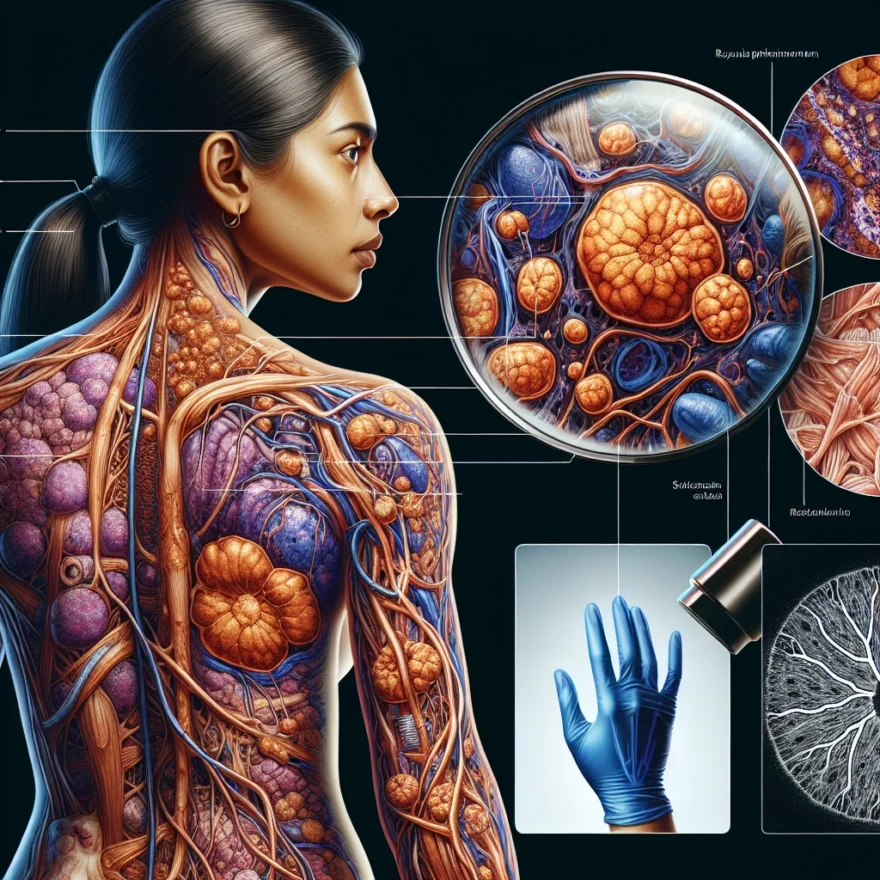
Introduction to Scleroderma
Scleroderma, also known as systemic sclerosis, is a complex and multifaceted disease that primarily affects the body’s connective tissue. It is classified as a chronic connective tissue disease, a category that also includes conditions such as lupus and rheumatoid arthritis. Scleroderma is distinguished by its characteristic feature: the hardening and tightening of the skin and connective tissues, the fibrous structures that provide support and elasticity to our bodies.
Although the hardened skin is the most visible manifestation of the disease, scleroderma can affect other parts of the body, including the internal organs. It can cause changes in the muscles, joints, blood vessels, and major organs such as the heart, lungs, and kidneys. The severity of scleroderma varies greatly from person to person, with some experiencing only mild symptoms, while others may have serious and life-threatening complications.
Despite its potential severity, scleroderma is not a common disease. It is estimated to affect between 75,000 and 100,000 people in the United States, with a higher incidence in women than in men. The disease typically begins to manifest between the ages of 30 and 50, although it can occur at any age.
As a chronic disease, scleroderma is a condition that lasts over a long time, often for a person’s entire life. It is currently incurable, but treatments and lifestyle changes can help manage the symptoms and improve the quality of life for those living with the disease.
Table of contents
- Introduction to Scleroderma
- Understanding Connective Tissue Diseases
- Causes and Risk Factors of Scleroderma
- Symptoms and Types of Scleroderma
- Diagnosis of Scleroderma
- Treatment Options for Scleroderma
- Living with Scleroderma: Lifestyle Adjustments and Support
- Research and Advances in Scleroderma
- Common Questions and Answers about Scleroderma
Understanding Connective Tissue Diseases
Connective tissues are the structures that hold our body together, providing support and structure to the body’s organs. They are composed of two main elements: proteins and cells. The proteins, such as collagen and elastin, provide strength and flexibility, while the cells produce these proteins and control the connective tissue’s properties. Connective tissue diseases are a broad group of disorders that affect these tissues, leading to a variety of symptoms and complications.
Scleroderma is one such connective tissue disease. It is characterized by the abnormal growth of connective tissue, which can lead to changes in the skin, blood vessels, muscles, and internal organs. The disease gets its name from the Greek words for “hard” (sclero) and “skin” (derma), reflecting one of its most noticeable symptoms: skin that becomes unusually hard or tight.
Connective tissue diseases can be classified into two broad categories: localized and systemic. Localized diseases primarily affect the skin and underlying tissues, while systemic diseases can affect the entire body, including internal organs. Scleroderma can manifest in both forms, with the systemic form being more severe and potentially life-threatening.
These diseases are often autoimmune in nature, meaning that the body’s immune system mistakenly attacks its own tissues. In the case of scleroderma, the immune system triggers an overproduction of collagen, a key component of connective tissue. This can lead to a range of symptoms and complications, depending on which parts of the body are affected.
Understanding connective tissue diseases is crucial as it not only aids in early diagnosis but also in the management of the condition. Recognizing the signs and symptoms can lead to early intervention, which can significantly improve the prognosis and quality of life for people with these diseases.
Causes and Risk Factors of Scleroderma
Scleroderma is a chronic connective tissue disease that affects the skin, blood vessels, and internal organs. While the exact cause of scleroderma is unknown, researchers believe that a combination of genetic and environmental factors play a role in its development.
Genetic factors: Studies have shown that certain genetic variations may increase the risk of developing scleroderma. These genetic factors are believed to affect the immune system and the body’s ability to regulate collagen production, which is a key component of connective tissue.
Environmental triggers: It is believed that exposure to certain environmental triggers may also contribute to the development of scleroderma. These triggers can vary from person to person and may include exposure to certain chemicals, infections, or medications. However, it is important to note that not everyone who is exposed to these triggers will develop the disease.
Autoimmune response: Scleroderma is considered an autoimmune disease, which means that the body’s immune system mistakenly attacks its own tissues. In the case of scleroderma, the immune system targets the connective tissues, leading to inflammation and the overproduction of collagen. The exact reason why the immune system malfunctions in this way is still not fully understood.
Hormonal factors: Hormonal imbalances, particularly in women, have been suggested as a possible risk factor for scleroderma. Research has shown that estrogen, a hormone more prevalent in women, may play a role in the development and progression of the disease. However, more studies are needed to fully understand the relationship between hormones and scleroderma.
Age and gender: Scleroderma can affect individuals of any age, but it is more commonly diagnosed between the ages of 30 and 50. Additionally, women are more likely to develop scleroderma than men, although the reasons for this gender disparity are still not clear.
Family history: Having a family member with scleroderma or another autoimmune disease may increase the risk of developing the condition. While the specific genes involved in scleroderma are still being studied, researchers believe that there is a genetic component to the disease.
It is important to note that while these factors may increase the risk of developing scleroderma, they do not guarantee that an individual will develop the disease. Scleroderma is a complex condition, and further research is needed to fully understand its causes and risk factors.
Symptoms and Types of Scleroderma
Scleroderma is a chronic connective tissue disease that affects the skin, blood vessels, and internal organs. It is characterized by the abnormal growth of collagen, a protein that forms the connective tissues in the body.
There are two main types of scleroderma: localized and systemic.
Localized Scleroderma
Localized scleroderma primarily affects the skin and is less severe than systemic scleroderma. There are two subtypes of localized scleroderma:
- Morphea: Morphea causes patches of thickened, discolored skin. These patches may be oval or linear in shape and are usually red or purple in the early stages. Over time, the patches can become hardened and turn white.
- Linear scleroderma: Linear scleroderma affects a line or band of skin, usually on the arms, legs, or forehead. It can cause the skin to become tight, shiny, and thickened. In some cases, it can also affect the underlying muscles and bones.
Systemic Scleroderma
Systemic scleroderma, also known as systemic sclerosis, is a more severe form of the disease that can affect not only the skin but also the blood vessels, muscles, and internal organs. There are two main subtypes of systemic scleroderma:
- Limited cutaneous systemic sclerosis: This subtype of systemic scleroderma typically affects the skin of the fingers, hands, face, and lower arms. It is often associated with Raynaud’s phenomenon, a condition characterized by the narrowing of blood vessels in response to cold or stress.
- Diffuse cutaneous systemic sclerosis: Diffuse cutaneous systemic sclerosis affects a larger area of the skin, including the trunk, upper arms, and thighs. It can also involve internal organs such as the lungs, heart, kidneys, and gastrointestinal tract.
Regardless of the type, scleroderma can cause a range of symptoms that vary in severity from person to person. Common symptoms include:
- Thickening and hardening of the skin
- Raynaud’s phenomenon
- Joint pain and stiffness
- Swelling of the hands and feet
- Digestive problems
- Shortness of breath
- Heartburn
- Difficulty swallowing
- Fatigue
- Weight loss
It’s important to note that the symptoms and progression of scleroderma can vary greatly among individuals. Some people may experience mild symptoms that do not significantly impact their daily lives, while others may have more severe symptoms that require ongoing medical treatment and management.
Diagnosis of Scleroderma
Diagnosing scleroderma can be a complex process as it shares symptoms with other conditions and can affect various organs in the body. To accurately diagnose scleroderma, doctors rely on a combination of medical history, physical examination, and specialized tests.
During the initial consultation, the doctor will carefully review the patient’s medical history, including any symptoms experienced and the duration of those symptoms. It is important for patients to provide detailed information about their symptoms, as well as any family history of autoimmune diseases.
The physical examination will involve a thorough evaluation of the skin, joints, and internal organs. The doctor will look for characteristic signs of scleroderma, such as skin thickening, tightness, and changes in color. They will also assess the range of motion in the joints and listen to the lungs and heart for any abnormalities.
In order to confirm the diagnosis and determine the extent of organ involvement, the doctor may order several specialized tests:
- Blood tests: These tests can help detect specific antibodies associated with scleroderma, such as anti-centromere antibodies (ACA) and anti-topoisomerase antibodies (Scl-70). Blood tests can also measure levels of inflammation and assess the function of various organs.
- Imaging tests: X-rays, CT scans, or MRI scans may be performed to examine the internal organs and detect any abnormalities or damage.
- Electrocardiogram (ECG) and echocardiogram: These tests assess the heart’s electrical activity and structure, helping to identify any cardiac involvement.
- Pulmonary function tests: These tests measure lung capacity and can detect any breathing abnormalities or lung damage.
- Skin biopsy: In some cases, a small sample of skin may be taken for examination under a microscope. This can help confirm the diagnosis and determine the type of scleroderma present.
It is important to note that the diagnosis of scleroderma can be challenging, and it may take time to reach a definitive diagnosis. In some cases, patients may be referred to a rheumatologist or a specialist in autoimmune diseases for further evaluation and confirmation.
Once a diagnosis is established, the doctor will discuss the findings with the patient and develop an individualized treatment plan based on the type and severity of scleroderma, as well as the organs affected. Regular follow-up appointments will be scheduled to monitor the progression of the disease and adjust the treatment plan accordingly.
Treatment Options for Scleroderma
Scleroderma is a chronic connective tissue disease that affects the skin, blood vessels, and internal organs. While there is currently no cure for scleroderma, there are several treatment options available to help manage the symptoms and slow down the progression of the disease.
The specific treatment plan for scleroderma will vary depending on the individual and the extent of organ involvement. It is important for patients to work closely with their healthcare team to develop a personalized treatment approach. Here are some of the common treatment options for scleroderma:
Medications: Medications are often prescribed to help manage the various symptoms of scleroderma. For example, nonsteroidal anti-inflammatory drugs (NSAIDs) may be recommended to reduce pain and inflammation. Immunosuppressants, such as methotrexate or mycophenolate, may be used to suppress the overactive immune response that contributes to scleroderma. Additionally, medications that help improve blood flow, such as calcium channel blockers, may be prescribed to treat Raynaud’s phenomenon.
Physical Therapy: Physical therapy can be beneficial for individuals with scleroderma, particularly for those experiencing joint stiffness and muscle weakness. A physical therapist can provide exercises and techniques to improve flexibility, strength, and range of motion. They may also recommend splints or orthotic devices to support affected joints.
Occupational Therapy: Occupational therapy focuses on helping individuals with scleroderma adapt to their daily activities and improve their quality of life. An occupational therapist can provide strategies to conserve energy, manage pain, and make modifications to the home or workplace environment to accommodate physical limitations.
Topical Treatments: For localized skin involvement, topical treatments such as moisturizers, corticosteroid creams, or immunomodulating creams may be prescribed to help relieve itching, soften skin, and reduce inflammation.
Pulmonary Rehabilitation: Scleroderma can affect the lungs, leading to breathing difficulties. Pulmonary rehabilitation programs can help individuals with scleroderma improve their lung function through exercises, breathing techniques, and education on managing respiratory symptoms.
Surgery: In some cases, surgery may be necessary to address specific complications of scleroderma. For instance, if scleroderma affects the blood vessels in the fingers, a procedure called a digital sympathectomy may be performed to improve blood flow and alleviate symptoms of Raynaud’s phenomenon.
Alternative Therapies: Some individuals with scleroderma may find relief from complementary and alternative therapies. These may include acupuncture, massage therapy, relaxation techniques, and dietary supplements. It is important to consult with a healthcare professional before trying any alternative therapies to ensure they are safe and effective.
It is worth noting that treatment for scleroderma is not a one-size-fits-all approach. Each person’s experience with the disease is unique, and treatment plans should be tailored to address their specific needs and symptoms. Regular monitoring and follow-up with healthcare providers are crucial to assess the effectiveness of the chosen treatment options and make any necessary adjustments.
Living with Scleroderma: Lifestyle Adjustments and Support
Living with Scleroderma: Lifestyle Adjustments and Support
Being diagnosed with scleroderma can bring about significant changes in a person’s life. While there is currently no cure for this chronic connective tissue disease, there are several lifestyle adjustments and support measures that can help individuals manage their symptoms and improve their quality of life.
1. Maintain a Healthy Lifestyle
Adopting a healthy lifestyle can play a crucial role in managing scleroderma symptoms. This includes:
- Eating a well-balanced diet rich in fruits, vegetables, whole grains, and lean proteins.
- Avoiding processed foods, excess sugar, and saturated fats.
- Staying hydrated by drinking an adequate amount of water.
- Engaging in regular exercise, as recommended by your healthcare provider.
- Getting enough rest and prioritizing sleep to support overall well-being.
2. Protect Your Skin
Scleroderma can cause the skin to become more sensitive and prone to damage. Taking steps to protect your skin can help minimize complications:
- Apply sunscreen with a high SPF before going outdoors to protect against harmful UV rays.
- Keep your skin moisturized to prevent dryness and cracking.
- Avoid extreme temperatures, as both hot and cold environments can aggravate symptoms.
- Wear protective clothing, such as long sleeves and hats, to shield your skin from the sun and harsh weather conditions.
3. Manage Stress
Living with a chronic illness like scleroderma can be emotionally challenging. Learning effective stress management techniques can help improve your overall well-being:
- Practice relaxation techniques, such as deep breathing exercises, meditation, or yoga.
- Engage in activities that bring you joy and help you relax, such as listening to music, reading, or spending time in nature.
- Seek support from friends, family, or support groups who can provide emotional support and understanding.
- Consider therapy or counseling to help cope with the emotional impact of the disease.
4. Seek Regular Medical Care
Regular medical care is essential for managing scleroderma and preventing complications. It is important to:
- Follow up with your healthcare provider as scheduled and discuss any changes or concerns.
- Take prescribed medications as directed and report any side effects.
- Undergo routine screenings and tests to monitor the progression of the disease.
- Keep a record of your symptoms and any triggers that worsen them to share with your doctor.
5. Seek Support
Living with scleroderma can be challenging both physically and emotionally. Seeking support from others who understand your experience can make a significant difference:
- Join support groups or online communities specifically for individuals with scleroderma.
- Participate in educational programs and events to learn more about the disease and connect with others.
- Consider talking to a social worker or patient advocate who can provide guidance and support.
- Share your feelings and experiences with loved ones, allowing them to better understand and support you.
By making these lifestyle adjustments and seeking the necessary support, individuals with scleroderma can effectively manage their symptoms and lead fulfilling lives.
Research and Advances in Scleroderma
Scleroderma, being a chronic connective tissue disease, has been the subject of extensive research and ongoing advances in understanding its causes, progression, and treatment options. Scientists and medical professionals have made significant strides in recent years, shedding light on various aspects of this complex disease.
1. Genetic Studies:
Researchers have been studying the genetic factors that contribute to the development of scleroderma. Through genome-wide association studies (GWAS), specific genes and genetic variations have been identified that increase the risk of developing the disease. These findings have provided valuable insights into the underlying mechanisms of scleroderma and may eventually lead to targeted therapies.
2. Immune System Dysfunction:
Advancements in immunology have revealed that scleroderma is an autoimmune disease, where the immune system mistakenly attacks healthy tissues. Researchers are investigating the specific immune cells and pathways involved in the disease process. This knowledge has paved the way for the development of new immunomodulatory drugs that can potentially halt or slow down the progression of scleroderma.
3. Biomarkers:
Efforts are underway to identify reliable biomarkers for scleroderma. Biomarkers are measurable substances or indicators that can help diagnose the disease, predict its progression, and assess treatment response. These biomarkers can aid in early detection, personalized treatment plans, and monitoring disease activity.
4. Targeted Therapies:
With a better understanding of the molecular pathways involved in scleroderma, researchers are exploring targeted therapies that can specifically address the underlying mechanisms of the disease. This includes medications that can regulate immune responses, reduce inflammation, and prevent fibrosis (excessive scarring of tissues).
5. Stem Cell Transplantation:
Stem cell transplantation has shown promise as a potential treatment option for severe cases of scleroderma. This procedure involves replacing damaged or malfunctioning cells with healthy stem cells to regenerate healthy tissue. Ongoing clinical trials are investigating the safety and efficacy of stem cell transplantation in managing the symptoms and progression of scleroderma.
6. Patient Support and Advocacy:
In addition to scientific advancements, there has been a growing focus on patient support and advocacy in the scleroderma community. Patient support groups, online forums, and awareness campaigns have provided a platform for individuals with scleroderma to connect, share experiences, and access valuable resources. These initiatives play a crucial role in improving the quality of life for those living with the disease.
While research and advances in scleroderma continue to progress, it is important to note that there is currently no cure for the disease. However, the ongoing efforts of researchers, healthcare professionals, and patient advocates offer hope for improved treatments and a better understanding of this complex condition.
Common Questions and Answers about Scleroderma
Common Questions and Answers about Scleroderma
As a chronic connective tissue disease, scleroderma can raise many questions for those affected by it. Here are some common questions and their answers to help you better understand this condition:
1. What is the main cause of scleroderma?
The exact cause of scleroderma is still unknown. However, researchers believe that a combination of genetic predisposition and environmental factors may play a role in its development. Autoimmune reactions and abnormal collagen production are also thought to contribute to the disease.
2. Is scleroderma hereditary?
Scleroderma is not directly inherited. While there may be a genetic predisposition to developing the disease, it does not guarantee that it will be passed down from parent to child. It is believed that certain genes increase the risk of developing scleroderma, but additional factors are likely involved.
3. Can scleroderma be cured?
Currently, there is no cure for scleroderma. However, various treatment options are available to manage symptoms, slow down disease progression, and improve quality of life. Early diagnosis and proactive management can significantly impact the course of the disease.
4. What are the different types of scleroderma?
Scleroderma can be classified into two main types: localized scleroderma and systemic scleroderma. Localized scleroderma primarily affects the skin, while systemic scleroderma affects not only the skin but also internal organs such as the lungs, heart, and kidneys. Within systemic scleroderma, there are two subtypes: limited cutaneous scleroderma and diffuse cutaneous scleroderma.
5. Can scleroderma affect any part of the body?
Yes, scleroderma can affect various parts of the body. The symptoms and complications can vary depending on the type and stage of the disease. It commonly affects the skin, joints, blood vessels, digestive system, lungs, heart, and kidneys.
6. How is scleroderma diagnosed?
Scleroderma diagnosis involves a combination of medical history review, physical examination, and specific tests. Blood tests, imaging studies, and skin biopsies may be conducted to evaluate symptoms and rule out other conditions. Consulting with a rheumatologist or a specialist in connective tissue diseases is crucial for an accurate diagnosis.
7. Can lifestyle changes help manage scleroderma?
Yes, making certain lifestyle adjustments can help manage scleroderma symptoms and improve overall well-being. These may include regular exercise, maintaining a balanced diet, managing stress, protecting the skin from trauma, avoiding smoking, and staying up to date with vaccinations. It is important to work closely with your healthcare team to develop a personalized management plan.
8. Are there any experimental treatments or ongoing research for scleroderma?
Yes, there is ongoing research and clinical trials investigating new treatments and therapeutic approaches for scleroderma. These may include medications targeting specific pathways involved in the disease, stem cell transplantation, and novel immunotherapies. It is always recommended to stay informed about the latest advancements and discuss potential options with your healthcare provider.
9. Can support groups provide assistance for individuals with scleroderma?
Absolutely. Joining a support group or connecting with others who have scleroderma can be incredibly beneficial. These groups provide a platform to share experiences, gain emotional support, and exchange information about coping strategies and resources. Many organizations also offer educational materials and online communities for individuals affected by scleroderma.
10. Is it possible to lead a fulfilling life with scleroderma?
Yes, it is possible to lead a fulfilling life with scleroderma. While the condition may present challenges, proper management, support, and self-care can help individuals maintain a good quality of life. It is important to work closely with healthcare professionals, follow treatment plans, and make necessary lifestyle adjustments to optimize physical and emotional well-being.