Introduction to Staphylococcus aureus
Staphylococcus aureus, often simply referred to as ‘staph,’ is a type of bacteria that is frequently found on the skin and in the nasal passages of healthy individuals. Despite its common presence, it is far from harmless and is known for its ability to cause a wide range of infections, from minor skin conditions to life-threatening diseases. This bacterium has earned a reputation as a notorious pathogen due to its resilience, adaptability, and resistance to certain antibiotics.
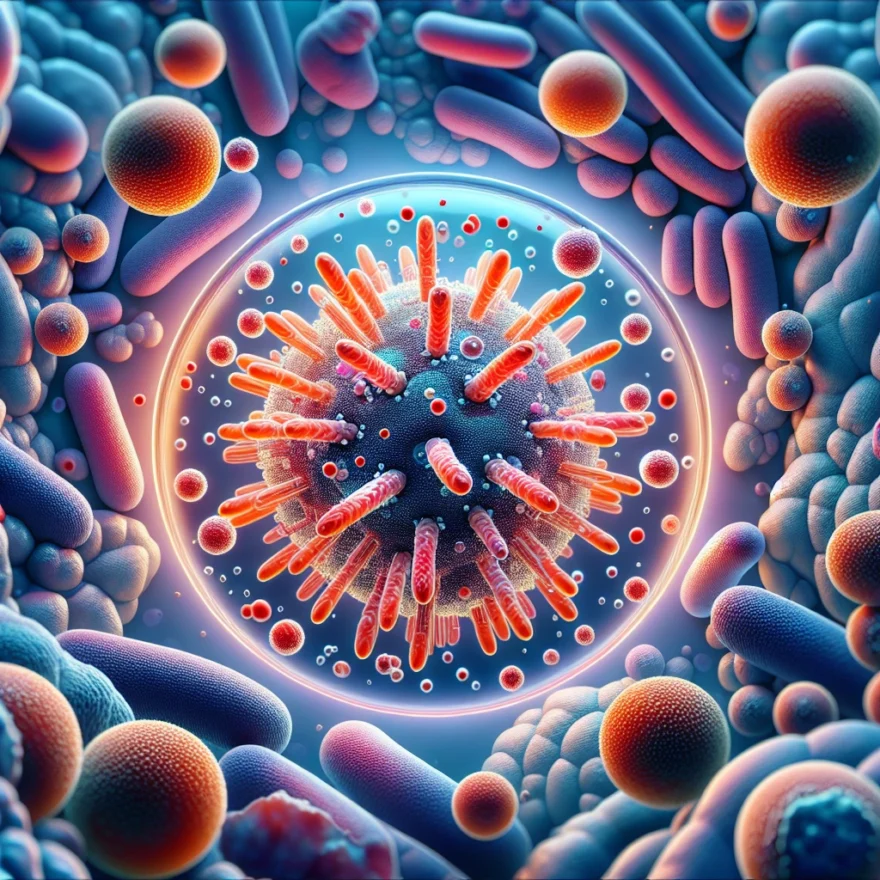
Staphylococcus aureus is a spherical bacterium, usually appearing in clusters that resemble a bunch of grapes when viewed under a microscope. It is a facultative anaerobe, meaning it can grow with or without oxygen. Furthermore, it is capable of surviving on various surfaces, from human skin to inanimate objects, making it a frequent culprit in hospital-acquired infections. Its ability to produce a variety of toxins adds to its virulence, allowing it to cause a diverse array of symptoms and conditions.
While Staphylococcus aureus is a common part of the human microbiota, it becomes a problem when it manages to enter the body, often through a cut or abrasion. Once inside, it can cause a local infection or spread to other parts of the body, leading to more serious conditions. The severity of the infection can vary greatly depending on the individual’s health status and the strain of Staphylococcus aureus involved.
One of the most concerning aspects of Staphylococcus aureus is its ability to develop resistance to antibiotics. This has led to the emergence of methicillin-resistant Staphylococcus aureus (MRSA), a strain of the bacteria that is resistant to many commonly used antibiotics. This resistance makes MRSA infections particularly challenging to treat, leading to increased morbidity and mortality rates.
Understanding Staphylococcus aureus and how it interacts with the human body is crucial in the development of effective treatment and prevention strategies. This article will delve into the characteristics of this notorious pathogen, the infections it can cause, and the various methods used to diagnose and treat these infections. We will also explore the role of Staphylococcus aureus in hospital-acquired infections, its impact on food safety, and its potential as a zoonotic pathogen. Furthermore, we will discuss the ongoing research into novel therapies and vaccines aimed at combatting this formidable bacterium.
Table of contents
- Introduction to Staphylococcus aureus
- Characteristics of Staphylococcus aureus
- Staphylococcus aureus and Human Health
- Infections Caused by Staphylococcus aureus
- Understanding MRSA: Methicillin-Resistant Staphylococcus aureus
- Diagnosis of Staphylococcus aureus Infections
- Treatment Options for Staphylococcus aureus Infections
- Preventing Staphylococcus aureus Infections
- The Role of Staphylococcus aureus in Hospital-Acquired Infections
- Staphylococcus aureus and Food Poisoning
- The Impact of Antibiotic Resistance on Staphylococcus aureus Infections
- Staphylococcus aureus in Animals: Zoonotic Potential
- Future Perspectives: Staphylococcus aureus Vaccines and Novel Therapies
- Common Questions about Staphylococcus aureus
Characteristics of Staphylococcus aureus
Staphylococcus aureus, often simply referred to as “staph,” is a type of bacteria commonly found on the skin and in the nose of about 30% of individuals. It is a spherical bacterium, usually appearing in clusters that resemble a bunch of grapes. These bacteria are Gram-positive, meaning they have a thick cell wall which retains a violet-blue stain used in Gram staining, a method used to classify bacteria. This is one of the first characteristics that laboratory technicians will look for when identifying this pathogen.
One of the defining characteristics of Staphylococcus aureus is its ability to survive in a wide range of conditions. It can thrive in both high and low temperatures, varying pH levels, and high salt concentrations. This adaptability makes it a formidable pathogen in both healthcare and community settings.
Staphylococcus aureus is also known for its virulence factors, which are molecules produced by the bacterium that enhance its ability to cause disease. These include enzymes, toxins, and other factors that allow the bacteria to colonize host tissues, evade the immune system, and cause damage to the host. For example, Staphylococcus aureus produces coagulase, an enzyme that causes blood to clot, effectively creating a protective barrier around the bacteria that shields it from the host’s immune system.
Another key characteristic of Staphylococcus aureus is its ability to form biofilms. A biofilm is a community of bacteria that are attached to a surface and surrounded by a matrix of extracellular polymeric substances. Biofilms enhance the survival and resistance of bacteria to antibiotics and the host’s immune system. In the case of Staphylococcus aureus, biofilms are often involved in chronic infections and medical device-related infections.
Finally, Staphylococcus aureus is notorious for its ability to acquire resistance to antibiotics. The most famous example is Methicillin-resistant Staphylococcus aureus (MRSA), which is resistant to many common antibiotics. The emergence of antibiotic-resistant strains of Staphylococcus aureus poses a significant challenge to public health and will be discussed in more detail in later sections.
Staphylococcus aureus and Human Health
Staphylococcus aureus, commonly referred to as S. aureus, is a notorious pathogen that poses a significant threat to human health. This bacterium is part of the normal flora found on the skin and in the nasal passages of many individuals, without causing any harm. However, under certain circumstances, it can become opportunistic and cause a range of infections.
The characteristics of S. aureus contribute to its ability to cause infections. It is a gram-positive bacterium, meaning that it retains a purple stain when subjected to the Gram stain test. It appears as round clusters of cells under a microscope, resembling a bunch of grapes. S. aureus is also capable of producing a variety of virulence factors, including toxins and enzymes, which aid in its pathogenicity.
When S. aureus breaches the skin barrier through a cut or wound, it can lead to skin and soft tissue infections such as boils, abscesses, and cellulitis. These infections are usually localized and can be treated with antibiotics. However, if the bacterium enters the bloodstream, it can cause more severe infections, including bacteremia and endocarditis.
One of the most concerning aspects of S. aureus is its ability to develop resistance to multiple antibiotics. Methicillin-Resistant Staphylococcus aureus (MRSA) is a strain of S. aureus that is resistant to the antibiotic methicillin and other beta-lactam antibiotics. MRSA infections can be particularly difficult to treat, as they require alternative antibiotics that may have more side effects or be less effective.
Diagnosing S. aureus infections typically involves obtaining a sample from the infected site, such as a wound or blood culture, and conducting laboratory tests to identify the bacteria. Once diagnosed, treatment options for S. aureus infections depend on the severity and location of the infection. Mild cases may be treated with oral antibiotics, while more severe infections may require intravenous antibiotics or surgical intervention.
Preventing S. aureus infections is crucial in reducing the burden of this pathogen. Good hygiene practices, such as regular handwashing, can help minimize the spread of S. aureus. It is also important to properly clean and disinfect wounds to prevent infection. In healthcare settings, infection control measures, such as proper sterilization of medical equipment and adherence to hand hygiene protocols, are essential in preventing the transmission of S. aureus.
Staphylococcus aureus is a leading cause of hospital-acquired infections, also known as nosocomial infections. These infections can be particularly dangerous, as they often occur in individuals with weakened immune systems or those undergoing invasive medical procedures. Preventing the spread of S. aureus in healthcare settings requires strict adherence to infection control protocols and surveillance for antibiotic-resistant strains.
In addition to causing infections in humans, S. aureus can also contaminate food and lead to food poisoning. Consuming food contaminated with S. aureus can result in symptoms such as nausea, vomiting, and diarrhea. Proper food handling and storage practices, as well as thorough cooking, can help prevent S. aureus-related foodborne illnesses.
The emergence of antibiotic resistance in S. aureus, particularly MRSA, has become a major concern in healthcare settings. Overuse and misuse of antibiotics have contributed to the development of resistant strains. The rise of antibiotic-resistant S. aureus highlights the need for judicious use of antibiotics and the development of new treatment strategies.
While S. aureus primarily affects humans, it can also infect animals and has the potential to be transmitted between animals and humans. This zoonotic potential underscores the importance of proper hygiene and infection control practices in veterinary settings to prevent the spread of S. aureus.
Looking to the future, researchers are exploring the development of vaccines and novel therapies to combat S. aureus infections. Vaccines targeting specific S. aureus antigens have shown promise in early clinical trials, and novel antimicrobial agents are being investigated to combat antibiotic-resistant strains. These advancements hold the potential to reduce the burden of S. aureus infections and improve patient outcomes.
Common questions about Staphylococcus aureus:
- What is Staphylococcus aureus?
- How does Staphylococcus aureus cause infections?
- What is MRSA?
- How are Staphylococcus aureus infections diagnosed?
- What are the treatment options for Staphylococcus aureus infections?
- How can Staphylococcus aureus infections be prevented?
- What is the role of Staphylococcus aureus in hospital-acquired infections?
- Can Staphylococcus aureus cause food poisoning?
- What is the impact of antibiotic resistance on Staphylococcus aureus infections?
- Can Staphylococcus aureus infect animals?
- What are the future perspectives for Staphylococcus aureus vaccines and novel therapies?
Infections Caused by Staphylococcus aureus
Staphylococcus aureus is a notorious pathogen known for causing a wide range of infections in humans. This bacterium is commonly found on the skin and in the nasal passages of healthy individuals, but it can also cause infections when it enters the body through a wound or other means.
One of the most common types of infections caused by Staphylococcus aureus is skin and soft tissue infections. These can range from minor boils and abscesses to more severe infections such as cellulitis and necrotizing fasciitis. Staphylococcus aureus can invade the skin and underlying tissues, causing redness, swelling, pain, and the formation of pus.
In addition to skin infections, Staphylococcus aureus can also cause respiratory tract infections, such as pneumonia. When the bacterium enters the lungs, it can cause inflammation and infection, leading to symptoms such as cough, chest pain, and difficulty breathing.
Staphylococcus aureus is also a common cause of bloodstream infections, known as bacteremia. This occurs when the bacterium enters the bloodstream, either from an existing infection site or through the use of medical devices such as catheters. Bacteremia can lead to serious complications, including endocarditis (infection of the heart valves) and sepsis (a life-threatening systemic infection).
Another type of infection caused by Staphylococcus aureus is urinary tract infection (UTI). Although less common than skin and respiratory infections, UTIs caused by Staphylococcus aureus can occur, particularly in individuals with urinary catheters or other urinary tract abnormalities.
Staphylococcus aureus can also infect the bones and joints, leading to conditions such as osteomyelitis and septic arthritis. These infections can cause severe pain, swelling, and limited mobility.
It is important to note that Staphylococcus aureus can cause both community-acquired infections, which are acquired outside of healthcare settings, and healthcare-associated infections, which are acquired in hospitals or other healthcare facilities. The ability of Staphylococcus aureus to cause a wide range of infections highlights its versatility as a pathogen and the need for effective prevention and treatment strategies.
Understanding MRSA: Methicillin-Resistant Staphylococcus aureus
Methicillin-Resistant Staphylococcus aureus (MRSA) is a strain of Staphylococcus aureus that has developed resistance to methicillin and other commonly used antibiotics. This resistance is due to the acquisition of a specific gene known as mecA, which produces a modified penicillin-binding protein that is not affected by methicillin and other beta-lactam antibiotics.
MRSA infections are a major concern in healthcare settings, as they are often difficult to treat and can lead to serious complications. In recent years, MRSA has also become a growing problem in community settings, affecting individuals who have not been hospitalized or undergone medical procedures.
MRSA is typically spread through direct contact with infected individuals or contaminated surfaces. It can enter the body through cuts, wounds, or invasive medical devices, such as catheters or surgical implants. Once inside the body, MRSA can cause a range of infections, including skin and soft tissue infections, bloodstream infections, pneumonia, and surgical site infections.
One of the main challenges with MRSA is its ability to resist multiple antibiotics, making treatment options limited. In some cases, MRSA infections may require more aggressive treatment approaches, such as intravenous antibiotics or surgical intervention to remove infected tissue.
Diagnosing MRSA infections involves collecting samples from the affected area and conducting laboratory tests to identify the presence of the mecA gene or the antibiotic resistance pattern. This information helps guide appropriate treatment decisions.
Preventing the spread of MRSA is crucial in both healthcare and community settings. This includes practicing good hand hygiene, using appropriate protective barriers (such as gloves and gowns), properly cleaning and disinfecting surfaces, and following infection control protocols.
Research efforts are ongoing to develop new strategies to combat MRSA, including the development of novel antibiotics, vaccines, and alternative therapies. Vaccines targeting specific MRSA strains have shown promise in early studies, and further research is needed to assess their effectiveness in preventing MRSA infections.
In conclusion, MRSA is a significant public health concern due to its resistance to multiple antibiotics and its ability to cause severe infections. Understanding the mechanisms of MRSA resistance, implementing effective prevention strategies, and investing in research for new treatment options are essential in combating this notorious pathogen.
Diagnosis of Staphylococcus aureus Infections
Diagnosing Staphylococcus aureus infections is a crucial step in managing and treating this notorious pathogen. Due to the diverse range of infections it can cause, accurate and timely diagnosis is essential for effective treatment and prevention of further spread.
When a patient presents with symptoms that may be indicative of a Staphylococcus aureus infection, healthcare providers will typically perform a series of diagnostic tests to confirm the presence of the bacterium.
One of the most common diagnostic methods is a bacterial culture. This involves collecting a sample from the infected site, such as a wound or nasal swab, and placing it on a culture medium that promotes the growth of Staphylococcus aureus. If the bacterium is present, it will grow and can be identified through various laboratory techniques.
In addition to bacterial culture, molecular diagnostic methods are also used for rapid and accurate identification of Staphylococcus aureus. Polymerase chain reaction (PCR) assays can detect specific DNA sequences unique to the bacterium, allowing for quick and precise diagnosis.
Another important aspect of diagnosing Staphylococcus aureus infections is determining the antibiotic susceptibility profile of the bacterium. This helps guide appropriate treatment options and prevents the misuse of antibiotics that may contribute to the development of antibiotic resistance.
To assess antibiotic susceptibility, laboratory testing methods such as the disk diffusion method or the broth microdilution method are commonly employed. These tests involve exposing the bacterium to different antibiotics and measuring its response to determine which drugs are effective in inhibiting its growth.
In certain cases, additional diagnostic tests may be necessary to identify specific strains of Staphylococcus aureus, such as methicillin-resistant Staphylococcus aureus (MRSA). These tests may include molecular techniques, such as PCR assays targeting the mecA gene, which is responsible for methicillin resistance.
It is important to note that accurate diagnosis of Staphylococcus aureus infections requires the expertise of trained healthcare professionals and access to well-equipped laboratories. Prompt and accurate diagnosis enables healthcare providers to initiate appropriate treatment strategies and implement infection control measures to prevent further spread of the bacterium.
Treatment Options for Staphylococcus aureus Infections
When it comes to treating Staphylococcus aureus infections, prompt and appropriate intervention is crucial. The choice of treatment depends on the severity of the infection, the site of infection, and the susceptibility of the bacteria to certain antibiotics.
For mild skin and soft tissue infections, such as boils or abscesses, incision and drainage are often sufficient to clear the infection. This involves making a small incision to allow the pus to drain out, followed by cleaning the wound and applying a sterile dressing.
In cases where the infection is more severe or systemic, antibiotics are typically prescribed. Staphylococcus aureus is known to be susceptible to a range of antibiotics, including methicillin, oxacillin, and vancomycin. However, due to the emergence of antibiotic-resistant strains, such as methicillin-resistant Staphylococcus aureus (MRSA), treatment options may be limited.
For methicillin-sensitive Staphylococcus aureus (MSSA) infections, antibiotics like methicillin or oxacillin are commonly used. These drugs belong to the class of penicillinase-resistant penicillins and are effective against susceptible strains of Staphylococcus aureus.
In cases where MRSA is suspected or confirmed, alternative antibiotics are prescribed. Vancomycin, a glycopeptide antibiotic, is often the drug of choice for treating MRSA infections. Other options include daptomycin, linezolid, and clindamycin. It’s important to note that the choice of antibiotic may depend on factors such as the severity of the infection, the patient’s medical history, and local antibiotic resistance patterns.
In addition to antibiotics, supportive measures may be necessary to manage the symptoms and complications associated with Staphylococcus aureus infections. This can include pain management, wound care, and monitoring for any signs of systemic involvement.
It’s worth mentioning that the rise of antibiotic-resistant strains of Staphylococcus aureus has posed significant challenges in the treatment of these infections. In some cases, combination therapy with multiple antibiotics may be required to effectively combat the infection.
Furthermore, prevention is key in reducing the burden of Staphylococcus aureus infections. This includes practicing good hand hygiene, avoiding close contact with infected individuals, and keeping wounds clean and covered. In healthcare settings, strict infection control measures, such as proper disinfection and sterilization protocols, can help prevent the spread of Staphylococcus aureus.
Overall, the treatment of Staphylococcus aureus infections requires a comprehensive approach that takes into account the severity of the infection, antibiotic susceptibility, and the potential for antibiotic resistance. By staying vigilant and implementing appropriate treatment strategies, healthcare providers can effectively manage these notorious pathogens and minimize their impact on human health.
Preventing Staphylococcus aureus Infections
Preventing Staphylococcus aureus infections is crucial in order to reduce the transmission and spread of this notorious pathogen. By implementing certain preventive measures, individuals can significantly lower their risk of acquiring and spreading Staphylococcus aureus infections. Here are some important strategies to consider:
- Practice good hand hygiene: One of the most effective ways to prevent the spread of Staphylococcus aureus is by practicing proper hand hygiene. This includes washing your hands thoroughly with soap and water for at least 20 seconds, especially before eating, after using the restroom, and after coming into contact with potentially contaminated surfaces.
- Keep wounds clean and covered: Staphylococcus aureus can easily enter the body through open wounds or cuts. It is important to clean any wounds promptly with soap and water, apply an antiseptic ointment, and cover them with a clean bandage or dressing to prevent bacterial contamination and infection.
- Avoid sharing personal items: Staphylococcus aureus can be transmitted through direct contact with contaminated personal items such as towels, razors, clothing, and sports equipment. It is important to avoid sharing these items with others to reduce the risk of infection.
- Maintain a clean environment: Regularly cleaning and disinfecting frequently touched surfaces, such as doorknobs, countertops, and electronic devices, can help eliminate Staphylococcus aureus bacteria that may be present. Using appropriate disinfectants and following the manufacturer’s instructions is essential for effective cleaning.
- Practice safe food handling: Staphylococcus aureus can cause food poisoning when contaminated food is consumed. To prevent this, it is important to practice safe food handling techniques, such as cooking food thoroughly, storing perishable foods at the correct temperature, and avoiding cross-contamination between raw and cooked foods.
- Follow healthcare-associated infection prevention protocols: In healthcare settings, healthcare professionals follow strict infection prevention protocols to minimize the spread of Staphylococcus aureus and other pathogens. Patients should adhere to these protocols as well, including proper hand hygiene, following isolation precautions, and completing prescribed antibiotic treatments.
- Promote vaccination: Although there is currently no vaccine available specifically for Staphylococcus aureus, getting vaccinated against other infectious diseases, such as influenza and pneumococcal pneumonia, can help strengthen the immune system and reduce the risk of secondary Staphylococcus aureus infections.
By adopting these preventive measures, individuals can play an active role in reducing the transmission and prevalence of Staphylococcus aureus infections. It is important to remember that prevention is key in combating this notorious pathogen and safeguarding both individual and public health.
The Role of Staphylococcus aureus in Hospital-Acquired Infections
Staphylococcus aureus, a notorious pathogen, plays a significant role in hospital-acquired infections. Hospitals, despite being places of healing, can also be breeding grounds for dangerous bacteria, including Staphylococcus aureus. The presence of this bacterium in healthcare settings can lead to severe infections and complications, posing a serious threat to patients.
One of the primary reasons Staphylococcus aureus is prevalent in hospitals is due to its ability to survive on surfaces for extended periods. This bacterium can persist on medical equipment, bed linens, and even the skin of healthcare workers, allowing for easy transmission from person to person. Additionally, hospitals often house individuals with weakened immune systems, making them more susceptible to Staphylococcus aureus infections.
Once inside the hospital, Staphylococcus aureus can cause a range of infections, including surgical site infections, bloodstream infections, pneumonia, and urinary tract infections. These infections can be particularly challenging to treat, as Staphylococcus aureus has developed resistance to many commonly used antibiotics.
Furthermore, hospital-acquired Staphylococcus aureus infections can lead to longer hospital stays, increased healthcare costs, and even mortality. The presence of this bacterium poses a significant burden on both patients and healthcare systems.
Hospitals employ various strategies to prevent and control the spread of Staphylococcus aureus. These include strict adherence to hand hygiene protocols, routine cleaning and disinfection of surfaces, and the use of isolation precautions for infected or colonized patients. Additionally, healthcare workers may be required to undergo regular screening for Staphylococcus aureus carriage to prevent transmission to vulnerable patients.
It is crucial for healthcare facilities to implement comprehensive infection control measures to minimize the risk of hospital-acquired Staphylococcus aureus infections. By doing so, hospitals can create a safer environment for patients and reduce the burden of these infections on both individuals and healthcare systems.
Staphylococcus aureus and Food Poisoning
Staphylococcus aureus, a notorious pathogen, is not only responsible for a range of infections in humans but also plays a significant role in causing food poisoning. This bacterium can produce toxins that, when ingested through contaminated food, can lead to gastrointestinal illness.
Foodborne illnesses caused by Staphylococcus aureus typically occur when the bacterium multiplies in food that is improperly handled or stored at improper temperatures. Common sources of contamination include dairy products, meats, and prepared salads.
Once Staphylococcus aureus enters the food, it can rapidly multiply and produce heat-stable toxins. These toxins are not destroyed by cooking or reheating the food, making it crucial to prevent contamination in the first place.
Consuming food contaminated with Staphylococcus aureus can lead to symptoms such as nausea, vomiting, abdominal cramps, and diarrhea. The onset of symptoms is usually rapid, occurring within a few hours after ingestion of the contaminated food.
It is important to note that not all strains of Staphylococcus aureus produce toxins that cause food poisoning. Certain strains, known as enterotoxigenic strains, have the ability to produce enterotoxins, which are responsible for the symptoms of food poisoning.
Preventing Staphylococcus aureus-related food poisoning involves proper food handling and storage practices. This includes maintaining good personal hygiene, such as washing hands thoroughly before handling food, and ensuring that food is stored at appropriate temperatures to prevent bacterial growth.
Food establishments, such as restaurants and cafeterias, should also adhere to strict food safety guidelines, including regular cleaning and sanitization of food preparation areas and equipment.
In the event of a suspected Staphylococcus aureus-related food poisoning outbreak, it is important to report the incident to local health authorities. This allows for appropriate investigation and control measures to be implemented to prevent further cases.
Overall, Staphylococcus aureus-related food poisoning is a significant public health concern. By practicing proper food handling and storage techniques, both at home and in food establishments, the risk of contamination and subsequent illness can be minimized.
The Impact of Antibiotic Resistance on Staphylococcus aureus Infections
Antibiotic resistance has become a major concern in the treatment of Staphylococcus aureus infections. Over the years, this notorious pathogen has developed resistance to multiple antibiotics, making it more difficult to treat and control. The impact of antibiotic resistance on Staphylococcus aureus infections is significant and has serious implications for public health.
Staphylococcus aureus has the ability to acquire resistance to antibiotics through various mechanisms. One of the most well-known examples is methicillin-resistant Staphylococcus aureus (MRSA), which is resistant to methicillin and other beta-lactam antibiotics. MRSA infections are particularly challenging to treat as they are often resistant to multiple classes of antibiotics.
The emergence of antibiotic-resistant strains of Staphylococcus aureus has led to increased morbidity and mortality rates. Infections caused by antibiotic-resistant strains are associated with longer hospital stays, higher healthcare costs, and increased risk of complications. This poses a significant burden on healthcare systems worldwide.
Furthermore, antibiotic resistance in Staphylococcus aureus has limited the treatment options available. Antibiotics that were once effective against this pathogen may no longer be effective, leaving healthcare providers with fewer options for treatment. This can lead to the use of more potent and potentially toxic antibiotics, further contributing to the problem of antibiotic resistance.
The impact of antibiotic resistance on Staphylococcus aureus infections extends beyond the healthcare setting. Community-acquired MRSA infections have become a growing concern, affecting individuals who have not been hospitalized or undergone medical procedures. These infections can occur in otherwise healthy individuals, leading to skin and soft tissue infections, pneumonia, and other serious complications.
To address the impact of antibiotic resistance on Staphylococcus aureus infections, there is a need for a multifaceted approach. This includes promoting appropriate antibiotic use, implementing infection control measures, and developing new treatment strategies. Researchers are actively working on the development of novel antibiotics, alternative therapies, and vaccines to combat antibiotic-resistant strains of Staphylococcus aureus.
In conclusion, the impact of antibiotic resistance on Staphylococcus aureus infections is a significant concern. It has led to increased morbidity and mortality rates, limited treatment options, and higher healthcare costs. Addressing antibiotic resistance requires a comprehensive approach to ensure the effective control and treatment of Staphylococcus aureus infections.
Staphylococcus aureus in Animals: Zoonotic Potential
Staphylococcus aureus, commonly known as “staph,” is not only a pathogen that affects humans but also has the potential to infect animals. This zoonotic potential of Staphylococcus aureus raises concerns for both animal health and public health.
Animals, particularly domesticated animals such as dogs, cats, and livestock, can carry and transmit Staphylococcus aureus. The bacteria can colonize their skin, mucous membranes, and even their gastrointestinal tracts. While animals may not always show symptoms of infection, they can serve as reservoirs for the bacteria, posing a risk of transmission to humans.
Zoonotic transmission of Staphylococcus aureus can occur through direct contact with infected animals or through indirect contact with contaminated surfaces, such as bedding, cages, or food bowls. It is important to note that not all strains of Staphylococcus aureus are zoonotic, but certain strains, especially those that are antibiotic-resistant, can pose a significant threat.
When humans come into contact with infected animals or their environment, they can develop infections similar to those caused by Staphylococcus aureus in humans. These infections can range from mild skin infections, such as boils or impetigo, to more severe and potentially life-threatening conditions like pneumonia or bloodstream infections.
Preventing zoonotic transmission of Staphylococcus aureus involves practicing good hygiene and taking appropriate precautions when handling animals. This includes washing hands thoroughly after touching animals, avoiding close contact with animals that have open wounds or skin infections, and properly cleaning and disinfecting animal-related equipment and living areas.
In veterinary settings, infection control measures are crucial to prevent the spread of Staphylococcus aureus. This includes implementing proper sanitation protocols, using appropriate disinfectants, and promoting responsible antibiotic use to minimize the development of antibiotic-resistant strains.
Furthermore, surveillance and monitoring of Staphylococcus aureus in animals are essential to identify potential outbreaks or emerging strains with zoonotic potential. This information can help inform public health strategies and interventions to mitigate the spread of the bacteria.
Overall, while Staphylococcus aureus can infect animals and potentially be transmitted to humans, practicing good hygiene, implementing infection control measures, and promoting responsible antibiotic use can help minimize the risk of zoonotic transmission and protect both animal and human health.
Future Perspectives: Staphylococcus aureus Vaccines and Novel Therapies
As the medical community continues to battle against Staphylococcus aureus infections, there is ongoing research and development in the field of vaccines and novel therapies. These future perspectives offer hope in combating the notorious pathogen and reducing the burden of infections.
One promising area of research is the development of vaccines against Staphylococcus aureus. Vaccines work by stimulating the immune system to recognize and attack specific pathogens. Several vaccine candidates have been tested in clinical trials, with varying degrees of success.
One approach is to target the surface proteins of Staphylococcus aureus, such as the clumping factor A and fibronectin-binding proteins. These proteins play a crucial role in the bacteria’s ability to adhere to host tissues and evade the immune system. By targeting these proteins, vaccines aim to prevent colonization and infection by Staphylococcus aureus.
Another avenue of research is focused on developing vaccines that target the toxins produced by Staphylococcus aureus. These toxins, such as alpha-toxin and Panton-Valentine leukocidin, contribute to the virulence of the bacteria and are responsible for many of the symptoms associated with Staphylococcus aureus infections. Vaccines that neutralize or prevent the production of these toxins could potentially reduce the severity of infections.
In addition to vaccines, novel therapies are also being explored to combat Staphylococcus aureus infections. One such therapy is the use of bacteriophages, which are viruses that specifically target and kill bacteria. Bacteriophages have shown promise in laboratory studies and early clinical trials as a potential alternative to antibiotics for treating Staphylococcus aureus infections.
Another novel approach is the use of antimicrobial peptides (AMPs) as therapeutic agents. AMPs are naturally occurring molecules that have antimicrobial properties. They can disrupt the bacterial cell membrane, leading to the death of the bacteria. AMPs have shown activity against Staphylococcus aureus in laboratory studies and may offer a new avenue for treatment.
Furthermore, researchers are investigating the potential of using immune-based therapies, such as monoclonal antibodies, to target Staphylococcus aureus. Monoclonal antibodies are laboratory-produced molecules that can specifically bind to and neutralize certain components of the bacteria. These antibodies could potentially be used as a treatment option in combination with antibiotics or as a preventive measure in high-risk populations.
While these future perspectives hold promise, it is important to note that further research and clinical trials are needed to determine their safety and efficacy. Additionally, the development and approval of new vaccines and therapies can take several years.
In conclusion, the future of combating Staphylococcus aureus infections lies in the development of vaccines and novel therapies. These approaches offer hope in preventing and treating infections caused by this notorious pathogen. Continued research and innovation in this field are crucial in the fight against Staphylococcus aureus and reducing its impact on human health.
Common Questions about Staphylococcus aureus
Common Questions about Staphylococcus aureus
Staphylococcus aureus is a notorious pathogen that can cause a range of infections in humans. Here are some common questions that people often have about this bacterium:
1. What is Staphylococcus aureus?
Staphylococcus aureus is a type of bacteria commonly found on the skin and in the nasal passages of healthy individuals. While it is usually harmless, it can cause infections when it enters the body through a break in the skin or mucous membranes.
2. How is Staphylococcus aureus transmitted?
Staphylococcus aureus can be transmitted through direct contact with infected individuals or contaminated surfaces. It can also spread through respiratory droplets when infected individuals cough or sneeze. Additionally, contaminated food can also be a source of transmission.
3. What are the common infections caused by Staphylococcus aureus?
Staphylococcus aureus can cause a wide range of infections, including skin and soft tissue infections, bloodstream infections, pneumonia, and bone and joint infections. It is also a common cause of surgical site infections and infections acquired in healthcare settings.
4. What is MRSA?
MRSA, or Methicillin-Resistant Staphylococcus aureus, is a strain of Staphylococcus aureus that has become resistant to many commonly used antibiotics. This makes it difficult to treat and control infections caused by MRSA.
5. How are Staphylococcus aureus infections diagnosed?
Staphylococcus aureus infections can be diagnosed through various methods, including laboratory tests on samples taken from the site of infection. These tests can identify the presence of the bacterium and determine its antibiotic susceptibility.
6. What are the treatment options for Staphylococcus aureus infections?
The treatment of Staphylococcus aureus infections depends on the severity and type of infection. Mild skin infections may be treated with topical antibiotics, while more serious infections may require oral or intravenous antibiotics. In the case of MRSA infections, alternative antibiotics may need to be used.
7. How can Staphylococcus aureus infections be prevented?
Preventing Staphylococcus aureus infections involves good hygiene practices, such as regular handwashing, keeping wounds clean and covered, and avoiding sharing personal items. In healthcare settings, infection control measures, such as proper hand hygiene and disinfection of equipment, are crucial in preventing the spread of the bacterium.
8. Can Staphylococcus aureus cause food poisoning?
Yes, Staphylococcus aureus can produce toxins that cause food poisoning. Contaminated food, such as dairy products, salads, and processed meats, can lead to illness if consumed. Symptoms of Staphylococcus aureus food poisoning include nausea, vomiting, abdominal cramps, and diarrhea.
9. Can animals transmit Staphylococcus aureus to humans?
Staphylococcus aureus can be found in animals, and there is a potential for transmission to humans. This is known as zoonotic transmission. Close contact with infected animals or handling contaminated animal products can increase the risk of acquiring Staphylococcus aureus infections.
10. Are there any vaccines or novel therapies available for Staphylococcus aureus infections?
Currently, there is no licensed vaccine available for Staphylococcus aureus infections. However, research is ongoing to develop effective vaccines and novel therapies to combat this pathogen. These advancements could potentially help in preventing and treating Staphylococcus aureus infections in the future.