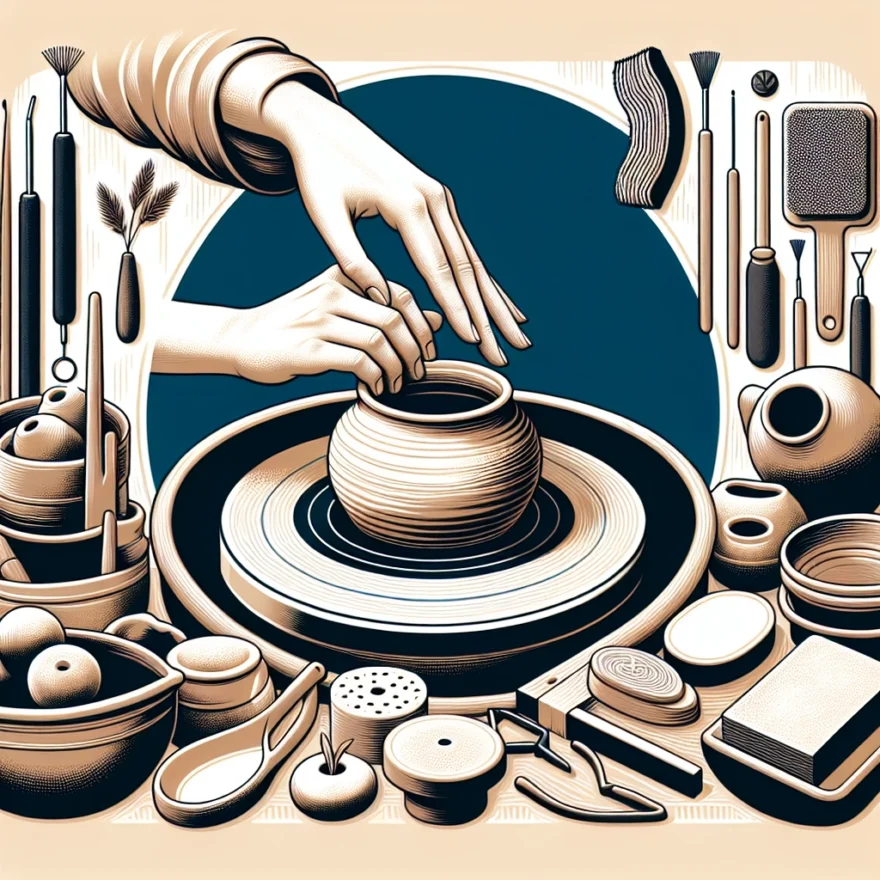
Introduction to Pottery
Immersing your hands in soft, pliable clay, shaping it on a spinning wheel into a form that is uniquely yours, and watching it transform in the kiln from a dull, earthy lump into a vibrant, glossy piece of art—this is the magic of pottery. This ancient craft, dating back to the dawn of civilization, is more than just a means of creating functional objects. It is a profound and therapeutic form of expression, a way to connect with the earth and with yourself, and a path to finding creativity and serenity in a world that is often chaotic and stressful.
Pottery is a craft that requires both skill and imagination. It’s a process that involves shaping, decorating, and firing clay or ceramic objects. The art form is as old as civilization itself, with the earliest known pottery artifacts dating back to 29,000–25,000 BC. These early examples of pottery, discovered in the Czech Republic, demonstrate that even our ancient ancestors understood the joy and utility of creating with clay.
Over the centuries, pottery has evolved from a necessary craft to a form of artistic expression. Cultures all over the world have developed their own unique styles and techniques, from the intricate painted pottery of ancient Greece, to the blue and white porcelain of China, to the folk pottery traditions of Native American tribes. Today, pottery continues to be a popular hobby and profession, offering a unique blend of creativity, craftsmanship, and functionality.
Whether you’re a seasoned potter or just starting out, there’s something deeply satisfying about the process of turning a lump of clay into a beautiful and useful object. It’s a way to connect with the earth, with history, and with your own inner creativity. And as many potters can attest, it’s also a wonderful way to find a sense of peace and serenity. In the following sections, we’ll explore the art of pottery in more detail, looking at how it can serve as a creative outlet, enhance mindfulness, and even become a successful business.
Table of contents
- Introduction to Pottery
- Pottery as a Creative Outlet
- Pottery for Serenity and Mindfulness
- Pottery Techniques
- Materials and Tools in Pottery
- Pottery for Beginners: Getting Started
- Common Mistakes in Pottery and How to Avoid Them
- Pottery Classes and Workshops
- The Business of Pottery
- Famous Pottery Artists and Their Work
- Pottery in Modern Art and Design
- Environmental Impact of Pottery
- Common Questions and Answers about Pottery
Pottery as a Creative Outlet
Unleashing your creativity through pottery can be a transformative experience. The tactile nature of clay, coupled with the endless possibilities it presents, allows for an unrestricted flow of creative energy. This ancient art form serves as a canvas for expression where the only limit is your imagination. Whether you’re molding a simple bowl or crafting an intricate sculpture, every piece of pottery is a unique representation of your artistic voice.
One of the many beauties of pottery is its ability to merge form and function. Each creation not only serves a practical purpose but also carries an aesthetic value. This blend of utility and beauty fosters a deeper connection with everyday objects, making them a reflection of personal style and taste. The process of shaping, decorating, and firing clay provides endless opportunities to experiment with different forms, textures, and colors, thus broadening your creative horizon.
Moreover, pottery encourages a growth mindset. It’s a continuous learning process that involves trial, error, and improvement. Each piece you create is a testament to your progress and a stepping stone towards mastering the craft. The more you engage with clay, the more you understand its properties and potentials, and the better you become at manipulating it to bring your ideas to life. This journey of discovery and improvement fuels creativity and keeps the art of pottery exciting and fulfilling.
The creative process in pottery also involves problem-solving. When a piece doesn’t turn out as planned, it challenges you to analyze what went wrong and how you can fix it. This aspect of pottery enhances your creative thinking skills and fosters a sense of resilience and adaptability that extends beyond the pottery studio.
Lastly, pottery offers a platform to express emotions and experiences that might be difficult to put into words. The act of molding clay can be therapeutic, serving as an outlet for releasing stress, channeling positive energy, and articulating thoughts and feelings. The finished product, bearing the imprint of your touch and the essence of your emotions, becomes a tangible manifestation of your inner self.
In conclusion, pottery is more than just an art form; it’s a creative journey that allows you to explore, express, and evolve. So, whether you’re a seasoned artist or a beginner looking for a new hobby, consider pottery for a unique and rewarding creative outlet.
Pottery for Serenity and Mindfulness
Engaging in the art of pottery goes beyond just creating beautiful objects. It can also be a transformative experience that brings serenity and mindfulness into your life. The process of working with clay and creating pottery allows you to tap into a state of flow, where you are fully present in the moment and deeply focused on the task at hand.
When you sit at the potter’s wheel or mold clay with your hands, you enter a meditative state. The repetitive motions of shaping and molding the clay help to quiet the mind and bring a sense of calmness. As you concentrate on the tactile sensations and the rhythmic movements, you become more attuned to the present moment and let go of any worries or distractions.
Working with clay also offers a unique form of self-expression. As you shape the clay, you can infuse your emotions, thoughts, and experiences into your creations. Pottery becomes a medium for exploring your inner world and expressing your creativity. It allows you to communicate without words and connect with your deeper self.
Moreover, pottery encourages patience and perseverance. The process of creating pottery requires time and dedication. It teaches you to embrace imperfections and learn from mistakes. Each piece you create is a testament to your progress and growth as an artist.
In addition to the creative and meditative aspects, pottery also offers a tangible reward. Holding a finished piece of pottery in your hands, knowing that you have created it from a lump of clay, can bring a sense of accomplishment and pride. It serves as a reminder of your own capabilities and the power of your creativity.
Whether you are a beginner or an experienced potter, incorporating pottery into your life can bring a sense of serenity and mindfulness. It provides a sanctuary where you can escape the chaos of everyday life and find solace in the therapeutic nature of clay. So, pick up a piece of clay, let your hands guide you, and discover the serenity and mindfulness that pottery has to offer.
Pottery Techniques
Creating pottery is a beautiful and intricate art form that requires a deep understanding of various techniques. From shaping and molding the clay to adding intricate designs and textures, pottery techniques play a crucial role in the final outcome of a piece. Whether you are a beginner or an experienced potter, mastering these techniques can take your pottery skills to the next level.
1. Handbuilding: Handbuilding is one of the oldest pottery techniques and involves shaping the clay by hand. This technique allows for more organic and unique forms to be created. Handbuilding techniques include pinch pottery, coil pottery, and slab pottery.
2. Wheel Throwing: Wheel throwing is a technique that involves using a potter’s wheel to shape the clay. This technique requires precision and control as the potter uses their hands and tools to shape the spinning clay into various forms such as bowls, vases, and cups.
3. Glazing: Glazing is the process of applying a layer of liquid glass to the pottery to give it a glossy and decorative finish. There are various glazing techniques, including dipping, brushing, and spraying. Different glazes can be combined to create unique colors and effects.
4. Decorating and Surface Design: Adding decorative elements and surface designs can enhance the beauty of a pottery piece. Techniques such as carving, sgraffito, and slip trailing can be used to create intricate patterns, textures, and images on the surface of the clay.
5. Firing: Firing is the process of heating the pottery in a kiln to transform the clay into a durable and hardened material. There are two main types of firing: bisque firing and glaze firing. Each firing has specific temperature requirements and affects the final appearance of the pottery.
6. Raku: Raku is a unique and unpredictable pottery technique that originated in Japan. It involves removing the pottery from the kiln while it’s still hot and placing it in a container filled with combustible materials. This rapid cooling process creates distinctive crackle patterns and vibrant colors on the pottery.
7. Alternative Firing Techniques: Apart from traditional firing methods, there are alternative firing techniques such as pit firing, smoke firing, and saggar firing. These techniques produce unique and unpredictable results, often influenced by the elements and materials used during the firing process.
Each pottery technique requires practice, patience, and a willingness to experiment. As you explore these techniques and develop your skills, you’ll discover new ways to express your creativity and find serenity in the art of pottery.
Materials and Tools in Pottery
When it comes to pottery, having the right materials and tools is essential for creating beautiful and functional pieces. Whether you are a beginner or an experienced potter, understanding the different materials and tools available can greatly enhance your creative process. Here are some of the key materials and tools used in pottery:
Clay
Clay is the foundation of pottery. There are various types of clay available, each with its own unique properties and characteristics. Common types of clay used in pottery include earthenware, stoneware, and porcelain. Earthenware clay is more porous and is often used for decorative pieces, while stoneware and porcelain clays are more durable and suitable for functional pottery.
Glazes
Glazes are used to add color, texture, and a glossy finish to pottery pieces. They are made from a mixture of minerals and are applied to the clay surface before firing. Glazes come in a wide range of colors and finishes, from matte to high gloss, allowing potters to create unique and vibrant designs.
Pottery Wheel
The pottery wheel is a fundamental tool used in pottery. It allows potters to shape and mold the clay with precision. The wheel spins the clay while the potter uses their hands and tools to shape it into various forms, such as bowls, vases, and plates. Using a pottery wheel requires practice and skill, but it offers a great deal of control and flexibility in the creative process.
Hand-Building Tools
Hand-building is a pottery technique that involves shaping clay without the use of a pottery wheel. Various hand-building tools, such as wooden or metal modeling tools, are used to shape and sculpt the clay by hand. Hand-building techniques include coiling, slab building, and pinch pottery, allowing potters to create unique and organic forms.
Kiln
A kiln is a specialized oven used to fire pottery at high temperatures. Firing the pottery in a kiln transforms the clay into a solid and durable material. Kilns can reach temperatures of up to 2000 degrees Fahrenheit, depending on the type of clay and desired outcome. It is important to follow proper firing techniques to ensure the pottery is fired evenly and to avoid any damage or breakage.
Pottery Tools
There are a variety of specialized tools used in pottery to aid in shaping, trimming, and decorating the clay. Some common pottery tools include:
- Clay carving tools
- Loop tools
- Rib tools
- Sponges
- Wire cutters
- Brushes
- Calipers
These tools help potters refine their creations, add texture, and achieve precise details in their pottery pieces.
Safety Equipment
When working with clay and pottery materials, it is important to prioritize safety. Some essential safety equipment includes:
- Protective gloves
- Dust masks
- Eye protection
- Aprons or smocks
Using proper safety equipment ensures the well-being of the potter and minimizes the risk of any potential hazards.
Having the right materials and tools in pottery not only enables the creation of beautiful and functional pieces but also enhances the overall pottery experience. Experimenting with different materials and tools allows potters to explore their creativity and push the boundaries of their artistic expression.
Pottery for Beginners: Getting Started
Are you interested in exploring the world of pottery but don’t know where to start? Fear not, as this section will guide you through the basics of getting started with pottery.
1. Understanding the Basics
Before diving into pottery, it’s important to familiarize yourself with the fundamental concepts. Pottery involves shaping clay into various forms and then firing them to create durable ceramic objects. You’ll need to learn about different types of clay, glazes, and firing techniques.
2. Gathering the Essential Tools
To begin your pottery journey, you’ll need a few essential tools. These include:
- Clay: Choose a clay type suitable for your desired project, such as earthenware or stoneware.
- Clay tools: Invest in basic tools like a pottery wheel, clay cutters, a rolling pin, and various shaping tools.
- Kiln: If you’re serious about pottery, consider investing in a kiln for firing your creations.
- Glazes and brushes: Glazes add color and finish to your pottery, so make sure to have a variety of glazes and brushes on hand.
3. Learning Pottery Techniques
There are numerous techniques you can explore in pottery. Some popular ones include:
- Handbuilding: This involves shaping clay using your hands and basic tools.
- Throwing on the wheel: Using a pottery wheel, you can create symmetrical and precise forms.
- Slab building: This technique involves rolling out clay slabs and constructing objects from them.
- Coiling: Coiling entails creating pottery by stacking and joining coils of clay.
4. Preparing Your Workspace
Creating a suitable workspace is essential for pottery. Consider the following:
- Work surface: Ensure you have a sturdy table or pottery wheel for working with clay.
- Storage: Have adequate storage space for your clay, tools, and finished pieces.
- Cleanup area: Pottery can get messy, so designate an area for cleaning up and disposing of clay scraps.
- Safety measures: Pottery involves working with sharp tools and potentially harmful materials, so prioritize safety by wearing protective gear like gloves and goggles.
5. Exploring Pottery Resources
There are various resources available to help you learn and improve your pottery skills:
- Books and online tutorials: Look for instructional books and online videos that provide step-by-step guidance.
- Pottery classes and workshops: Consider enrolling in pottery classes or attending workshops to learn from experienced potters.
- Joining pottery communities: Connect with fellow pottery enthusiasts through local clubs or online forums to share knowledge and experiences.
Remember, pottery is a journey that requires patience and practice. Embrace the process, experiment with different techniques, and allow your creativity to flourish as you embark on this fulfilling artistic endeavor.
Common Mistakes in Pottery and How to Avoid Them
When starting out in pottery, it’s common to make a few mistakes along the way. However, learning from these mistakes can help you improve your skills and create better pottery pieces. Here are some common mistakes in pottery and how to avoid them:
1. Improper Wedging: Wedging is the process of preparing clay by removing air bubbles and ensuring a consistent texture. One common mistake is not wedging the clay properly, which can lead to uneven drying and cracking. To avoid this, make sure to wedge the clay thoroughly by pressing it firmly and folding it over itself several times.
2. Inadequate Centering: Centering is a crucial step in pottery that involves positioning the clay on the wheel’s center to create balanced and symmetrical pieces. One mistake beginners often make is not centering the clay properly, resulting in wobbly or lopsided forms. To avoid this, take your time to center the clay correctly before starting to shape it.
3. Ignoring the Thickness of the Clay: Another common mistake is not paying attention to the thickness of the clay when shaping a pottery piece. Uneven thickness can cause the piece to collapse or crack during drying or firing. To prevent this, use calipers or your fingers to measure the thickness of the clay consistently throughout the piece.
4. Rushing the Drying Process: Drying pottery too quickly can lead to cracking or warping. It’s important to allow the clay to dry gradually to ensure even drying and prevent structural issues. Avoid placing your pottery pieces in direct sunlight or using artificial heat sources to speed up the drying process. Instead, let them air dry naturally or use a slow drying method like covering them with plastic.
5. Inadequate Glaze Application: Applying glaze incorrectly can result in uneven or streaky finishes on your pottery. One mistake is not applying enough glaze or applying it too thickly, which can cause drips or bubbles. To avoid this, make sure to apply glaze evenly and in thin layers, allowing each layer to dry before applying the next.
6. Failing to Consider Shrinkage: Clay shrinks during the drying and firing process, so it’s essential to take shrinkage into account when shaping your pottery. Neglecting shrinkage can lead to pieces that are smaller or misshapen compared to your initial design. To avoid this, consider the shrinkage rate of your clay and adjust your measurements and shaping accordingly.
7. Not Cleaning Tools Properly: Clean tools are essential for creating quality pottery. Failing to clean your tools thoroughly can lead to contamination of your clay or glaze, affecting the final outcome of your pieces. After each use, make sure to clean your tools properly and remove any clay or glaze residue.
8. Lack of Patience: Pottery requires patience and practice. Rushing the process or expecting immediate perfection can lead to frustration and disappointment. Embrace the learning curve and allow yourself to make mistakes. With time and practice, your pottery skills will improve.
By being aware of these common mistakes and taking steps to avoid them, you can enhance your pottery journey and create beautiful, well-crafted pieces. Remember, pottery is a continuous learning process, and each mistake is an opportunity to grow and improve as an artist.
Pottery Classes and Workshops
Participating in pottery classes and workshops can be a wonderful way to enhance your skills and explore your creativity in the art of pottery. Whether you are a beginner or have some experience in working with clay, these classes offer a supportive and engaging environment for learning and honing your craft.
During pottery classes, you will have the opportunity to learn various techniques and methods from experienced instructors. They will guide you through the process of creating pottery pieces, from shaping the clay to glazing and firing the finished product. These classes often cover a wide range of topics, including hand-building techniques, wheel throwing, surface decoration, and kiln firing.
Attending workshops can also be a valuable experience for pottery enthusiasts. Workshops are typically focused on specific aspects or styles of pottery, allowing participants to delve deeper into a particular area of interest. These intensive sessions often feature guest artists or experts who share their knowledge and expertise, providing valuable insights and inspiration.
One of the key benefits of joining pottery classes and workshops is the opportunity to connect with fellow pottery enthusiasts. The shared passion for clay and creativity creates a sense of community and camaraderie among participants. You can exchange ideas, learn from each other’s experiences, and even collaborate on projects.
Many pottery studios and art centers offer classes and workshops for all skill levels. Some may require prior registration or enrollment, while others may offer drop-in sessions. It’s important to research and find a class or workshop that aligns with your interests and availability.
When choosing a pottery class or workshop, consider factors such as the instructor’s expertise, the studio’s facilities, and the class size. A smaller class size often allows for more personalized attention and guidance from the instructor. Additionally, check if the studio provides all the necessary tools and materials or if you need to bring your own.
Attending pottery classes and workshops not only allows you to learn and improve your skills but also provides a space for self-expression and personal growth. Working with clay can be a therapeutic and meditative practice, allowing you to find serenity and mindfulness in the creative process.
So, whether you are seeking to explore pottery as a hobby or aspire to become a professional potter, consider joining a pottery class or workshop. It’s a fantastic opportunity to immerse yourself in the art of pottery, connect with like-minded individuals, and unleash your creativity in clay.
The Business of Pottery
Running a pottery business can be a fulfilling and rewarding venture for those who have a passion for pottery and a knack for entrepreneurship. Whether you want to sell your own creations, teach pottery classes, or supply materials and tools to other potters, there are several aspects to consider when it comes to the business side of pottery.
One of the first steps in starting a pottery business is to define your target market. Consider who your ideal customers are and what type of pottery they are likely to be interested in. Are you targeting individuals who appreciate handmade ceramic pieces as home decor? Or are you focusing on providing functional pottery items, such as mugs and bowls, to local restaurants and cafes? Understanding your target market will help you tailor your products and marketing efforts to attract the right customers.
Next, you’ll need to establish a pricing strategy for your pottery. Take into account the cost of materials, equipment, and your time and expertise. Research the market to see what similar pottery items are selling for and ensure that your prices are competitive. It’s important to strike a balance between making a profit and pricing your items reasonably to attract customers.
Creating an online presence is crucial for any pottery business in today’s digital age. Set up a professional website where you can showcase your pottery creations, provide information about your classes or workshops, and even sell your products online. Utilize social media platforms like Instagram and Facebook to share photos of your work, engage with potential customers, and promote your business. Building a strong online presence will help you reach a wider audience and increase your chances of success.
Networking and collaborating with other artists and businesses can also be beneficial for your pottery business. Attend local art fairs, craft markets, and pottery exhibitions to connect with fellow artists and potential customers. Consider partnering with local interior designers or home decor stores to showcase your pottery in their spaces. Collaborations can help you expand your reach and gain exposure to new customers.
Managing inventory and fulfilling orders efficiently is essential for running a successful pottery business. Keep track of your stock, ensure that you have enough materials and supplies on hand, and establish a system for processing and shipping orders promptly. Providing excellent customer service and delivering high-quality pottery items will help you build a loyal customer base and generate positive word-of-mouth recommendations.
Lastly, don’t forget to continuously improve your skills and stay updated with the latest trends and techniques in pottery. Attend workshops and classes, experiment with new glazes and firing methods, and seek inspiration from other pottery artists. The more you hone your craft, the more unique and desirable your pottery creations will become.
Starting and running a pottery business requires a combination of artistic talent, business acumen, and dedication. With the right strategies and a passion for pottery, you can turn your love for clay into a thriving business venture.
Famous Pottery Artists and Their Work
Throughout history, there have been many talented individuals who have made significant contributions to the art of pottery. These artists have pushed the boundaries of creativity and craftsmanship, leaving behind a legacy that continues to inspire and captivate us. Let’s explore some of the famous pottery artists and their remarkable work:
Pablo Picasso
Picasso, known primarily for his paintings, also dabbled in pottery during his career. His ceramic works showcase his unique style and experimental approach. Picasso’s pottery often features abstract designs, vibrant colors, and imaginative forms. His ability to seamlessly transition from one artistic medium to another demonstrates his versatility and genius.
Lucie Rie
Lucie Rie was an Austrian-born British studio potter known for her elegant and minimalist ceramic creations. Her work focused on functional pottery, such as bowls, vases, and cups, which were characterized by their simple yet refined designs. Rie’s pieces often featured delicate glazes and subtle textures, reflecting her meticulous attention to detail.
Bernard Leach
Bernard Leach is considered one of the most influential figures in the world of pottery. He was a British potter and a proponent of the studio pottery movement. Leach’s work was heavily influenced by Japanese pottery traditions, particularly the concept of wabi-sabi, which embraces imperfections and simplicity. His pottery often showcased earthy tones, rustic textures, and a sense of organic beauty.
Grayson Perry
Grayson Perry is a contemporary British artist who has gained recognition for his ceramic works. His pottery pieces are often decorated with intricate and colorful designs, incorporating elements of social commentary and satire. Perry’s ability to merge traditional pottery techniques with contemporary themes has made him a prominent figure in the modern art world.
Beatrice Wood
Beatrice Wood, also known as the “Mama of Dada,” was an American artist and studio potter. Her pottery creations were characterized by their whimsical and playful nature. Wood often incorporated elements of surrealism into her work, creating unique and imaginative pieces. Her experimentation with glazes and forms resulted in visually striking and unconventional pottery.
These are just a few examples of the many famous pottery artists who have left an indelible mark on the world of ceramics. Each artist brings their own unique style, technique, and perspective to the art form, contributing to its rich and diverse history. Exploring the work of these artists can inspire aspiring potters and deepen our appreciation for the artistry and craftsmanship involved in pottery.
Pottery in Modern Art and Design
When we think of pottery, we often picture traditional vessels and functional objects. However, pottery has evolved over the years and has found its place in modern art and design. In this section, we will explore how pottery has been embraced by contemporary artists and designers, pushing the boundaries of creativity and innovation.
Pottery in modern art goes beyond traditional forms and techniques. Artists use clay as a medium to express their ideas, emotions, and concepts. They experiment with different shapes, textures, and glazes to create unique and thought-provoking pieces. From abstract sculptures to avant-garde installations, pottery has become a powerful tool for artistic expression.
In the world of design, pottery has gained recognition for its aesthetic appeal and versatility. Ceramic vessels, vases, and decorative objects are now widely used in interior design to add a touch of elegance and sophistication to spaces. The organic nature of clay and the craftsmanship involved in pottery make each piece a work of art in itself.
One notable trend in modern pottery is the fusion of traditional techniques with contemporary aesthetics. Artists and designers are combining age-old pottery techniques with modern design principles to create visually striking and conceptually rich pieces. This blending of the old and the new creates a unique balance between tradition and innovation.
Another aspect of pottery in modern art and design is its integration with other mediums. Pottery is often combined with glass, metal, wood, or even digital elements to create mixed-media artworks. This interdisciplinary approach allows artists to explore new possibilities and challenge the boundaries of traditional pottery.
Furthermore, pottery has found its place in functional design as well. From tableware to lighting fixtures, pottery is being used to create everyday objects that are not only visually appealing but also functional. The craftsmanship and attention to detail in these pieces elevate them from mere utilitarian objects to works of art that enhance our daily lives.
Overall, pottery in modern art and design is a testament to the enduring beauty and versatility of clay as a medium. It has become a means for artists and designers to push the boundaries of creativity and innovation, while still honoring the rich history and traditions of pottery. Whether used as a standalone art form or integrated with other mediums, pottery continues to captivate and inspire both creators and viewers alike.
Environmental Impact of Pottery
Pottery, as an art form, has a significant impact on the environment due to the materials used and the processes involved. Understanding the environmental impact of pottery is crucial for artists and enthusiasts who want to create in a sustainable and responsible manner. Here are some key aspects to consider:
- Clay Mining: The extraction of clay for pottery production can have environmental consequences. Mining operations can disrupt ecosystems, contribute to soil erosion, and release harmful pollutants into the air and water. It is important for potters to source clay responsibly and consider alternatives such as recycled clay or locally sourced materials.
- Energy Consumption: Pottery involves firing clay in kilns at high temperatures to achieve the desired hardness and durability. Kilns require a significant amount of energy, usually in the form of electricity or gas. Potters can reduce their energy consumption by using energy-efficient kilns, optimizing firing schedules, and exploring alternative firing methods like wood firing or solar kilns.
- Waste Generation: Pottery production generates various types of waste, including excess clay, glaze materials, and kiln emissions. Proper waste management practices, such as recycling clay scraps and using environmentally friendly glazes, can minimize the environmental impact. Additionally, capturing and filtering kiln emissions can help reduce air pollution.
- Water Usage: Pottery involves the use of water for clay preparation, glaze mixing, and cleaning. It is important to conserve water during these processes and implement water-saving techniques, such as recycling water and using efficient cleaning methods.
- Chemicals and Toxins: Some pottery materials, such as certain glazes and pigments, may contain harmful chemicals and heavy metals. Potters should be aware of the potential health and environmental risks associated with these materials and opt for safer alternatives whenever possible. Proper handling, storage, and disposal of hazardous materials are also essential.
- Sustainable Practices: Adopting sustainable practices in pottery can greatly reduce the environmental impact. This includes using recycled materials, choosing non-toxic glazes, conserving resources, and promoting responsible waste management. Additionally, potters can explore eco-friendly firing techniques and seek out suppliers who prioritize sustainability.
By being mindful of the environmental impact of pottery, artists and enthusiasts can contribute to a more sustainable and eco-conscious art form. Making informed choices and adopting sustainable practices not only benefit the environment but also inspire others to follow suit, ensuring the longevity of pottery as a creative and serene art form.
Common Questions and Answers about Pottery
Common Questions and Answers about Pottery
As pottery continues to captivate the interest of individuals seeking a creative outlet or a serene and mindful activity, it’s natural to have questions about this ancient art form. Here are some common questions and their answers:
1. Is pottery difficult to learn?
While pottery may seem intimidating at first, it is a skill that can be learned with practice and patience. Taking pottery classes or workshops can provide guidance and help you develop the necessary techniques.
2. What are the benefits of practicing pottery?
Practicing pottery offers numerous benefits, including stress relief, improved focus, enhanced creativity, and a sense of accomplishment. It can also serve as a form of therapy and self-expression.
3. Do I need a pottery wheel to create pottery?
No, a pottery wheel is not necessary to create pottery. While a wheel can help in creating certain forms, hand-building techniques such as pinch pots, coil pots, and slab construction can be equally rewarding and produce beautiful results.
4. What materials are used in pottery?
The primary material used in pottery is clay. Different types of clay, such as earthenware, stoneware, and porcelain, offer different qualities and characteristics. Various glazes, tools, and equipment are also used in the pottery process.
5. Can I do pottery at home?
Absolutely! Pottery can be done at home with a small setup. You will need a dedicated space, basic pottery tools, clay, and access to a kiln for firing your creations. It’s important to ensure proper ventilation and safety precautions when working with clay and glazes.
6. How long does it take to create a pottery piece?
The time it takes to create a pottery piece depends on various factors, including the size and complexity of the design, the chosen technique, and your level of expertise. It can range from a few hours for a simple piece to several weeks for more intricate projects.
7. Can I sell my pottery?
Yes, many pottery enthusiasts turn their passion into a business by selling their creations. You can explore local craft markets, online platforms, or even open your own pottery studio. It’s important to consider pricing, marketing, and building a customer base if you plan to sell your pottery.
8. How can I fix mistakes in pottery?
Mistakes are a natural part of the pottery process. If you make a mistake, you can often fix it by adding more clay, smoothing out imperfections, or using specific tools for shaping and carving. Embracing imperfections can also add character to your pottery.
9. Are there any safety considerations in pottery?
Working with clay and glazes involves some safety considerations. It’s important to use proper ventilation, wear protective gear like gloves and goggles, and follow kiln safety guidelines. Additionally, be mindful of the potential hazards of certain glaze ingredients and handle them with care.
10. Can pottery be a therapeutic activity?
Yes, pottery has been recognized as a therapeutic activity for its ability to promote relaxation, mindfulness, and self-expression. The tactile nature of clay and the focus required during the pottery process can have a calming and meditative effect.
Exploring the world of pottery can be a rewarding journey filled with creativity, serenity, and personal growth. Whether you’re a beginner or an experienced potter, embracing the art of pottery can bring joy and fulfillment to your life.