Introduction to Pet Therapy
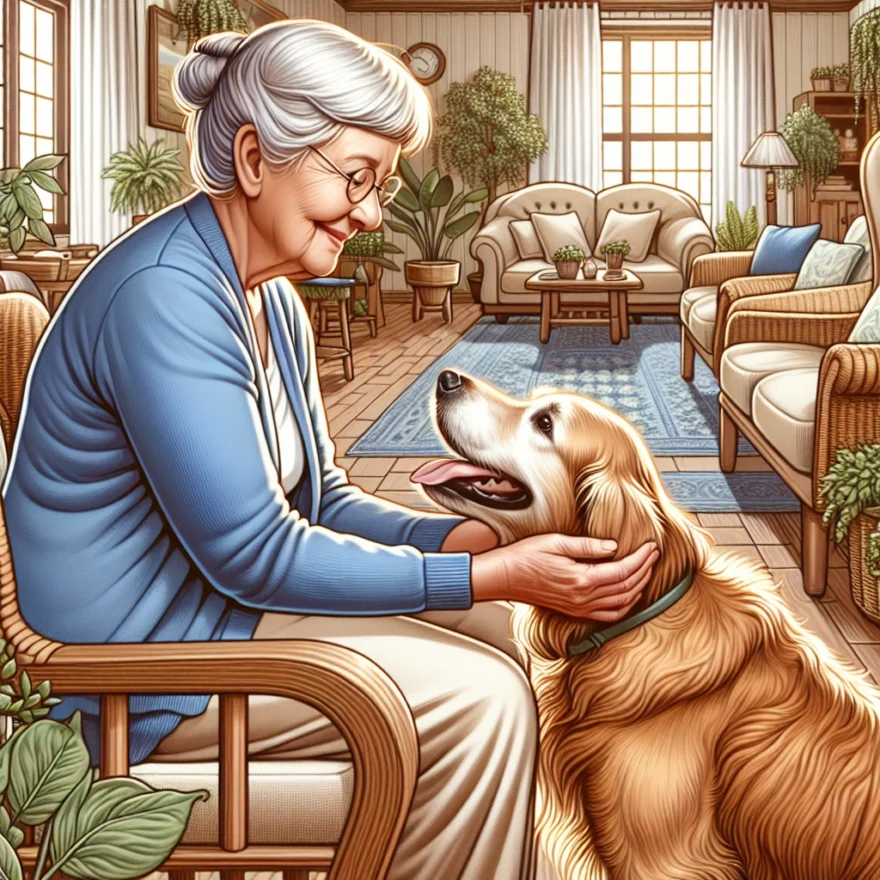
Imagine a warm, furry creature curling up on your lap, looking at you with adoring eyes, and offering unconditional love and companionship. This is the essence of pet therapy, a form of treatment that uses animals to improve a person’s mental, physical, and emotional well-being. While it has been widely recognized for its benefits in various settings, its role in elderly care is particularly noteworthy.
Pet therapy, also known as Animal-Assisted Therapy (AAT), involves interactions between a person and a trained animal, along with an animal-handler. These interactions are designed to help individuals cope with health issues like heart disease, cancer, and mental health disorders. But the scope of pet therapy goes beyond these. It has been found to be extremely beneficial in elderly care, bringing a renewed sense of purpose and joy to their lives, and providing a host of health benefits.
As we delve deeper into this topic, we will explore the psychological and physical health benefits of pet therapy, its role in managing dementia, and how it aids in socialization. We will also guide you in choosing the right therapy pet and share some successful case studies. Finally, we will address common questions about pet therapy in elderly care and look at the future of this promising form of therapy. So, join us on this journey as we unravel the myriad ways in which pet therapy can enhance the quality of life for the elderly.
Table of contents
- Introduction to Pet Therapy
- The Psychological Benefits of Pet Therapy
- The Physical Health Benefits of Pet Therapy
- Pet Therapy and Dementia
- The Role of Pets in Socialization
- Choosing the Right Therapy Pet
- Case Studies of Successful Pet Therapy
- Common Questions about Pet Therapy in Elderly Care
- The Future of Pet Therapy in Elderly Care
- Conclusion: The Impact of Pet Therapy
The Psychological Benefits of Pet Therapy
As we delve into the realm of psychological benefits, it’s worth noting that pet therapy can play a significant role in enhancing the emotional well-being of the elderly. The presence of a pet can offer comfort, reduce feelings of isolation and anxiety, and increase social interaction. Pets provide a non-judgmental, unconditional love that can be incredibly soothing, particularly for those who may feel misunderstood or neglected by their human counterparts.
Depression is a common issue amongst the elderly, and pet therapy has shown to be effective in alleviating some of these symptoms. A study published in the Journal of the American Geriatrics Society found that seniors who owned pets were less likely to be depressed than those who did not. The act of petting or cuddling a pet releases serotonin, prolactin, and oxytocin – all hormones that can play a part in elevating moods.
Moreover, pets can provide a sense of purpose and responsibility that can be lacking in the lives of some elderly individuals. Caring for a pet, even in a small capacity, can instill a sense of achievement and routine, which can be particularly beneficial for those who may feel their daily lives lack structure or significance.
Another significant psychological benefit of pet therapy is its ability to stimulate memory and cognitive function. Engaging with a pet can trigger memories and emotions, which can be particularly beneficial for those suffering from cognitive disorders. The act of recalling a pet’s name, or remembering to feed or care for them, can serve as a form of cognitive exercise, keeping the mind active and engaged.
While the psychological benefits of pet therapy are substantial, it is essential to remember that the success of this form of therapy can vary from individual to individual. Factors such as a person’s past experiences with pets, their physical health, and their personal preferences can all impact the effectiveness of pet therapy in their lives. However, with the right approach, pet therapy can offer a wealth of psychological benefits that can enhance the quality of life for many elderly individuals.
The Physical Health Benefits of Pet Therapy
Pets have been proven to provide numerous physical health benefits for elderly individuals in therapy settings. The presence of animals can have a positive impact on the overall well-being of seniors, promoting better physical health and enhancing their quality of life. Here are some of the specific physical health benefits that pet therapy can offer:
1. Increased Physical Activity: Interacting with pets can encourage elderly individuals to engage in physical activities such as walking, playing, or grooming. These activities help improve mobility, flexibility, and cardiovascular health. The responsibility of taking care of a pet also promotes a more active lifestyle and encourages seniors to stay active throughout the day.
2. Lower Blood Pressure and Heart Rate: Studies have shown that being around animals can help reduce blood pressure and heart rate in elderly individuals. The calming effect of petting an animal can help alleviate stress and anxiety, leading to improved cardiovascular health.
3. Pain Relief: Petting or cuddling with animals can release endorphins, which are natural painkillers. This can provide temporary relief from chronic pain conditions that often affect elderly individuals, such as arthritis or joint pain.
4. Improved Motor Skills: Engaging in activities with therapy pets can help seniors improve their motor skills. For example, throwing a ball for a dog or brushing a cat’s fur can enhance fine motor skills and hand-eye coordination.
5. Enhanced Immune System: Research suggests that pet therapy may help boost the immune system of elderly individuals. The presence of animals can increase the production of antibodies and improve the body’s ability to fight off infections and diseases.
6. Reduced Risk of Allergies and Asthma: Contrary to popular belief, exposure to pets during childhood and later in life can actually reduce the risk of developing allergies and asthma. Studies have shown that seniors who interact with therapy animals may experience a decreased likelihood of developing respiratory issues.
7. Increased Socialization and Communication: The physical health benefits of pet therapy extend beyond the direct impact on the body. By engaging with therapy animals, elderly individuals are more likely to interact with others, leading to increased socialization and improved overall well-being.
It is important to note that while pet therapy can provide these physical health benefits, it should be implemented under the guidance of healthcare professionals and with consideration of any individual health conditions or allergies. The type of pet chosen for therapy should also be suitable for the specific needs and preferences of the elderly individual.
Overall, pet therapy has the potential to significantly improve the physical health of elderly individuals in care settings. The presence of animals can promote physical activity, alleviate pain, and contribute to a healthier immune system. By incorporating pet therapy into elderly care, healthcare providers can enhance the overall well-being and quality of life for their patients.
Pet Therapy and Dementia
As dementia progresses, individuals often experience increased confusion, anxiety, and agitation. Fortunately, pet therapy can be a valuable tool in managing these symptoms and improving the overall well-being of seniors with dementia.
Pets provide a sense of companionship and unconditional love, which can help reduce feelings of loneliness and isolation commonly associated with dementia. Interacting with animals has been shown to increase levels of oxytocin, a hormone that promotes feelings of happiness and relaxation.
In addition to the emotional benefits, pet therapy can also have a positive impact on cognitive function. Engaging with animals can stimulate memories, improve attention span, and enhance overall cognitive abilities. For individuals with dementia, this can lead to increased mental stimulation and a sense of purpose.
Furthermore, pet therapy has been found to reduce behavioral symptoms such as aggression and agitation. The presence of a therapy pet can help distract individuals from their distress and redirect their focus towards the animal, promoting a sense of calm and reducing anxiety.
It is important to note that when implementing pet therapy for individuals with dementia, certain considerations should be taken into account. For example, it is crucial to ensure the safety of both the individual and the animal. Pets should be well-trained, vaccinated, and screened for any potential risks.
Additionally, the type of animal used in therapy should be carefully chosen. While dogs and cats are commonly used, some individuals may have allergies or aversions to certain animals. It is essential to assess the individual’s preferences and comfort level with different types of animals to ensure a successful therapy experience.
Overall, pet therapy can significantly improve the quality of life for seniors with dementia. By providing emotional support, cognitive stimulation, and reducing behavioral symptoms, therapy pets play a vital role in enhancing the well-being of individuals living with dementia.
The Role of Pets in Socialization
Pets play a crucial role in promoting socialization among elderly individuals in care settings. The presence of animals can create opportunities for increased social interaction and engagement, benefiting both the residents and the therapy pets themselves.
One of the primary ways in which pets facilitate socialization is through their ability to serve as a conversation starter. Many elderly individuals may feel isolated or struggle to initiate conversations with others. However, the presence of a therapy pet can spark conversations and provide a common topic of interest. Residents may share stories about their own pets or ask questions about the therapy animal, creating a sense of connection and camaraderie among the group.
Furthermore, pets can help break down barriers and reduce feelings of social anxiety. Some individuals may find it challenging to interact with other people, but they may feel more at ease when engaging with animals. Therapy pets offer a non-judgmental and accepting presence, allowing residents to feel comfortable and open up emotionally. This can lead to increased socialization and the development of new relationships within the care community.
In addition to facilitating communication and social interaction, pets can also encourage physical activity and group participation. Activities such as walking, grooming, or playing with therapy animals can be done together, promoting a sense of camaraderie and teamwork among the residents. These shared experiences not only enhance socialization but also contribute to physical well-being and overall quality of life.
Moreover, pets have been shown to reduce feelings of loneliness and depression in elderly individuals. The unconditional love and companionship provided by therapy animals can help combat feelings of isolation and provide a sense of purpose and belonging. The presence of a pet can bring joy and laughter to the care environment, creating a positive and uplifting atmosphere for all.
It is important to note that not all elderly individuals may be able to directly interact with therapy pets due to physical limitations or allergies. However, even the mere presence of animals in the care setting can have a positive impact on socialization. Residents can observe and enjoy the interactions between others and the therapy pets, fostering a sense of community and shared experiences.
Overall, the role of pets in socialization within elderly care settings is invaluable. They provide a catalyst for conversation, help alleviate social anxiety, promote physical activity, and reduce feelings of loneliness. By incorporating pet therapy programs into elderly care, we can create an environment that encourages social interaction, enhances overall well-being, and improves the quality of life for our elderly population.
Choosing the Right Therapy Pet
When it comes to pet therapy in elderly care, choosing the right therapy pet is crucial. Not all animals are suitable for this type of therapy, as certain characteristics and temperaments are better suited for working with the elderly. Here are some factors to consider when selecting a therapy pet:
- Temperament: The therapy pet should have a calm and gentle temperament. They should be friendly, patient, and comfortable with being handled and petted. This is important as they will be interacting with elderly individuals who may have various physical and cognitive limitations.
- Size: The size of the therapy pet is an important consideration. For elderly individuals with mobility issues or limited strength, a smaller-sized pet may be more appropriate. This ensures that the pet can be easily handled and does not pose any risk of injury to the elderly person.
- Training: It is essential that the therapy pet has undergone proper training and socialization. They should be well-behaved, obedient, and responsive to commands. This ensures that they can be controlled in various situations and can adapt to the needs and limitations of the elderly individuals.
- Allergies: Take into account any potential allergies that the elderly individuals may have. Some people may be allergic to certain animals or their fur, which can cause discomfort or health issues. It is important to choose a therapy pet that does not trigger any allergic reactions.
- Species: While dogs are the most common therapy pets, other animals can also be suitable depending on the preferences and needs of the elderly individuals. Cats, rabbits, birds, and even small reptiles can provide therapeutic benefits. It is important to consider the specific characteristics and care requirements of each species before making a decision.
- Health and Vaccinations: Ensure that the therapy pet is in good health and is up-to-date on all necessary vaccinations. Regular veterinary check-ups should be conducted to ensure the pet’s well-being and to prevent the transmission of any diseases to the elderly individuals.
Choosing the right therapy pet requires careful consideration of these factors. It is also important to involve the elderly individuals in the decision-making process, taking into account their preferences and comfort level with different animals. By selecting the most appropriate therapy pet, the benefits of pet therapy in elderly care can be maximized.
Case Studies of Successful Pet Therapy
Pet therapy has proven to be highly effective in improving the well-being of elderly individuals in various care settings. Let’s take a look at some case studies that highlight the success of pet therapy in elderly care:
Case Study 1: Mrs. Johnson’s Improved Mood and Social Interaction
Mrs. Johnson, an elderly resident in a nursing home, had been experiencing feelings of loneliness and isolation. The introduction of a therapy dog named Max into her daily routine brought about a remarkable change in her mood and social interaction. Max provided Mrs. Johnson with companionship and unconditional love, which helped alleviate her feelings of loneliness. She began to engage in conversations with fellow residents and staff members, fostering a sense of belonging and connectedness.
Case Study 2: Mr. Thompson’s Reduced Anxiety and Stress Levels
Mr. Thompson, who had been diagnosed with anxiety disorder, found it challenging to manage his symptoms in a care facility. However, with the introduction of a therapy cat named Bella, his anxiety levels significantly decreased. Bella’s calming presence and gentle nature provided Mr. Thompson with a sense of comfort and security. Through petting and interacting with Bella, he experienced a reduction in stress and anxiety, allowing him to relax and enjoy a greater sense of peace.
Case Study 3: Mrs. Rodriguez’s Improved Physical Mobility
Mrs. Rodriguez, an elderly resident in an assisted living facility, had been struggling with limited physical mobility due to arthritis. The introduction of a therapy rabbit named Coco into her daily routine had a remarkable impact on her physical well-being. Mrs. Rodriguez engaged in gentle exercises and movements while interacting with Coco, which helped improve her joint flexibility and overall mobility. The joy and excitement of spending time with Coco motivated her to stay active and engage in physical activities regularly.
Case Study 4: Mr. Smith’s Enhanced Cognitive Function
Mr. Smith, who had been diagnosed with early-stage dementia, experienced a decline in cognitive function and memory. The introduction of a therapy dog named Buddy into his daily routine had a positive impact on his cognitive abilities. Engaging in activities such as grooming, training, and playing with Buddy stimulated Mr. Smith’s cognitive functions and memory recall. The presence of Buddy also provided him with a sense of comfort and familiarity, reducing confusion and agitation associated with his condition.
These case studies demonstrate the wide-ranging benefits of pet therapy in elderly care. From improved mood and social interaction to reduced anxiety and enhanced physical and cognitive function, pets have a remarkable ability to positively impact the lives of elderly individuals in care settings. The success stories of Mrs. Johnson, Mr. Thompson, Mrs. Rodriguez, and Mr. Smith highlight the transformative power of pet therapy in improving the overall well-being of the elderly.
Common Questions about Pet Therapy in Elderly Care
As pet therapy gains popularity in elderly care, it’s natural for people to have questions about its effectiveness and implementation. Here are some common questions about pet therapy in elderly care:
1. What is pet therapy?
Pet therapy, also known as animal-assisted therapy, involves the use of trained animals to provide comfort, companionship, and support to individuals in various settings, including elderly care facilities. These animals, such as dogs, cats, and even birds, can help improve the overall well-being of elderly individuals.
2. How does pet therapy benefit elderly individuals?
Pet therapy offers numerous benefits for elderly individuals. It can help reduce stress, anxiety, and depression, promote social interaction, improve cognitive function, increase physical activity, and provide a sense of purpose and companionship. The presence of animals has been shown to have a positive impact on the emotional and physical well-being of older adults.
3. Are there any risks or concerns associated with pet therapy?
While pet therapy can be highly beneficial, it’s important to consider individual allergies, fear, or aversion to animals. Some elderly individuals may have allergies or phobias that can make pet therapy unsuitable for them. It’s crucial to assess each person’s comfort level and health conditions before introducing a therapy pet.
4. How do you choose the right therapy pet?
Choosing the right therapy pet depends on the individual’s preferences and needs. Dogs are the most commonly used therapy animals due to their friendly and trainable nature. However, cats, rabbits, birds, and even fish can also provide therapeutic benefits. It’s essential to consider factors such as size, temperament, and the ability to interact calmly with elderly individuals.
5. Can pet therapy be used for individuals with dementia?
Yes, pet therapy can be particularly beneficial for individuals with dementia. Animals can help reduce agitation, improve mood, stimulate memories, and provide a sense of routine and familiarity. However, it’s important to ensure the safety of both the individual and the therapy animal, as individuals with dementia may exhibit unpredictable behaviors.
6. How can pet therapy enhance socialization in elderly care?
Pets can act as social catalysts, encouraging elderly individuals to engage in conversations and activities with others. The presence of therapy animals can create a shared interest and provide a topic for discussion, helping to combat loneliness and isolation commonly experienced by older adults.
7. Are there any limitations to pet therapy in elderly care?
While pet therapy can be highly beneficial, it’s important to recognize that it may not be suitable for everyone. Some individuals may have allergies, fear of animals, or cultural beliefs that prevent them from fully benefiting from pet therapy. Additionally, not all elderly care facilities may have the resources or infrastructure to support pet therapy programs.
8. How can pet therapy be incorporated into elderly care facilities?
Elderly care facilities can incorporate pet therapy by partnering with local animal therapy organizations or hiring therapy animals and their handlers. It’s crucial to have proper protocols in place, including health and safety measures, regular veterinary check-ups for therapy animals, and training for staff and residents on how to interact with the animals.
9. Are there any alternatives to pet therapy in elderly care?
While pet therapy is highly effective, there are alternative forms of animal-assisted interventions that can be used in elderly care. These include activities such as horticulture therapy, where individuals engage in gardening or plant care, or robotic pets that mimic the appearance and behavior of real animals.
10. Is there scientific evidence supporting the benefits of pet therapy?
Yes, there is a growing body of scientific research that supports the benefits of pet therapy in elderly care. Numerous studies have shown positive outcomes in terms of improved mood, reduced loneliness, increased social interaction, and enhanced overall well-being in elderly individuals.
The Future of Pet Therapy in Elderly Care
As the field of healthcare continues to evolve, the future of pet therapy in elderly care looks promising. With the growing understanding of the numerous benefits that animals can provide to seniors, there is an increasing interest in expanding and enhancing pet therapy programs in healthcare facilities.
One of the key developments in the future of pet therapy is the integration of technology. Virtual pet therapy is gaining popularity, allowing seniors to interact with animals through virtual reality or robotic pets. These technologies provide a convenient and accessible way for elderly individuals to experience the benefits of pet therapy, even if they are unable to have a live pet in their care facility.
Another area of growth is the inclusion of pets in specialized elderly care programs. For example, some facilities are incorporating therapy animals into rehabilitation programs to help seniors regain their physical abilities. Additionally, pet therapy is being integrated into memory care units to support individuals with dementia or Alzheimer’s disease.
Research and studies are also being conducted to further explore the specific benefits of pet therapy in elderly care. This ongoing research aims to provide a deeper understanding of how animals can positively impact the overall well-being of seniors, both physically and psychologically. Such studies will help in tailoring pet therapy programs to meet the individual needs of elderly individuals more effectively.
Furthermore, there is a growing emphasis on training and certification programs for therapy animals and their handlers. Ensuring that therapy animals are well-trained and certified not only guarantees their safety and suitability for working with elderly individuals but also enhances the credibility and effectiveness of pet therapy programs.
As pet therapy gains recognition and acceptance in the healthcare industry, it is likely that insurance coverage for pet therapy services will become more widespread. This will make pet therapy more accessible to a larger number of seniors, regardless of their financial circumstances.
Overall, the future of pet therapy in elderly care holds great potential for improving the quality of life for seniors. With advancements in technology, specialized programs, ongoing research, and increased accessibility, pet therapy is poised to become an integral part of healthcare for the elderly.
Conclusion: The Impact of Pet Therapy
Pet therapy has proven to have a significant impact on the overall well-being of elderly individuals in care settings. The benefits of pet therapy are multifaceted, encompassing both psychological and physical health improvements. By incorporating animals into elderly care, we can enhance the quality of life for seniors and provide them with a unique form of companionship and support.
From a psychological standpoint, pet therapy has been shown to reduce feelings of loneliness and depression among elderly individuals. The presence of a friendly animal can provide comfort and emotional support, helping to alleviate symptoms of anxiety and stress. Interacting with a therapy pet can also promote feelings of happiness, joy, and a sense of purpose, as seniors have the opportunity to care for and bond with their furry companions. The unconditional love and non-judgmental nature of animals can have a profound impact on the mental well-being of elderly individuals.
Furthermore, pet therapy has numerous physical health benefits for elderly individuals. Studies have shown that interaction with animals can lower blood pressure, reduce the risk of heart disease, and improve overall cardiovascular health. The act of petting a therapy animal can release endorphins, which can help to reduce pain and promote relaxation. Additionally, the physical activity associated with caring for a pet, such as walking a dog, can contribute to improved mobility and increased exercise for seniors.
In the context of dementia care, pet therapy has shown remarkable results. Individuals with dementia often experience feelings of confusion, agitation, and withdrawal. The presence of a therapy pet can help to calm and soothe these individuals, providing a sense of familiarity and comfort. Pets can also serve as a source of stimulation, encouraging cognitive engagement and reminiscing. The positive effects of pet therapy on individuals with dementia extend beyond the immediate interaction, as it can improve overall mood and decrease behavioral issues.
Pets also play a vital role in socialization for elderly individuals. They serve as conversation starters and can facilitate connections between residents in care settings. The presence of a therapy pet can help to break down social barriers and encourage communication and interaction among seniors. This socialization aspect of pet therapy is particularly valuable for those who may be isolated or have limited opportunities for social engagement.
When considering pet therapy for elderly care, it is important to choose the right therapy pet. Factors such as temperament, size, and species should be taken into account to ensure compatibility with the individual’s needs and preferences. Additionally, proper training and certification of therapy animals are crucial to guarantee their suitability for interacting with elderly individuals.
Real-life case studies have demonstrated the success of pet therapy in elderly care. Stories of seniors experiencing improved mood, increased social interaction, and enhanced overall well-being are abundant. These case studies highlight the transformative power of pet therapy and further emphasize its potential as a valuable therapeutic intervention in elderly care settings.
As pet therapy continues to gain recognition and support, the future of elderly care holds great promise. The integration of animals into care settings is likely to become more widespread, with a focus on tailored programs that meet the specific needs of seniors. Additionally, advancements in technology may provide opportunities for virtual pet therapy, ensuring accessibility for individuals who are unable to have direct contact with animals.
In conclusion, pet therapy has a profound impact on elderly individuals in care settings. The psychological benefits, physical health improvements, socialization opportunities, and positive effects on individuals with dementia all contribute to the overall well-being and quality of life of seniors. As we look to the future, it is clear that pet therapy will continue to play an integral role in elderly care, providing companionship, support, and therapeutic benefits to those who need it most.