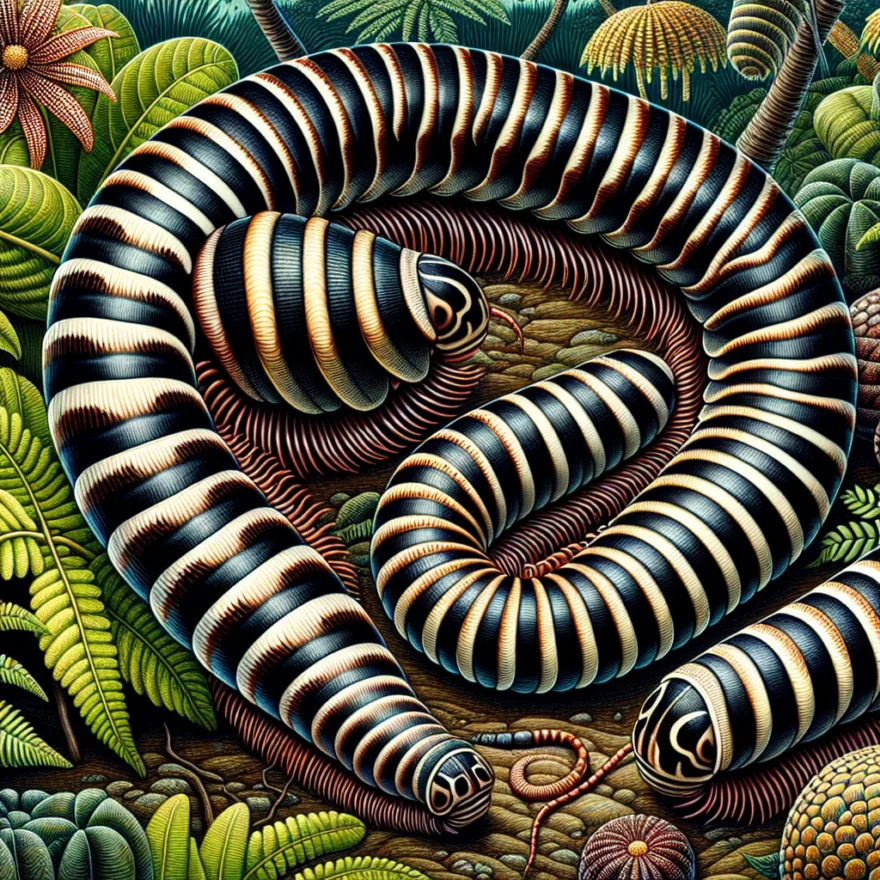
Introduction to African Zebra Pill Millipedes
Millipedes are one of the most unique and intriguing creatures on the planet, and among them, the African Zebra Pill Millipedes stand out for their distinctive characteristics. This species, scientifically known as Sphaerotheriida, is a fascinating example of nature’s ingenuity and adaptability. They are named for their striking black and white striped pattern, reminiscent of a zebra’s coat, and their unique ability to curl into a tight ball, similar to a pill, when threatened.
The African Zebra Pill Millipedes are a part of the Diplopoda class, a group known for their two pairs of legs per body segment. However, what sets these millipedes apart is their large, globular body shape and their robust exoskeleton, both of which have evolved as a means of defense against predators. The exoskeleton is not only tough but also contains glands that can secrete a noxious fluid, providing another layer of protection.
These millipedes are not just known for their physical traits, but also for their ecological role and interactions with humans. They play a crucial part in the ecosystem, contributing to soil formation and nutrient cycling. Moreover, their unique aesthetics and harmless nature have made them popular in the pet trade, although this has also led to some conservation concerns.
By delving deeper into the world of African Zebra Pill Millipedes, we can gain a profound appreciation for these creatures and the intricate ecosystems they inhabit. This article aims to shed light on the physical characteristics, behavior, habitat, and conservation status of these millipedes, answering common questions and sparking curiosity about these unique creations of nature.
Table of contents
- Introduction to African Zebra Pill Millipedes
- Physical Characteristics of African Zebra Pill Millipedes
- Behavior and Habits of African Zebra Pill Millipedes
- Habitat and Distribution of African Zebra Pill Millipedes
- African Zebra Pill Millipedes and Human Interaction
- The Role of African Zebra Pill Millipedes in the Ecosystem
- Conservation Status of African Zebra Pill Millipedes
- Frequently Asked Questions about African Zebra Pill Millipedes
Physical Characteristics of African Zebra Pill Millipedes
One of the most striking aspects of the African Zebra Pill Millipede is, without a doubt, its physical appearance. These fascinating creatures are known for their distinctive black and white striped pattern, similar to that of a zebra, hence their name. This unique coloration serves as a warning to potential predators, signaling that they are not a safe or palatable meal.
African Zebra Pill Millipedes are relatively small in size, typically measuring between 2 to 3 inches in length. They have a cylindrical body shape, comprised of numerous segments, each equipped with two pairs of legs. Unlike most millipedes that have elongated bodies, these millipedes can roll up into a perfect ball when threatened, with their legs tucked inside for protection. This behavior is the reason behind the ‘pill’ in their name. The hard exoskeleton, which is made of chitin, provides a formidable defense against predators.
Their sensory organs are also quite remarkable. They possess a pair of short antennae on their head, which they use to explore their surroundings and find food. Their eyes, made up of numerous simple eyes or ocelli, allow them to detect light and dark, but not to see images as humans do.
One of the most intriguing physical characteristics of the African Zebra Pill Millipede is their ability to produce a noxious secretion. When threatened, they can release a toxic chemical from glands located along the sides of their body. This secretion is not only foul-smelling but can also cause irritation to the skin and eyes of potential predators.
Despite their seemingly simple structure, African Zebra Pill Millipedes are complex and fascinating creatures. Their physical characteristics not only serve as an effective defense mechanism but also enable them to thrive in their natural habitats.
Behavior and Habits of African Zebra Pill Millipedes
African Zebra Pill Millipedes, also known as Spirostreptida, are fascinating creatures with unique behaviors and habits that set them apart from other millipede species. Let’s take a closer look at some of their interesting behaviors:
- Rolling into a defensive ball: One of the most distinctive behaviors of African Zebra Pill Millipedes is their ability to roll into a tight ball when threatened. This behavior serves as a defense mechanism, protecting them from potential predators. When they sense danger, they curl their body tightly, with their hard exoskeleton acting as a shield. This behavior also helps to minimize their surface area, making it difficult for predators to attack.
- Chemical defense: In addition to their rolling behavior, African Zebra Pill Millipedes possess a unique defense mechanism involving the secretion of toxic chemicals. These chemicals, which are produced by glands on their body, act as a deterrent to predators. When threatened, they release these toxic substances, which can cause irritation or even harm to potential attackers. This chemical defense is highly effective in warding off predators and ensuring the millipedes’ survival.
- Nocturnal activity: African Zebra Pill Millipedes are primarily nocturnal creatures, meaning they are most active during the night. They prefer to remain hidden during the day, seeking shelter in damp and dark areas such as leaf litter, logs, or underground burrows. At night, they emerge to forage for food, which mainly consists of decaying plant matter and organic debris.
- Social behavior: While millipedes are generally solitary creatures, African Zebra Pill Millipedes have been observed exhibiting social behavior in certain situations. They have been known to aggregate in large numbers, forming clusters or groups. This behavior is believed to provide them with added protection against predators and environmental conditions. It also facilitates communication and the exchange of chemical signals among individuals.
- Mating rituals: African Zebra Pill Millipedes engage in elaborate mating rituals, which involve intricate courtship displays. Males often compete for the attention of females by engaging in gentle antennal stroking and body vibrations. Once a female has chosen a mate, they engage in a complex dance, spiraling around each other while depositing sperm. After mating, the female lays eggs in the soil, which hatch into small, miniature versions of the adults.
These behaviors and habits make African Zebra Pill Millipedes truly fascinating creatures. Their defensive strategies, nocturnal lifestyle, social tendencies, and intricate mating rituals all contribute to their survival and adaptation in their natural habitats.
Habitat and Distribution of African Zebra Pill Millipedes
The African Zebra Pill Millipedes, also known as the Zebra Millipedes or Zebra Roly-Polys, are fascinating creatures that are native to various regions of Africa. These unique millipedes can be found in a range of habitats across the continent, showcasing their remarkable adaptability.
These millipedes primarily inhabit tropical and subtropical regions, where they thrive in warm and humid environments. They can be found in diverse habitats such as rainforests, savannas, woodlands, and even in human-altered landscapes like gardens and agricultural fields.
One of the most interesting aspects of the African Zebra Pill Millipedes is their distribution. They are widely distributed throughout Africa, with different species found in different regions. Some of the countries where these millipedes can be found include Kenya, Tanzania, Uganda, Rwanda, Democratic Republic of Congo, Zambia, Malawi, Mozambique, Zimbabwe, South Africa, and many others.
Within their respective habitats, African Zebra Pill Millipedes have specific microhabitats that they prefer. They can be found in leaf litter, under logs, rocks, and other decaying organic matter. These hiding spots provide them with protection from predators and help maintain the moist conditions they require for survival.
It is important to note that the exact distribution and habitat preferences of each species of African Zebra Pill Millipede can vary. Some species may have a more restricted range, while others may have a wider distribution across multiple countries.
Despite their wide distribution, the African Zebra Pill Millipedes are not commonly encountered by humans. This is partly due to their small size and their ability to blend in with their surroundings. However, for those who venture into their habitats and take the time to observe, these millipedes can be a fascinating sight.
Overall, the habitat and distribution of African Zebra Pill Millipedes showcase their adaptability to various environments across Africa. Their presence in different ecosystems contributes to the overall biodiversity of the continent and highlights the intricate relationships between organisms and their habitats.
African Zebra Pill Millipedes and Human Interaction
One of the most fascinating aspects of the African Zebra Pill Millipedes is their interaction with humans. These unique creatures have captured the interest and curiosity of people around the world. Let’s explore the various ways in which African Zebra Pill Millipedes interact with humans.
1. Educational Value: African Zebra Pill Millipedes serve as excellent educational tools. Their striking black and white striped patterns, coupled with their interesting behaviors, make them a popular choice for educational institutions, nature centers, and even home aquariums. By observing these millipedes, students and enthusiasts can learn about the diversity of life on Earth and the intricate adaptations that enable these creatures to thrive.
2. Ecotourism: In regions where African Zebra Pill Millipedes are found, they have become a draw for ecotourism. People from all over the world visit these areas to witness the unique beauty of these millipedes in their natural habitats. Ecotourism not only provides economic benefits to local communities but also raises awareness about the importance of conserving these delicate ecosystems.
3. Research and Scientific Studies: African Zebra Pill Millipedes have attracted the attention of researchers and scientists who are interested in understanding their biology, behavior, and ecological roles. By studying these millipedes, scientists can gain insights into their reproductive strategies, feeding habits, and interactions with other organisms. This knowledge contributes to a better understanding of millipedes as a whole and aids in conservation efforts.
4. Traditional and Cultural Significance: In some African communities, African Zebra Pill Millipedes hold cultural and traditional significance. They are believed to bring good luck and are often associated with fertility and abundance. In certain rituals and ceremonies, these millipedes are used as symbols of prosperity and protection.
5. Pet Trade: African Zebra Pill Millipedes have also found their way into the pet trade. Due to their captivating appearance and low maintenance requirements, some people choose to keep them as pets. However, it is important to note that responsible pet ownership is crucial, and proper care and conditions must be provided to ensure the well-being of these creatures.
6. Conservation Efforts: Human interaction with African Zebra Pill Millipedes also extends to conservation efforts. As these millipedes face various threats, including habitat loss and climate change, individuals and organizations are working towards their conservation. By raising awareness, supporting protected areas, and implementing sustainable practices, we can contribute to the preservation of these unique creatures and their habitats.
Overall, the interaction between humans and African Zebra Pill Millipedes is multifaceted. From education and research to cultural significance and conservation, these creatures have a significant impact on our lives. It is important that we continue to appreciate and protect these nature’s unique creations for future generations to admire and learn from.
The Role of African Zebra Pill Millipedes in the Ecosystem
African Zebra Pill Millipedes, with their striking black and white stripes, are not only fascinating creatures to observe but also play a crucial role in the ecosystem they inhabit. These unique millipedes have several important contributions that help maintain the balance and health of their environment.
One of the primary roles of African Zebra Pill Millipedes in the ecosystem is their participation in nutrient cycling. These millipedes are detritivores, meaning they feed on decaying organic matter such as dead leaves, plant debris, and fallen fruits. By consuming these materials, they accelerate the decomposition process and aid in the release of nutrients back into the soil.
As African Zebra Pill Millipedes consume organic matter, they break it down into smaller particles, increasing the surface area available for decomposition by microorganisms. This enhances the efficiency of decomposition and promotes the recycling of nutrients, which are then made available for other plants and organisms in the ecosystem.
Furthermore, the feeding activities of African Zebra Pill Millipedes help to aerate the soil. As they burrow and move through the leaf litter and soil, they create small tunnels and channels. These pathways improve soil structure and drainage, allowing for better water infiltration and root penetration. The increased aeration also benefits soil microorganisms by providing them with oxygen, which is essential for their survival and activity.
African Zebra Pill Millipedes also contribute to the overall biodiversity of their ecosystem. They serve as a food source for various predators, including birds, reptiles, and small mammals. Their presence supports the food web and ensures the survival of other organisms that rely on them for sustenance.
Additionally, the striped coloration of African Zebra Pill Millipedes serves as a form of warning or aposematism. This color pattern signals to potential predators that they are toxic or unpalatable. This defense mechanism helps protect them from being consumed, allowing them to fulfill their ecological role without being eradicated from the ecosystem.
Overall, African Zebra Pill Millipedes are essential contributors to the functioning of their ecosystem. Through nutrient cycling, soil aeration, and their role in the food web, these unique creatures play a vital part in maintaining the balance and health of their environment.
Conservation Status of African Zebra Pill Millipedes
The conservation status of African Zebra Pill Millipedes is a topic of concern for researchers and environmentalists alike. These unique creatures play a crucial role in maintaining the balance of their ecosystems, and their well-being directly impacts the overall health of their habitats.
Due to their specialized habitat requirements, African Zebra Pill Millipedes are vulnerable to habitat loss and degradation. As human activities such as deforestation, urbanization, and agriculture continue to expand, these millipedes are losing their natural homes. The destruction of their habitat not only directly affects their survival but also disrupts the delicate ecological relationships they have with other organisms.
Additionally, pollution poses a significant threat to African Zebra Pill Millipedes. Chemical pollutants, such as pesticides and fertilizers, can contaminate their environment and harm their populations. These millipedes are highly sensitive to changes in their surroundings, and even slight alterations in soil composition or water quality can have adverse effects on their survival.
Another factor contributing to the declining numbers of African Zebra Pill Millipedes is the illegal pet trade. These fascinating creatures are sought after by collectors due to their striking appearance. However, capturing them from the wild disrupts their natural populations and can lead to their decline.
Efforts are being made to conserve African Zebra Pill Millipedes and protect their habitats. Conservation organizations work towards raising awareness about the importance of these millipedes and the need to preserve their ecosystems. Research is conducted to better understand their biology, behavior, and habitat requirements, which can aid in developing effective conservation strategies.
Conservation initiatives also focus on creating protected areas and reserves where African Zebra Pill Millipedes can thrive without human interference. These protected areas not only safeguard the millipedes but also ensure the preservation of other species that rely on the same habitats.
Furthermore, community involvement plays a significant role in the conservation of African Zebra Pill Millipedes. Local communities are educated about the importance of these creatures and are encouraged to participate in sustainable practices that minimize habitat destruction and pollution.
It is essential for individuals to recognize the value of African Zebra Pill Millipedes and the role they play in maintaining the balance of their ecosystems. By supporting conservation efforts and advocating for the protection of their habitats, we can ensure the continued existence of these unique and fascinating creatures for future generations to appreciate and study.
Frequently Asked Questions about African Zebra Pill Millipedes
FAQs about African Zebra Pill Millipedes
1. Are African Zebra Pill Millipedes dangerous?
No, African Zebra Pill Millipedes are not dangerous to humans. They do not bite, sting, or carry any diseases. They are completely harmless and pose no threat to people or pets.
2. How long do African Zebra Pill Millipedes live?
African Zebra Pill Millipedes have a relatively long lifespan compared to other millipede species. On average, they can live for about 5 to 7 years in the wild, although some individuals have been known to live up to 10 years.
3. What do African Zebra Pill Millipedes eat?
African Zebra Pill Millipedes are detritivores, which means they primarily feed on decaying plant matter such as fallen leaves, rotting wood, and decomposing organic material on the forest floor. They play an important role in the decomposition process and nutrient cycling within their habitat.
4. Can African Zebra Pill Millipedes roll into a ball?
Yes, African Zebra Pill Millipedes have a unique defense mechanism where they can roll their body into a tight ball when threatened. This behavior helps protect their soft underbelly and exposes their hard exoskeleton, making it difficult for predators to attack them.
5. How do African Zebra Pill Millipedes reproduce?
African Zebra Pill Millipedes reproduce sexually. The male millipedes deposit spermatophores on the ground, which the females then pick up with their specialized legs. The female will then lay her eggs in the soil, and the young millipedes hatch from these eggs after a few weeks.
6. Can African Zebra Pill Millipedes be kept as pets?
Yes, African Zebra Pill Millipedes can be kept as pets in a suitable terrarium setup. However, it is important to provide them with the right conditions, such as a moist substrate, hiding places, and a proper diet. It is also crucial to research and understand their specific care requirements before keeping them as pets.
7. Do African Zebra Pill Millipedes have any predators?
While African Zebra Pill Millipedes have a unique defense mechanism, they still have natural predators in their ecosystem. Some of their predators include certain species of birds, reptiles, amphibians, and small mammals. These predators have adapted to overcome the millipedes’ defense mechanisms and feed on them as part of their natural diet.
8. Are African Zebra Pill Millipedes endangered?
Currently, African Zebra Pill Millipedes are not classified as endangered. However, due to habitat destruction, deforestation, and other human activities, their populations may be declining in certain areas. It is important to monitor their numbers and conserve their natural habitats to ensure their long-term survival.