Introduction: The Enigma of the Crystal Skulls
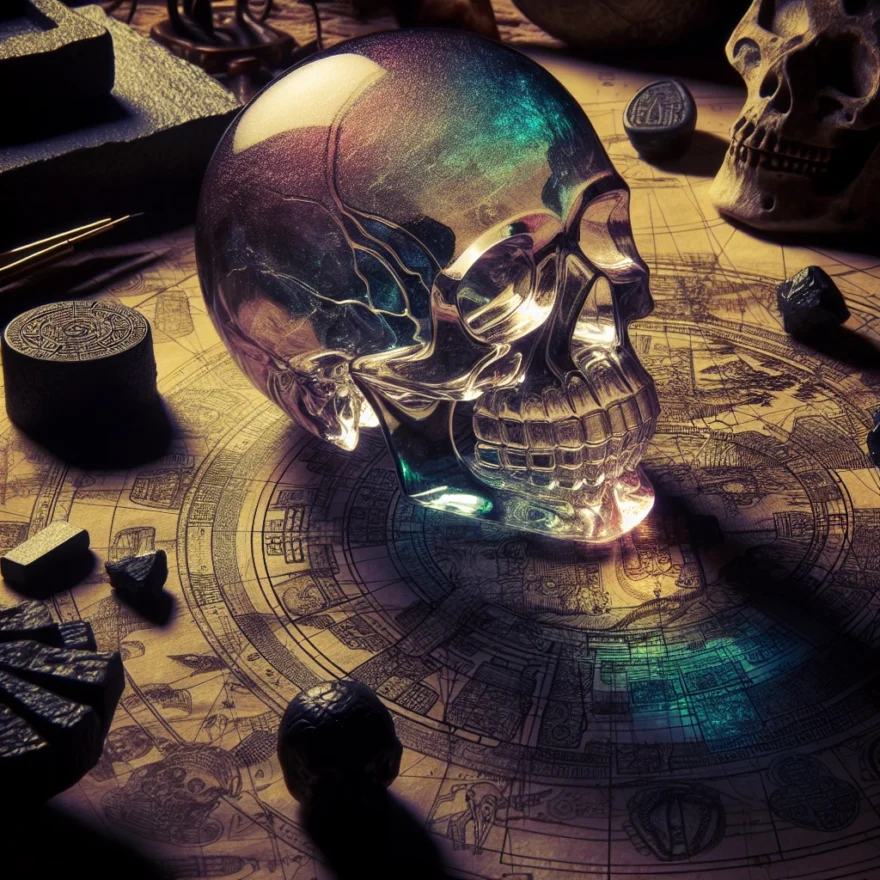
In the annals of unexplained mysteries, few artifacts have spurred as much intrigue, speculation, and controversy as the crystal skulls. These fascinating objects, carved from clear or milky white quartz, are known for their strikingly detailed craftsmanship and enigmatic origins. The most famous of these, the Mitchell-Hedges skull, is renowned for its near-perfect representation of a human skull, complete with a removable jawbone.
The crystal skulls were first brought to public attention in the late 19th and early 20th centuries, and since then, they have captivated archaeologists, spiritualists, and curious minds alike. Their origins are shrouded in mystery, with theories ranging from ancient Mesoamerican civilizations to the lost city of Atlantis, and even extraterrestrial intervention.
Yet, as much as they are objects of fascination, they are also subjects of contention. Many experts question their purported ancient origins, suggesting that they are instead modern forgeries. This dichotomy between ancient artifact and clever hoax is at the heart of the enigma of the crystal skulls. This article delves into the heart of this mystery, exploring the discovery, theories, controversies, and cultural impact of these enigmatic objects.
Whether they are remnants of an advanced ancient civilization, products of modern trickery, or conduits of psychic phenomena, the crystal skulls continue to intrigue and mystify. As we delve into their story, we invite you to join us on this journey of discovery, and perhaps form your own conclusions about the enigma of the crystal skulls.
Table of contents
- Introduction: The Enigma of the Crystal Skulls
- The Discovery of the Crystal Skulls
- Theories of Ancient Origins
- The Crystal Skulls and Advanced Technology
- The Case for Modern Forgery
- The Role of the Crystal Skulls in Popular Culture
- The Psychic Phenomena Associated with the Crystal Skulls
- Common Questions and Answers about the Crystal Skulls
The Discovery of the Crystal Skulls
The story of the crystal skulls begins in the 19th century, when they were first discovered and brought to the attention of the Western world. The most famous of these skulls, known as the Mitchell-Hedges skull, was allegedly discovered in 1924 by the adopted daughter of British adventurer and traveler, F.A. Mitchell-Hedges. It was during an expedition to the ancient Mayan city of Lubaantun in Belize that young Anna Mitchell-Hedges reportedly stumbled upon the beautifully carved, life-sized artifact.
Another well-known crystal skull, known as the British Museum skull, was acquired by the museum in 1897 from Tiffany and Company. The skull had previously belonged to a French antiquarian named Eugene Boban, who had a keen interest in pre-Columbian artifacts. The Paris Skull, another famous specimen, also passed through the hands of Boban before ending up in the Quai Branly Museum in Paris.
Despite their widespread fame, the origins of these crystal skulls remain shrouded in mystery. They were allegedly found in various ancient Mesoamerican sites, yet no documentation of their excavation exists. Furthermore, no crystal skulls have been found in a controlled archaeological context, adding to the enigma surrounding their existence.
These skulls are made from clear or milky white quartz and are remarkably detailed, with carved jawbones, cheekbones, teeth, and even hollow eye sockets. The complexity and precision of the skulls’ design have led many to speculate about the methods used to create them, with theories ranging from ancient high-technology to modern diamond-tipped tools.
The crystal skulls continue to captivate the imagination of people all over the world. Their origins, whether ancient or modern, remain a puzzle that continues to intrigue researchers, historians, and those with a fascination for the unexplained.
Theories of Ancient Origins
One of the most intriguing aspects of the crystal skulls is their mysterious origins. Many theories have been put forth over the years, attempting to explain where these enigmatic artifacts came from. While some believe that the crystal skulls are ancient creations with advanced technological origins, others argue that they are modern forgeries designed to deceive and captivate the imagination.
One theory proposes that the crystal skulls were created by an ancient civilization that possessed advanced technology far beyond what we can comprehend today. Proponents of this theory point to the intricate craftsmanship and precision of the skulls as evidence of their advanced origins. They argue that the ancient civilization may have used crystal skulls as a form of communication, storing vast amounts of knowledge and information within these crystal structures.
Another theory suggests that the crystal skulls were created by extraterrestrial beings who visited Earth in ancient times. According to this theory, the skulls were left behind as a means of communication or a symbol of their presence. Proponents of this theory believe that the crystal skulls hold encoded messages or even serve as a gateway to other dimensions.
On the other hand, skeptics argue that the crystal skulls are modern forgeries created to capitalize on the mystery and allure surrounding them. They point to the lack of concrete archaeological evidence linking the skulls to any ancient civilization or culture. Additionally, skeptics highlight the fact that many crystal skulls have been proven to be of recent origin, crafted using modern tools and techniques.
It is worth noting that some crystal skulls have been found to be authentic ancient artifacts, dating back hundreds or even thousands of years. These skulls have been linked to various ancient cultures, such as the Aztecs and the Mayans. However, the authenticity of these skulls does not necessarily prove the existence of advanced technology or extraterrestrial origins.
Ultimately, the debate about the ancient origins of the crystal skulls continues to intrigue and mystify researchers and enthusiasts alike. While some believe in their ancient and technologically advanced origins, others remain skeptical and attribute their creation to more recent times. The truth behind the crystal skulls may forever remain an enigma, leaving room for speculation, wonder, and further exploration.
The Crystal Skulls and Advanced Technology
One of the most intriguing aspects of the crystal skulls is the possibility that they were created using advanced technology. These skulls, often made from clear quartz or other types of crystal, exhibit a level of craftsmanship that is difficult to explain using conventional methods. Some experts believe that the precision and intricacy of the crystal skulls suggest the use of highly advanced tools and techniques that were not available to ancient civilizations.
One theory proposes that the crystal skulls were created using laser technology. The precise carving and smooth surfaces of the skulls have led some to speculate that a laser beam was used to shape and polish the crystal. This theory is supported by the fact that laser technology was not developed until the 20th century, leading to speculation that the crystal skulls may be modern forgeries.
Another theory suggests that the crystal skulls were created using sound or vibrational technology. Proponents of this theory argue that sound waves or vibrations could have been used to shape and mold the crystal, resulting in the intricate details seen in the skulls. This idea is supported by the belief in some ancient cultures that sound and vibration have the power to manipulate matter.
Furthermore, some researchers have suggested that the crystal skulls may have been created using a form of advanced 3D printing technology. This theory proposes that a sophisticated printing process was used to create the intricate designs and features of the skulls. While 3D printing is a relatively recent innovation, it is possible that ancient civilizations possessed similar technology that has since been lost or forgotten.
However, it is important to note that these theories remain speculative, and there is currently no concrete evidence to support the idea that the crystal skulls were created using advanced technology. Skeptics argue that the level of craftsmanship seen in the crystal skulls can be attributed to the skill and patience of ancient artisans, who may have used simple tools and techniques to achieve such remarkable results.
Ultimately, the question of whether the crystal skulls were created using advanced technology or traditional methods remains a subject of debate and speculation. Further scientific analysis and research may be necessary to unravel the mysteries surrounding these enigmatic artifacts.
The Case for Modern Forgery
While there are many theories surrounding the crystal skulls and their ancient origins, there is also a compelling case to be made for modern forgery. Skeptics argue that the crystal skulls are not ancient artifacts but rather cleverly crafted hoaxes created during the 19th and 20th centuries.
One of the main arguments put forth by those who believe the crystal skulls are modern forgeries is the lack of historical documentation. Unlike other ancient artifacts, there are no records or accounts that mention the existence of crystal skulls prior to the 19th century. Critics argue that if these skulls were truly ancient, there would be some form of written or oral history to support their authenticity.
Another point of contention is the advanced technology required to create the crystal skulls. Proponents of the modern forgery theory argue that the level of craftsmanship and precision seen in the crystal skulls is beyond what would have been possible in ancient times. They suggest that the intricate details and smooth surfaces of the skulls are more indicative of modern tools and techniques.
Furthermore, skeptics point to the discovery of tool marks on some crystal skulls as evidence of modern fabrication. These tool marks, they argue, are inconsistent with the methods used by ancient civilizations. Additionally, the use of modern tools such as diamond-tipped drills and rotary wheels could explain the precise shaping and polishing of the crystal skulls.
Another compelling argument against the ancient origins of the crystal skulls is the presence of modern materials. Scientific analysis has revealed that some crystal skulls are made from materials such as quartz, which was not readily available to ancient cultures. This suggests that the crystal skulls were created using materials that were easily accessible during the time they were made.
Lastly, critics of the ancient technology theory point to the motivations behind the creation of the crystal skulls. They argue that during the 19th and 20th centuries, there was a growing interest in ancient civilizations and their artifacts. This interest, combined with the desire for financial gain, could have provided the perfect motivation for individuals to create and sell counterfeit crystal skulls.
While the case for modern forgery is strong, it is important to note that not all crystal skulls have been definitively proven to be hoaxes. Some skulls have undergone scientific analysis that suggests they could be of ancient origin. However, the debate continues, and until more concrete evidence is presented, the question of whether the crystal skulls are ancient technology or modern forgeries remains unresolved.
The Role of the Crystal Skulls in Popular Culture
Throughout history, the crystal skulls have captivated the imagination of people from all walks of life. These enigmatic artifacts have not only intrigued archaeologists and scientists but have also found a significant place in popular culture. From movies and books to artwork and even video games, the crystal skulls have become iconic symbols representing mystery, ancient civilizations, and supernatural powers.
One of the most notable instances of the crystal skulls in popular culture is the Indiana Jones film series. In the 2008 movie “Indiana Jones and the Kingdom of the Crystal Skull,” the crystal skulls take center stage as Indiana Jones embarks on a thrilling adventure to uncover their secrets. While the movie takes artistic liberties and incorporates fictional elements, it undoubtedly helped to bring the crystal skulls into the mainstream consciousness.
Books and novels have also played a significant role in popularizing the crystal skulls. Authors like Raymond A. Capt, who wrote “The Crystal Skull,” and Manda Scott, with her novel “Crystal Skull,” have used the enigma of the crystal skulls as a central theme in their stories. These books blend historical elements with fiction, further fueling the fascination surrounding the crystal skulls.
The crystal skulls have also made their way into the world of art. Various artists have been inspired by their mysterious allure and have created stunning sculptures and paintings featuring crystal skulls. These artworks often depict the skulls as powerful and mystical objects, adding to the sense of intrigue and wonder associated with them.
Furthermore, the crystal skulls have become a popular subject in video games and role-playing games. Games like “Tomb Raider” and “Uncharted” incorporate crystal skulls as valuable artifacts that players must seek and protect. These games not only entertain but also contribute to the perpetuation of the crystal skulls’ mystique.
It is important to note that while popular culture has embraced the crystal skulls, it has also perpetuated misconceptions and exaggerated claims about their origins and powers. The portrayal of crystal skulls as magical or extraterrestrial objects in some movies and books has led to a mix of fact and fiction, making it challenging for the general public to distinguish between the reality and the myths surrounding these artifacts.
Nonetheless, the influence of popular culture cannot be denied when it comes to the crystal skulls. They have become symbols of mystery, adventure, and the unknown, capturing the fascination of people worldwide. Whether it is through films, books, art, or games, the crystal skulls continue to hold a prominent place in popular culture, ensuring that their enigma endures.
The Psychic Phenomena Associated with the Crystal Skulls
Throughout history, the crystal skulls have been associated with various psychic phenomena, adding to their enigmatic nature. Many believe that these ancient artifacts possess mystical powers and can tap into the supernatural realm. While skeptics dismiss these claims as mere superstition, there are numerous accounts of psychic experiences and paranormal occurrences linked to the crystal skulls.
One of the most commonly reported psychic phenomena associated with the crystal skulls is their ability to induce visions and altered states of consciousness. Some individuals claim that when in close proximity to a crystal skull, they experience vivid dreams, receive telepathic messages, or even enter trance-like states where they can access hidden knowledge or communicate with spirits.
Psychics and spiritual practitioners often use crystal skulls as tools for divination and energy healing. They believe that the skulls act as conduits for spiritual energy, allowing them to gain insights into the past, present, and future. These practitioners claim that by meditating with a crystal skull or placing it on specific energy points on the body, they can unlock psychic abilities, enhance intuition, and promote spiritual growth.
There have also been reports of paranormal phenomena occurring in the presence of crystal skulls. Some people claim to have witnessed unexplained lights, strange sounds, or even ghostly apparitions when interacting with these artifacts. These occurrences have led to theories that the crystal skulls possess a mysterious energy or connection to other dimensions.
Furthermore, there are accounts of individuals experiencing physical sensations such as tingling, warmth, or a sense of energy radiating from the crystal skulls. Some claim that these sensations are evidence of the skulls’ ability to channel and manipulate energy, while others attribute them to the power of suggestion or the placebo effect.
It is important to note that the psychic phenomena associated with crystal skulls are highly subjective and not universally experienced. Skeptics argue that these experiences are the result of psychological factors, suggestibility, or a desire to believe in the supernatural. They attribute any perceived paranormal activity to coincidence or the power of suggestion.
Ultimately, whether or not the crystal skulls possess psychic powers remains a matter of personal belief. While there are numerous anecdotal accounts supporting their mystical properties, scientific evidence to validate these claims is lacking. The enigma of the crystal skulls continues to captivate the imagination and fuel debates about the nature of these ancient artifacts.
Common Questions and Answers about the Crystal Skulls
Common Questions and Answers about the Crystal Skulls
As the enigma of the crystal skulls continues to captivate the minds of many, it is only natural that numerous questions arise. In this section, we will address some of the most common questions and provide answers based on the available evidence and research.
1. Are the crystal skulls ancient artifacts or modern forgeries?
The authenticity of the crystal skulls has been a subject of debate among experts. While some argue that they are ancient artifacts with advanced technological origins, others believe they are modern creations. The lack of consensus in the scientific community leaves the question open for interpretation.
2. What evidence supports the theory of ancient origins?
Proponents of the theory that the crystal skulls are ancient artifacts point to various pieces of evidence. These include the intricate craftsmanship, the use of advanced techniques that were supposedly unavailable in ancient times, and the legends and stories passed down through generations.
3. What evidence supports the theory of modern forgery?
Those who argue that the crystal skulls are modern forgeries highlight several factors. These include the discovery of tool marks consistent with modern machinery, the lack of provenance for many skulls, and the emergence of skilled crystal carvers in recent times.
4. Can scientific analysis determine the authenticity of crystal skulls?
Scientific analysis can provide valuable insights into the composition and age of crystal skulls. Techniques such as radiocarbon dating, spectroscopy, and microscopy have been employed to study the skulls. However, due to the limitations of these methods and the possibility of clever replication, definitive conclusions are challenging to reach.
5. What is the significance of crystal skulls in popular culture?
Crystal skulls have captured the imagination of people worldwide and have become prominent symbols in popular culture. They have been featured in movies, books, and artwork, often associated with mystical powers, ancient civilizations, and extraterrestrial connections.
6. Is there any evidence of psychic phenomena associated with crystal skulls?
Some individuals claim to have experienced psychic phenomena when in the presence of crystal skulls. These include visions, telepathic communication, and enhanced spiritual awareness. However, such claims remain highly controversial and lack scientific substantiation.
7. Are there any ongoing studies or research on crystal skulls?
Yes, there are ongoing studies and research efforts aimed at unraveling the mysteries surrounding crystal skulls. Scientists, archaeologists, and historians continue to investigate their origins, composition, and cultural significance in the hopes of shedding more light on these intriguing artifacts.
8. What can we learn from the enigma of the crystal skulls?
The enigma of the crystal skulls serves as a reminder of the enduring fascination humans have with ancient mysteries. It highlights the complexities of archaeological research, the importance of critical thinking, and the need for further exploration to uncover the truth behind these enigmatic objects.