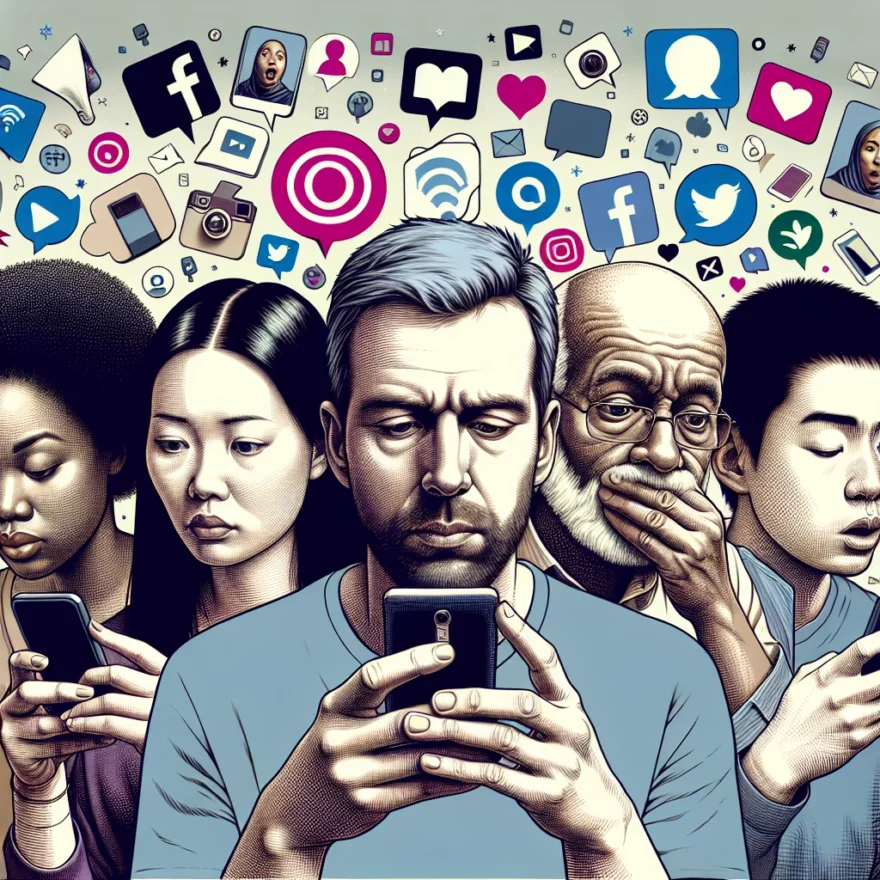
Introduction: The Digital Age and Mental Health
With the advent of the digital age, our lives have been irrevocably altered. The advent of the internet, smartphones, and social media platforms has revolutionized the way we communicate, learn, work, and play. However, as we navigate through this digital landscape, we are beginning to understand the profound impact it has on our mental health.
As the digital world continues to evolve, so does our understanding of its effects on our mental well-being. The influence of social media, in particular, has become a focal point of research in the field of mental health. Social media, a powerful tool that connects us with people from all corners of the globe, has become an integral part of our daily lives. It has reshaped our communication patterns, our self-perception, and our social interactions. However, the pervasive presence of social media also poses a unique set of challenges to our mental health.
Studies have shown a correlation between heavy social media use and an increase in mental health issues such as anxiety, depression, loneliness, and self-esteem issues. This correlation is particularly significant among adolescents and young adults, who are the most prolific users of these platforms. However, it is crucial to note that the relationship between social media use and mental health is complex and multifaceted, influenced by various factors such as the individual’s personal characteristics, their social environment, and the nature of their online interactions.
It is also essential to recognize that social media is not inherently harmful. It can offer numerous benefits, such as providing a platform for self-expression, fostering a sense of community, and facilitating access to mental health resources. However, it is the way we engage with these platforms that can potentially lead to detrimental effects on our mental health.
As we delve deeper into this comprehensive analysis, we aim to shed light on the intricate relationship between social media and mental health. We will explore the potential risks and benefits, the underlying psychological mechanisms at play, and practical strategies for cultivating a healthier relationship with social media. This exploration is not only vital for individuals but also for parents, educators, and mental health professionals who play a crucial role in promoting digital literacy and mental well-being in our increasingly connected world.
Table of contents
- Introduction: The Digital Age and Mental Health
- The Double-Edged Sword: Pros and Cons of Social Media
- The Science Behind It: How Social Media Affects the Brain
- The Social Media Paradox: Connection vs Isolation
- The Role of Social Media in Anxiety and Depression
- Body Image and Self-Esteem: The Impact of Social Media
- The Phenomenon of FOMO (Fear of Missing Out)
- Cyberbullying and Its Mental Health Implications
- Social Media Addiction: When It Becomes a Problem
- Social Media and Sleep: The Forgotten Connection
- Digital Detox: The Importance of Taking a Break
- Practical Tips for Healthy Social Media Use
- The Role of Parents and Educators in Digital Literacy
- The Future of Social Media and Mental Health Research
- Common Questions about Social Media and Mental Health
The Double-Edged Sword: Pros and Cons of Social Media
As we delve into the intricate relationship between social media and mental health, it is crucial to acknowledge that social media, like a double-edged sword, wields both positive and negative influences. On the one hand, social media platforms like Facebook, Instagram, Twitter, and Snapchat have revolutionized the way we communicate, connect, and receive information. On the other hand, they have also been linked to a variety of mental health concerns, including anxiety, depression, low self-esteem, and more.
Starting with the positives, social media has made it easier than ever to stay connected with friends and family, regardless of geographical distance. It provides a platform to share experiences, exchange ideas, and even mobilize for social causes. In addition, it can also serve as a source of emotional support and community for those who may feel isolated in their offline lives. For instance, people with rare illnesses or unique interests can find and connect with others who share their experiences or passions.
Moreover, social media can be a valuable tool for self-expression and identity formation, especially among adolescents. It allows users to explore different facets of their identities, experiment with self-presentation, and receive feedback from others. It also offers opportunities to learn from diverse perspectives and cultures, fostering empathy and understanding.
However, the negative impacts of social media on mental health are becoming increasingly evident. One of the most significant concerns is the potential for social media to fuel feelings of inadequacy and low self-esteem. The constant exposure to others’ highlight reels can lead to unhealthy comparisons and a distorted perception of reality, causing individuals to feel as if their own lives don’t measure up.
Furthermore, the use of social media can disrupt face-to-face social interactions and contribute to feelings of loneliness and isolation. Despite being constantly connected online, users may feel disconnected and alienated in their offline lives. The superficial nature of online connections, coupled with the lack of physical and emotional cues, may lead to shallow relationships and a sense of social dissatisfaction.
Another concern is the potential for cyberbullying, which can have severe mental health consequences, particularly among adolescents. The anonymity and lack of accountability on social media can make it an easy platform for bullying and harassment. Victims of cyberbullying are at a higher risk of depression, anxiety, and suicidal thoughts.
In conclusion, while social media can offer numerous benefits, its potential negative impacts on mental health cannot be overlooked. It is a complex and multifaceted issue that requires further research and understanding. As we continue to navigate this digital age, it is crucial to promote healthy and responsible use of social media.
The Science Behind It: How Social Media Affects the Brain
In the digital age, social media has become an integral part of our daily lives. With just a few clicks, we can connect with friends and family, share our thoughts and experiences, and access a wealth of information. However, the impact of social media on mental health is a topic of concern and ongoing research.
When it comes to understanding how social media affects the brain, scientists have made significant progress in recent years. One key aspect is the way social media activates the brain’s reward system. When we receive likes, comments, or shares on our posts, our brain releases dopamine, a neurotransmitter associated with pleasure and reward. This can create a sense of validation and satisfaction.
However, the constant need for validation and the fear of missing out (FOMO) can also have negative effects on mental health. Research has shown that excessive social media use can lead to feelings of anxiety, depression, and loneliness. The constant comparison to others’ seemingly perfect lives can contribute to low self-esteem and a distorted perception of reality.
Moreover, social media platforms are designed to be addictive. The infinite scroll feature, notifications, and the constant stream of new content keep us engaged and make it difficult to disconnect. This can disrupt our sleep patterns, increase stress levels, and contribute to feelings of overwhelm.
Another way social media affects the brain is through the phenomenon of cyberbullying. Online harassment can have severe consequences on mental health, leading to increased levels of stress, anxiety, and even suicidal thoughts. The anonymity provided by social media platforms can embolden individuals to engage in harmful behaviors without facing immediate consequences.
On the other hand, social media can also have positive effects on mental health. It provides a platform for individuals to share their experiences, find support, and create communities. Online support groups and mental health advocacy platforms have become important resources for those seeking help and understanding.
It is crucial to understand the science behind how social media affects the brain in order to navigate its impact on mental health effectively. By being aware of the potential risks and benefits, individuals can make informed decisions about their social media use and take steps to protect their mental well-being.
The Social Media Paradox: Connection vs Isolation
In today’s digital age, social media has become an integral part of our lives. It has revolutionized the way we connect and communicate with others, allowing us to stay in touch with friends and family, share our thoughts and experiences, and discover new communities and interests. However, amidst the benefits of social media, there exists a paradox – the potential for both connection and isolation.
On one hand, social media platforms provide us with a sense of connection. We can easily connect with old friends, make new ones, and join online communities that share our interests and values. This can be especially beneficial for individuals who may feel socially isolated or have limited opportunities for face-to-face interactions. Social media offers a virtual space where people can find support, understanding, and a sense of belonging.
On the other hand, social media can also contribute to feelings of isolation. Spending excessive amounts of time on social media can lead to a sense of disconnection from the real world. It can create a false sense of intimacy, where we may have hundreds or even thousands of “friends” online, but lack meaningful and authentic relationships offline. This can result in feelings of loneliness, inadequacy, and a distorted perception of social interactions.
Furthermore, social media often presents a curated version of people’s lives, showcasing only the highlights and positive aspects. This can lead to social comparison and feelings of inadequacy, as individuals may perceive their own lives as less exciting or successful compared to others. This phenomenon, known as “social media envy,” can contribute to feelings of isolation and low self-esteem.
Research has shown that excessive use of social media can have negative effects on mental health, including increased levels of anxiety and depression. The constant exposure to carefully crafted images and idealized lifestyles can create unrealistic expectations and a constant need for validation. This can lead to a cycle of seeking approval and validation through social media, which ultimately reinforces feelings of isolation and dissatisfaction.
However, it is important to note that social media itself is not inherently negative. It is the way we use and engage with social media that determines its impact on our mental health. By being mindful of our social media usage and adopting healthy habits, we can strike a balance between connection and isolation.
One way to mitigate the negative effects of social media is to practice digital detoxes or breaks. Taking regular breaks from social media can help us reconnect with the present moment, engage in meaningful offline activities, and foster genuine connections with others. Setting boundaries and establishing designated times for social media use can also help prevent excessive consumption and promote a healthier relationship with technology.
Additionally, it is crucial for parents, educators, and society as a whole to promote digital literacy and responsible social media use. By educating individuals about the potential risks and teaching them how to navigate social media in a healthy manner, we can empower them to make informed decisions and protect their mental well-being.
In conclusion, social media is a double-edged sword when it comes to connection and isolation. While it offers opportunities for connection and support, it also has the potential to contribute to feelings of isolation and negative mental health outcomes. By being mindful of our social media usage, practicing digital detoxes, and promoting digital literacy, we can harness the positive aspects of social media while mitigating its negative impact on our mental health.
The Role of Social Media in Anxiety and Depression
In today’s digital age, social media has become an integral part of our daily lives. It allows us to connect with friends, share our thoughts and experiences, and access a wealth of information. However, the impact of social media on mental health is a topic of growing concern.
Anxiety and depression are two common mental health disorders that have been linked to excessive social media use. While social media platforms can provide a sense of connection and support, they can also contribute to feelings of anxiety and depression.
One of the main reasons social media can contribute to anxiety is the constant exposure to curated and idealized versions of other people’s lives. When we see our friends and acquaintances posting about their achievements, vacations, and happy moments, it can create a sense of inadequacy and comparison. This phenomenon, known as “social comparison,” can lead to feelings of anxiety and a negative self-perception.
Moreover, social media can also exacerbate feelings of loneliness and isolation. Despite the illusion of constant connection, spending excessive time on social media can actually lead to a sense of disconnection from real-life relationships. This can be particularly harmful for individuals already struggling with depression or social anxiety.
Research has also shown a correlation between social media use and increased levels of anxiety and depression. The constant exposure to negative news, cyberbullying, and online harassment can have a detrimental effect on mental well-being. Additionally, the addictive nature of social media can lead to a cycle of seeking validation through likes, comments, and shares, which can negatively impact self-esteem and contribute to feelings of depression.
It is important to note that while social media can contribute to anxiety and depression, it is not the sole cause. These mental health disorders are complex and multifaceted, and can be influenced by various factors including genetics, environment, and personal experiences.
However, recognizing the role of social media in anxiety and depression is crucial in order to promote healthier and more balanced online behaviors. It is important to be mindful of our social media use and to set boundaries to protect our mental well-being.
Some practical tips for maintaining a healthy relationship with social media include:
- Limiting screen time and setting specific time frames for social media use.
- Engaging in offline activities and hobbies that bring joy and fulfillment.
- Curating your social media feed by unfollowing accounts that trigger negative emotions.
- Seeking support from friends, family, or mental health professionals when needed.
By taking these steps, we can harness the positive aspects of social media while minimizing its potential negative impact on our mental health. It is important to remember that we have control over our social media consumption and that our well-being should always be a priority.
Body Image and Self-Esteem: The Impact of Social Media
In today’s digital age, social media platforms have become an integral part of our lives. They provide us with a means to connect with others, share our thoughts and experiences, and stay updated on current events. However, the impact of social media on mental health is a topic of growing concern.
One area where social media has a significant impact is body image and self-esteem. With the rise of photo-sharing platforms like Instagram and Snapchat, individuals are constantly exposed to carefully curated images of others. These images often depict unrealistic beauty standards, leading to feelings of inadequacy and dissatisfaction with one’s own appearance.
Studies have shown a strong correlation between social media usage and negative body image. Constant exposure to edited and filtered images can create an idealized version of beauty that is unattainable for most people. This can lead to feelings of self-consciousness, low self-esteem, and even the development of eating disorders.
Furthermore, social media platforms often promote comparison among users. Seeing others’ seemingly perfect lives and bodies can create a sense of envy and self-doubt. This phenomenon, known as “social comparison,” can further contribute to negative body image and feelings of inadequacy.
It is important to recognize that the images portrayed on social media are often highly curated and do not reflect reality. Many individuals use editing tools and filters to enhance their appearance, presenting an unrealistic version of themselves. This can create a distorted perception of beauty and contribute to a negative body image.
Moreover, social media platforms are not solely responsible for the negative impact on body image and self-esteem. The way individuals engage with social media, such as comparing themselves to others or seeking validation through likes and comments, can also exacerbate these issues.
However, it is not all doom and gloom. Social media also provides a platform for body positivity and self-acceptance movements. Many individuals and communities use social media to challenge traditional beauty standards and promote body diversity. These movements aim to foster a more inclusive and accepting culture, where individuals of all body types and appearances are valued and celebrated.
To mitigate the negative impact of social media on body image and self-esteem, it is crucial to practice healthy social media habits. This includes being mindful of the content you consume, unfollowing accounts that make you feel inadequate, and focusing on self-care and self-acceptance. Additionally, seeking support from friends, family, or professionals can be beneficial for individuals struggling with body image issues.
Overall, social media can have a profound impact on body image and self-esteem. It is essential to approach social media usage with caution and be mindful of its potential influence on mental health. By promoting body positivity, practicing healthy habits, and seeking support when needed, we can navigate the digital landscape in a way that promotes positive mental well-being.
The Phenomenon of FOMO (Fear of Missing Out)
In today’s digital age, the phenomenon of FOMO (Fear of Missing Out) has become increasingly prevalent, thanks to the rise of social media platforms. FOMO refers to the anxiety or fear that one is missing out on exciting events, experiences, or opportunities while others are enjoying them. It is a feeling of being disconnected from the social world and can have significant implications for mental health.
Social media plays a significant role in amplifying FOMO. Platforms like Facebook, Instagram, and Twitter provide a constant stream of updates and highlights from people’s lives, showcasing their adventures, achievements, and social gatherings. As we scroll through these carefully curated feeds, it’s easy to feel a sense of envy or inadequacy, leading to feelings of missing out on the fun and excitement that others seem to be experiencing.
The constant exposure to others’ seemingly perfect lives can contribute to feelings of loneliness, inadequacy, and low self-esteem. It can create an unrealistic comparison between our own lives and the highlight reels of others, leading to a distorted perception of reality. This constant comparison can fuel anxiety and depression, as individuals may feel like they are not living up to the standards set by their peers.
Moreover, the fear of missing out can also lead to a compulsive need to constantly check social media platforms. Individuals may feel the need to be constantly connected and updated to avoid the fear of missing out on something important. This can result in a cycle of addictive behavior, where individuals become reliant on social media for validation and a sense of belonging.
FOMO can also impact our ability to be present in the moment and enjoy real-life experiences. The fear of missing out on something better can make it difficult to fully engage and appreciate the activities and relationships in our immediate surroundings. This constant distraction can negatively affect our mental well-being and overall satisfaction with life.
To combat the negative effects of FOMO, it is important to develop a healthy relationship with social media. This involves setting boundaries and being mindful of our social media consumption. Here are some practical tips to manage FOMO:
1. Limit social media usage: Set specific time limits for using social media and stick to them. Allocate time for other activities that bring you joy and fulfillment.
2. Practice gratitude: Focus on what you have rather than what you might be missing out on. Cultivate a sense of gratitude for the present moment and the experiences you are currently engaged in.
3. Be selective with your social media feed: Curate your social media feed to include content that inspires and uplifts you. Unfollow accounts that trigger feelings of inadequacy or comparison.
4. Engage in real-life connections: Prioritize spending quality time with loved ones and engaging in activities that bring you joy. Foster meaningful connections offline to counteract the feelings of loneliness and isolation.
5. Take regular digital detoxes: Schedule regular breaks from social media to recharge and reconnect with yourself. Use this time to engage in activities that promote relaxation and self-care.
FOMO is a complex phenomenon that can have a significant impact on mental health. By being aware of its influence and taking proactive steps to manage it, we can create a healthier relationship with social media and prioritize our well-being in the digital age.
Cyberbullying and Its Mental Health Implications
Cyberbullying has become a prevalent issue in today’s digital age, with social media platforms serving as a breeding ground for online harassment. The anonymity and distance provided by the internet can embolden individuals to engage in bullying behavior, causing significant harm to the mental health of those targeted.
Research has shown that cyberbullying can have severe psychological implications, leading to increased levels of anxiety, depression, and even suicidal ideation. Victims of cyberbullying often experience feelings of shame, embarrassment, and isolation, as the harassment can be witnessed by a wide audience and can persist indefinitely.
Unlike traditional forms of bullying, cyberbullying can be relentless, with the victim being subjected to constant harassment even within the confines of their own home. This can lead to a sense of helplessness and a feeling of being trapped, exacerbating the negative impact on their mental well-being.
Furthermore, cyberbullying can also have long-term consequences on a person’s self-esteem and self-worth. Constant exposure to negative comments and derogatory remarks can erode one’s confidence, leading to feelings of inadequacy and self-doubt. This can have a profound impact on their overall mental health, contributing to the development of anxiety and depression.
It is important to recognize that cyberbullying does not only affect children and adolescents but can also impact adults. The pervasive nature of social media means that individuals of all ages can be subjected to online harassment, further highlighting the need for effective prevention and intervention strategies.
Addressing cyberbullying requires a multi-faceted approach. Social media platforms need to take a proactive role in implementing stricter policies and providing tools to report and block abusive behavior. Additionally, education and awareness programs should be implemented in schools and communities to teach individuals about the consequences of cyberbullying and promote empathy and respect online.
Support systems are crucial for those who have experienced cyberbullying. Friends, family, and mental health professionals can provide the necessary emotional support and guidance to help victims cope with the negative effects. Encouraging open communication and fostering a safe environment for individuals to share their experiences is vital in breaking the cycle of cyberbullying.
Ultimately, combating cyberbullying requires a collective effort from individuals, communities, and technology companies. By addressing this issue head-on, we can create a safer and more inclusive online environment, promoting positive mental health for all.
Social Media Addiction: When It Becomes a Problem
In today’s digital age, social media has become an integral part of our lives. It allows us to connect with friends and family, share our thoughts and experiences, and access information with just a few clicks. However, like any other tool, social media can have its downsides, and one of the most concerning issues is the potential for addiction.
Social media addiction refers to the excessive and compulsive use of social media platforms, leading to negative consequences on one’s mental health and overall well-being. While social media addiction is not yet recognized as a formal disorder in the Diagnostic and Statistical Manual of Mental Disorders (DSM-5), it is a growing concern that researchers and mental health professionals are starting to recognize.
When does social media use cross the line from a harmless pastime to a problematic addiction? Here are some signs that indicate when social media becomes a problem:
- Loss of control: You find it difficult to limit the time you spend on social media, often exceeding the intended duration.
- Preoccupation: You constantly think about social media, even when you are not using it. It becomes a dominant focus in your life.
- Neglecting responsibilities: You start neglecting your work, studies, relationships, or other important obligations due to excessive social media use.
- Escapism: You use social media as a way to escape from real-life problems, emotions, or stressors.
- Withdrawal symptoms: You experience restlessness, irritability, or anxiety when you are unable to access or use social media.
- Interference with relationships: Your social media use starts to negatively impact your relationships, causing conflicts or feelings of isolation.
- Tolerance: You need to spend increasing amounts of time on social media to achieve the same level of satisfaction or pleasure.
- Failed attempts to cut back: You have tried to reduce or control your social media use but have been unsuccessful.
Social media addiction can have various detrimental effects on mental health. Excessive use of social media has been linked to increased feelings of loneliness, depression, and anxiety. It can also contribute to poor self-esteem, as individuals often compare themselves to the carefully curated and filtered lives of others on social media.
Moreover, social media addiction can disrupt sleep patterns, as many individuals find themselves scrolling through their feeds late into the night. The constant exposure to screens and the blue light emitted by devices can interfere with the production of melatonin, a hormone that regulates sleep.
Fortunately, there are steps you can take to address and overcome social media addiction:
- Recognize the problem: Acknowledge that your social media use has become excessive and is negatively impacting your well-being.
- Set boundaries: Establish specific time limits for social media use and stick to them. Consider using apps or features that help you track and manage your screen time.
- Find alternative activities: Engage in hobbies, exercise, or spend quality time with loved ones to reduce reliance on social media for entertainment.
- Practice self-care: Prioritize self-care activities such as meditation, journaling, or engaging in activities that bring you joy and relaxation.
- Seek support: Reach out to friends, family, or mental health professionals for support and guidance in overcoming social media addiction.
It is essential to remember that social media itself is not inherently bad. It can be a useful tool for staying connected and accessing information. However, it is crucial to maintain a healthy balance and use social media in moderation to protect your mental health and overall well-being.
Social Media and Sleep: The Forgotten Connection
In today’s digital age, social media has become an integral part of our daily lives. From scrolling through our news feeds to checking notifications, we are constantly connected to the virtual world. However, the impact of social media on our mental health is a topic that has gained significant attention in recent years. While much focus has been placed on issues such as anxiety, depression, and body image, one aspect that often goes overlooked is the connection between social media and sleep.
Sleep plays a crucial role in maintaining our overall well-being, both physically and mentally. However, the excessive use of social media can have a detrimental effect on our sleep patterns. Many individuals find themselves scrolling through their social media feeds late into the night, often sacrificing precious hours of sleep in the process.
Research has shown that the blue light emitted by electronic devices, such as smartphones and tablets, can interfere with our body’s natural sleep-wake cycle. Exposure to this blue light suppresses the production of melatonin, a hormone that helps regulate sleep. As a result, individuals who spend excessive time on social media before bed may experience difficulty falling asleep and may also have disrupted sleep throughout the night.
Furthermore, the content we encounter on social media can also impact our sleep. The constant stream of information, updates, and notifications can create a sense of FOMO (Fear of Missing Out), leading individuals to feel the need to stay connected at all times. This can result in heightened anxiety and an increased difficulty in winding down before bed.
Additionally, social media can also contribute to the development of sleep disorders such as insomnia. The constant exposure to stimulating content and the pressure to always be available and responsive can create a state of hyperarousal, making it difficult for individuals to relax and fall asleep.
Recognizing the impact of social media on sleep is crucial for maintaining good mental health. Here are some practical tips to help establish a healthier relationship with social media and improve sleep:
- Set boundaries: Establish specific times during the day when you will engage with social media, and avoid using it in the hours leading up to bedtime.
- Create a bedtime routine: Engage in relaxing activities before bed, such as reading a book or practicing mindfulness, to help signal to your body that it’s time to sleep.
- Limit screen time: Reduce overall screen time, not just on social media platforms, to minimize exposure to blue light and promote better sleep.
- Keep devices out of the bedroom: Designate your bedroom as a device-free zone to create a sleep-friendly environment.
- Practice digital detox: Take regular breaks from social media and engage in offline activities that promote relaxation and rejuvenation.
By implementing these strategies and being mindful of our social media usage, we can prioritize our sleep and, in turn, improve our overall mental well-being.
Digital Detox: The Importance of Taking a Break
In today’s digital age, where social media has become an integral part of our daily lives, it is important to recognize the importance of taking a break from the virtual world. While social media offers numerous benefits, such as staying connected with friends and family, sharing experiences, and accessing information, it can also have negative effects on our mental health.
The constant exposure to carefully curated images and posts on social media platforms can lead to feelings of inadequacy and low self-esteem. It is easy to fall into the trap of comparing our lives to the seemingly perfect lives of others, which can contribute to anxiety and depression. This is why taking a digital detox, or a break from social media, is essential for maintaining good mental health.
A digital detox involves consciously disconnecting from social media platforms and limiting the time spent online. It allows individuals to take a step back, reevaluate their relationship with technology, and focus on their well-being. By taking a break from social media, individuals can regain a sense of control over their own lives and reduce the negative impact it may have on their mental health.
During a digital detox, individuals can engage in activities that promote well-being and self-care. This can include spending quality time with loved ones, engaging in hobbies, practicing mindfulness and meditation, exercising, or simply enjoying some quiet time alone. By redirecting our attention away from social media, we can reconnect with ourselves and the world around us.
Research has shown that taking a break from social media can have numerous benefits for mental health. Studies have found that individuals who took a break from Facebook reported lower levels of stress and improved well-being. Additionally, a study published in the Journal of Social and Clinical Psychology found that limiting social media use to 30 minutes per day resulted in significant reductions in loneliness and depression over a three-week period.
It is important to note that a digital detox does not mean completely cutting off all forms of technology. It simply means taking a break from social media platforms and being mindful of our digital consumption. Setting boundaries and establishing a healthy relationship with technology is key.
To successfully implement a digital detox, it can be helpful to set specific goals and timelines. This could involve designating certain hours of the day as “tech-free” time, deleting social media apps from your phone for a designated period, or even participating in organized challenges like “No Social Media Sundays.” By setting clear intentions and committing to them, individuals can experience the benefits of a digital detox.
Ultimately, taking a break from social media can be a powerful tool for improving mental health and overall well-being. It allows individuals to prioritize their mental and emotional needs, reduce stress, and foster meaningful connections with the real world. By incorporating regular digital detoxes into our lives, we can ensure a healthier relationship with technology and promote better mental health for ourselves and future generations.
Practical Tips for Healthy Social Media Use
In today’s digital age, social media has become an integral part of our lives. While it offers numerous benefits, such as connecting with friends and accessing information, it is important to use it in a healthy and mindful way to protect our mental well-being. Here are some practical tips for maintaining a healthy relationship with social media:
- Set boundaries: Establish specific time limits for social media usage and stick to them. It’s easy to get caught up in endless scrolling, so setting boundaries will help you maintain a healthy balance.
- Be selective: Choose the platforms that bring you joy and add value to your life. It’s not necessary to be active on every social media platform. Focus on the ones that truly matter to you.
- Take regular breaks: Give yourself regular breaks from social media. Set aside designated “offline” time to engage in activities that promote well-being, such as reading, exercising, or spending time with loved ones.
- Curate your feed: Be mindful of the content you consume. Unfollow accounts that make you feel anxious, inadequate, or unhappy. Instead, follow accounts that inspire and uplift you.
- Engage consciously: When using social media, be intentional about your interactions. Engage in meaningful conversations, share positive and informative content, and support others in a genuine way.
- Practice self-care: Prioritize self-care activities that promote mental well-being. This can include meditation, journaling, practicing gratitude, or engaging in hobbies that bring you joy and fulfillment.
- Seek support: If you find that social media is negatively impacting your mental health, don’t hesitate to seek support. Reach out to trusted friends, family members, or mental health professionals who can provide guidance and assistance.
- Be mindful of comparison: Remember that social media often presents a curated version of people’s lives. Avoid comparing yourself to others and focus on your own journey and progress.
- Practice digital detox: Occasionally, take a complete break from social media. Use this time to reconnect with yourself, nature, and the world around you. It can be incredibly rejuvenating and refreshing.
- Lead by example: If you have children or younger siblings, be a positive role model for healthy social media use. Teach them about responsible online behavior, digital literacy, and the importance of self-care.
By implementing these practical tips, you can navigate the world of social media in a way that promotes positive mental health and well-being. Remember, social media should enhance your life, not detract from it.
The Role of Parents and Educators in Digital Literacy
In the digital age, parents and educators play a crucial role in promoting digital literacy and ensuring the healthy use of social media among young people. With the increasing influence of social media on mental health, it is essential for parents and educators to be proactive in guiding children and adolescents in their online activities.
One of the first steps parents and educators can take is to educate themselves about the various social media platforms and their potential impacts on mental health. By staying informed, they can better understand the challenges and risks associated with social media use, allowing them to provide accurate guidance to young individuals.
Open communication is key in addressing the impact of social media on mental health. Parents and educators should create a safe and non-judgmental space for children and students to express their thoughts, concerns, and experiences related to social media. By fostering open dialogue, parents and educators can gain insights into the specific challenges young people face and offer appropriate support and guidance.
Teaching digital literacy skills is another vital aspect of promoting healthy social media use. Parents and educators should educate young individuals about critical thinking, online privacy, and responsible online behavior. By equipping them with these skills, children and adolescents can navigate the digital landscape more effectively and make informed decisions about their social media use.
Setting boundaries and establishing healthy habits around social media use is essential. Parents can establish rules regarding screen time, such as limiting the amount of time spent on social media or designating specific hours for device use. Educators can also incorporate discussions about healthy social media habits into their curriculum, emphasizing the importance of balance and self-regulation.
Collaboration between parents, educators, and mental health professionals is crucial in addressing the impact of social media on mental health. By working together, they can develop comprehensive strategies and interventions to promote positive mental health and mitigate the potential negative effects of social media. This collaboration can involve organizing workshops, inviting experts to speak on the topic, and implementing school-wide initiatives to raise awareness.
It is important to note that parents and educators should lead by example. By demonstrating healthy social media habits and responsible online behavior, they can serve as positive role models for young individuals. This includes practicing digital self-care, setting boundaries for their own social media use, and prioritizing face-to-face interactions.
Overall, the role of parents and educators in digital literacy is crucial in shaping the way young individuals engage with social media and protecting their mental health. By staying informed, fostering open communication, teaching digital literacy skills, setting boundaries, collaborating with mental health professionals, and leading by example, parents and educators can empower young individuals to navigate the digital world in a healthy and responsible manner.
The Future of Social Media and Mental Health Research
In recent years, the impact of social media on mental health has become a topic of increasing concern. As technology continues to evolve, it is crucial to explore the future of social media and mental health research. This section delves into the potential directions that research in this field may take, as well as the implications for individuals and society as a whole.
1. The Role of Artificial Intelligence (AI): With the rise of AI technologies, researchers may leverage these tools to analyze social media data and identify patterns related to mental health. AI algorithms could potentially detect signs of depression, anxiety, or other mental health conditions based on language, tone, or behavioral cues exhibited in social media posts. This could lead to earlier interventions and support for individuals in need.
2. Personalized Mental Health Interventions: As our understanding of the relationship between social media and mental health deepens, researchers may develop personalized interventions tailored to individuals’ social media usage. For example, algorithms could be designed to identify specific triggers or negative patterns in a person’s social media behavior and provide targeted recommendations or interventions to promote mental well-being.
3. Collaborative Efforts: The future of social media and mental health research will likely involve interdisciplinary collaborations between psychologists, data scientists, social media platforms, and mental health professionals. By working together, experts from different fields can combine their knowledge and expertise to develop comprehensive strategies for addressing mental health challenges arising from social media use.
4. Ethical Considerations: As research in this field progresses, ethical considerations surrounding privacy, consent, and data usage will become increasingly important. Striking a balance between protecting individuals’ privacy and utilizing social media data for research purposes will be a key challenge moving forward.
5. Longitudinal Studies: To gain a deeper understanding of the long-term effects of social media on mental health, future research may involve longitudinal studies that track individuals’ social media usage and mental health outcomes over an extended period. This would provide valuable insights into the cumulative impact of social media on mental well-being.
6. Prevention and Education: Given the potential negative consequences of excessive social media use, future research may focus on developing effective prevention and education programs. These programs could target both individuals and communities, providing them with the necessary tools and knowledge to navigate social media in a healthy and mindful way.
7. Cultural and Contextual Factors: Social media use and its impact on mental health can vary across different cultures and contexts. Future research may explore these cultural and contextual factors to better understand how social media influences mental well-being in diverse populations. This could lead to the development of culturally sensitive interventions and strategies.
8. Policy and Regulation: As the field of social media and mental health research progresses, policymakers and regulatory bodies may need to consider implementing guidelines or regulations to protect individuals from potential harm. This could involve measures such as age restrictions, content moderation, and promoting digital well-being.
In conclusion, the future of social media and mental health research holds great potential for understanding and mitigating the impact of social media on mental well-being. By leveraging emerging technologies, fostering interdisciplinary collaborations, and addressing ethical considerations, researchers can pave the way for a healthier relationship between social media and mental health.
Common Questions about Social Media and Mental Health
As the impact of social media on mental health continues to be a topic of concern, many questions arise regarding its effects and implications. In this section, we will address some common questions about social media and mental health.
1. Can social media cause mental health problems?
Social media itself does not directly cause mental health problems. However, excessive or unhealthy use of social media can contribute to the development or exacerbation of existing mental health issues such as anxiety, depression, and low self-esteem.
2. How does social media affect our brain?
When we engage with social media, our brain releases dopamine, a neurotransmitter associated with pleasure and reward. This can create a sense of validation and satisfaction. However, constant exposure to social media can also lead to addictive behaviors and negatively impact our attention span and overall well-being.
3. Does social media make us feel more connected or isolated?
Social media has the potential to provide a sense of connection by allowing us to stay in touch with friends and family, especially in times of physical distance. However, it can also contribute to feelings of isolation and loneliness when we compare ourselves to others or experience cyberbullying.
4. How does social media affect anxiety and depression?
Social media can contribute to anxiety and depression by fostering unrealistic comparisons, promoting negative self-image, and amplifying feelings of inadequacy. It can also intensify the fear of missing out (FOMO), leading to increased anxiety and stress.
5. What is the impact of social media on body image and self-esteem?
Social media platforms often showcase carefully curated images that promote unrealistic beauty standards. Constant exposure to these images can negatively impact body image and self-esteem, especially among vulnerable individuals, such as teenagers.
6. How does social media contribute to FOMO (Fear of Missing Out)?
Social media platforms provide a constant stream of updates and activities from others’ lives. This can create a fear of missing out on experiences and events, leading to anxiety, stress, and a sense of inadequacy.
7. What are the mental health implications of cyberbullying on social media?
Cyberbullying, which involves the use of social media to harass, intimidate, or humiliate others, can have severe mental health consequences. Victims of cyberbullying may experience increased anxiety, depression, and even suicidal thoughts.
8. Can someone become addicted to social media?
Yes, social media addiction is a real phenomenon. Excessive use of social media can lead to a loss of control, neglect of real-life relationships and responsibilities, and withdrawal symptoms when attempting to reduce usage.
9. How does social media affect sleep?
The use of social media, particularly before bedtime, can disrupt sleep patterns. The blue light emitted by screens can interfere with the production of melatonin, a hormone that regulates sleep, leading to difficulties falling asleep and poor sleep quality.
10. Is it important to take breaks from social media?
Yes, taking breaks from social media, also known as a digital detox, is crucial for maintaining good mental health. Disconnecting from social media allows for self-reflection, reduced stress, improved focus, and increased engagement in real-life activities and relationships.
11. What are some practical tips for healthy social media use?
– Set limits on your social media usage and stick to them.
– Be mindful of the content you consume and unfollow accounts that make you feel inadequate or unhappy.
– Engage in offline activities and spend quality time with loved ones.
– Prioritize self-care and ensure you are taking care of your mental and emotional well-being.
– Seek support from friends, family, or professionals if you are struggling with your mental health.
12. What is the role of parents and educators in promoting digital literacy?
Parents and educators play a crucial role in educating children and young adults about responsible social media use. This includes teaching them about online privacy, critical thinking, and fostering healthy digital habits.
13. What does the future hold for social media and mental health research?
As our understanding of the relationship between social media and mental health continues to evolve, future research will likely focus on developing interventions, guidelines, and policies to promote healthier social media use and mitigate potential negative effects.