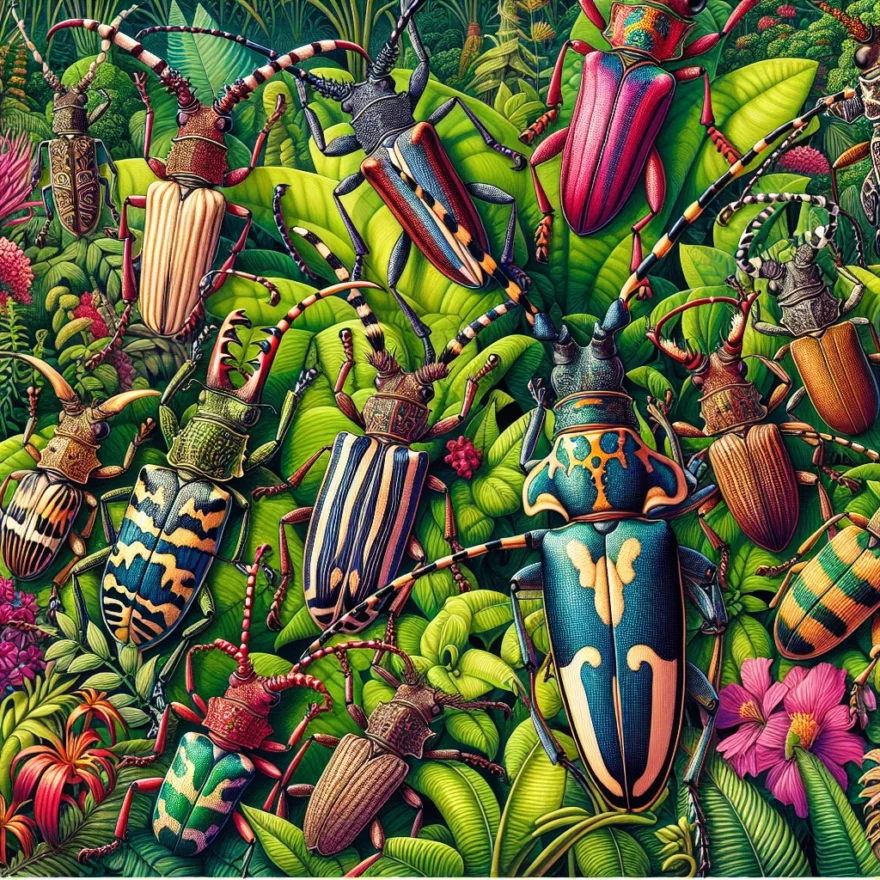
Introduction to African Longhorn Beetles
When it comes to the fascinating world of insects, the African Longhorn Beetles hold a special place. These beetles, scientifically known as Cerambycidae, are known for their elongated bodies and extraordinarily long antennae, which in some species can be longer than the beetle’s body itself. The name ‘Longhorn’ is derived from these distinctive antennae, which are reminiscent of the long horns of cattle.
There are approximately 20,000 species of Longhorn beetles worldwide, with a significant number of them found in Africa. These beetles are diverse not just in terms of species but also in size, color, and habitat preference. The smallest African Longhorn Beetle measures a mere 3mm, while the largest can reach up to a staggering 15cm in length.
The African Longhorn Beetles are a marvel of nature, each species unique in its own way. They are not just intriguing to look at, but their life cycle, diet, and habitat preferences also make them a subject of great interest to entomologists and nature enthusiasts alike. From their role in the ecosystem to their representation in popular culture, the African Longhorn Beetles are indeed a wonder of the insect world.
As we delve into the world of these longhorned wonders, we will explore their physical characteristics, lifecycle, habitat, diet, and predators. We will also look into their contribution to biodiversity, the threats they face, and the conservation efforts in place to protect them. Finally, we will touch upon their depiction in popular culture and answer some frequently asked questions about these fascinating creatures.
Table of contents
- Introduction to African Longhorn Beetles
- Physical Characteristics of African Longhorn Beetles
- The Lifecycle of African Longhorn Beetles
- African Longhorn Beetles’ Habitat
- Diet and Predators of African Longhorn Beetles
- African Longhorn Beetles and Biodiversity
- Threats and Conservation of African Longhorn Beetles
- African Longhorn Beetles in Popular Culture
- Frequently Asked Questions about African Longhorn Beetles
Physical Characteristics of African Longhorn Beetles
Renowned for their striking appearance, African Longhorn Beetles are a sight to behold. They are an incredibly diverse group of beetles, with more than 20,000 species worldwide and a significant number of these residing in Africa. This diversity is reflected in their physical characteristics, which can vary widely between species.
Generally, these beetles are large and robust, with elongated bodies that can range from 2 cm to over 15 cm in length. The most defining feature of these beetles is their long antennae, from which they derive their name. These antennae can be as long, or even longer than the body of the beetle itself, and are often adorned with small segments that give them a serrated or saw-like appearance.
The body of the African Longhorn Beetle is typically cylindrical and elongated, with a hard exoskeleton that protects it from predators. They come in a variety of colors and patterns, from shiny black to bright and vibrant hues of red, yellow, and green. Some species even have intricate patterns and markings that serve as camouflage or warning signals to predators.
Another unique feature of these beetles is their strong and powerful mandibles. These are used for chewing and boring into wood, which is essential for their survival. The legs of the African Longhorn Beetle are also designed for burrowing into wood, with strong and sharp claws at the end of each leg.
Interestingly, the size and shape of the antennae, the coloration, and the patterns on the body can be used to identify different species of African Longhorn Beetles. These physical characteristics not only make these beetles a fascinating subject for study but also a beautiful addition to the biodiversity of Africa.
The Lifecycle of African Longhorn Beetles
African Longhorn Beetles undergo a fascinating lifecycle, going through several distinct stages of development. Understanding their lifecycle can provide valuable insights into their behavior and ecological significance.
The lifecycle of African Longhorn Beetles begins with the female beetle laying her eggs. She selects a suitable host plant, typically a tree or a shrub, and uses her long ovipositor to insert the eggs into the bark or wood. The eggs are small and usually laid in clusters.
After a period of incubation, the eggs hatch into larvae. The larvae, commonly known as grubs, are creamy white in color and have a cylindrical body with a distinct head capsule. They have strong mandibles that they use to feed on the wood of the host plant. As they grow, the larvae molt several times, shedding their exoskeleton to accommodate their increasing size.
The larval stage of African Longhorn Beetles is the longest and can last anywhere from several months to a few years, depending on the species and environmental conditions. During this time, the larvae tunnel through the wood, creating extensive galleries as they feed and grow.
Once the larvae have completed their development, they enter the pupal stage. The pupa is a non-feeding, inactive stage where the larva undergoes metamorphosis, transforming into an adult beetle. Inside the pupal case, the body of the beetle undergoes significant changes, including the development of wings, antennae, and other adult characteristics.
After a period of pupation, the adult African Longhorn Beetle emerges from the pupal case. The newly emerged adult is soft and pale, but it quickly hardens and darkens as its exoskeleton matures. The adult beetle has a distinct longhorned appearance, with elongated antennae that can be as long as or even longer than its body. The length of the antennae varies between species and can serve as a distinguishing feature.
Once the adult beetle has fully matured, it is ready to reproduce. The male beetles use their long antennae to detect pheromones released by females to locate potential mates. After mating, the female beetle will lay her eggs, starting the lifecycle anew.
The lifecycle of African Longhorn Beetles is intricately connected to their habitat and the availability of suitable host plants. The beetles play an important role in the ecosystem by contributing to the decomposition of dead wood and aiding in nutrient cycling.
Understanding the lifecycle of African Longhorn Beetles is crucial for their conservation and management. By studying their life stages and the factors that influence their population dynamics, scientists can develop effective strategies to protect these fascinating creatures and the ecosystems they inhabit.
African Longhorn Beetles’ Habitat
African Longhorn Beetles are native to the diverse habitats of Africa. These fascinating insects can be found in various regions across the continent, from dense rainforests to arid savannahs. Their adaptability allows them to thrive in a wide range of environments, showcasing the incredible biodiversity of Africa.
One of the key factors that contribute to the habitat diversity of African Longhorn Beetles is the geography of Africa itself. The continent is home to vast mountain ranges, expansive grasslands, dense forests, and even deserts. This diverse landscape provides a multitude of niches for these beetles to inhabit.
In the rainforests of Central Africa, African Longhorn Beetles can be found dwelling among the lush vegetation. These beetles are well adapted to the humid and dense environment, where they can easily camouflage themselves among the leaves and branches. The abundance of decaying wood in the rainforest also serves as a suitable habitat for their larvae to develop.
In contrast, the savannahs and grasslands of Africa provide a different habitat for these beetles. Here, they can be found on various types of grasses and shrubs. The open plains allow them to bask in the sun, regulating their body temperature. The grasses also offer a plentiful food source for both adult beetles and their larvae.
Some species of African Longhorn Beetles have adapted to arid environments, such as the deserts of North Africa. These beetles have developed mechanisms to conserve water and withstand the extreme temperatures of the desert. They can be found on desert plants, feeding on the limited resources available in these harsh habitats.
It is worth noting that African Longhorn Beetles are not limited to natural habitats alone. They can also be found in agricultural areas, where they may feed on crops or reside in trees and plants adjacent to farmland. While their presence in these areas may sometimes be considered a pest, it is a testament to their ability to adapt to various environments.
Overall, the habitat diversity of African Longhorn Beetles is a reflection of the vast and varied landscapes found in Africa. From rainforests to savannahs, and deserts to agricultural areas, these remarkable insects have successfully carved out their niche in different habitats across the continent.
Diet and Predators of African Longhorn Beetles
African Longhorn Beetles have a diverse diet and face various predators in their natural habitats. Their feeding habits and interactions with other organisms play a crucial role in the ecosystem they inhabit.
Feeding primarily on wood, African Longhorn Beetles are known as xylophagous insects. They have a unique ability to digest and break down the tough cellulose fibers found in wood. Their long, slender mandibles are perfectly adapted for chewing through bark and excavating tunnels in tree trunks.
These beetles are attracted to weakened or dying trees, as well as freshly cut wood. They lay their eggs in crevices or cracks in the wood, ensuring that the larvae have a readily available food source once they hatch. The larvae then tunnel through the wood, feeding on the inner layers and creating intricate galleries as they grow.
While African Longhorn Beetles primarily feed on wood, they also consume other plant materials such as leaves, fruits, and flowers. This opportunistic feeding behavior allows them to adapt to different environments and utilize available food sources.
Despite their ability to consume wood, African Longhorn Beetles are not considered destructive pests like some other wood-boring insects. They typically target weakened or dead trees, aiding in the decomposition process and recycling nutrients back into the ecosystem.
As for predators, African Longhorn Beetles face a range of threats from other organisms. Birds, such as woodpeckers, are known to prey on adult beetles, using their sharp beaks to extract the insects from their hiding places in tree trunks. Small mammals, like shrews and rodents, may also feed on the beetles if given the opportunity.
In addition to natural predators, African Longhorn Beetles are sometimes targeted by parasitic wasps and flies. These parasitoids lay their eggs on or inside the beetles, and the developing larvae feed on the host, eventually leading to its demise.
Overall, the diet and predators of African Longhorn Beetles are intricately connected to their role in the ecosystem. By feeding on wood and other plant materials, they contribute to the natural decomposition process and provide food for a variety of organisms higher up the food chain.
African Longhorn Beetles and Biodiversity
African Longhorn Beetles play a significant role in the biodiversity of their native ecosystems. These fascinating creatures contribute to the intricate web of life in various ways, making them an essential component of the natural world.
One of the key contributions of African Longhorn Beetles to biodiversity is their role as pollinators. As they feed on nectar and pollen from flowers, they inadvertently transfer pollen from one flower to another, aiding in the process of plant reproduction. This pollination service is crucial for the survival and propagation of many plant species.
In addition to their role as pollinators, African Longhorn Beetles also serve as decomposers. They play a vital role in breaking down dead plant material, such as fallen trees and decaying logs. By feeding on decaying organic matter, these beetles help to recycle nutrients back into the ecosystem, enriching the soil and supporting the growth of new plants.
Furthermore, African Longhorn Beetles contribute to the overall food chain and trophic dynamics of their habitats. They serve as a source of food for various predators, including birds, reptiles, and other insect species. Their presence in the ecosystem ensures a balanced and diverse food web, supporting the survival of numerous species.
Moreover, the presence of African Longhorn Beetles can indicate the health and stability of an ecosystem. These beetles are highly sensitive to environmental changes, especially in terms of habitat quality and availability of suitable host plants. Therefore, their presence or absence can act as an indicator of the overall health and biodiversity of a particular ecosystem.
Conserving African Longhorn Beetles is crucial for maintaining the delicate balance of biodiversity in their native habitats. Protecting their natural habitats, such as forests and woodlands, is essential to ensure their survival. Additionally, promoting sustainable land-use practices and reducing the use of harmful pesticides can help safeguard these beetles and the biodiversity they support.
By understanding and appreciating the role of African Longhorn Beetles in biodiversity, we can work towards preserving and protecting these remarkable creatures and the ecosystems they inhabit.
Threats and Conservation of African Longhorn Beetles
African Longhorn Beetles, like many other insect species, face various threats to their survival. The conservation of these fascinating creatures is crucial to maintaining biodiversity and the balance of ecosystems. Here are some of the main threats that African Longhorn Beetles encounter, as well as the conservation efforts aimed at protecting them:
Habitat Loss: One of the biggest threats to African Longhorn Beetles is the loss of their natural habitat. Deforestation, urbanization, and agricultural expansion are all contributing factors to the destruction of their native environments. As their habitats shrink, these beetles struggle to find suitable places to live and reproduce.
Invasive Species: Invasive species pose a significant threat to African Longhorn Beetles. These non-native plants and animals can outcompete the beetles for resources or even prey on them directly. Invasive species often disrupt the delicate balance of ecosystems, leading to a decline in the population of native species like the African Longhorn Beetles.
Pesticides and Chemical Pollution: The use of pesticides and chemical pollutants in agriculture and other industries can have detrimental effects on African Longhorn Beetles. These chemicals can contaminate their food sources, disrupt their reproductive cycles, and even cause direct mortality. The widespread use of pesticides can have far-reaching consequences for the overall health of insect populations.
Climate Change: The changing climate patterns have a profound impact on African Longhorn Beetles. Rising temperatures, altered rainfall patterns, and extreme weather events can disrupt their life cycles, affect their mating behaviors, and reduce their available food sources. As climate change continues to worsen, the survival of these beetles becomes increasingly uncertain.
Conservation Efforts: To protect African Longhorn Beetles and ensure their long-term survival, various conservation efforts have been implemented:
1. Habitat Preservation: Establishing protected areas and nature reserves can help conserve the natural habitats of African Longhorn Beetles. These protected areas provide a safe haven for the beetles to thrive and maintain their populations.
2. Invasive Species Management: Controlling and managing invasive species is essential to limit their impact on African Longhorn Beetles. This may involve the removal of invasive plants or the implementation of strategies to control invasive predators.
3. Sustainable Agriculture: Promoting sustainable agricultural practices can reduce the use of harmful pesticides and chemical pollutants, minimizing their impact on African Longhorn Beetles and other beneficial insects.
4. Climate Change Mitigation: Addressing climate change is crucial for the long-term conservation of African Longhorn Beetles. This includes reducing greenhouse gas emissions, promoting renewable energy sources, and implementing strategies to adapt to changing climatic conditions.
5. Public Education and Awareness: Raising awareness about the importance of African Longhorn Beetles and their role in ecosystems can help garner support for their conservation. Education programs, community engagement, and outreach initiatives can all contribute to fostering a sense of responsibility towards protecting these remarkable insects.
By addressing these threats and implementing effective conservation strategies, we can ensure the survival of African Longhorn Beetles and the preservation of their unique contributions to the natural world.
African Longhorn Beetles in Popular Culture
African Longhorn Beetles in Popular Culture
Throughout history, insects have captivated the human imagination and have been featured in various forms of popular culture. African Longhorn Beetles, with their unique appearance and fascinating behavior, have also made their way into the world of art, literature, and entertainment. Let’s explore some of the notable appearances of these longhorn wonders in popular culture.
Art and Symbolism
African Longhorn Beetles have been depicted in art, particularly in African cultures, where they hold symbolic significance. In some African tribes, these beetles are seen as a symbol of strength, resilience, and transformation. Their long, impressive antennae are often associated with heightened perception and intuition.
Literature and Folklore
These intriguing insects have also found their way into literature and folklore. In some African folktales, African Longhorn Beetles are portrayed as wise and mystical creatures, possessing secret knowledge of the natural world. Their presence in stories often represents the connection between humans and nature.
Entertainment and Media
African Longhorn Beetles have occasionally made appearances in movies, documentaries, and wildlife shows. These visual representations help to educate and raise awareness about the unique characteristics and importance of these beetles in their ecosystems.
Fashion and Design
The distinctive appearance of African Longhorn Beetles has inspired fashion designers and artists. Their long, elegant antennae have been incorporated into jewelry designs, accessories, and even clothing patterns.
Scientific Research and Education
The popularity of African Longhorn Beetles in popular culture has also contributed to increased interest in scientific research and education. Their unique features and behaviors have fascinated scientists, leading to further studies and discoveries about these incredible insects.
Conservation Efforts
By featuring African Longhorn Beetles in popular culture, there is an opportunity to raise awareness about their importance in ecosystems and the need for their conservation. This increased attention can help promote efforts to protect their habitats and preserve biodiversity.
Overall, African Longhorn Beetles have left their mark in popular culture, showcasing their beauty, symbolism, and ecological significance. Through various forms of art, literature, and media, these fascinating insects continue to capture the imagination of people around the world.
Frequently Asked Questions about African Longhorn Beetles
1. How long do African Longhorn Beetles live?
African Longhorn Beetles typically have a lifespan of one to three years, depending on various factors such as species, environmental conditions, and availability of resources. Some species may have shorter or longer lifespans.
2. Are African Longhorn Beetles harmful to humans?
No, African Longhorn Beetles are not harmful to humans. They do not bite, sting, or pose any direct threat to human health. However, they can cause damage to trees and timber, which can have economic implications.
3. How do African Longhorn Beetles affect biodiversity?
African Longhorn Beetles play a crucial role in the ecosystem by contributing to biodiversity. They help in the decomposition of dead wood, which aids in nutrient cycling. Additionally, they serve as a food source for other organisms such as birds and small mammals.
4. Can African Longhorn Beetles fly?
Yes, African Longhorn Beetles have the ability to fly. They have strong wings that allow them to move between trees and explore different habitats in search of suitable breeding sites and food sources.
5. How do African Longhorn Beetles reproduce?
African Longhorn Beetles reproduce through a process called mating. The female beetles lay eggs on or near suitable host trees. Once the eggs hatch, the larvae bore into the wood and undergo several stages of development before emerging as adult beetles.
6. What are the main predators of African Longhorn Beetles?
African Longhorn Beetles have several natural predators, including birds, small mammals, and other insects. Woodpeckers are known to feed on the larvae and pupae of these beetles, helping to control their populations.
7. Can African Longhorn Beetles cause damage to trees?
Yes, African Longhorn Beetles can cause damage to trees. The larvae bore into the wood, creating tunnels and galleries as they feed. This can weaken the tree’s structure and make it more susceptible to diseases and other pests.
8. Are African Longhorn Beetles considered endangered?
While some species of African Longhorn Beetles are considered endangered or threatened due to habitat loss and other factors, the overall conservation status of the group varies. Conservation efforts are being made to protect their habitats and raise awareness about their importance in the ecosystem.
9. Can African Longhorn Beetles be kept as pets?
It is not recommended to keep African Longhorn Beetles as pets. These beetles have specific habitat requirements and rely on natural ecosystems for their survival. It is best to appreciate them in their natural environment rather than attempting to keep them in captivity.
10. Are African Longhorn Beetles found only in Africa?
While African Longhorn Beetles are predominantly found in Africa, they can also be found in other parts of the world. Some species have been introduced to regions outside of Africa, either accidentally or intentionally, through global trade and transportation.