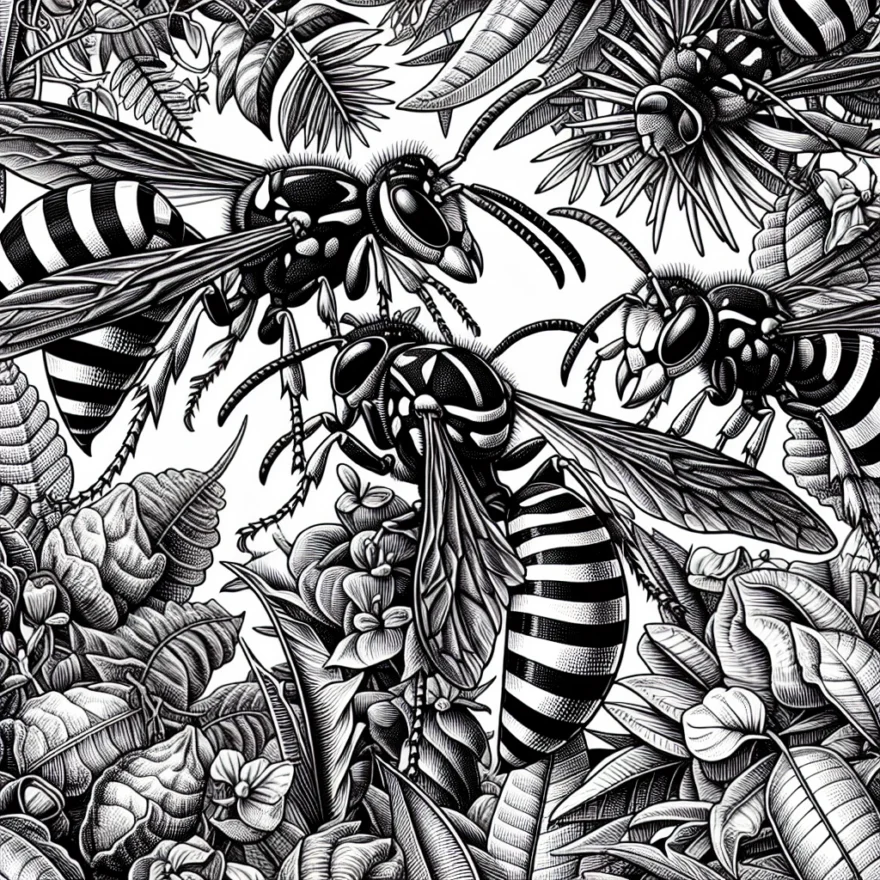
Introduction to African Zebra Wasps
Delving into the world of insects often presents us with fascinating species that captivate our attention with their unique attributes and behaviors. One such species is the African Zebra Wasp, a mysterious and intriguing insect that is as captivating as it is misunderstood. Named for their distinctive black and white stripes, these wasps belong to the family Vespidae and are known for their striking appearance and unique behaviors.
Despite their name, African Zebra Wasps are not limited to Africa but are widespread across various parts of the world. Their distinctive markings and behavior have made them a subject of interest for entomologists and nature enthusiasts alike. However, due to their elusive nature and the general lack of comprehensive studies, many aspects of their life and behavior remain shrouded in mystery.
These wasps are often mistaken for their more aggressive relatives, the Yellow Jackets, due to their similar size and coloring. However, the African Zebra Wasps are generally less aggressive and are more likely to flee than fight when threatened. This has led to many misconceptions about their behavior and their role in the ecosystem, which we will delve into in the following sections.
In this in-depth study, we will explore the habitat and distribution of the African Zebra Wasps, their physical characteristics, lifecycle, diet, predators, and their role in the ecosystem. We will also debunk some common myths about these fascinating creatures and answer some common questions that readers may have about them. So, let’s embark on this enthralling journey to uncover the mysteries of the African Zebra Wasps.
Table of contents
- Introduction to African Zebra Wasps
- Habitat and Distribution of African Zebra Wasps
- Physical Characteristics of African Zebra Wasps
- Lifecycle of the African Zebra Wasp
- Diet and Predators of African Zebra Wasps
- The Role of African Zebra Wasps in the Ecosystem
- Common Myths about African Zebra Wasps
- Common Questions about African Zebra Wasps
Habitat and Distribution of African Zebra Wasps
When we delve into the habitats and distribution of the enigmatic African Zebra Wasps, we uncover a fascinating world of survival and adaptation. These insects, also known as Eumeninae, are predominantly found in the diverse landscapes of the African continent, particularly in Sub-Saharan Africa.
The African Zebra Wasp’s habitat is as unique as its black and white striped pattern. They are typically found in areas with ample sunlight and prefer habitats with sandy soil. This is because the wasps use the soil to build their nests. They are solitary creatures and do not live in colonies like many other wasp species.
These wasps have a remarkable ability to adapt to different environmental conditions. They can be found in a variety of habitats ranging from grasslands and savannas to tropical rainforests and semi-desert regions. This adaptability allows them to distribute widely across the African continent.
However, despite their wide distribution, the African Zebra Wasps are not easily spotted. Their black and white stripes, while striking, serve as an excellent camouflage against predators. These stripes blend well with the shadows and light in their natural surroundings, making them difficult to spot.
It’s also worth mentioning that the African Zebra Wasps are not migratory. They tend to stay within a certain radius of their nests. This is why, even though they are widely distributed, they are rarely seen in large numbers in one location.
Understanding the habitat and distribution of the African Zebra Wasps not only sheds light on their survival strategies but also on their role in the ecosystem. Their presence, though not always visible, is a vital part of the biodiversity of the African landscapes.
Physical Characteristics of African Zebra Wasps
The African Zebra Wasps, also known as Odynerus zebra, are fascinating insects with unique physical characteristics that set them apart from other wasp species. These wasps are native to the African continent and can be found in various regions, including savannahs, grasslands, and even urban areas.
One of the most striking features of African Zebra Wasps is their distinct black and white striped pattern, which resembles the stripes of a zebra. This distinctive coloration serves as a warning to potential predators, indicating that these wasps are not to be trifled with.
The body of the African Zebra Wasp is elongated and slender, measuring around 1 to 2 centimeters in length. They have a narrow waist, giving them a wasp-like appearance. Their wings are transparent and delicate, allowing them to fly swiftly and gracefully through the air.
Unlike some other wasp species, African Zebra Wasps do not possess a stinger. Instead, they rely on their strong mandibles to capture prey and defend themselves when necessary. These mandibles are sharp and powerful, enabling the wasps to subdue their prey quickly.
Another interesting physical characteristic of African Zebra Wasps is their compound eyes, which are large and highly developed. These compound eyes provide the wasps with excellent vision, allowing them to spot potential prey or threats from a distance.
In terms of size, the females of this species are generally larger than the males. This sexual dimorphism is common among many insect species and serves various purposes, such as mate selection and reproductive success.
The exoskeleton of African Zebra Wasps is smooth and glossy, providing them with protection from external elements and potential predators. This exoskeleton is made of a durable substance called chitin, which gives the wasps their characteristic strength and resilience.
Overall, the physical characteristics of African Zebra Wasps make them a visually striking and formidable species. Their black and white striped pattern, strong mandibles, compound eyes, and sleek body shape all contribute to their success as efficient predators in their ecosystem.
Lifecycle of the African Zebra Wasp
African Zebra Wasps, also known as Zebra Jumping Spiders, have a fascinating lifecycle that showcases their unique adaptations and behaviors. Let’s take a closer look at the different stages of their lifecycle:
Egg Stage
The lifecycle of African Zebra Wasps begins with the female wasp laying her eggs. She carefully selects a suitable host, such as a grasshopper or cricket egg pod, to deposit her eggs on. This ensures that the emerging larvae will have an immediate source of food.
Larval Stage
Once the eggs hatch, the larvae of the African Zebra Wasp emerge. They are small and worm-like, with a voracious appetite. The larvae immediately start feeding on the host eggs, consuming them as their primary source of nutrition. This stage lasts for several days or weeks, depending on environmental conditions.
Pupal Stage
After the larvae have finished feeding and reached a certain size, they enter the pupal stage. During this stage, the larvae undergo a remarkable transformation. They encase themselves in a protective cocoon and undergo metamorphosis, where their body structures and organs develop into those of an adult wasp.
Adult Stage
Once the metamorphosis is complete, the adult African Zebra Wasp emerges from the cocoon. The newly emerged wasp is fully developed and ready to take on the world. The adult wasps are known for their striking black and white striped patterns, which resemble the markings of a zebra, hence their name.
Adult African Zebra Wasps are highly active and agile. They possess incredible jumping abilities, enabling them to quickly pounce on their prey. The adult stage is focused on reproduction, with male wasps seeking out females to mate with, and females searching for suitable hosts to lay their eggs on and continue the lifecycle.
It is important to note that the lifecycle of African Zebra Wasps can vary in duration depending on factors such as temperature, food availability, and environmental conditions. However, the overall process from egg to adult typically takes several weeks.
Diet and Predators of African Zebra Wasps
The diet and predators of African Zebra Wasps play a crucial role in their survival and ecological interactions. These fascinating insects have specific dietary preferences and face various threats from predators in their natural habitat.
African Zebra Wasps primarily feed on nectar and pollen from a variety of flowering plants. They are known to have a preference for certain types of flowers, such as those with tubular shapes or bright colors. These flowers provide the necessary energy and nutrients for the wasps to thrive.
Interestingly, African Zebra Wasps also have a unique relationship with other insects known as host bees. The female wasps lay their eggs inside the nests of these host bees, and the wasp larvae feed on the developing bee larvae. This behavior is known as parasitism, as the wasps benefit at the expense of the host bees.
However, African Zebra Wasps are not without their own predators. They face threats from a range of animals, including birds, reptiles, and other insects. Birds, such as bee-eaters and flycatchers, are known to prey on these wasps, using their quick reflexes and agility to catch them mid-flight.
Certain species of reptiles, such as lizards and geckos, also pose a threat to African Zebra Wasps. These predators are adept at climbing trees and hunting insects, making the wasps vulnerable to their attacks.
Additionally, some insects, like dragonflies and robber flies, are known to be natural predators of African Zebra Wasps. These predatory insects have strong flying abilities and sharp mouthparts that allow them to capture and consume the wasps.
It is important to note that the diet and predation of African Zebra Wasps are integral to the balance of their ecosystem. While they may be preyed upon by certain animals, their parasitic behavior towards host bees helps control bee populations and maintain biodiversity in the ecosystem.
Understanding the diet and predators of African Zebra Wasps provides valuable insights into their ecological role and the intricate web of interactions within their habitat. These wasps have adapted to their environment, relying on specific food sources while also facing threats from various predators.
The Role of African Zebra Wasps in the Ecosystem
African Zebra Wasps play a crucial role in the ecosystem, contributing to the balance and health of their habitats. These fascinating creatures have several important ecological functions that help maintain the ecosystem’s stability. Let’s explore the role of African Zebra Wasps in more detail:
1. Pollination: African Zebra Wasps are important pollinators for various flowering plants in their habitat. As they move from flower to flower in search of nectar, they inadvertently transfer pollen grains, aiding in the fertilization process. This interaction between the wasps and plants ensures the continuation of plant species and promotes biodiversity.
2. Pest Control: African Zebra Wasps are known for their predatory behavior, preying on a variety of insects, including harmful pests. They actively hunt and feed on insects like caterpillars, beetles, and aphids, which can cause damage to crops and other plants. By keeping the population of these pests in check, the wasps help maintain the health and productivity of agricultural and natural ecosystems.
3. Decomposition: African Zebra Wasps also contribute to the process of decomposition. They are scavengers, feeding on dead insects and other organic matter. By consuming decaying material, they help break it down into smaller particles, aiding in the recycling of nutrients back into the soil. This decomposition process is essential for nutrient cycling and the overall health of the ecosystem.
4. Biological Control: In addition to controlling pests directly, African Zebra Wasps also play a role in biological control by acting as natural enemies to other insect species. They parasitize the eggs or larvae of certain insects, effectively reducing their population. This natural form of pest control helps prevent outbreaks of harmful insect species and maintains the balance of the ecosystem.
5. Food Source: African Zebra Wasps serve as a vital food source for other organisms in the ecosystem. Birds, reptiles, and other insectivorous animals rely on these wasps as a part of their diet. The presence of African Zebra Wasps in the ecosystem supports the survival and well-being of various predator species, contributing to the overall biodiversity of the area.
Overall, African Zebra Wasps are integral to the functioning of their ecosystem. Their role as pollinators, pest controllers, decomposers, biological control agents, and food sources highlights their importance in maintaining a healthy and balanced environment. Understanding and appreciating the ecological significance of these mysterious wasps is crucial for their conservation and the preservation of their habitats.
Common Myths about African Zebra Wasps
As fascinating as African Zebra Wasps are, they have also been surrounded by numerous myths and misconceptions. Let’s debunk some of the common myths about these intriguing insects:
Myth 1: African Zebra Wasps are aggressive and dangerous
Contrary to popular belief, African Zebra Wasps are not aggressive towards humans unless they feel threatened. They are primarily focused on their own survival and the protection of their nests. These wasps will typically only sting if they perceive a direct threat. It is important to remain calm and avoid sudden movements when encountering them to prevent any unnecessary stings.
Myth 2: African Zebra Wasps are harmful to crops and gardens
While African Zebra Wasps are predators and feed on other insects, they do not pose a significant threat to crops or gardens. In fact, they can be beneficial as they help control populations of harmful pests. These wasps primarily target other insects, such as caterpillars and beetles, which can cause damage to plants. By preying on these pests, African Zebra Wasps contribute to the overall health of ecosystems.
Myth 3: African Zebra Wasps are carriers of diseases
There is no evidence to suggest that African Zebra Wasps transmit diseases to humans or other animals. These wasps primarily focus on hunting and gathering food for their offspring. They do not come into direct contact with pathogens that could be harmful to humans. It is important to remember that African Zebra Wasps play a vital role in maintaining the balance of insect populations in their natural habitats.
Myth 4: African Zebra Wasps are invasive species
African Zebra Wasps are native to Africa and have evolved to thrive in their specific ecosystems. They are not considered invasive species in their natural habitats. However, if introduced to regions outside of their native range, they could potentially disrupt local ecosystems. It is crucial to avoid introducing non-native species to new areas without thorough research and consideration of potential ecological impacts.
Myth 5: African Zebra Wasps are solely beneficial
While African Zebra Wasps do provide valuable pest control services, it is important to recognize that they are part of a complex ecosystem. Their prey often includes other beneficial insects such as pollinators. Therefore, it is essential to strike a balance and ensure the conservation of a diverse range of insect species to maintain the overall health of ecosystems.
By dispelling these myths, we can gain a better understanding and appreciation for the important role African Zebra Wasps play in their natural habitats.
Common Questions about African Zebra Wasps
Throughout this in-depth study on African Zebra Wasps, many questions may arise about these fascinating creatures. In this section, we will address some of the most common questions that people have about African Zebra Wasps.
1. Are African Zebra Wasps dangerous to humans?
No, African Zebra Wasps are not considered dangerous to humans. They are solitary wasps and do not typically exhibit aggressive behavior towards humans unless provoked. Their main focus is on hunting and capturing prey, such as other insects, to feed their offspring.
2. Do African Zebra Wasps sting?
Yes, African Zebra Wasps are equipped with a stinger. However, they generally use their stingers for defense and immobilizing their prey rather than for attacking humans. Unless you directly handle or disturb a Zebra Wasp, the chances of getting stung are minimal.
3. Can African Zebra Wasps be kept as pets?
While African Zebra Wasps are intriguing creatures, they are not suitable to be kept as pets. These wasps have specific habitat requirements and rely on their natural environment for survival. It is best to appreciate them from a distance and allow them to thrive in their natural ecosystems.
4. What is the purpose of the unique black and white striped pattern on African Zebra Wasps?
The distinctive black and white striped pattern on African Zebra Wasps serves as a form of warning coloration, known as aposematism. This pattern signals to potential predators that the wasp is venomous or can defend itself. It acts as a deterrent, reducing the likelihood of being attacked.
5. How long do African Zebra Wasps live?
The lifespan of African Zebra Wasps can vary depending on factors such as species and environmental conditions. On average, they live for several weeks to a few months. The adult wasps have a relatively short lifespan, as their primary focus is on reproducing and ensuring the survival of their offspring.
6. Do African Zebra Wasps have any economic importance?
While African Zebra Wasps may not have direct economic importance, they play a vital role in maintaining ecological balance. As predators, they help control populations of other insects, potentially reducing the need for chemical pest control methods. This indirect benefit contributes to the overall health of ecosystems.
7. Can African Zebra Wasps be found outside of Africa?
As their name suggests, African Zebra Wasps are primarily found in various regions of Africa. However, some species of Zebra Wasps have been observed in other parts of the world, although their presence is not as widespread. These occurrences are often the result of accidental introductions or natural range expansions.
8. Are African Zebra Wasps beneficial to humans?
While African Zebra Wasps may not have direct benefits to humans, their role as natural predators helps maintain the balance of insect populations in ecosystems. By controlling the populations of other insects, they indirectly contribute to the health of agricultural crops and natural habitats.
9. Can African Zebra Wasps be harmful to plants or crops?
No, African Zebra Wasps are not harmful to plants or crops. Their diet primarily consists of other insects, which they use as a food source for their larvae. They do not feed on vegetation or cause damage to agricultural crops, making them beneficial in terms of pest control.
10. How can I attract African Zebra Wasps to my garden?
Attracting African Zebra Wasps to your garden can be challenging as they have specific habitat requirements. However, creating a diverse and insect-friendly garden with a variety of flowering plants can help attract their prey, which in turn may attract Zebra Wasps. Providing suitable nesting sites, such as small holes in wood or sandy soil, can also encourage their presence.